
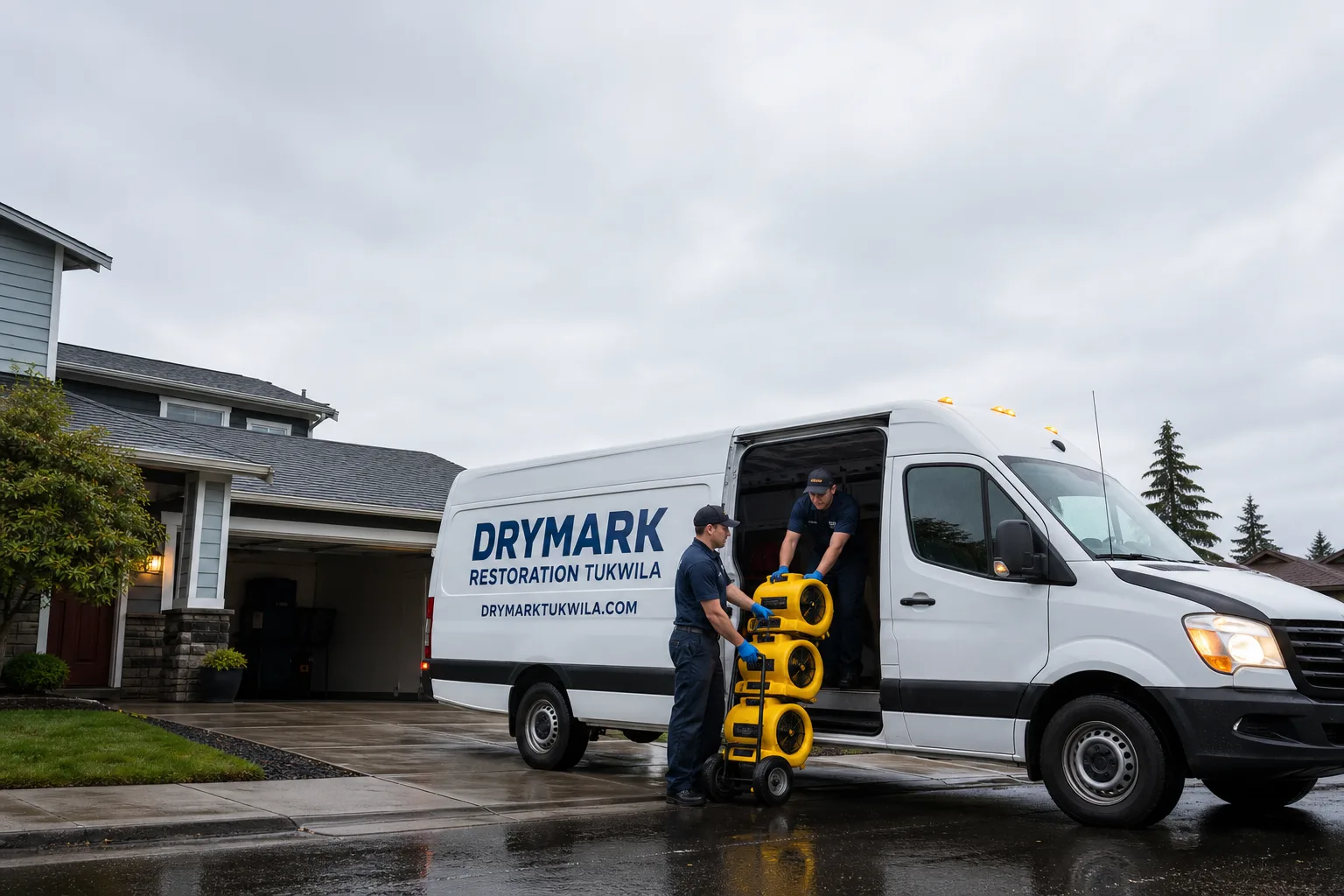
Free visual inspection and a written scope of work before any mitigation begins - photos, moisture readings, and drying logs go in your claim file
The scope we write is the scope we bill. Anything new gets shown to you, in writing, before we touch it.
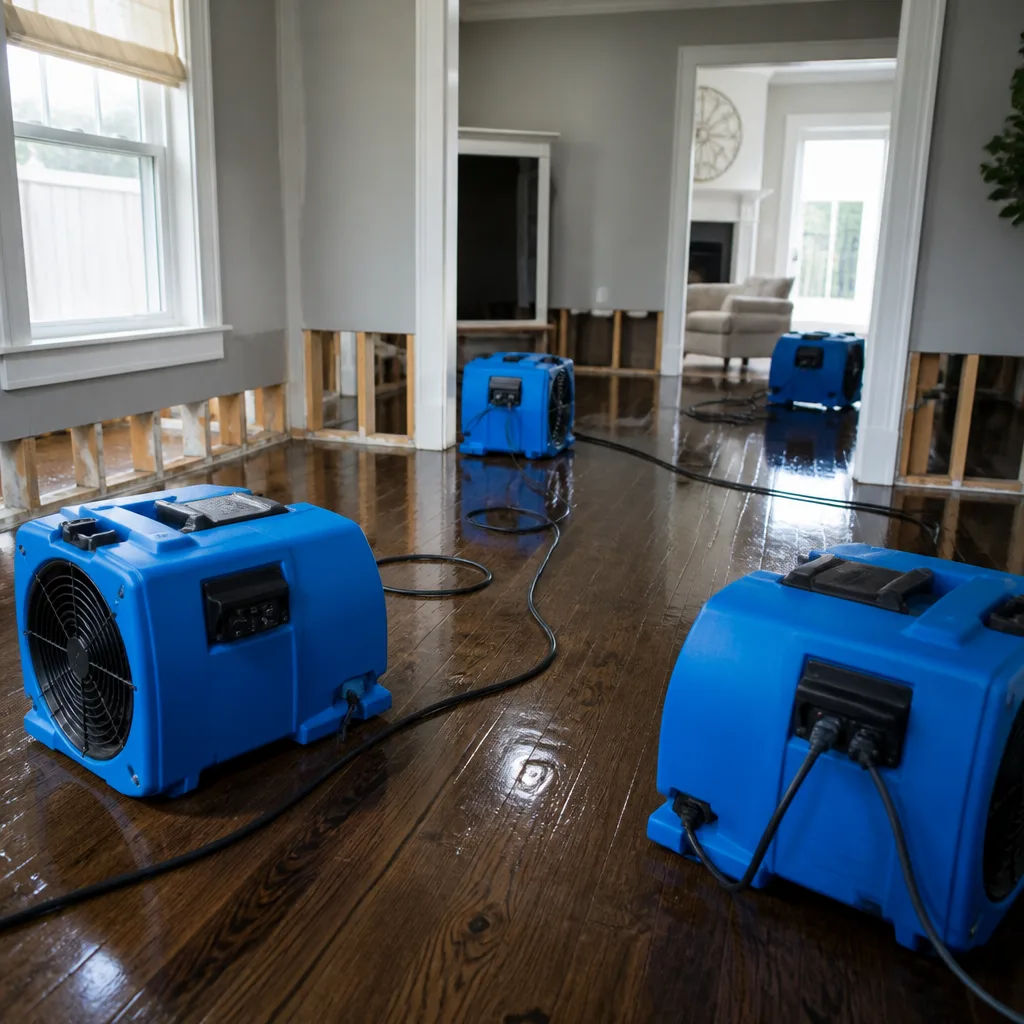
 Before
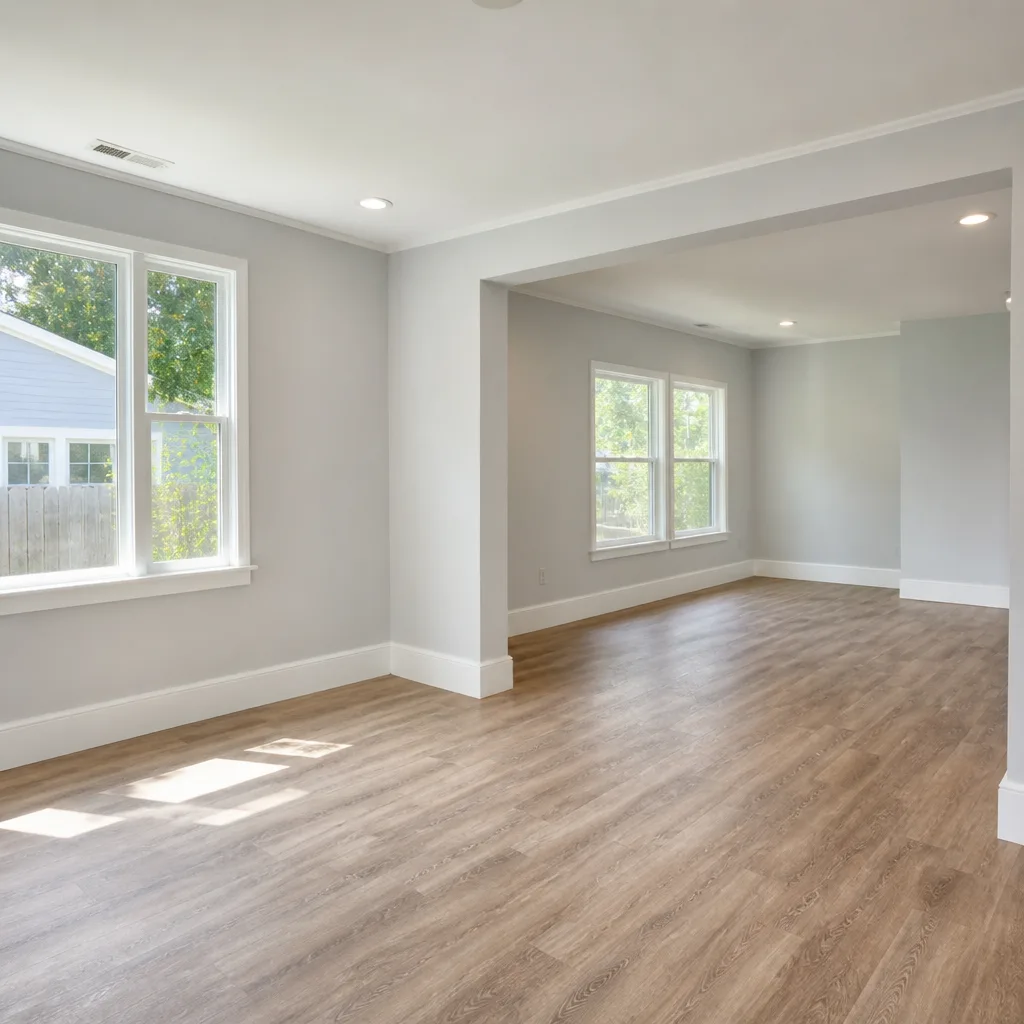
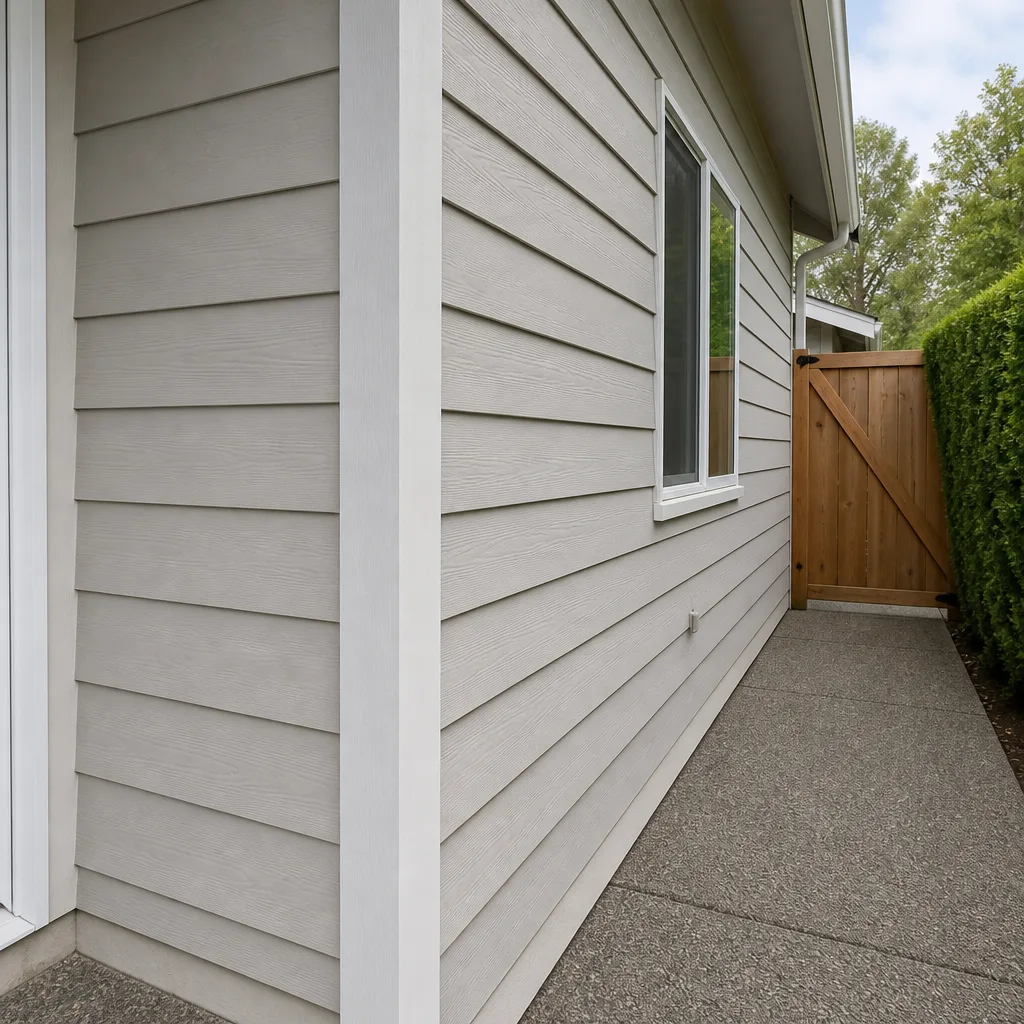 After
After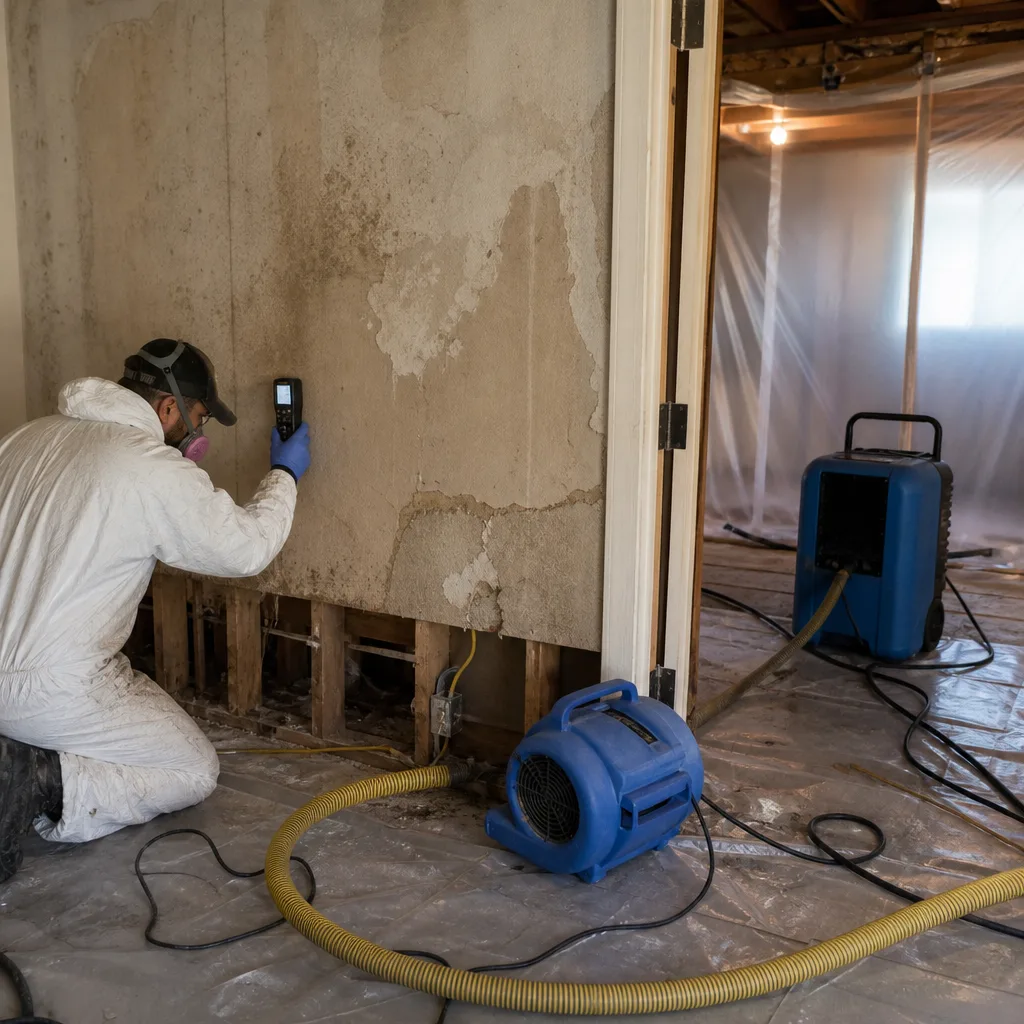 Before
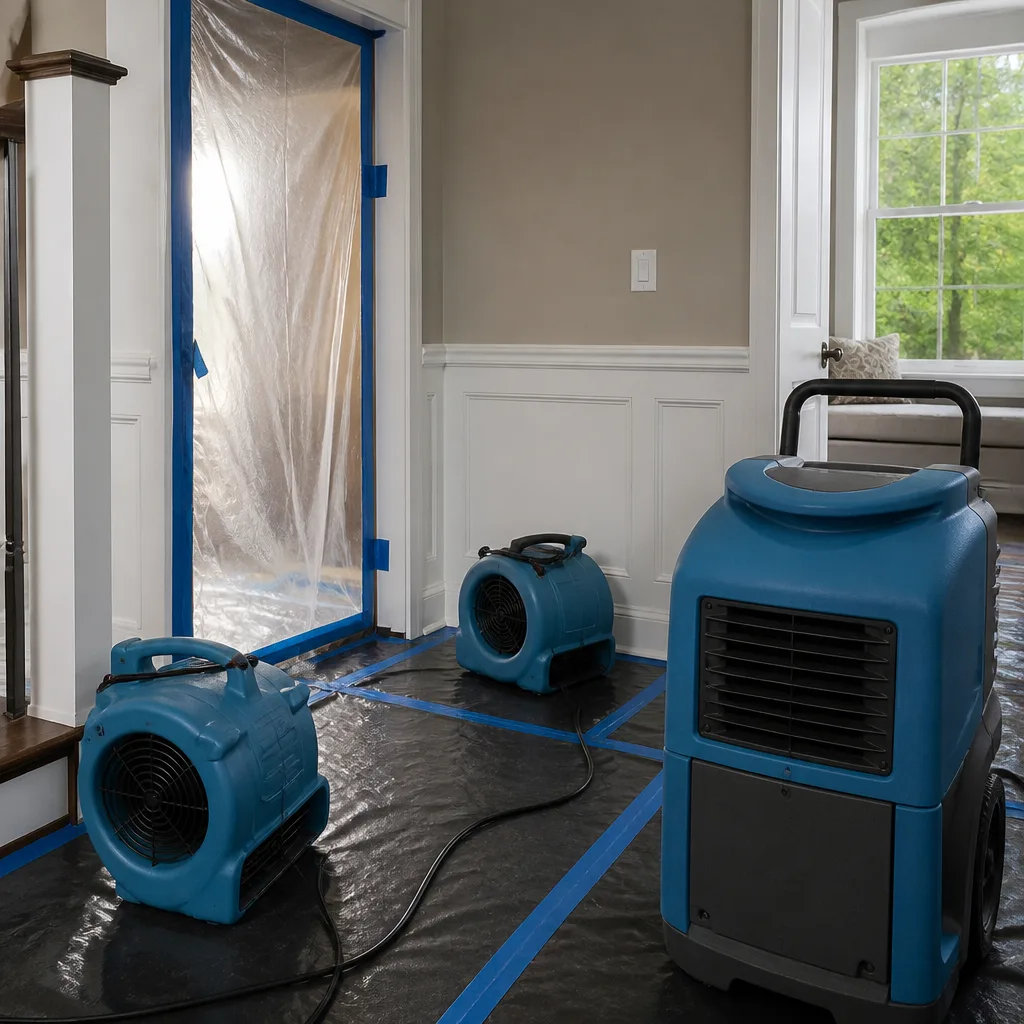 After
After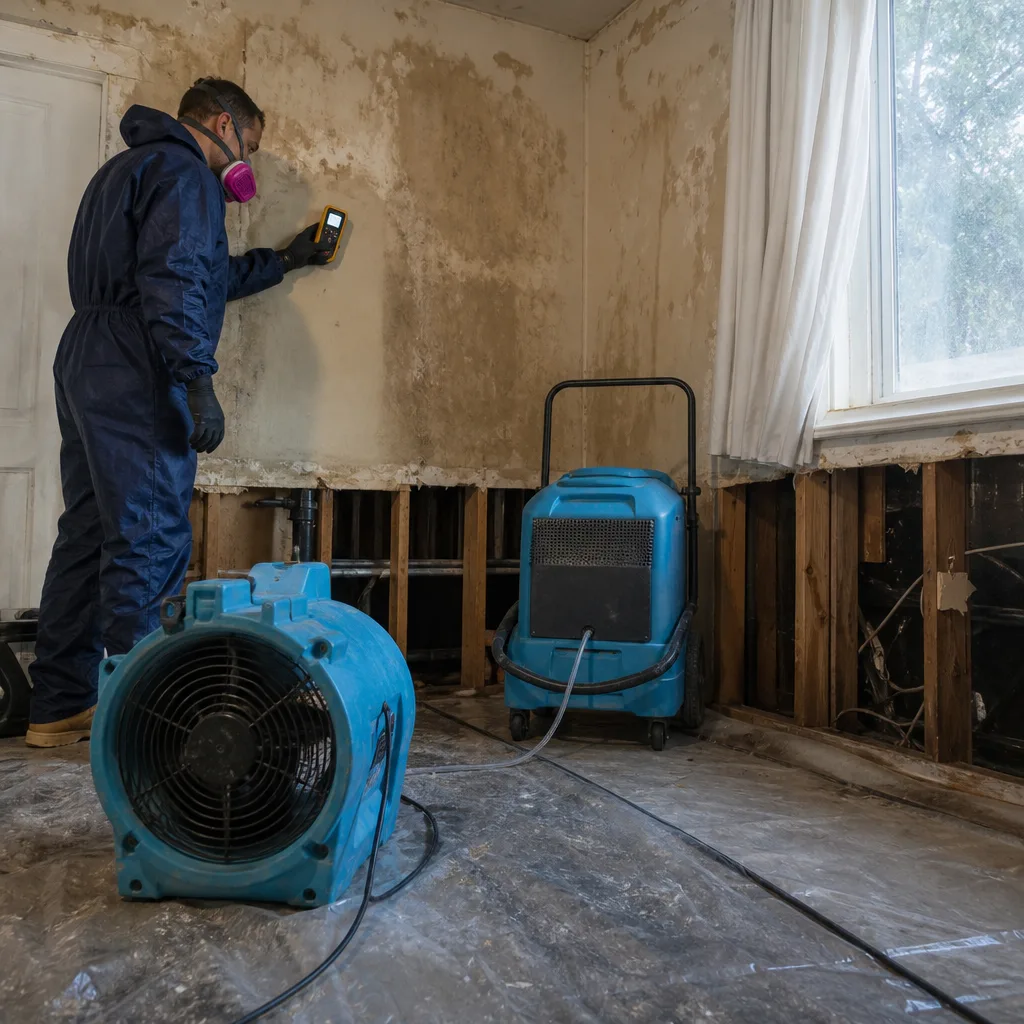 Before
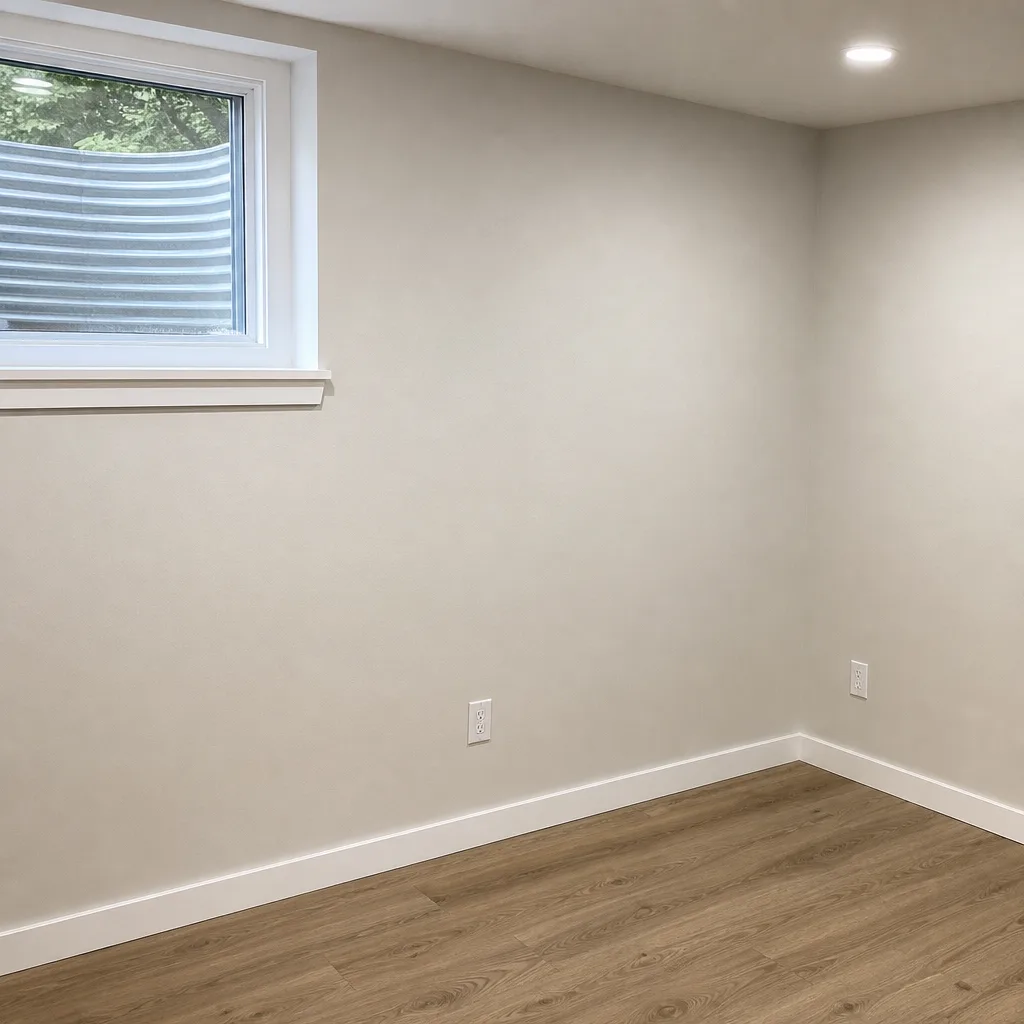 After
AfterFast, Reliable Fire & Smoke Damage Restoration Across Federal Way
Fire and smoke damage restoration in Federal Way typically costs between $3,200 and $14,500 depending on the extent of structural involvement, with emergency board-up and tarping starting at $850 and full reconstruction reaching $45,000 or more for heavily damaged homes. Most Federal Way homeowners see our crew on-site within 60 to 90 minutes of calling (253) 642-8884, with smoke and soot mitigation beginning that same day. Because Federal Way’s marine climate and ridge-and-ravine topography trap moisture in 1960s-1990s wood-framed housing stock, fire scenes here frequently require simultaneous water damage control before smoke cleanup can proceed safely.
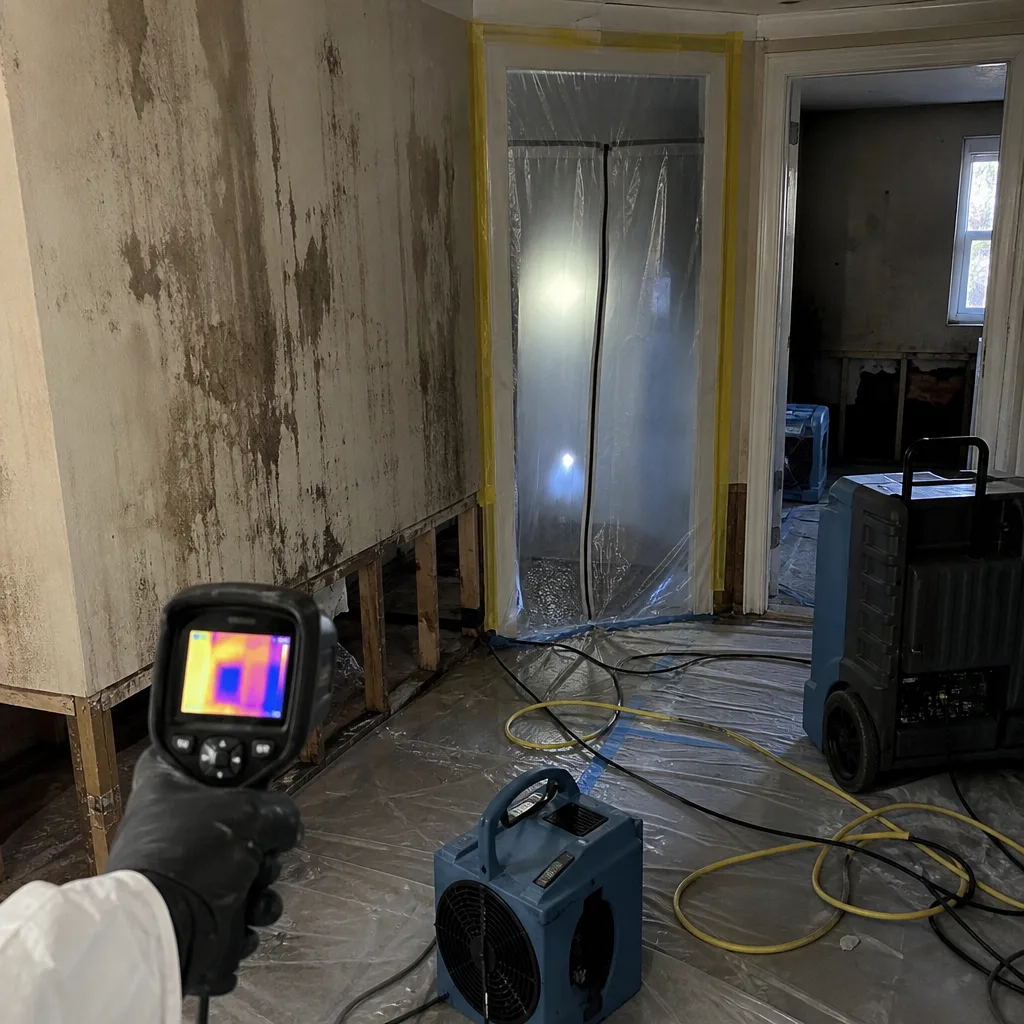
We know the Federal Way market. Our crews serve homes from the Twin Lakes neighborhood to the West Hylebos Wetlands corridor, from the low-rise complexes along SR-99 to the single-family tracts climbing the ridges toward Dash Point. The same damp conditions that make this area lush also make fire restoration more complex than in drier inland markets. That’s why our Fire & Smoke Damage Restoration team arrives with moisture meters, thermal imaging, and drying equipment alongside soot sponges and HEPA air scrubbers.
Why DryMark Restoration Tukwila Is Federal Way’s Preferred Fire & Smoke Damage Restoration Company
Back to Dry Restoration, led by Alicia Brennan, has handled fire and smoke losses across South King County since 2011. Our origin story matters here: Alicia built the company after working as a claims adjuster and watching homeowners lose legitimate coverage because restoration contractors failed to document their work. Every Federal Way job we take carries that documentation-first discipline.
Our Federal Way customers leave reviews citing the same specifics: the written price that arrived before any equipment crossed the threshold, the photo record they received at job completion, the drying logs that made their adjuster pay without dispute. We don’t chase stars; we chase paperwork that holds up.
Response time to Federal Way runs 60 to 90 minutes on emergency calls, with live phone coverage 24 hours a day, 7 days a week. No voicemail trees. No next-business-day callbacks while smoke residues continue acid-etching your finishes. Dispatch and scheduling are coordinated from our Seattle office; crews serve Federal Way locally and carry the ridge-and-ravine geography in their working knowledge.
That local knowledge translates to faster, more accurate scopes. We know which Federal Way subdivisions sit on the elevated water table near Hylebos Creek. We know which 1970s tract homes have T1-11 siding that will hold firefighting water behind the seams. We know the low sun angles that keep those surfaces wet for days. This isn’t generic expertise with a city name pasted on top.
Our Fire & Smoke Damage Restoration Services in Federal Way
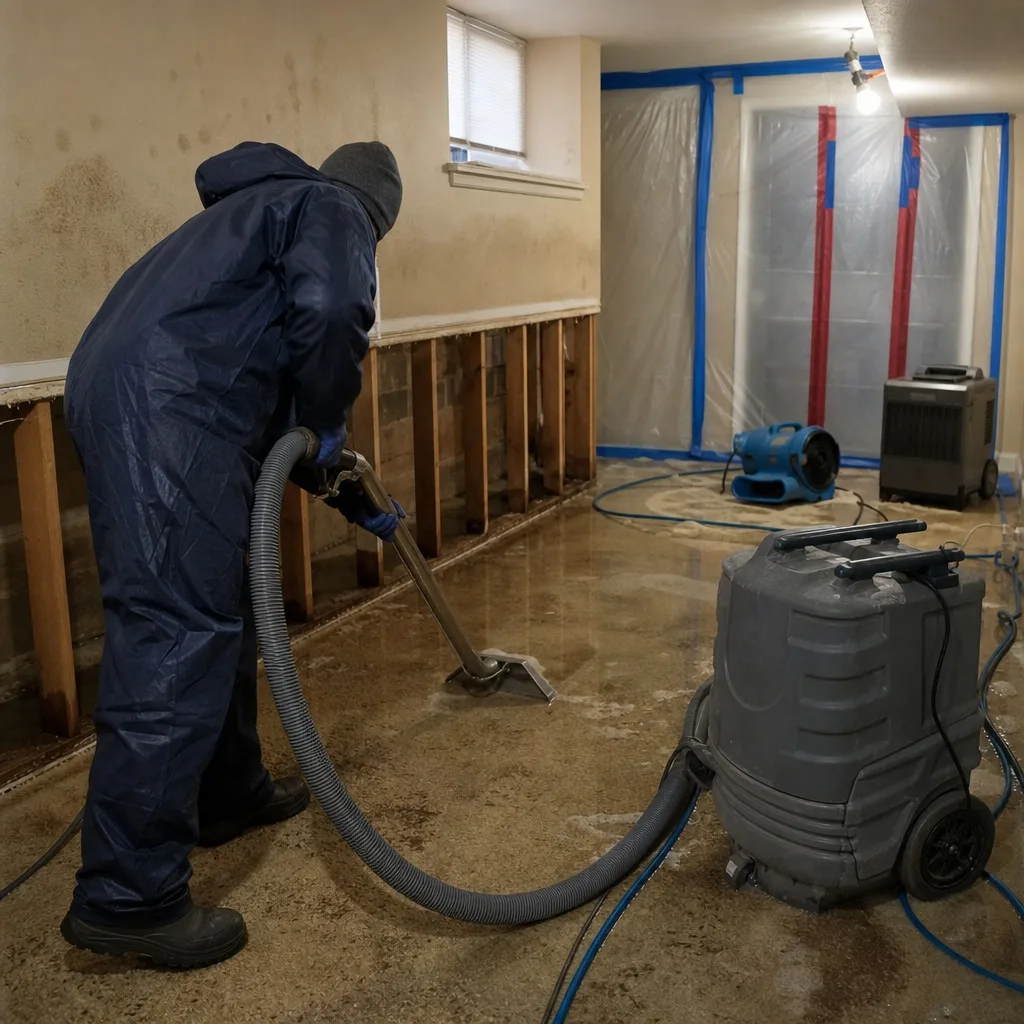
Fire Damage Cleanup
Federal Way fire damage cleanup starts with structural stabilization and immediate moisture control. The ridge-and-ravine topography that makes this city visually striking also concentrates rainfall against foundations after fire suppression, and the elevated water table near Hylebos Creek can convert a contained kitchen fire into a Category 3 water loss within hours. Our crew documents every square foot with photo records, establishes containment, and produces a written scope before demolition or cleaning begins. Haven Standard, Clause 1: written price before work starts. Every time.
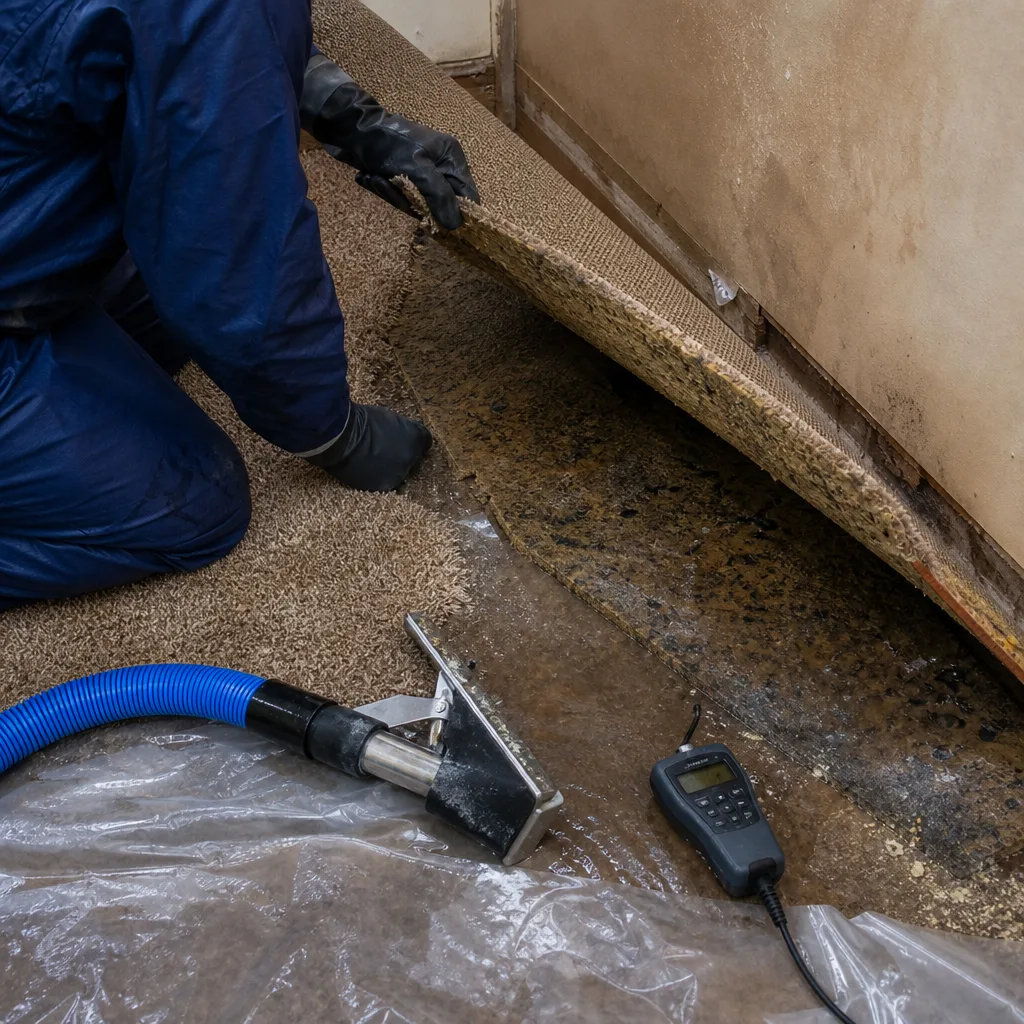
Smoke & Soot Removal
Smoke and soot removal in Federal Way demands extra attention because of what our marine climate does to residue chemistry. Federal Way’s persistently damp T1-11 plywood siding and composition roof surfaces hold moisture for days after a fire, so smoke residues mobilizing from those damp substrata carry higher soot moisture content than in drier inland cities. That wet soot smears deeper into porous materials. Our technicians use dry-cleaning sponges first, then progressive wet-cleaning with pH-adjusted solutions calibrated to the residue type - protein smoke from kitchen fires, wet smoke from slow-burning synthetic materials, dry smoke from fast-burning wood and paper. We document each phase with photo records and moisture readings.
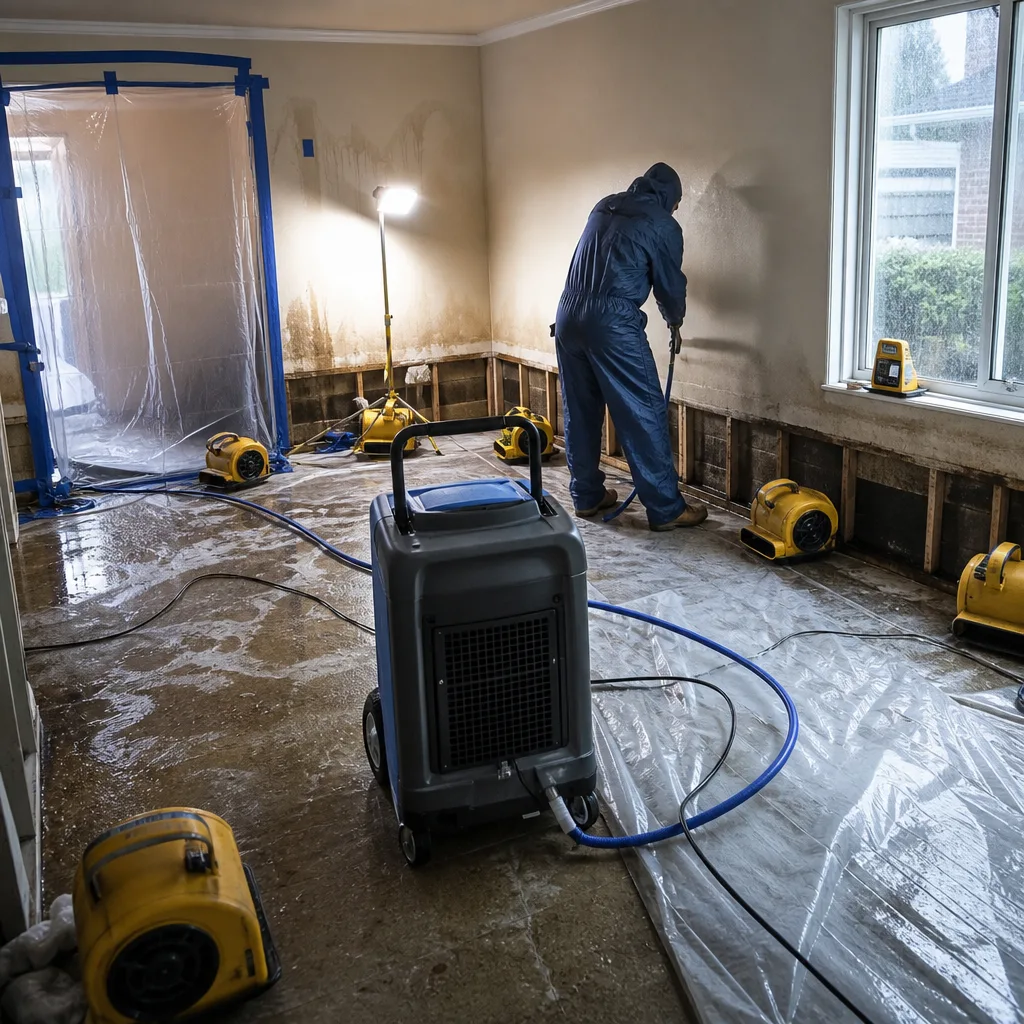
Odor Removal & Deodorization
Smoke odor in Federal Way homes fights back harder than in drier climates. The same damp plywood sheathing that makes T1-11 siding vulnerable to rot also acts as a re-wicking reservoir: deodorize the surface today, and tomorrow’s humidity pulls odor compounds back out of the damp substrate. Our odor removal protocol includes thermal fogging, ozone treatment where appropriate, and hydroxyl generation for occupied spaces. But the critical step in Federal Way is structural drying first. We run Dri-Eaz and Phoenix dehumidification systems, documented to IICRC standards, until moisture readings on plywood sheathing and rim joists drop below 16 percent. Only then does deodorization hold. Skip this step, and the smell returns with the next rain event.
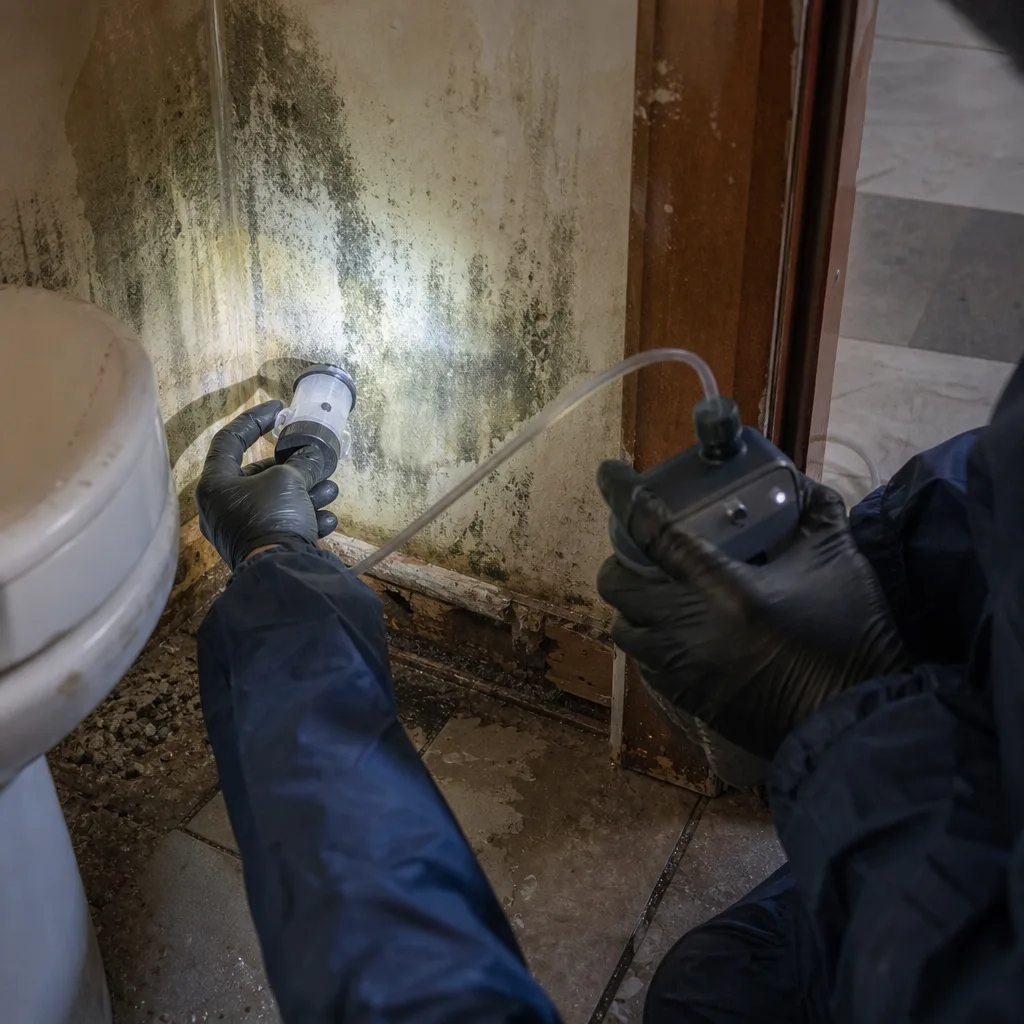
Contents Cleaning & Pack-Out
Federal Way homes damaged by fire often require contents pack-out while structural drying and reconstruction proceed. Our crew inventories, photographs, and documents each item on a chain-of-custody log before transport to our cleaning facility. Soft goods receive ultrasonic or dry-cleaning treatment depending on fiber content and smoke type. Electronics get corrosion inspection - critical in Federal Way’s salt-air environment, where smoke residue combined with coastal humidity accelerates circuit-board degradation. Hard contents undergo abrasive or immersion cleaning as appropriate. Every item is photo-documented before and after treatment, with condition reports that integrate directly with your insurance claim file.
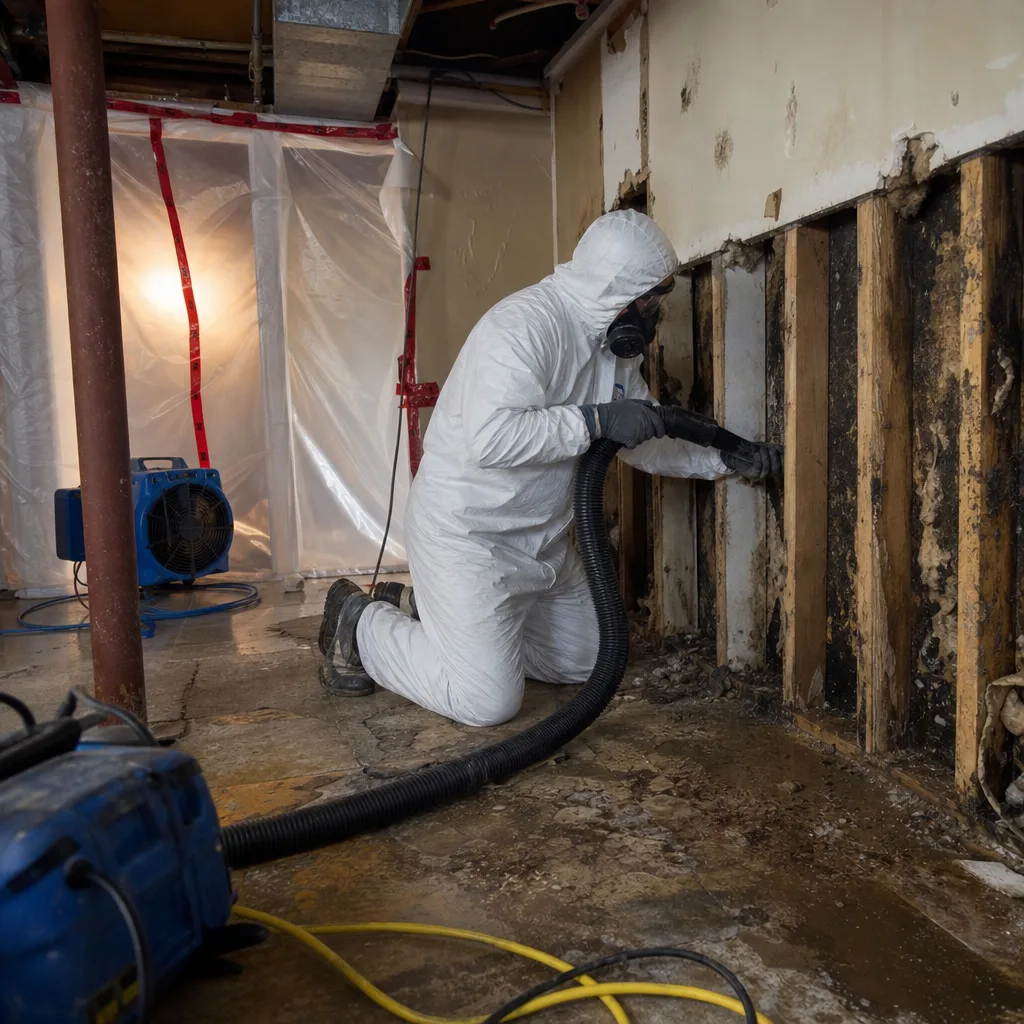
Emergency Board-Up & Tarping
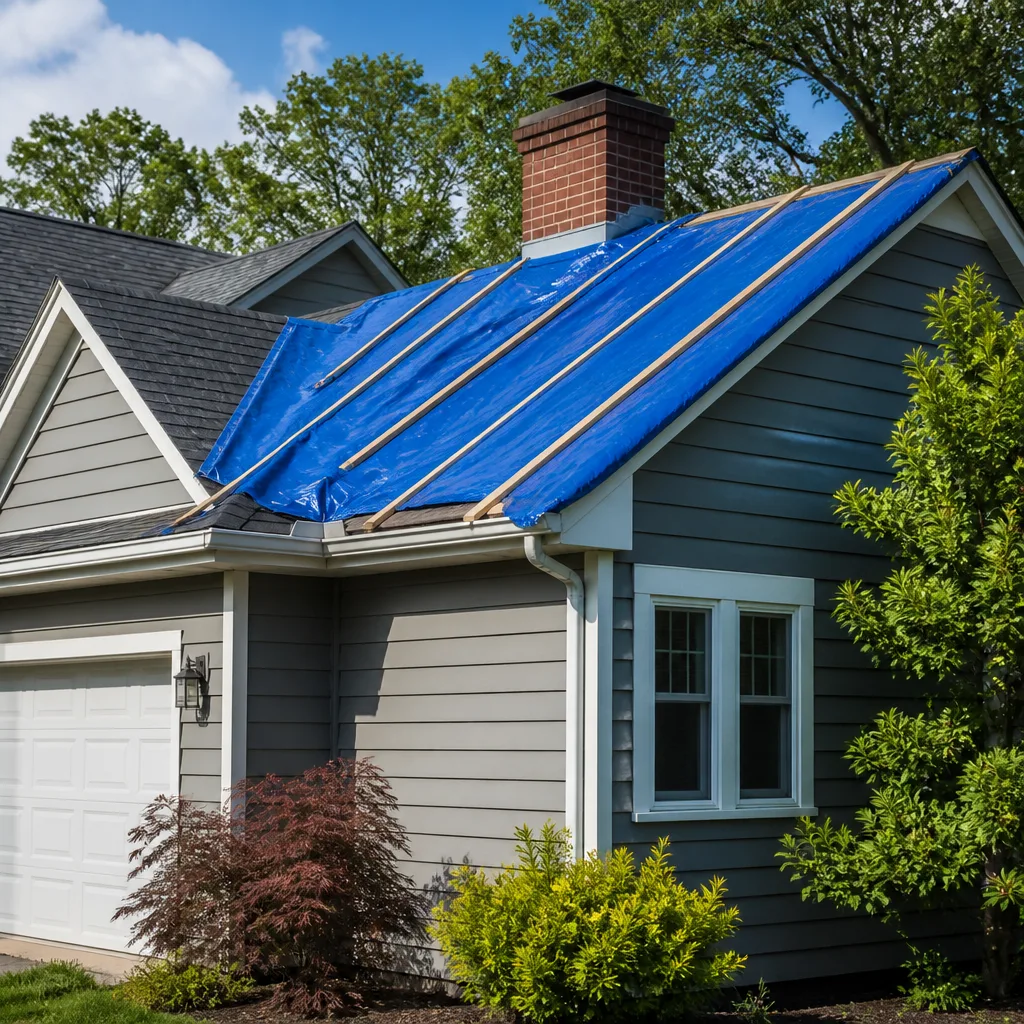
After fire department release, Federal Way homes with compromised roofs or broken windows need immediate weather protection. Our marine climate doesn’t pause for insurance adjusters. We install structural-grade board-up and tarping that withstands Puget Sound wind and rain, with photo documentation of the pre-existing damage and the temporary protection installed. This preserves your coverage position and prevents secondary water damage while the claim scope develops.
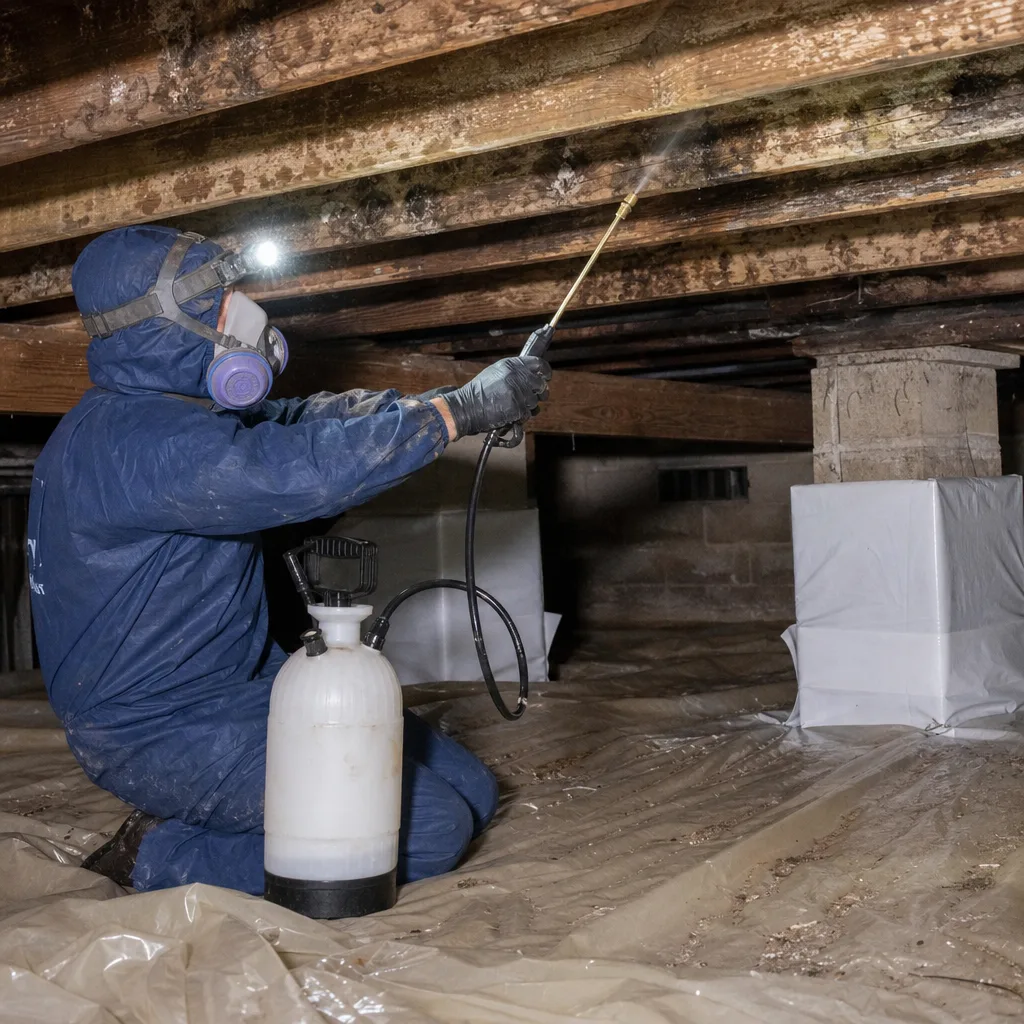
Structural Fire Repair
Structural fire repair in Federal Way must account for the specific vulnerabilities of the city’s housing stock. The 1960s-1990s wood-framed tract homes along SR-99 and inland neighborhoods often have fire-damaged T1-11 siding, compromised crawl-space framing from combined fire and water exposure, and degraded roof structures where moss-colonized composition shingles failed under thermal stress. Our reconstruction scopes specify material by trade name, quantity by measured square footage, and labor by phase. Written price before work begins. Photo record on every visit. Daily moisture logs until drying targets are met. The 365-Day Done Right Promise applies to all structural work under The Haven Standard.
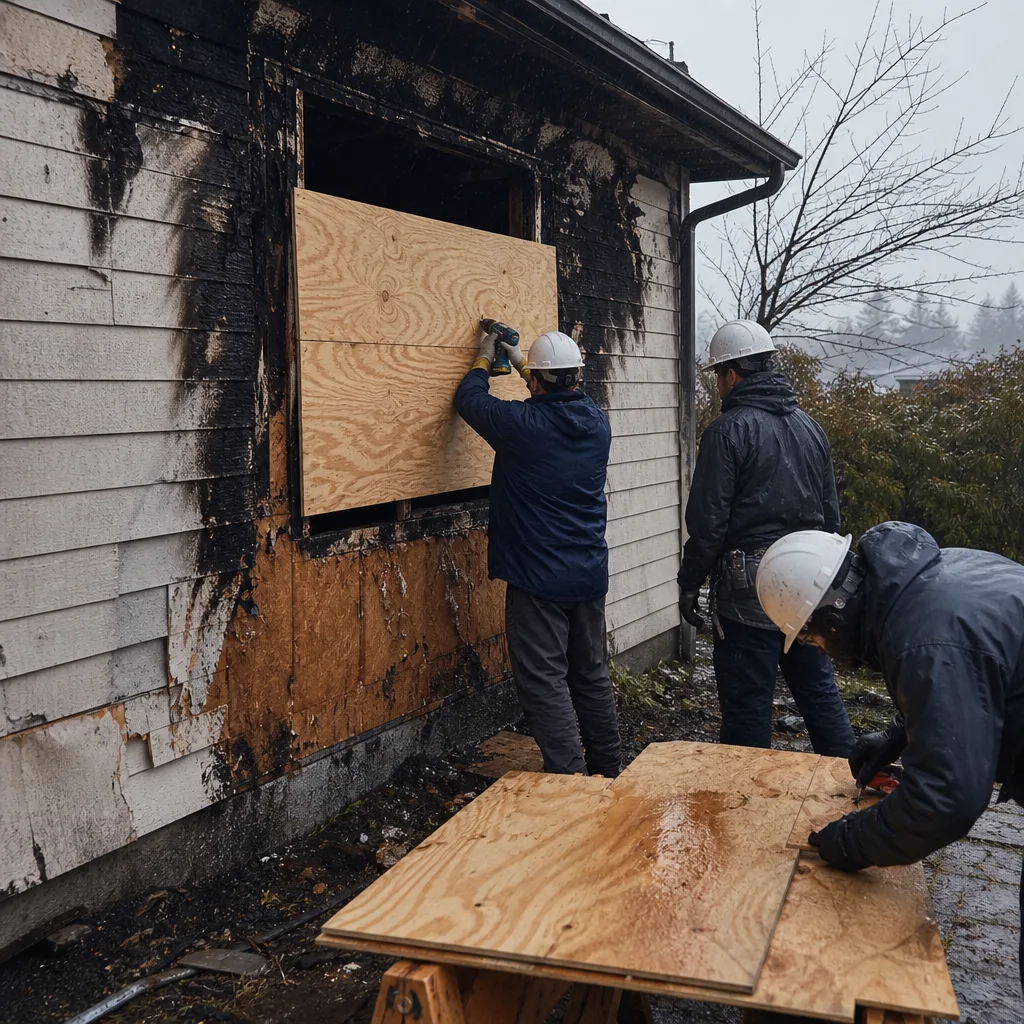
What happens when you call
- 1
A real person answersNo phone trees - you reach a local pro.
- 2
You get an upfront price rangeHonest numbers before anyone is dispatched.
- 3
A background-checked tech heads outLicensed & insured, dispatched right away.
- 4
You approve before work beginsNothing starts until you say go.
 Before
 After
AfterTrusted Brands We Service in Federal Way
Our structural drying and fire restoration equipment in Federal Way comes from Dri-Eaz, Phoenix, and Injectidry - brands that produce the documented airflow, temperature, and humidity data that insurance adjusters recognize and accept. We don’t rent mystery equipment for your job. Each dehumidifier and air mover is logged by serial number, run-time, and psychrometric output, with daily readings recorded to IICRC and RIA standards. For homeowners in Federal Way’s wetland-adjacent neighborhoods, this documentation matters: adjusters know that Dri-Eaz and Phoenix units produce verifiable drying curves, and that documentation gap we close is often the difference between a paid claim and a disputed one.
Common Fire & Smoke Damage Restoration Problems We See in Federal Way Homes
- Corrosion acceleration on metal surfaces after fire. Garage-door springs, hinges, rollers, tracks, and opener chains on Federal Way homes corrode years faster than in inland cities due to salt-air exposure near Puget Sound. After a fire, smoke residue bonds more aggressively to already-pitted metal and is harder to remove without abrasive damage. We inspect and document all accessible hardware, recommending replacement of compromised components rather than cosmetic cleaning that fails six months later.
- T1-11 siding moisture traps in post-fire conditions. The wood-framed tract homes built during Federal Way’s 1970s-1980s buildout have T1-11 plywood siding with seams that hold firefighting water behind the surface. Window rough openings are especially vulnerable. Within 24 to 48 hours of delayed structural drying, mold colonizes wet drywall and sheathing, converting a fire restoration into a Category 3 mold remediation. We probe these seams with moisture meters on every Federal Way fire job.
- Hylebos Creek water table flooding after suppression. The elevated water table across the wetland corridor, including neighborhoods near Twin Lakes, means firefighting runoff has nowhere to drain. What presents as a straightforward smoke odor removal often requires full moisture mapping, drying logs, and antimicrobial treatment before deodorization can succeed. We carry submersible pumps and extraction equipment on every fire response vehicle for this reason.
- Smoke odor re-wicking from damp substrates. Federal Way’s low sun angles and persistent marine layer keep exterior sheathing and framing members at elevated moisture content for days after a fire. Surface deodorization without structural drying is temporary at best. Our protocol requires documented moisture readings below 16 percent on all affected wood members before final odor treatment, with follow-up readings at 30 days under the 365-Day Done Right Promise.
Pricing for Fire & Smoke Damage Restoration in Federal Way, WA
Fire and smoke damage restoration pricing in Federal Way reflects the complexity of simultaneous water control in our marine climate. Emergency board-up and tarping typically runs $850-$2,400. Smoke and soot removal for a single affected room starts around $1,800-$3,500. Whole-home smoke remediation with structural drying runs $7,500-$14,500. Full reconstruction after significant structural fire damage can reach $25,000-$45,000 or more, depending on square footage and material specifications.
What moves the price: the extent of fire versus smoke versus water damage; whether contents pack-out is required; the presence of Category 3 water from firefighting runoff; and whether mold colonization has begun in damp framing members. Every Federal Way job receives a written scope and price before work begins, with no additions once the crew is inside. Haven Standard, Clause 1. We also offer a Free Second Opinion on any competitor’s written estimate - bring their scope and we’ll review it at no charge.
Call (253) 642-8884 for a written estimate. Estimates are free.
We Also Serve Cities Near Federal Way
Our Fire & Smoke Damage Restoration in Federal Way crew also responds to fire and smoke losses in Auburn, Kent, Tacoma, and Puyallup. Each market has distinct housing stock and climate conditions, but the documentation-first approach stays constant: written price before work starts, photo record on every visit, daily drying logs, and the 365-Day Done Right Promise on every job.
Serving Federal Way, WA - Our Local Coverage Area
We’re based in the Federal Way area and know this community well. Use the map below to see our service coverage - if you’re nearby, we can almost certainly help.
FAQs - Fire & Smoke Damage Restoration in Federal Way
Because Federal Way’s ridge-and-ravine topography concentrates firefighting runoff against foundations, and the elevated water table near Hylebos Creek prevents natural drainage. A kitchen fire with garden-hose suppression in a Twin Lakes tract home can leave standing water in the crawl space before smoke cleanup even begins. Our crews arrive with moisture meters and extraction equipment on every fire call to catch this conversion early. Call (253) 642-8884 for a written estimate - estimates are free.
Mold colonization begins on wet drywall and plywood sheathing within 24 to 48 hours in Federal Way’s persistently damp conditions. The T1-11 siding common in 1970s-1980s tract homes traps firefighting water behind seams, and the marine climate prevents natural drying. We probe these moisture traps on every Federal Way fire job and begin structural drying immediately when readings exceed 16 percent wood moisture content. Call (253) 642-8884 for a written estimate - estimates are free.
We deploy Dri-Eaz and Phoenix dehumidifiers and air movers, with Injectidry systems for cavity drying where needed. These brands produce the documented psychrometric data - temperature, relative humidity, and vapor pressure differential - that insurance adjusters require for claim payment. Every unit’s output is logged daily to IICRC standards. Call (253) 642-8884 for a written estimate - estimates are free.
Yes. We inventory, photograph, and document each item on a chain-of-custody log before transport to our cleaning facility. Soft goods, electronics, and hard contents each receive appropriate treatment with before-and-after photo documentation. This service is scoped and priced in writing before any item leaves your Federal Way home. Call (253) 642-8884 for a written estimate - estimates are free.
Because surface cleaning without structural drying leaves odor compounds trapped in damp plywood sheathing and rim joists, and Federal Way’s marine humidity re-wicks those compounds back into the living space. Our protocol requires documented moisture readings below 16 percent on all wood members before final deodorization, with 30-day follow-up readings under the 365-Day Done Right Promise. Call (253) 642-8884 for a written estimate - estimates are free.
We were called to a fire-damaged 1978 T1-11-sided tract home in Twin Lakes where the homeowner had used a garden hose on a kitchen fire; by the time we arrived, the subfloor joists and rim-joist insulation were already wet and musty from the elevated water table, so we set containment, ran moisture mapping and drying logs, then did smoke & soot removal on the vaulted ceiling. Our crew used Dri-Eaz and Phoenix air movers and dehumidification to stabilize the structure before pack-out, and the antimicrobial treatment kept the smoke odor from re-wicking into the damp plywood sheathing.
Fire damage in Federal Way doesn’t follow the textbook. The same coastal conditions that make this city desirable also create a moisture trap that turns contained fires into complex restoration projects requiring simultaneous water control, mold prevention, and smoke remediation. Our documentation-first approach - written price before work begins, photo record on every visit, daily drying logs to IICRC standards, and the 365-Day Done Right Promise under The Haven Standard - exists precisely because Alicia Brennan saw too many homeowners lose legitimate claims to sloppy contractor paperwork.
Call (253) 642-8884 now. A live person answers 24 hours a day, 7 days a week. We’ll dispatch a crew to your Federal Way home, produce a written scope and price before any work begins, and start the documentation that turns your restoration invoice into a payable claim.
Written by Alicia Brennan, Owner at Back to Dry Restoration, serving Federal Way since 2011.