
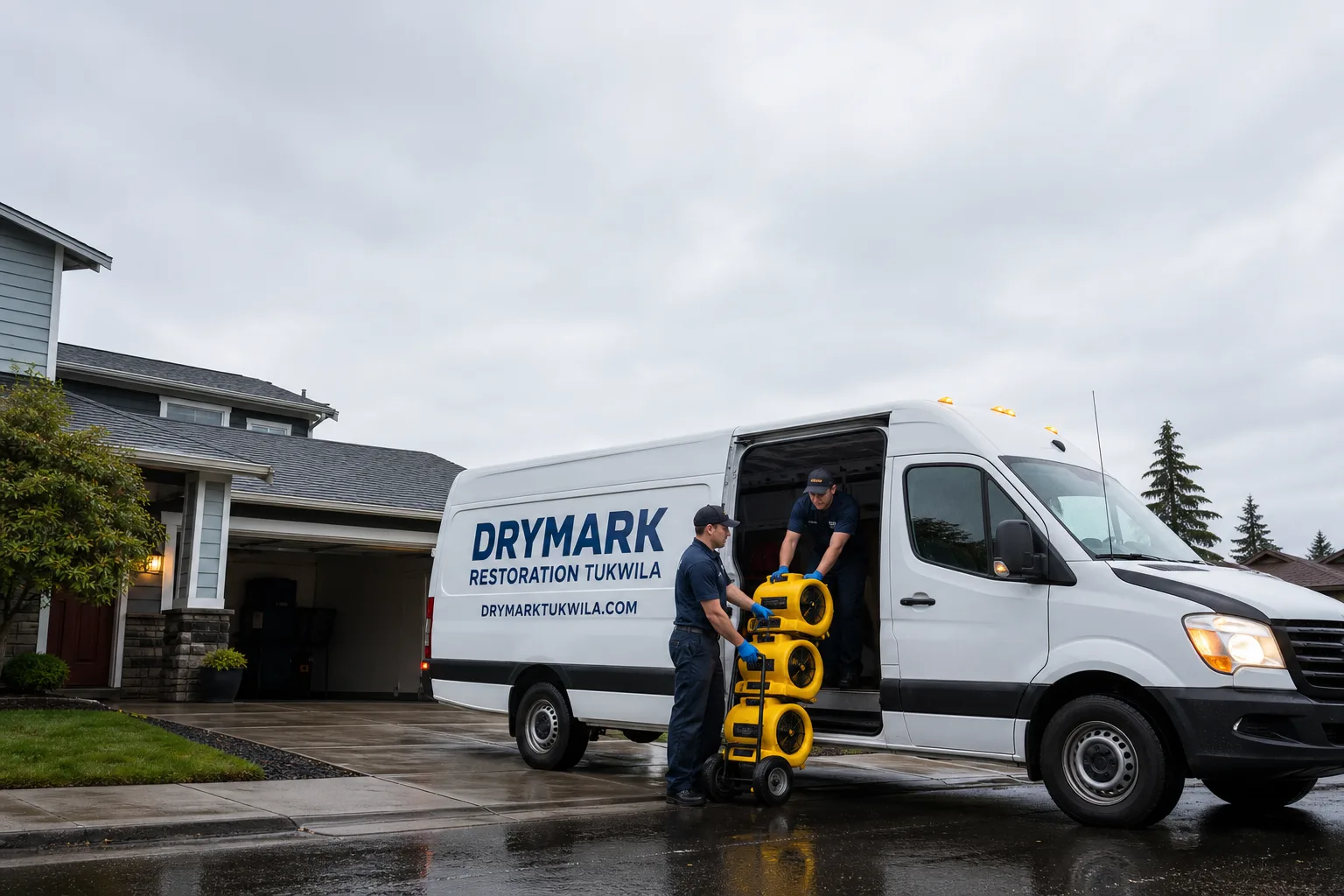
Free visual inspection and a written scope of work before any mitigation begins - photos, moisture readings, and drying logs go in your claim file
The scope we write is the scope we bill. Anything new gets shown to you, in writing, before we touch it.
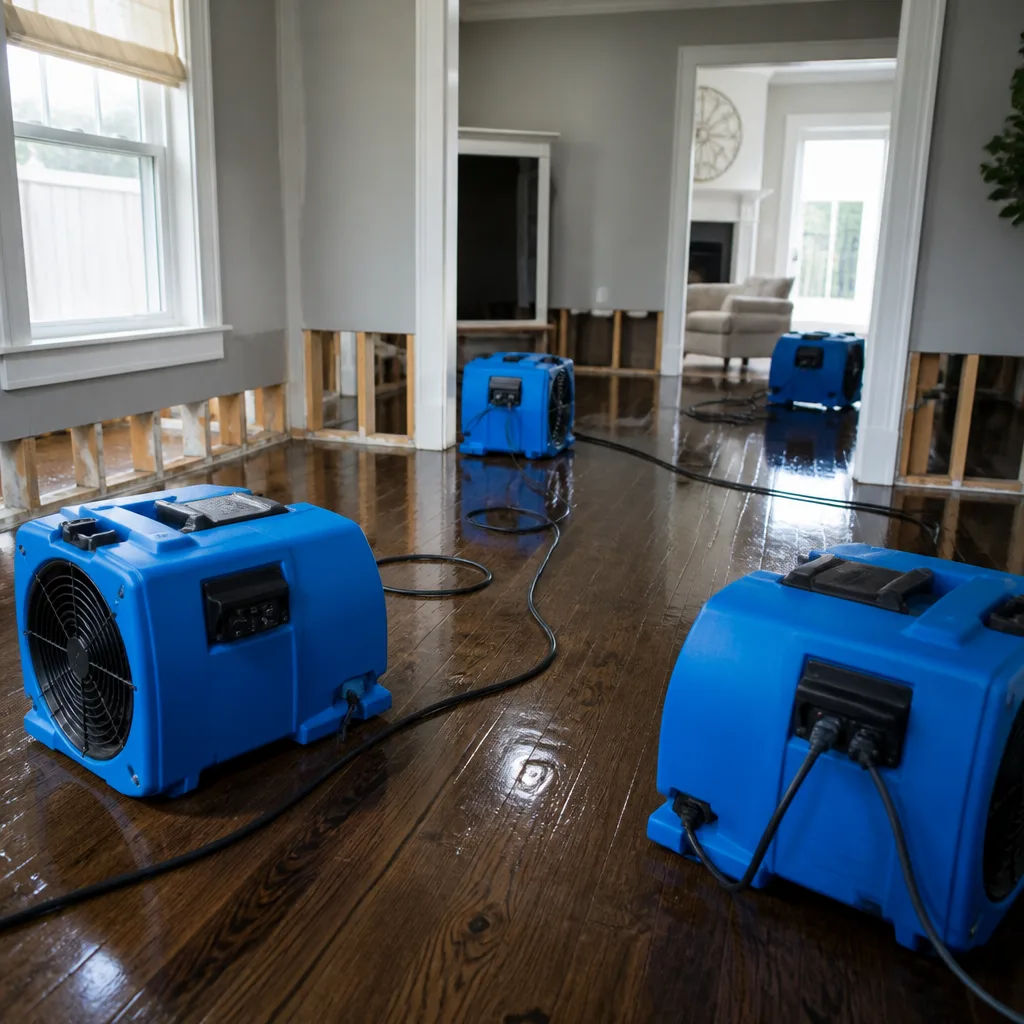
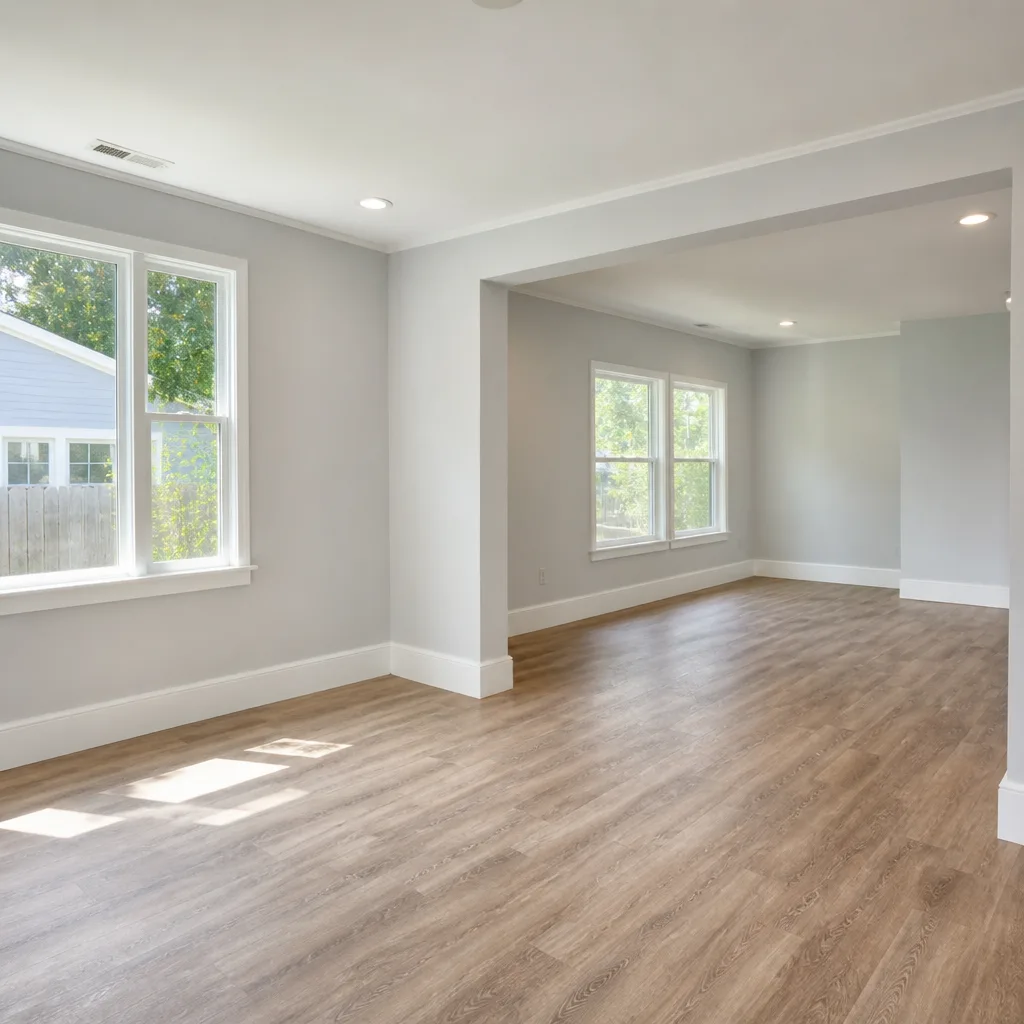
 Before
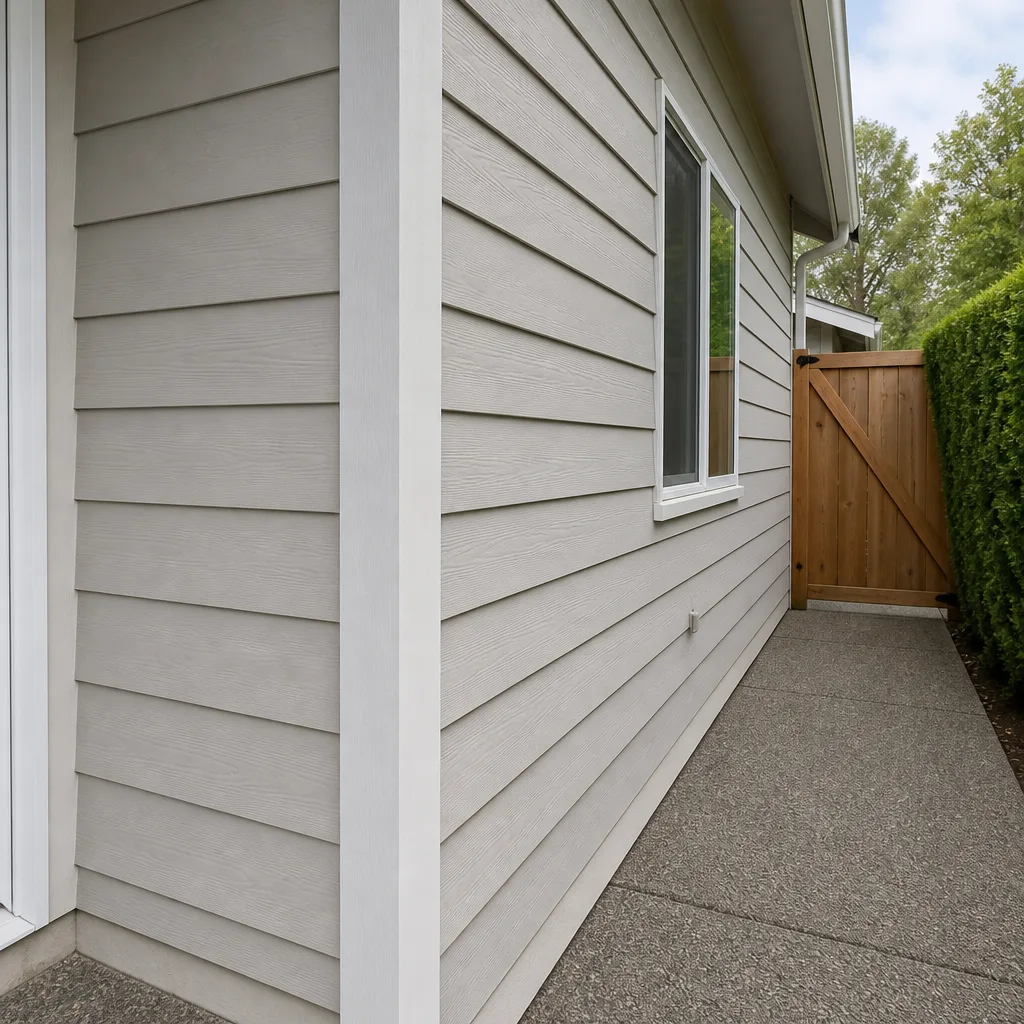 After
After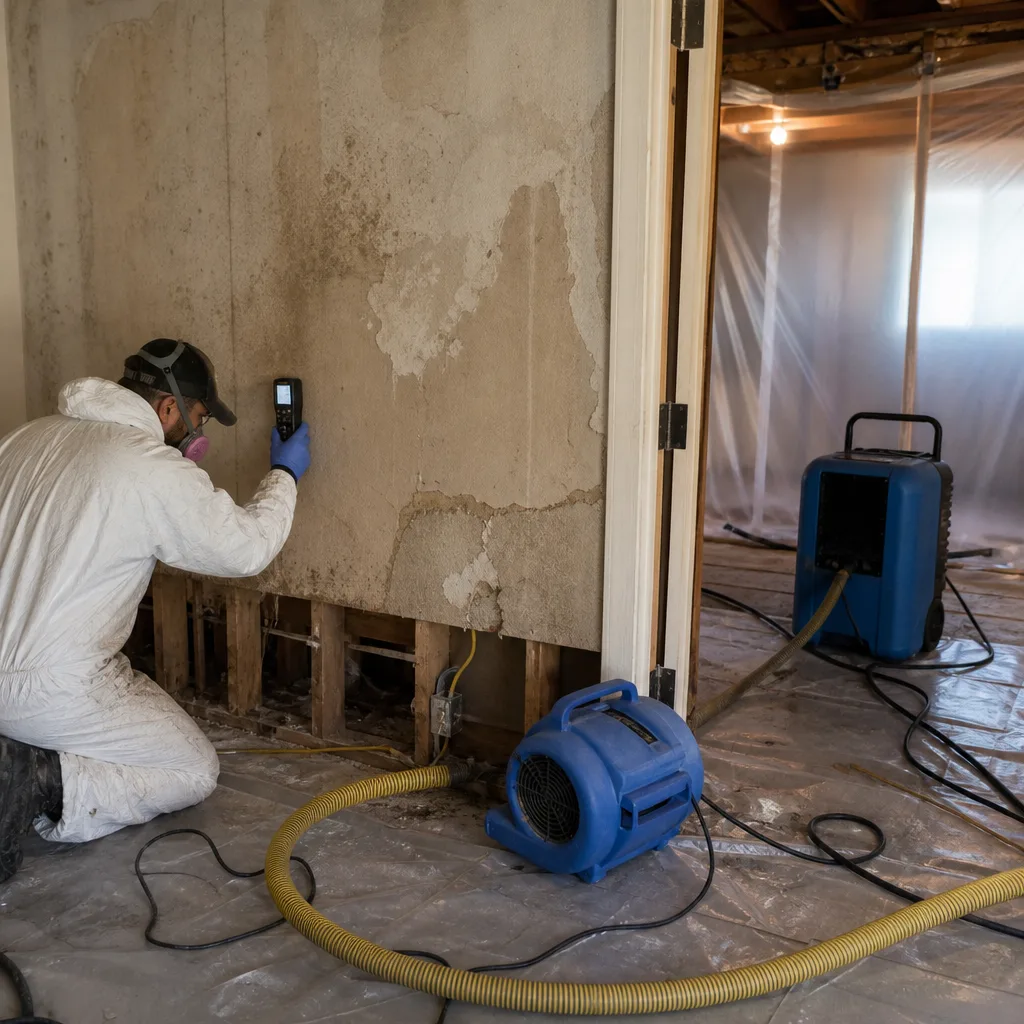 Before
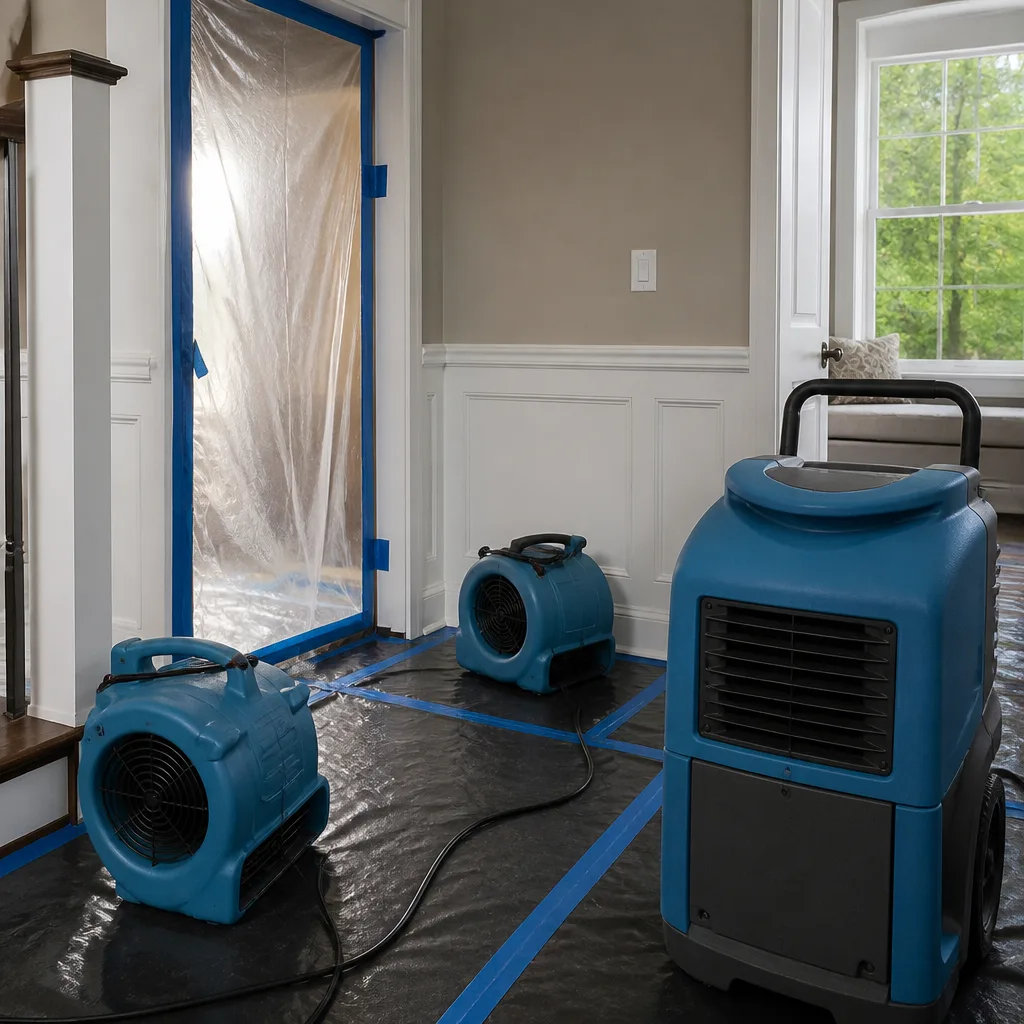 After
After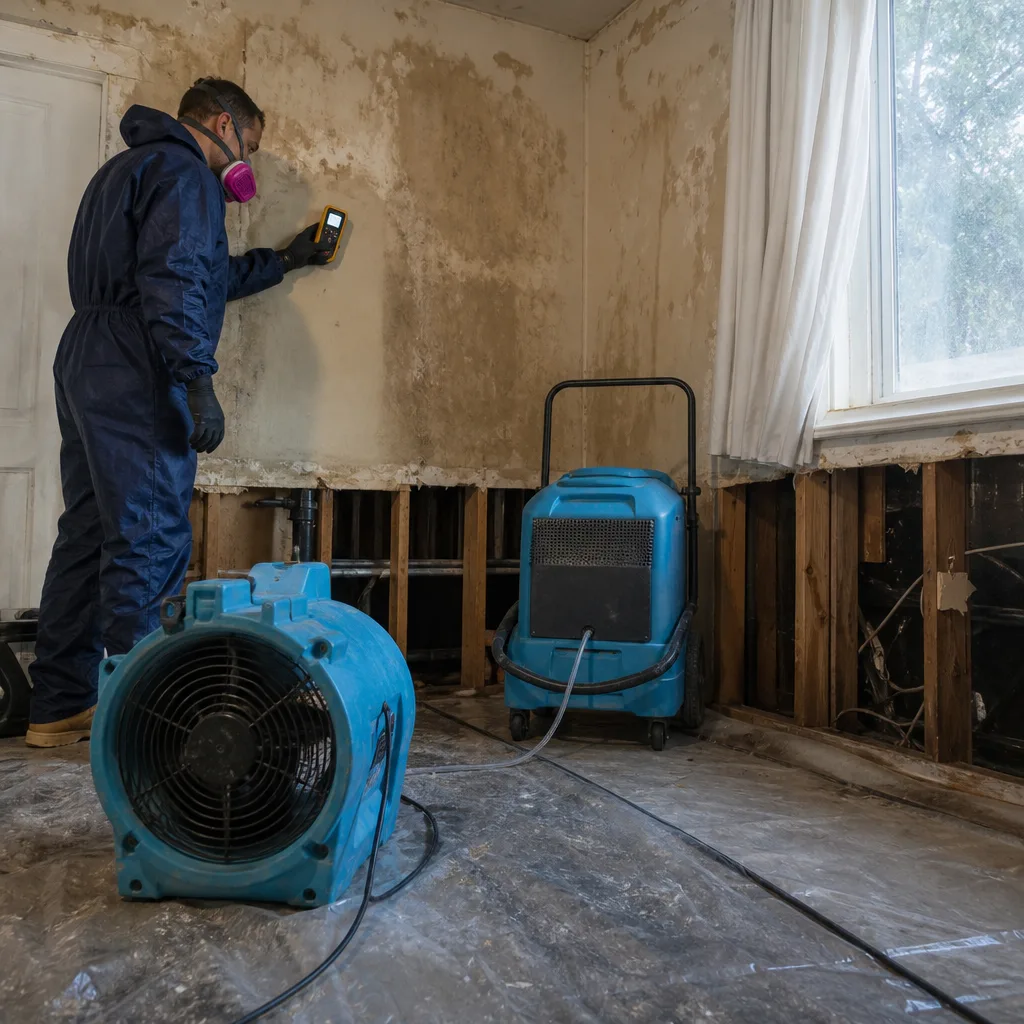 Before
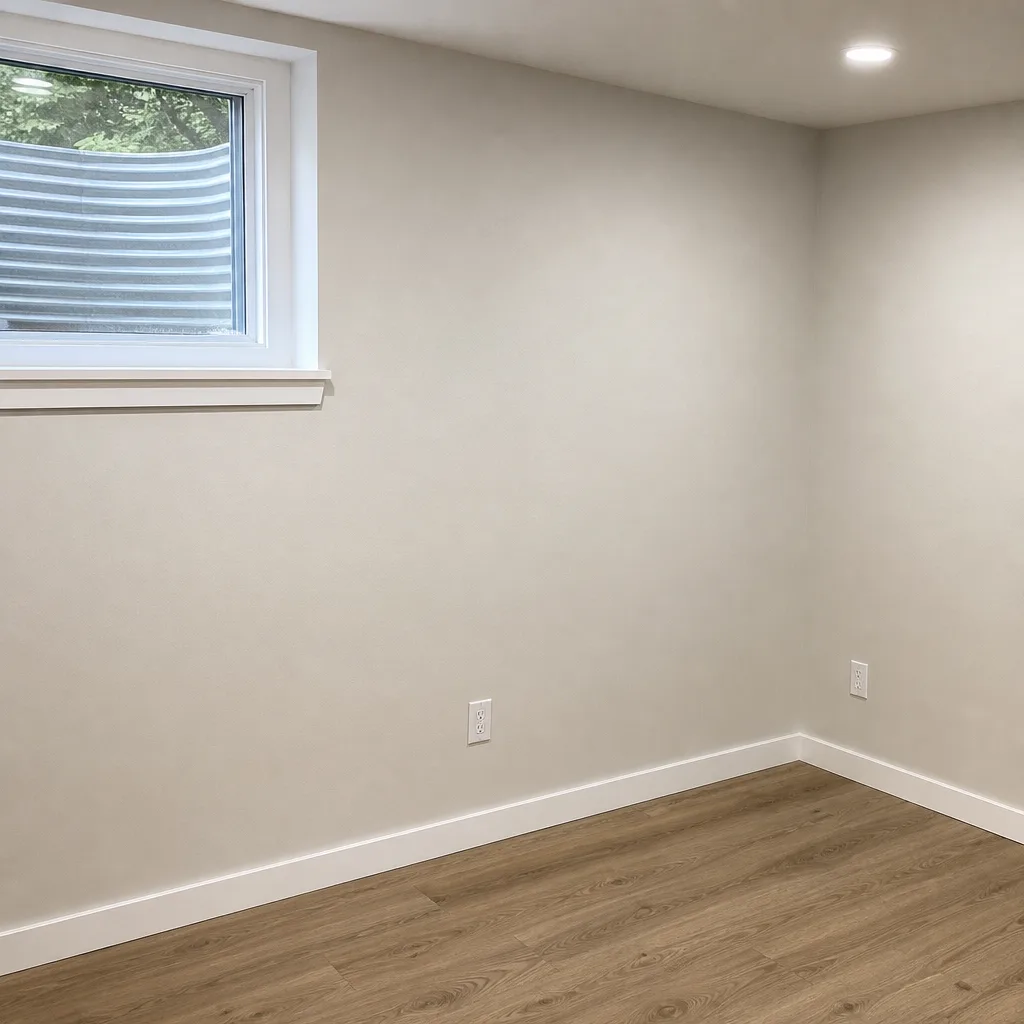 After
AfterFast, Reliable Fire & Smoke Damage Restoration Across Auburn
Fire and smoke damage restoration in Auburn typically costs $2,800-$8,500 for a partial-home cleanup, with full-structure projects ranging $12,000-$35,000 depending on square footage and NFIP documentation requirements. Our crews are dispatched from our Seattle office and can be on-site anywhere in Auburn within 60-90 minutes, including the valley-floor neighborhoods near downtown, Lea Hill, and West Hill. We answer live at (253) 642-8884, 24 hours a day, 7 days a week - no voicemail trees, no next-business-day callbacks while soot is still settling into porous surfaces.
Auburn’s position on the Green River Valley floor creates restoration challenges that hillside cities don’t face. Clay-heavy soils hold groundwater for weeks, crawl-space foundations wick moisture upward, and NFIP-mapped properties require documentation protocols that standard insurance claims don’t. Our Fire & Smoke Damage Restoration team has handled these combined fire-and-water scenarios since 2011, and we build every scope to the documentation standards that get claims paid.
Why DryMark Restoration Tukwila Is Auburn’s Preferred Fire & Smoke Damage Restoration Company
We’ve restored more than 12,000 homes since 2011, every one with a written price before work started and a photo record on every visit. In Auburn specifically, our reputation is built on handling the valley’s unique combination of fire damage and flood-risk documentation - something crews from non-flood-zone cities rarely encounter. Homeowners in the 98002 and 98092 ZIP codes call us back because we know the difference between a standard homeowner claim and an NFIP scope submission, and we document accordingly from day one.
Our response time to Auburn averages under 90 minutes for emergency board-up calls, including after-hours dispatches to the older ranch neighborhoods near downtown and the newer subdivisions on Lea Hill. Reviews from Auburn customers consistently mention two things: the written price that arrived before any work began, and the daily photo logs that made their insurance adjuster’s job straightforward. Haven Standard, Clause 1: written price before work starts. No exceptions.
Every technician who enters an Auburn home is background-checked, uniformed, and licensed - their license number is available on request. We don’t subcontract emergency board-up or structural drying to day-labor crews. The person who writes your scope is the person who oversees the work, and the photo record they produce is delivered to you and your adjuster as a standard part of the job, never an upsell.
Our Fire & Smoke Damage Restoration Services in Auburn
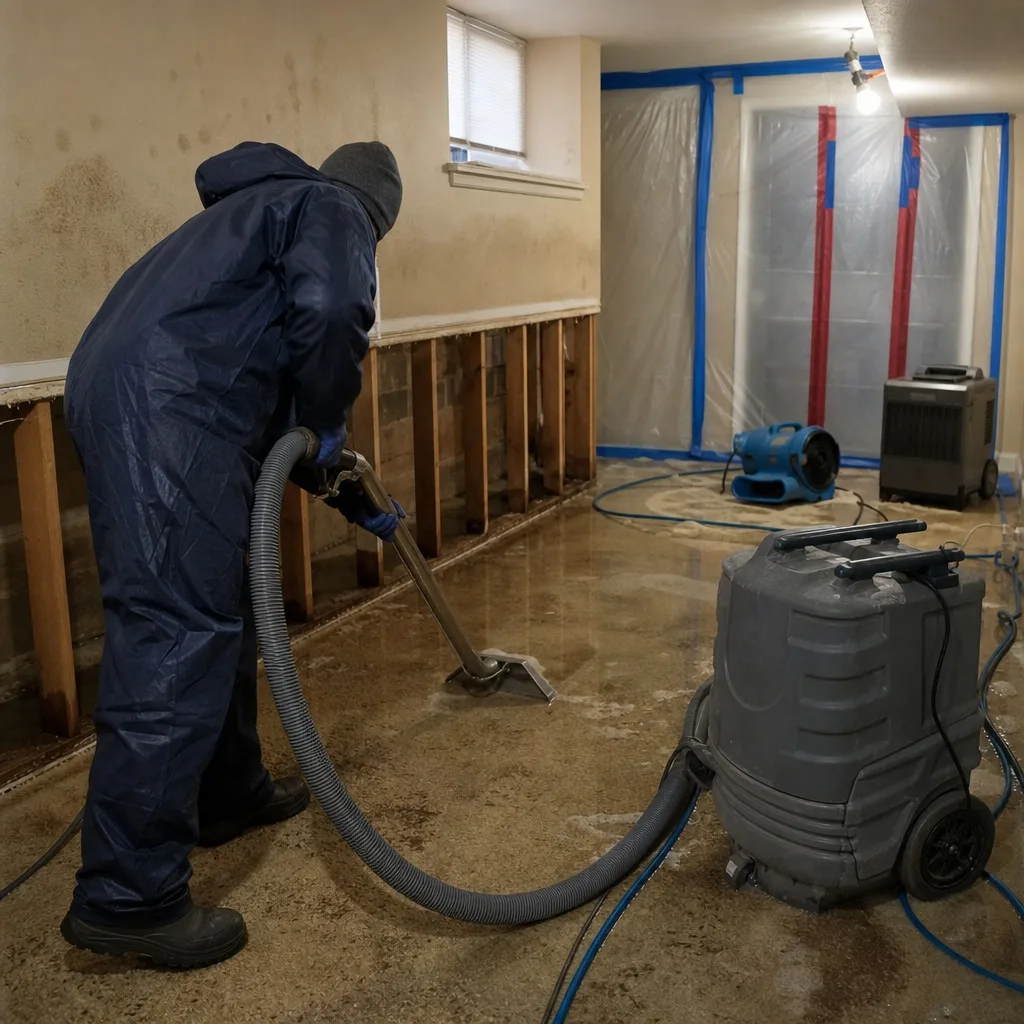
Emergency Board-Up & Tarping
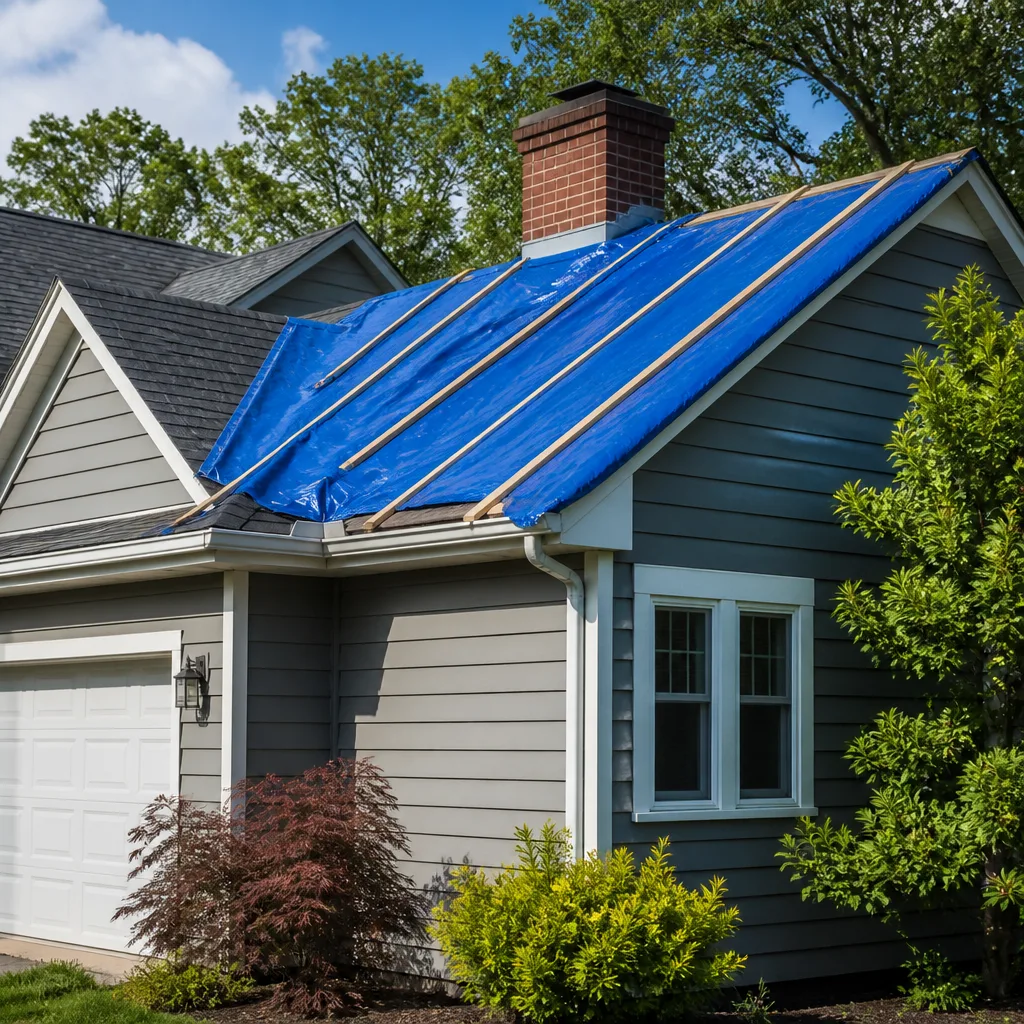
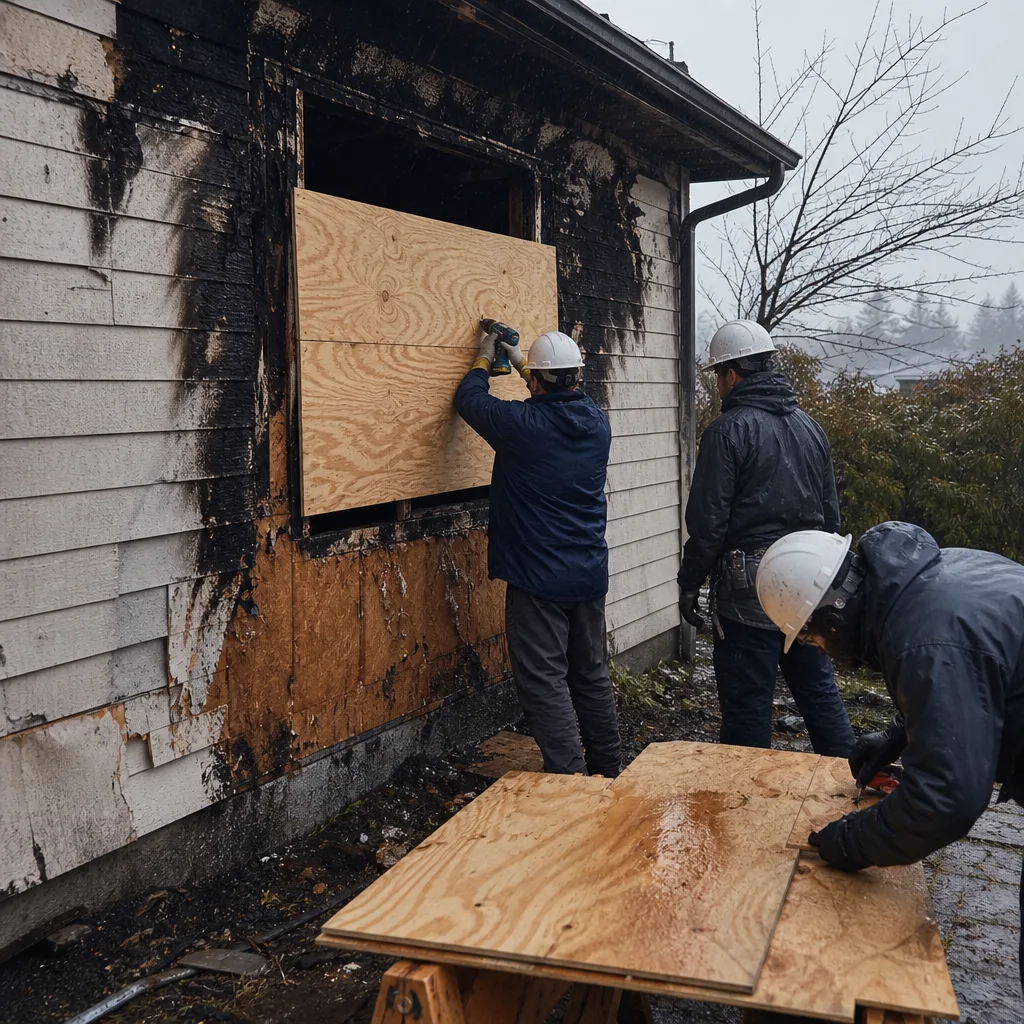
After a fire, broken windows and compromised roof sections leave Auburn homes exposed to Western Washington’s October-May rainfall. On the valley floor, where clay soils already hold groundwater for weeks after storms, wind-driven rain entering through fire-damaged openings can re-wet soot-covered materials before mitigation begins. This turns a dry smoke job into a combined fire-and-water loss within hours. Our crews carry 6-mil poly sheeting, OSB board-up panels, and temporary roof tarps on every emergency vehicle, and we seal structures to IICRC standards before the next weather band moves through. We document every board-up with timestamped photos for NFIP and standard insurance files alike.
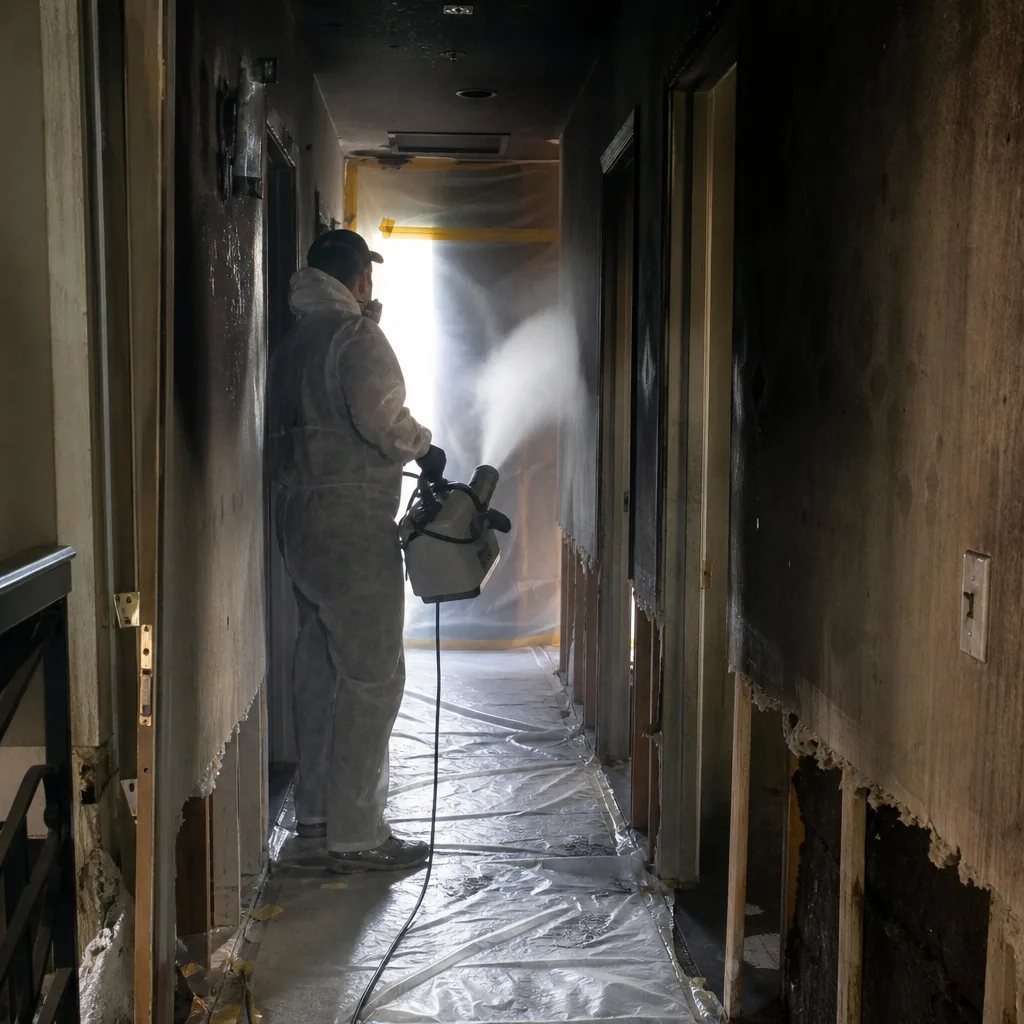
Smoke & Soot Removal
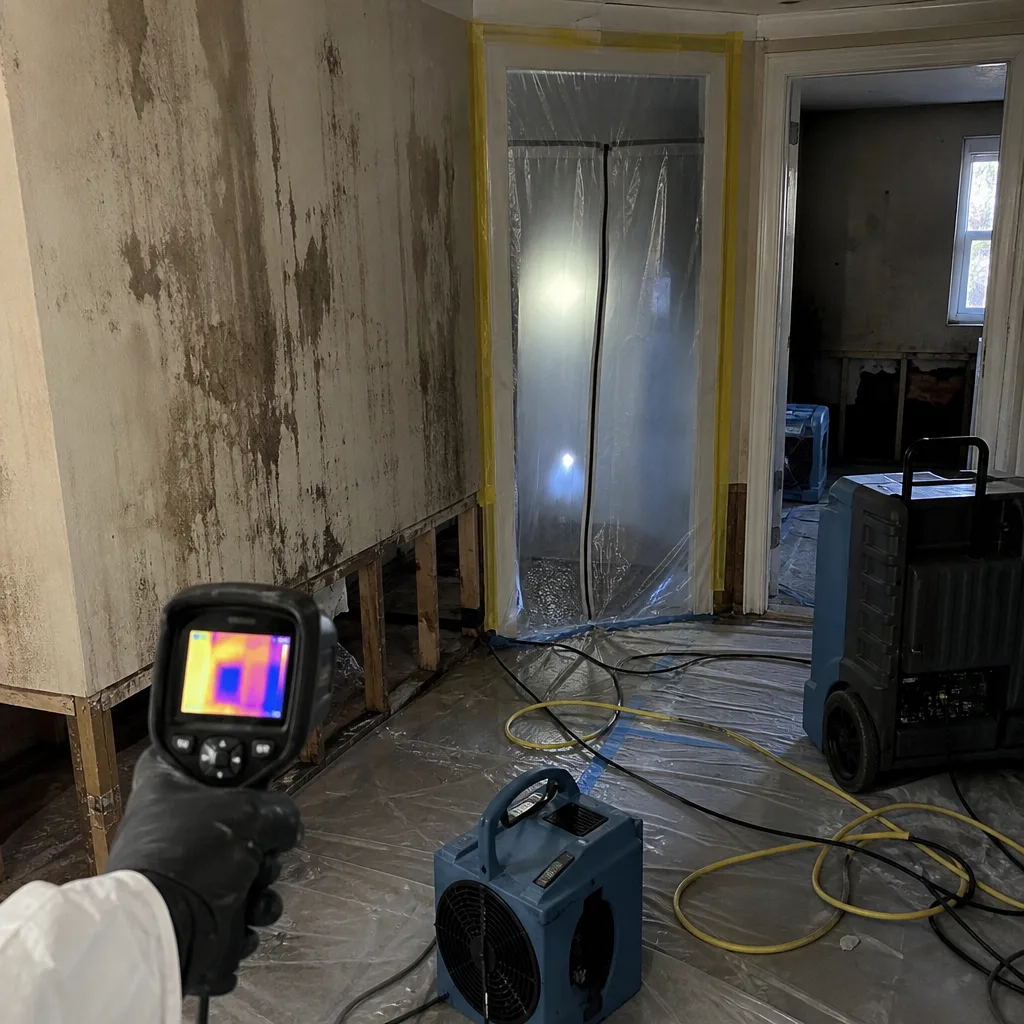
Auburn’s older ranch homes from the 1950s-1970s have smaller rooms, lower ceilings, and more porous surfaces - textured drywall, unsealed wood trim, wool insulation - than newer slab-on-grade construction. Soot particles in these homes penetrate deeper and require more aggressive contact time with HEPA vacuuming and dry-sponge cleaning before wet cleaning can begin. On Lea Hill and West Hill, where homes built after 1990 typically feature open floor plans and synthetic materials, smoke behavior is different: particles travel farther but adhere less tenaciously. We adjust our approach by neighborhood, not by guesswork. Our crews use Dri-Eaz and Phoenix air filtration devices to establish negative air pressure during soot removal, protecting unaffected areas from cross-contamination.
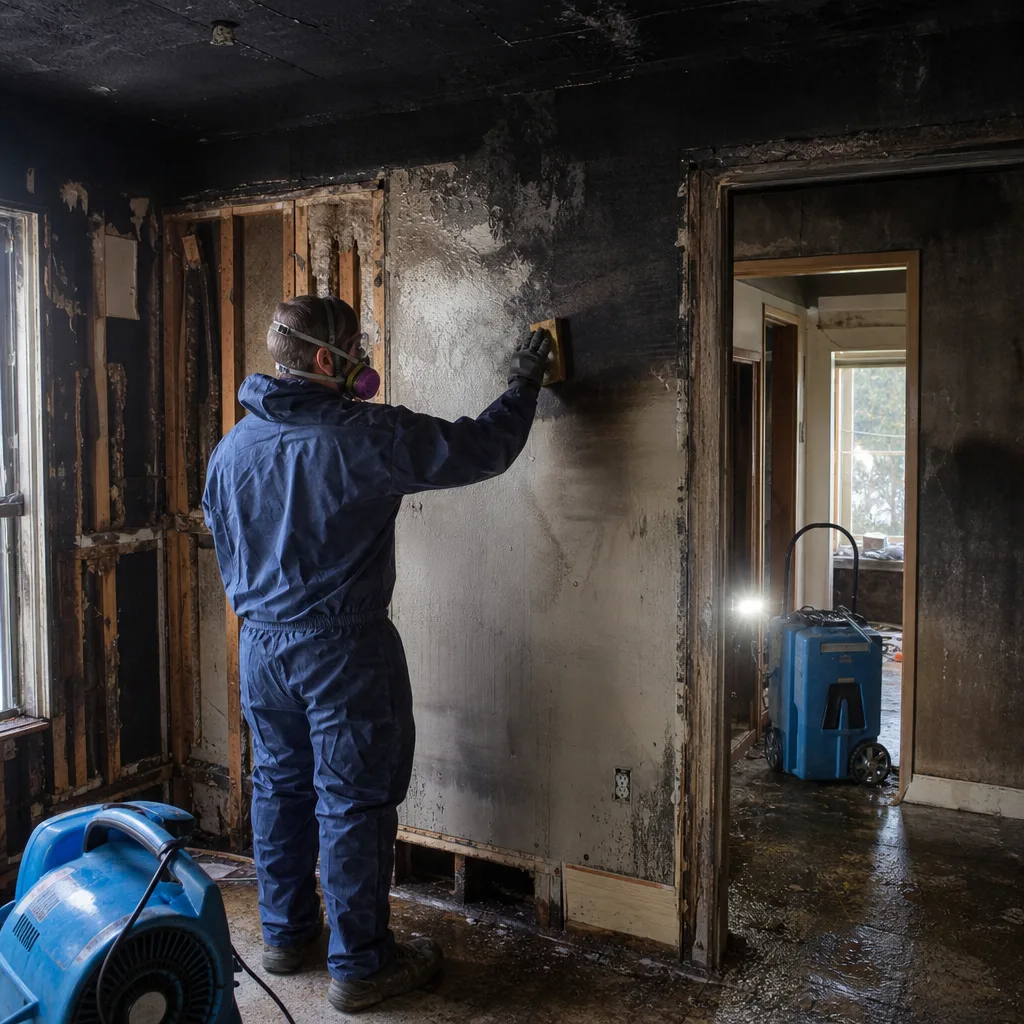
Structural Fire Repair
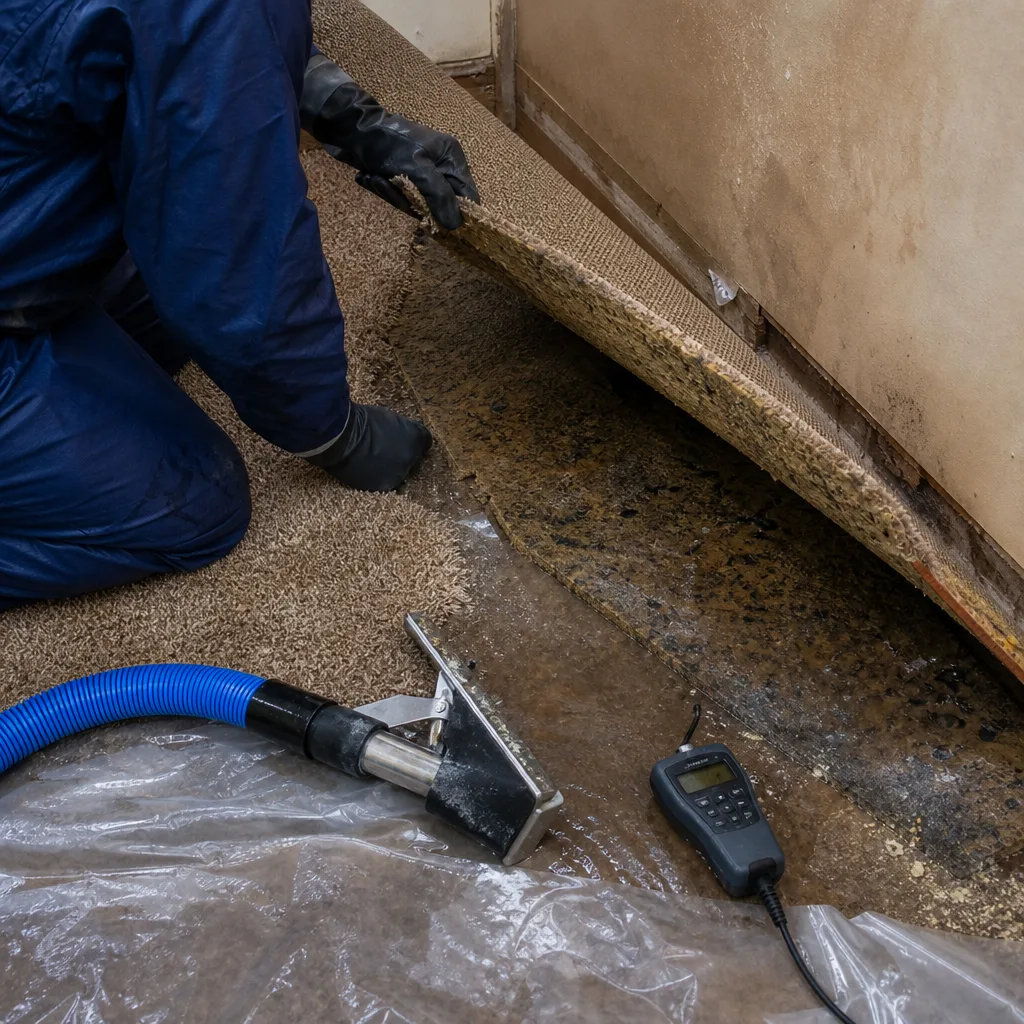
Fire-damaged framing in Auburn’s crawl-space homes presents a dual problem: charred wood that needs antimicrobial treatment, and elevated substructure moisture from clay-heavy soils that sustains hidden mold growth. We don’t begin structural repairs until moisture mapping confirms the crawl space is below 16% wood moisture content - the threshold where mold colonization accelerates. This often means sequencing drying before reconstruction, extending the timeline by 3-5 days but preventing the secondary damage that destroys claims. Our written scope details every phase: stabilization, drying, antimicrobial application, and rebuild, with a price for each stage approved before work proceeds.
Odor Removal & Deodorization
Smoke odor in Auburn’s valley-floor homes lingers longer than in hillside properties because of the persistent humidity that clay soils maintain in crawl spaces and slab edges. Thermal fogging and ozone treatment are standard tools, but we also deploy hydroxyl generators for occupied structures - safer for residents who can’t relocate during restoration. In 1960s ranch homes with original HVAC ductwork running through crawl spaces, odor particles recirculate through the system until ducts are professionally cleaned or replaced. Our scopes specify duct treatment when smoke infiltration is confirmed, with photo documentation of before-and-after conditions inside the plenum.
Contents Cleaning & Pack-Out
Valley-floor homes in Auburn’s flood zones often have limited storage space, so pack-outs require careful inventory documentation that satisfies both the homeowner and any NFIP contents claim. We photograph every item before removal, clean textiles and hard goods at our off-site facility, and store contents in climate-controlled vaults until structural repairs are complete. For homeowners with NFIP policies, this inventory becomes part of the formal claims submission - sloppy documentation here means out-of-pocket losses that no adjuster can approve.
What happens when you call
- 1
A real person answersNo phone trees - you reach a local pro.
- 2
You get an upfront price rangeHonest numbers before anyone is dispatched.
- 3
A background-checked tech heads outLicensed & insured, dispatched right away.
- 4
You approve before work beginsNothing starts until you say go.
 Before
 After
AfterTrusted Brands We Service in Auburn
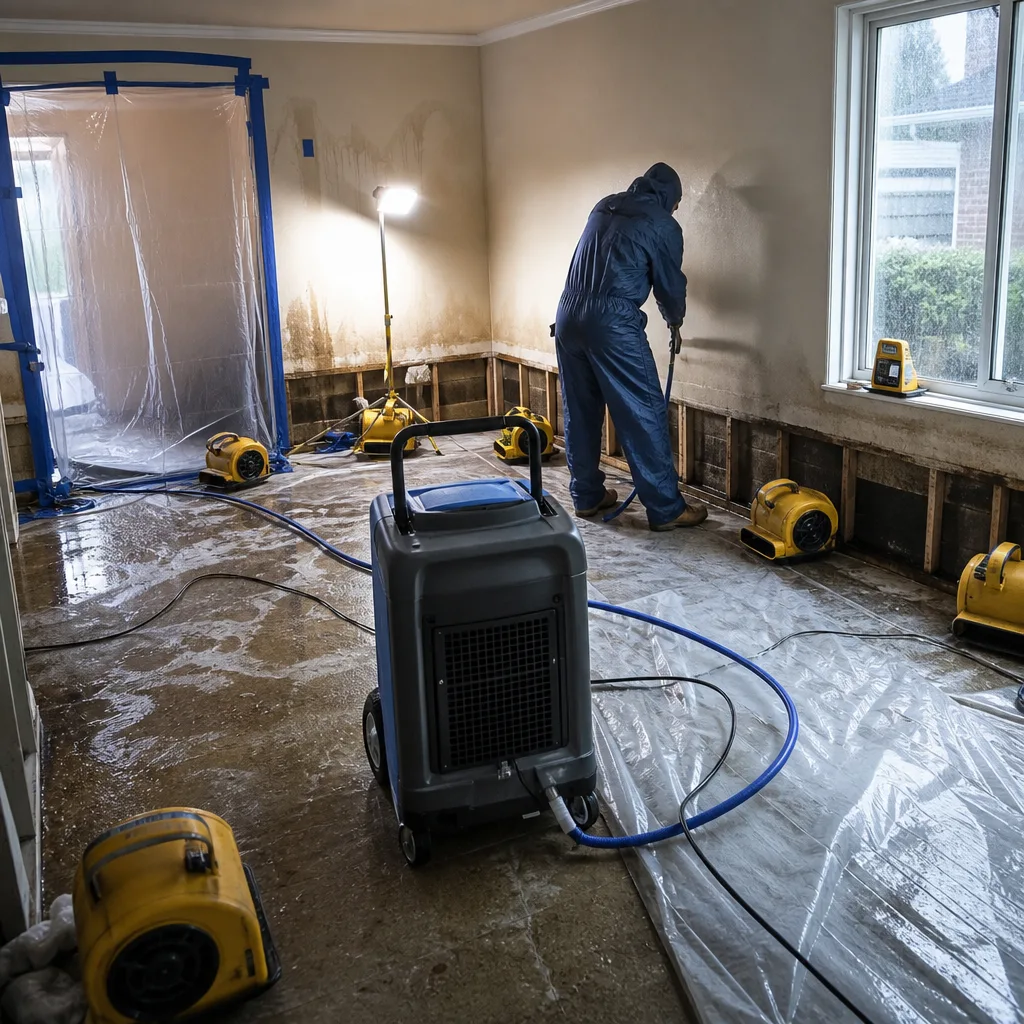
Our equipment inventory includes professional-grade drying systems from Dri-Eaz, Phoenix, and XPOWER - brands whose performance data is accepted by IICRC, RIA, and IFA documentation protocols. We stock HEPA filtration media, antimicrobial treatments, and board-up materials locally for Auburn customers, which means no waiting for Seattle warehouse transfers when a storm band is approaching and your home’s temporary enclosure needs reinforcement. Every machine’s runtime and output is logged daily, producing the psychrometric data - temperature, relative humidity, and vapor pressure differential - that turns restoration invoices into payable claims.
Common Fire & Smoke Damage Restoration Problems We See in Auburn Homes
- Crawl-space moisture wicks upward after fire suppression. Auburn’s clay-heavy soils hold groundwater for weeks, and the post-WWII ranch homes common near downtown have minimal vapor barriers. Crews that skip substructure moisture mapping miss Category 2/3 water that fuels mold within 24-48 hours of the fire being extinguished.
- Wind-driven rain re-wets soot before board-up is complete. During the October-May wet season, a fire-damaged home on the valley floor can take on significant water through broken windows or compromised roofing before emergency sealing is finished. This converts a dry smoke loss into a combined fire-and-water mitigation with different documentation and drying requirements.
- NFIP scope documentation differs from standard claims. Valley-floor properties in FEMA-mapped Special Flood Hazard Areas carry National Flood Insurance Program policies with approval processes that restoration crews from non-flood-zone cities rarely encounter. Incorrect documentation delays approvals and leaves homeowners covering costs.
- Smoke odor recirculates through aging HVAC systems. Original ductwork in 1950s-1970s ranch homes runs through damp crawl spaces, allowing odor particles to redistribute throughout the home even after surface cleaning is complete. Duct inspection and treatment is often necessary for permanent odor removal.
Pricing for Fire & Smoke Damage Restoration in Auburn, WA
Emergency board-up and tarping in Auburn typically runs $800-$2,200 depending on the number of openings and roof area affected. Smoke and soot removal for a partial home cleanup averages $2,800-$5,500; full-home treatment with HVAC duct cleaning ranges $6,500-$12,000. Structural fire repair, including charred framing replacement and drywall rebuild, starts around $8,500 for localized damage and can reach $25,000-$35,000 for extensive reconstruction in larger valley-floor homes. Contents cleaning and pack-out is priced per cubic foot of storage, typically $350-$800 per month for vault storage plus cleaning costs.
Three factors push Auburn jobs toward the higher end of these ranges: NFIP documentation requirements that extend the scoping timeline, crawl-space moisture conditions that require pre-reconstruction drying, and the combined fire-and-water losses that result when rain enters before board-up is complete. Every price we deliver is written, itemized, and approved before work begins - Haven Standard, Clause 1. We also offer a Free Second Opinion on any competitor’s written estimate; bring their scope and we’ll review it at no charge.
We Also Serve Cities Near Auburn
Our crews respond throughout South King and North Pierce counties, including Auburn, Federal Way, Kent, Puyallup, and Tacoma. Each city’s geography and housing stock shapes the restoration approach we take, but the documentation standard stays the same: written price, photo record, daily moisture logs, and a 365-Day Done Right Promise on every job.
Serving Auburn, WA - Our Local Coverage Area
We’re based in the Auburn area and know this community well. Use the map below to see our service coverage - if you’re nearby, we can almost certainly help.
FAQs - Fire & Smoke Damage Restoration in Auburn
Restoration timelines in Auburn are often extended by 3-7 days compared to hillside cities because of combined fire-and-water documentation requirements and crawl-space drying needs. The valley-floor position downstream of the Howard Hanson Dam means many properties carry NFIP policies with scope-approval processes that standard homeowner claims don’t require, and clay-heavy soils hold groundwater that must be mapped and dried before structural repairs begin. Call (253) 642-8884 and we’ll outline the specific timeline for your property.
Yes. Crawl-space homes from the 1950s-1970s near downtown Auburn have more porous materials and original ductwork that traps odor particles, requiring thermal fogging or hydroxyl treatment plus duct cleaning. Slab-on-grade homes on Lea Hill and West Hill typically have less odor retention in the building envelope but may need more extensive surface treatment if open floor plans allowed smoke to travel farther. We assess construction type before recommending a deodorization protocol. Call (253) 642-8884 for a written scope.
NFIP claims require scope-of-work documentation that separates flood-related damage from fire-related damage, with distinct line items and photo evidence for each. Homeowners should request that their restoration contractor has direct NFIP experience - not just standard insurance fluency - and should expect the scope to be submitted for approval before reconstruction begins. Our crews handle this documentation as standard practice for valley-floor properties. Call (253) 642-8884 and we’ll review your policy type and documentation needs.
Mold colonization begins 24-48 hours after water intrusion in Auburn’s humid conditions, and fire suppression water combined with clay-soil groundwater in crawl spaces creates ideal conditions. The October-May wet season extends this risk window because ambient humidity stays elevated and soils remain saturated for weeks. Moisture mapping in the substructure is essential within the first 24 hours to prevent secondary mold damage. Call (253) 642-8884 for emergency moisture assessment.
Yes, particularly in homes with crawl-space ductwork or inadequate vapor barriers where humidity remains elevated. If odor particles penetrated into wall cavities, insulation, or subflooring and surface treatment didn’t reach them, seasonal humidity increases can reactivate the odor. Our 365-Day Done Right Promise covers this: if odor returns within a year, we return and retreat at no charge, with the source identified through moisture mapping and thermal imaging. Call (253) 642-8884 if you suspect residual odor.
After a kitchen fire in a 1960s ranch on the valley floor near Auburn’s downtown core, our crew used Dri-Eaz air movers and Phoenix dehumidifiers to stabilize the structure while running containment around soot-affected rooms, then logged moisture readings in the crawl space where clay-heavy soils were already holding groundwater from a recent rain event. We completed a full pack-out of contents for cleaning off-site, applied antimicrobial treatment to charred framing, and filed the scope of work with NFIP-compliant documentation before the structural fire repair began.
Auburn sits on the floor of the Green River Valley directly downstream of the Howard Hanson Dam, whose documented seepage vulnerabilities have put the entire valley floor under repeated flood watch. When the Green River threatens, it can affect hundreds of valley-floor properties simultaneously, creating mass-loss events that are structurally different from isolated storm claims. For fire and smoke restoration, this means our board-up and structural drying work is frequently sequenced around NFIP documentation protocols that restoration crews from non-flood-zone cities like Renton rarely need to handle. This fluency - knowing when a standard homeowner claim becomes an NFIP submission, and documenting accordingly from the first site visit - is what allows our Auburn customers’ claims to move through approval without the delays and out-of-pocket costs that catch less experienced contractors.
Ready to get started? Call (253) 642-8884 now for a free estimate. A trained estimator will arrive at your Auburn property, assess the damage, and deliver a written price before any work begins - Haven Standard, Clause 1. Every job includes a documented photo record, daily moisture logs, and our 365-Day Done Right Promise backed by The Haven Standard.
Written by Alicia Brennan, Owner at DryMark Restoration Tukwila, serving Auburn since 2011.