
Free visual inspection and a written scope of work before any mitigation begins - photos, moisture readings, and drying logs go in your claim file
The scope we write is the scope we bill. Anything new gets shown to you, in writing, before we touch it.
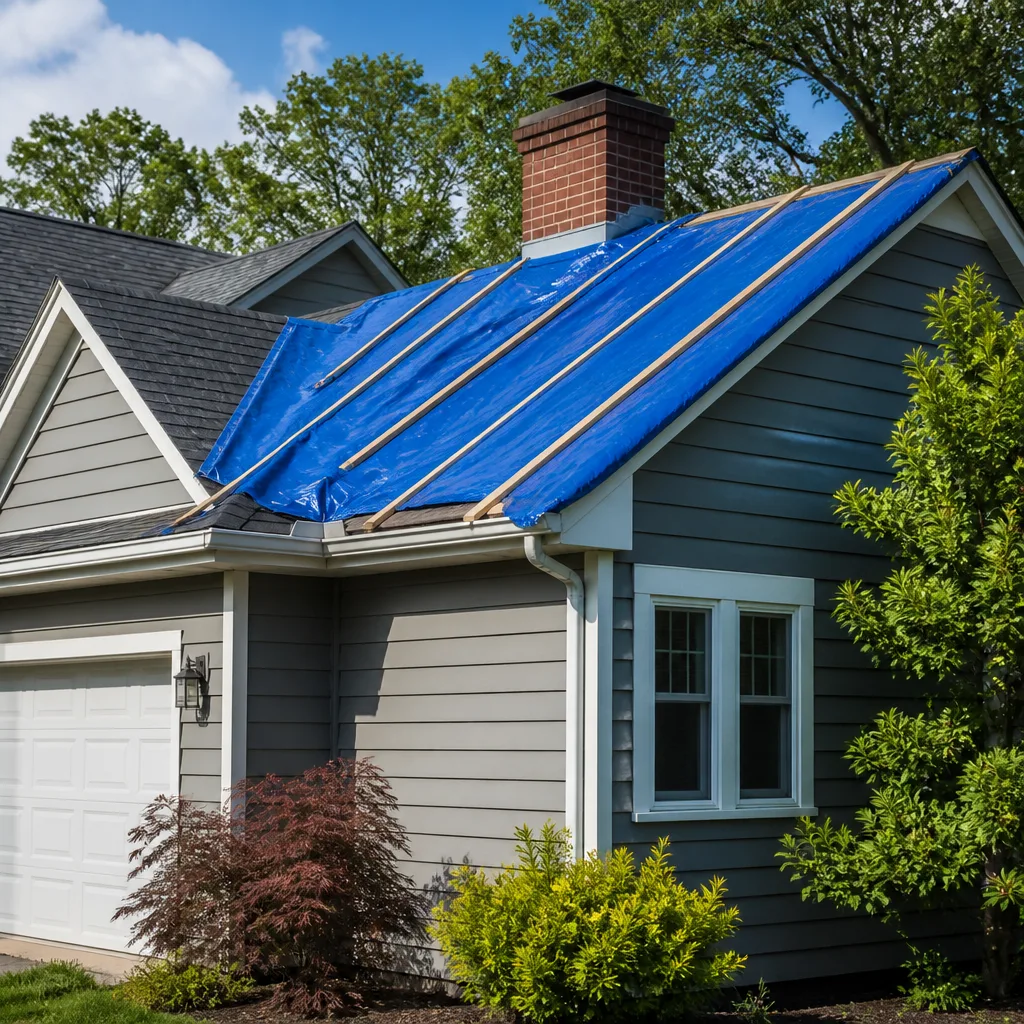
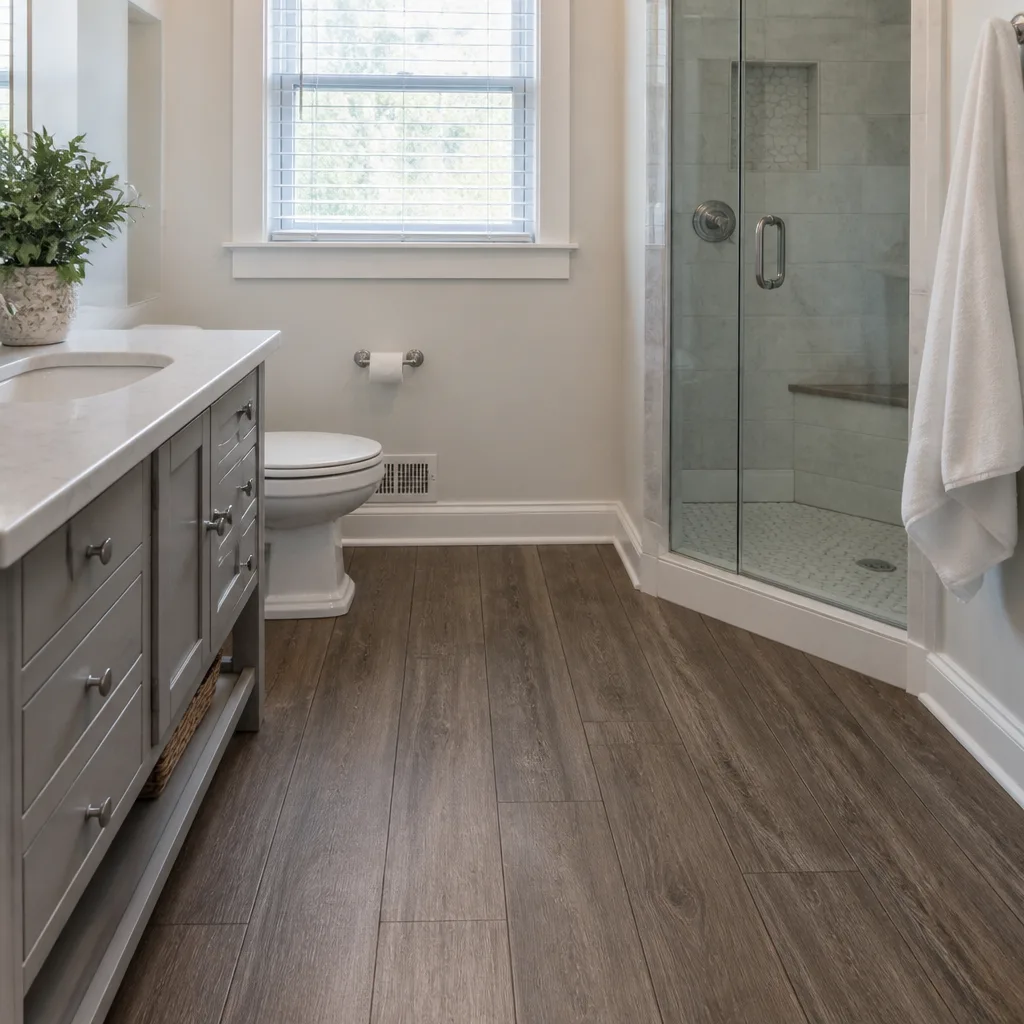
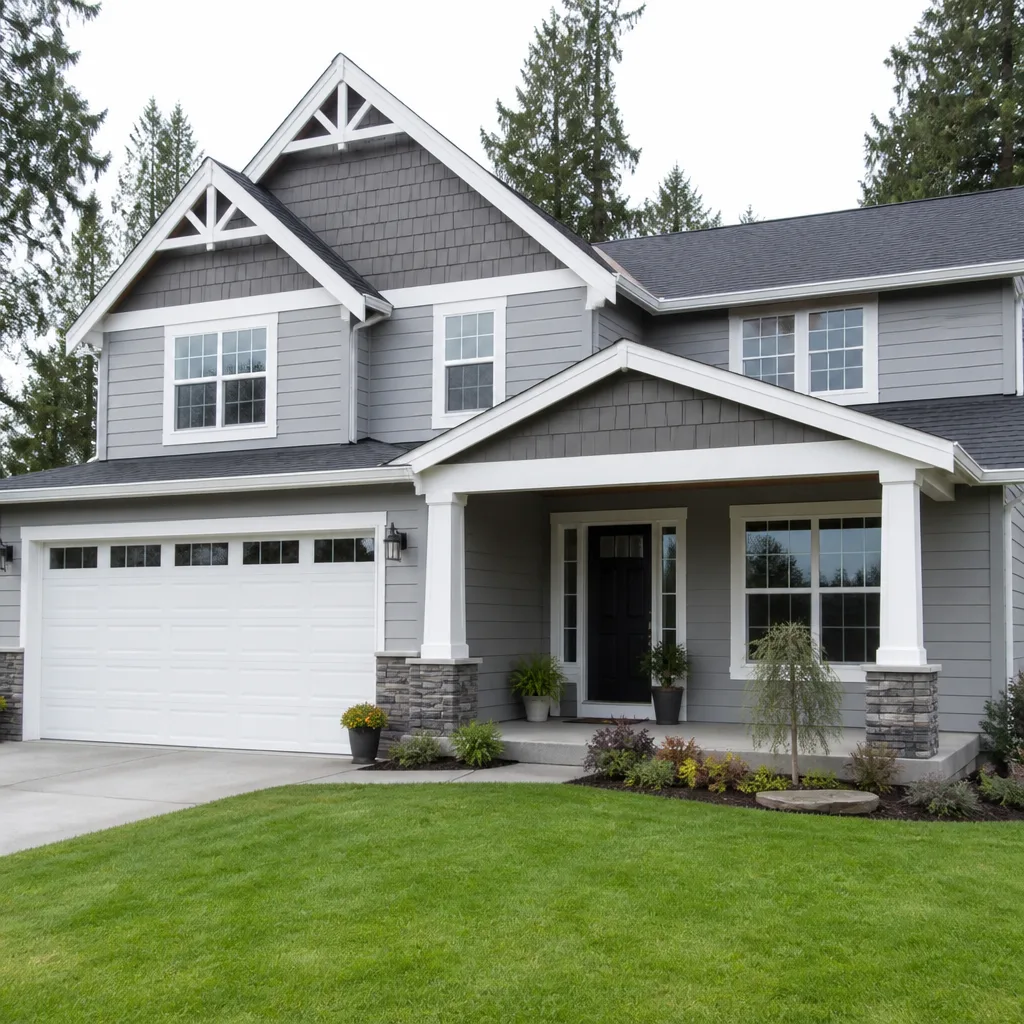
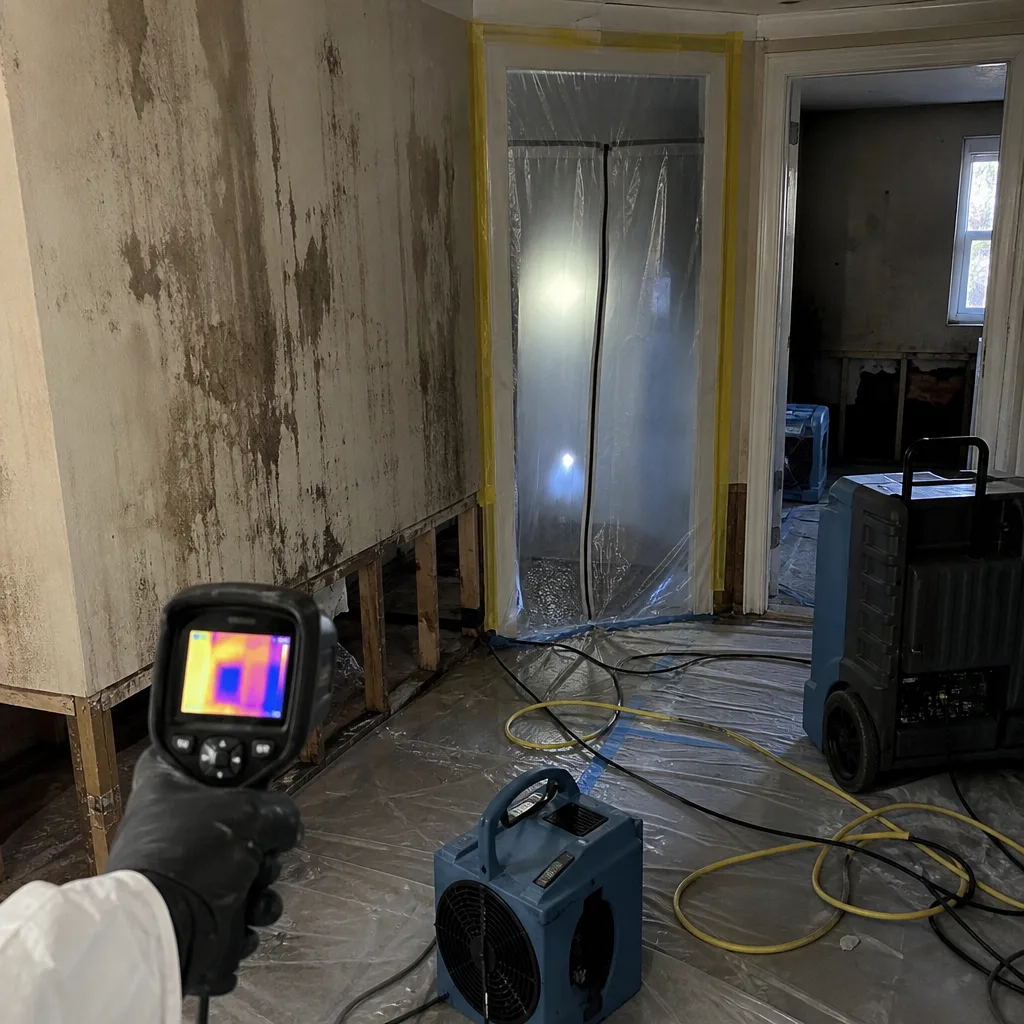 Before
 After
After Before
 After
After Before
 After
AfterFast, Reliable Fire & Smoke Damage Restoration Across Tacoma
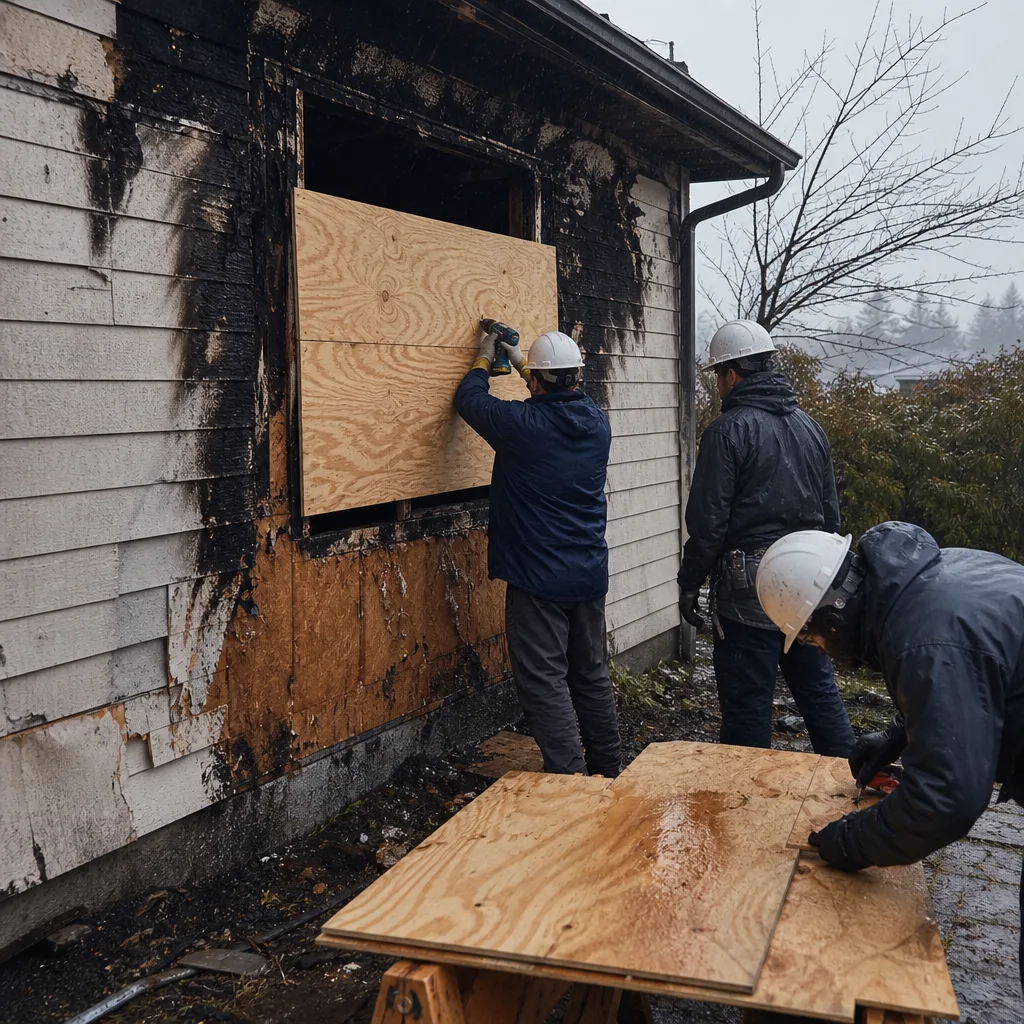
Fire and smoke damage restoration in Tacoma typically costs $4,200-$18,500 depending on the extent of structural damage, smoke penetration depth, and whether hazardous materials protocols apply. Most emergency board-up and initial mitigation begins within 60-90 minutes of your call to our live dispatch. Our crews are staged from our Seattle coordination office and serve Tacoma neighborhoods directly, including the Stadium District, North End, and South Tacoma.
We’re familiar with what fire does to Tacoma’s housing stock. The pre-1945 Craftsman bungalows and Victorian two-stories that define so much of this city - from Proctor to Hilltop - don’t respond to standard restoration playbooks. Their old-growth Douglas fir framing chars deep. Plaster-and-lath walls trap soot in cavities that drywall doesn’t have. And when fire debris falls through floor gaps into unvented crawl spaces, especially inside the EPA-mapped ASARCO Tacoma Smelter Plume boundary, the job changes from a restoration project to a documented hazmat operation before anyone pulls on a respirator.
That’s why our Fire & Smoke Damage Restoration team checks the Washington Department of Ecology parcel lookup on every North Tacoma and Stadium District call. We’ve seen what happens when crews skip that step. Call (253) 642-8884 and a live person will pick up, 24 hours a day, 7 days a week. No voicemail trees. No next-business-day callbacks while smoke residue keeps settling into porous materials.
Why DryMark Restoration Tukwila Is Tacoma’s Preferred Fire & Smoke Damage Restoration Company
We’ve restored fire-damaged homes across Tacoma since 2011 - more than 12,000 properties total across our service area, every one with a written price before work started and a documented photo record when the crew left. Alicia Brennan founded this company after working as a claims adjuster and watching homeowners lose legitimate coverage because restoration contractors couldn’t produce the drying logs, moisture readings, or hazmat disposal manifests their carriers required.
Tacoma customers find us because they read the three-star reviews on every company they’re considering. They see our documented photo record included as standard, not an upsell. They see Haven Standard, Clause 1: a written price delivered before anyone starts work, with no scope-creep additions once the crew is inside. That clause exists because Alicia watched too many homeowners sign blank work authorizations in the panic after a fire, then dispute the invoice six months later.
Response time to Tacoma runs 60-90 minutes for emergency board-up and initial stabilization. Crews carry HEPA containment systems, negative-air machines, and the regulated disposal documentation required for ASARCO plume-zone work. We know the difference between a standard fire loss on a 1980s ranch in Northeast Tacoma and a legacy-structure job in the North End where every pound of disturbed soil needs a chain-of-custody record.
Our reputation in Tacoma is built on what we can show, not what we claim. Bring any competitor’s written estimate and we’ll review it free - Haven Standard, Free Second Opinion. The 365-Day Done Right Promise applies to every job, signed and dated, not a verbal assurance that evaporates when the project manager changes.
Our Fire & Smoke Damage Restoration Services in Tacoma
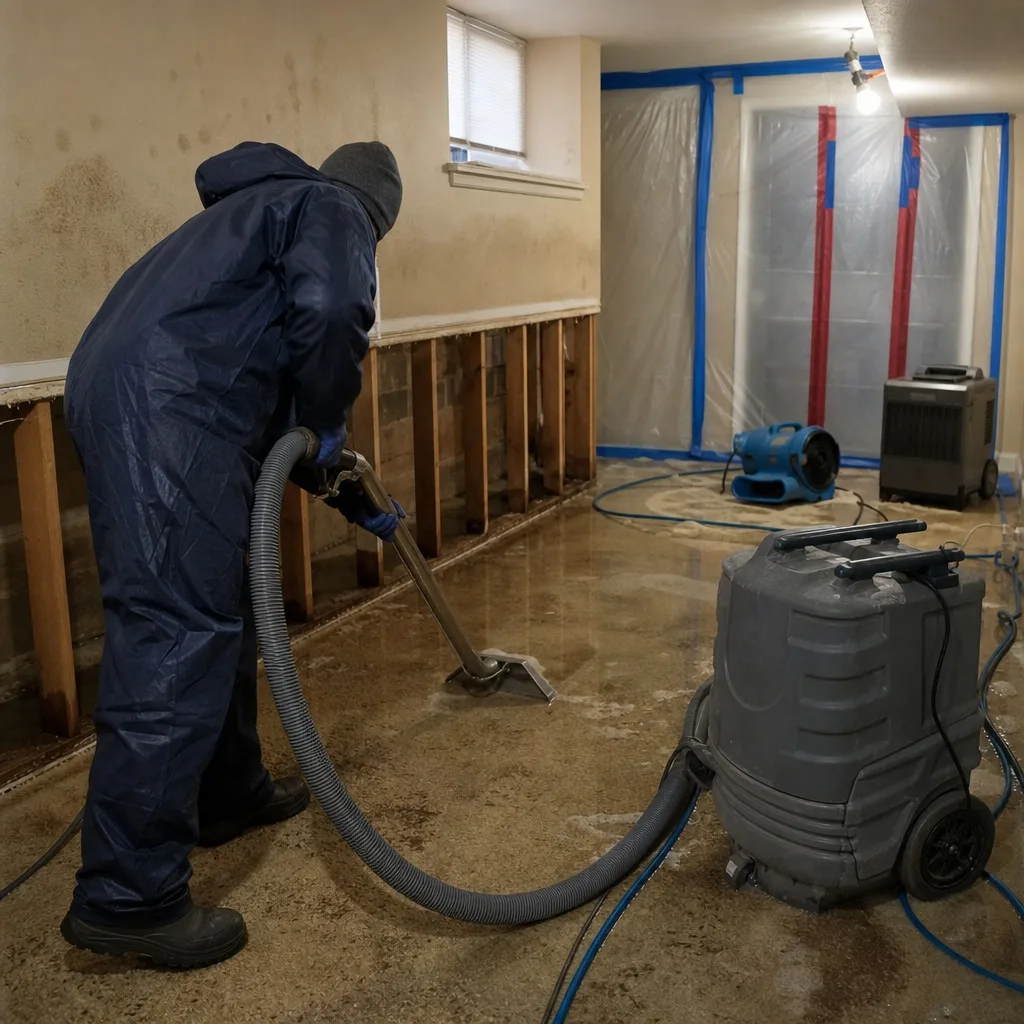
Fire Damage Cleanup
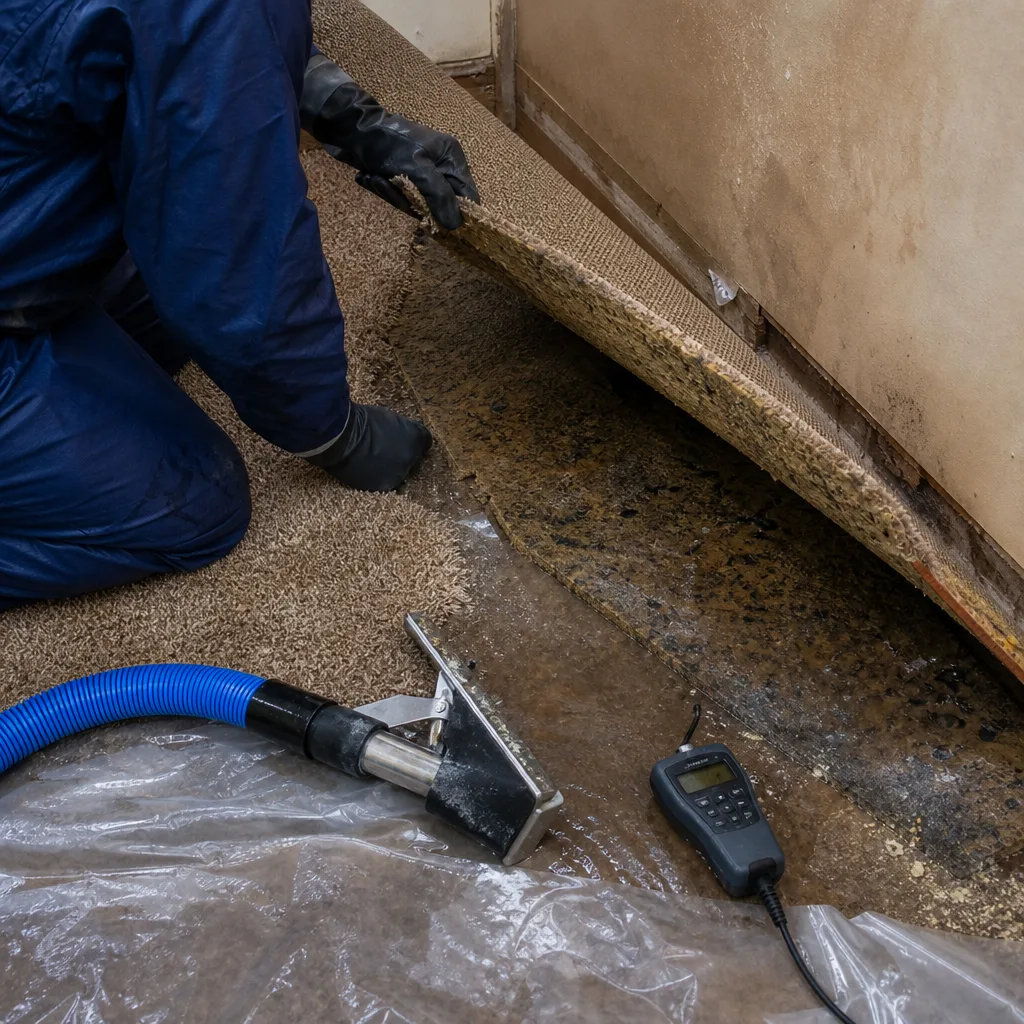
Fire damage cleanup in Tacoma starts with structural stabilization and debris removal, but the real work is understanding what kind of house burned. A 1920s Craftsman near Wright Park has plaster-and-lath walls that crumble when saturated, old-growth Douglas fir joists that hold charred odor deep in their dense grain, and floor gaps that drop debris into crawl spaces. We document pre-loss condition room by room, photograph every structural element before disturbance, and run moisture mapping to establish baseline psychrometric data - vapor pressure differential readings that show how much moisture the fire department’s suppression water added to already humid materials.
In the ASARCO plume zone, fire debris removal requires HEPA containment and regulated disposal from the first shovelful. We check the Ecology parcel lookup before the truck leaves our staging point. The written scope includes hazmat-tier line items with specific disposal vendor documentation, so your adjuster sees exactly why those costs exist.
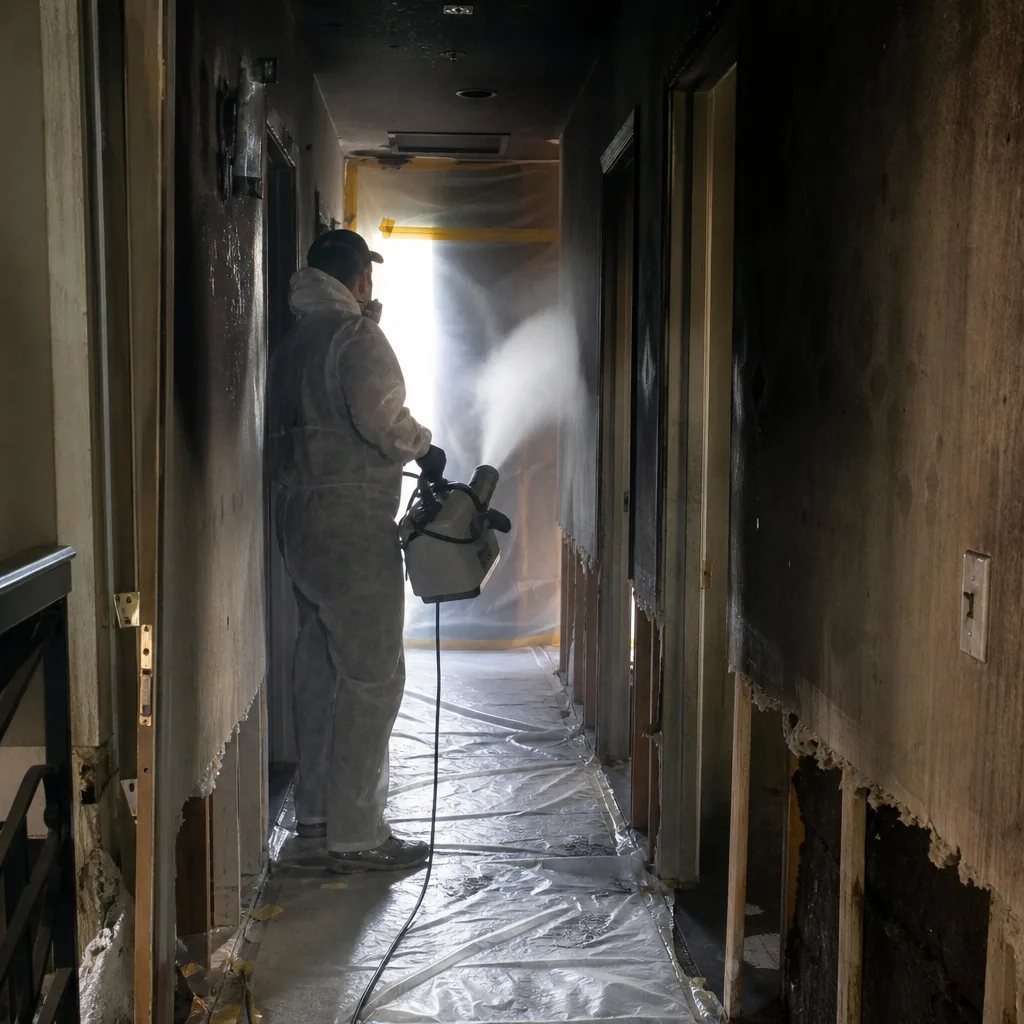
Smoke & Soot Removal
Smoke and soot removal is where Tacoma’s older housing stock punishes shortcuts. Soot from synthetic materials produces acidic residues that etch glass and corrode metal within hours. In a modern home, that’s manageable. In a 1910 Victorian on North I Street with original double-hung windows and cast-iron hardware, etching destroys irreplaceable fabric. We use ultrasonic cleaning for removable metal fixtures and dry-ice blasting for charred structural members where appropriate, always with photo documentation of pre- and post-condition.
The bigger problem is where soot goes. Plaster-and-lath walls have voids between studs that collect soot particles and re-release them during Commencement Bay humidity swings. Our crews access these cavities through strategic removal points, HEPA-vacuum the voids, and seal them with thermal fogging or hydroxyl treatment before repair. Standard surface cleaning misses this entirely. We’ve been called back to jobs where the living space looked pristine and the crawl space still smelled like a structure fire in July.
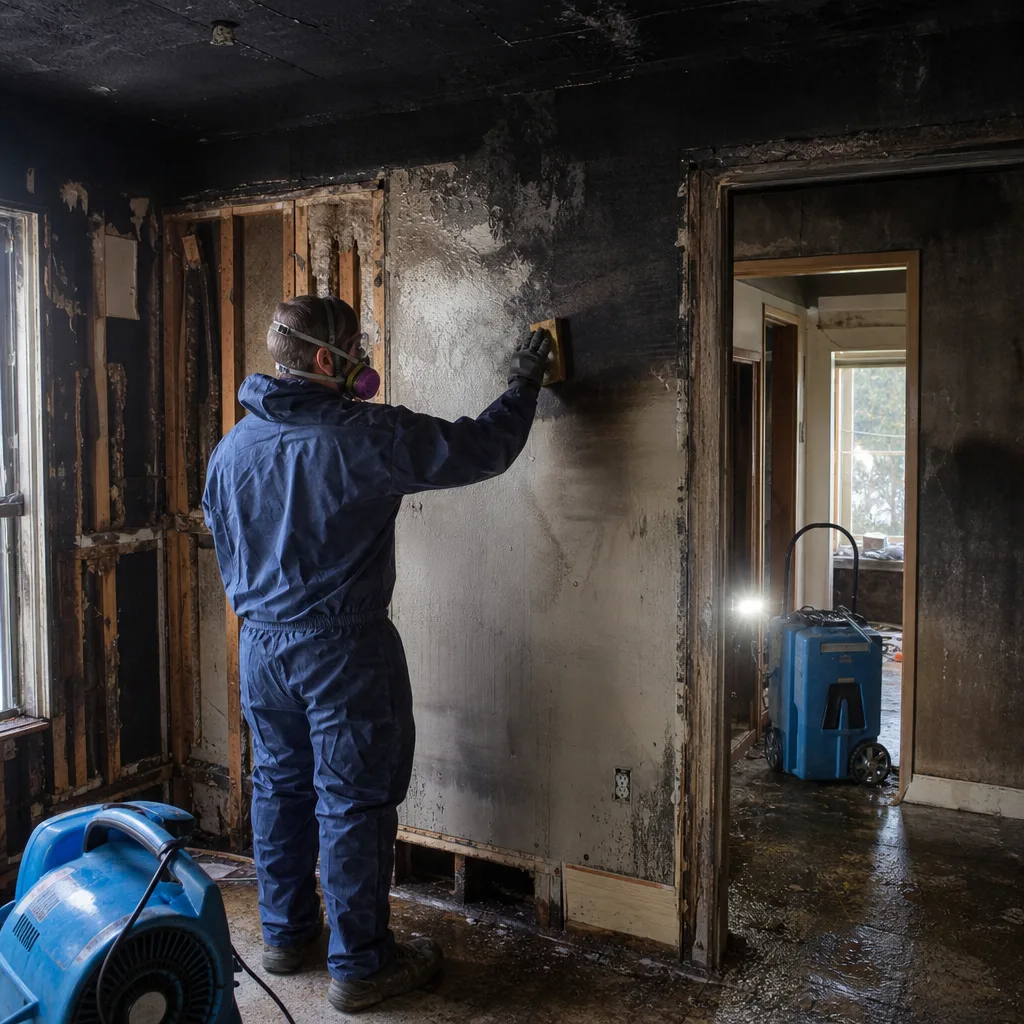
Odor Removal & Deodorization
Odor removal in Tacoma fire losses often fails because technicians stop when the air smells clean. Old-growth Douglas fir framing doesn’t work that way. The same density that made this lumber valuable in 1915 makes it slow to release absorbed smoke compounds. Standard dehumidification schedules - 72 hours with LGR dehumidifiers and air movers - stall before the wood moisture content drops below the 16% threshold where odor re-emission stops.
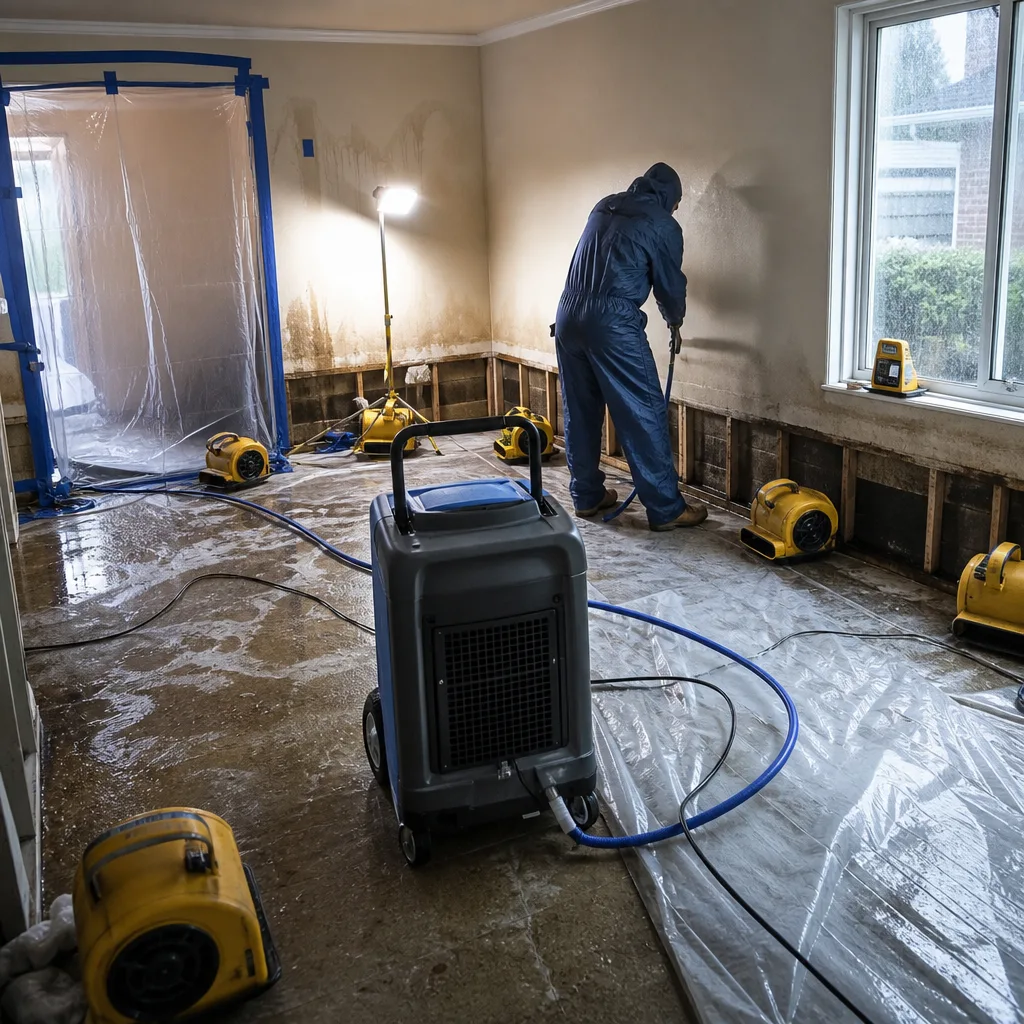
We extend drying protocols for legacy framing, documenting daily moisture logs with specific readings by room and material. Tertiary drying, using desiccant dehumidifiers or heat injection systems from Dri-Eaz and Phoenix, targets the deep grain where standard equipment can’t reach. The Haven Standard requires we show you the numbers: wood moisture content, relative humidity, and vapor pressure differential at each phase. When the logs plateau, we explain why and adjust the protocol rather than declare victory and invoice.
Contents Cleaning & Pack-Out
Contents cleaning and pack-out after a Tacoma fire requires inventory documentation that satisfies both you and your insurer. We photograph every item before it leaves the structure, barcode it into a cloud-based inventory, and clean at our facility or on-site depending on soot type and item condition. Textiles with protein smoke from kitchen fires need different chemistry than synthetic smoke from plastic combustion. We test-clean a representative sample and document the results before committing the full inventory.
In ASARCO plume-zone homes, contents that fell to the crawl space or contacted disturbed soil may carry hazardous particulate. We segregate these items, document their condition with photos, and present the inventory to your adjuster with disposal recommendations where cleaning is not viable. The homeowner decides. The documentation supports whatever choice they make.
What happens when you call
- 1
A real person answersNo phone trees - you reach a local pro.
- 2
You get an upfront price rangeHonest numbers before anyone is dispatched.
- 3
A background-checked tech heads outLicensed & insured, dispatched right away.
- 4
You approve before work beginsNothing starts until you say go.
 Before
 After
AfterTrusted Brands We Service in Tacoma
Our equipment inventory includes professional-grade drying and air-scrubbing systems from Dri-Eaz, Phoenix, and XPOWER, documented to IICRC and RIA standards. For Tacoma’s legacy homes, we stock specialized HEPA containment and negative-air hardware sized for the smaller rooms and tighter stairwells common in pre-1945 construction. Parts availability matters when a job runs past standard timelines - old-growth Douglas fir drying can extend dehumidification by days, and equipment failure mid-protocol isn’t acceptable. We carry backup units on every truck and maintain redundant inventory at our Seattle coordination office. Turnaround on contents cleaning runs 5-10 business days for standard textile and hard-surface items, longer for electronics and specialized collections where we coordinate with Tacoma-area conservators.
Common Fire & Smoke Damage Restoration Problems We See in Tacoma Homes
- Treating legacy framing like modern lumber. Old-growth Douglas fir in pre-1945 Tacoma homes chars deeply and holds smoke odor in dense grain that standard air-mover schedules can’t penetrate. Extended dehumidification with documented moisture logs is required, or the smell returns during the first humid spell off Commencement Bay.
- Missing the crawl space entirely. Unvented, earthen-floor crawl spaces in Tacoma’s Craftsman bungalows collect fire debris and odor-laden dust through floor gaps. Crews who clean the living space and ignore below are surprised when smoke smell re-emerges weeks later, often blamed on “phantom odor” rather than missed source.
- Skipping the ASARCO plume lookup. In North Tacoma and the Stadium District, disturbing charred debris or crawl space soil without checking the Washington Department of Ecology parcel lookup converts a routine fire cleanup into a regulated hazmat project. The liability and documentation requirements are substantial, and carriers deny claims when proper protocols weren’t followed from the start.
- Assuming plaster-and-lath behaves like drywall. Plaster keys into lath strips with mechanical bonds that crumble when wet. Fire suppression water or over-aggressive cleaning collapses wall sections that were structurally sound. We test plaster stability before committing to any wet-cleaning method and document the results.
Pricing for Fire & Smoke Damage Restoration in Tacoma, WA
Fire and smoke damage restoration pricing in Tacoma reflects the complexity of the city’s housing stock and the regulatory overlay in affected neighborhoods. Emergency board-up and tarping typically runs $800-$2,400 depending on roofline access and structural stabilization needs. Smoke and soot removal for a single affected room in a standard ranch or mid-century home costs $1,800-$4,200. For pre-1945 homes with plaster-and-lath walls and legacy framing, the same scope runs $2,800-$6,500 due to extended access work and specialized cleaning chemistry.
Odor removal and deodorization with extended drying protocols for old-growth Douglas fir framing adds $1,200-$3,800. Contents cleaning and pack-out runs $2.50-$4.80 per square foot of affected space, with hazmat-segregated items in ASARCO plume zones adding regulated disposal costs of $85-$220 per cubic yard. Structural fire repair and reconstruction is scoped separately, with written pricing before any rebuild work begins - Haven Standard, Clause 1.
Every estimate is free. We deliver a written price before work starts, every time, with no exceptions. Call (253) 642-8884 for exact pricing on your specific situation.
We Also Serve Cities Near Tacoma
Our crews respond throughout the South Sound, including Tacoma, Puyallup, Federal Way, Auburn, and Kent. Dispatch and scheduling are coordinated from our Seattle office; crews serve each city locally with the same documentation standards and live phone coverage. Wherever you are in our service area, the same Haven Standard applies: written price before work, photo record on every visit, 365-Day Done Right Promise.
Serving Tacoma, WA - Our Local Coverage Area
We’re based in the Tacoma area and know this community well. Use the map below to see our service coverage - if you’re nearby, we can almost certainly help.
FAQs - Fire & Smoke Damage Restoration in Tacoma
Smoke smell returns because old-growth Douglas fir framing and plaster-and-lath walls in pre-1945 Craftsman homes hold odor compounds far longer than modern materials. The dense grain of legacy fir releases these compounds during humidity swings - common in Tacoma with Commencement Bay marine influence - long after surface cleaning appears successful. Standard dehumidification schedules stall before the wood moisture content drops below 16%, the threshold where re-emission stops. We extend drying protocols with documented daily moisture logs and tertiary drying equipment until the numbers support completion, not just the nose. Call (253) 642-8884 for a free assessment of your specific framing and moisture readings.
Yes. Properties inside the EPA-mapped ASARCO Tacoma Smelter Plume boundary - which covers much of North Tacoma, the Stadium District, and Ruston - require HEPA containment, specific personal protective equipment, and regulated disposal of any disturbed soil or debris. We check the Washington Department of Ecology parcel lookup before every crawl space or soil-disturbing job in these neighborhoods. This converts routine fire cleanup into a hazmat-tier project with distinct insurance documentation requirements that must be established before work begins. Call (253) 642-8884 and we’ll run the lookup while the truck is en route.
Old Tacoma homes built before 1945 use old-growth Douglas fir framing that is denser and slower to release moisture than modern plantation-grown lumber. Plaster-and-lath walls create void cavities that trap suppression water and require strategic access for proper drying. Standard 72-hour dehumidification schedules often leave wood moisture content above 16%, where mold colonization and odor re-emission continue. We run extended protocols with desiccant or heat-injection systems, documenting psychrometric data daily until the structure is actually dry, not just surface-dry. Call (253) 642-8884 for moisture mapping and a written drying scope.
Yes. We provide full contents cleaning and pack-out with photo-documented inventory, barcode tracking, and segregated storage. Items are cleaned at our facility or on-site depending on soot type - protein smoke from kitchen fires requires different chemistry than synthetic smoke from plastic combustion. In ASARCO plume-zone homes, contents that contacted disturbed soil are segregated and documented separately for adjuster review. Every item is photographed before removal and tracked through cleaning to return. Call (253) 642-8884 to schedule pack-out and receive a written scope with pricing before any work begins.
Smoke and soot removal should begin as soon as the structure is declared safe for entry - typically within hours of fire department release. Acidic soot residues from synthetic materials etch glass and corrode metal within 24-72 hours, and Tacoma’s marine humidity accelerates this damage. More critically for legacy homes, soot that settles into plaster-and-lath voids or falls through floor gaps into crawl spaces becomes progressively harder to access and remove. We aim to begin emergency board-up and initial stabilization within 60-90 minutes of your call to our live dispatch. Call (253) 642-8884 - a person answers 24 hours a day, 7 days a week.
Written by Alicia Brennan, Owner at Back to Dry Restoration, serving Tacoma since 2011.