
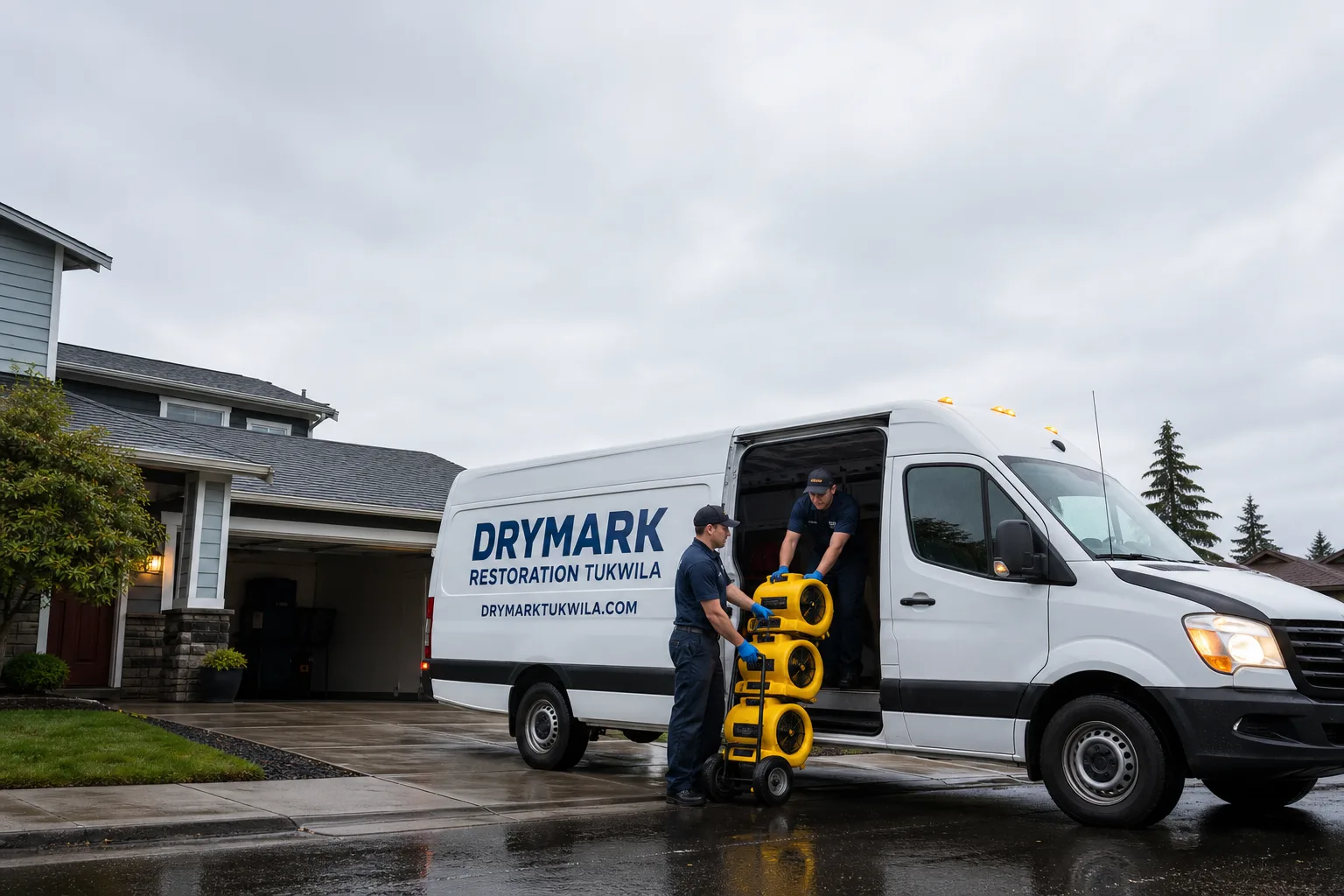
Free visual inspection and a written scope of work before any mitigation begins - photos, moisture readings, and drying logs go in your claim file
The scope we write is the scope we bill. Anything new gets shown to you, in writing, before we touch it.
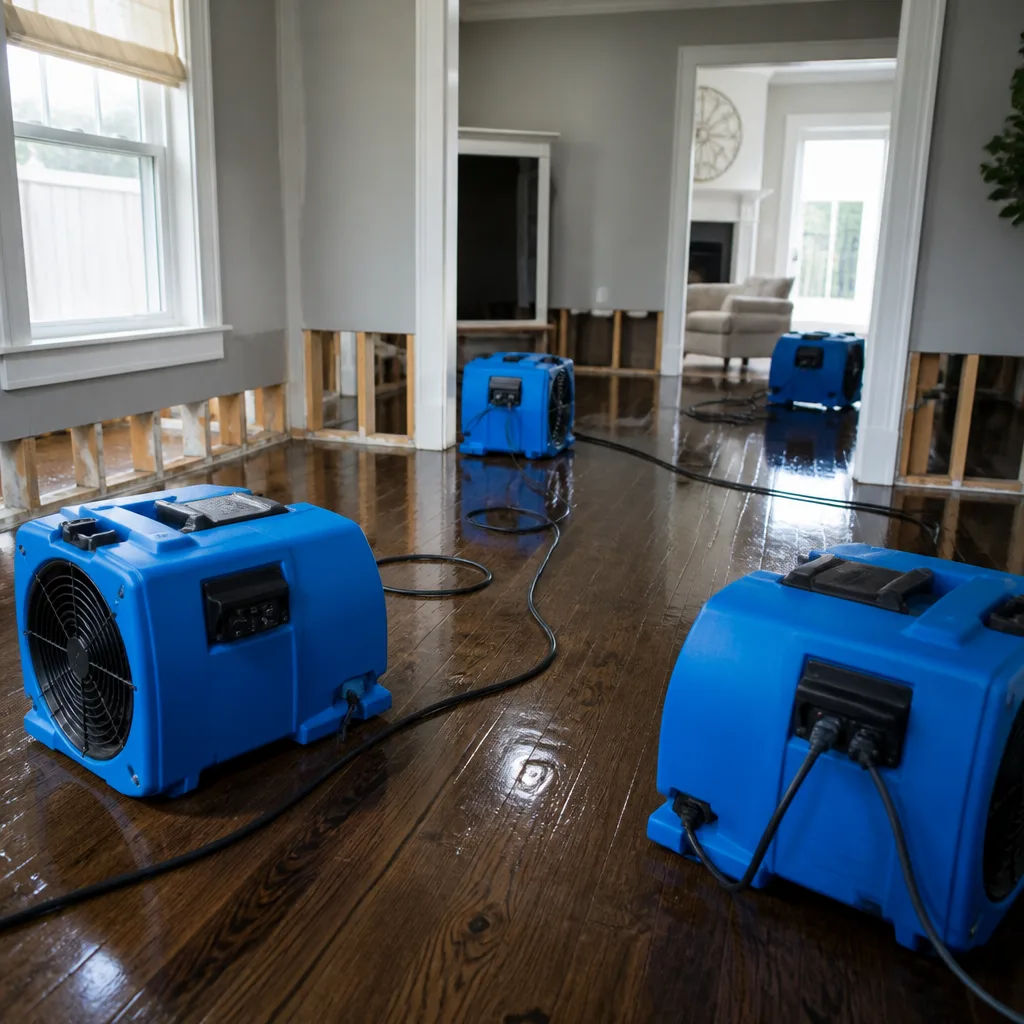
 Before
 After
After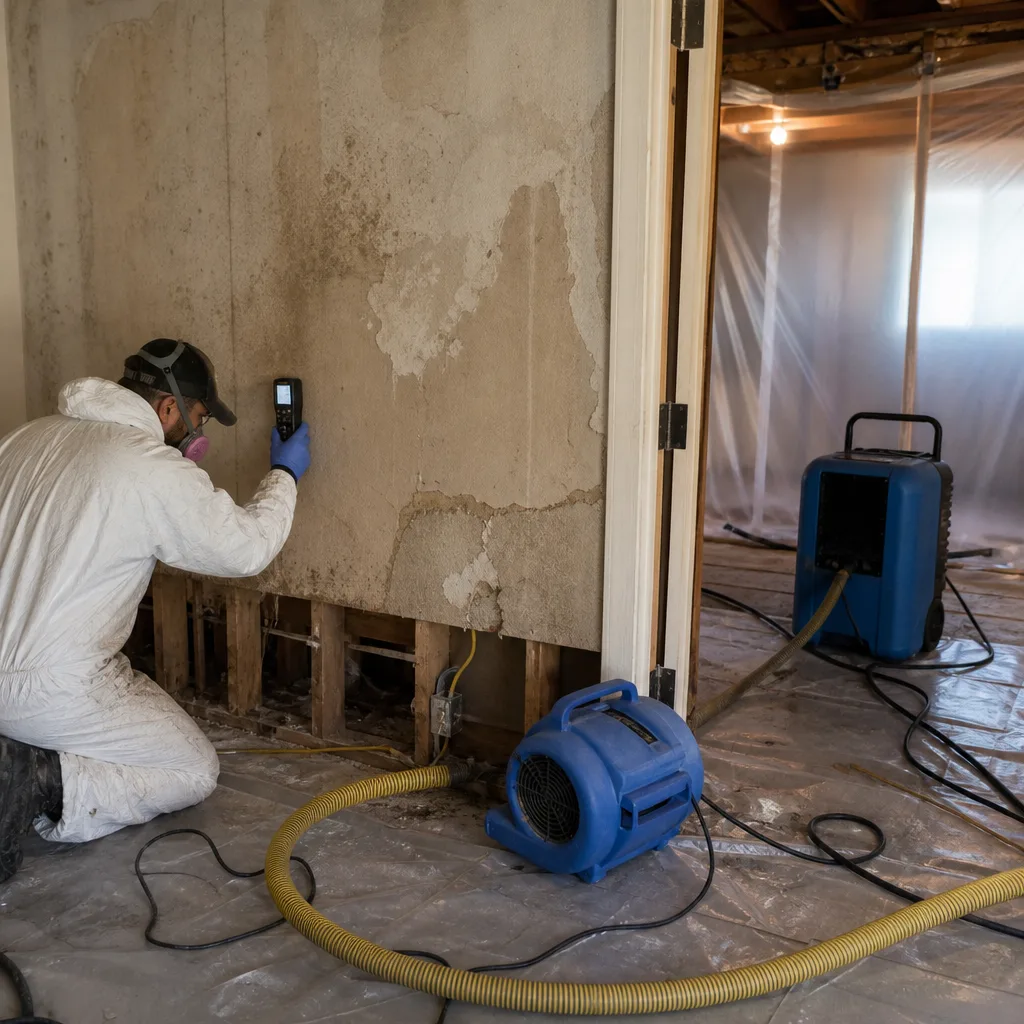 Before
 After
After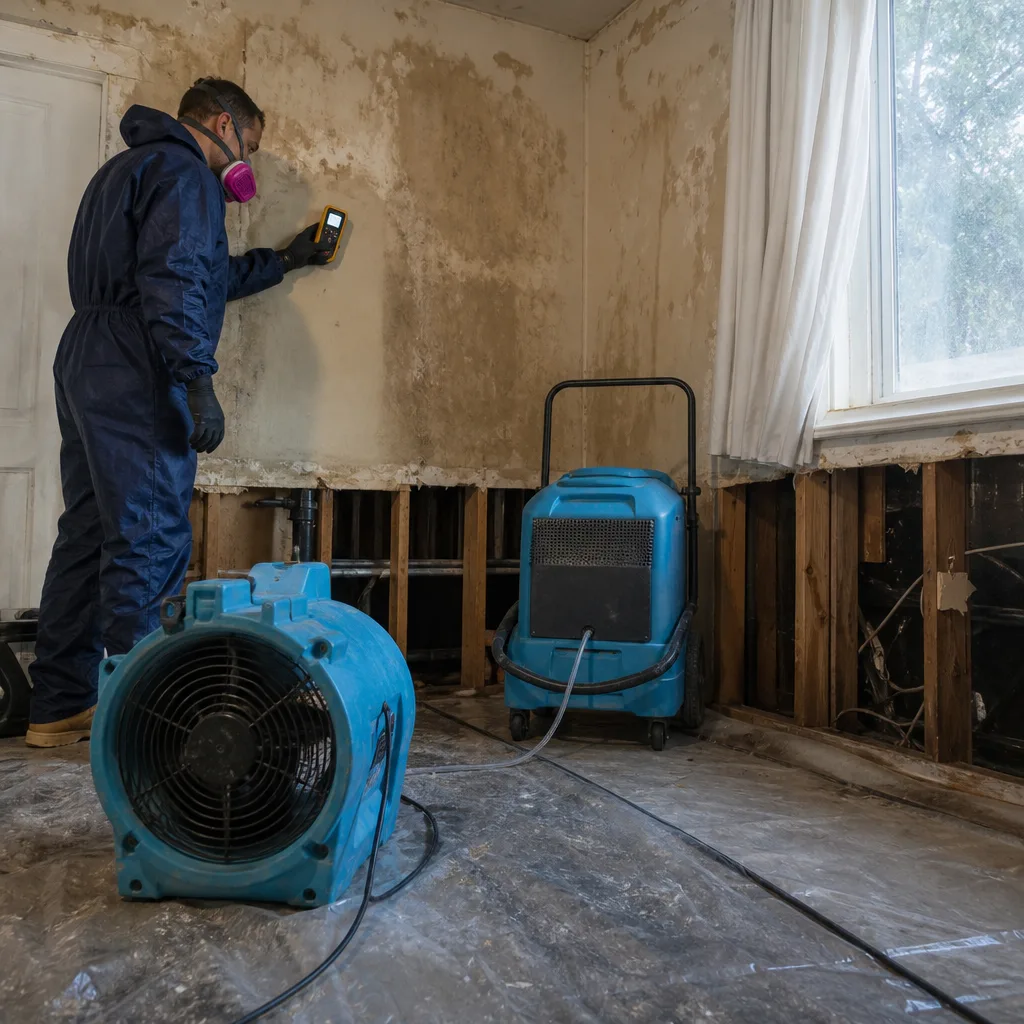 Before
 After
AfterFast, Reliable Mold Remediation Across Federal Way
Mold remediation in Federal Way typically costs $2,800-$7,500 for whole-home treatment, with crawl-space jobs running $1,800-$4,200 and full structural drying protocols reaching the higher end when Category 3 water is involved. Most Federal Way homeowners who call our Mold Remediation team receive a written price before any work starts, and emergency assessments are scheduled same-day when standing water is present.
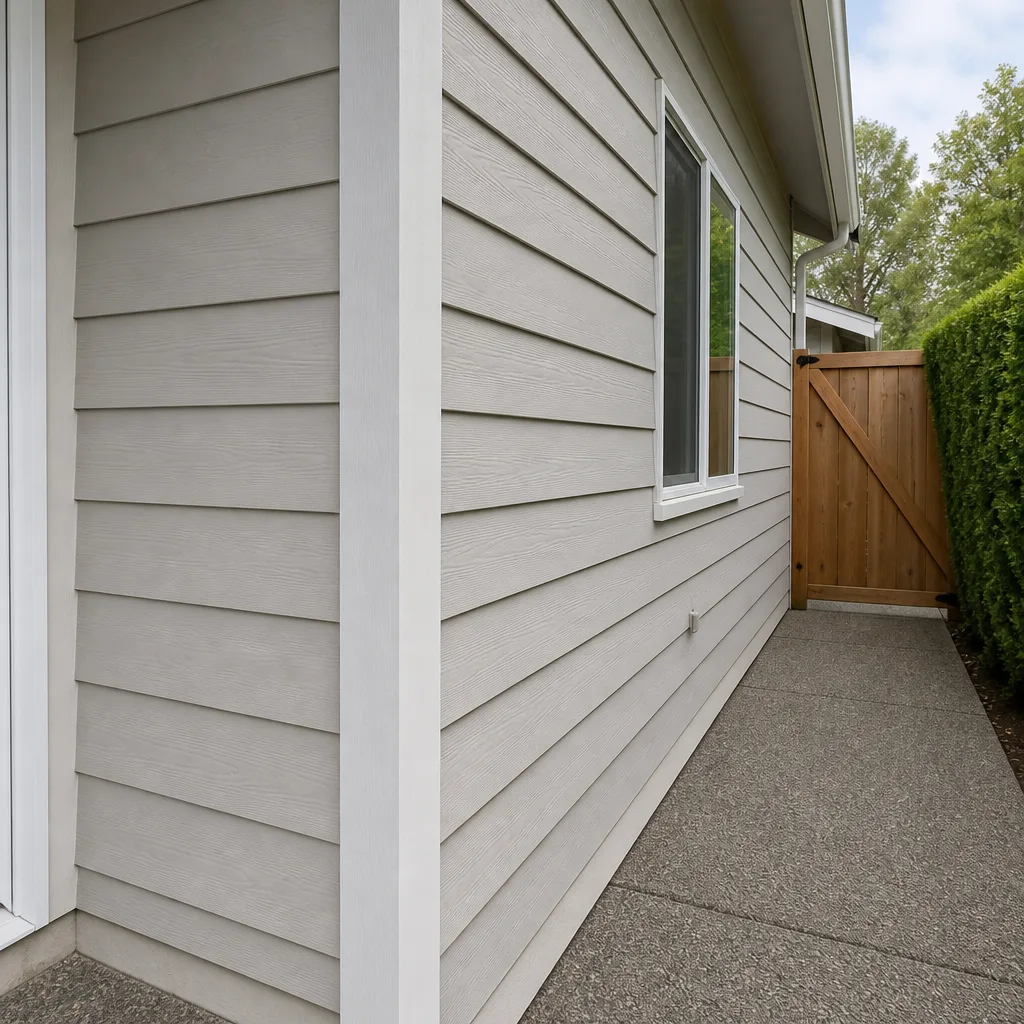
We serve Federal Way from our Seattle office, with crews dispatched daily for Federal Way Water Damage Restoration along the SR-99 corridor, Twin Lakes, and the West Hylebos Wetlands perimeter. Federal Way’s 1960s-1990s housing stock - wood-framed, T1-11-sided tract homes built during the suburban buildout - presents a specific mold profile we document on every job: moisture intrusion at siding seams, window rough openings degraded by 40-plus years of Pacific Northwest rain, and crawl spaces that flood when the elevated water table near Hylebos Creek meets the city’s ridge-and-ravine drainage. If you smell mustiness or see staining, call (253) 642-8884. We’ll bring moisture meters, thermal imaging, and a written scope - not a sales pitch.
Why DryMark Restoration Tukwila Is Federal Way’s Preferred Mold Remediation Company
Federal Way homeowners measure contractors by what they can show, not what they claim. Our documentation-first approach was built for this. Every job starts with a written price before work begins - Haven Standard, Clause 1 - and ends with a photo record, a drying log, and the 365-Day Done Right Promise backed by The Haven Standard.
Our crews know the local failure patterns. In Twin Lakes and the neighborhoods abutting West Hylebos Wetlands, even moderate multi-day rain events leave crawl spaces with standing water. By the time the musty odor reaches the living space, mold has typically colonized subfloor joists and rim-joist insulation. We don’t guess. We map moisture readings room by room, document vapor pressure differentials, and produce the psychrometric data that turns restoration invoices into payable insurance claims.
Live person answers every call, 24 hours a day, 7 days a week. No voicemail trees. No next-business-day callbacks while water is still wicking into structural members. Background-checked, uniformed technicians arrive with license numbers visible and equipment from Dri-Eaz, Phoenix, and Injectidry systems - documented to IICRC, RIA, and IFA standards.
We’ve restored 12,000-plus homes since 2011, every one with a written price before work started. Bring any competitor’s written estimate for a Free Second Opinion. We’ll review it at no charge.
Our Mold Remediation Services in Federal Way
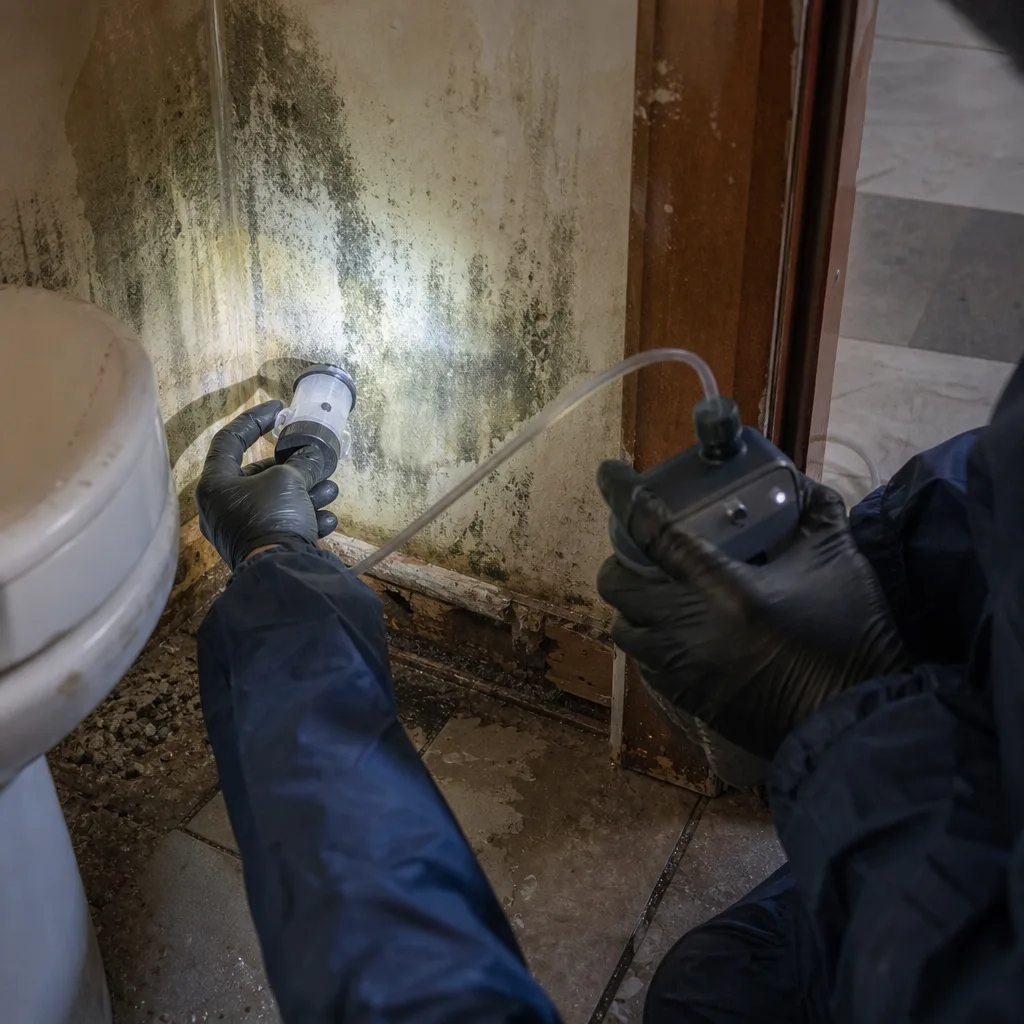
Mold Inspection & Testing
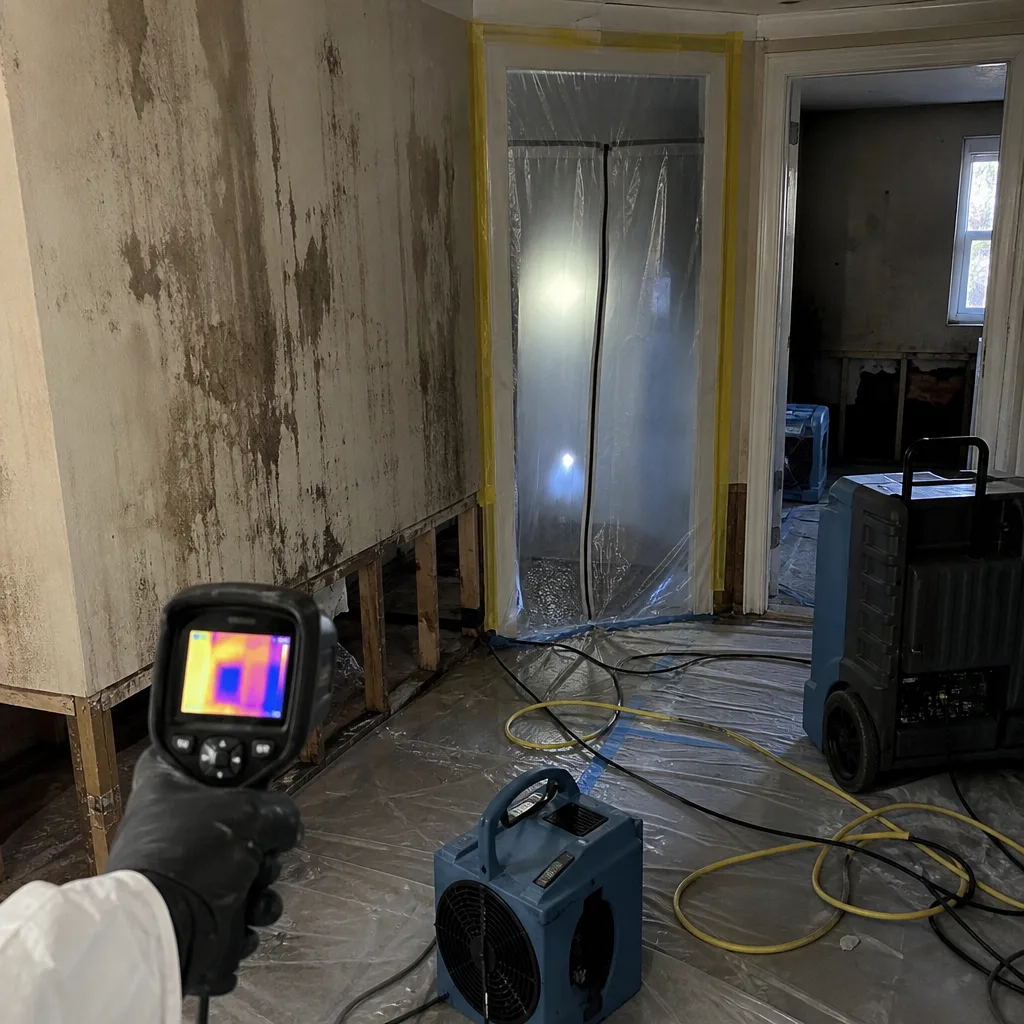
Federal Way’s T1-11-sided homes hide moisture behind siding seams and window rough openings in ways that newer construction does not. Our inspections start with thermal imaging and moisture mapping, not a visual walkthrough. We measure relative humidity, document dew-point calculations, and identify the moisture source before proposing remediation. In ridge-and-ravine neighborhoods where surface runoff concentrates against foundations, we check for hydrostatic pressure intrusion and capillary wicking into crawl-space vents. A typical mold inspection in Federal Way runs $350-$650; testing with air and surface samples adds $200-$400 depending on the number of locations.
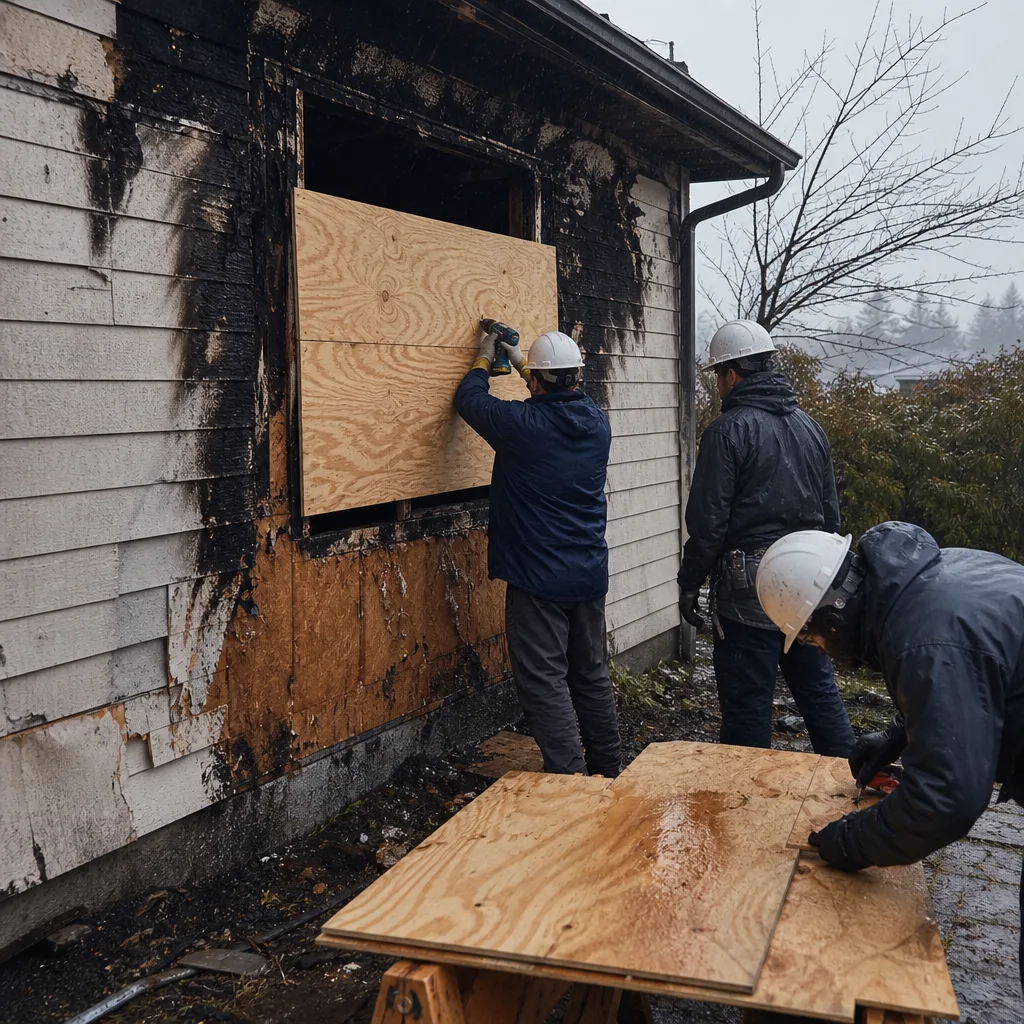
Mold Removal
Removal follows containment, negative air pressure, and HEPA filtration - never a spray-and-wipe approach. In Federal Way’s older stock, we frequently find mold colonizing the backside of drywall where T1-11 siding has leaked for seasons before detection. We remove affected materials by the square foot, document the scope with photos, and provide a written protocol for post-remediation verification. Whole-room removal in Federal Way typically ranges $2,000-$5,000; contained crawl-space or attic jobs run $1,500-$3,500.
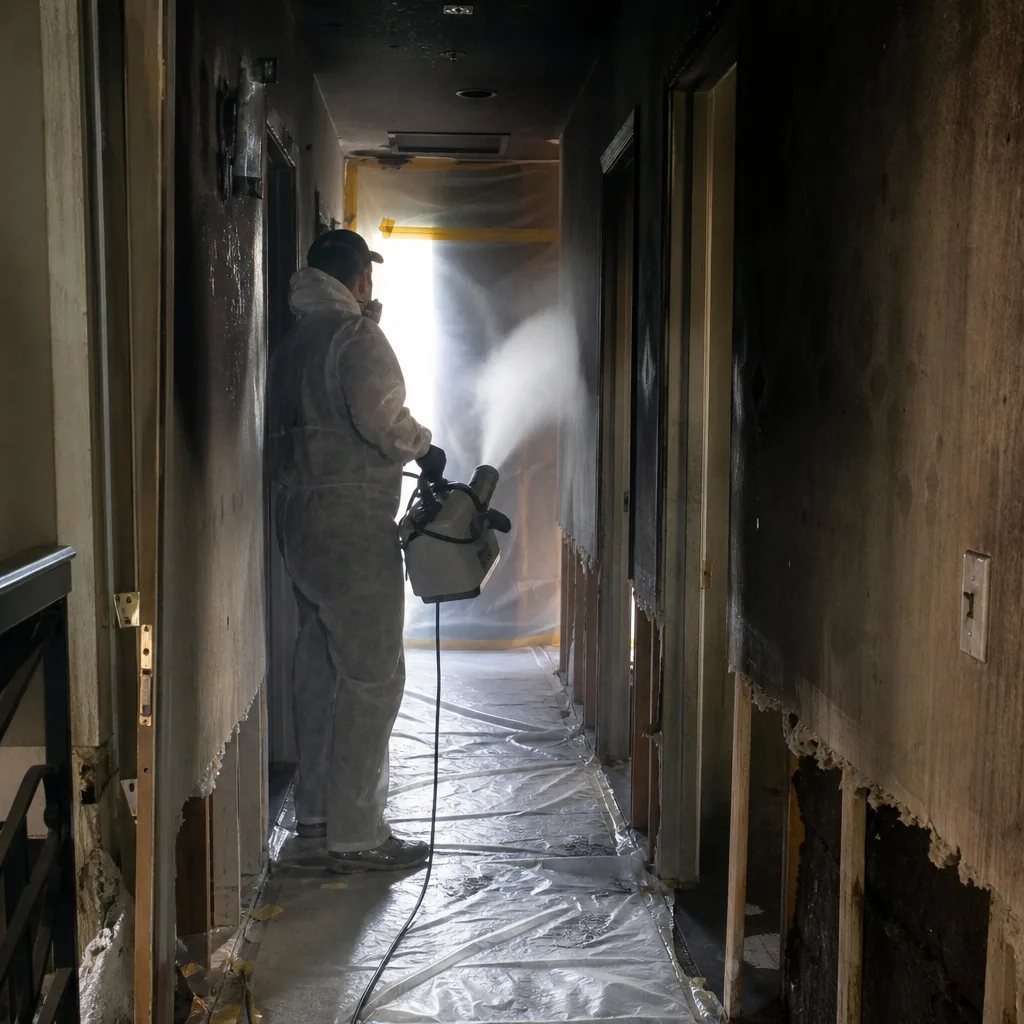
Black Mold Remediation
Stachybotrys and other toxigenic species require full containment and PPE protocols under IICRC S520 standards. In Federal Way, black mold most often appears in crawl spaces with chronic moisture and in bathrooms where exhaust fans vent into attics rather than through the roof - common in 1970s-1980s builds. We establish containment barriers, deploy air scrubbers, and document the chain of custody for any samples sent for lab analysis. Black mold remediation in Federal Way starts at $3,500 and ranges to $8,000-plus for whole-home protocols with multiple containment zones.
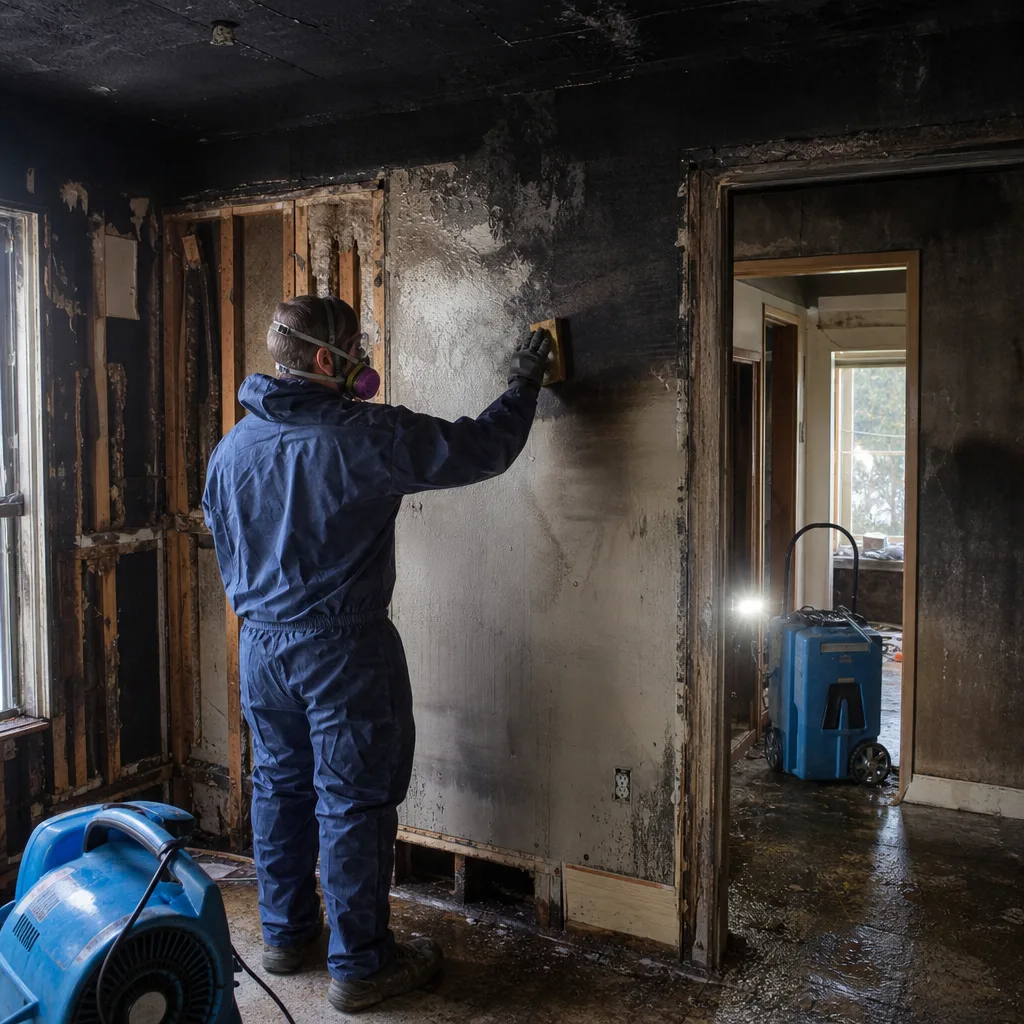
Air Quality Restoration
Post-remediation air quality in Federal Way homes requires more than opening windows. Our protocol includes HEPA filtration, activated carbon for volatile organic compounds, and balanced dehumidification to prevent re-colonization. We measure particulate counts and document readings below industry thresholds before releasing containment. Air quality restoration as a standalone service runs $800-$1,800; it’s included in our full remediation packages.
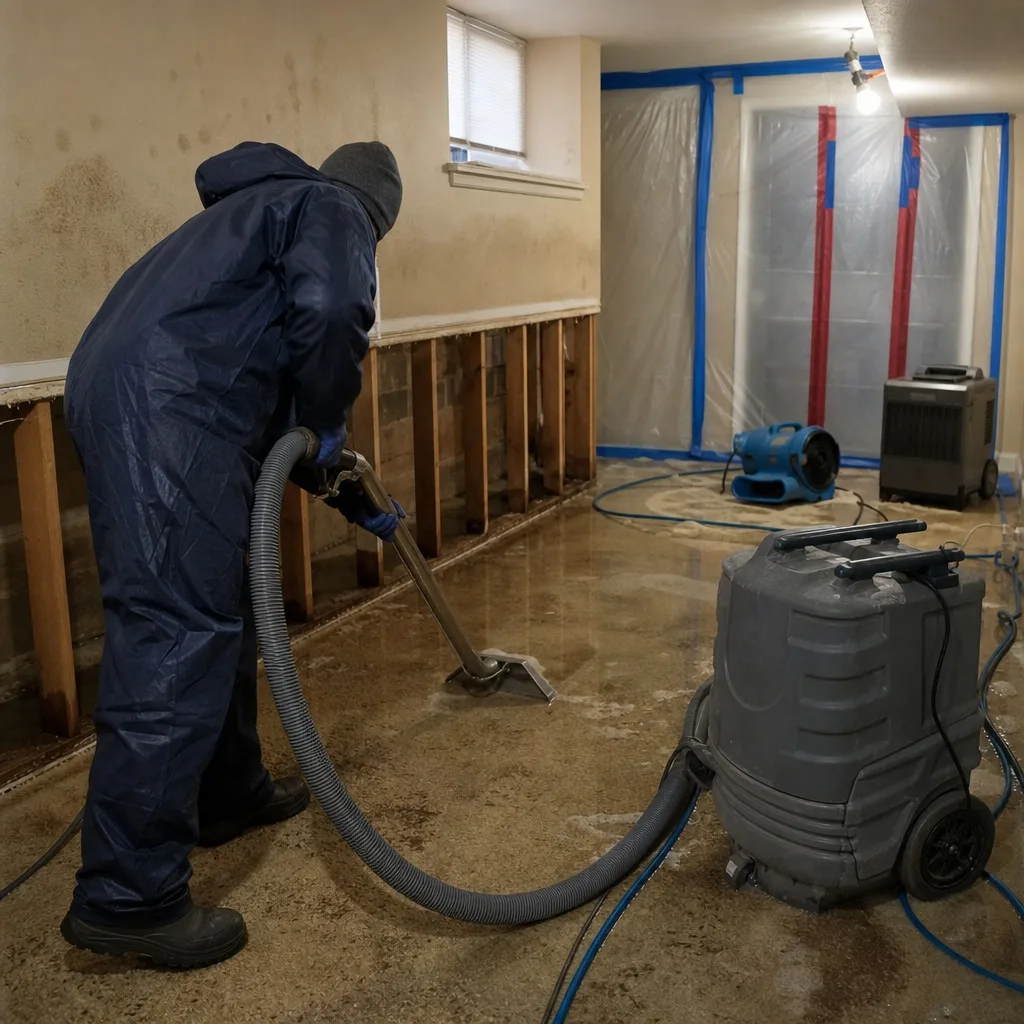
Crawl Space Treatment
This is where Federal Way’s geography makes us specialists. The elevated water table near Hylebos Creek means crawl spaces in Twin Lakes and adjacent neighborhoods flood repeatedly even without plumbing failures. We pump standing water, remove saturated insulation, apply antimicrobial treatment to joists and subflooring, and install vapor barriers and dehumidification where the moisture source is chronic. A full crawl-space treatment in Federal Way runs $2,200-$5,500 depending on square footage and whether structural drying is required.
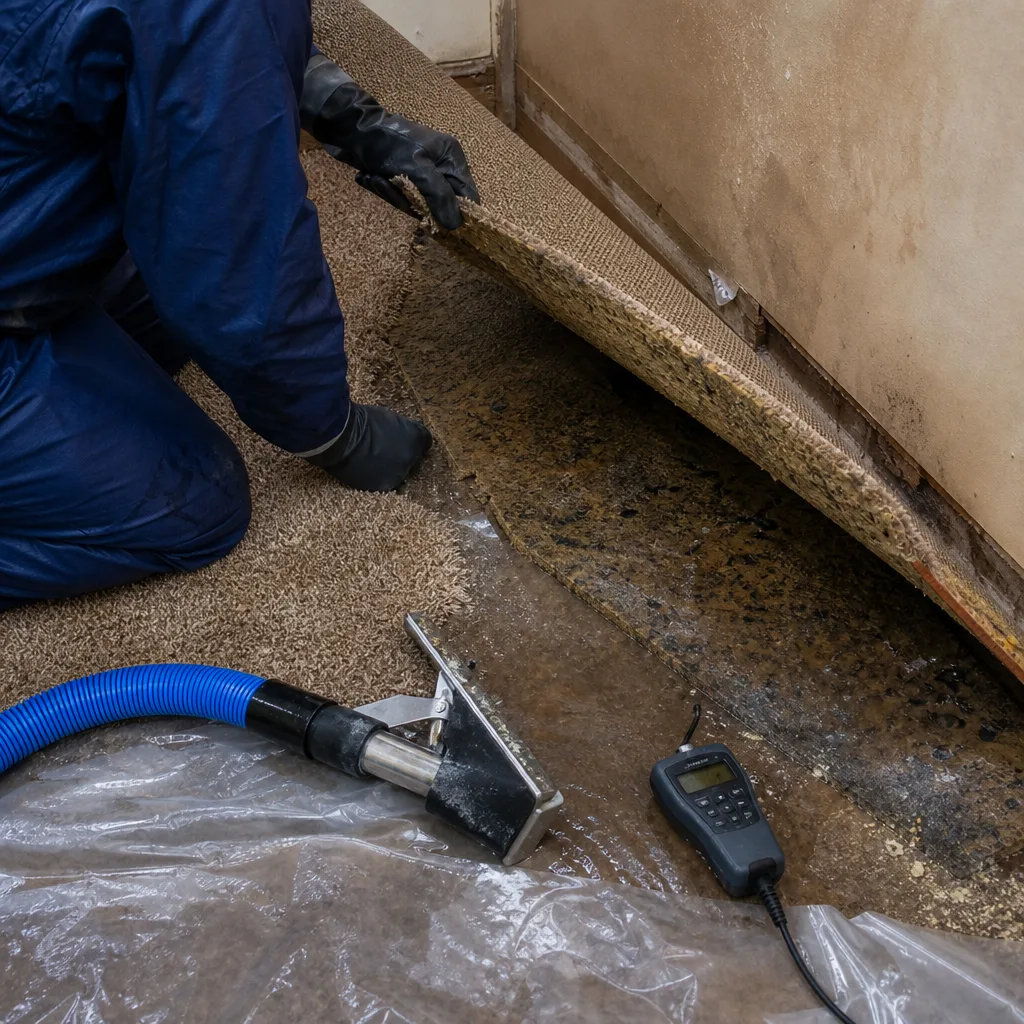
Moisture & Humidity Control
Federal Way’s marine climate delivers roughly 38 inches of annual rainfall under persistently low sun angles that prevent exterior surfaces from fully drying between storms. Without active humidity control, crawl spaces and basements stay above 60% relative humidity - the threshold for mold growth. We install commercial-grade dehumidifiers, seal vents where appropriate, and document moisture readings quarterly for homeowners who want ongoing verification. Humidity control systems in Federal Way range $1,200-$3,000 installed, with annual maintenance at $250-$400.
What happens when you call
- 1
A real person answersNo phone trees - you reach a local pro.
- 2
You get an upfront price rangeHonest numbers before anyone is dispatched.
- 3
A background-checked tech heads outLicensed & insured, dispatched right away.
- 4
You approve before work beginsNothing starts until you say go.
 Before
 After
AfterTrusted Brands We Service in Federal Way
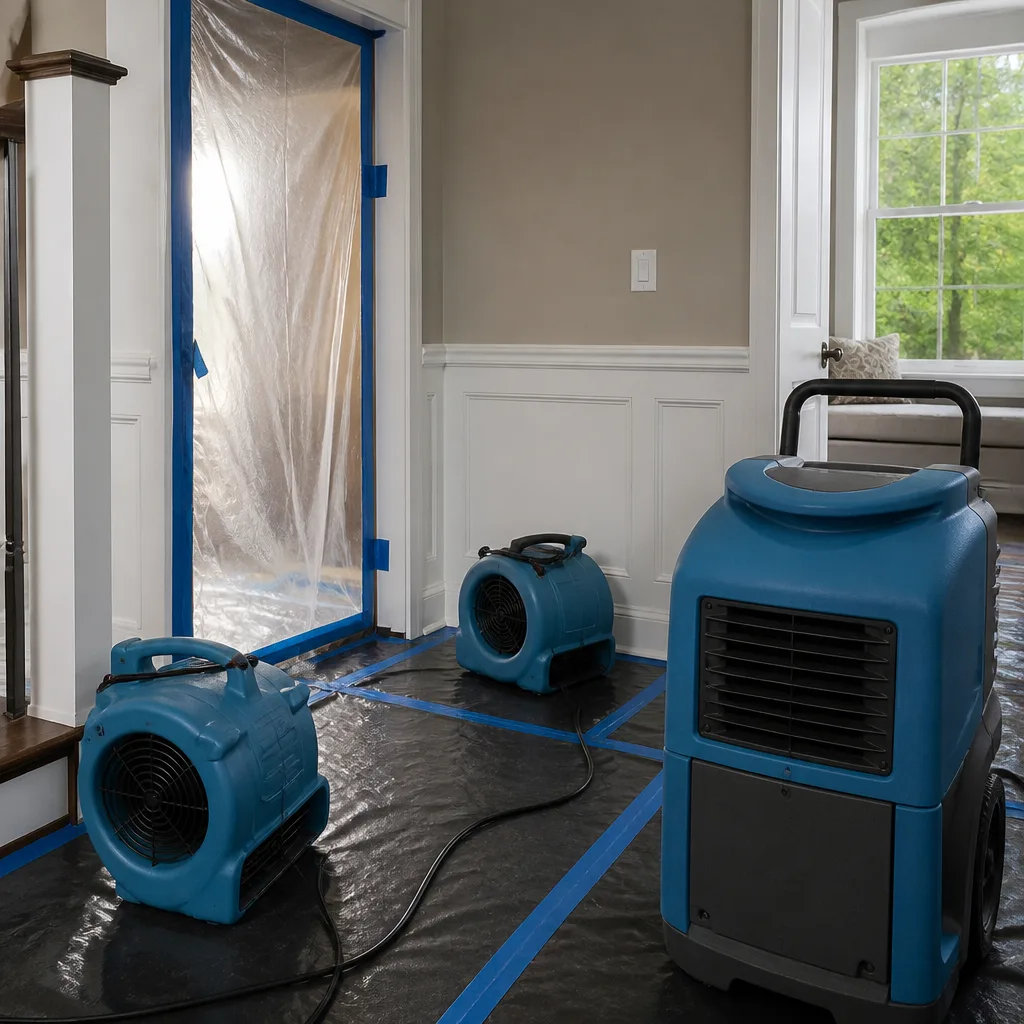
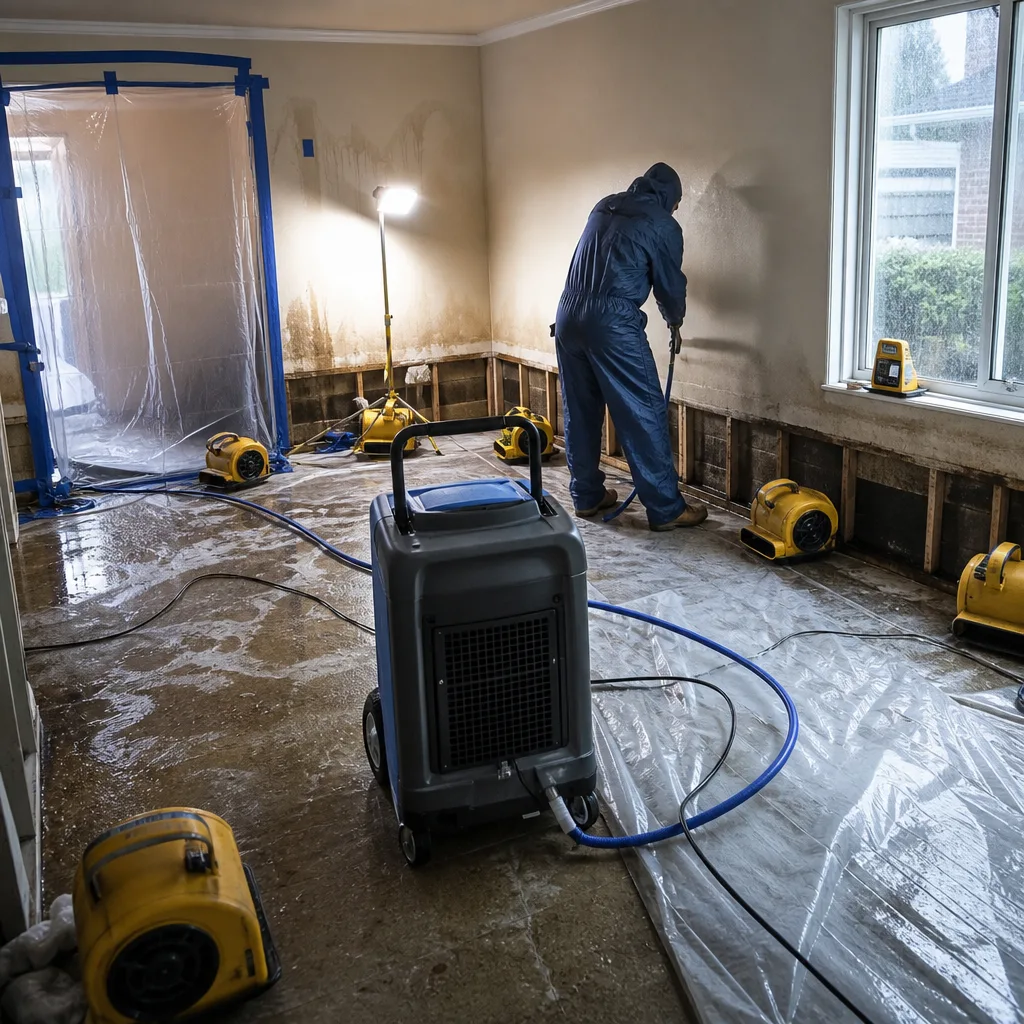
Our equipment inventory includes professional-grade drying systems from Dri-Eaz, Phoenix, XPOWER, B-Air, and Injectidry - brands that produce the documented airflow and dehumidification capacity required for structural drying in Federal Way’s persistently damp conditions. We don’t rent equipment by the day. Our crews deploy systems sized to the cubic footage of your space, with daily moisture logs recorded to IICRC, RIA, and IFA standards. For Federal Way homeowners, this means no waiting for equipment availability and no undersized dehumidifiers running for weeks without reaching dry standard. Injectidry’s interstitial drying systems are particularly valuable in Federal Way’s T1-11-sided homes, where wall cavities hold moisture behind intact exterior siding that conventional airflow cannot reach.
Common Mold Remediation Problems We See in Federal Way Homes
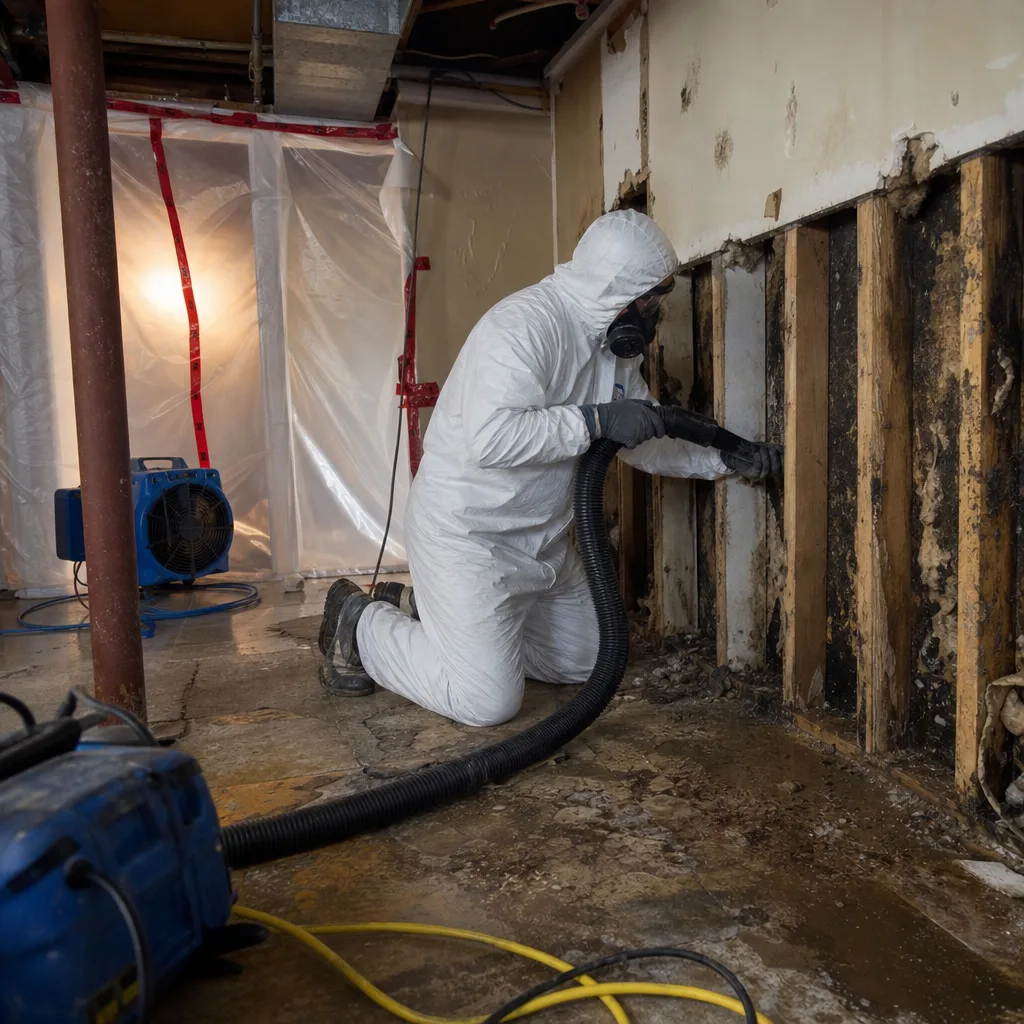
- Crawl spaces that re-flood after pump-out. Homeowners near Hylebos Creek and Twin Lakes often assume a simple pump-out solves the problem. The elevated water table means moisture wicks back into subfloor joists and rim-joist insulation within days. Without full Category 3 remediation - antimicrobial treatment, structural drying, and moisture-source control - mold returns.
- Hidden mold behind T1-11 siding. Federal Way’s 40-50-year-old tract homes have siding seams and window rough openings degraded by decades of rain exposure. Moisture intrudes behind walls, colonizes sheathing and insulation, and produces no visible interior sign until the musty odor becomes unmistakable. Visual inspection alone misses it.
- Skipped moisture mapping in ridge-and-ravine neighborhoods. Surface runoff concentrates against foundations in Federal Way’s steep terrain. Technicians who don’t map moisture pockets with thermal imaging leave saturated areas untreated. Mold regrows within 30-60 days, and the homeowner pays twice.
- DIY drying with household fans. A homeowner in the West Hylebos Wetlands area runs a box fan in a flooded crawl space for a week, thinks it’s dry, and calls us six months later when floor joists show advanced fungal decay. Household airflow doesn’t move enough volume or remove enough moisture vapor to reach dry standard.
Pricing for Mold Remediation in Federal Way, WA
We publish ranges because Haven Standard, Clause 1 requires a written price before work begins - and that price should not be a surprise.
| Service | Typical Range in Federal Way |
|---|---|
| Mold inspection & testing | $350-$650 (testing additional $200-$400) |
| Contained crawl-space remediation | $1,800-$4,200 |
| Whole-room mold removal | $2,000-$5,000 |
| Black mold / toxigenic species protocol | $3,500-$8,000+ |
| Full home remediation with structural drying | $4,500-$12,000 |
| Crawl-space treatment with vapor barrier | $2,200-$5,500 |
| Air quality restoration | $800-$1,800 |
| Moisture & humidity control system | $1,200-$3,000 installed |
What moves a Federal Way job to the higher end: Category 3 water requiring full personal protective equipment and disposal; multiple containment zones; structural drying with Injectidry interstitial systems; and homes where mold has colonized behind intact T1-11 siding requiring selective demolition. What keeps costs controlled: early detection, intact containment area with no spread to HVAC systems, and no secondary water damage to finishes. We deliver the written scope with line-item pricing before any remediation begins. Call (253) 642-8884 for an exact quote - estimates are free, and Free Second Opinions on competitor quotes are always available.
We Also Serve Cities Near Federal Way
Our crews work the full corridor from Seattle through Federal Way and south to Mold Remediation in Federal Way adjacent communities. We regularly handle mold remediation in Auburn, where flatter drainage produces different crawl-space patterns; Kent, with its mix of older and newer stock; Tacoma, where basement-heavy pre-war homes present distinct moisture profiles; and Puyallup, where valley fog and river proximity create their own humidity challenges. Each city’s geography shapes its mold problems. We document the difference on every job.
Serving Federal Way, WA - Our Local Coverage Area
We’re based in the Federal Way area and know this community well. Use the map below to see our service coverage - if you’re nearby, we can almost certainly help.
FAQs - Mold Remediation in Federal Way
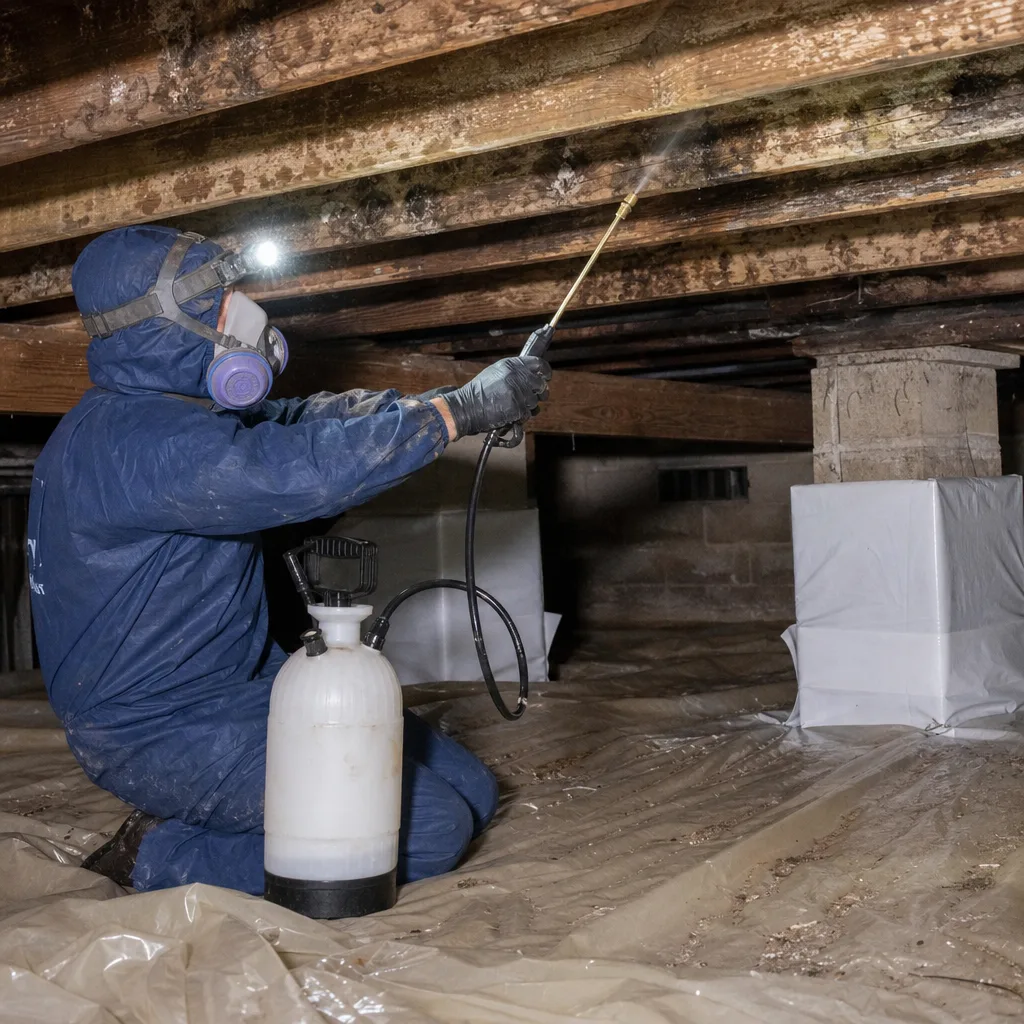
Twin Lakes sits directly adjacent to the West Hylebos Wetlands, where the elevated water table means crawl spaces take on standing water after even moderate multi-day rain events - a pattern distinct from the basement-heavy older stock in Tacoma or the flatter drainage in Auburn and Kent. Remediation here requires addressing the chronic moisture source, not just removing visible mold. Call (253) 642-8884 for a written scope that accounts for Federal Way’s specific geography.
Mold colonization begins within 24-48 hours of water intrusion in Federal Way’s mild marine climate, where temperatures rarely drop below the fungal growth threshold. In our experience, T1-11-sided homes with degraded caulking reach this point faster because moisture enters wall cavities rather than staying on the surface where homeowners might notice it. Speed matters for mitigation, but remediation quality matters more for preventing return - we don’t rush the drying log. Call (253) 642-8884 for same-day assessment when water is present.
Category 1 is clean water from a supply line; Category 2 is gray water with contaminants from appliances or sump failures; Category 3 is black water containing pathogens from sewage, ground intrusion, or long-standing flooding. In Federal Way’s Hylebos Creek corridor neighborhoods, crawl-space flooding from elevated groundwater is typically Category 3 because the water has contacted soil, organic matter, and often rodent waste. This classification changes PPE requirements, disposal protocols, and antimicrobial treatment scope. We document the category determination with photos and moisture readings. Call (253) 642-8884 for assessment.
Yes. Federal Way’s 1960s-1990s suburban buildout produced thousands of wood-framed, T1-11-sided homes concentrated along SR-99 and inland neighborhoods. After 40-50 years of Pacific Northwest rain exposure, the siding seams, window rough openings, and door frames have degraded caulking that allows moisture intrusion behind the exterior finish. Mold colonizes the sheathing and wall cavity insulation while the interior drywall shows no visible sign. By the time musty odor appears, remediation requires selective demolition and full structural drying. Our inspections include thermal imaging specifically for this failure mode. Call (253) 642-8884 for a written assessment.
No. Household fans move insufficient air volume and provide no dehumidification, so they cannot reduce moisture content in structural wood to the 12-15% dry standard required to prevent mold regrowth. In Federal Way’s elevated water table areas, fans also fail to address the chronic moisture source wicking from the soil. We use commercial-grade dehumidifiers and air movers sized to cubic footage, with daily moisture logs documented to IICRC standards. Call (253) 642-8884 - estimates are free, and we’ll show you the readings that prove dry standard.
Our crew was called to a 1978 T1-11-sided split-level in Twin Lakes where the homeowner reported a musty odor but no visible water. Moisture mapping showed elevated readings across the subfloor joists and rim-joist insulation, and when we pulled the crawl-space access we found standing water from the elevated water table - a clear Category 3 scenario. We pumped out the water, removed the saturated insulation, applied antimicrobial treatment to the joists, and set up containment with dehumidification and air movers for a full structural drying protocol.
Written by Alicia Brennan, Owner at Back to Dry Restoration, serving Federal Way since 2011.