
Free visual inspection and a written scope of work before any mitigation begins - photos, moisture readings, and drying logs go in your claim file
The scope we write is the scope we bill. Anything new gets shown to you, in writing, before we touch it.
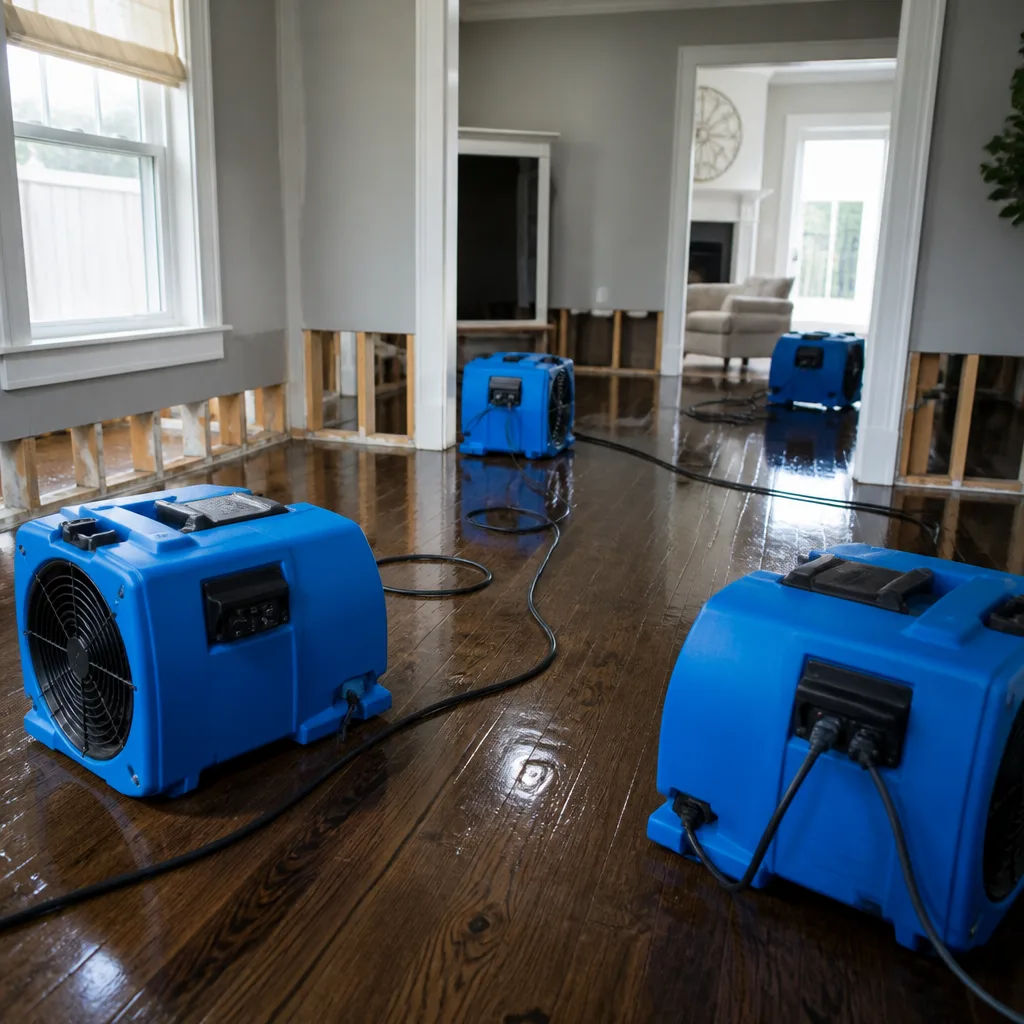
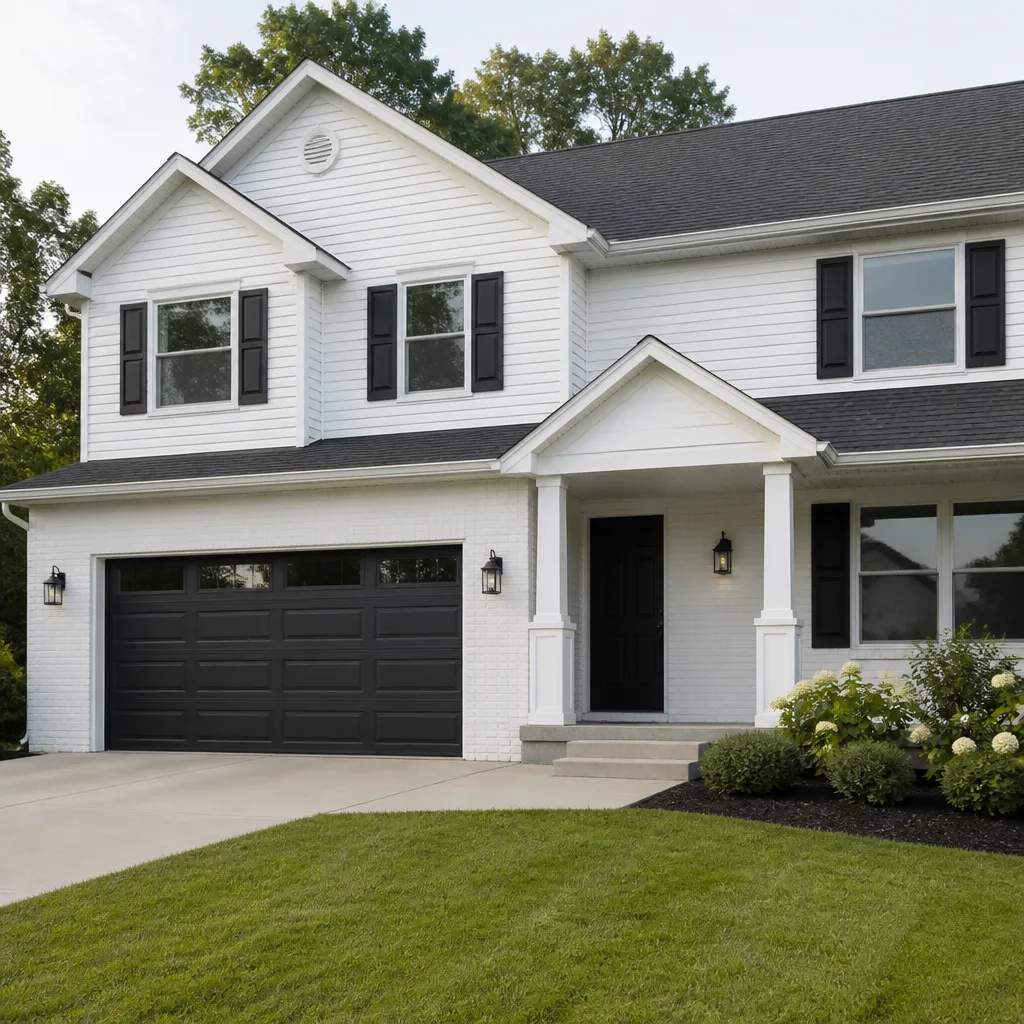
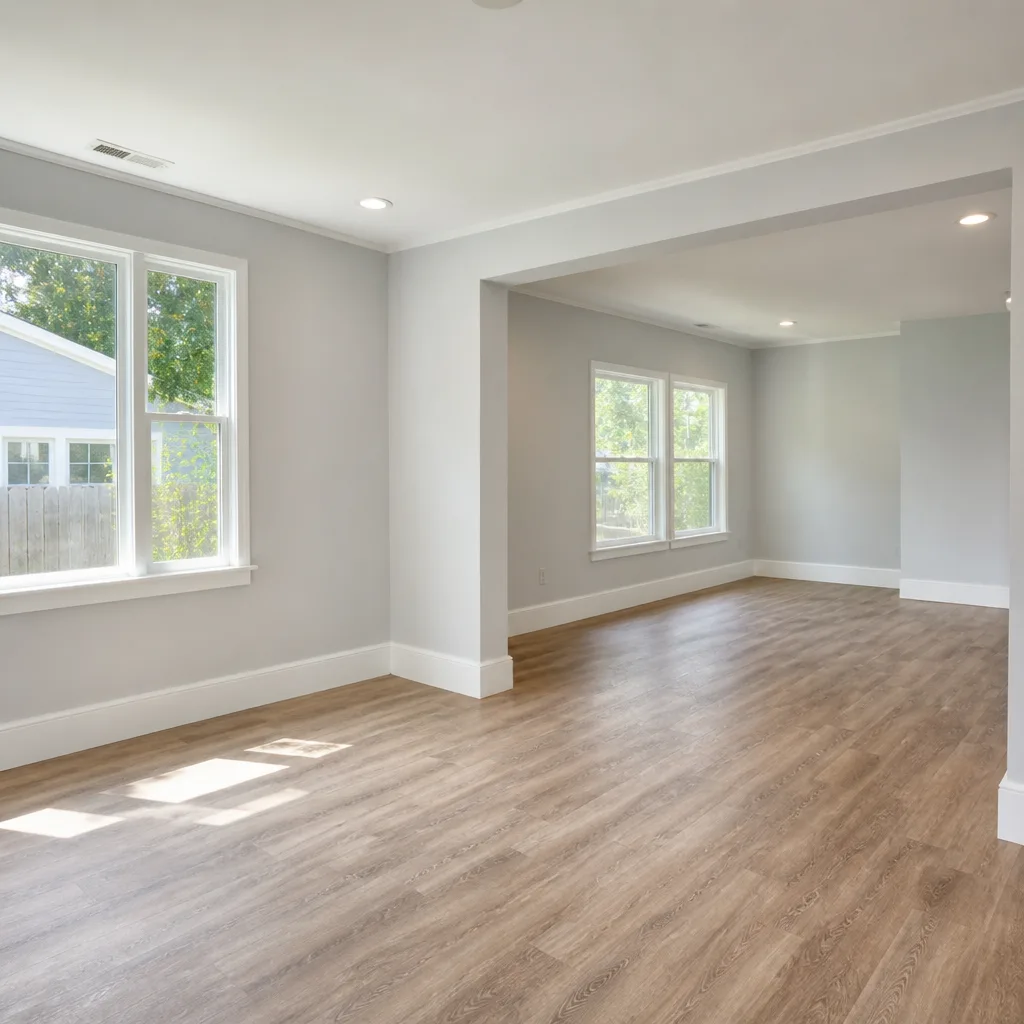
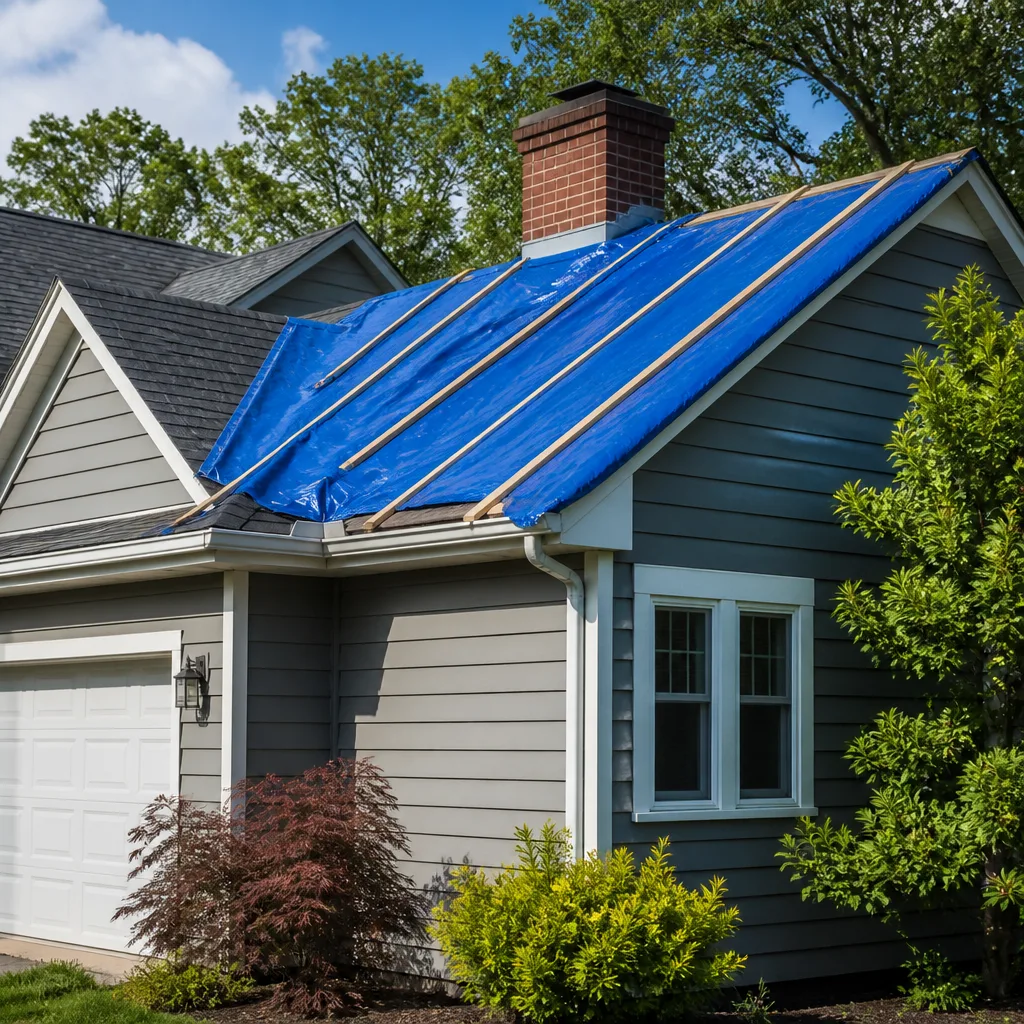
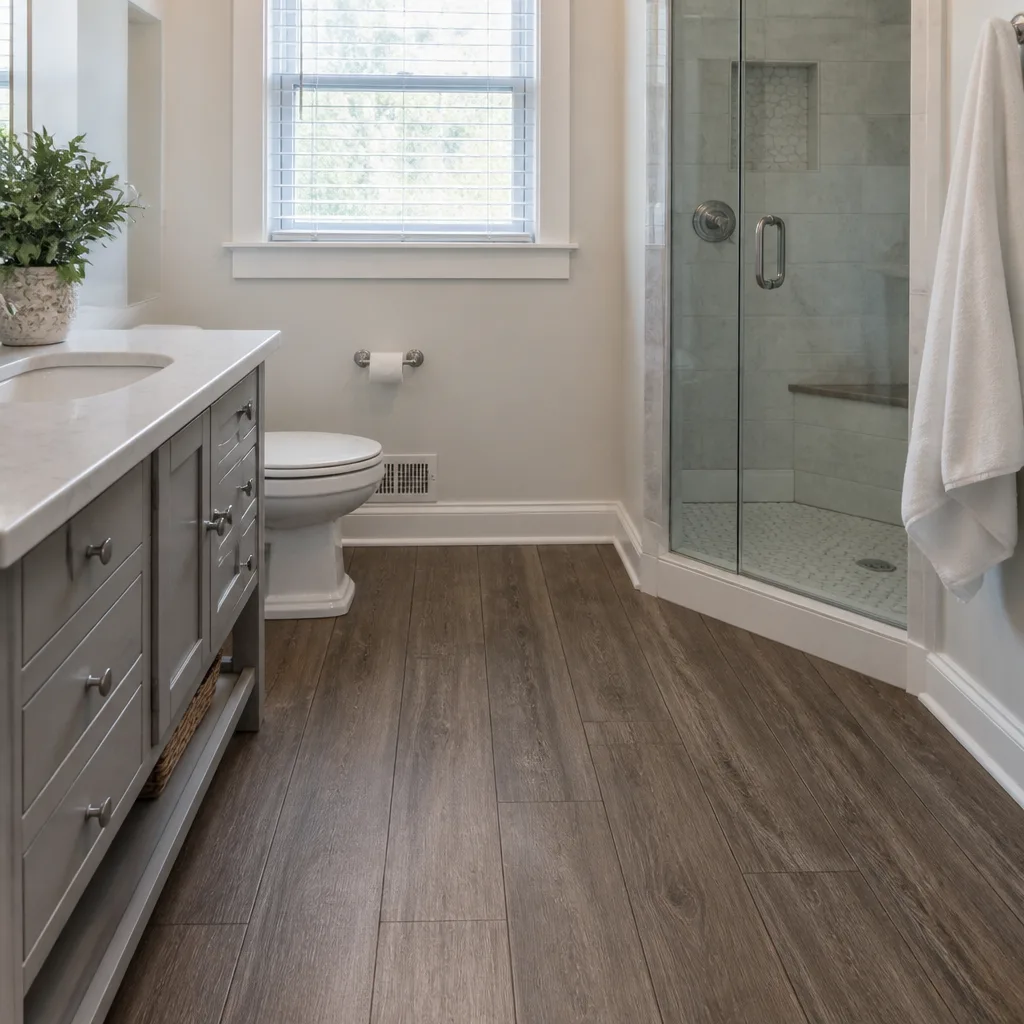
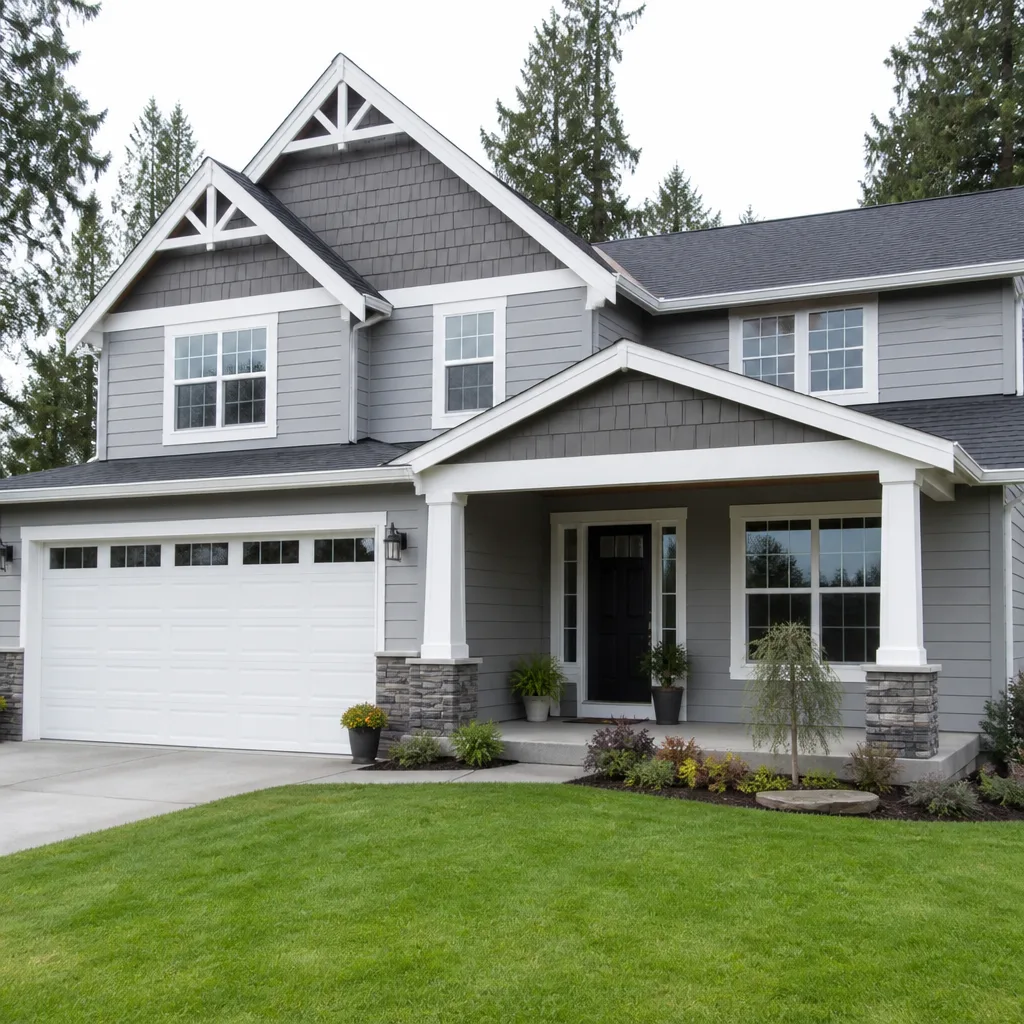
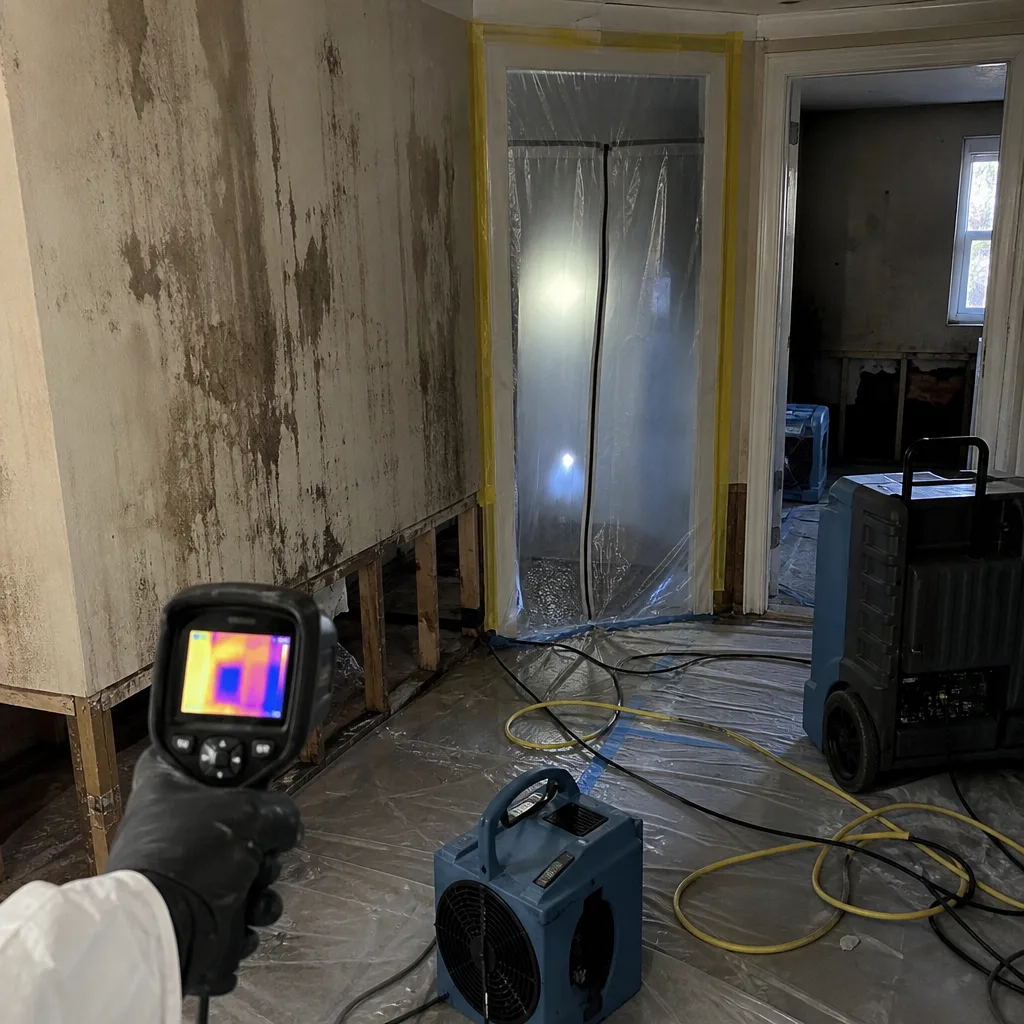 Before
 After
After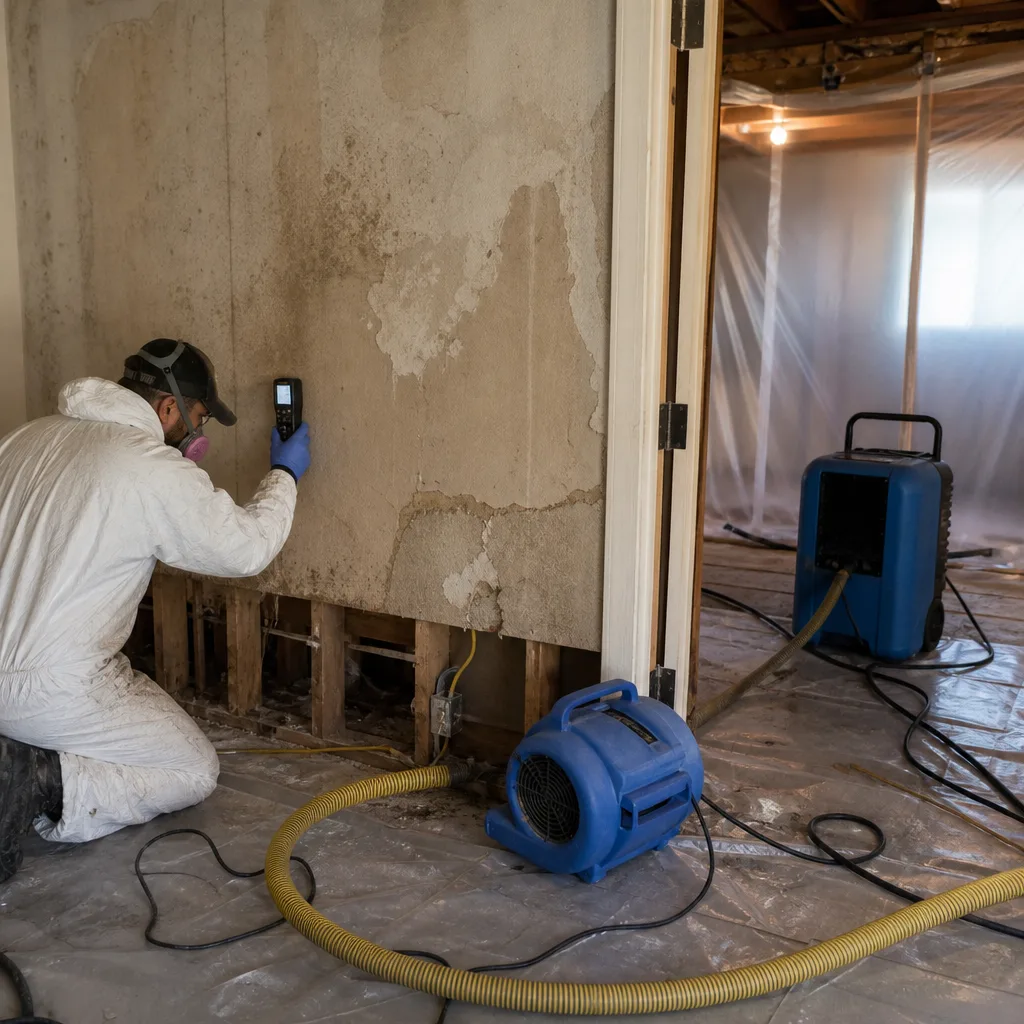 Before
 After
After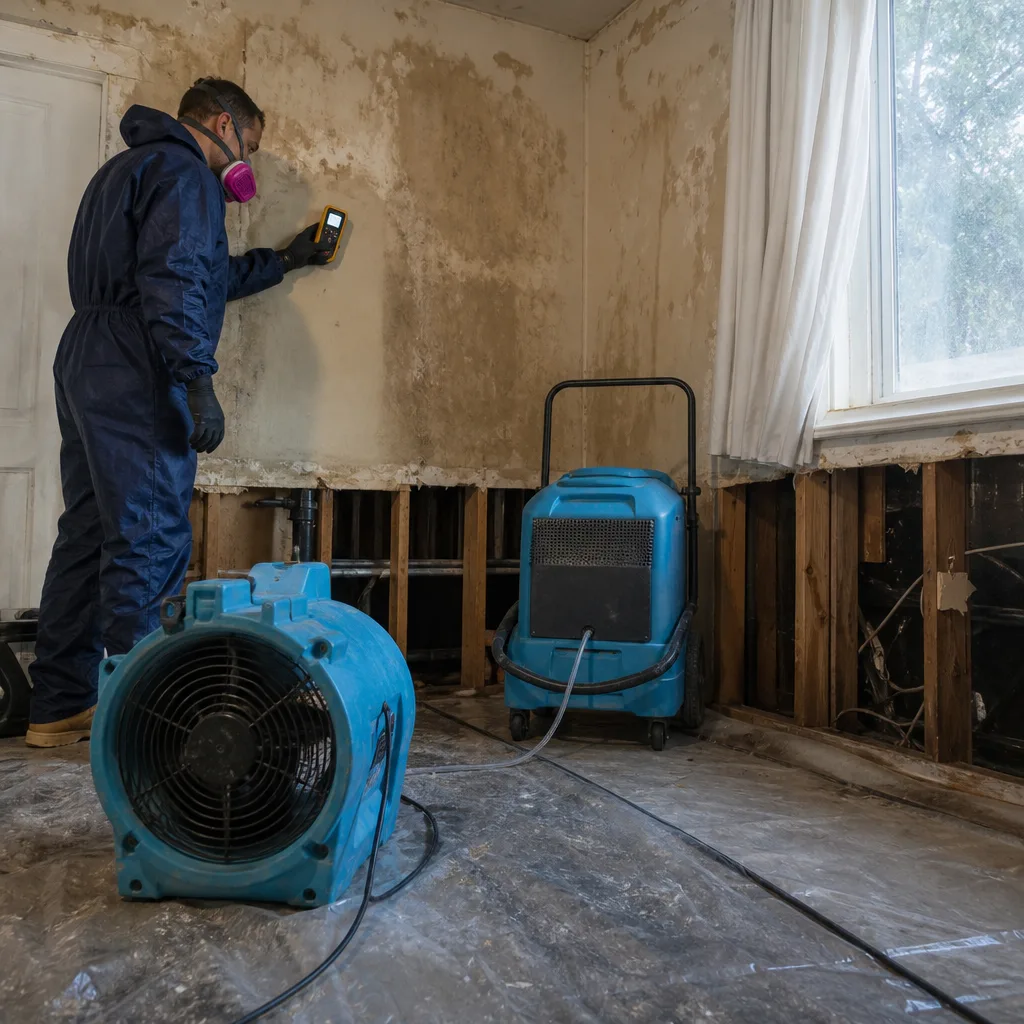 Before
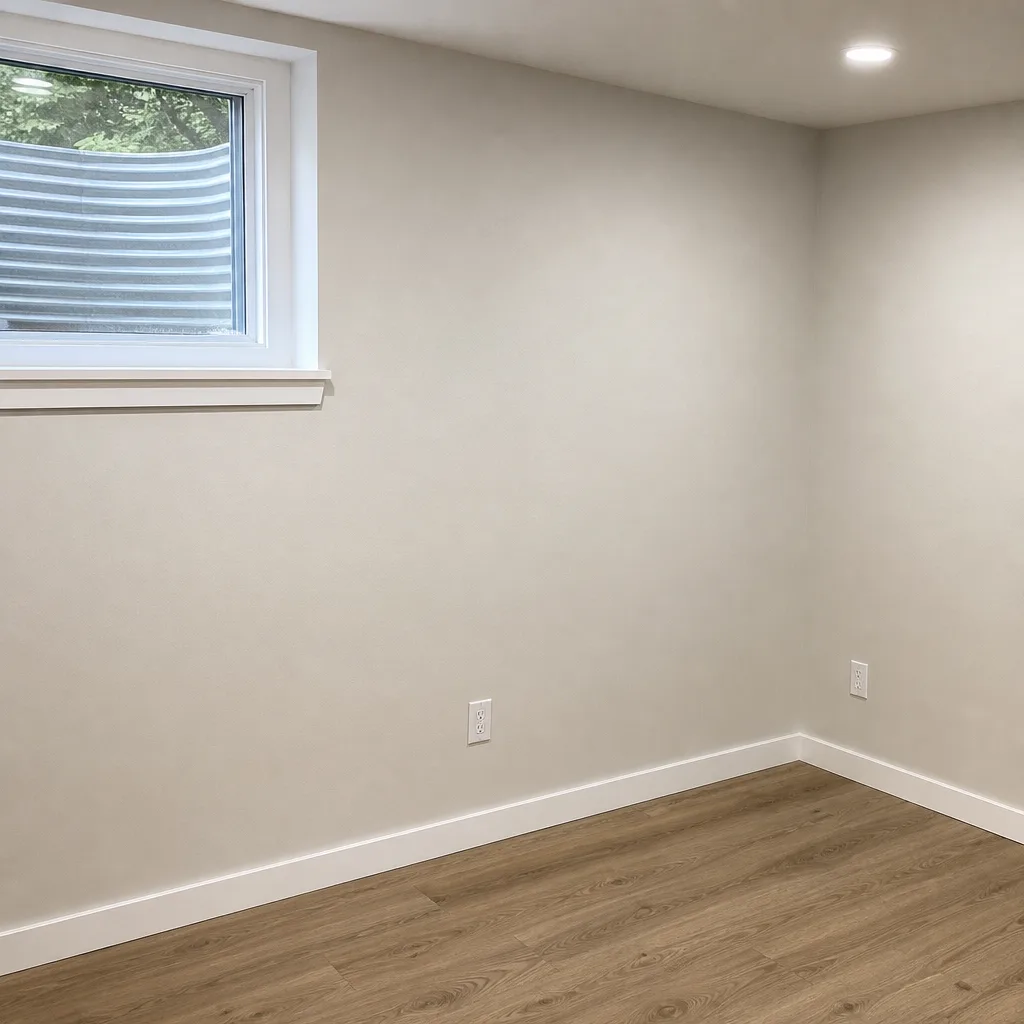 After
AfterFast, Reliable Water Damage Restoration Across Federal Way
Water damage restoration in Federal Way typically costs $2,800-$6,500 for a standard crawl-space extraction and drying job, with emergency response available 24 hours a day through our live dispatch line at (253) 642-8884. Our crews are already familiar with the ridge-and-ravine topography that pushes water toward Federal Way foundations, and we carry the documentation-first approach that turns restoration invoices into payable insurance claims.
We’ve restored water-damaged homes across Federal Way since 2011 - from the T1-11 tract homes near Twin Lakes to the low-rise complexes along the SR-99 corridor. Our Seattle office coordinates dispatch to Federal Way neighborhoods daily, and our technicians arrive with moisture meters, thermal imaging, and the written scope process that defines our Water Damage Restoration work. When water is still moving through your structure, speed matters. When the drying is done, documentation matters more.
Why DryMark Restoration Tukwila Is Federal Way’s Preferred Water Damage Restoration Company
Back to Dry Restoration, led by Alicia Brennan, has completed more than 12,000 documented restorations since 2011. Federal Way homeowners find us through referrals from local insurance adjusters who know our drying logs meet claim scrutiny without revision. Our 365-Day Done Right Promise under The Haven Standard applies to every Federal Way job, not as a marketing line but as a signed warranty with a clause address: if it’s not done right, we make it right.
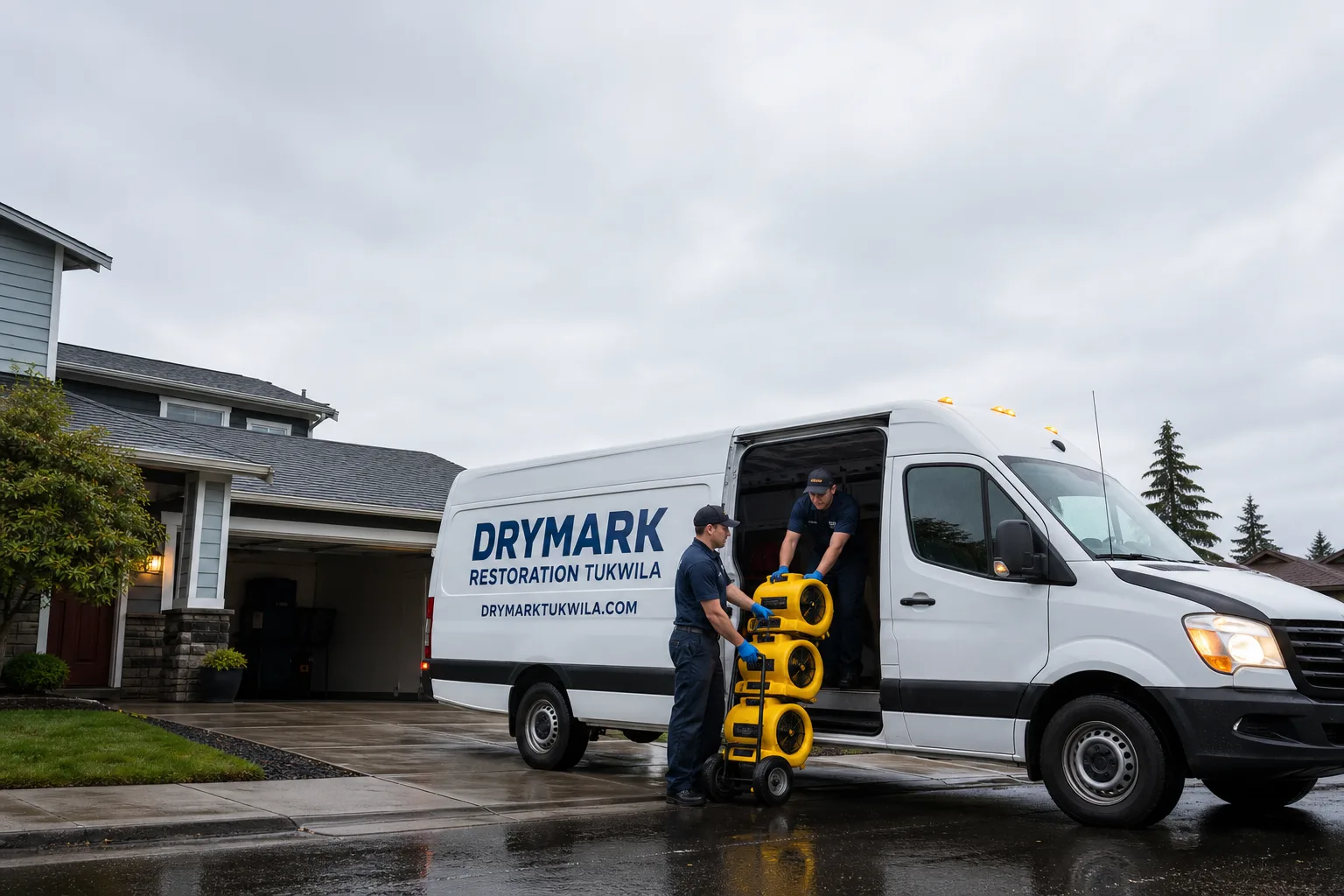
We answer every call live, 24 hours a day, 7 days a week. No voicemail trees while water is still wicking into your subfloor. Our response time to Federal Way averages under 90 minutes for emergency calls, and our crews carry the equipment to begin extraction on arrival: Dri-Eaz and Phoenix dehumidifiers, Injectidry panel systems for cavity drying, and the moisture-mapping tools that prevent the hidden rot Federal Way’s climate breeds.
Our technicians are background-checked, uniformed, and licensed - their license numbers are available on request. Every Federal Way job receives a photo-documented record on every visit, a written price before any work starts (Haven Standard, Clause 1), and direct adjuster coordination when insurance is involved. We’ve reviewed competitor estimates at no charge for dozens of Federal Way homeowners who wanted a second opinion before signing a scope.
Our Water Damage Restoration Services in Federal Way
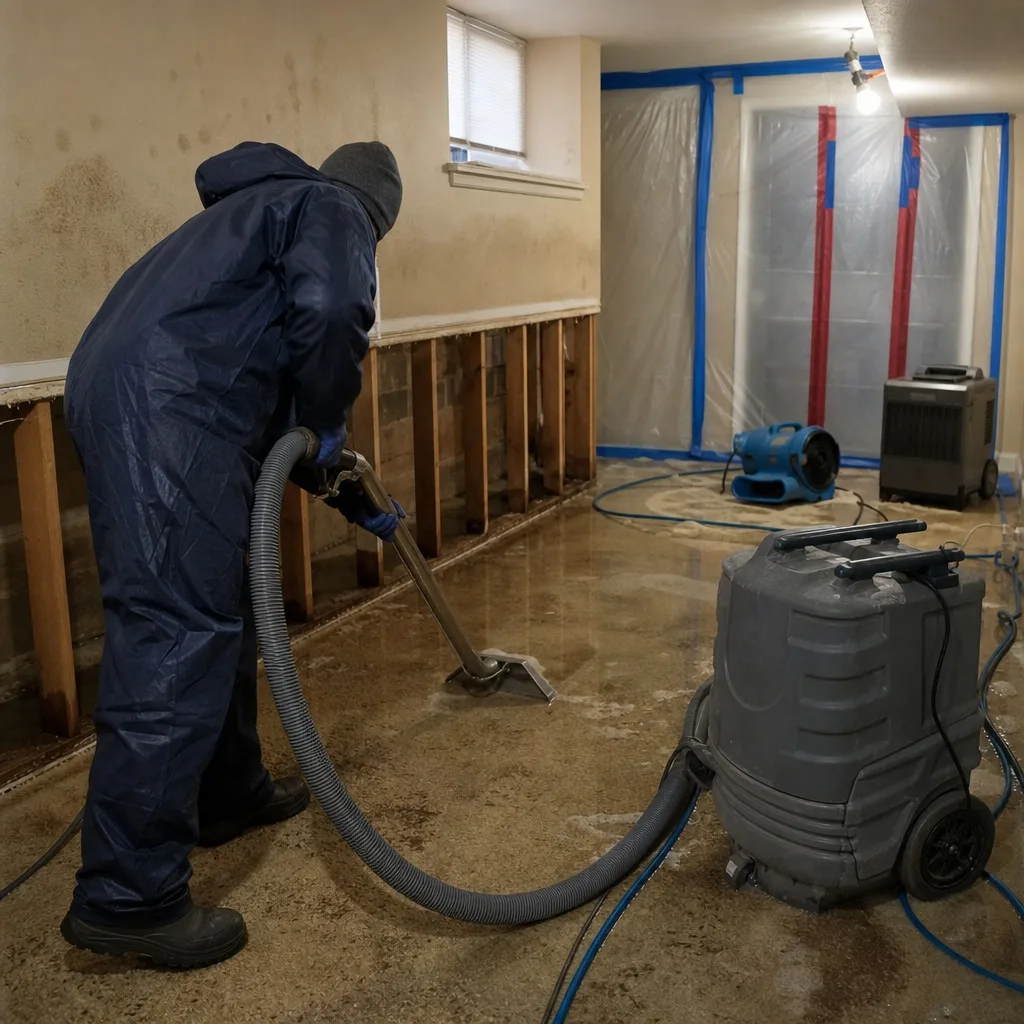
Emergency Water Extraction
Standing water in a Federal Way crawl space doesn’t wait. Our emergency water extraction teams arrive with truck-mounted extraction units and portable submersible pumps sized for the shallow, debris-filled conditions common under Federal Way’s 1970s-1980s tract homes. We document standing-water depth, affected square footage, and material classification by trade name - Category 1, 2, or 3 - then explain what that classification means for your drying scope and insurance coverage. In neighborhoods near the West Hylebos Wetlands, we’ve extracted two inches of water from crawl spaces where the homeowner only noticed a musty odor upstairs. The extraction is the first step; the moisture mapping that follows determines whether simple drying or full remediation is required.
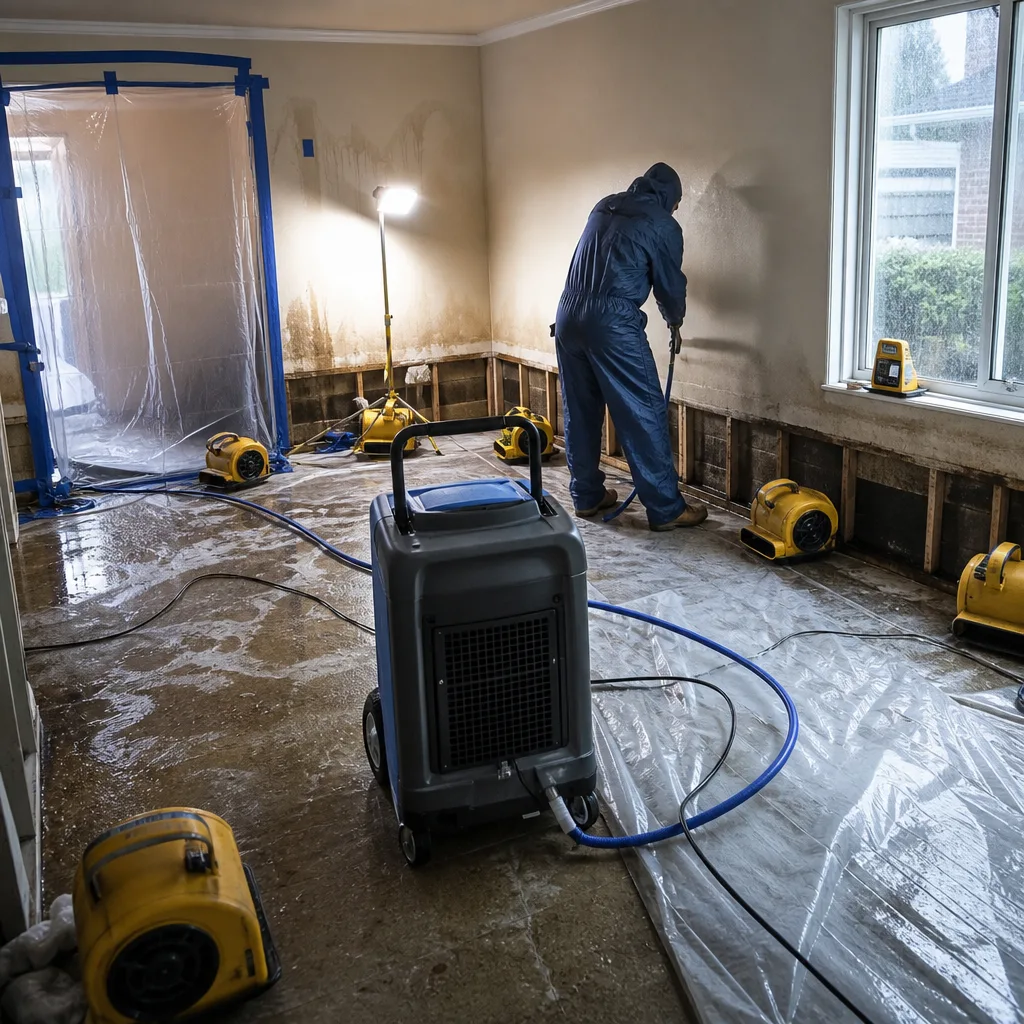
Structural Drying & Dehumidification
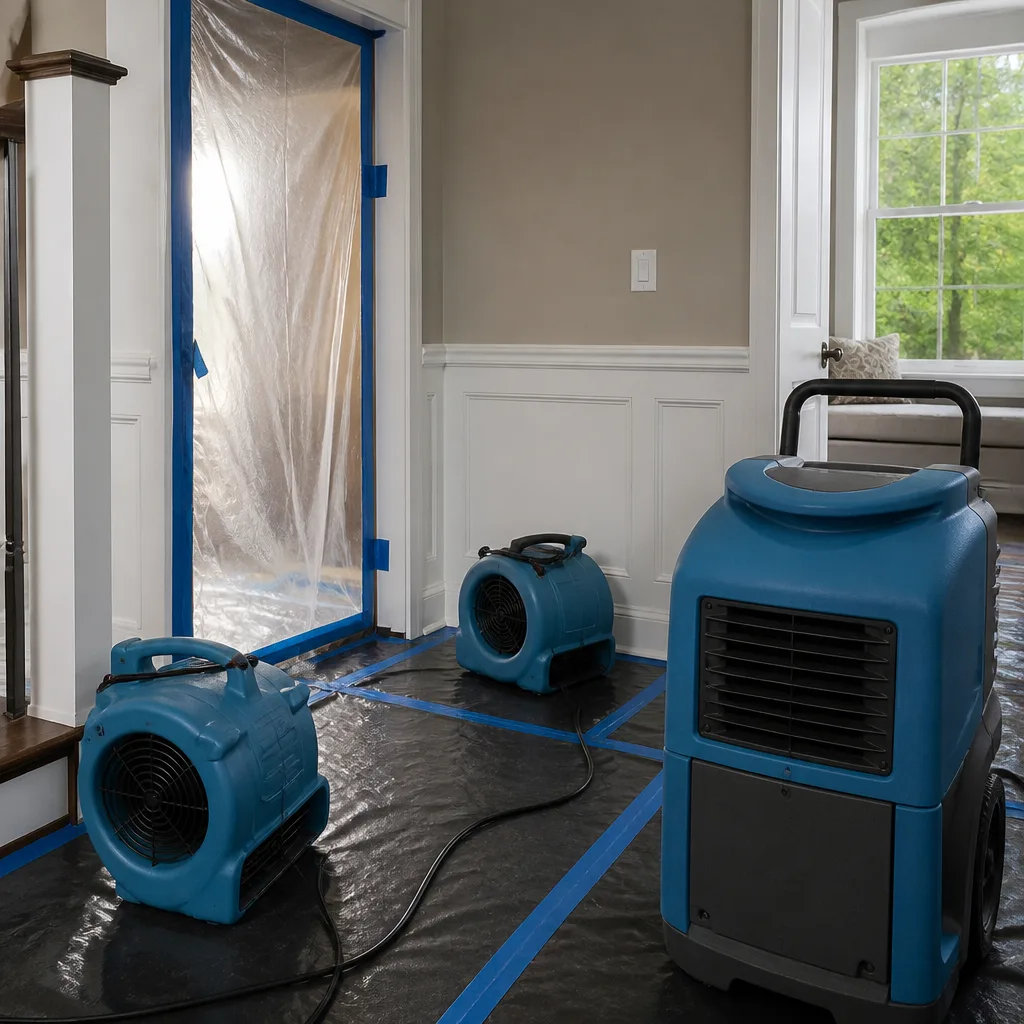
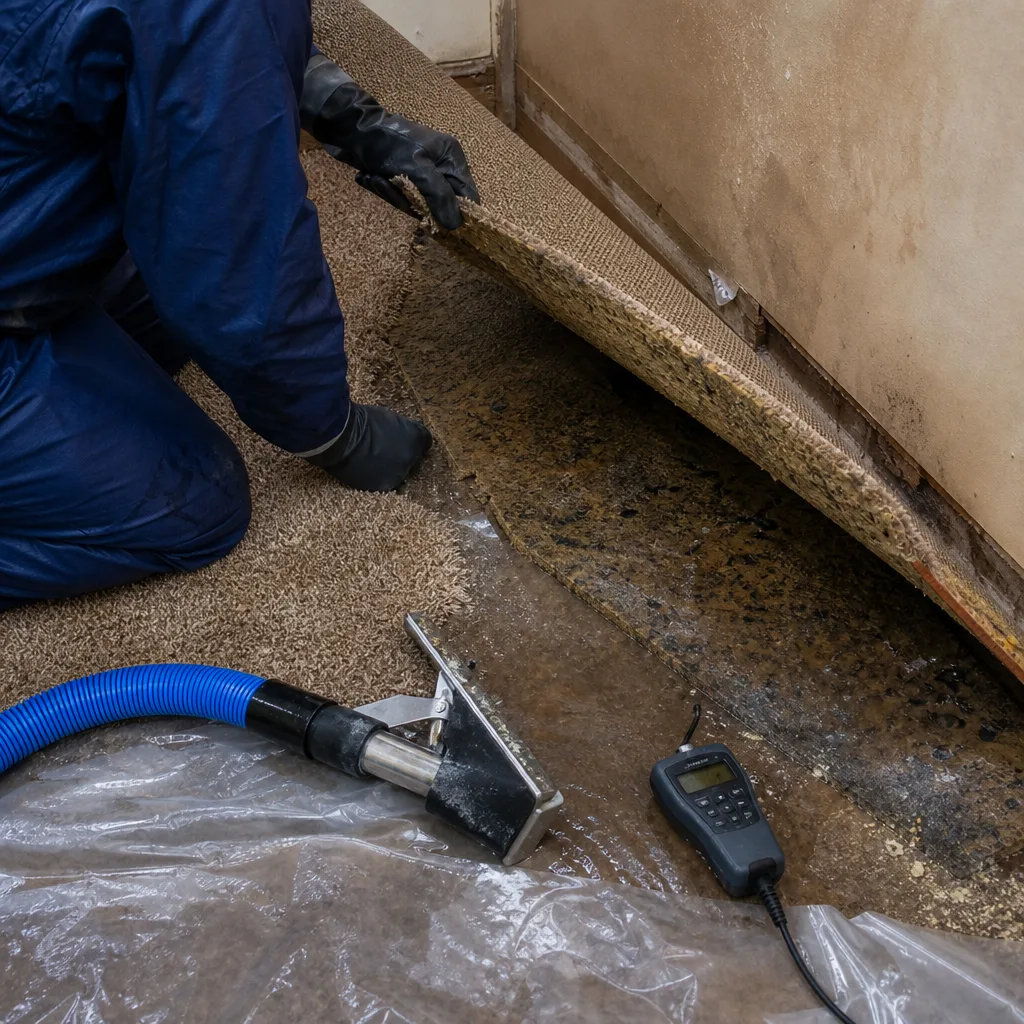
Federal Way’s marine climate delivers roughly 38 inches of annual rainfall under persistently low sun angles that prevent exterior surfaces from fully drying between storms. That means your structure’s drying curve differs from inland markets, and our psychrometric calculations account for it. We establish vapor pressure differentials - the measurable force that moves moisture from wet materials into the dry air we engineer - using B-Air and Phoenix dehumidifiers sized to the cubic footage of your affected space. For crawl spaces with limited access, we deploy Injectidry panel systems that direct dry air into wall cavities and subfloor voids without removing finished flooring. Every drying day produces a log: moisture content readings in wood framing, relative humidity percentages, and dehumidifier pint-removal totals. These are the documents that satisfy adjusters and prove the structure reached dry standard.
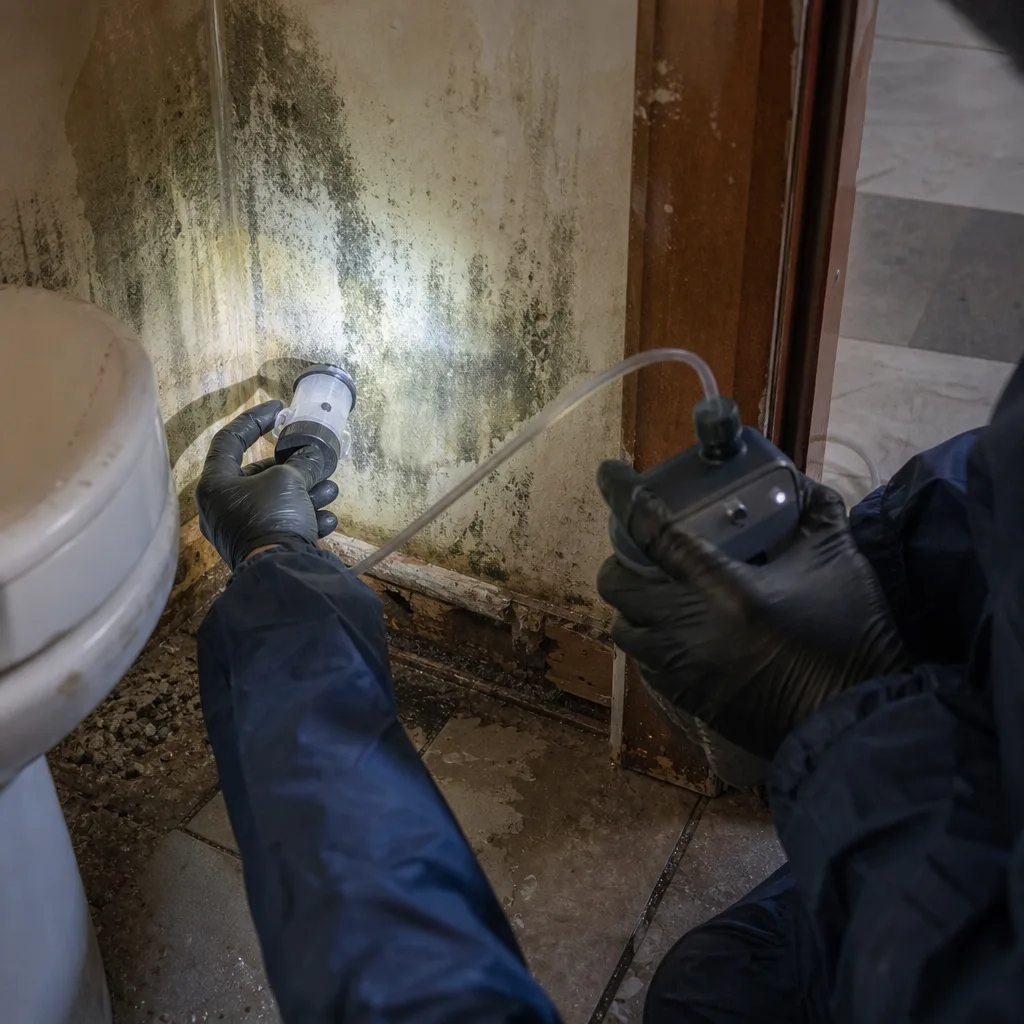
Flood Cleanup
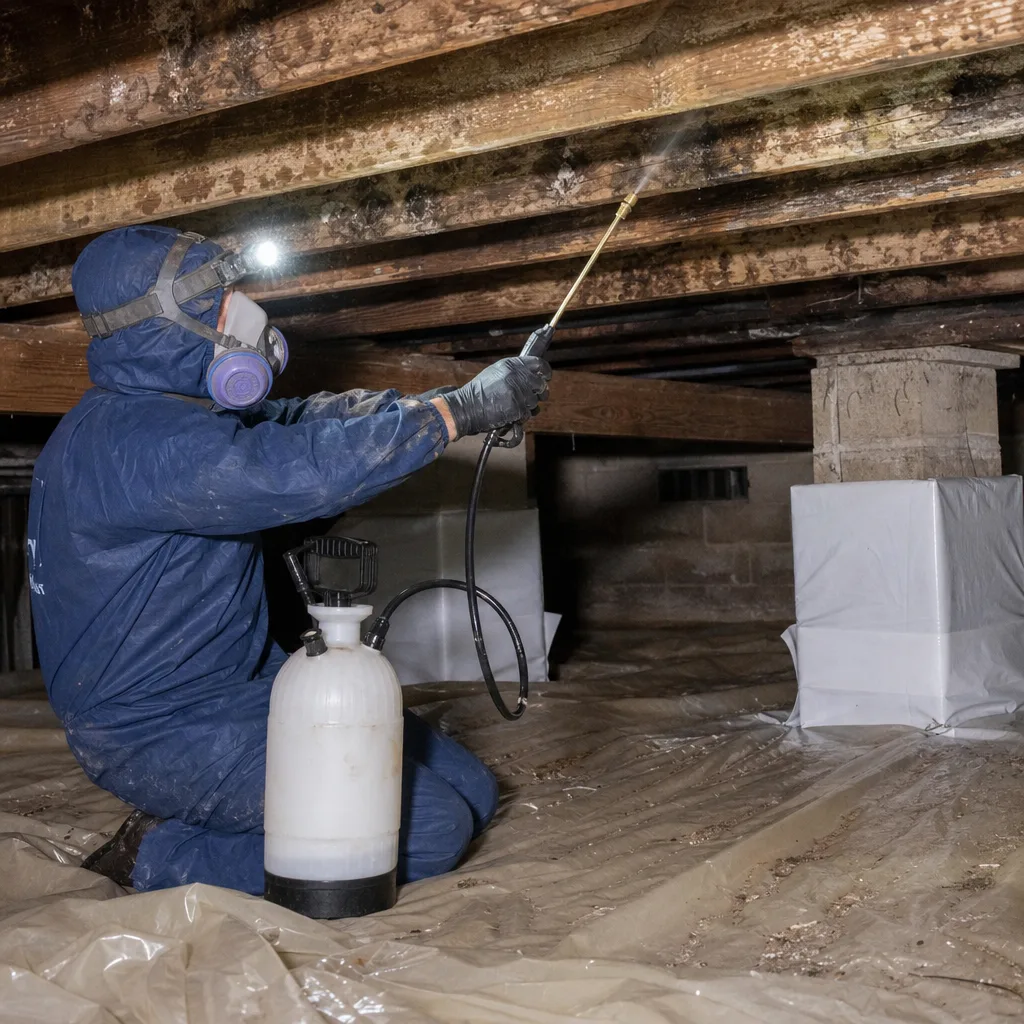
Flood cleanup in Federal Way follows a pattern shaped by local geography. The city’s steep ravines drain westward toward Puget Sound, concentrating surface runoff against foundations in ways that flat neighboring cities don’t experience. After major rain events, we see flooded crawl spaces in the Twin Lakes area and along the Hylebos Creek corridor where the water table sits inches below grade. Our flood cleanup includes contaminated-water extraction, removal of saturated porous materials, antimicrobial application to structural framing, and HEPA air filtration during the drying phase. We classify the water source - whether it’s clean supply-line release, gray-water appliance overflow, or black-water ground intrusion - because that classification determines what can be dried in place and what must be removed. Federal Way’s wetland-proximity flooding often tests as Category 3 due to soil and organic contamination, which changes the scope significantly.
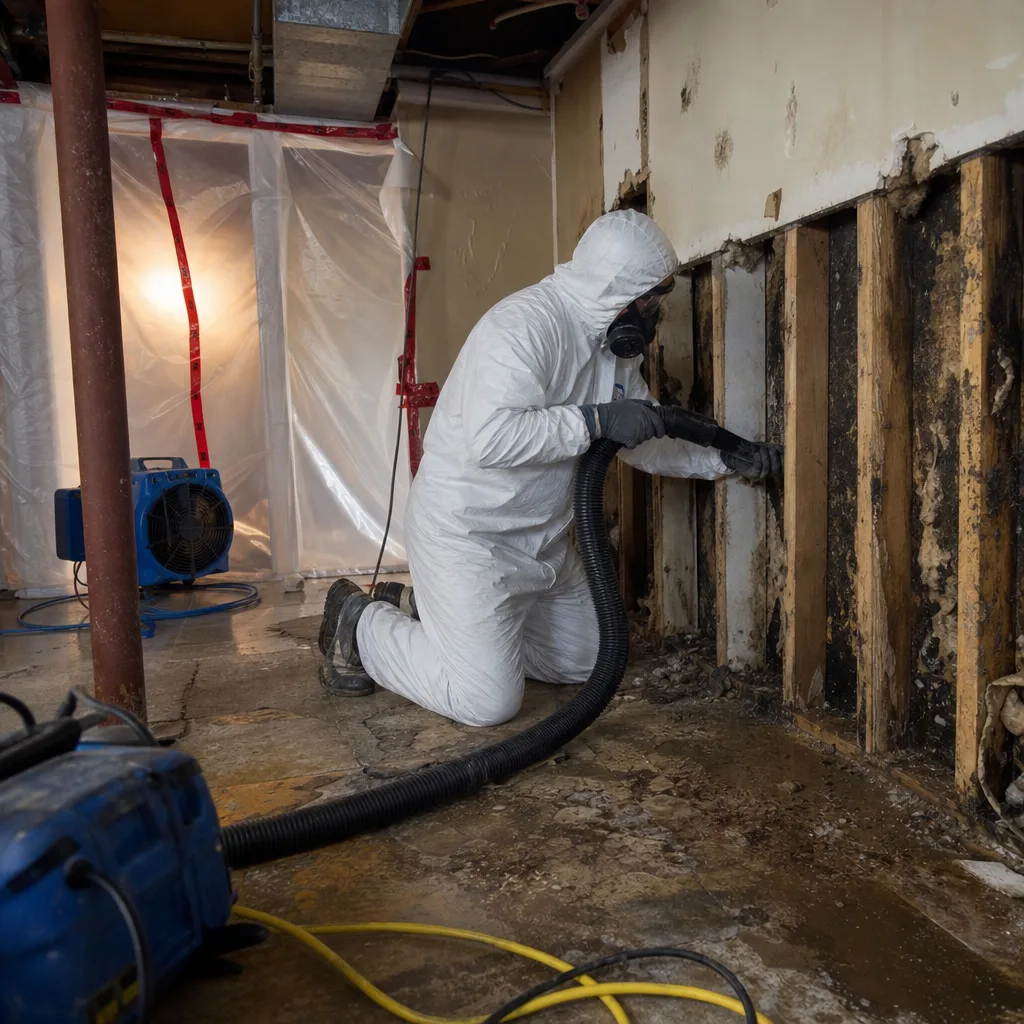
Burst Pipe Restoration
Burst pipes in Federal Way homes follow seasonal patterns: freeze events in January through March, and pressure failures in the original copper or galvanized distribution systems common in 1960s-1990s construction. Our burst pipe restoration begins with emergency water shutoff assistance if you haven’t located the main valve, followed by extraction of released water and moisture mapping to trace migration paths through wall cavities and subfloor voids. The T1-11 siding on many Federal Way homes conceals slow leaks at pipe penetrations for days before visible damage appears. We document the full extent before presenting a written scope, so your insurance claim reflects actual damage rather than the symptom you noticed first.
What happens when you call
- 1
A real person answersNo phone trees - you reach a local pro.
- 2
You get an upfront price rangeHonest numbers before anyone is dispatched.
- 3
A background-checked tech heads outLicensed & insured, dispatched right away.
- 4
You approve before work beginsNothing starts until you say go.
 Before
 After
AfterTrusted Brands We Service in Federal Way
Our Federal Way crews deploy professional-grade drying systems from Dri-Eaz, Phoenix, and Injectidry - equipment documented to IICRC, RIA, and IFA standards. We don’t rent machines by the day; we own and maintain our inventory so that response time isn’t delayed by equipment availability. Injectidry’s panel systems are particularly valuable for Federal Way’s crawl-space-dominant housing stock, where direct access to wet subfloors is limited. B-Air axial fans complement the dehumidification setup in tight spaces. All equipment serial numbers and deployment times are logged for insurance documentation. When adjuster questions arise, we produce the records that answer them.
Common Water Damage Restoration Problems We See in Federal Way Homes
- Crawl-space flooding after moderate rain events. Federal Way’s ridge-and-ravine relief and Hylebos Creek wetland corridor push the local water table up fast. Neighborhoods like Twin Lakes can see standing water after just two to three days of steady rain - a pattern flat inland cities rarely experience. By the time the musty odor reaches living spaces, mold has typically colonized subfloor joists.
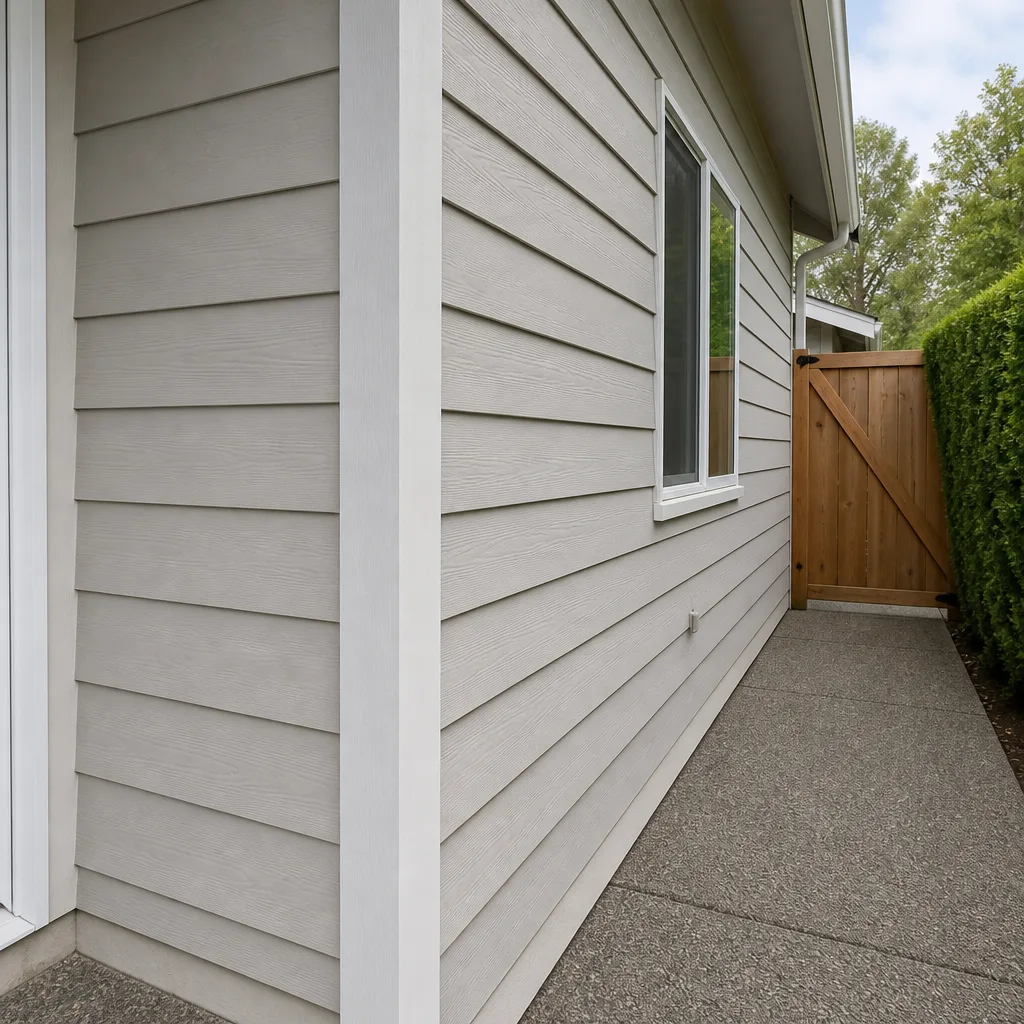
- Moisture intrusion at T1-11 siding seams and window rough openings. Federal Way’s core housing stock - wood-framed, T1-11-sided single-family homes built from the 1960s through 1990s - suffers degraded caulking and compromised siding joints after 40-50 years of Pacific Northwest rain exposure. Water enters slowly, hidden behind the siding, and saturates wall cavities before interior signs appear.
- Category 3 contamination misclassified as simple pump-out jobs. Standing water in Federal Way crawl spaces often tests as Category 3 due to ground intrusion, soil bacteria, and organic matter from the wetland-influenced water table. Homeowners who rent pumps and extract the visible water leave contaminated moisture in structural materials, creating health hazards and insurance disputes later.
- Moss-degraded roof leaks concentrated on north-facing slopes. Federal Way’s low sun angles and persistent moisture accelerate moss colonization on composition roofs, particularly on slopes that never see direct winter sun. Degraded shingles allow slow leaks that saturate attic insulation and ceiling drywall before stains appear below.
Pricing for Water Damage Restoration in Federal Way, WA
Water damage restoration pricing in Federal Way reflects the specific conditions we encounter: crawl-space access limitations, Category 3 contamination frequency, and the documentation requirements that accompany insurance claims.
| Service | Typical Range in Federal Way |
|---|---|
| Emergency water extraction (crawl space, up to 1,000 sq ft) | $1,800 - $3,200 |
| Structural drying & dehumidification (3-5 day standard) | $2,400 - $4,800 |
| Flood cleanup with Category 3 remediation | $4,500 - $8,500 |
| Burst pipe restoration with limited demolition | $2,800 - $6,000 |
| Basement water removal (full-perimeter extraction) | $2,200 - $4,500 |
| Ceiling & roof leak water damage (drywall, insulation, drying) | $1,500 - $3,800 |
What moves a job toward the higher end: Category 3 water classification requiring antimicrobial treatment and protective equipment; subfloor or rim-joist saturation requiring Injectidry cavity drying; mold colonization discovered during moisture mapping; and restricted crawl-space access extending labor hours. What keeps costs controlled: rapid response before water migrates beyond the initial affected area, accurate moisture mapping that prevents unnecessary demolition, and clear documentation that streamlines insurance approval.
Every Federal Way job receives a written price before work begins - Haven Standard, Clause 1 - with no scope-creep additions once our crew is inside your home. Free estimates. Free second opinions on competitor quotes. Call (253) 642-8884.
We Also Serve Cities Near Federal Way
Our Water Damage Restoration in Federal Way crews also respond to water damage emergencies in Auburn, Kent, Tacoma, and Puyallup. Each city’s housing stock and drainage patterns produce distinct restoration scenarios - Auburn’s flatter conditions, Tacoma’s basement-heavy older stock, Kent’s newer construction with different failure modes - and our documentation protocols adapt to each. Dispatch and scheduling are coordinated from our Seattle office, with crews serving Federal Way locally.
Serving Federal Way, WA - Our Local Coverage Area
We’re based in the Federal Way area and know this community well. Use the map below to see our service coverage - if you’re nearby, we can almost certainly help.
FAQs - Water Damage Restoration in Federal Way
Federal Way’s ridge-and-ravine topography and the Hylebos Creek wetland corridor elevate the local water table in ways that flat inland cities don’t experience. Your crawl space sits in a drainage concentration zone where surface runoff funnels toward foundations, while Auburn’s flatter terrain disperses the same rainfall across broader areas. The difference isn’t your grading alone - it’s the underlying hydrology. Call (253) 642-8884 and we’ll map your specific moisture sources.
The most common intrusion points on Federal Way’s 1960s-1990s tract homes are degraded caulking at T1-11 panel seams, compromised weatherstripping at window rough openings, and ground-level splashback through crawl-space vents during concentrated runoff events. Moss-degraded roof edges on north-facing slopes add attic-to-wall-cavity leaks. Our moisture mapping traces the actual path on your specific home rather than guessing. Call (253) 642-8884 for a documented assessment.
Category 3 water - also called black water - contains pathogenic agents from ground intrusion, soil bacteria, or organic decomposition, and is the standard classification for Federal Way crawl-space flooding influenced by the Hylebos Creek wetland water table. It means porous materials like insulation and subfloor must be removed, structural framing requires antimicrobial treatment, and drying must occur under containment with HEPA air filtration. Category 3 also triggers specific insurance-coverage considerations that we document for your adjuster. Call (253) 642-8884 to discuss your specific situation.
We use Injectidry panel systems that introduce dry air directly into subfloor voids through small access points, combined with sealed dehumidification and precise vapor pressure control. For Federal Way’s T1-11 homes with limited crawl-space headroom, this approach often eliminates the need to remove finished flooring above. The method requires accurate moisture mapping first - we verify that drying is progressing through the structural materials, not just the air. Call (253) 642-8884 for a written scope showing what demolition is actually required on your job.
Water extraction should begin within hours, not days. Wood framing in Federal Way’s humid marine climate stays above 20% moisture content - the threshold for mold colonization - for extended periods after release, and T1-11 siding with compromised seams allows hidden migration into wall cavities. Our live dispatch answers 24 hours a day, and our Federal Way response time averages under 90 minutes for emergency calls. The first 24 hours determine whether you’re looking at drying or full remediation. Call (253) 642-8884 now.
Written by Alicia Brennan, Owner at Back to Dry Restoration, serving Federal Way since 2011.