
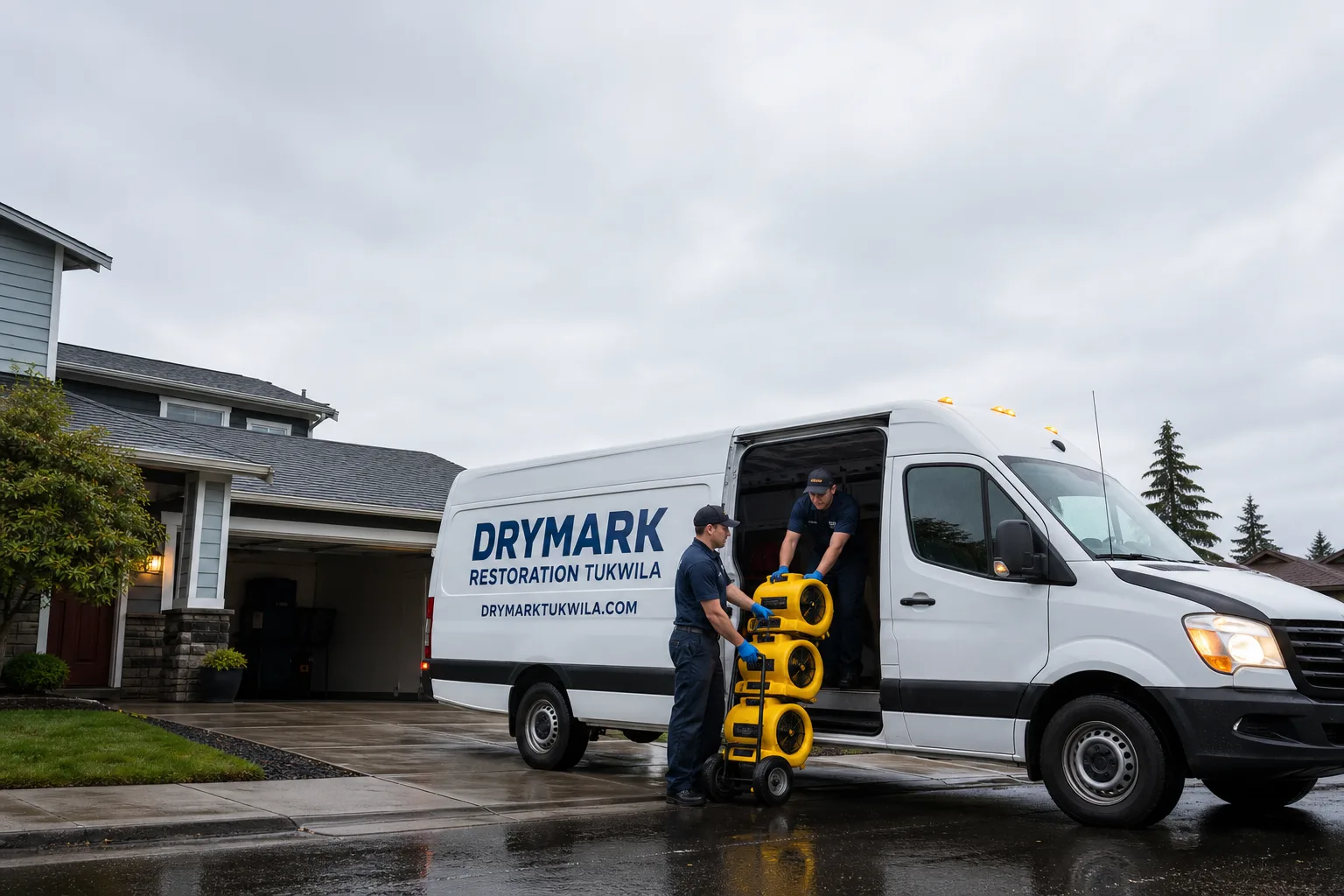
Free visual inspection and a written scope of work before any mitigation begins - photos, moisture readings, and drying logs go in your claim file
The scope we write is the scope we bill. Anything new gets shown to you, in writing, before we touch it.
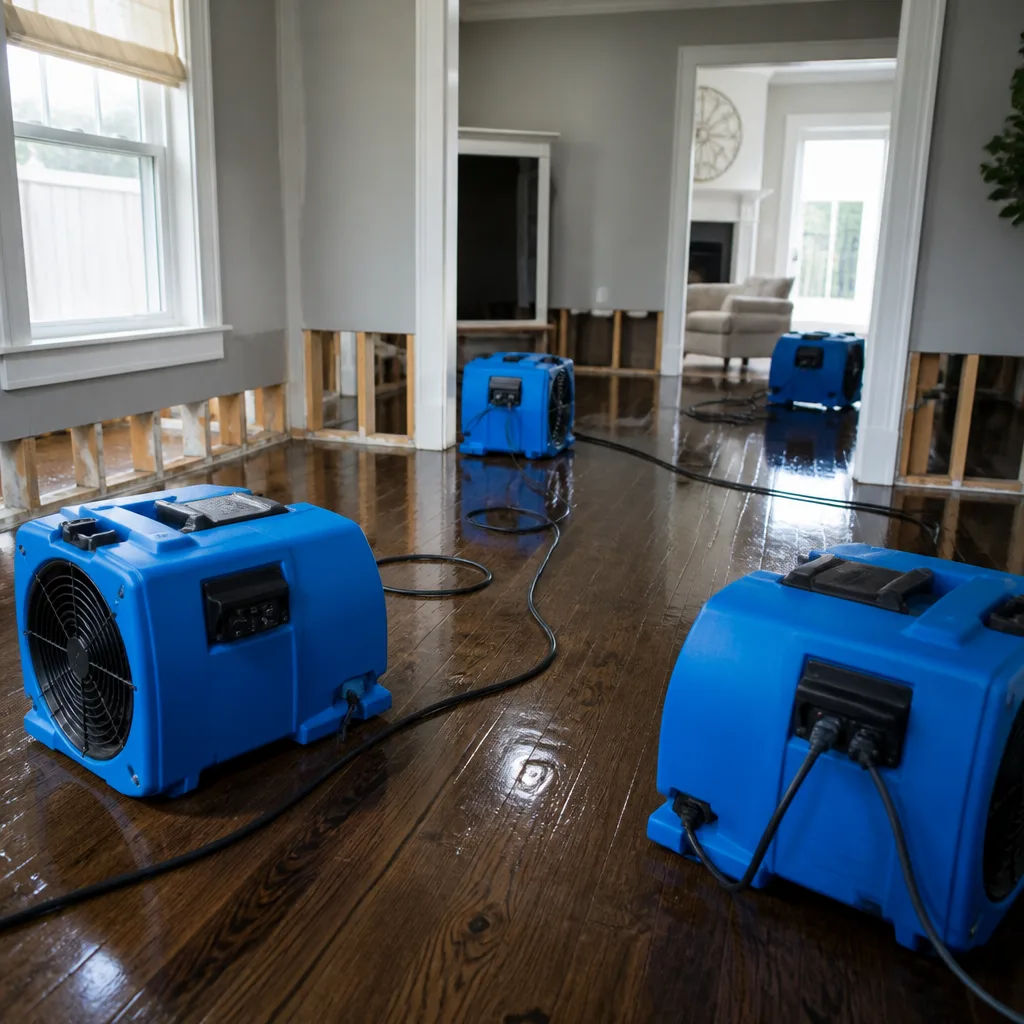
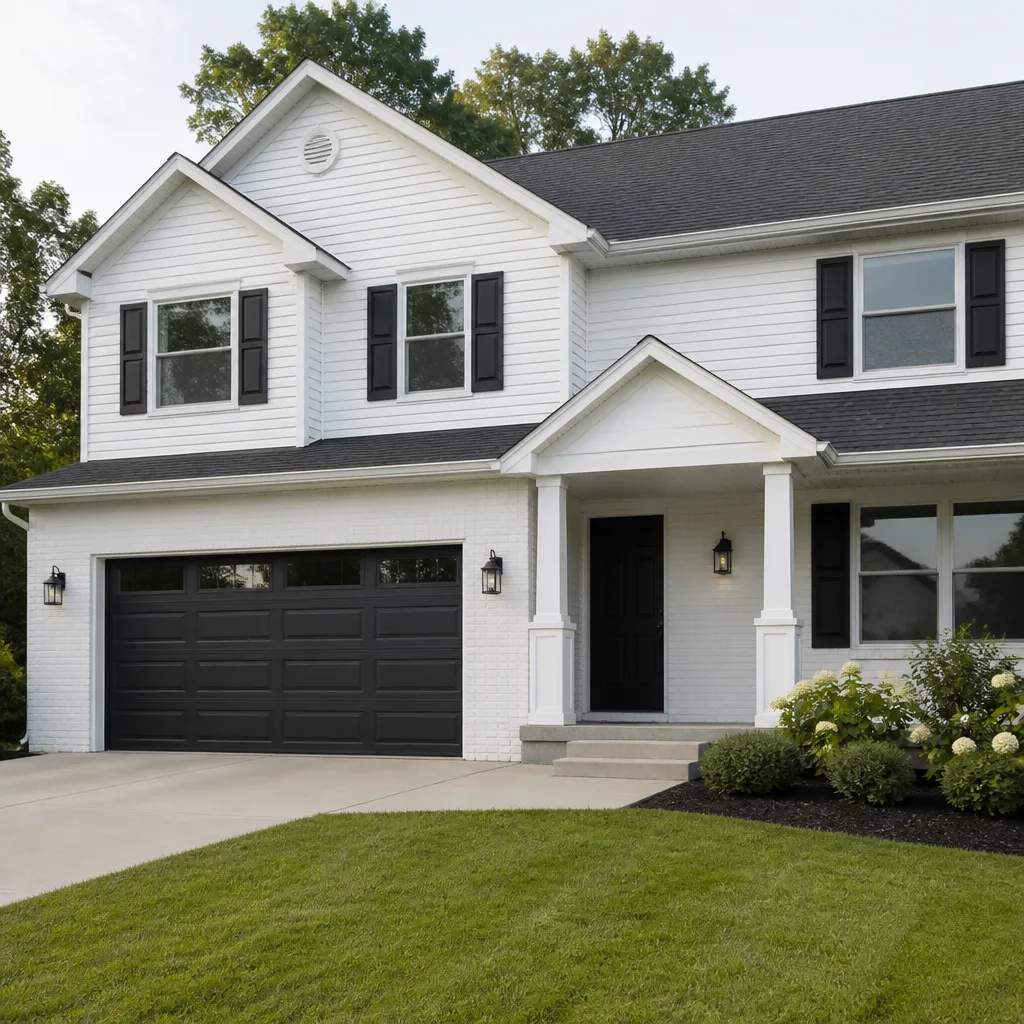
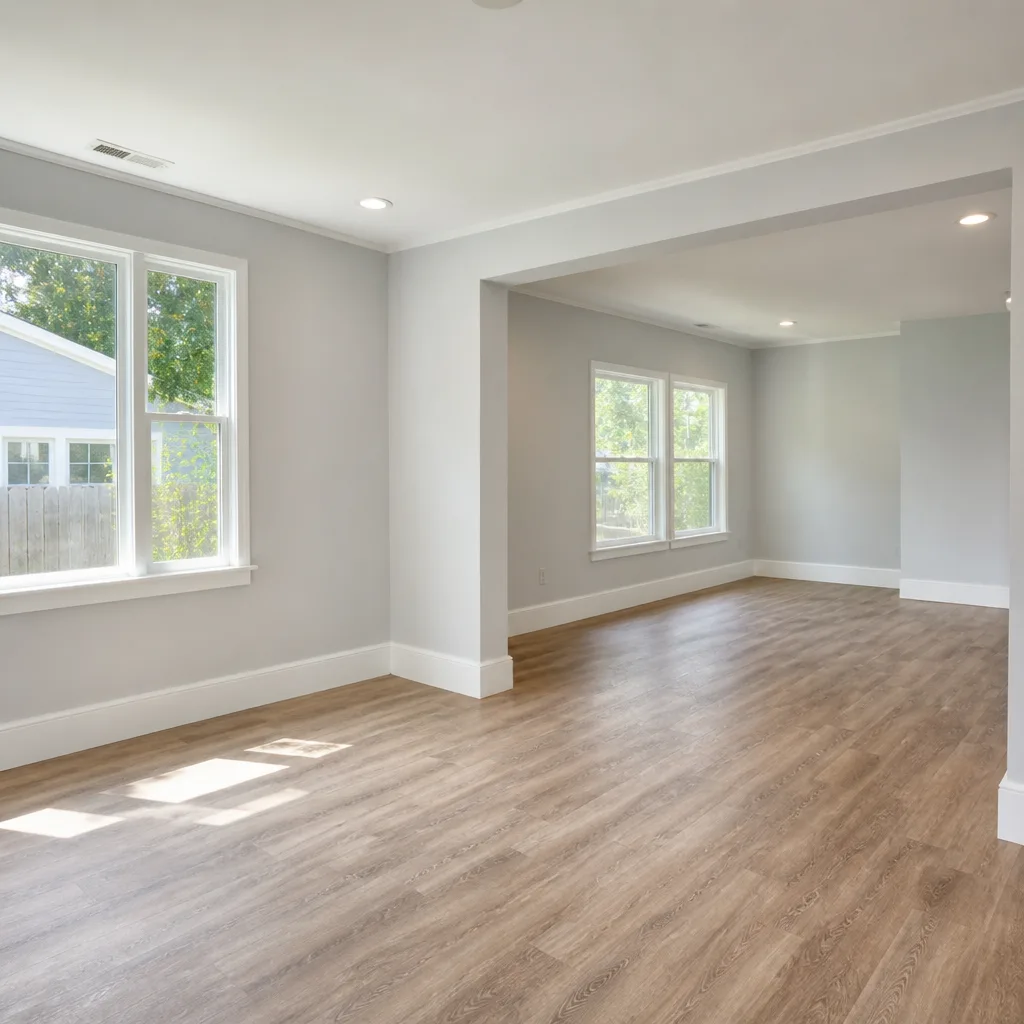
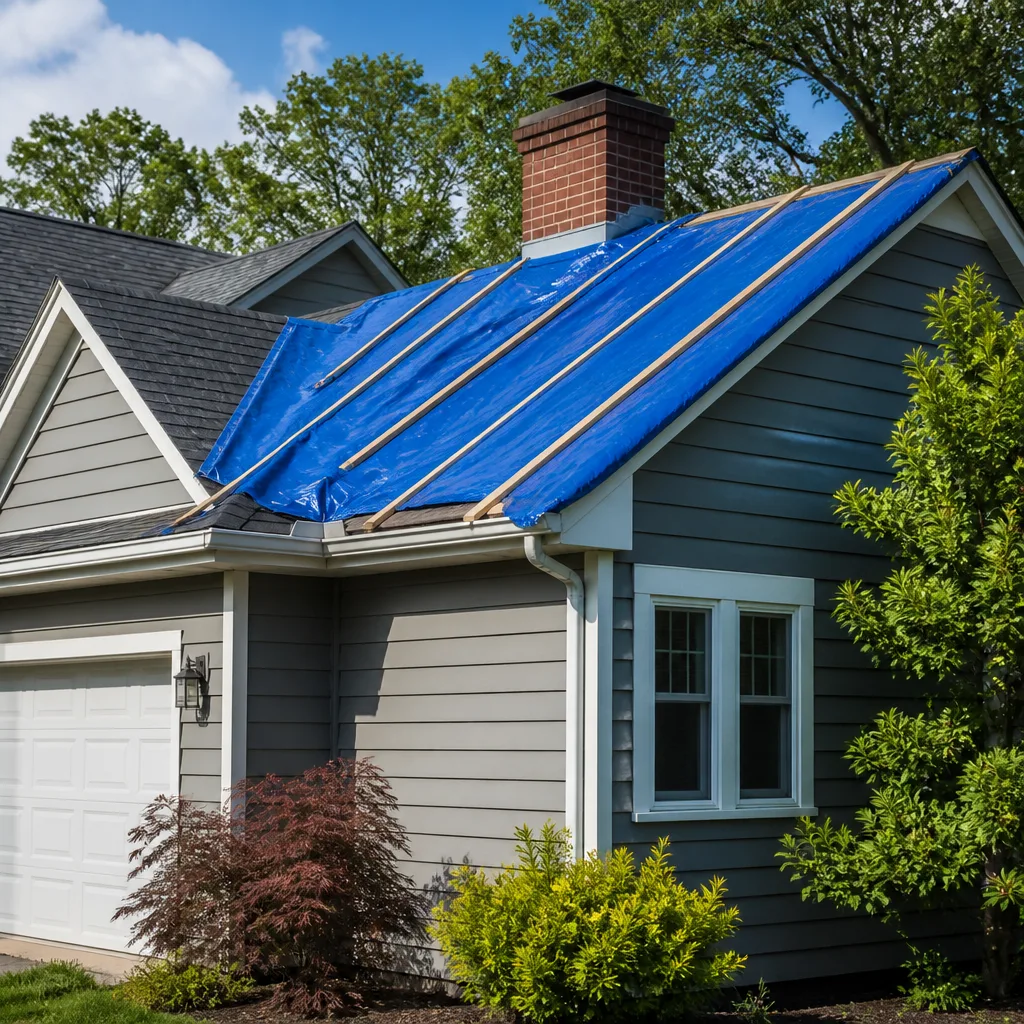
 Before
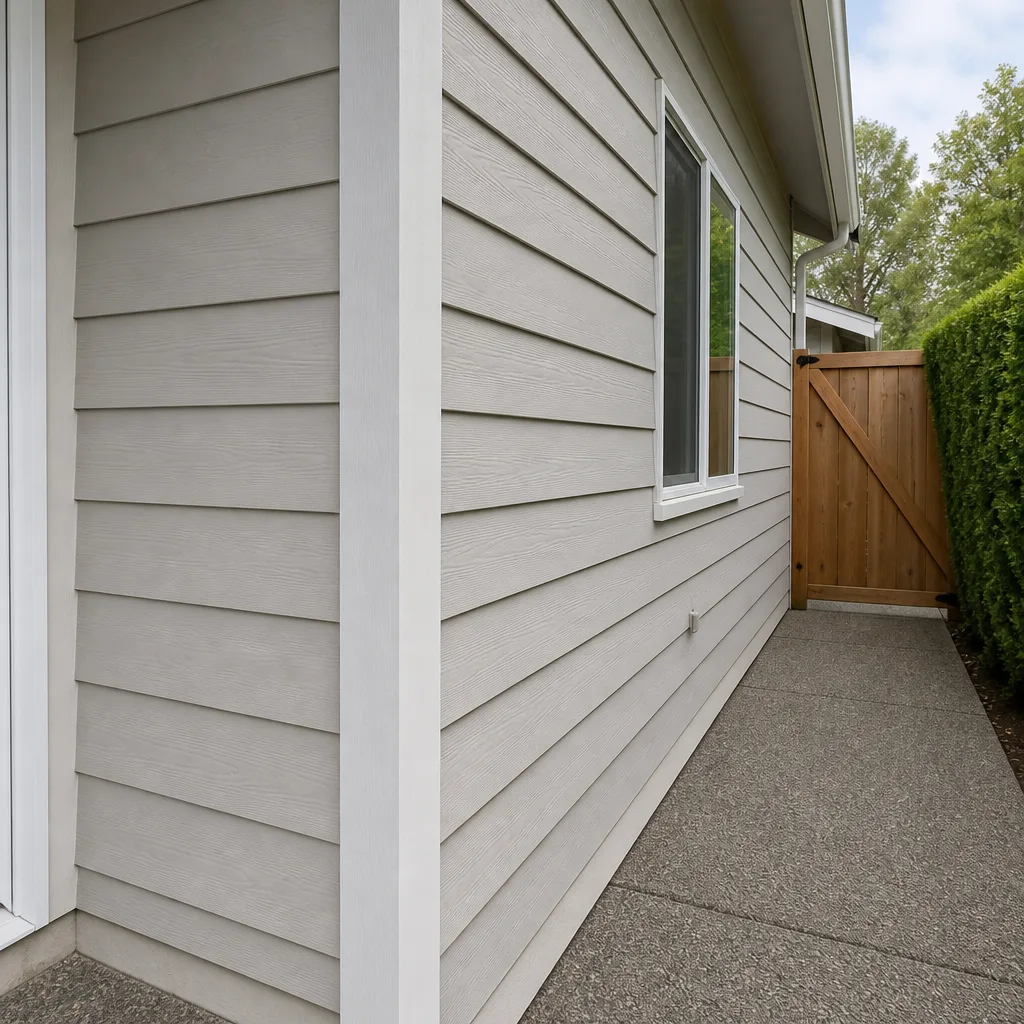 After
After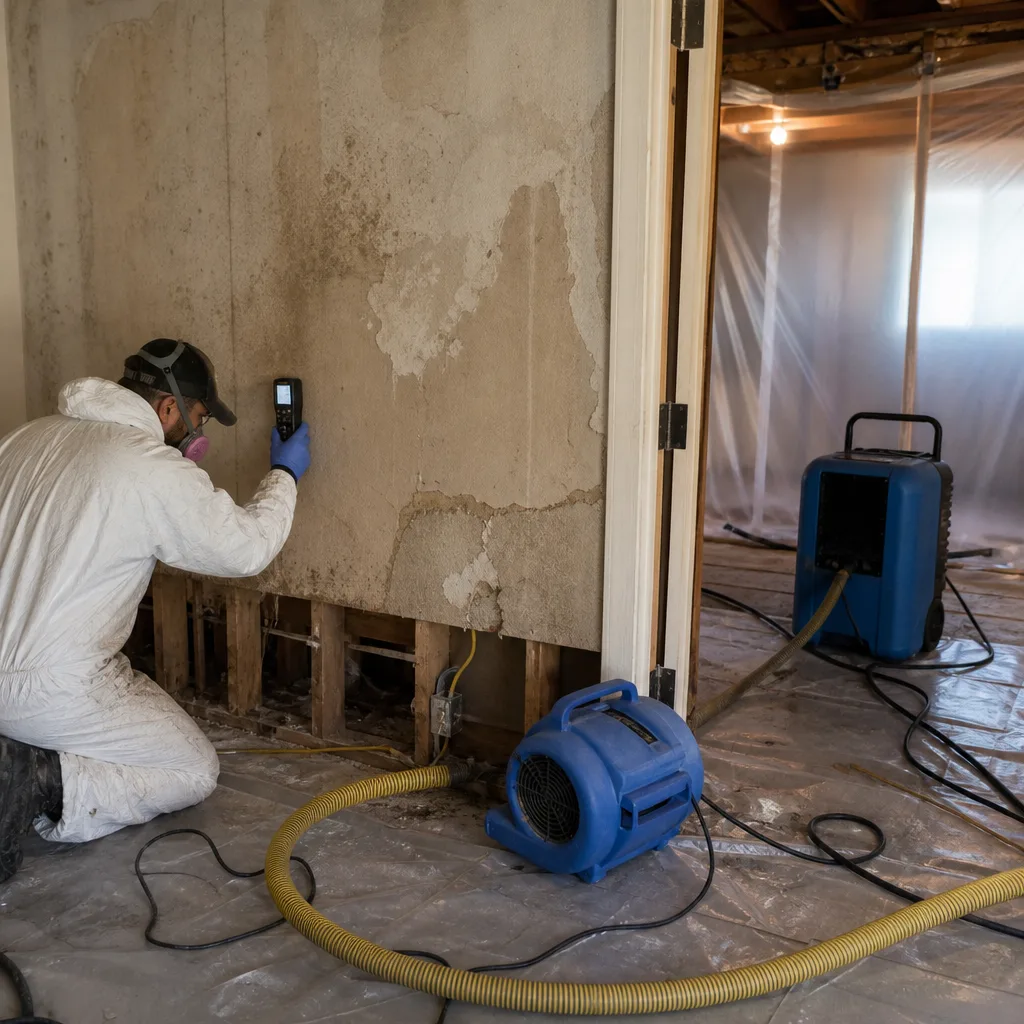 Before
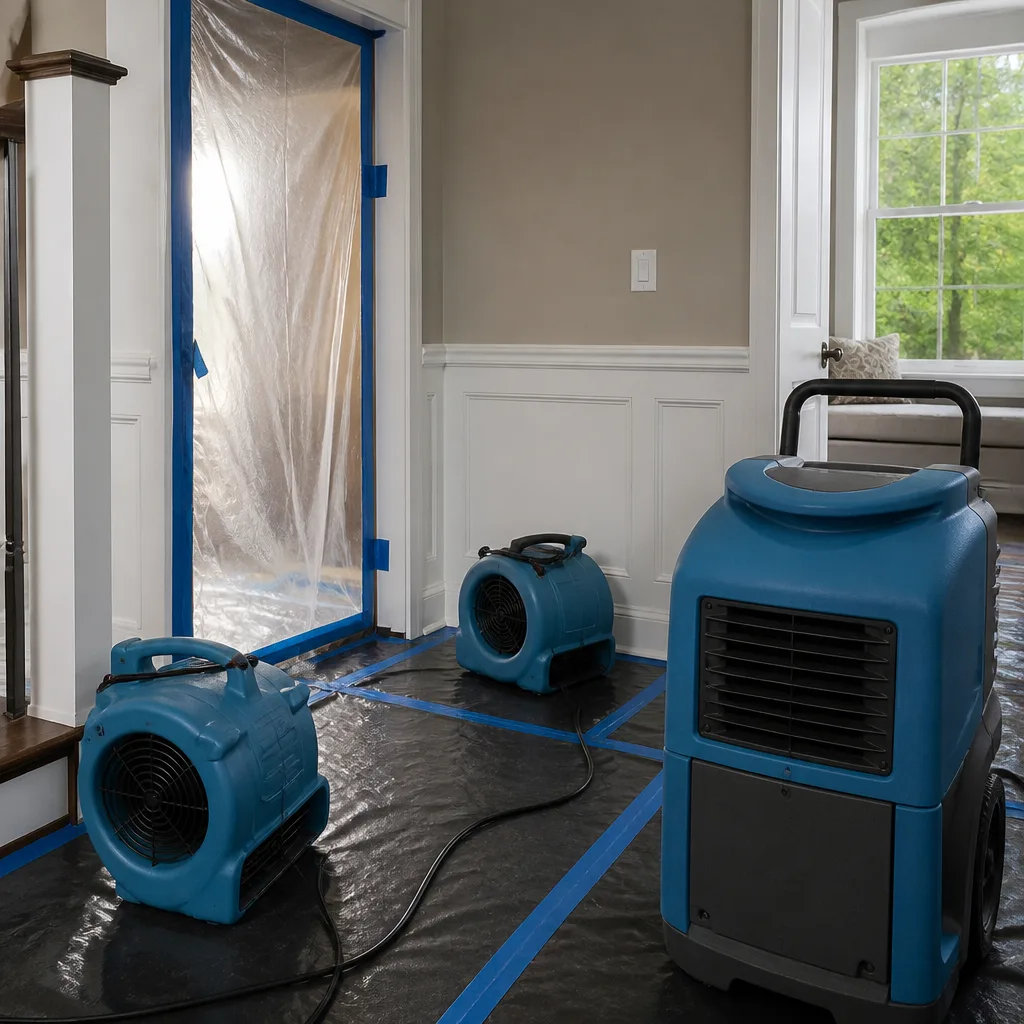 After
After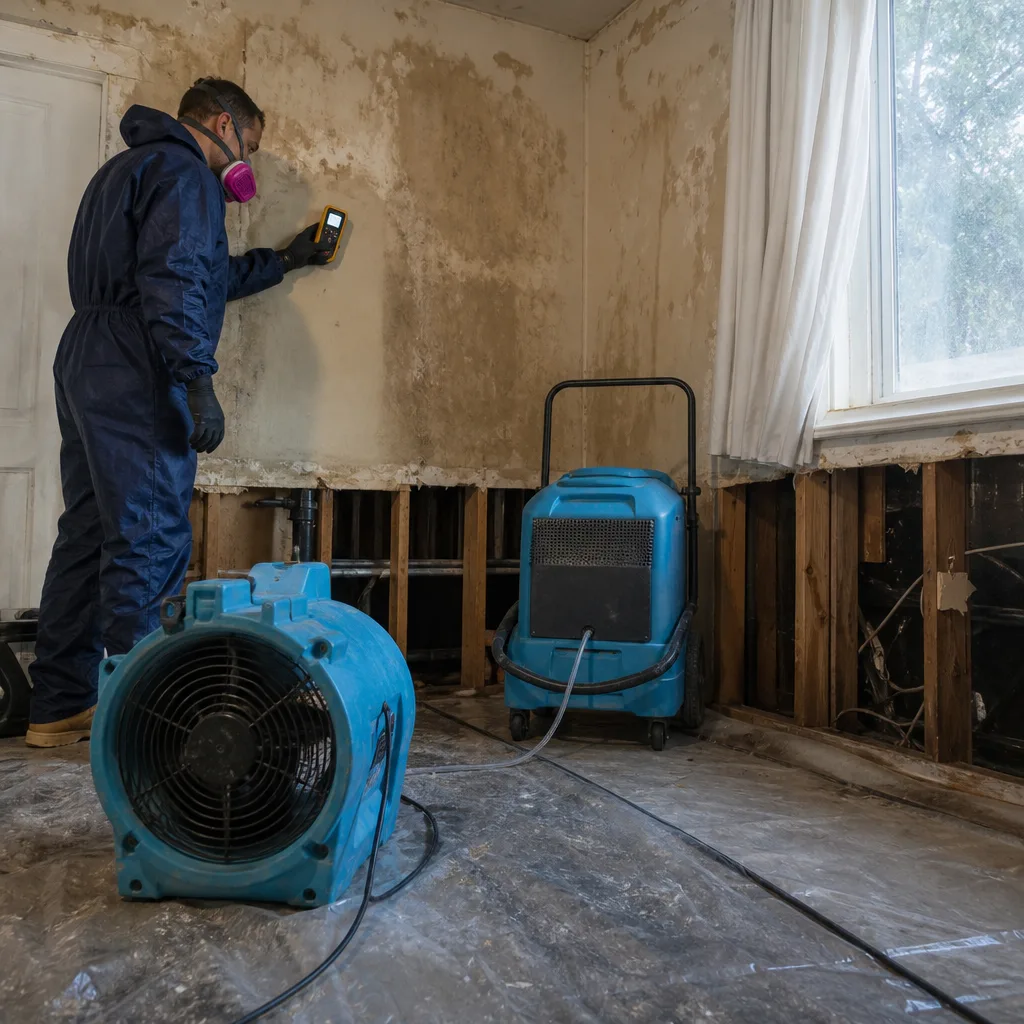 Before
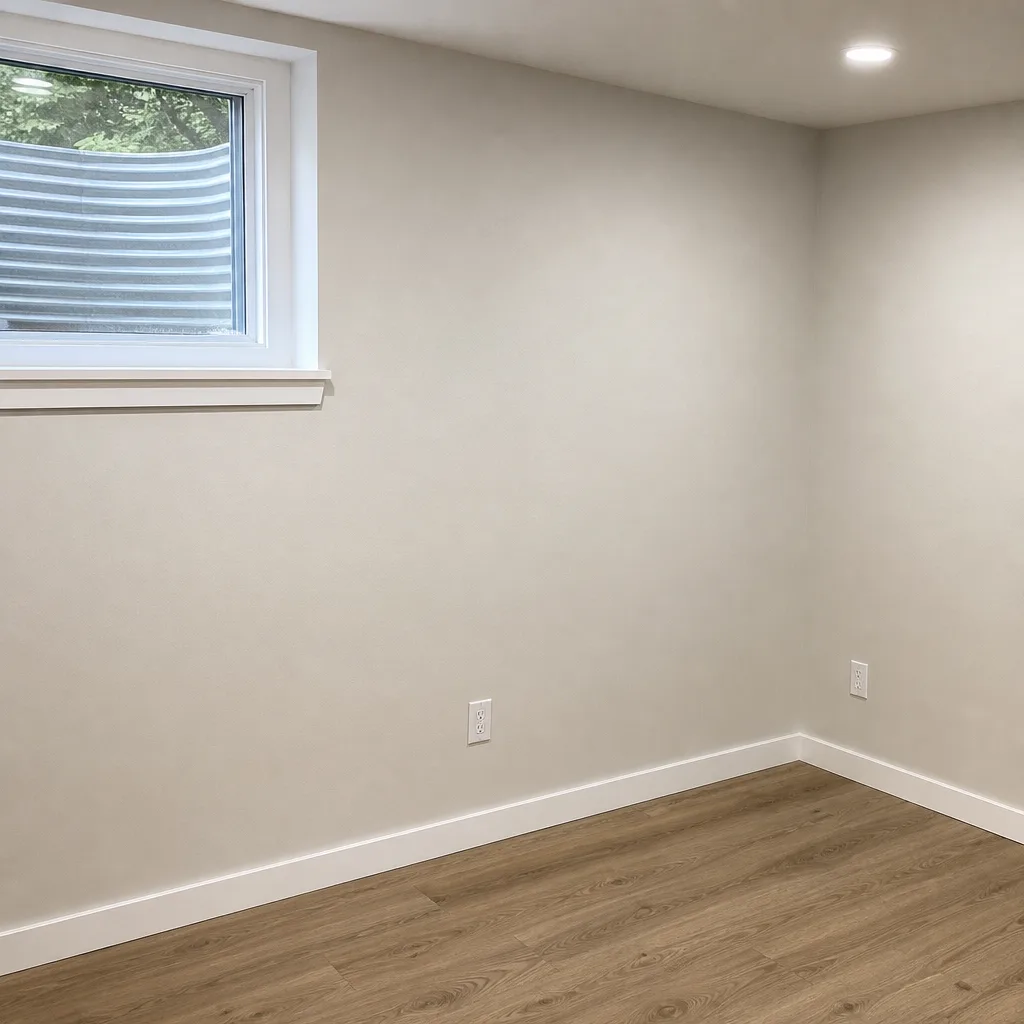 After
AfterFast, Reliable Water Damage Restoration Across Auburn
Water damage restoration in Auburn typically runs $2,800-$7,500 for a standard residential drying job, with emergency extraction starting at $1,200-$2,400 and full flood cleanup reaching $8,000-$15,000 for valley-floor properties with crawl-space saturation. Our crews are dispatched from our Seattle office and can be on-site in Auburn within 45-60 minutes for emergency calls. Call (253) 642-8884 any time - a live person answers, 24 hours a day, with no voicemail trees while water is still moving through your home.
We’ve restored water-damaged properties across Auburn since 2011, from the post-WWII ranches near the Green River to the newer slab-on-grade homes on Lea Hill and West Hill. Our Water Damage Restoration team understands that Auburn’s clay-heavy soils and valley-floor geography create drying challenges no hillside city faces. When the Howard Hanson Dam puts the valley under flood watch, or when a February windstorm drives rain through a failing door for days before anyone notices, we know how to document the loss so your claim gets paid.
Why DryMark Restoration Tukwila Is Auburn’s Preferred Water Damage Restoration Company
Our reputation in Auburn is built on documentation that holds up under adjuster review. We’ve restored over 12,000 homes since 2011, every one with a written price before work started and a photo record on every visit. Homeowners in Auburn’s 98002 and 98092 ZIP codes specifically mention our daily moisture logs and drying curves in reviews - the kind of detail that separates a paid claim from a disputed one.
Response time to Auburn averages 45-60 minutes for emergency water extraction calls. Our dispatch is coordinated from the Seattle office, but crews carry Auburn-specific equipment loads: extra crawl-space containment sheeting for the valley’s 1950s-1970s ranch homes, and Injectidry panel-drying systems for the wall cavities common in that era’s construction.
What sets us apart locally is NFIP fluency. Valley-floor properties in Auburn’s FEMA-mapped Special Flood Hazard Areas carry National Flood Insurance Program policies with scope-approval processes that contractors from non-flood-zone cities rarely encounter. We document pre-loss condition, drying logs, and material classifications to IICRC and RIA standards so NFIP adjusters clear scopes without second inspections. That’s not a marketing claim - it’s Haven Standard protocol on every job.
Our Water Damage Restoration Services in Auburn
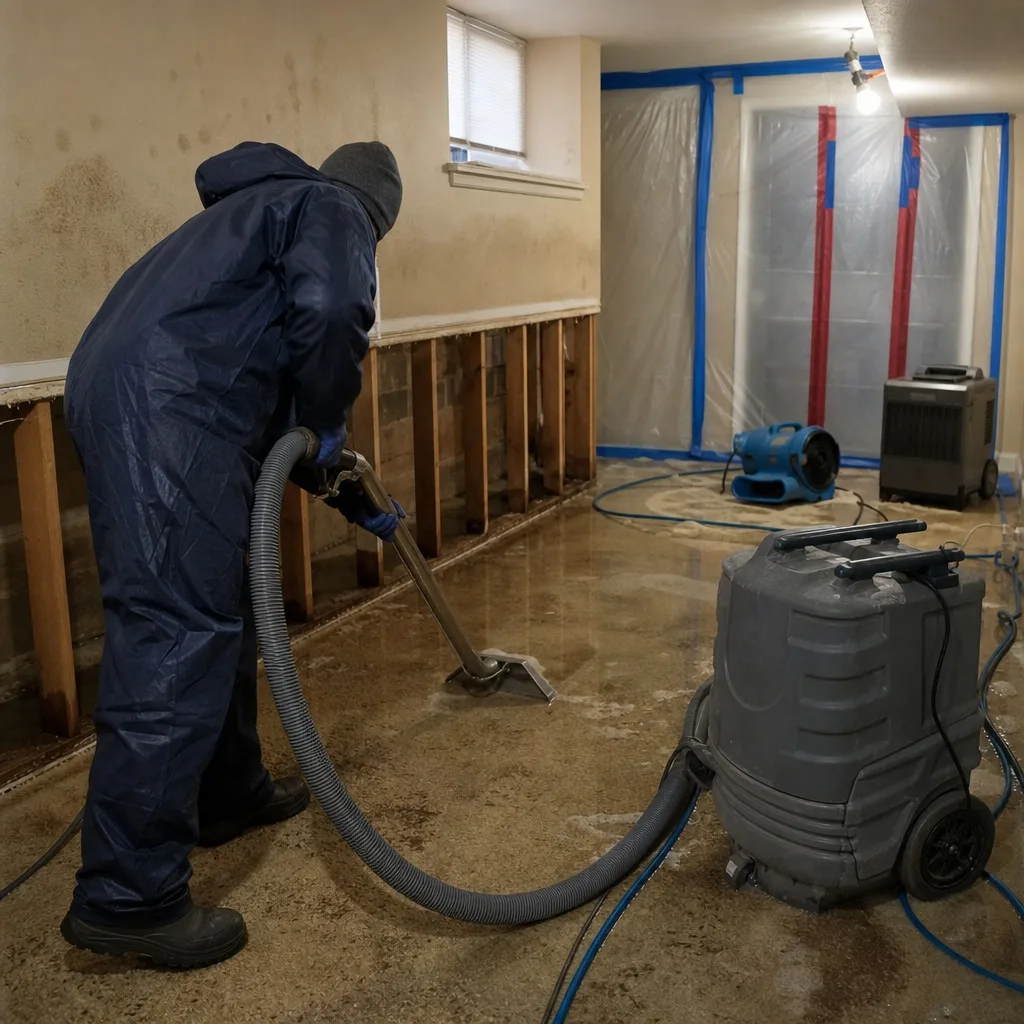
Emergency Water Extraction
When water is actively moving through your Auburn home, speed matters. Our emergency extraction teams deploy truck-mounted systems and portable flood pumps sized for everything from a burst pipe in a Lea Hill kitchen to a full basement flood near the Green River. We extract standing water, then immediately begin moisture mapping to find what’s hidden in wall cavities and subfloors. Every extraction job in Auburn includes a written price before work begins - Haven Standard, Clause 1 - and a photo-documented assessment that becomes the foundation of your insurance claim.
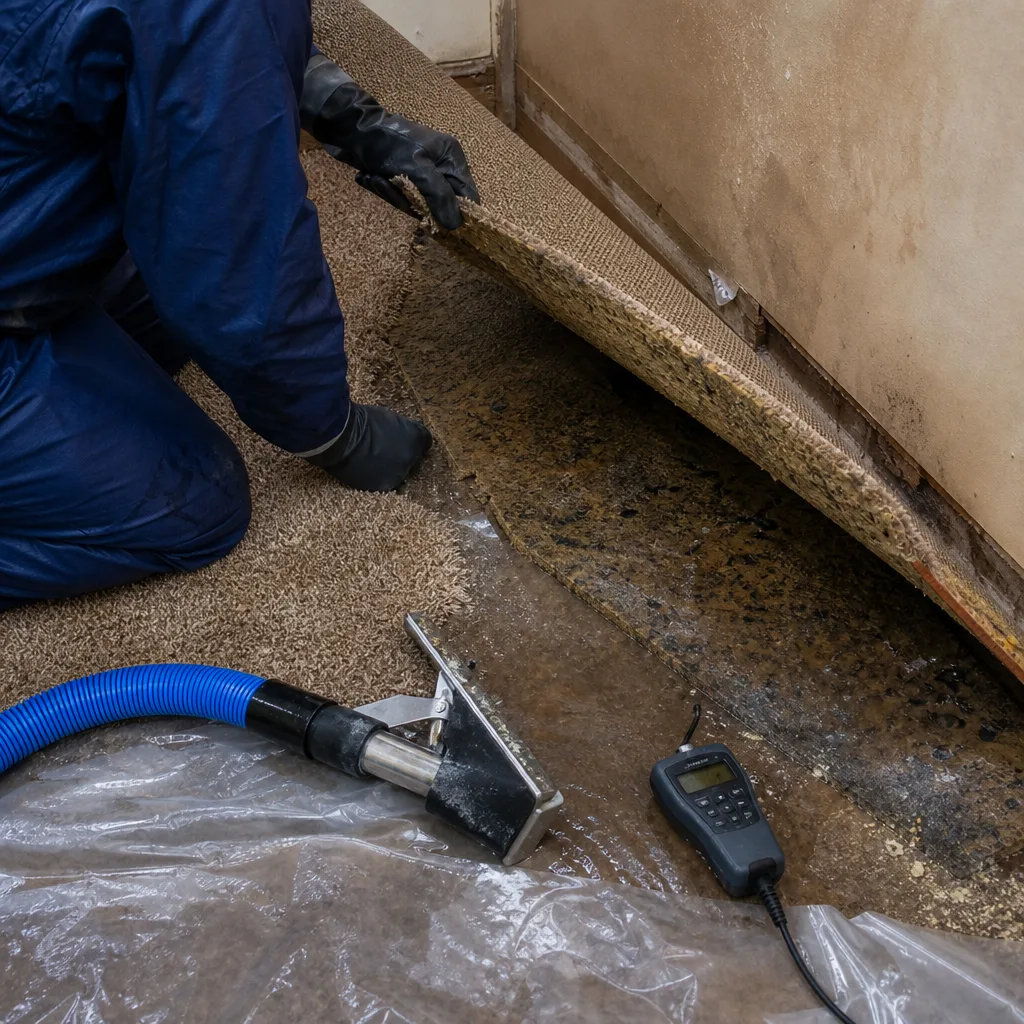
Structural Drying & Dehumidification
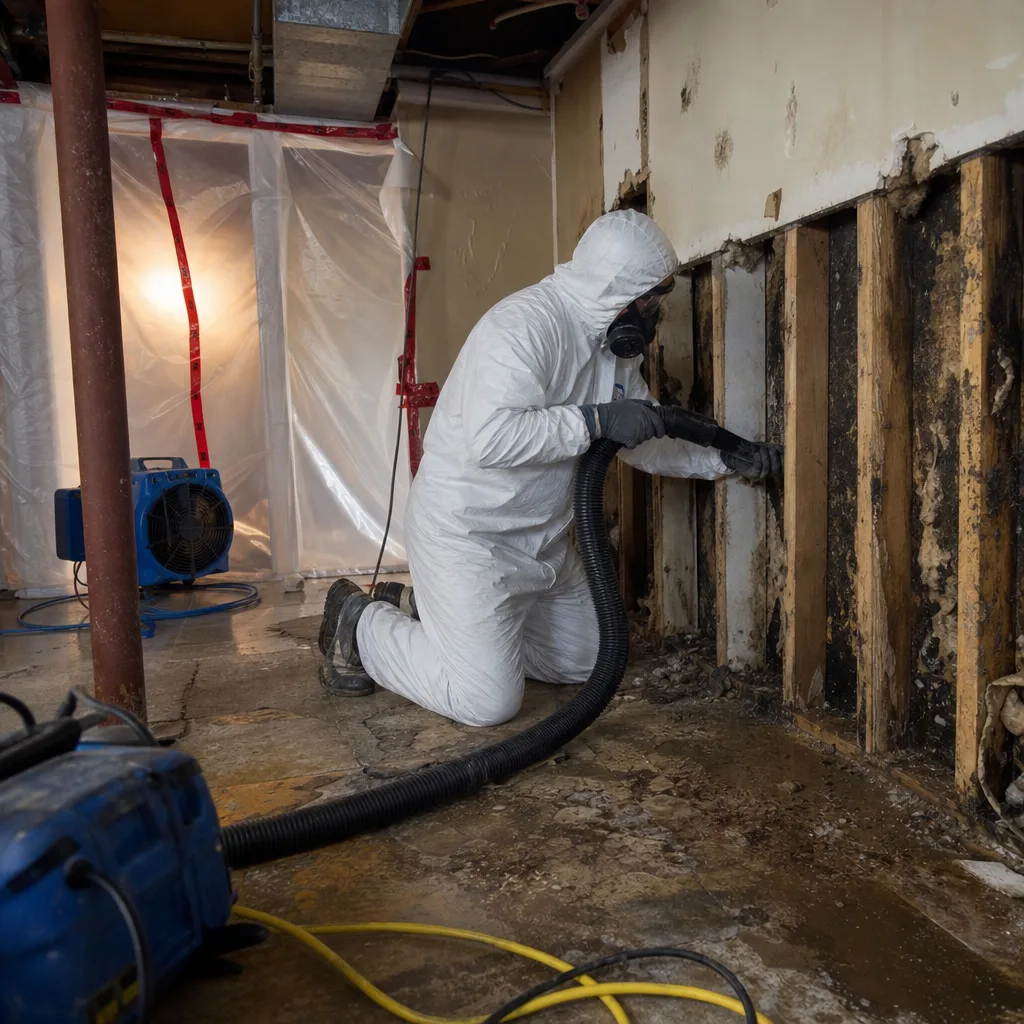
Auburn’s valley-floor position means clay soils stay saturated for weeks after a storm passes, compressing the safe drying timeline and accelerating secondary mold colonization. Our structural drying protocols account for this extended saturation window. We deploy Phoenix and Dri-Eaz dehumidifiers with psychrometric monitoring - measuring vapor pressure differential, temperature, and relative humidity - to drive moisture out of framing and subfloors faster than ambient conditions would allow. Daily moisture readings are logged and delivered to you and your adjuster, creating the documentation trail that turns restoration invoices into payable claims.
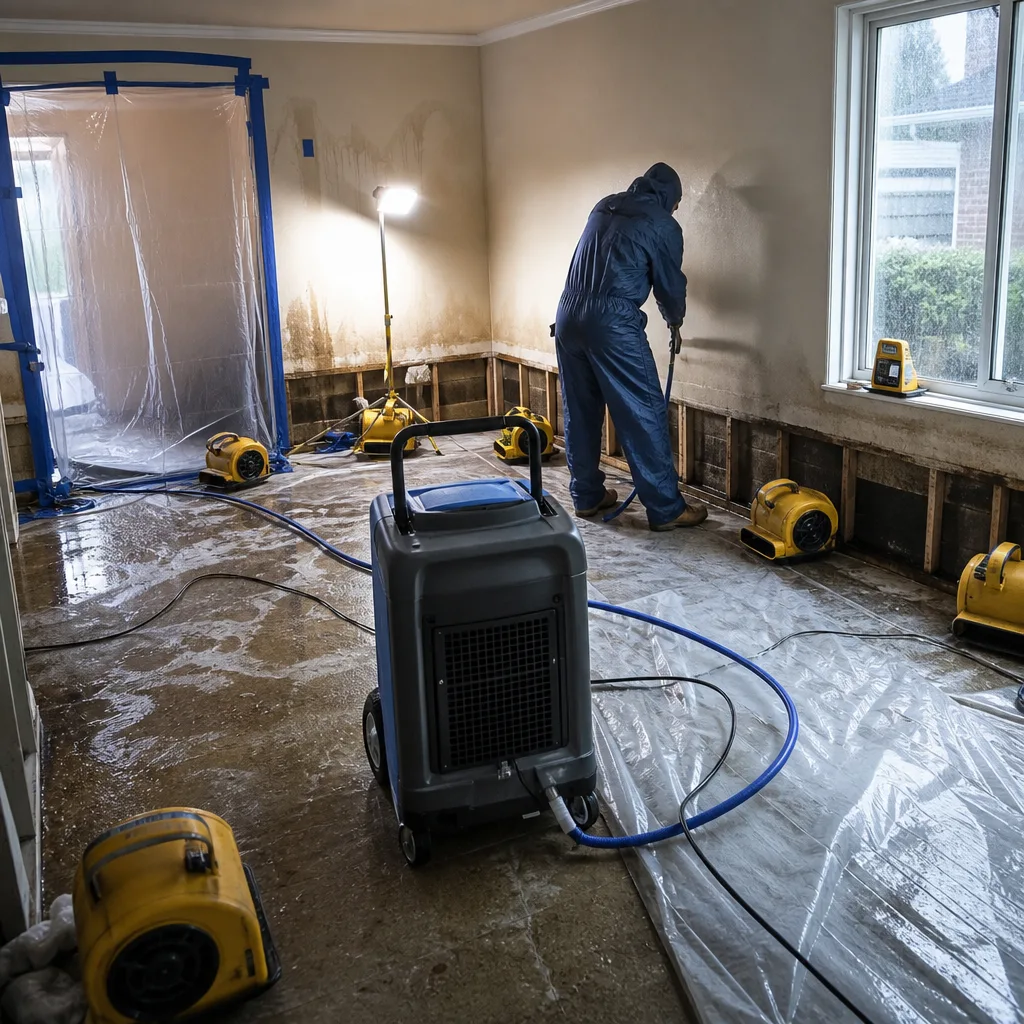
Flood Cleanup
Flood cleanup in Auburn is shaped by mass-loss risk as much as weather. The Howard Hanson Dam’s documented seepage vulnerabilities mean hundreds of valley-floor properties can be affected simultaneously, creating claims volume that strains both NFIP adjusters and restoration capacity. We scope flood cleanup with this infrastructure risk in mind: documenting pre-loss condition rigorously, categorizing water by contamination level (category 1, 2, or 3 per IICRC standards), and presenting written scopes that account for the full drying curve rather than surface-level extraction. Our crews have handled valley-floor flood events where the water source wasn’t rainfall at all, but dam-release protocols - a scenario that changes both the documentation requirements and the expected secondary damage profile.
Burst Pipe Restoration
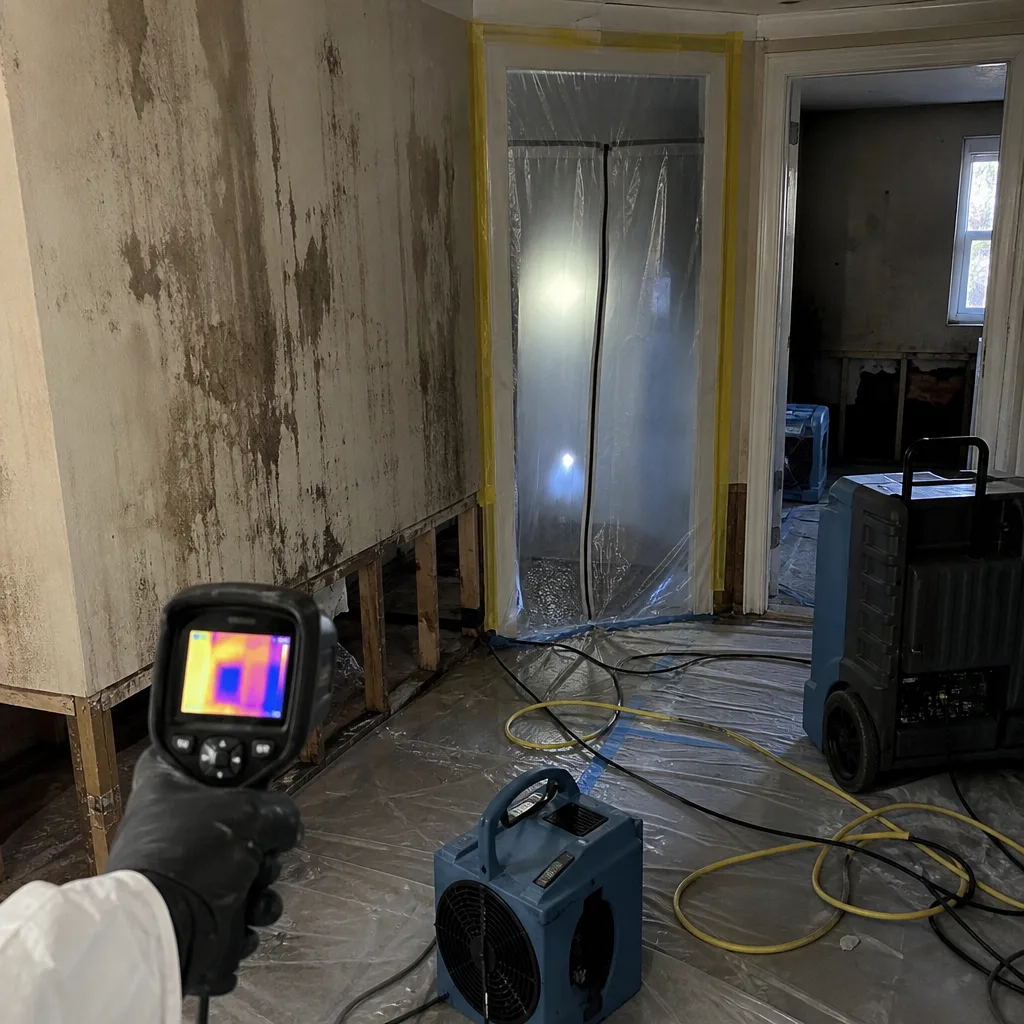
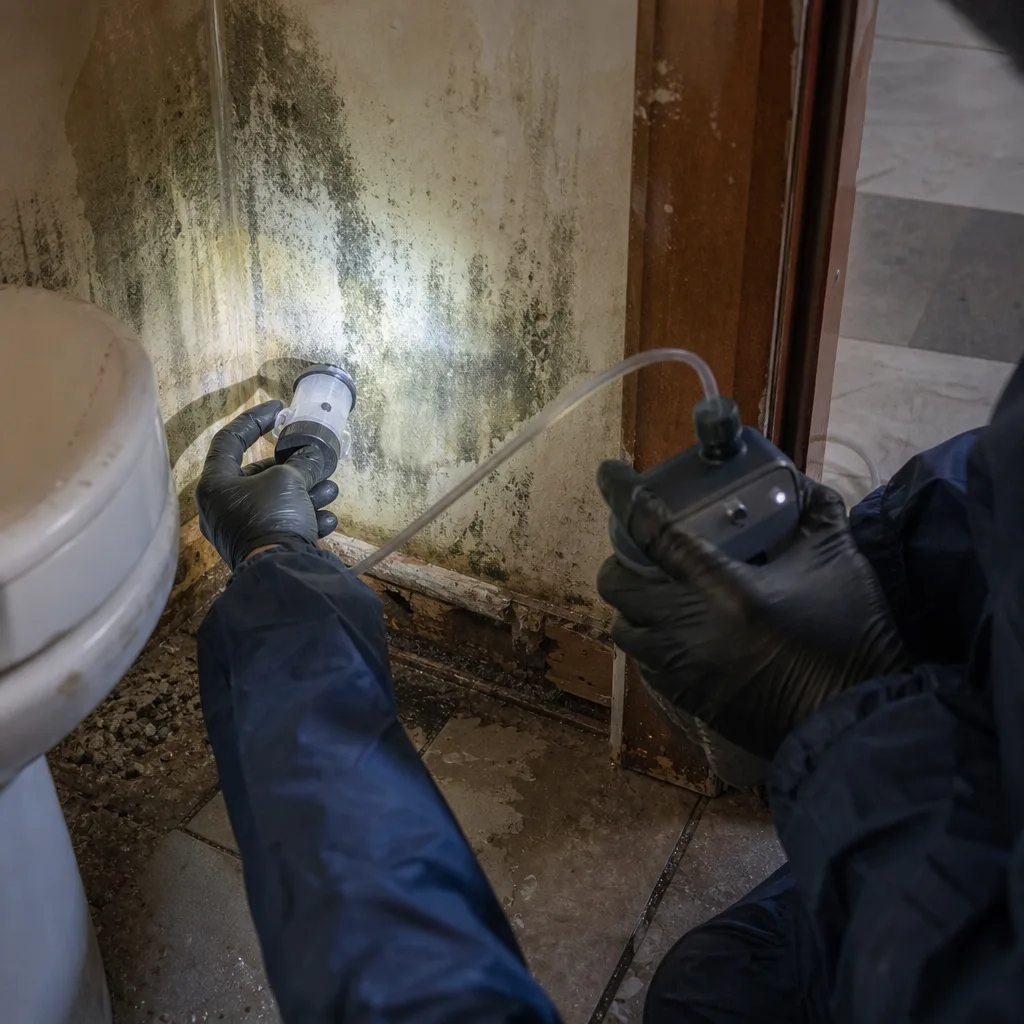
Burst pipes in Auburn’s older ranch homes often damage more than the immediate leak point. Water travels along crawl-space joists and wicks into insulation before homeowners detect it, especially in the 1950s-1970s construction common near downtown and the valley floor. We locate the full migration path with thermal imaging and moisture meters, then contain the affected area to prevent cross-contamination. Our burst pipe restoration includes antimicrobial treatment of affected framing, controlled demolition only where necessary, and full documentation of the drying process for your insurer.
What happens when you call
- 1
A real person answersNo phone trees - you reach a local pro.
- 2
You get an upfront price rangeHonest numbers before anyone is dispatched.
- 3
A background-checked tech heads outLicensed & insured, dispatched right away.
- 4
You approve before work beginsNothing starts until you say go.
 Before
 After
AfterTrusted Brands We Service in Auburn
We deploy professional-grade drying systems from Dri-Eaz, Phoenix, and B-Air on Auburn jobs, with Injectidry systems reserved for the cavity-drying challenges common in the city’s older housing stock. These aren’t brand names we mention for credibility - they’re the machines producing the daily moisture logs and psychrometric data that your adjuster needs to approve scope. We stock replacement components and filtration media locally so equipment stays running through multi-day drying cycles, not sidelined waiting for parts. Every machine’s output is documented to IICRC, RIA, and IFA standards, with readings recorded in your job file and delivered as part of the photo record on every visit.
Common Water Damage Restoration Problems We See in Auburn Homes
- Storm-driven door failures on valley-floor ranches go undiagnosed for days. Wind-rated sliding doors and entry systems on 1960s Auburn homes near the Green River often fail under sustained pressure, letting water wick into crawl spaces while clay soils hide the intrusion source. Moisture readings don’t spike until days later, by which time insulation is saturated and mold colonization has begun.
- Contractors misapply hillside drying protocols to crawl-space homes. A crew accustomed to Federal Way slab-on-grade jobs may set standard air movers and leave, missing the extended saturation window that Auburn’s clay-heavy soils create. The result: surface-dry subfloors over wet joists, with mold blooming two weeks later.
- NFIP scope delays leave homeowners underpaid for category 2/3 water. When restoration crews lack fluency in pre-loss condition documentation for National Flood Insurance Program policies, adjusters trim scopes or request second inspections. Valley-floor Auburn properties need contractors who understand NFIP documentation requirements from the first moisture reading.
- Extended groundwater contact accelerates hidden mold growth. Auburn’s minimal topographic drainage relief means October-May rainfall keeps crawl spaces and slab edges in contact with standing groundwater for weeks. Even moderate water intrusion events in these conditions reliably produce secondary mold colonization if drying protocols don’t account for the prolonged saturation timeline.
Pricing for Water Damage Restoration in Auburn, WA
Here is what water damage restoration costs in Auburn’s market, based on jobs we’ve scoped and completed under Haven Standard, Clause 1:
| Service | Typical Range in Auburn |
|---|---|
| Emergency water extraction (up to 1,500 sq ft) | $1,200 - $2,400 |
| Structural drying & dehumidification (3-5 day cycle) | $2,800 - $5,200 |
| Crawl-space drying with containment (Auburn ranch homes) | $3,500 - $6,800 |
| Flood cleanup, category 2 (gray water) | $4,500 - $9,500 |
| Flood cleanup, category 3 (black water / sewage) | $8,000 - $15,000 |
| Full burst pipe restoration with drywall repair | $5,500 - $11,000 |
What moves a job toward the higher end: crawl-space access limitations, category 2 or 3 contamination requiring antimicrobial treatment and PPE protocols, NFIP documentation requirements adding scope complexity, and the extended drying cycles that Auburn’s clay soils and valley-floor humidity demand. Every job gets a written price before work begins - no exceptions, no scope-creep additions once the crew is inside. Bring a competitor’s written estimate and we’ll review it free under our Free Second Opinion policy. Call (253) 642-8884 for your exact quote.
We Also Serve Cities Near Auburn
Our Water Damage Restoration in Auburn crews also respond to water damage emergencies in Federal Way, Kent, Puyallup, and Tacoma. Each city has distinct housing stock and soil conditions that change our drying approach - hillside slab construction in Federal Way, for instance, versus the valley-floor crawl spaces we see across Auburn. We adjust equipment loads and documentation protocols accordingly, but the Haven Standard applies everywhere: written price before work, photo record on every visit, and the 365-Day Done Right Promise on every job.
Serving Auburn, WA - Our Local Coverage Area
We’re based in the Auburn area and know this community well. Use the map below to see our service coverage - if you’re nearby, we can almost certainly help.
FAQs - Water Damage Restoration in Auburn
Auburn’s clay-heavy soils stay saturated for weeks after rainfall, keeping crawl spaces and slab edges in prolonged contact with groundwater that hillside cities drain within days. Our drying protocols add 1-3 days to the standard cycle for valley-floor jobs, with daily moisture logs documenting the extended curve for your adjuster. Call (253) 642-8884 and we’ll assess your specific soil conditions and foundation type.
Yes. National Flood Insurance Program policies require pre-loss condition documentation, specific material classifications, and scope formats that standard homeowner endorsements don’t use. Our crews are fluent in NFIP requirements because valley-floor Auburn properties need them regularly - a contractor who primarily works non-flood-zone cities will miss these documentation standards and delay your claim. We build NFIP-compliant scopes from the first moisture reading.
Water enters through the door failure, wicks along the subfloor, and saturates crawl-space insulation while clay soils hide the intrusion source. By the time moisture readings spike, mold colonization has often begun on joists and underside drywall. We contain the crawl space, extract saturated insulation, run Dri-Eaz and Phoenix systems with vapor-pressure monitoring, and log daily readings to document the drying curve for your insurer.
Within 24-48 hours for category 1 water, but Auburn’s extended soil saturation window means we recommend same-day extraction whenever possible. Mold colonization accelerates in crawl-space conditions where groundwater contact continues for weeks. Our emergency line reaches a live person 24/7, with crews typically on-site in Auburn within 45-60 minutes. Call (253) 642-8884 to start the clock.
Category 1 is clean water from a burst supply line; category 3 is grossly contaminated from sewage, ground surface flooding, or dam-release events that pick up agricultural and industrial runoff from the Green River valley. We test water at the point of intrusion and document the classification with photo evidence, because NFIP adjusters and standard homeowner policies treat category 3 water differently in scope approval. Misclassification by an inexperienced crew can cost thousands in uncovered remediation.
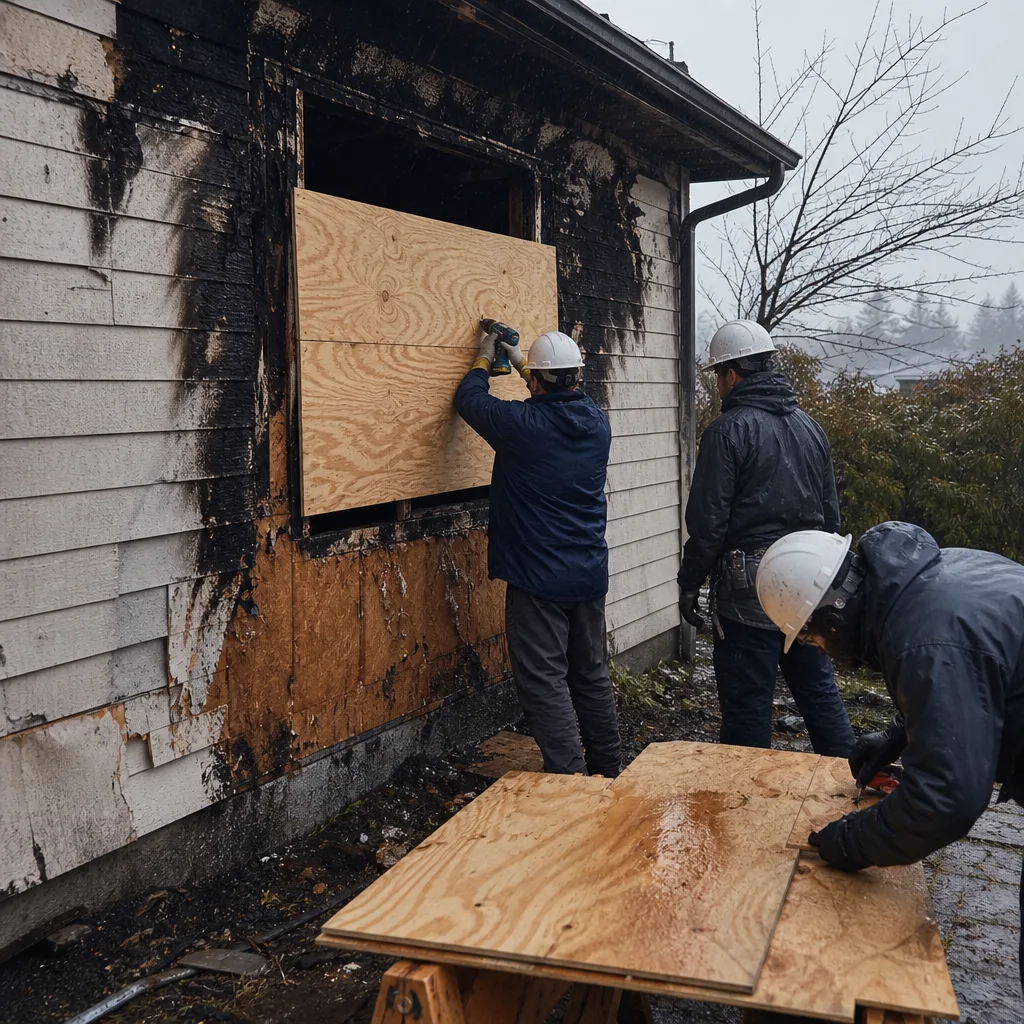
After a February windstorm drove rain sideways against a 1960s ranch on Auburn’s valley floor near the Green River, we found a failed wind-rated sliding door had been letting water wick into the crawl space for days before the homeowner called. Our tech ran moisture mapping across the clay-heavy subfloor, set Dri-Eaz air movers and Phoenix dehumidifiers inside a contained crawl space, and logged daily moisture readings to document the drying curve for the NFIP adjuster. The pack-out of saturated insulation and the antimicrobial treatment on the joists kept the scope tight enough that the claim cleared without a second inspection.
Auburn is the only King County city where a mass water-loss event can be triggered by the Howard Hanson Dam’s documented seepage vulnerabilities rather than by rainfall itself, so restoration scoping here must account for simultaneous valley-floor claims across hundreds of properties under NFIP policies rather than isolated storm losses. That infrastructure risk shapes everything from our emergency response planning to our documentation protocols to our adjuster relationships. Generic water damage restoration doesn’t address it. We do.
Ready to start? Call (253) 642-8884 for a free estimate. A live person will answer, gather the details of your situation, and dispatch a crew with the right equipment load for your Auburn neighborhood. You’ll receive a written price before any work begins, a photo-documented record on every visit, and the 365-Day Done Right Promise backed by The Haven Standard.
Written by Alicia Brennan, Owner at Back to Dry Restoration, serving Auburn since 2011.