
Free visual inspection and a written scope of work before any mitigation begins - photos, moisture readings, and drying logs go in your claim file
The scope we write is the scope we bill. Anything new gets shown to you, in writing, before we touch it.
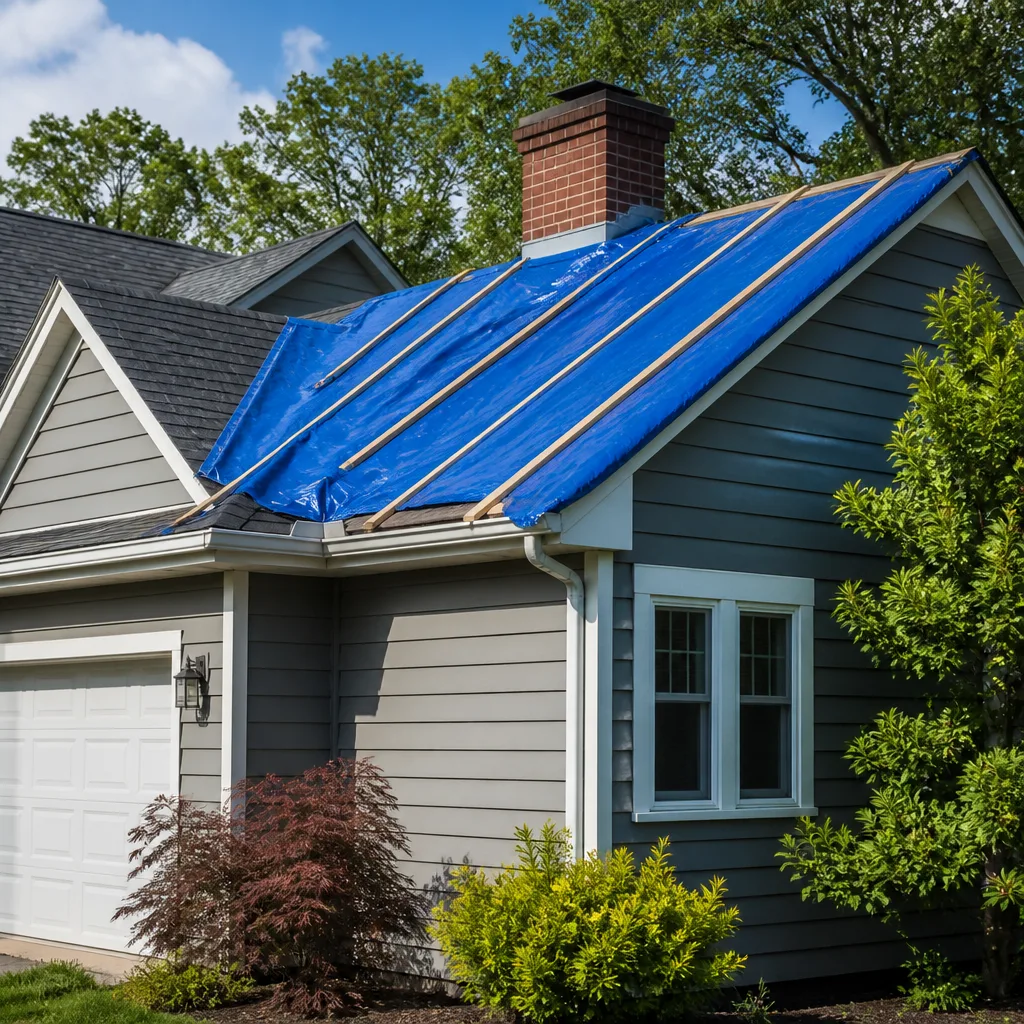
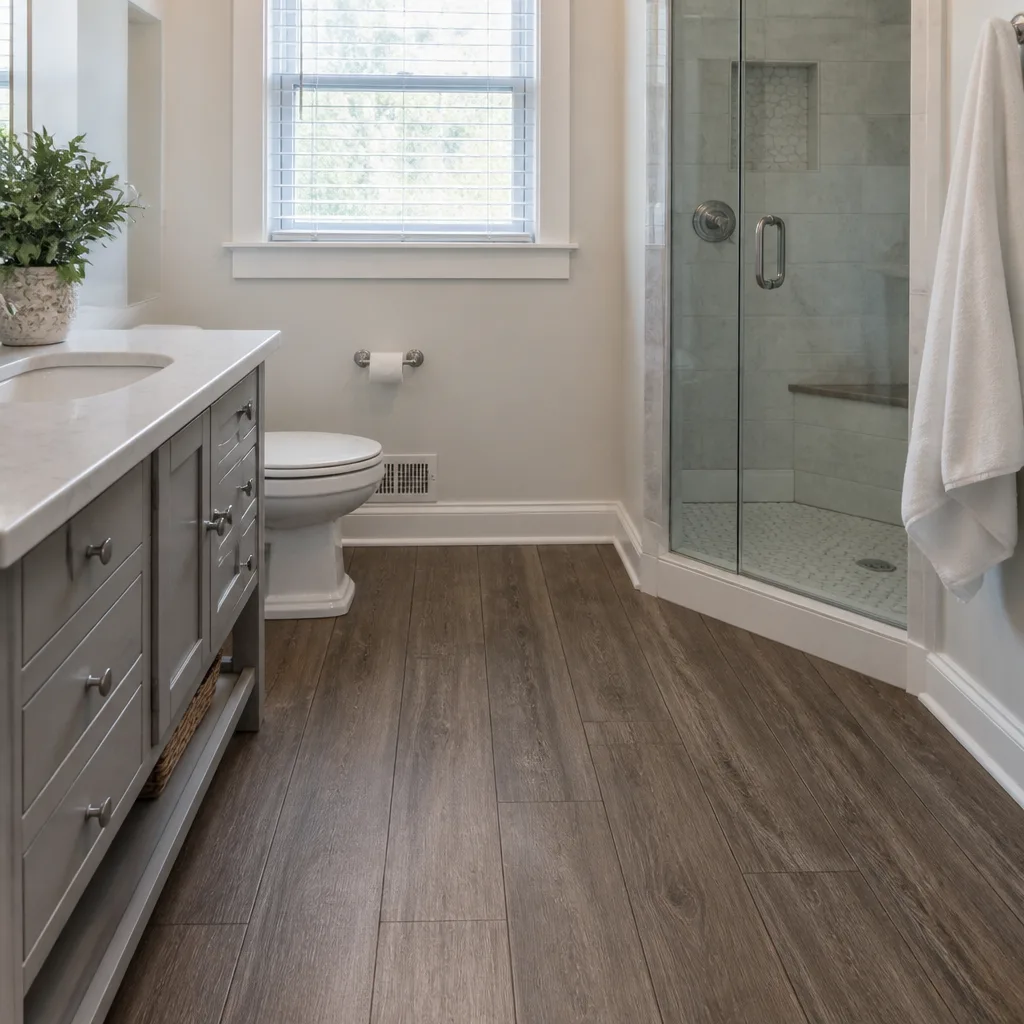
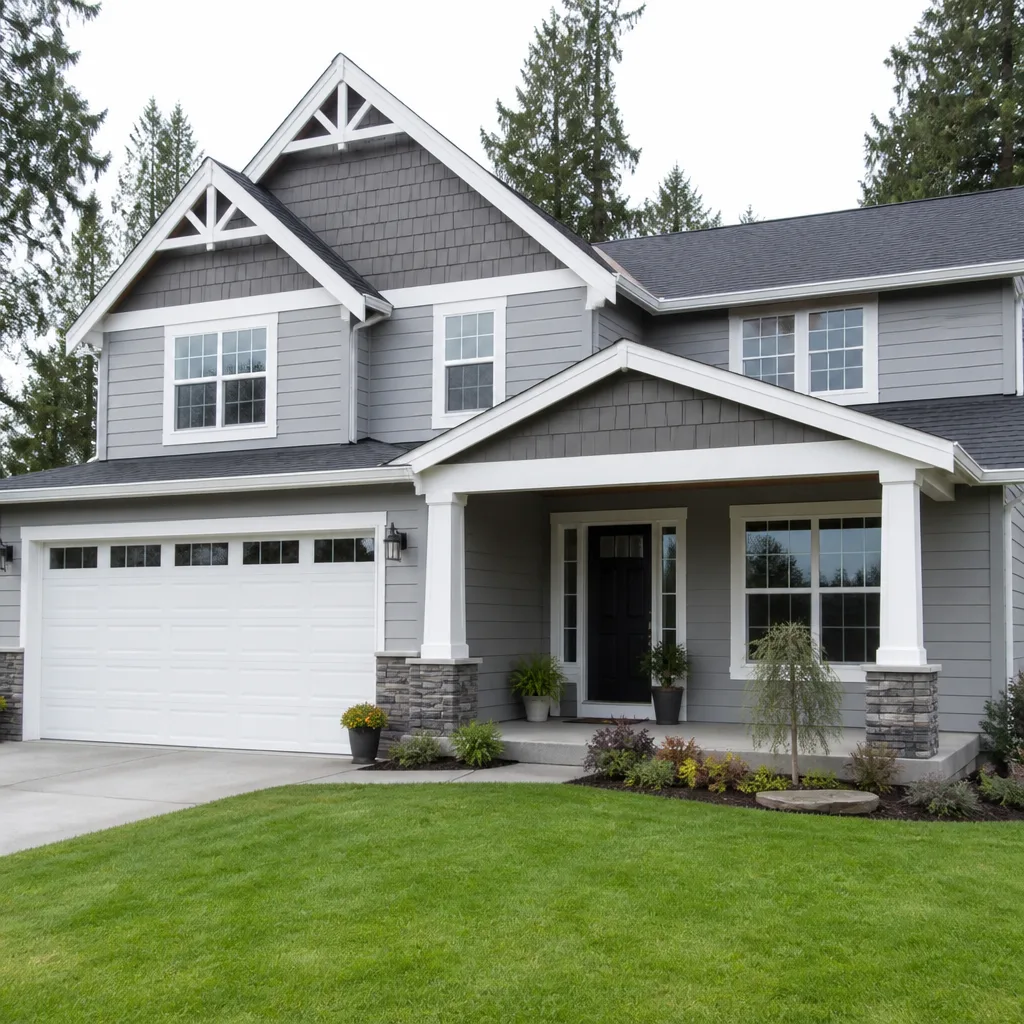
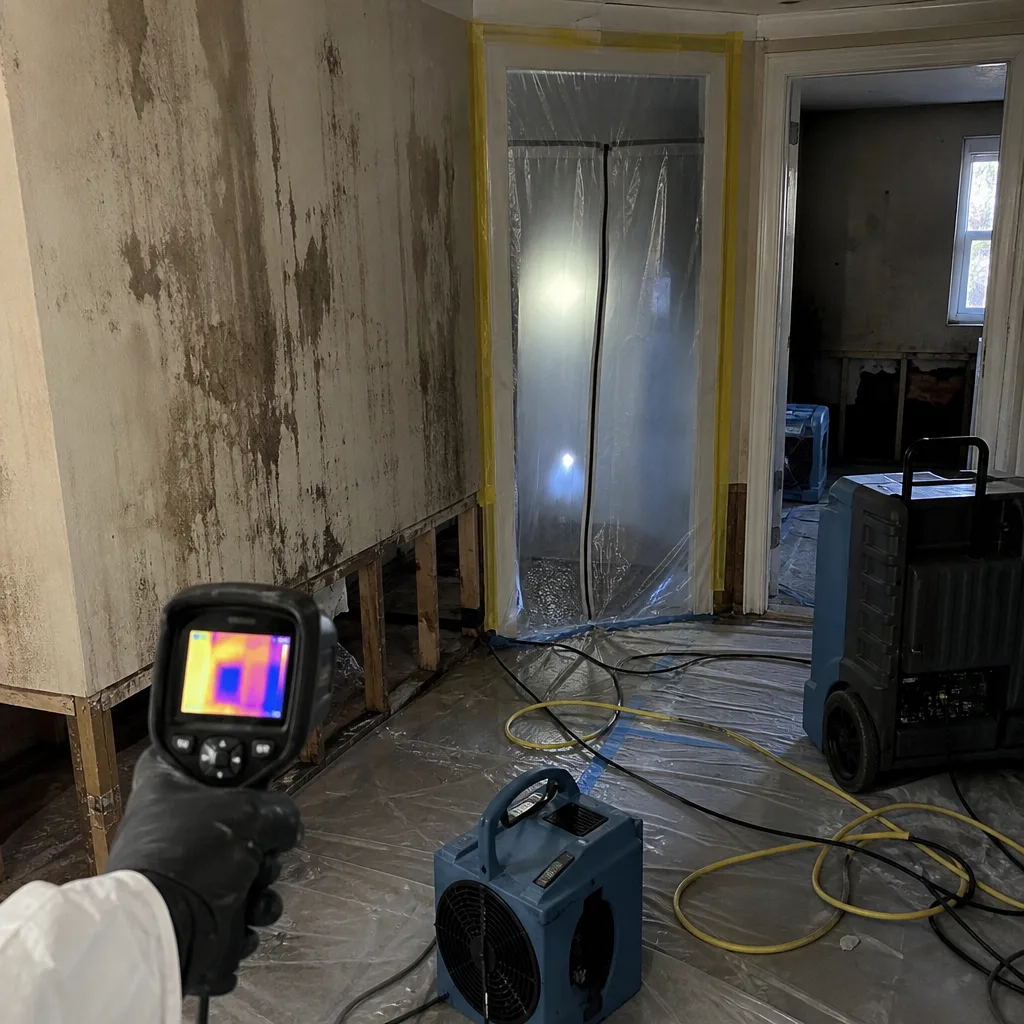 Before
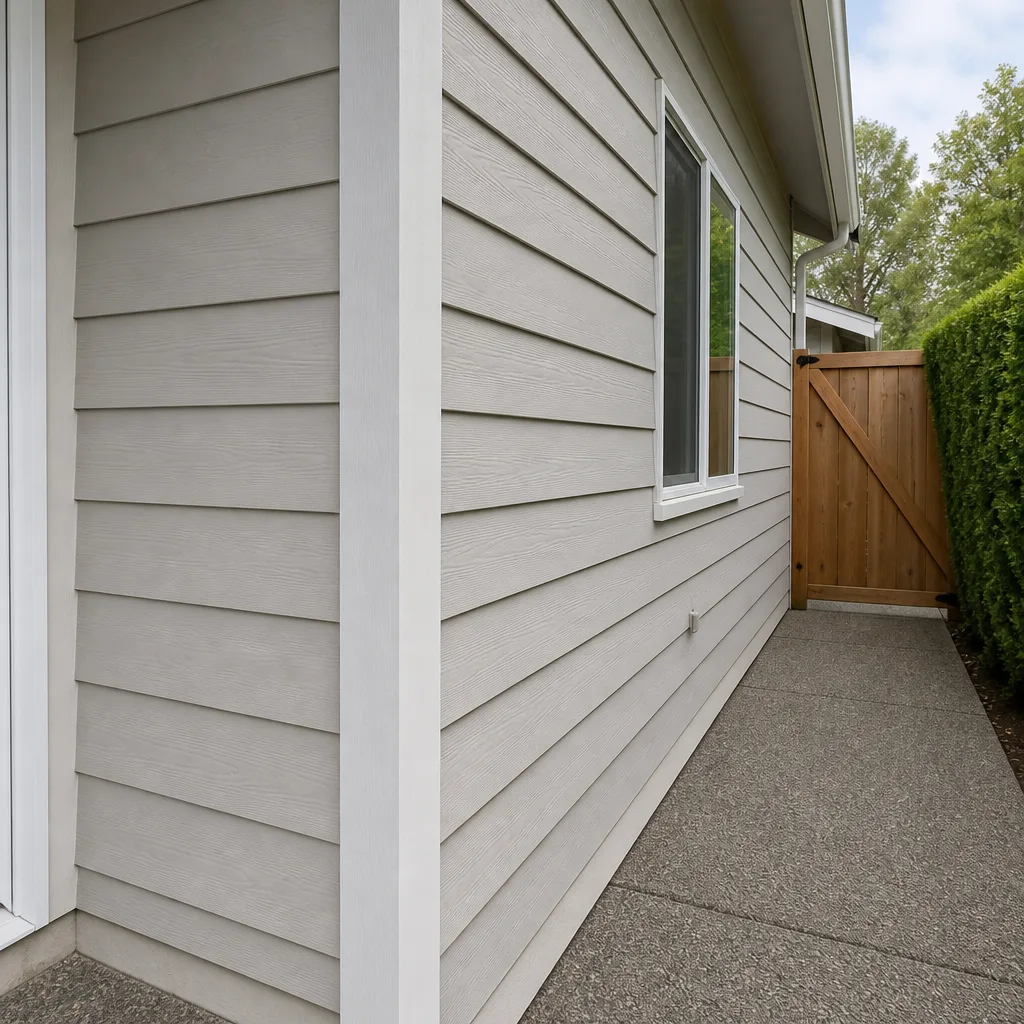 After
After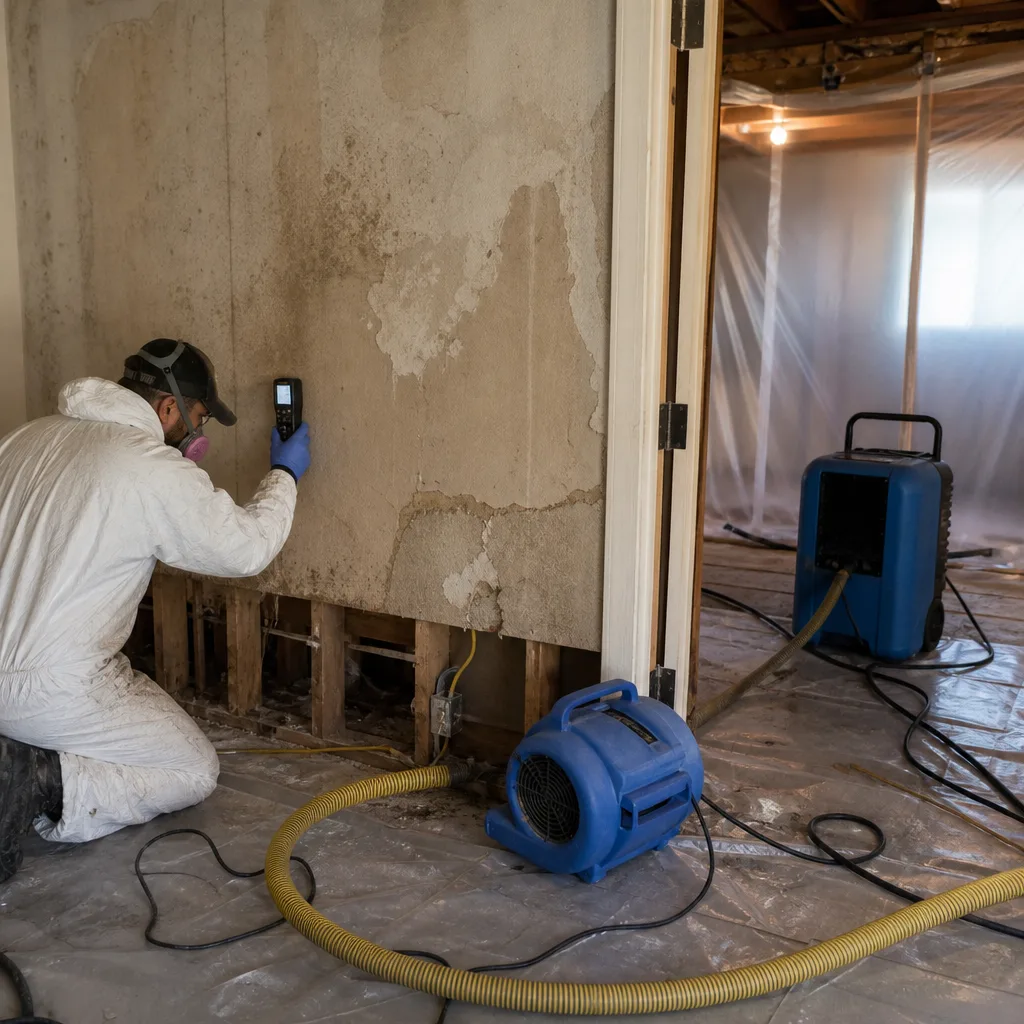 Before
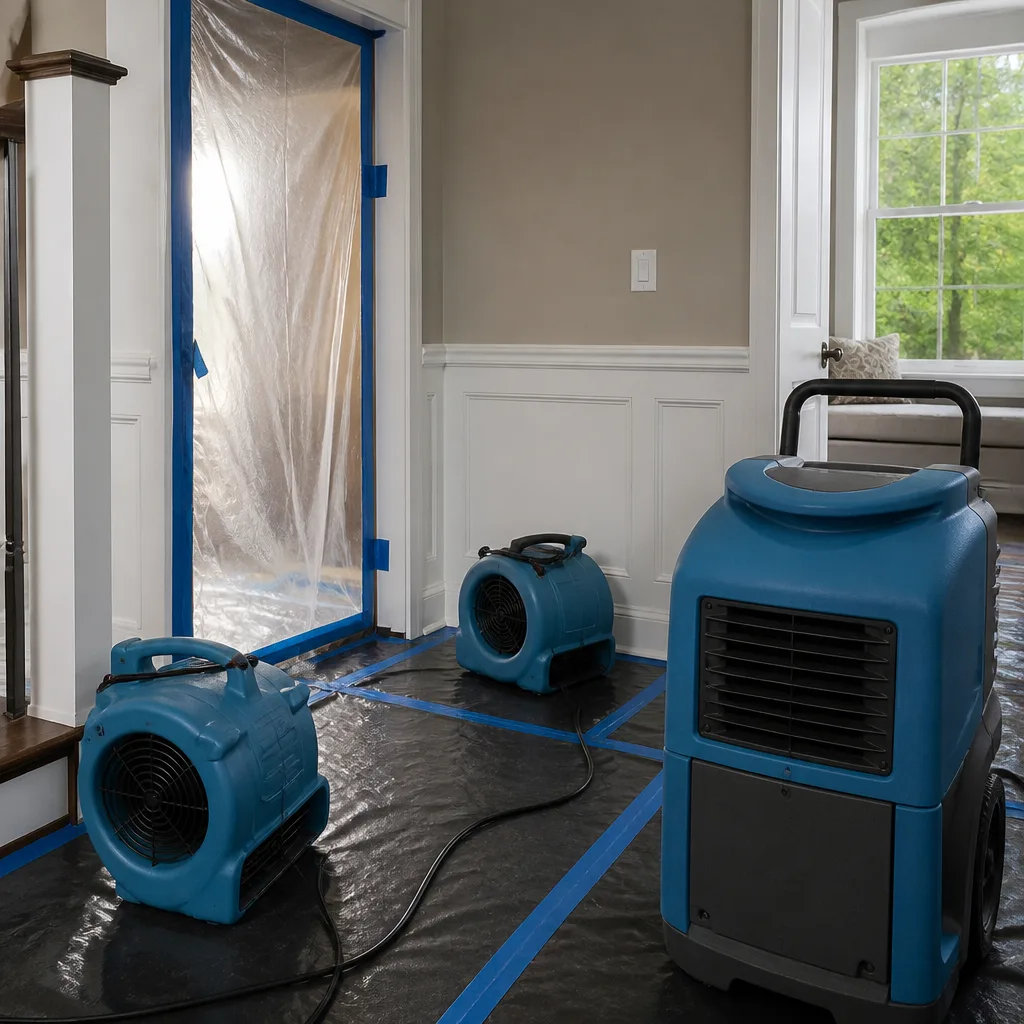 After
After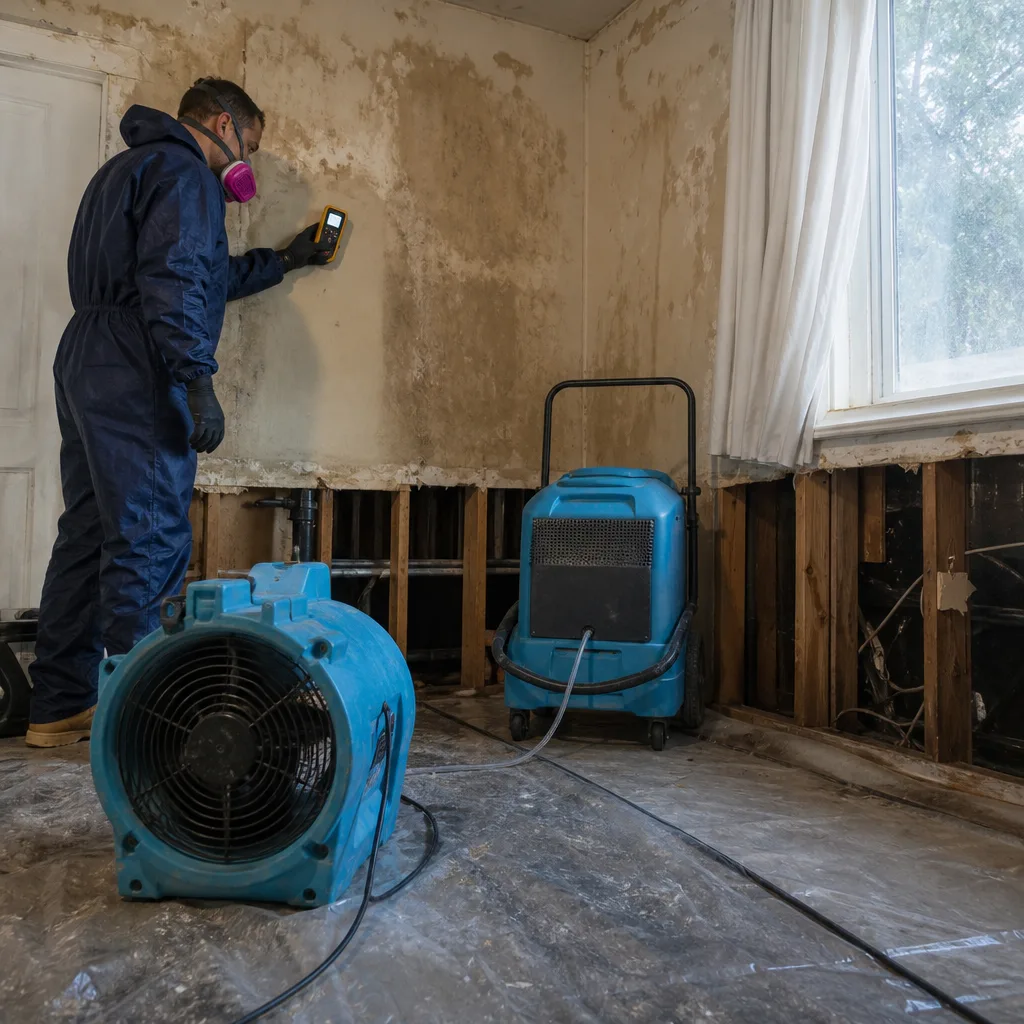 Before
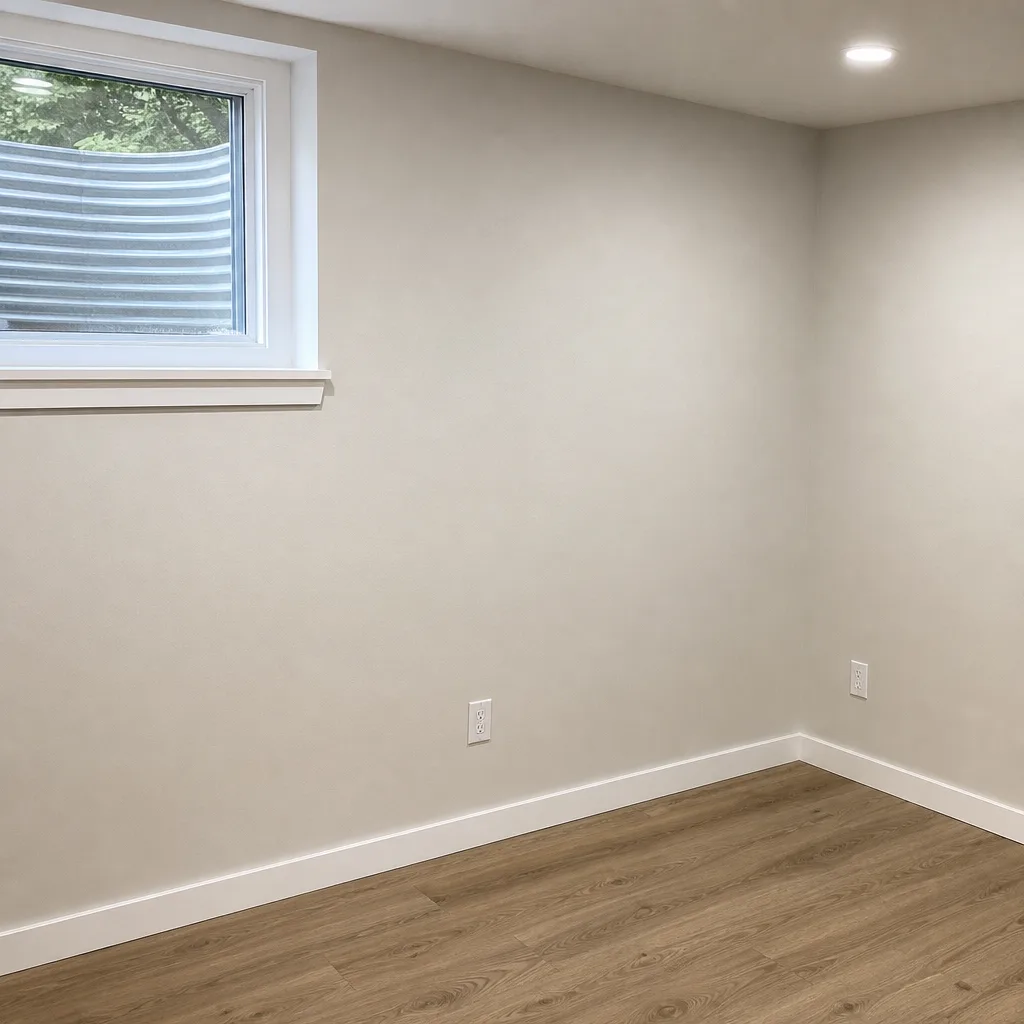 After
AfterFast, Reliable Water Damage Restoration Across Tacoma
Water damage restoration in Tacoma typically runs $2,800-$7,500 for most residential jobs, with emergency extraction starting at $1,200 and full structural drying adding $1,600-$4,200 depending on square footage and material classification. Our crews dispatch to Tacoma from our Seattle coordination office, usually arriving within 60-90 minutes for emergency calls. We know the difference between a tide-flat basement in the Puyallup River floodplain and a North End Victorian with an earthen-floor crawl space, and we treat them differently from the first moisture reading. Call (253) 642-8884 for a written price before any work starts - Haven Standard, Clause 1.
Why DryMark Restoration Tukwila Is Tacoma’s Preferred Water Damage Restoration Company
We’ve restored water-damaged homes in Tacoma since 2011, from Stadium District Craftsman bungalows to mid-century ranches in the North End. Our Water Damage Restoration team has logged over 12,000 jobs, every one with a written price before work began and a photo record on every visit.
Tacoma customers find us because they read the three-star reviews. They want to know how we handle documentation when an adjuster pushes back. Our answer: daily drying logs, psychrometric data, and moisture readings by room, documented to IICRC standards. The invoice becomes a file an insurer pays without a fight.
Response time to Tacoma averages under 90 minutes for emergency calls. Our live dispatch answers every call, 24 hours a day, 7 days a week - no voicemail trees while water is still moving through your walls.
Local knowledge matters here. Tacoma’s pre-1945 housing stock, the Commencement Bay marine humidity, and the ASARCO smelter plume in the north end create restoration challenges that don’t exist in Seattle or Olympia. Our technicians check the Washington Department of Ecology’s Tacoma Smelter Plume parcel lookup before disturbing soil or debris in crawl spaces. Properties inside the boundary require HEPA containment and regulated disposal. Most competitors skip this step.
Our Water Damage Restoration Services in Tacoma
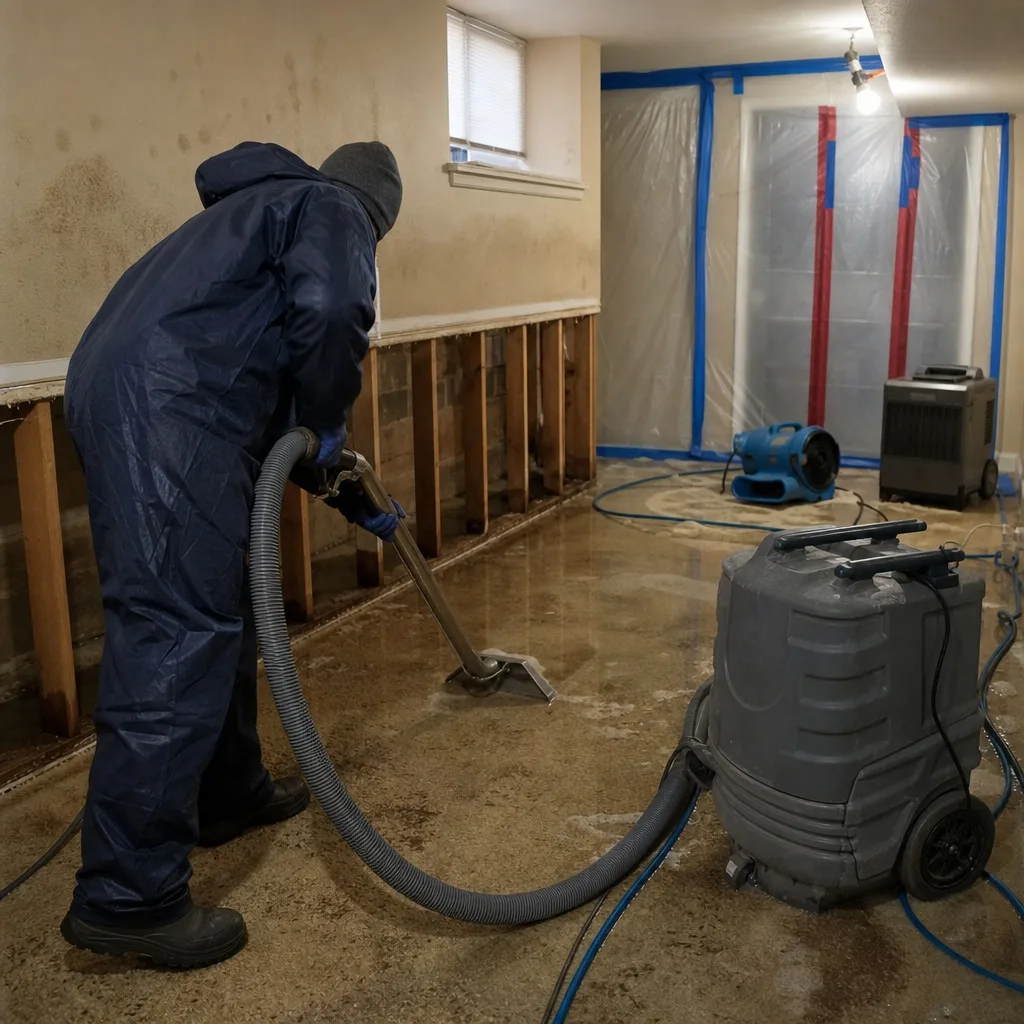
Emergency Water Extraction
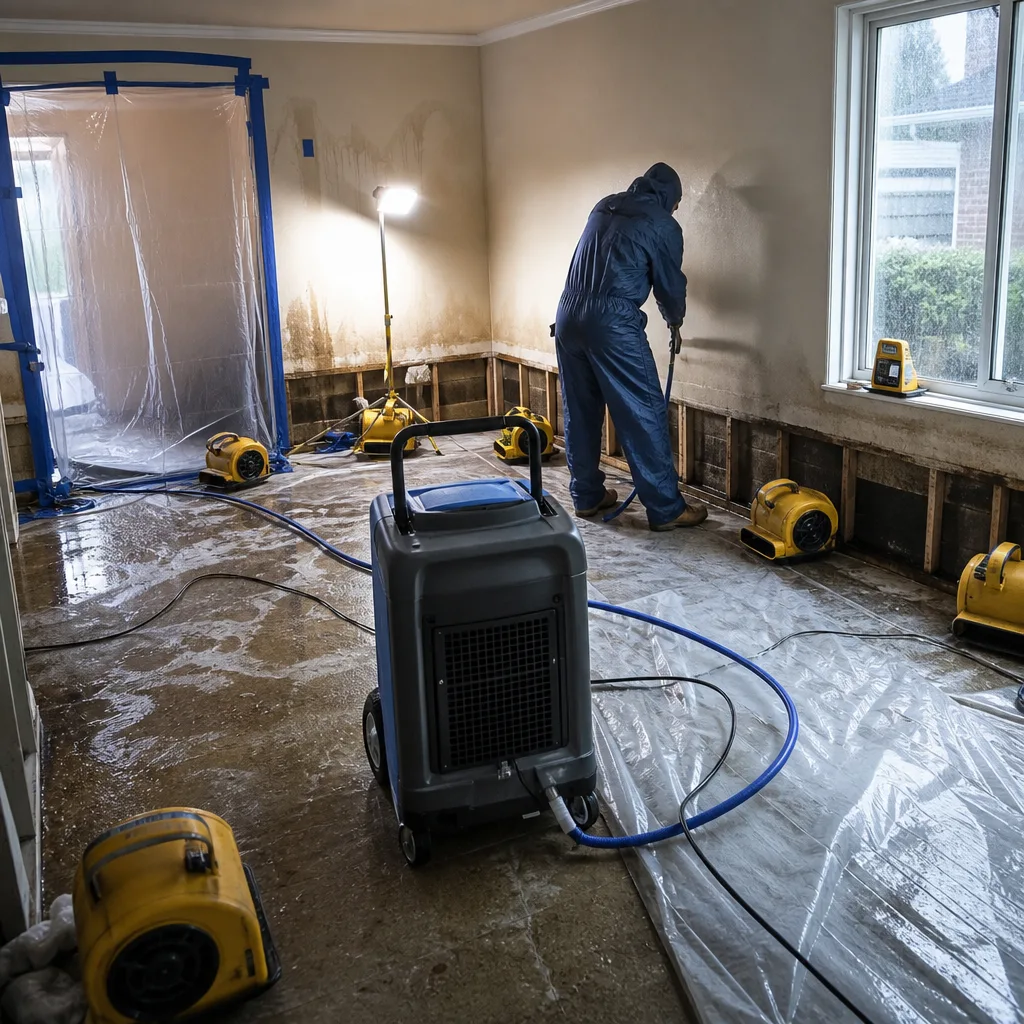
Tacoma’s near-constant marine humidity from Puget Sound and Commencement Bay compresses the window between water intrusion and active mold colonization to as little as 24 hours - faster than interior Pacific Northwest cities. We extract standing water with truck-mounted systems and portable units from Dri-Eaz and B-Air, then document the starting moisture content of every affected material before the first air mover starts. A written price is delivered before extraction begins, every time. Haven Standard, Clause 1.
Structural Drying & Dehumidification
Old-growth Douglas fir framing, common in Tacoma’s pre-1945 homes, is dense and slow to release absorbed moisture. Technicians accustomed to modern-lumber builds often declare a structure dry on a standard three-day schedule, only to have moisture readings spike days later. We log daily psychrometric data - temperature, relative humidity, and vapor pressure differential, which is the force that actually drives moisture out of materials - and extend drying protocols when the wood demands it. Our Injectidry systems deliver targeted drying to wall cavities and subfloors without demolition.
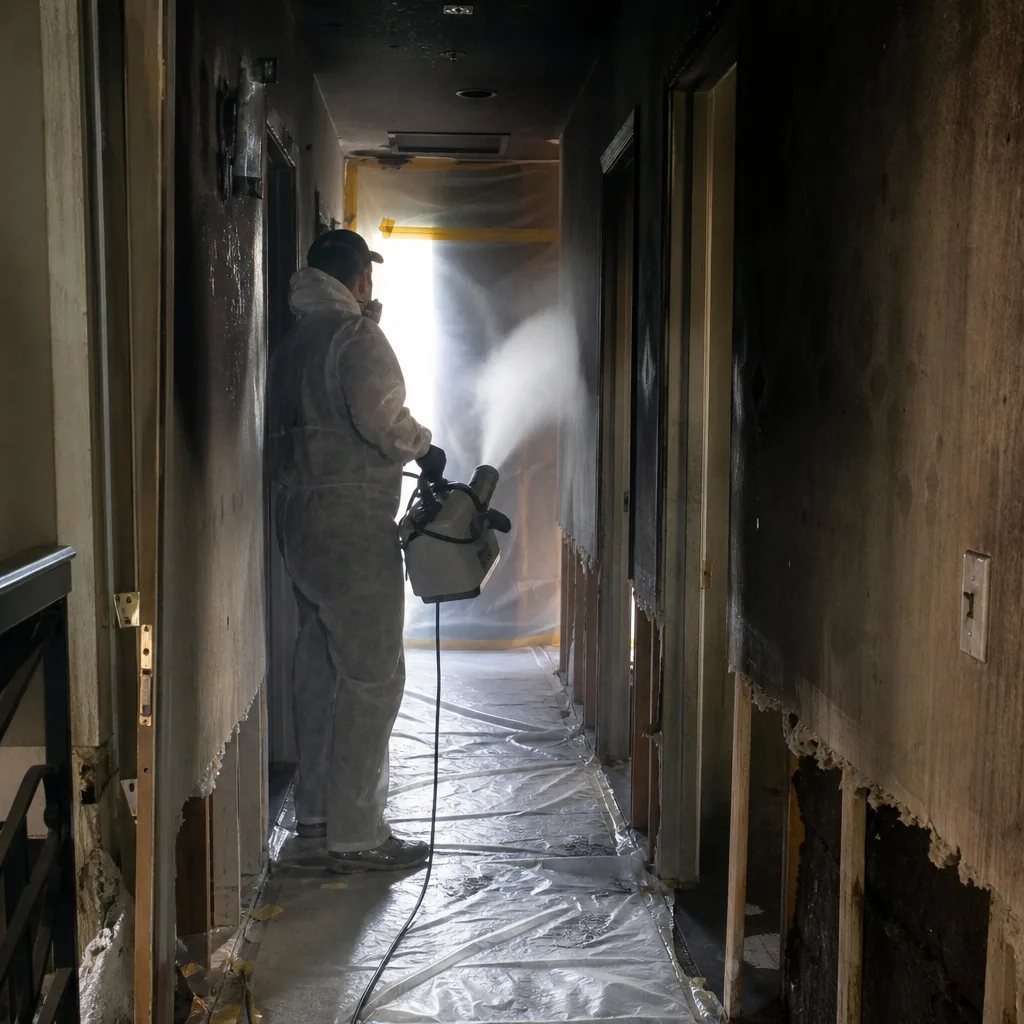
Flood Cleanup
The lower Puyallup River floodplain along Tacoma’s southern and eastern edges generates recurring flood-damage events during November-January atmospheric river storms. Tide-flat and industrial district neighborhoods see seasonal surges in emergency calls. Flood cleanup here means Category 3 water classification - groundwater and sewage backflow - with full antimicrobial treatment and regulated disposal. We photo-document every stage for adjuster coordination.
Burst Pipe Restoration
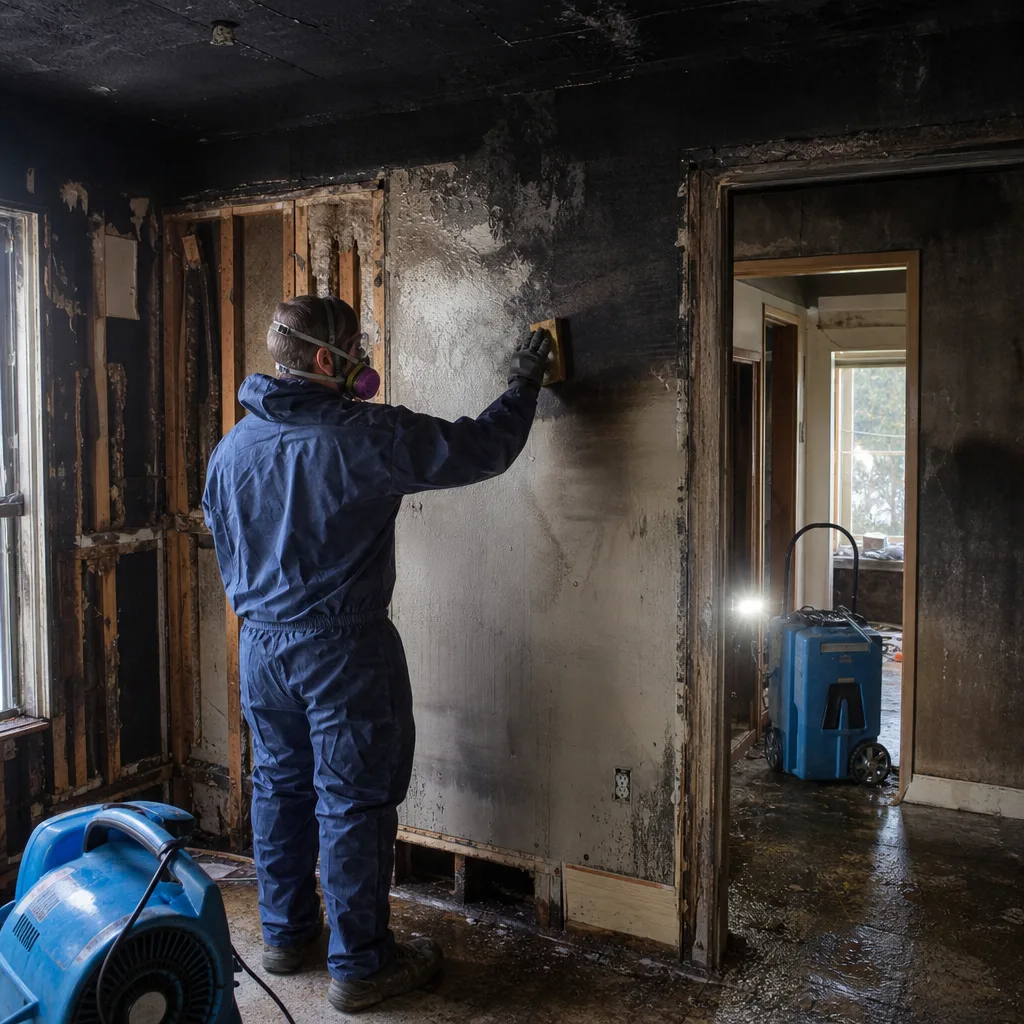
Tacoma’s older homes often retain original galvanized or cast-iron plumbing, corroded past reliable service life. A burst pipe in a Stadium District Victorian can release thousands of gallons into walls with lath-and-plaster construction that wicks water differently than modern drywall. We map the moisture migration with thermal imaging, remove only what must come out, and dry the rest in place when structurally sound.
Basement Water Removal
Tacoma basements, particularly in the tide-flat areas near the Puyallup River, face hydrostatic pressure and seasonal groundwater intrusion. We pump to exterior drainage, then install temporary dehumidification while assessing whether permanent waterproofing is needed. Every basement job includes a written scope and photo record before we leave.
Ceiling & Roof Leak Water Damage
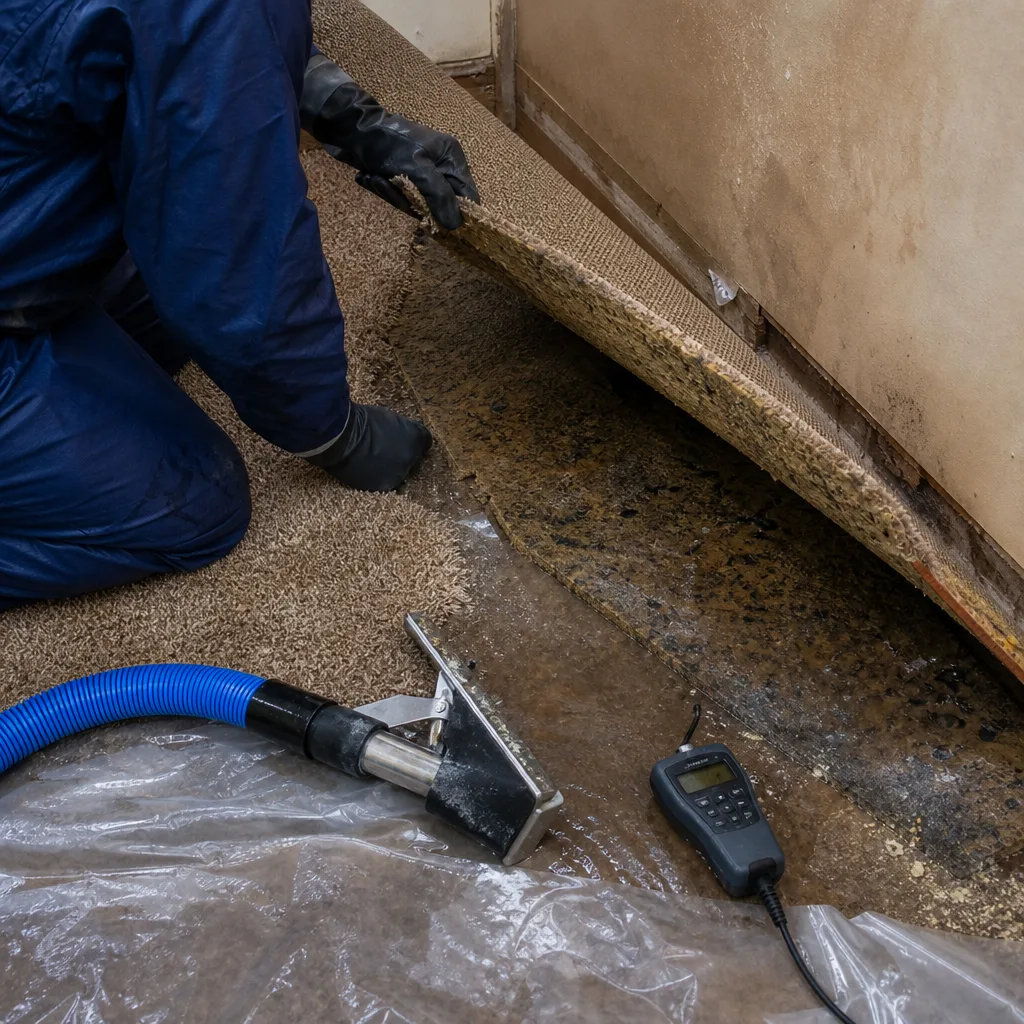
Roof leaks in Tacoma’s rainy season often travel along rafters before appearing as ceiling stains, meaning the visible damage understates the affected area. We trace the water path, document the full extent, and dry the cavity without unnecessary ceiling removal when possible.
What happens when you call
- 1
A real person answersNo phone trees - you reach a local pro.
- 2
You get an upfront price rangeHonest numbers before anyone is dispatched.
- 3
A background-checked tech heads outLicensed & insured, dispatched right away.
- 4
You approve before work beginsNothing starts until you say go.
 Before
 After
AfterTrusted Brands We Service in Tacoma
Our equipment inventory includes professional-grade drying systems from Dri-Eaz, Phoenix, and Injectidry, with B-Air portable extractors for tight-access jobs. We stock HEPA containment supplies sized for Tacoma’s smaller crawl spaces and older home footprints. Parts and replacement dehumidifier filtration are on hand locally, so we’re not waiting on shipping while your structure sits wet. All work is documented to IICRC and RIA standards, producing the daily moisture logs that turn restoration invoices into payable insurance claims.
Common Water Damage Restoration Problems We See in Tacoma Homes
- Old-growth Douglas fir framing that won’t release moisture on standard schedules. A pre-1945 bungalow in the North End can read “dry” on day three, then spike to 18% moisture content on day five when the dense wood finally begins to equalize. We extend protocols based on readings, not calendars.
- Earthen-floor crawl spaces with no vapor barrier, re-wetting after extraction. Commencement Bay marine moisture rises through bare soil year-round. We check for vapor barriers on every crawl space job and install temporary containment when missing.
- Missing the smelter-plume parcel check on north-end jobs. A crawl space in the EPA-mapped ASARCO plume boundary requires HEPA containment, specific PPE, and regulated disposal of excavated material. Treating arsenic- and lead-laden soil as ordinary debris creates liability for the homeowner and contractor both.
- Atmospheric river flooding in the Puyallup River floodplain. November through January brings recurring surge events to tide-flat neighborhoods. Category 3 floodwater requires full antimicrobial protocol, not just extraction and drying.
Pricing for Water Damage Restoration in Tacoma, WA
Most residential water damage restoration in Tacoma falls between $2,800 and $7,500, with the final cost driven by water classification, affected square footage, and whether hazardous material protocols apply.
| Service | Tacoma Price Range |
|---|---|
| Emergency water extraction (up to 1,000 sq ft) | $1,200-$2,400 |
| Structural drying & dehumidification | $1,600-$4,200 |
| Category 3 flood cleanup (per affected area) | $3,500-$8,500 |
| Basement water removal with pump-out | $1,800-$3,600 |
| Smelter-plume hazmat protocol (north-end crawl spaces) | Adds $1,200-$2,800 |
What moves the number: water classification (clean, gray, or black), whether demolition is required, the presence of regulated material in the ASARCO plume zone, and extended drying for old-growth framing. We deliver a written price before any work starts - no scope-creep additions once the crew is inside. Bring a competitor’s written estimate and we’ll review it free. Call (253) 642-8884.
We Also Serve Cities Near Tacoma
Our crews respond throughout the south Puget Sound metro, including Tacoma, Puyallup, Federal Way, Auburn, and Kent. Dispatch and scheduling are coordinated from our Seattle office; crews serve each city locally with the same documentation standards and written-price guarantee.
Serving Tacoma, WA - Our Local Coverage Area
We’re based in the Tacoma area and know this community well. Use the map below to see our service coverage - if you’re nearby, we can almost certainly help.
FAQs - Water Damage Restoration in Tacoma
Mold colonization can begin in 24 hours in Tacoma crawl spaces due to the near-constant marine humidity from Commencement Bay and Puget Sound. That compressed timeline makes rapid-response extraction critical even on relatively minor leaks. We arrive with moisture meters and air movers, not promises. Call (253) 642-8884 for emergency dispatch.
North Tacoma’s pre-1945 homes with old-growth Douglas fir framing and unvented, earthen-floor crawl spaces require extended drying protocols that can add two to four days beyond standard schedules. The dense wood releases moisture slowly, and bare soil without vapor barriers reintroduces humidity from below. We log daily moisture readings and don’t sign off until the structure passes, not when the calendar says we should.
Restoration work that disturbs soil or debris inside the EPA-mapped Tacoma Smelter Plume boundary must follow hazardous material protocols: HEPA containment, specific personal protective equipment, and regulated disposal of excavated material. We check the Department of Ecology parcel lookup before every north-end crawl space job. This converts routine water damage restoration into a documented hazmat-tier project with distinct insurance requirements - a compliance layer Seattle and Olympia contractors never face.
Category 3 water - groundwater, sewage backflow, or floodwater - generally requires removal of porous materials that cannot be sanitized in place: carpet pad, baseboard, and lower drywall sections. Non-porous materials like concrete and tile can sometimes be dried and treated with antimicrobial application. We make this call based on moisture mapping and material classification, then document the reasoning in writing for adjuster review.
The lower Puyallup River floodplain along Tacoma’s southern and eastern edges, including tide-flat and industrial district neighborhoods, sees the most recurring flood damage during November-January atmospheric river events. These areas combine low elevation with limited drainage infrastructure and proximity to the river’s seasonal surge. If you’re in this zone, we recommend verifying your flood insurance status before the storm season.
Written by Alicia Brennan, Owner at Back to Dry Restoration, serving Tacoma since 2011.