
Last updated September 23, 2026
Free visual inspection and a written scope of work before any mitigation begins - photos, moisture readings, and drying logs go in your claim file
The scope we write is the scope we bill. Anything new gets shown to you, in writing, before we touch it.
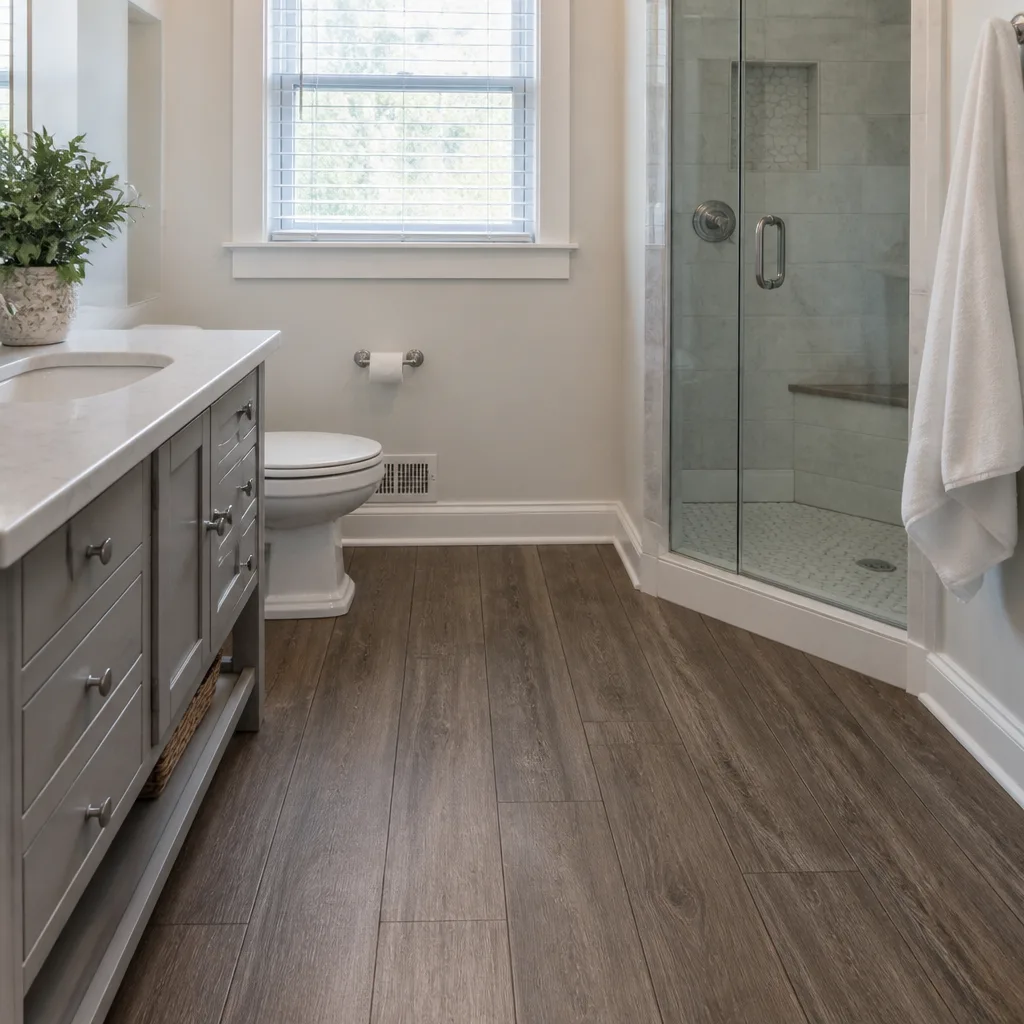
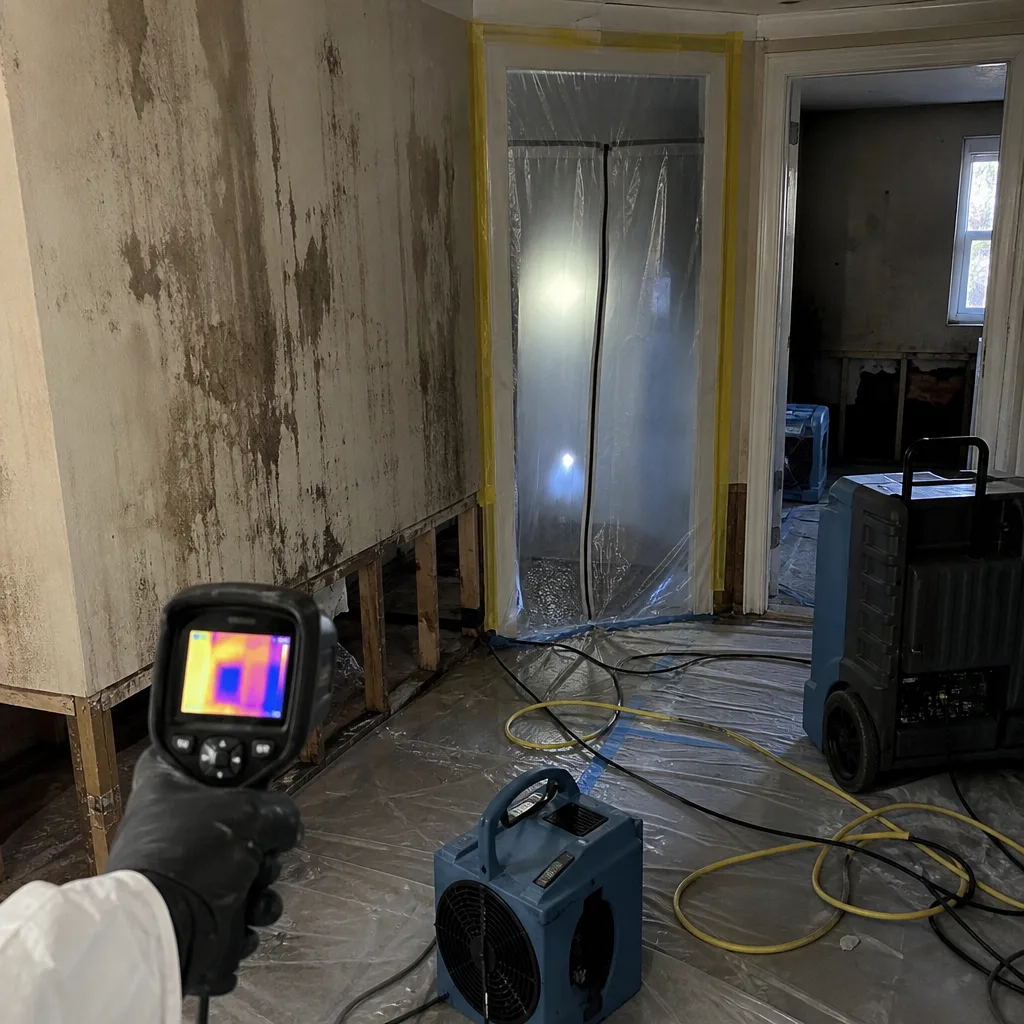 Before
 After
After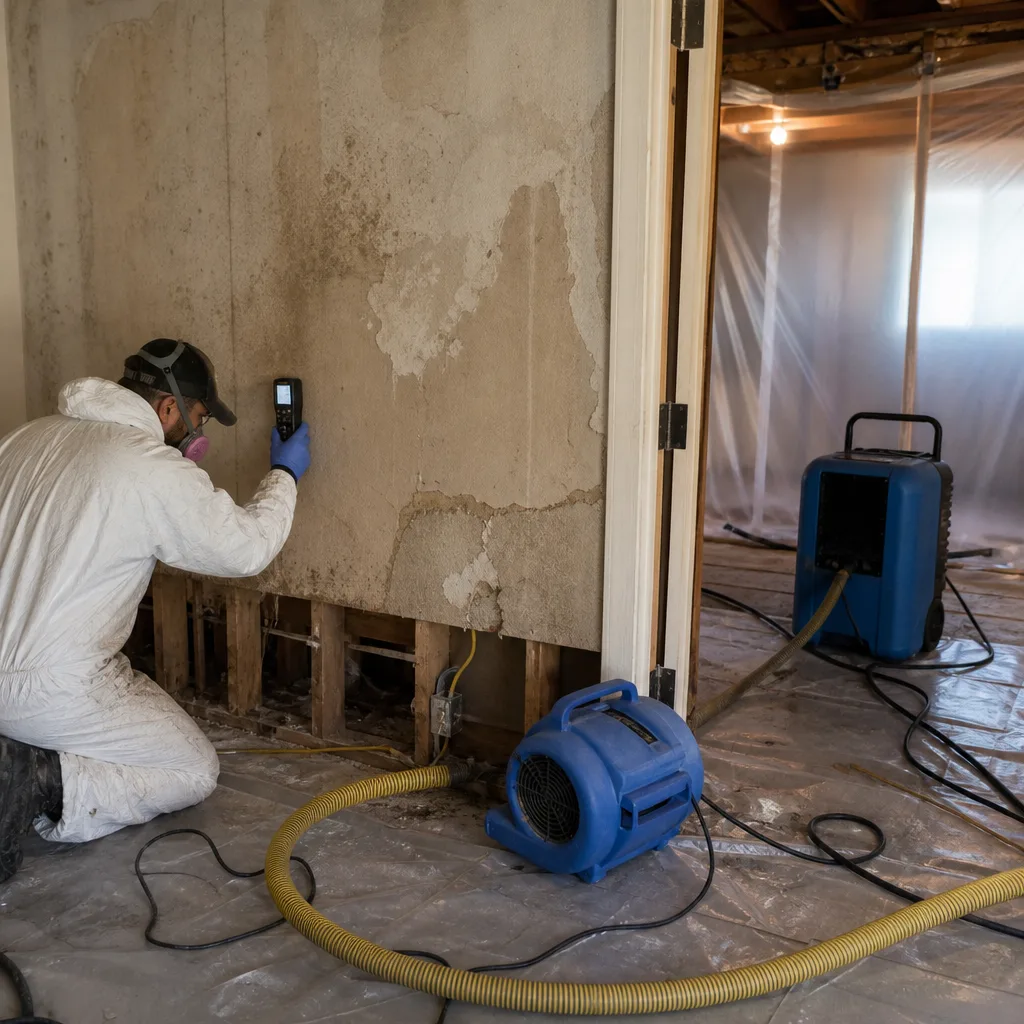 Before
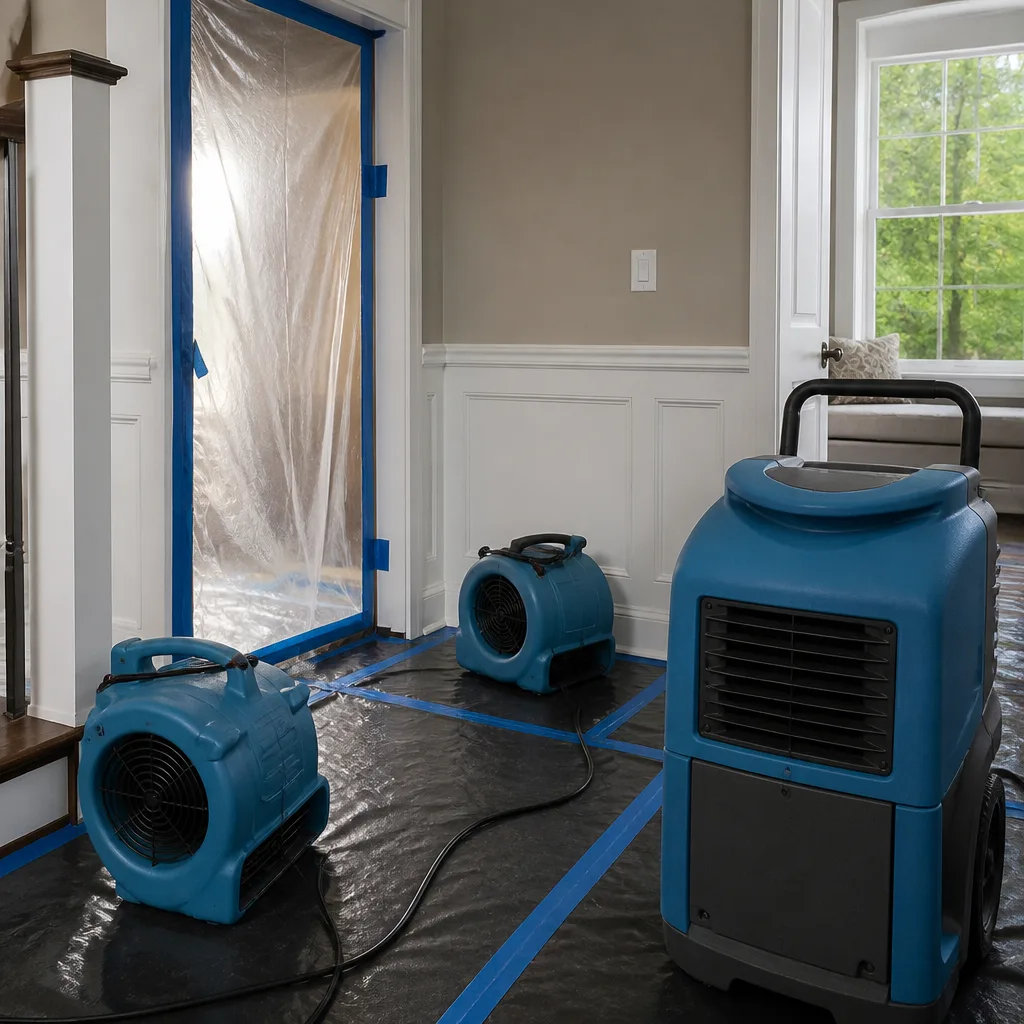 After
After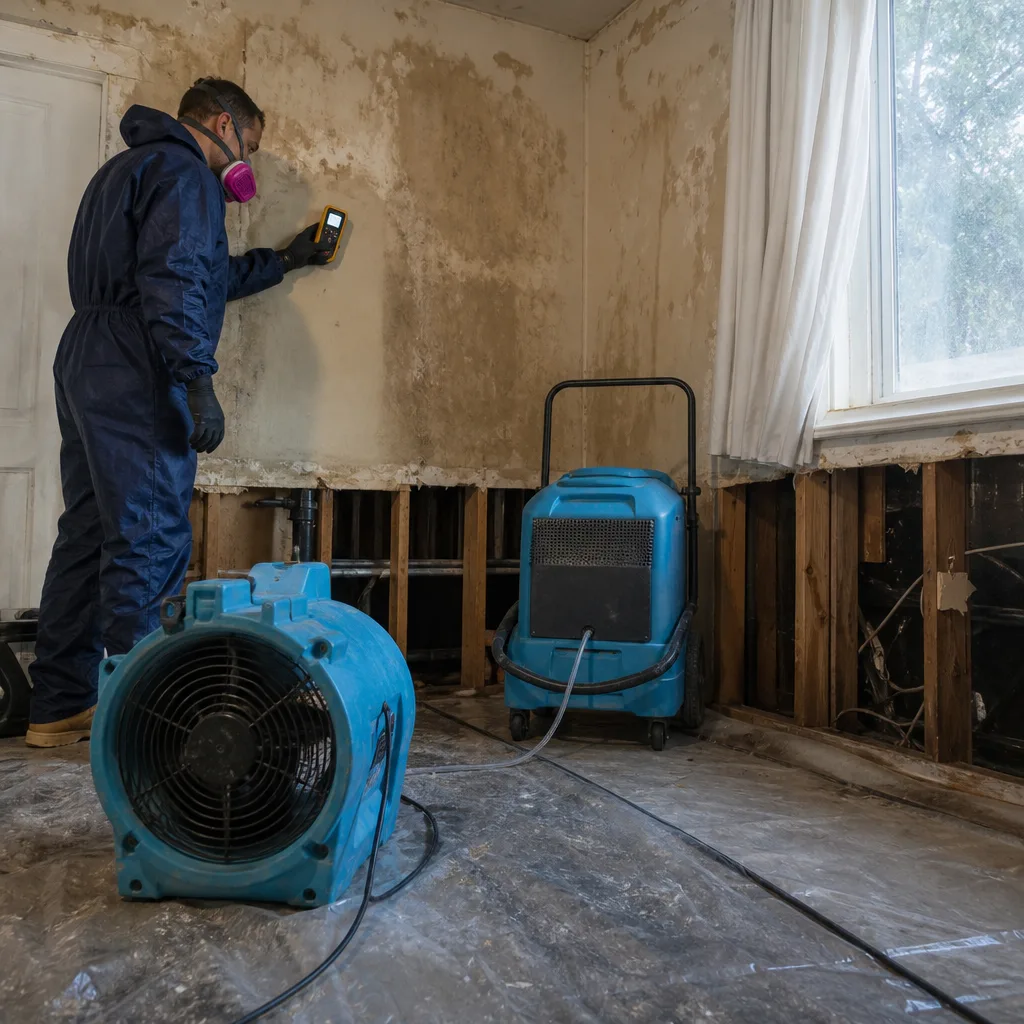 Before
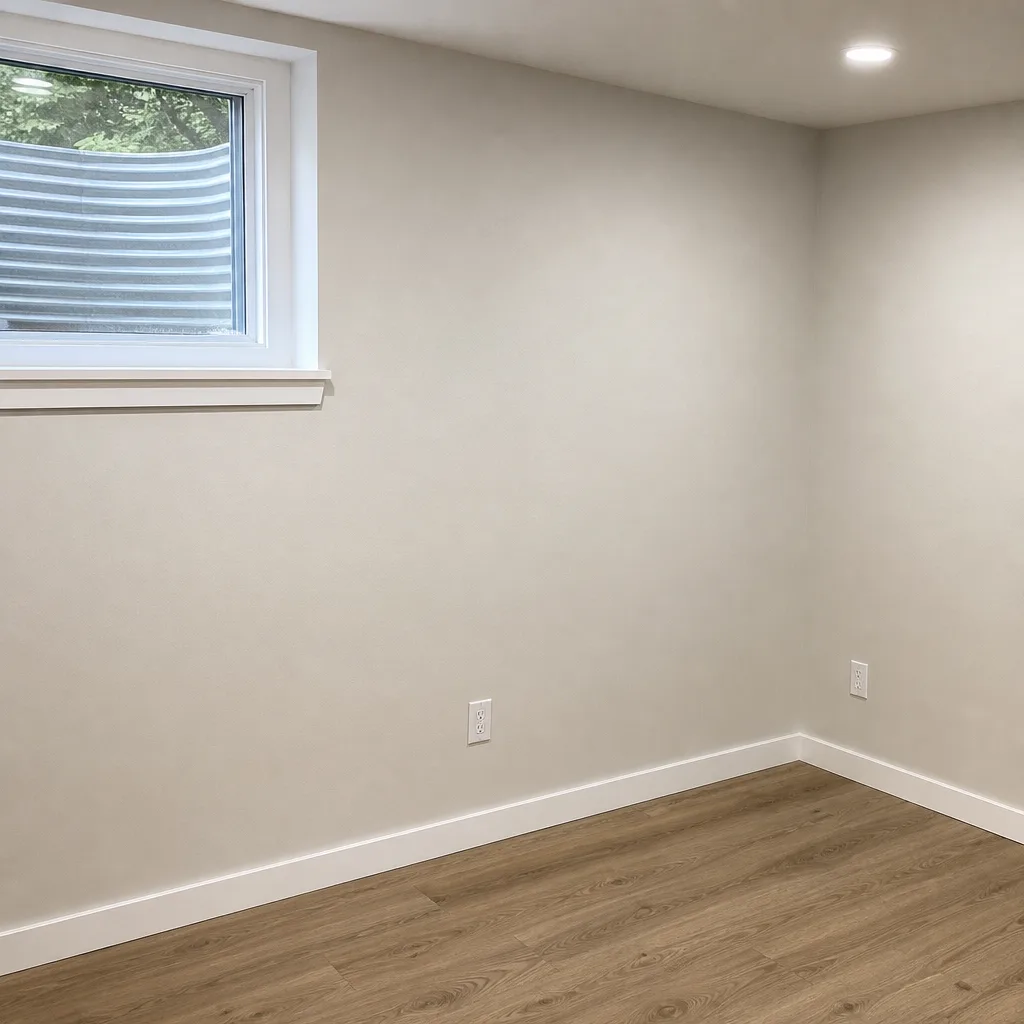 After
AfterWater Damage Restoration Maintenance Checklist for Tukwila Homeowners
The International Residential Code sets interior wood moisture content at 19% or below before mold risk becomes material. Most homeowner checklists never mention that number, which means thousands of Tukwila homeowners are inspecting their crawl spaces, basements, and exterior walls without a pass/fail standard. In this guide, you’ll learn the exact moisture thresholds to measure, when to measure them based on Tukwila’s actual precipitation patterns, and how to document readings in a format that protects your insurance claim if you ever need Water Damage Restoration. We’ve restored over 12,000 homes since 2011, and the properties with documented baseline histories settle faster, cleaner, and with fewer disputes.
Quick Answer
Tukwila homeowners should check wood moisture content monthly during wet season (November through March), maintain readings at or below 19% in structural lumber, and inspect five critical failure points in homes built 1960-1990: galvanized supply lines, original wax toilet rings, unsealed crawl space vents, single-pane window flashing, and cast iron drain lateral connections. Document every reading with date, location, and photo to build a property history that supports future insurance claims.
Table of Contents
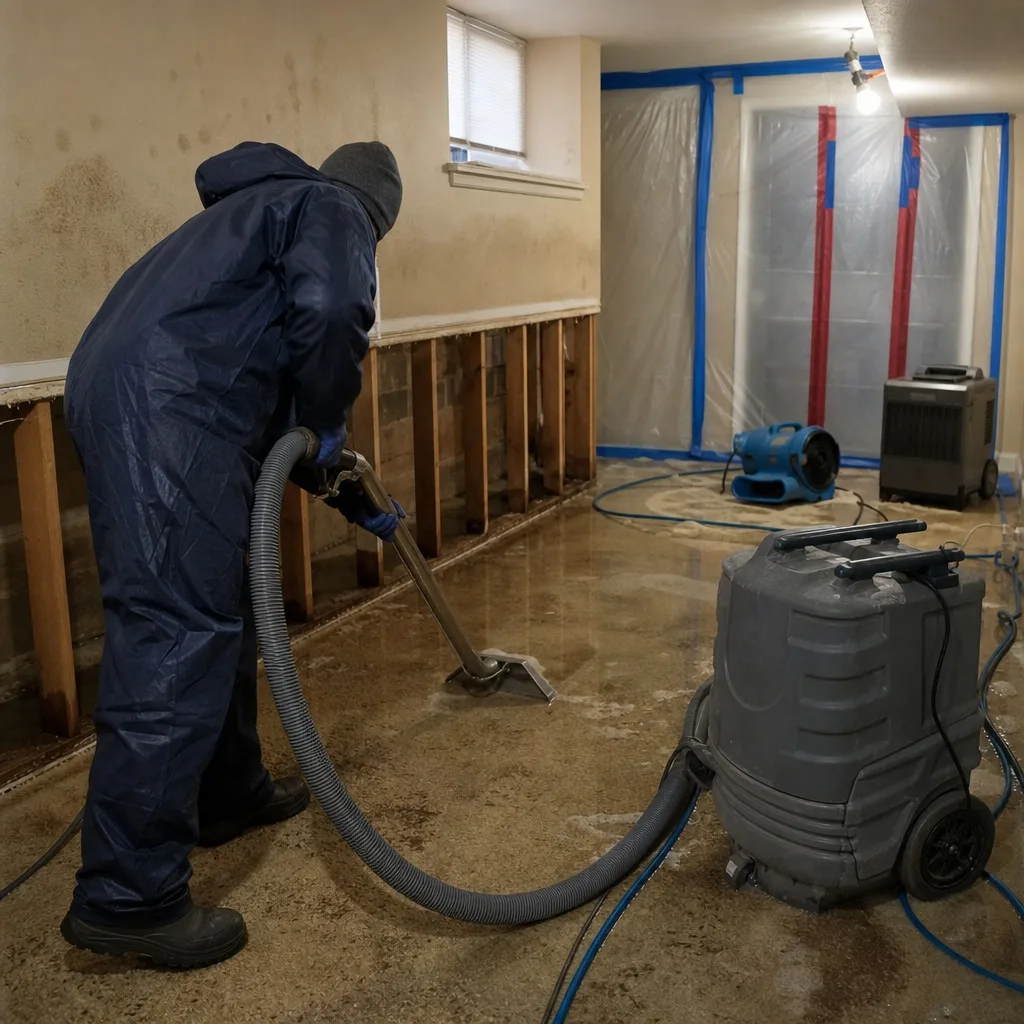
- Why Threshold Numbers Matter More Than Visual Checks
- Room-by-Room Moisture Reading Benchmarks for Tukwila Homes
- The Tukwila Maintenance Calendar: When to Check What
- The Five Components That Fail First in Tukwila Homes (1960-1990)
- How to Document Baseline Readings for Insurance Claims
- What to Photograph and Record After Any Water Intrusion Event
- Tools and Meters: What to Buy and What to Skip
- Common Mistakes to Avoid
- When to Call a Professional
- Frequently Asked Questions
- The Bottom Line
 Before
 After
AfterWhy Threshold Numbers Matter More Than Visual Checks
Visual inspection is where most homeowners start, and it’s where most homeowners stop. Water stains, warping, and musty smells indicate damage that has already progressed. By the time you see it, microbial growth may be established, structural fasteners may be corroding, and your insurance adjuster may question whether the loss was “sudden and accidental” or the result of long-term neglect.
Threshold numbers change the game. A pin-type moisture meter gives you an objective reading that photographs clearly, timestamps automatically on most smartphone cameras, and creates a defensible record. In our work across Tukwila and South King County, the homes with documented moisture histories settle claims in roughly half the time of properties with only verbal descriptions of “it seemed damp down there.”
The key thresholds every Tukwila homeowner should know:
- Structural lumber (framing, joists, studs): ≤19% moisture content per IRC R317.1. At 20% and above, wood-decay fungi become active; at 28%, rot organisms thrive.
- Concrete slab (basement floor, garage): ≤4.5% moisture vapor emission rate (MVER) for flooring installation; ≤75% relative humidity in slab equilibrium for general occupancy.
- Subfloor (plywood or OSB above crawl space): ≤16% for sustained periods; spikes to 20% after heavy rain are normal if they drop within 48-72 hours.
- Drywall (interior walls, ceilings): ≤1% above ambient equilibrium; sudden jumps of 3% or more indicate active moisture intrusion.
- Crawl space air: ≤60% relative humidity; above 70% for more than 48 hours creates conditions for mold colonization on organic surfaces.
These numbers are not arbitrary. The 19% lumber threshold appears in the International Residential Code because it represents the equilibrium moisture content where fungal decay transitions from theoretical risk to active biological process. In Tukwila’s marine west coast climate, with average annual precipitation of 37 inches concentrated October through May, maintaining these thresholds requires active management, not passive hope.
We use professional-grade meters from Delmhorst and Protimeter on every job, calibrated to IICRC S500 standards. For homeowners, a consumer-grade pin meter costing $40-$80 provides sufficient accuracy for baseline documentation. The critical factor is consistency: same meter, same depth setting, same seasonal schedule.
Room-by-Room Moisture Reading Benchmarks for Tukwila Homes
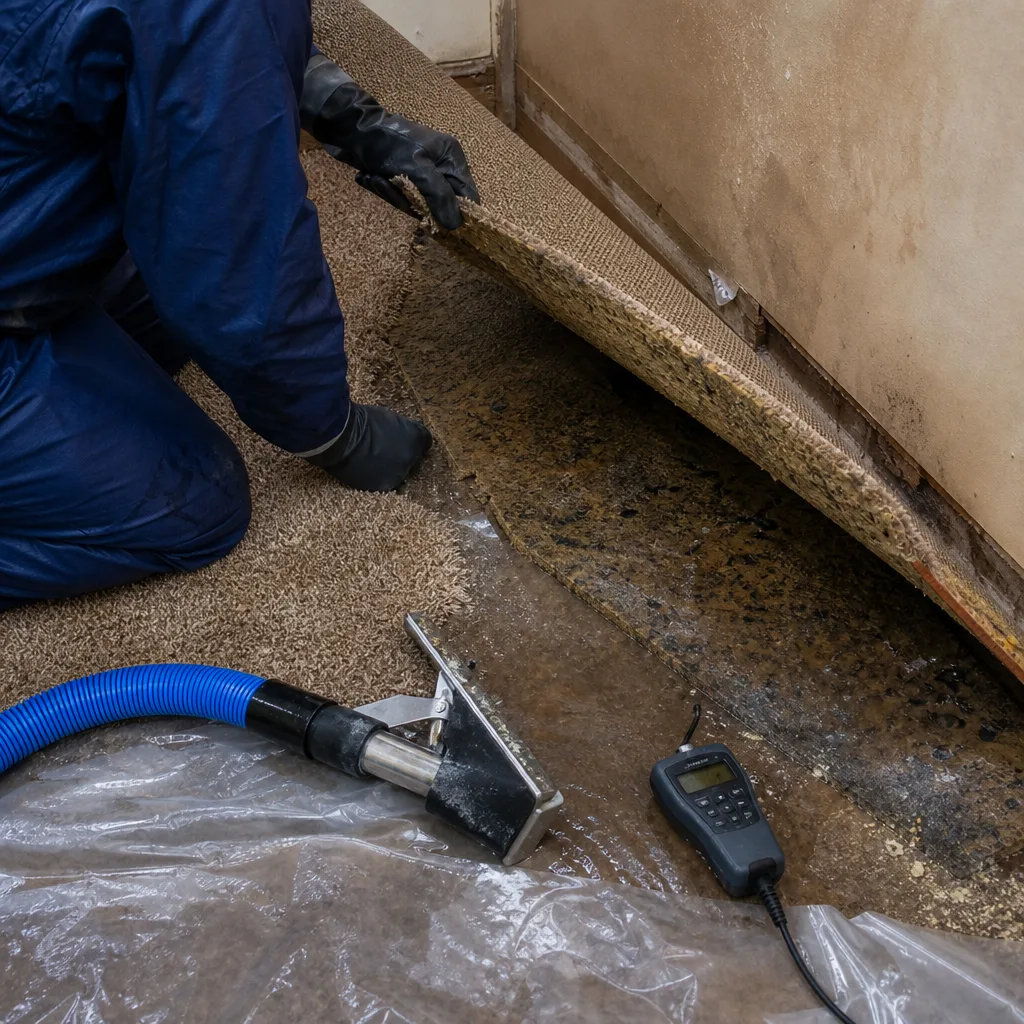
Not all spaces in a Tukwila home share the same risk profile. The Duwamish River valley location, combined with the high water table in neighborhoods like Allentown and the low-lying areas near Southcenter, creates localized conditions that differ from homes on the East Hill or in Bryn Mawr. These benchmarks account for Tukwila’s specific geography.
Crawl Spaces
Tukwila has thousands of crawl spaces built before modern vapor barrier standards. In our experience, roughly 60% of pre-1990 homes in the city lack adequate ground cover, and many still have original foundation vents that admit humid exterior air during summer months.
Benchmarks to maintain:
- Joist ends and sill plates: ≤19% year-round; readings above 22% require investigation of grade drainage and vent sealing
- Subfloor underside: ≤16% sustained; brief spikes to 20% acceptable after atmospheric river events if resolved within 72 hours
- Ground cover surface (if present): ≤85% relative humidity; condensation on vapor barrier indicates inadequate thickness or perimeter sealing
- Crawl space ambient air: ≤60% relative humidity; 60-70% triggers increased monitoring; above 70% for 48+ hours requires mechanical dehumidification
Take readings at six points minimum: two near the access hatch, two at the midpoint, two at the far corners. Record the location of each with a permanent marker on the joist or a sketch. In Tukwila’s Allentown neighborhood, we’ve found that homes within three blocks of the Duwamish River floodplain consistently run 3-5% higher in crawl space humidity than properties above 400 feet elevation, even with identical construction.
Basements and Slab-on-Grade
Tukwila’s high water table means hydrostatic pressure against basement walls is a constant, not a seasonal concern. The difference between a dry basement and a damaged one is often the condition of the exterior drainage system, which degrades invisibly until failure.
Benchmarks:
- Basement wall base (interior, 6 inches above floor): ≤15% in concrete or block; readings above 18% indicate failed exterior waterproofing or footing drain blockage
- Slab surface (bare concrete): ≤4% moisture content for flooring readiness; general occupancy tolerance is higher but sustained readings above 6% suggest vapor barrier breach
- Stored materials and boxes: ≤60% relative humidity in immediate microenvironment; cardboard absorbs moisture at 70% RH and becomes mold substrate
For slab-on-grade homes common in the Tukwila International Boulevard corridor, test at multiple points: near plumbing walls, near exterior doors, and at the center of the largest open area. Plumbing wall readings that exceed the center point by more than 2% suggest supply line sweating or drain leakage.
Exterior Walls and Window Areas
Tukwila’s wind-driven rain from the southwest, particularly during November atmospheric rivers, tests wall assemblies that were never designed for sustained wetting. Original single-pane windows with aluminum frames, still common in homes built 1965-1985, create thermal bridges that concentrate condensation.
Benchmarks:
- Window sill plate (interior): ≤14% moisture content; spikes above 16% indicate flashing failure or frame seal degradation
- Wall cavity at exterior outlets: ≤1% above ambient interior reading; use deep-wall probes or remove outlet cover and test adjacent drywall
- Bottom plate behind baseboard: ≤16% in wood framing; higher readings suggest grade splashback or weep screed blockage in stucco assemblies
Test window areas during and immediately after heavy rain, not days later. The critical window is the first 4-6 hours of sustained precipitation, when water finds path failures before interior finishes show damage.
Kitchen, Bath, and Laundry
These rooms generate the most interior moisture load and contain the highest concentration of failure-prone plumbing connections. In Tukwila’s older housing stock, galvanized supply lines and original drain fittings create predictable failure patterns.
Benchmarks:
- Cabinet base under sink: ≤12% in plywood or particleboard; any reading above ambient by 3% indicates active leak or chronic condensation
- Behind refrigerator (ice maker line): ≤10% in wall cavity; saddle valves on copper lines fail progressively and often invisibly
- Washing machine box and adjacent drywall: ≤12%; rubber hose deterioration creates slow seepage that accumulates in wall cavities
- Shower/tub surround (base of enclosure): ≤15% in adjacent framing; caulk failure allows capillary wicking into wall structure
The Tukwila Maintenance Calendar: When to Check What
Tukwila’s precipitation pattern is not uniform. The NOAA climate station at Seattle-Tacoma International Airport, just north of city limits, records 75% of annual precipitation between October and April, with November and December each averaging over 5 inches. Atmospheric river events, which deliver 1-3 inches in 24-48 hours, occur most frequently November through January. Summer brings negligible rainfall but creates different risks: dry soil shrinkage that stresses sewer laterals, and temperature swings that expand and contract compromised flashing.
This calendar aligns inspection timing with actual risk periods, not arbitrary monthly reminders.
November: Pre-Storm Baseline
- Record full moisture survey of crawl space, basement, and all exterior wall test points before the first major atmospheric river
- Photograph all readings with date stamp; store in dedicated folder labeled with property address and year
- Inspect and clear gutters, downspouts, and underground drain connections; Tukwila’s mature tree canopy in neighborhoods like Riverton and Foster drops significant debris in October
- Verify sump pump operation by filling pit with bucket; test battery backup if present
- Check crawl space vents: seal with rigid foam if below 40°F sustained, or install vent wells if grading directs water toward foundation
December-January: Event Response
- Within 24 hours of any 1-inch-plus rainfall event, recheck crawl space subfloor and basement wall base readings
- Compare to November baseline; document any point that increased by 3% or more
- Inspect attic for ice dam indicators: frost on nail points, stained sheathing, or blocked soffit vents
- Check exterior wall window sills during active rain; feel for drafts that indicate seal failure, which admits both water and cold air
February-March: Thaw and Drainage
- Recheck all November test points; soil saturation peaks in late February in this region
- Inspect for frost heave damage to foundation perimeter; Tukwila’s silty soils in the valley areas are particularly frost-susceptible
- Verify that downspout extensions discharge at least 6 feet from foundation and that splash blocks are intact
- Check crawl space for standing water that may have accumulated during freeze-thaw cycles
April-May: Transition Assessment
- Final wet-season moisture survey; compare full year of data to identify trending increases at any test point
- Schedule any indicated repairs before dry season; contractors are more available and materials cure properly
- Inspect and clean HVAC condensate drain lines; first cooling cycle of season often reveals blockage
June-September: Dry Season Maintenance
- Spot-check previously elevated readings to confirm they return to baseline; persistent elevation indicates chronic issue, not seasonal variation
- Inspect sewer cleanout and monitor for slow drains; dry soil shrinkage stresses cast iron and clay laterals common in Tukwila’s older neighborhoods
- Check exterior caulking and sealants; warm, dry conditions are optimal for reapplication
- Service water heater; temperature-pressure relief valve testing prevents slow leaks that accumulate in pan or subfloor
October: Reset and Prepare
- Archive previous year’s documentation; start new folder with fresh baseline survey
- Replace any failed caulk, flashing, or sealant identified during dry season
- Verify that all repairs from prior year maintained target readings
The Five Components That Fail First in Tukwila Homes (1960-1990)
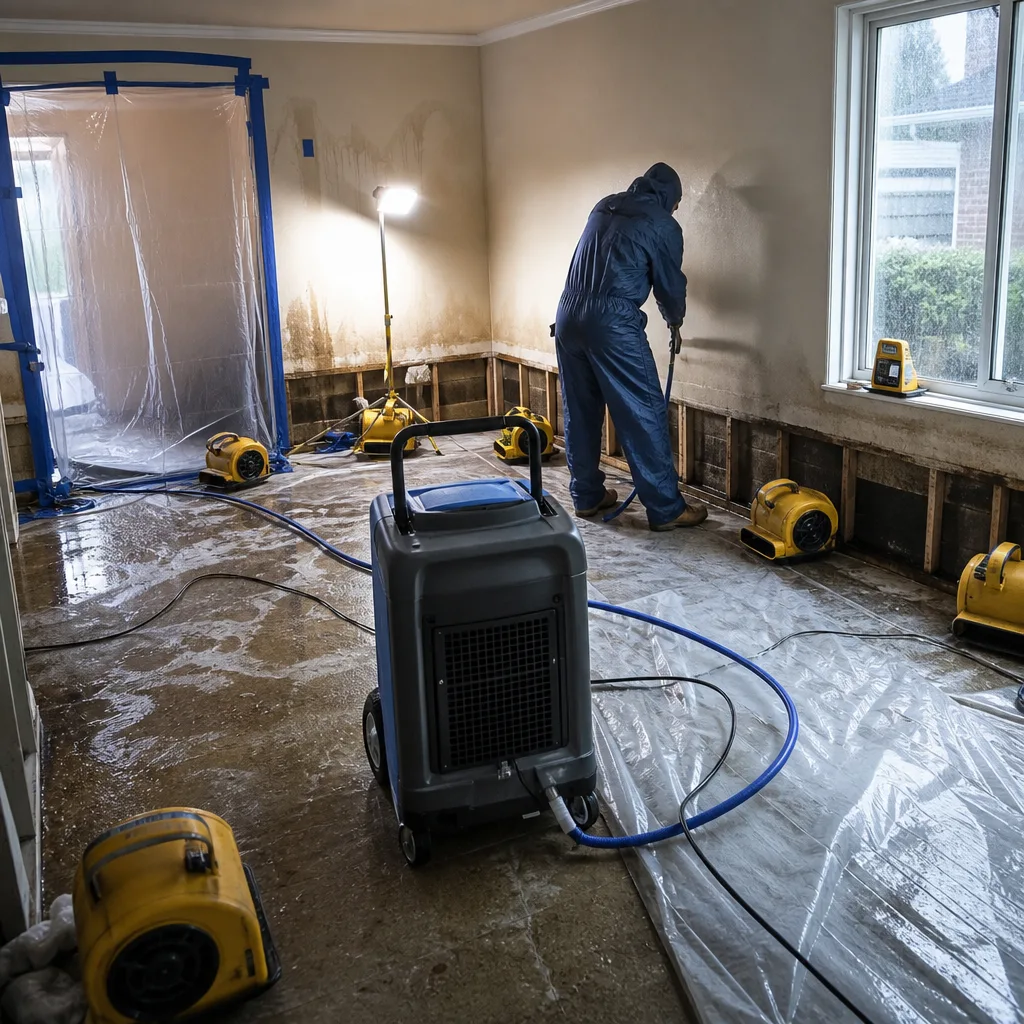
The majority of Tukwila’s housing stock was built during the post-war boom and subsequent development waves of the 1960s through 1980s. These homes share specific components that have reached or exceeded their designed service life. Addressing them proactively costs a fraction of emergency restoration.
1. Galvanized Steel Water Supply Lines
Galvanized supply lines have a typical service life of 40-50 years in Tukwila’s moderately hard water. Internal corrosion reduces flow and eventually perforates the pipe wall. The failure mode is rarely dramatic; instead, pinhole seepage saturates wall cavities over months or years.
What to check: Reduced flow at fixtures, particularly hot water; rust particles in aerator screens; any moisture elevation in walls containing supply lines. Replacement with PEX or copper is a $3,000-$8,000 project for a typical Tukwila rambler; emergency restoration after wall cavity saturation runs $15,000-$40,000 plus potential mold remediation.
2. Original Wax Toilet Rings
Wax rings compress and degrade over 15-25 years. Slow leakage runs under flooring, into subfloor, and often into crawl space before any visible bathroom damage appears. In Tukwila homes with original bathrooms, these rings are well past replacement age.
What to check: Any softness in floor around toilet base; unexplained crawl space moisture near bathroom stack; sewer gas odor indicating seal compromise. Replacement is $150-$400; subfloor and joist repair after prolonged leakage is $2,000-$6,000.
3. Unsealed or Improperly Vented Crawl Spaces
Original construction in Tukwila typically included foundation vents designed for 1960s building science. We now understand that in marine climates, these vents admit humid exterior air that condenses on cooler crawl space surfaces. The solution is sealed, conditioned crawl spaces with ground vapor barriers, but most homes have not been upgraded.
What to check: Crawl space relative humidity consistently above 65%; condensation on ductwork or joists; musty odor; insulation falling due to moisture weight. Retrofit sealing with 6-mil vapor barrier and mechanical dehumidification runs $3,000-$7,000; structural repair and mold remediation after years of unconditioned moisture exposure can exceed $20,000.
4. Single-Pane Window Flashing and Frames
Aluminum-frame single-pane windows, common in Tukwila homes built 1960-1980, create multiple failure points. Thermal bridging causes interior condensation; frame gaskets degrade; flashing was often omitted or improperly lapped during original installation.
What to check: Condensation on interior glass surface that pools on sill; staining or softness in drywall beneath window; drafts indicating frame seal failure. Full replacement with modern vinyl or fiberglass units is $400-$800 per window; water damage repair to wall cavity and sill framing is $1,500-$4,000 per window.
5. Cast Iron Drain Laterals and Clay Sewer Lines
Tukwila’s original sewer infrastructure included cast iron house laterals connecting to clay or concrete main lines. Cast iron corrodes from the inside out; clay is vulnerable to root intrusion and ground movement. The dry-season shrink-swell cycle in Tukwila’s soils stresses these materials progressively.
What to check: Slow drains throughout house (main line issue) versus isolated fixture (branch issue); gurgling sounds indicating vent blockage; lush vegetation patches in yard suggesting lateral leakage. Video inspection is $200-$400; spot repair or trenchless replacement is $3,000-$12,000; sewage backup cleanup and restoration is $10,000-$50,000 depending on contamination extent and affected finishes.
How to Document Baseline Readings for Insurance Claims
Insurance adjusters evaluate water damage claims against the standard of “sudden and accidental” versus “long-term” or “maintenance-related” loss. The difference determines whether your policy responds and to what limit. Documentation that establishes pre-loss condition and demonstrates proactive maintenance is your most powerful tool in this determination.
We’ve handled claims where homeowners with documented annual moisture surveys received full policy limits within days, while neighbors with identical damage but no records faced coverage disputes lasting months. The documentation format matters; random photos on a phone are better than nothing, but structured records are significantly more persuasive.
The format we recommend, based on what accelerates our own claim submissions:
The Property Moisture Log
Create a single document, digital or physical, that contains:
- Property identification: Address, policy number, insurance carrier, and agent contact
- Meter information: Brand, model, calibration date (consumer meters should be replaced or verified against a known standard every 2-3 years)
- Test point map: Sketch or photograph showing exact location of each reading point, numbered consistently
- Reading table: Date, test point number, location description, reading value, ambient conditions (temperature, recent precipitation), and any observations
- Photograph log: Each reading photographed with date stamp, showing meter display and test point context
Store this document in cloud storage with offline backup. After any water intrusion event, provide the most recent pre-event survey, along with our The Complete Guide to Damage Restoration in Tukwila, to your restoration contractor and adjuster immediately. It establishes that you maintained the property actively and that the current damage represents a departure from normal condition.
For Tukwila homeowners specifically, we recommend noting in your log any regional factors that affect readings: proximity to Duwamish River floodplain, elevation relative to street grade, mature tree canopy coverage, and known municipal infrastructure issues like the ongoing sewer separation projects in certain neighborhoods. These contextual notes help contractors and adjusters interpret your data accurately.
What to Photograph and Record After Any Water Intrusion Event
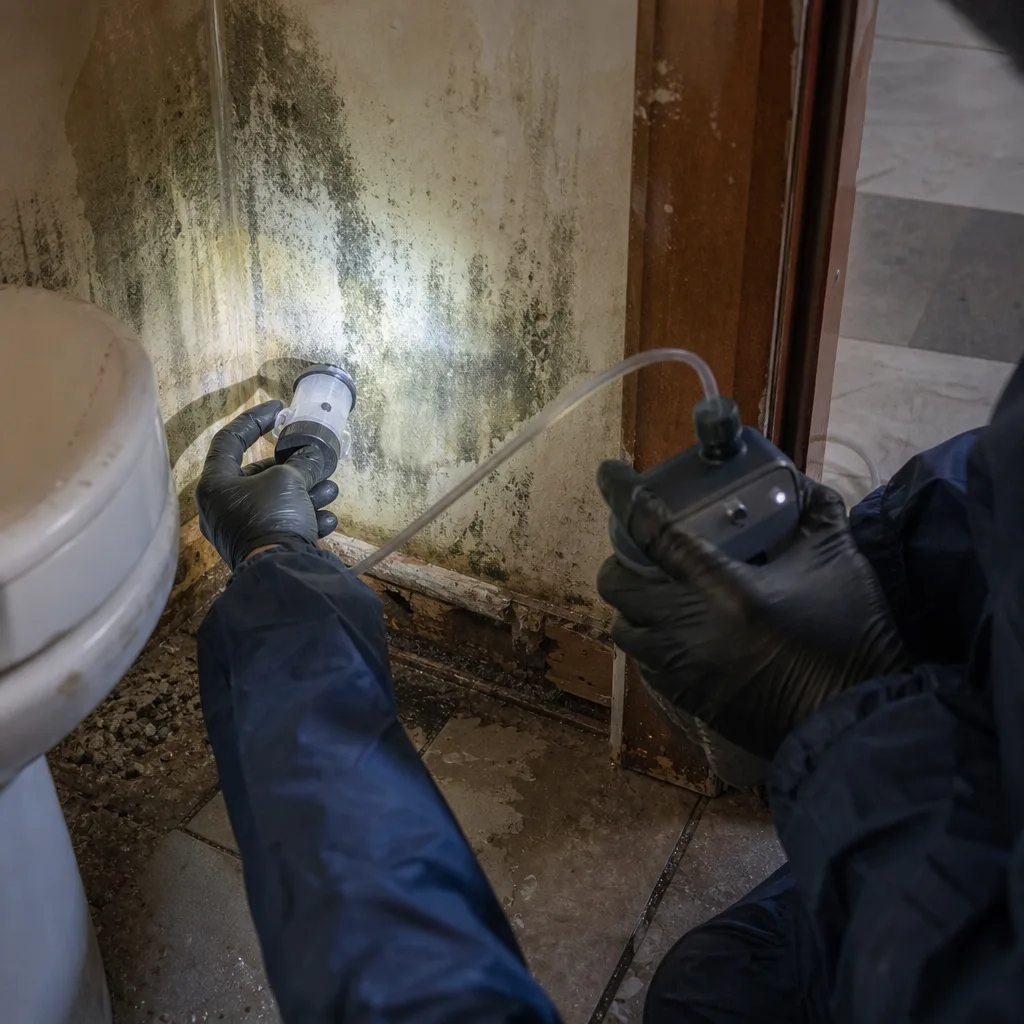
Even minor water events, properly documented, create a property history that supports future claims. The inverse is also true: a major event with poor documentation often settles for less than it should. The key is capturing information in the first hours, before cleanup alters the scene and before materials begin to dry or degrade.
At DryMark Restoration Tukwila home, our standard protocol includes photo documentation on every visit, every time, as a standard deliverable under The Haven Standard. Homeowners can replicate the core of this process during the critical first 24 hours.
Immediate Documentation (First 2 Hours)
- Source identification: Photograph the apparent source of water, whether active leak, overflow, or intrusion. Include surrounding context: supply line connection, drain path, exterior grade, roof condition. If source is no longer active, photograph any residual indication: water stain pattern, corrosion, crack, or failed seal
- Extent boundaries: Photograph every room or space with visible water, from multiple angles. Include floor, walls to 4 feet, and ceiling if affected. Use a measuring tape or known reference object to establish scale
- Water line marks: If water has receded, photograph high-water marks on walls, baseboards, or fixtures before cleaning
- Material identification: Photograph affected materials close enough to identify: drywall, plaster, lath, hardwood, engineered flooring, carpet pad type, insulation. Material classification determines drying protocol and replacement cost
- Personal property: Photograph damaged contents in place before moving; this establishes pre-movement condition and location
Expanded Documentation (First 24 Hours)
- Moisture readings: Take pin meter readings at all your established baseline points, plus any new points in affected areas. Compare to your most recent baseline survey
- HVAC and electrical: Photograph any affected outlets, switches, panels, or HVAC components. Do not operate if water contacted electrical systems; photograph from safe distance and note in log
- Odor and microbial indicators: Photograph any visible mold growth, discoloration, or material degradation. Note odor character and intensity
- Weather context: Screenshot local weather data for the event period; precipitation records, temperature, and humidity support causation documentation
- Repair attempts: Photograph any emergency measures taken: water shutoff, temporary patching, water removal. These demonstrate mitigation effort, which insurers expect
Ongoing Documentation
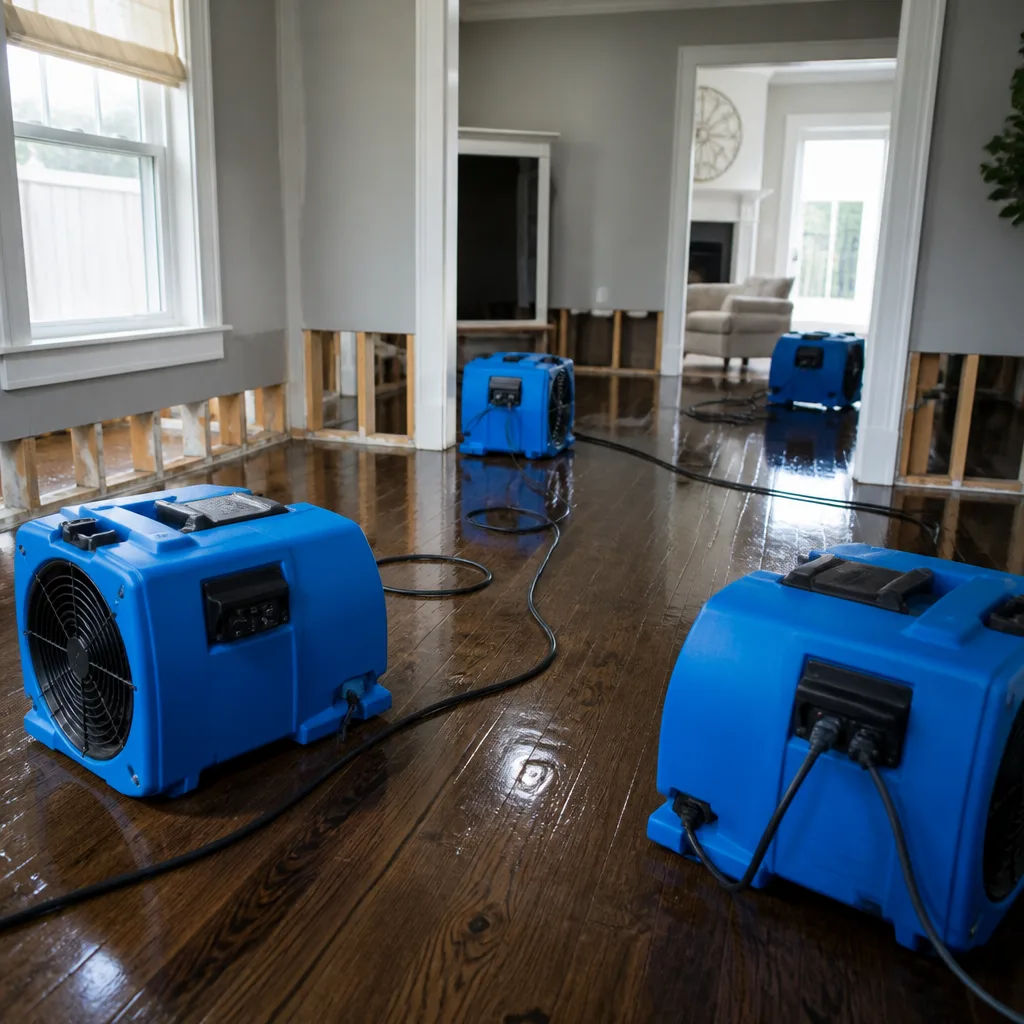
If professional drying is initiated, photograph daily progress. If handling drying yourself, photograph at same time daily with consistent lighting. This timeline demonstrates that drying was pursued promptly and appropriately, countering any allegation of prolonged moisture exposure.
Store all documentation in a dedicated folder, backed up to cloud storage, with copies provided to your insurance agent at first notice of loss. The property history you’ve built through baseline surveys now connects directly to event documentation, creating a continuous record that few homeowners possess.
Tools and Meters: What to Buy and What to Skip
The restoration industry uses professional-grade equipment that exceeds homeowner needs and budgets. However, consumer-grade alternatives exist that provide sufficient accuracy for baseline documentation and early detection. We’ve specified options that balance cost, accuracy, and ease of use in our more guides & resources.
Recommended: Pin-Type Moisture Meter
A pin-type meter with wood scale (5-50%) and reference scale for non-wood materials is the essential tool. Look for:
- Delmhorst BD-2100 or equivalent ($250-$350 professional; $60-$120 consumer models from General Tools or Calculated Industries)
- Depth penetration adjustment: 3/16″ for surface checks, 7/16″ for structural lumber
- Temperature compensation (important for unconditioned crawl spaces)
Skip pinless (non-invasive) meters for structural applications. They scan surface moisture only and are easily fooled by finish materials, paint, or surface condensation. Useful for quick screening of large areas, but not for documentation that needs to withstand adjuster scrutiny.
Recommended: Thermo-Hygrometer
Measures temperature and relative humidity; essential for crawl space and basement monitoring. Look for:
- Remote sensor capability, allowing display in living space while sensor monitors crawl space
- Data logging function that records min/max over time; single-point readings miss cyclical patterns
- Accuracy within ±3% RH; consumer models from AcuRite or SensorPush ($30-$80) are adequate
Recommended: Infrared Thermometer
Non-contact surface temperature measurement helps identify thermal anomalies that indicate moisture: evaporative cooling on wet surfaces, or insulation gaps that create condensation points. A basic model ($25-$40) is sufficient; professional thermal imaging cameras ($2,000-$6,000) provide superior detail but are not cost-justified for homeowner maintenance.
Skip: Consumer-Grade Thermal Cameras
Phone-attached thermal cameras ($200-$400) have insufficient resolution and accuracy for reliable moisture detection. They produce images that look impressive but mislead more often than they inform. Invest in a quality pin meter instead.
Skip: Moisture Alarms Without Logging
Simple water alarms that beep when contacts get wet are useful for catastrophic leak detection but provide no documentation value. If using alarms, choose models with app connectivity and event logging that timestamps activation.
Common Mistakes to Avoid
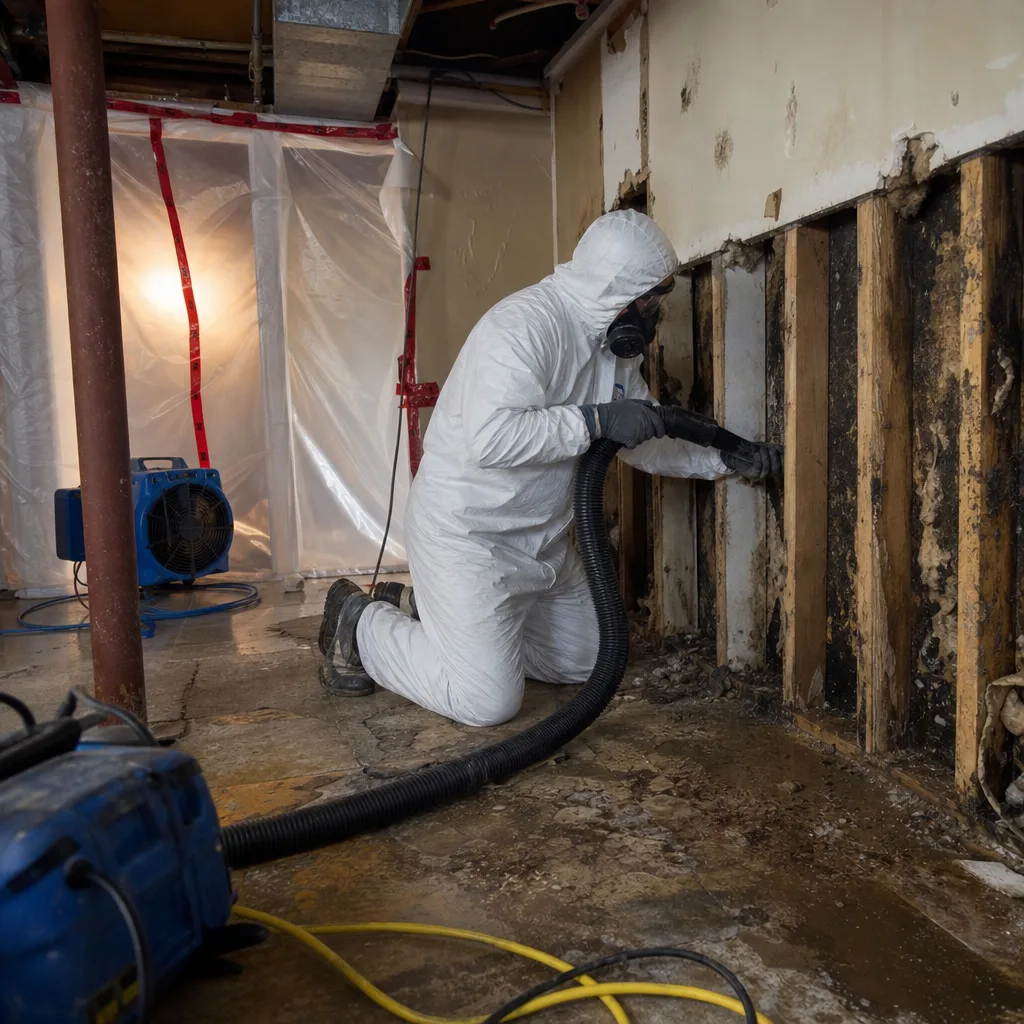
- Checking only after you smell something. By the time microbial odor is detectable, mold colonization is established and structural moisture has likely exceeded safe thresholds for weeks. Tukwila’s cool, humid climate extends the time between moisture intrusion and odor detection, making scheduled measurement even more critical.
- Using the same test point once and never returning. A single reading has no context. The value of documentation is trend identification: a joist that read 14% in November and 18% in February has a problem, even though 18% alone is below the 19% threshold.
- Ignoring the vapor pressure differential. Moisture moves from areas of high vapor pressure to low vapor pressure, not simply from “wet” to “dry.” A crawl space at 70% RH and 55°F can drive moisture into a living space at 50% RH and 70°F because the warmer air’s higher vapor pressure creates a gradient. Understanding this explains why crawl space conditions affect whole-house health.
- Documenting with descriptions instead of numbers. “Seemed damp” or “looked okay” is inadmissible in claim disputes. “Pin meter reading 17% at test point C3, photographed 11/14/2024” is defensible evidence.
- Assuming new construction is exempt. Tukwila’s building boom includes numerous townhome and apartment developments with flat roofs, complex wall assemblies, and deferred-maintenance HOA responsibilities. We’ve responded to water damage in buildings less than five years old where improper flashing or failed waterproofing membrane was the cause. Age of structure does not eliminate maintenance obligation.
- Waiting for “enough” damage to call a professional. Insurance policies typically require prompt notice of loss; delay can be interpreted as failure to mitigate. More importantly, early professional intervention with documented drying protocol prevents the secondary damage that converts a $3,000 water loss into a $30,000 mold and reconstruction project.
When to Call a Professional
Call for professional assessment when: moisture readings exceed thresholds at any test point and do not return to baseline within 72 hours after weather event resolution; you discover active leakage from any plumbing, roofing, or envelope component; you observe visible mold growth of any size; water has contacted electrical systems or HVAC components; or you need documentation for an insurance claim and want a third-party record of conditions.
Water Damage Restoration in Tukwila requires specific expertise in our climate’s drying challenges: the extended wet season, the high water table in valley neighborhoods, and the mold risk that persists when outdoor humidity rarely drops below 60% even in summer. Professional-grade drying systems from B-Air and Injectidry, deployed with IICRC-documented psychrometric monitoring, achieve dry standards that consumer equipment cannot.
DryMark Restoration Tukwila offers free estimates in Tukwila. Our assessment includes written moisture readings, photo documentation, and a written scope with price before any work begins, per Haven Standard, Clause 1. Call (253) 642-8884 to schedule. For mold concerns, we also provide Mold Remediation in Tukwila with the same documentation standards.
Frequently Asked Questions
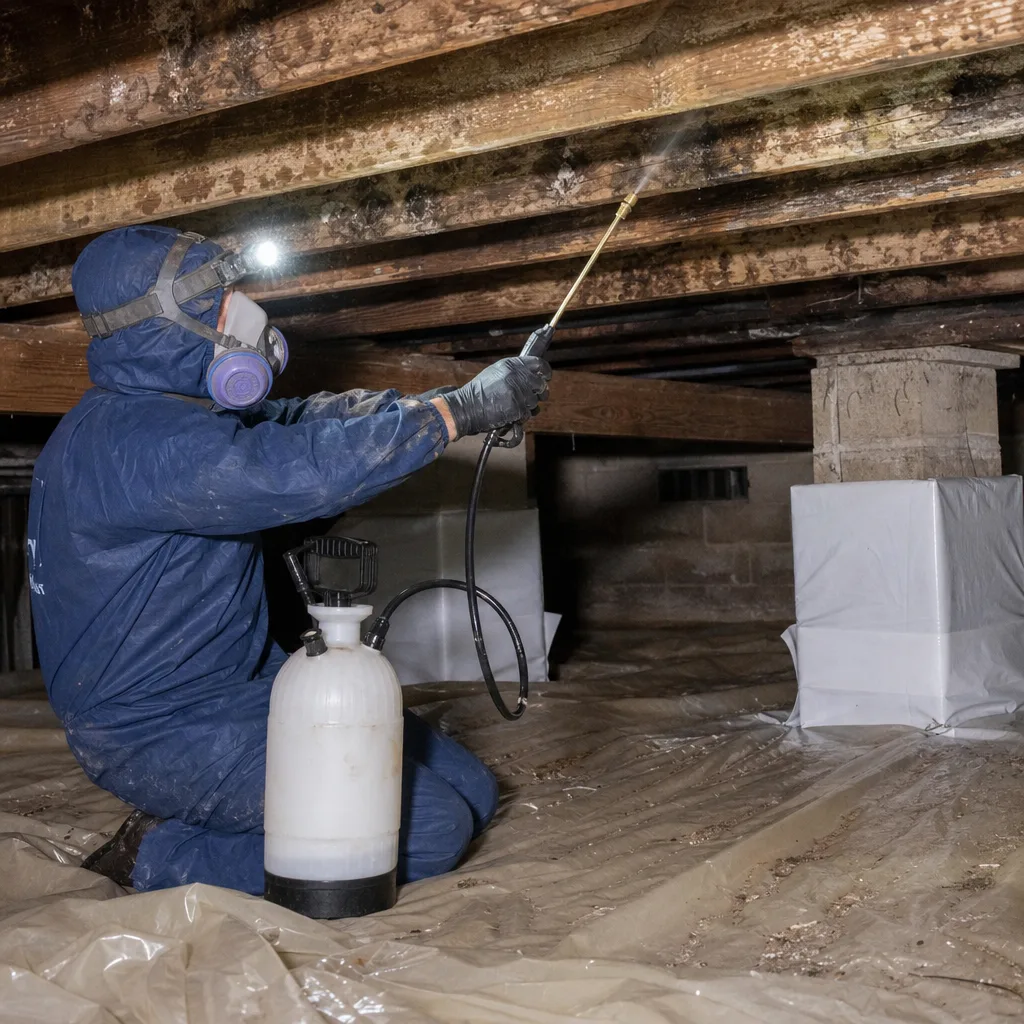
Most restoration companies in Tukwila provide initial moisture assessment at no charge for properties with active water damage; for proactive baseline surveys, expect $150-$350 depending on property size and crawl space accessibility. DryMark Restoration Tukwila provides free estimates that include full moisture mapping and written documentation. Call (253) 642-8884 to schedule.
Insurance may still cover sudden and accidental water damage without maintenance records, but the absence of documentation makes it harder to prove the loss was not long-term neglect. Adjusters increasingly request evidence of proactive maintenance; properties with documented annual moisture surveys settle faster and with fewer coverage disputes. We recommend maintaining records regardless of current insurance status.
For active water damage, DryMark Restoration Tukwila maintains live phone coverage 24 hours a day, 7 days a week with no voicemail on emergency lines. Dispatch times vary by current call volume and weather event severity, but our typical response in Tukwila and South King County is under two hours for Category 2 and 3 water losses. Speed matters most for mitigation; reconstruction work is scheduled after written scope and pricing.
Category 1 clean water losses under 150 square feet with no structural saturation can sometimes be handled by homeowners with adequate equipment and documentation. However, any water that has contacted wall cavities, insulation, or remained more than 24 hours requires professional assessment. Tukwila’s cool, humid climate extends microbial growth timelines; what appears manageable often conceals hidden saturation. Our free second opinion on any competitor’s written estimate can help you evaluate scope accuracy.
At DryMark Restoration Tukwila, we provide direct adjuster coordination as a standard service, not an upsell. This includes photo documentation formatted to carrier requirements, daily drying logs with psychrometric data, and written scope revisions if hidden damage is discovered. Our documentation-first approach, developed from founder Alicia Brennan’s background in claims adjustment, produces invoices that adjusters pay without extended review. You remain the policyholder and final decision-maker; we handle the technical communication.
Mitigation is emergency water removal, drying, and stabilization to prevent further damage; it requires immediate response and is priced based on equipment and labor deployed. Reconstruction is the repair and rebuilding of damaged finishes and structure; it requires detailed scoping, material selection, and scheduling like any remodeling project. We never promise same-day reconstruction service because accurate pricing and quality execution require planning. Haven Standard, Clause 1 applies to both: written price before work begins, every time.
The Bottom Line
Water damage prevention in Tukwila is a measurement discipline, not a visual guessing game. The 19% wood moisture threshold, the 60% crawl space relative humidity limit, and the seasonal inspection calendar tied to actual precipitation patterns give you actionable standards. Document every reading with date, location, and photograph. Address the five aging components in homes built 1960-1990 before they fail. And when water does intrude, photograph and record immediately to build a claim history that insurers respect.
The homeowners who fare best after water damage are not the ones with the newest roofs or the most expensive systems. They’re the ones who can produce a folder showing exactly what their property looked like before the loss, measured in numbers that mean something to an adjuster.
Written by Alicia Brennan, Owner at DryMark Restoration Tukwila, serving Tukwila since 2011.