
Last updated September 23, 2026
Free visual inspection and a written scope of work before any mitigation begins - photos, moisture readings, and drying logs go in your claim file
The scope we write is the scope we bill. Anything new gets shown to you, in writing, before we touch it.
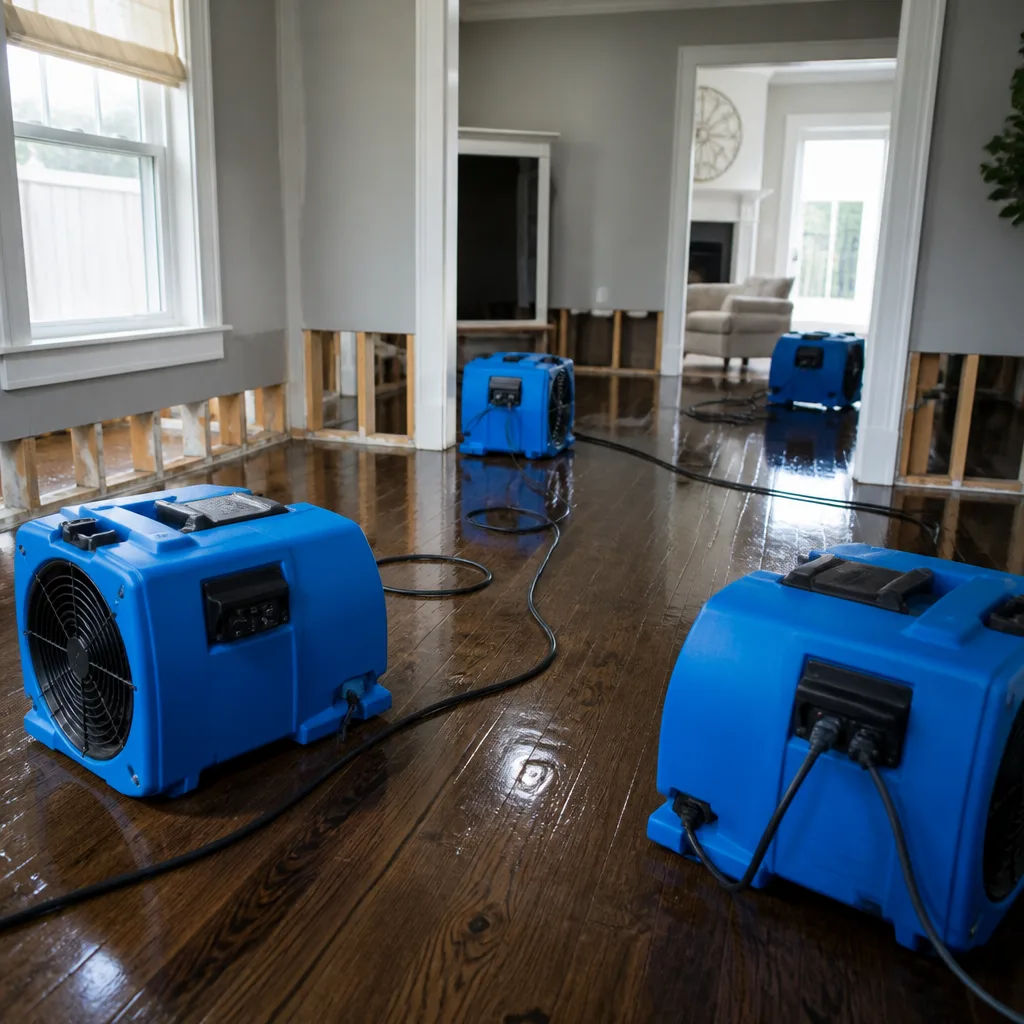
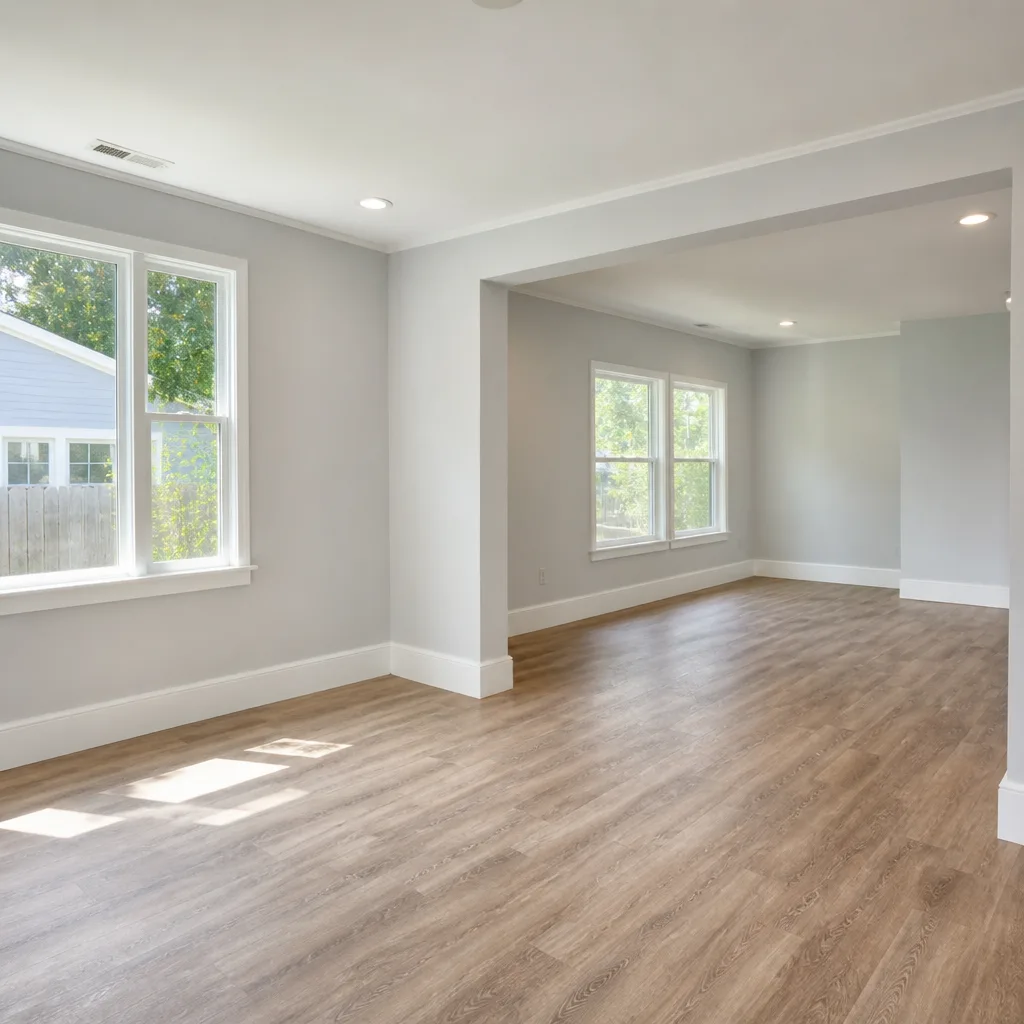
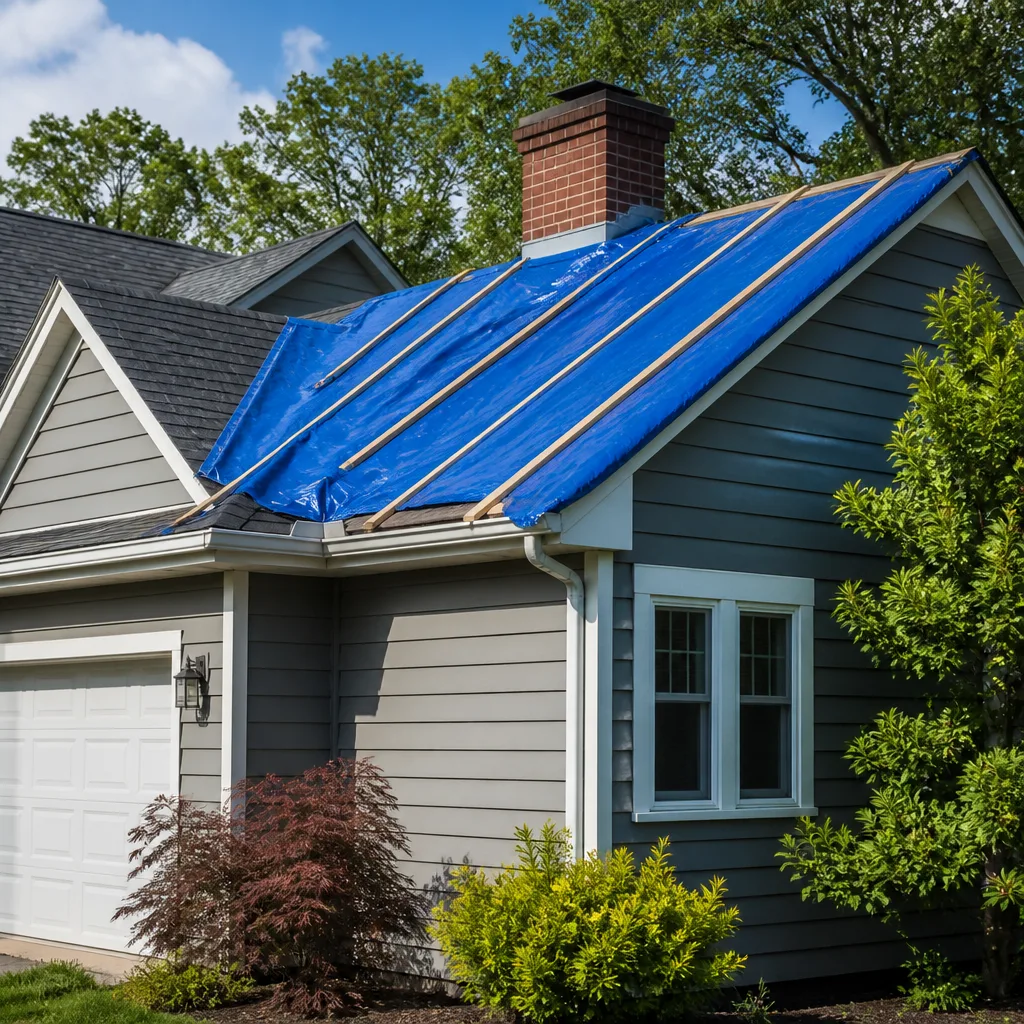
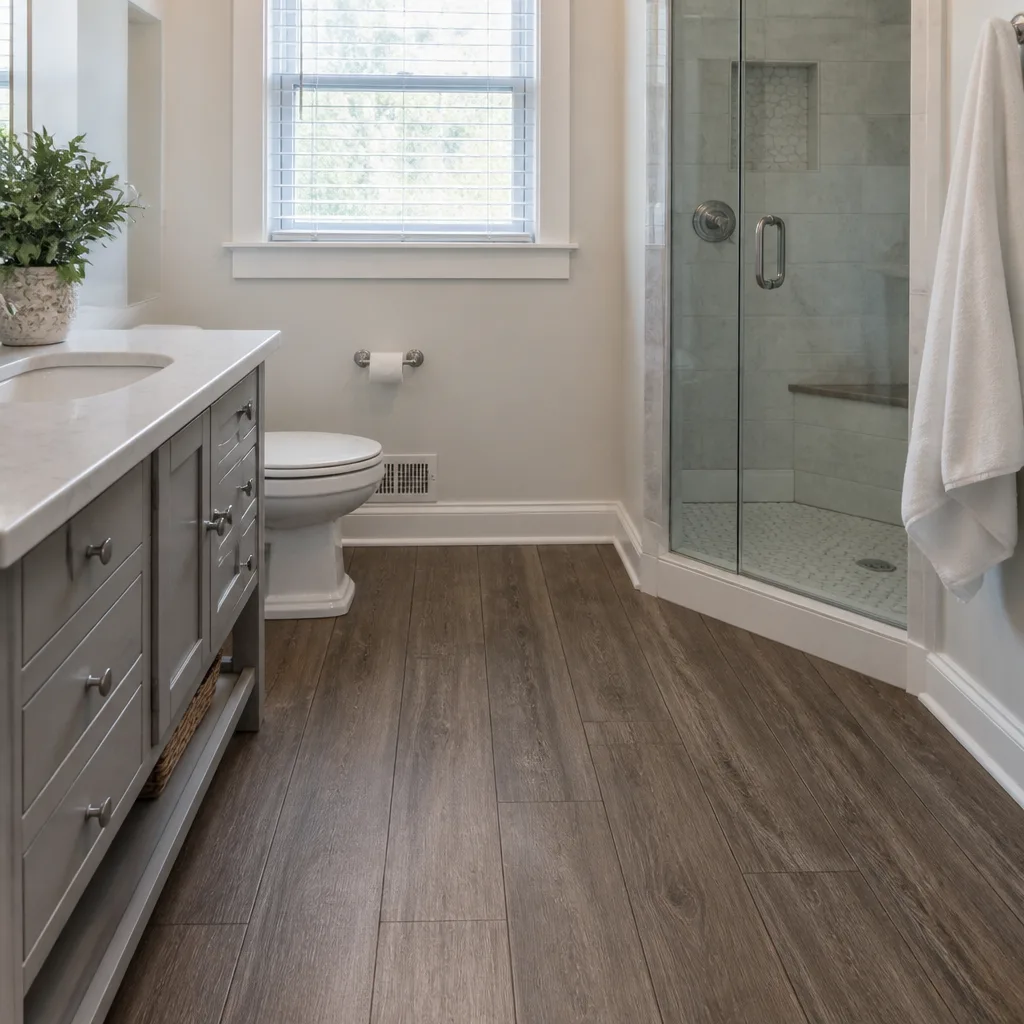
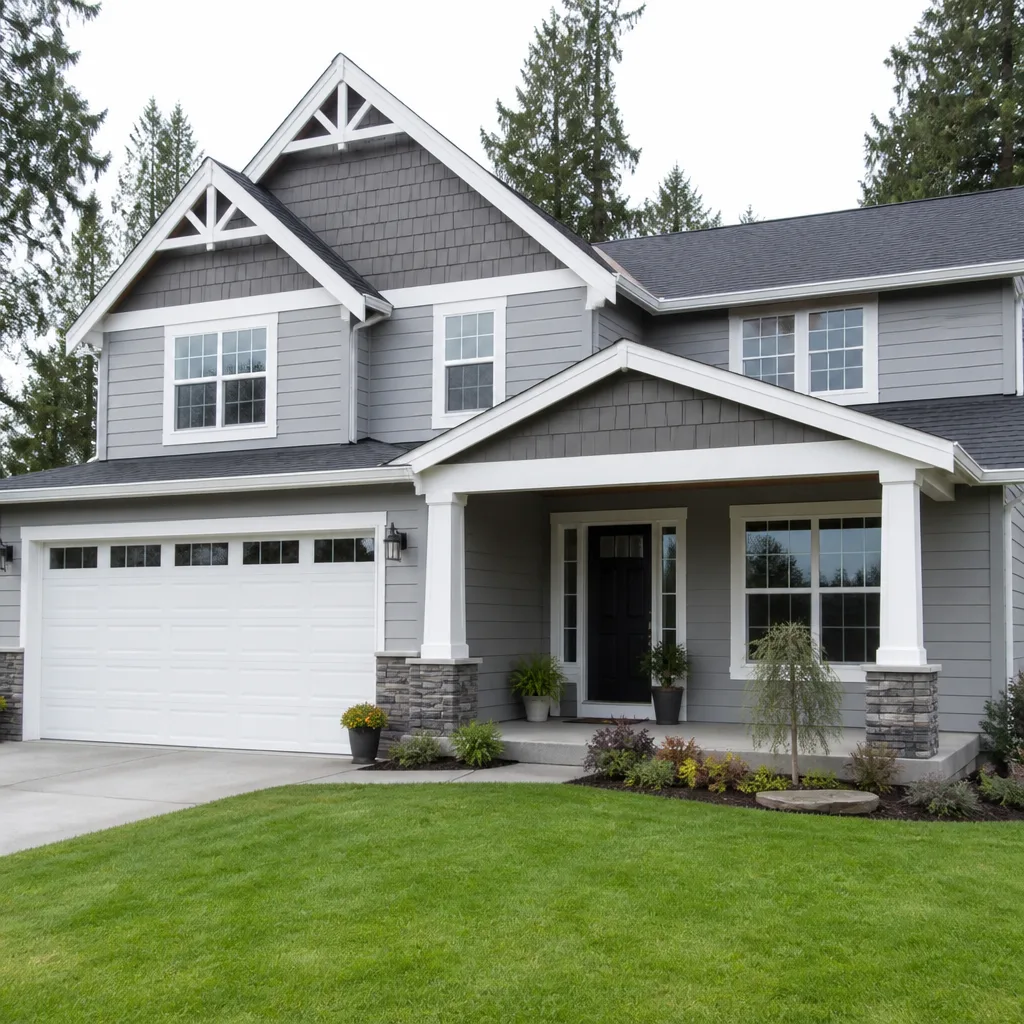
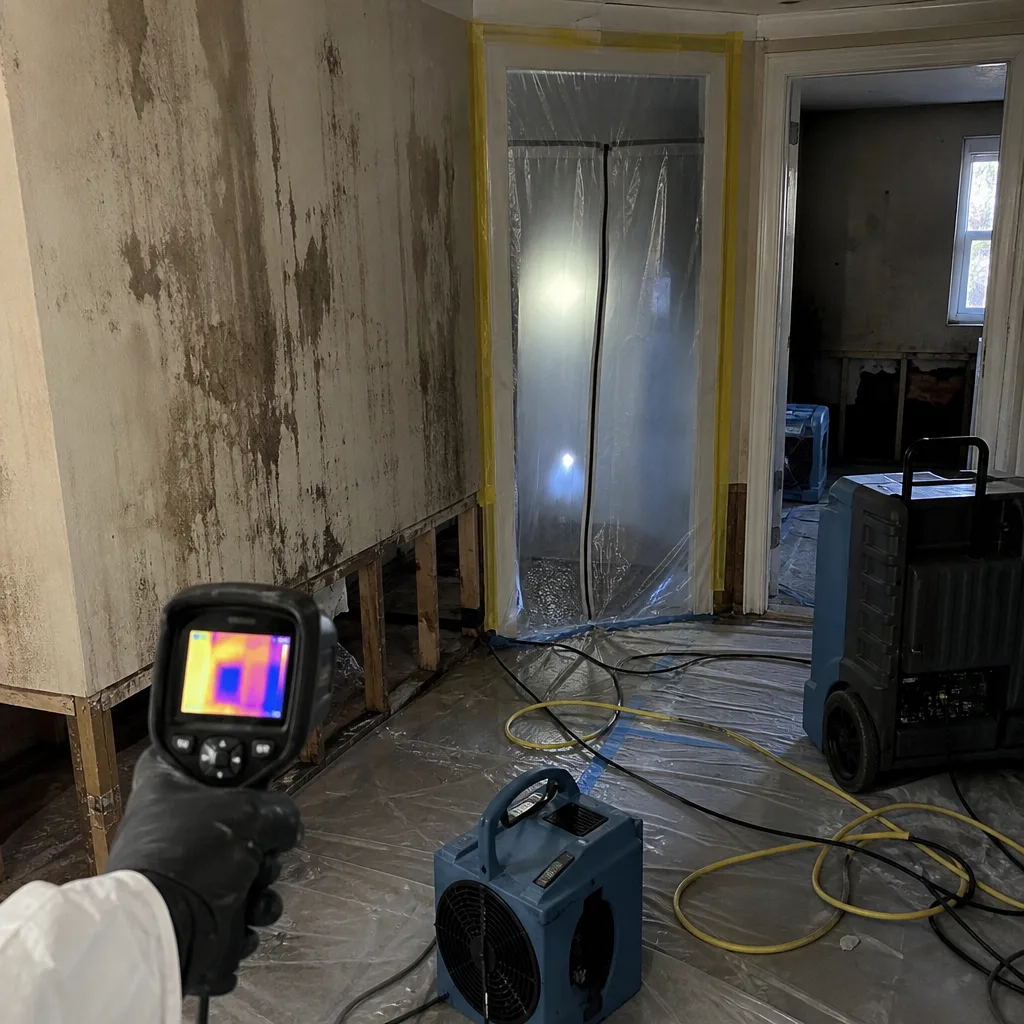 Before
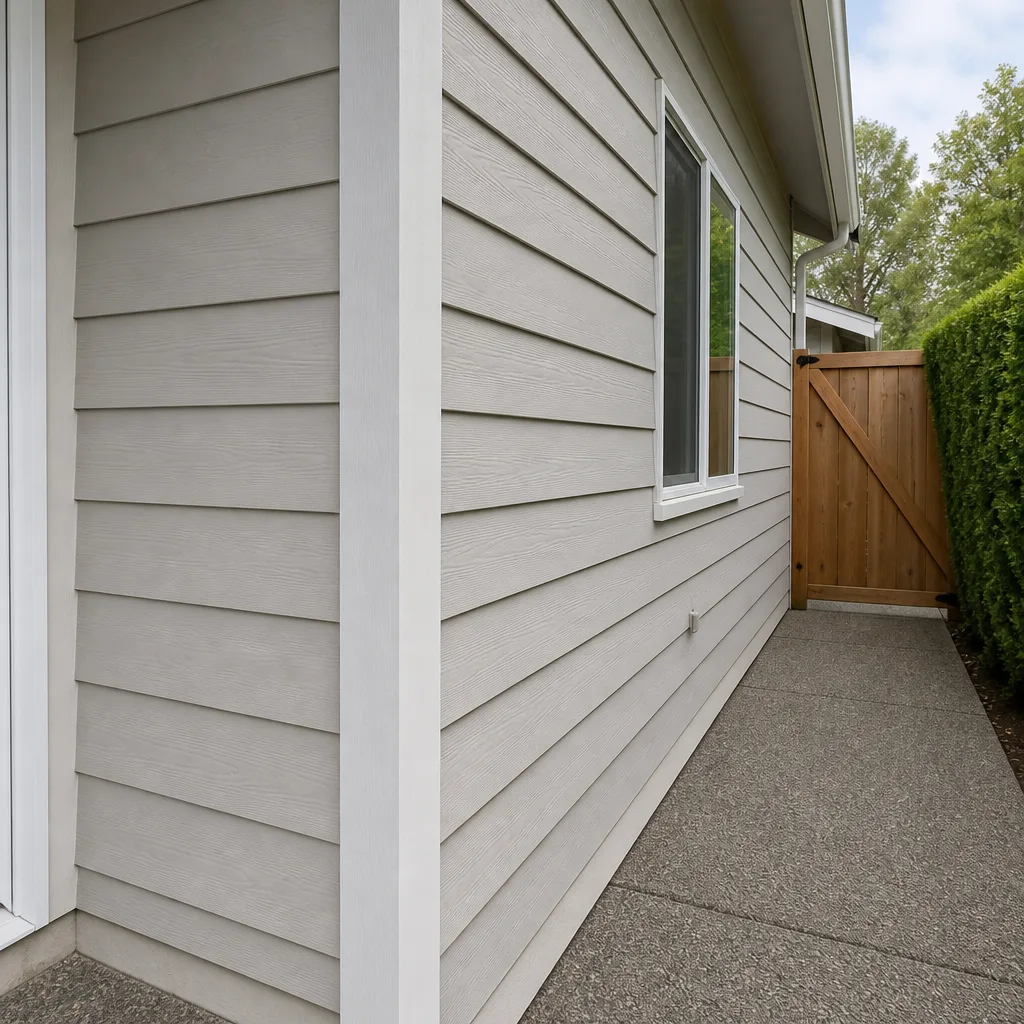 After
After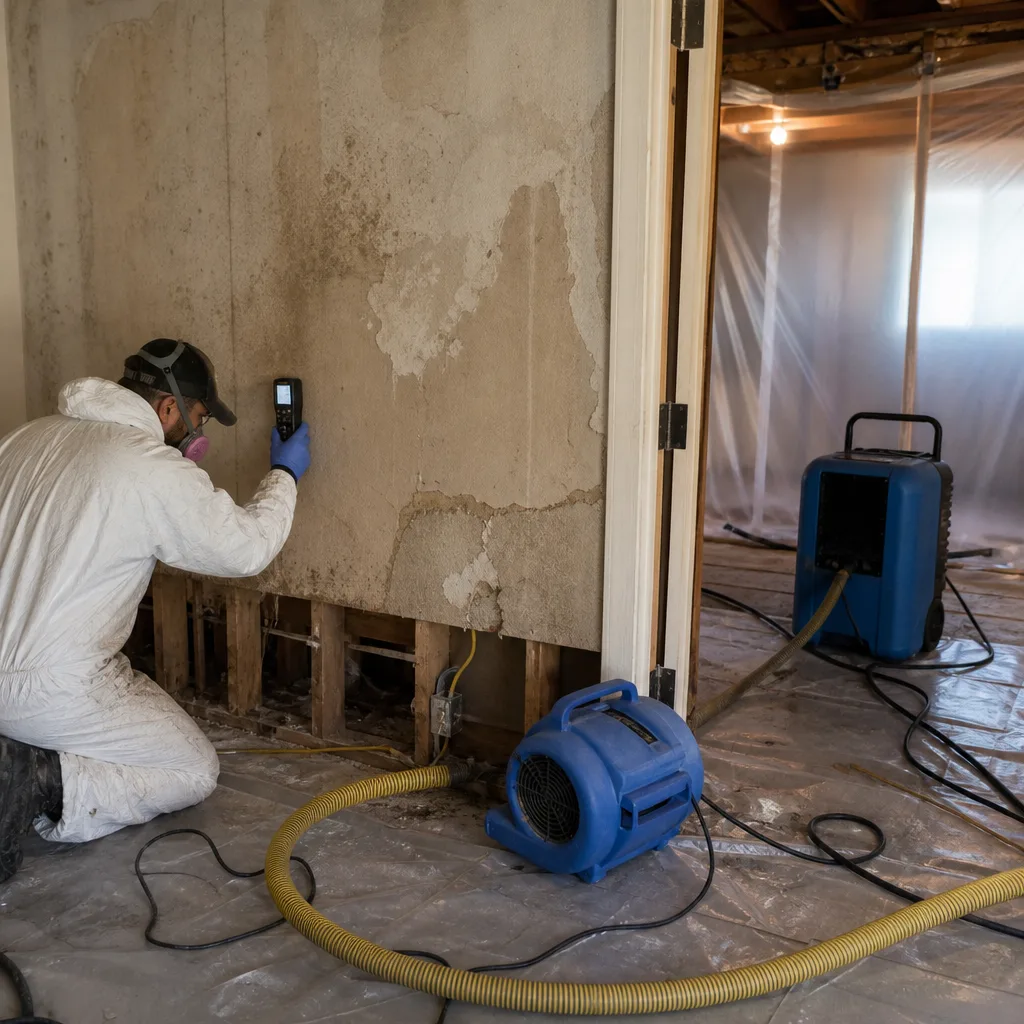 Before
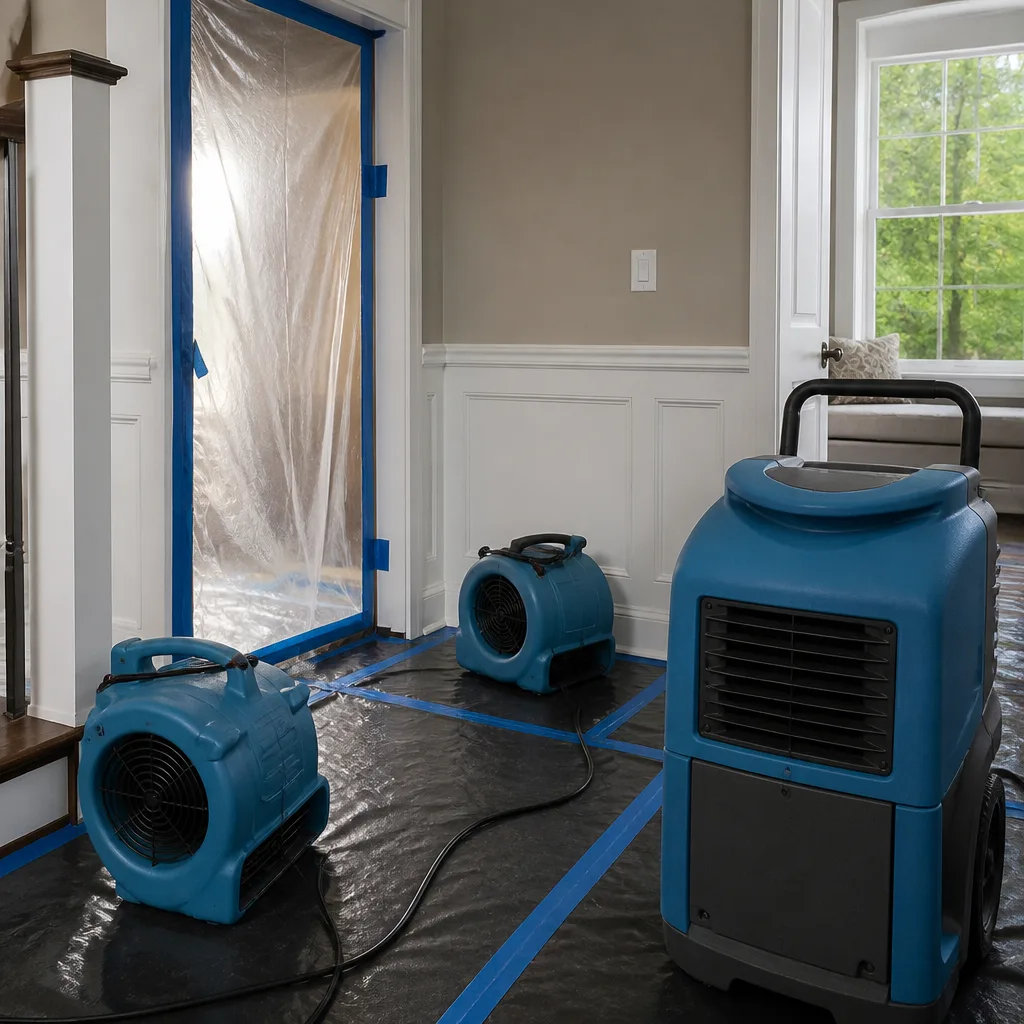 After
After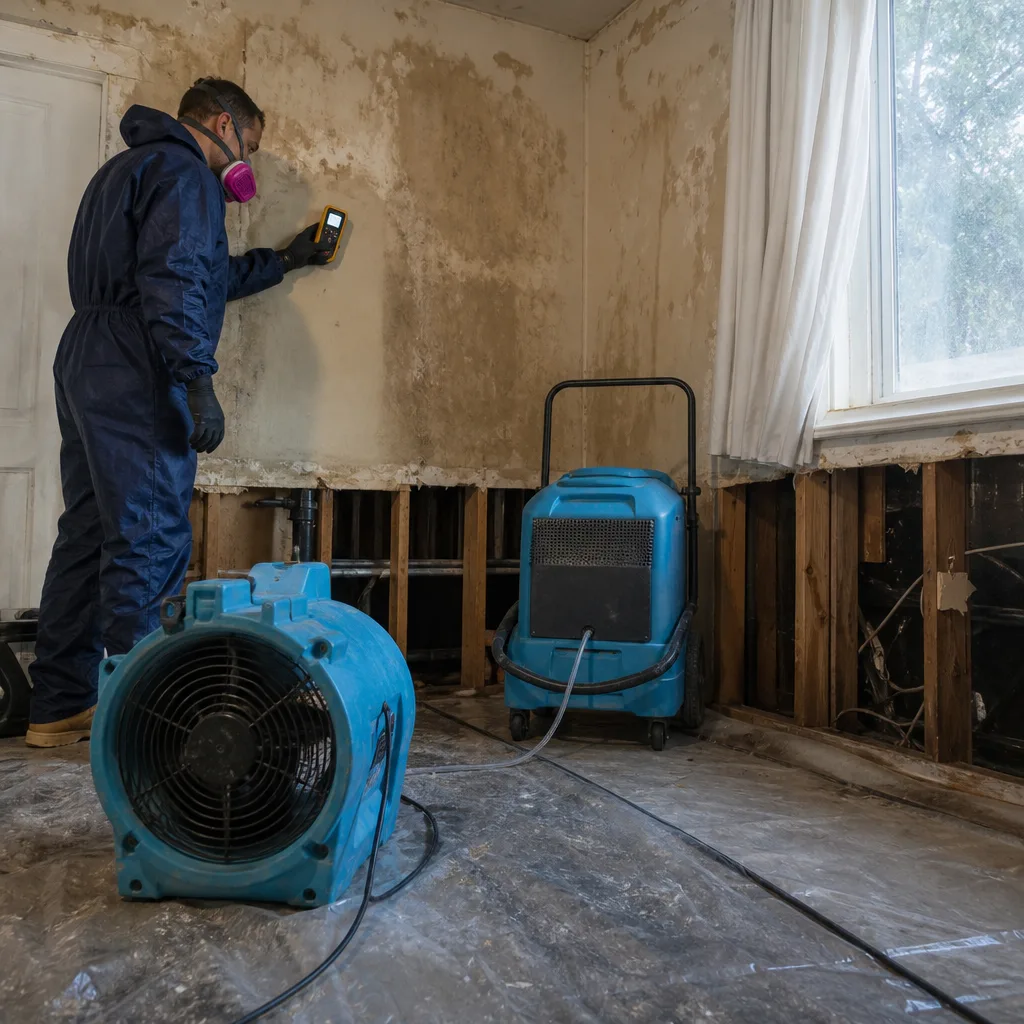 Before
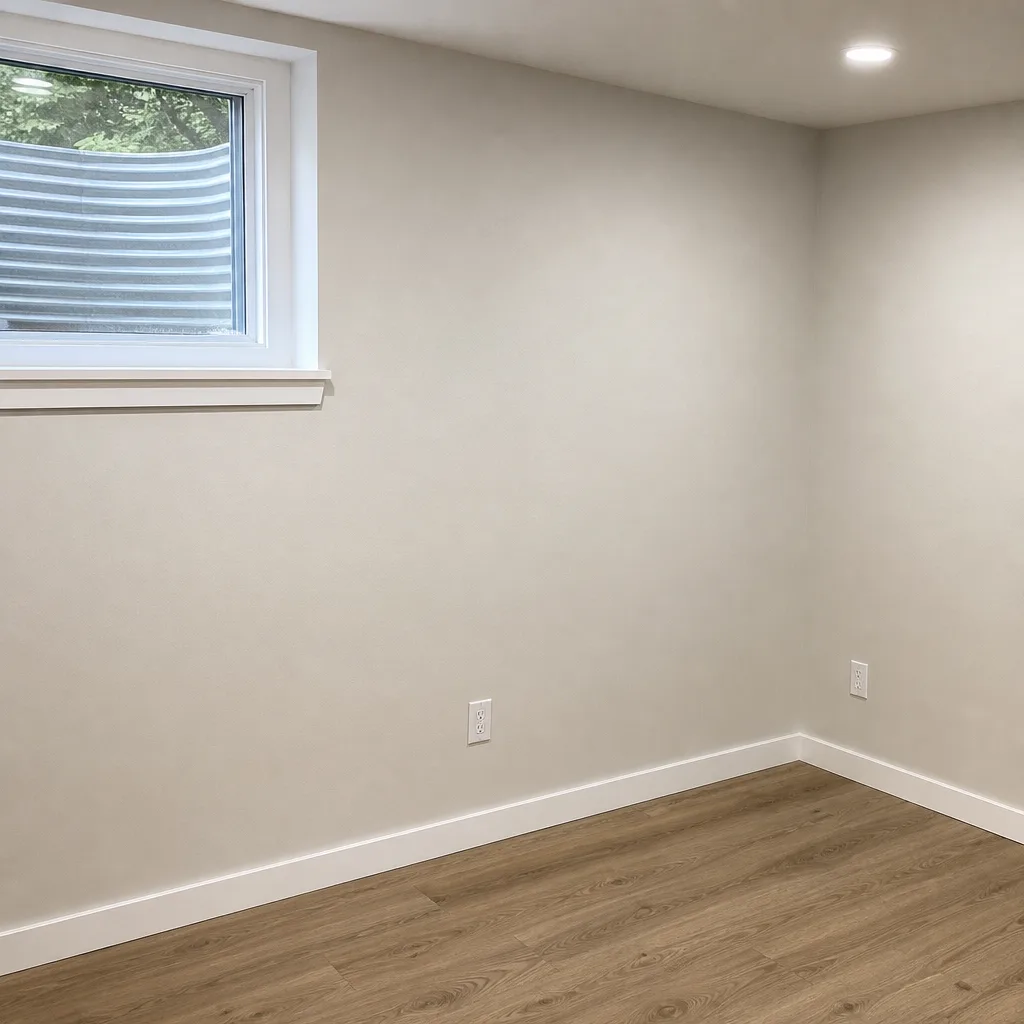 After
AfterDamage Restoration Permits, Codes & Inspections in WA: What You Need to Know
Washington’s Seller Disclosure Act (RCW 64.06) requires homeowners to disclose unpermitted work, which means a restoration job done without a required permit becomes a documented liability the day you list your Tukwila home. We’ve reviewed thousands of claim files since 2011, and the ones that stall at the adjuster’s desk almost always share one problem: a missing permit number or an inspection sign-off that never happened. This guide explains which restoration tasks trigger permits in Tukwila and King County, how to navigate the city’s permit system during an emergency, and why the documentation chain matters as much for your home’s resale value as it does for your insurance payout. For Damage Restoration Warning Signs: A Tukwila Homeowner’s Reference Guide, see our companion resource.
Quick Answer
Most damage restoration work in Washington requires a permit when it involves structural repairs, electrical or plumbing systems, HVAC modifications, or exceeds specific square footage thresholds under the State Building Code Act (RCW 19.27). In Tukwila, emergency restoration permits can often be obtained over the counter within 24-48 hours, while plan-review permits for extensive reconstruction typically take 10-15 business days. The permit number must appear in your written restoration scope, inspection dates must be documented in your claim file, and the final certificate of completion protects both your insurance coverage and your legal obligation under state disclosure laws.
Table of Contents
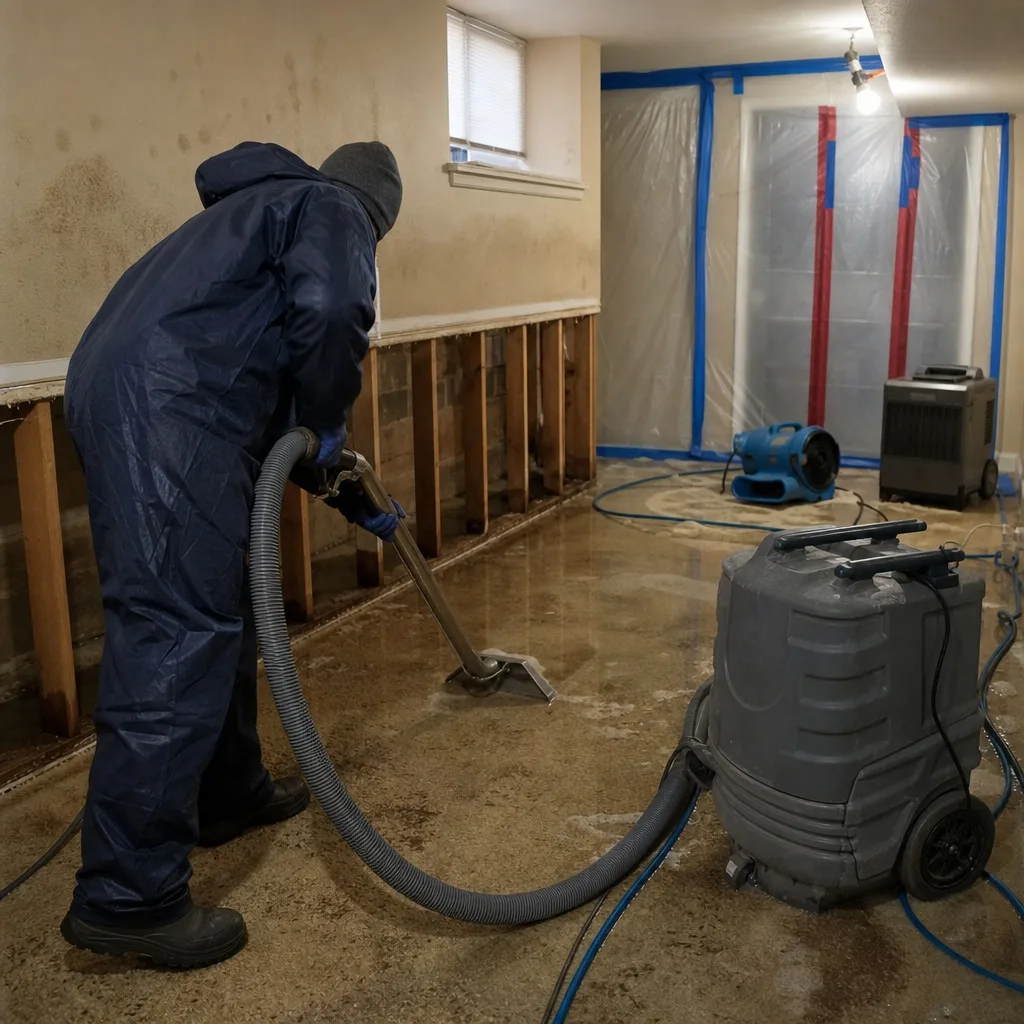
- When Restoration Triggers a Permit in Tukwila
- How Tukwila’s Permit Process Works During Emergencies
- RCW 19.27 and What Inspectors Actually Look For
- Certificate of Completion vs. Contractor Sign-Off: Why It Matters for Insurance
- The Documentation Chain: Permits, Photos, and Claim Files
- Tukwila’s Climate and Geography: Permit Implications
- Permit Costs and Realistic Timelines in King County
- Common Mistakes to Avoid
- When to Call a Professional
- Frequently Asked Questions
- The Bottom Line
 Before
 After
AfterWhen Restoration Triggers a Permit in Tukwila
Not every water extraction or smoke cleanup requires a permit. But the line between mitigation (emergency drying and cleaning) and reconstruction (repair and replacement) is where most homeowners stumble, and where we’ve seen the most expensive documentation failures in our 12,000+ jobs since 2011. Our DIY vs Professional Damage Restoration: The Tukwila Homeowner’s Decision Guide explores when to call in experts.
In Tukwila and throughout King County, restoration work typically requires a building permit when it includes any of the following:
- Structural drying involving wall or ceiling removal: Once drywall, plaster, or lath comes down to access wet cavities, you’ve crossed from mitigation into repair work that may need permitting, especially if framing members are exposed or replaced.
- Electrical system exposure or repair: Water-damaged outlets, submerged panels, or fire-compromised wiring must be inspected under the National Electrical Code as adopted by Washington. Even “like-for-like” replacement of damaged receptacles in flood-affected areas often requires an electrical permit in Tukwila.
- HVAC system work: Duct replacement, furnace relocation after water damage, or smoke-contaminated air handler replacement triggers mechanical permits. The City of Tukwila requires mechanical permits for any HVAC component replacement beyond simple filter changes.
- Plumbing repairs beyond fixture replacement: Repiping after freeze damage, sewage backup line replacement, or water heater replacement requires plumbing permits. Tukwila’s plumbing inspectors verify proper backflow prevention, which is critical after sewage contamination events.
- Repairs exceeding 200 square feet of affected area: While this threshold varies by jurisdiction, King County generally requires permits for reconstruction affecting more than 200 square feet of floor, wall, or ceiling area in residential structures.
- Foundation or slab work: Any concrete cutting, sump pump installation, or sub-slab drainage work requires permits and often geotechnical review in Tukwila’s clay-heavy soils.
- Asbestos or lead abatement: Disturbance of pre-1990 materials requires separate notification to the Puget Sound Clean Air Agency, even if the restoration work itself is minor.
The distinction matters for your insurance claim. We’ve seen carriers deny supplemental payments for “completed” work when the file lacks a permit number that should have been obtained. Haven Standard, Clause 1 requires a written price before work begins, and that written scope explicitly notes which permits are required, who obtains them, and their cost. If your restoration contractor’s scope doesn’t mention permits, that’s a gap worth questioning before anyone starts work. Our How to Hire a Damage Restoration Contractor in Tukwila: A Step-by-Step Guide covers what to verify first.
In Tukwila’s older neighborhoods near the Duwamish River, homes built before 1980 often contain materials that trigger additional regulatory layers. We’ve worked on Riverton-area properties where a straightforward water damage job required Puget Sound Clean Air Agency notification for asbestos-containing floor tile, adding 3-5 business days to the pre-mitigation timeline. The permit research happens during our initial assessment, not after demolition starts.
How Tukwila’s Permit Process Works During Emergencies
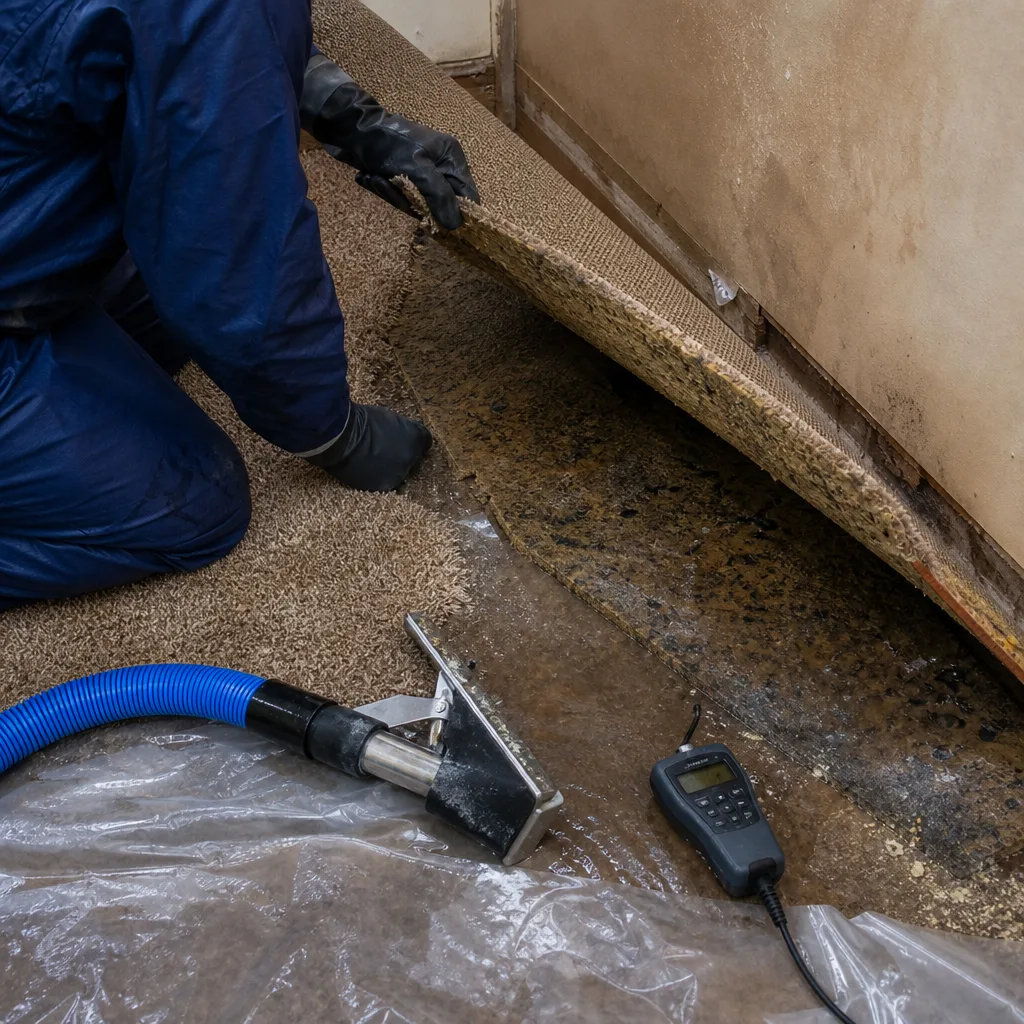
The City of Tukwila operates a permit counter at City Hall with specific pathways for emergency versus standard restoration work. Understanding which pathway applies to your job prevents the 10-15 day delay that can turn a contained water loss into a mold remediation.
Over-the-counter permits (24-48 hours): These apply to straightforward like-for-like replacements: a water heater swap after a leak, electrical receptacle replacement in a flood-affected room, or HVAC duct section replacement in a single zone. Tukwila’s building department issues these permits same-day or next-day if the application includes a clear scope and the contractor’s current state license number. We include the license number on every permit application we file.
Plan-review permits (10-15 business days): Structural repairs involving load-bearing walls, foundation work, or extensive reconstruction require submitted plans, often engineered. In Tukwila, plan review for residential restoration typically takes 10 business days, with an additional 5 days common during peak spring storm season when the department sees higher volume.
Emergency provisions: Washington State Building Code allows for emergency repairs without prior permit when there’s an immediate threat to life safety or structural integrity. The catch: you must apply for the permit within 72 hours of starting work, and the work is subject to inspection after the fact. We’ve used this provision twice in Tukwila for storm-damaged properties with compromised roof structures, filing the permit application on day two and scheduling inspection once temporary stabilization was complete. The documentation requirement is strict: photos of the emergency condition, timestamped, with a narrative explaining why delay would have increased hazard.
The Tukwila permit portal accepts online applications for many permit types, but mechanical and plumbing permits often require in-person submission with original signatures. Our project coordinators handle this filing as part of the written scope, with permit costs itemized in the estimate so there are no scope-creep additions later. Haven Standard, Clause 1 applies to permit fees too: if we didn’t list it in the written price, we don’t charge for it.
RCW 19.27 and What Inspectors Actually Look For
Washington’s State Building Code Act (RCW 19.27) adopts the International Building Code, International Residential Code, and associated standards with state amendments. For restoration work, inspectors evaluate compliance differently than they would for new construction. Understanding this difference helps explain why some “obviously fixed” jobs fail inspection.
New construction inspectors verify that work matches approved plans. Restoration inspectors verify that repairs restore the structure to code-compliant condition, which may differ from its pre-damage state. If your Tukwila home was built under earlier code cycles, the repair must meet current code, not the code in force when the house was built.
Specific verification points we’ve encountered on Tukwila inspections include:
- Moisture content verification before enclosure: Inspectors increasingly require documented moisture readings below 16% in wood framing before drywall goes back up. We provide psychrometric data - temperature, relative humidity, and vapor pressure differential readings - from our Dri-Eaz and Phoenix dehumidification systems, logged daily until materials reach specification.
- Flood-resistant material requirements: In Tukwila’s FEMA-designated flood zones near the Green River and Duwamish, restoration of below-grade spaces must use flood-damage-resistant materials per FEMA P-348. Standard drywall and insulation won’t pass. We’ve replaced basement finishes in Tukwila’s Allentown area with closed-cell foam and cement board after flooding events, with material specifications noted in the permit application to avoid inspection rejection.
- Energy code compliance for replaced components: Washington State Energy Code (WSEC) requires that replaced windows, insulation, and mechanical systems meet current efficiency standards. A like-for-like furnace replacement after fire damage may require a higher-efficiency unit than what was removed.
- Seismic bracing for water heaters: Tukwila inspectors verify proper strapping for any replaced or relocated water heater, a requirement that wasn’t consistently enforced in older installations but is mandatory for permitted replacement.
- Smoke and CO detector interconnection: Fire restoration work that triggers permit requirements also triggers verification that smoke and carbon monoxide detectors are hardwired and interconnected per current code, even if the home originally had battery-only units.
The inspector’s sign-off isn’t a formality. It’s a third-party verification that your restoration meets enforceable standards, and it’s the document your insurance carrier will request if a future claim arises from the same area. We build inspection scheduling into every permitted job’s timeline, with photo documentation of the inspector’s approval stamp included in the final claim packet.
Certificate of Completion vs. Contractor Sign-Off: Why It Matters for Insurance
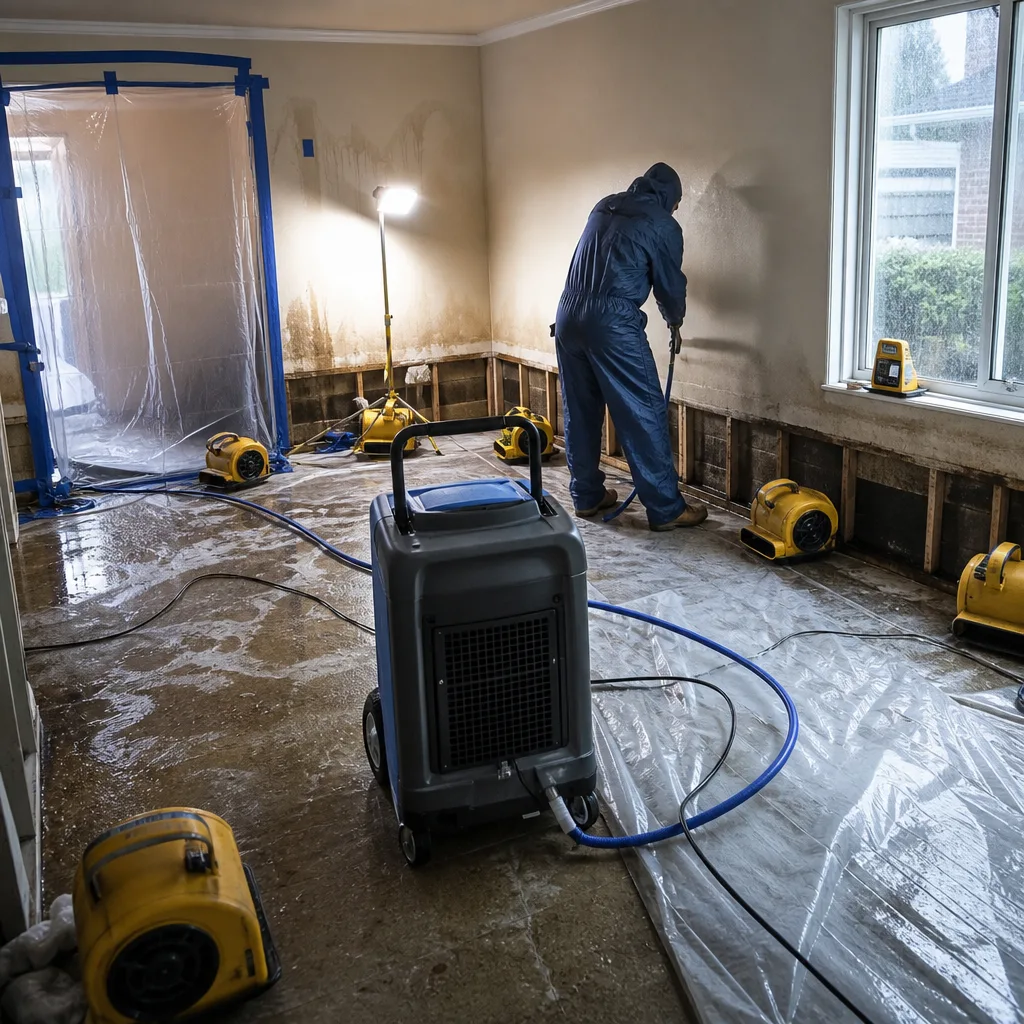
Every restoration company will give you something at job completion. What they give you determines whether your insurance file is defensible and whether your home’s title is clean.
A contractor’s sign-off letter says, in effect, “we did the work we contracted to do.” It’s an internal document, unverified by any outside party, and it carries no weight with building officials or future buyers. We’ve reviewed competitor files where the only completion document was a one-page letter on company letterhead. Those files stalled at adjuster review when questions arose about whether repairs met code.
A certificate of completion from a code inspection is an official government record. It verifies that an independent inspector evaluated the work against adopted standards and found it compliant. In Washington, this certificate is recorded with the permit file and becomes part of the property’s permanent record. When you later sell your Tukwila home, the certificate demonstrates that restoration work was properly permitted and inspected, satisfying your disclosure obligation under RCW 64.06.
The practical difference plays out in two scenarios we’ve seen repeatedly:
Scenario one: supplemental claim dispute. Six months after a water damage restoration, mold appears in a “repaired” wall cavity. The insurer investigates whether the original drying was adequate. A file with daily moisture logs, permit numbers, and inspection certificates demonstrates due diligence. A file with only a contractor sign-off letter invites skepticism about whether proper standards were followed. We’ve defended our documentation in these disputes; the permit and inspection record typically resolves questions in the homeowner’s favor within days.
Scenario two: home sale disclosure. A Tukwila seller discloses prior water damage and “professional restoration.” The buyer’s inspector finds no permit record for the work. The seller now faces either a price reduction, a demand for invasive inspection, or a failed sale. The certificate of completion would have prevented this, and its absence creates liability that can persist for years under Washington’s disclosure statutes.
Our standard deliverable includes the certificate of completion in the photo record, with the permit number cross-referenced in the written scope. Haven Standard documentation requires this linkage so that no completed job leaves our system with a documentation gap that could haunt the homeowner later.
The Documentation Chain: Permits, Photos, and Claim Files
Restoration documentation that satisfies both building officials and insurance adjusters follows a specific chain. Break any link, and the entire file loses credibility. We’ve refined this chain across 12,000 jobs, and it now forms the backbone of our DryMark Restoration Tukwila home documentation protocol.
Link 1: Permit number in the written scope. Before any work begins, the written price includes the permit type, jurisdiction, estimated fee, and application timeline. If we’re filing the permit, the application confirmation is photographed and added to the file. If the homeowner is filing, we provide the scope documentation needed for the application. Haven Standard, Clause 1: written price before work begins, and that price includes permit costs when permits are required.
Link 2: Inspection dates in the project schedule. We don’t treat inspections as afterthoughts. The project schedule built into our drying logs includes inspection hold points: pre-cover inspection for moisture verification, rough inspection for structural and mechanical work, and final inspection for sign-off. Each hold point is a scheduled milestone with buffer time for inspector availability.
Link 3: Photo record of inspection results. Our documented photo record on every visit includes the inspector’s approval tags, correction notices if any, and the final certificate of completion. These photos are geotagged, timestamped, and uploaded to the claim file within 24 hours. Adjusters we’ve worked with at major carriers have told us this immediate documentation is why our invoices process faster than competitors’.
Link 4: Final sign-off in the claim packet. The completed claim packet delivered to the homeowner and adjuster includes: the original permit application, all inspection reports, the certificate of completion, and the cross-referenced photo record. This packet demonstrates that the restoration was not merely performed, but verified.
The chain matters because insurance adjusters and home buyers ask different questions but look at the same documents. An adjuster wants to know the work was necessary and properly done. A buyer wants to know the work won’t become their problem. The documentation chain answers both.
In Tukwila specifically, we’ve found that King County’s electronic permit records integrate with some title search systems, meaning unpermitted work can surface during a routine pre-sale title review even without a physical inspection. The permit record is increasingly a digital permanence, not a paper file that might be overlooked.
Tukwila’s Climate and Geography: Permit Implications
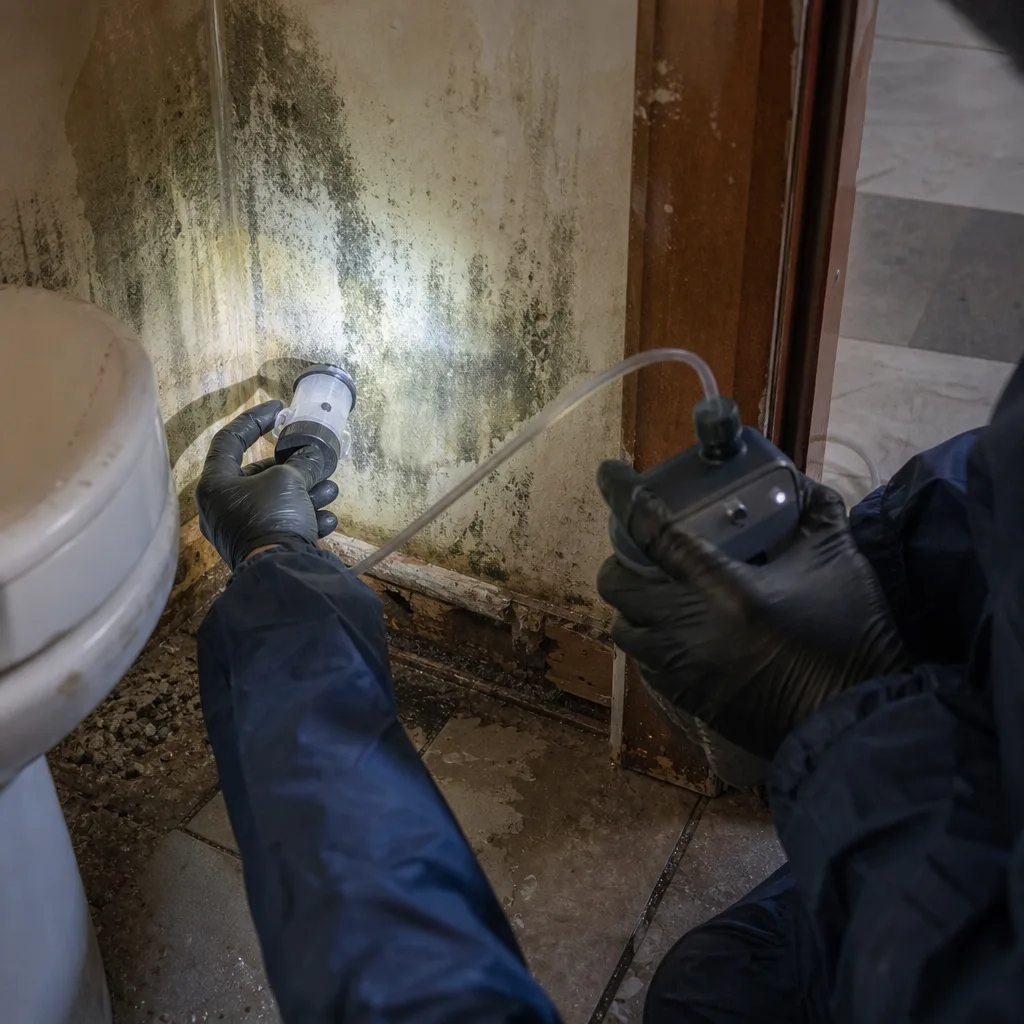
Tukwila’s location at the confluence of the Green and Duwamish Rivers, combined with Puget Sound’s marine climate, creates restoration scenarios with specific permit considerations that inland Washington jurisdictions don’t face.
High water table and seasonal flooding: Tukwila’s water table sits high enough that basement water intrusion is common in winter months, particularly in the Allentown and Riverton neighborhoods. Restoration of below-grade spaces triggers FEMA flood-resistant material requirements that don’t apply to above-grade work. We’ve permitted basement restorations in Tukwila that required engineered drainage plans because the original construction predated current floodplain mapping. The permit application must account for this, or the inspection will fail.
Clay soils and foundation movement: Tukwila’s glacial till soils expand and contract with moisture changes. Restoration work that includes foundation repair or sub-slab drainage requires geotechnical review that adds time to the permit process. We factor this into our written scopes for Tukwila properties, with explicit timeline language so homeowners understand why a foundation-related restoration may take longer than a comparable job on different soils.
Marine climate mold pressure: The cool, humid months from October through April create conditions where mold colonizes within 48-72 hours of water intrusion. Emergency permits for mold remediation with containment and negative air pressure systems are available over-the-counter in Tukwila, but the containment design must be included in the permit application. Our Mold Remediation in Tukwila service includes this design documentation as standard, not as an add-on.
Seismic considerations: Tukwila’s location in the Puget Sound basin means current building codes include specific seismic bracing requirements for replaced mechanical equipment and water heaters. Inspectors verify this bracing during final inspection, and we’ve seen failures where contractors installed new equipment without proper strapping. The correction requires re-access and re-inspection, adding cost and delay that proper permitting prevents.
Permit Costs and Realistic Timelines in King County
Permit costs in Tukwila and King County scale with project value and complexity. While we itemize these in every written scope, homeowners should understand the general ranges to evaluate whether a contractor’s pricing is transparent.
| Permit Type | Typical Fee Range (Tukwila) | Timeline | Inspections Required |
|---|---|---|---|
| Electrical (like-for-like replacement) | $85-$180 | Over-the-counter, same day | 1 final |
| Plumbing (water heater replacement) | $120-$250 | Over-the-counter, 1-2 days | 1 final |
| Mechanical (HVAC component replacement) | $150-$320 | Over-the-counter, 1-2 days | 1 final |
| Building repair (under 200 sq ft, non-structural) | $200-$450 | Over-the-counter, 2-3 days | 1 final |
| Building repair (over 200 sq ft or structural) | $450-$1,200+ | Plan review, 10-15 days | Rough + final (sometimes pre-cover) |
| Foundation/drainage work | $800-$2,500+ | Plan review, 15-20 days | Multiple: footing, rough, final |
| Asbestos/lead abatement notification | $150-$400 (Puget Sound Clean Air Agency) | 10-day advance notice required | Agency inspection post-abatement |
These fees are separate from restoration labor and materials, and honest contractors disclose them upfront. We’ve seen Tukwila homeowners surprised by $800 permit fees for foundation work that a competitor “forgot” to include in the initial estimate. Haven Standard, Clause 1 exists to prevent exactly this: the written price before work begins includes all permit fees we know or reasonably anticipate, with a clear process for handling unforeseen requirements.
Timeline planning matters for insurance coverage too. Most policies cover “reasonable” additional living expenses during restoration, but they don’t cover delays caused by permit applications that should have been filed promptly. We file permits within 24 hours of scope approval for emergency work, and we document that filing timestamp in the claim record.
Common Mistakes to Avoid
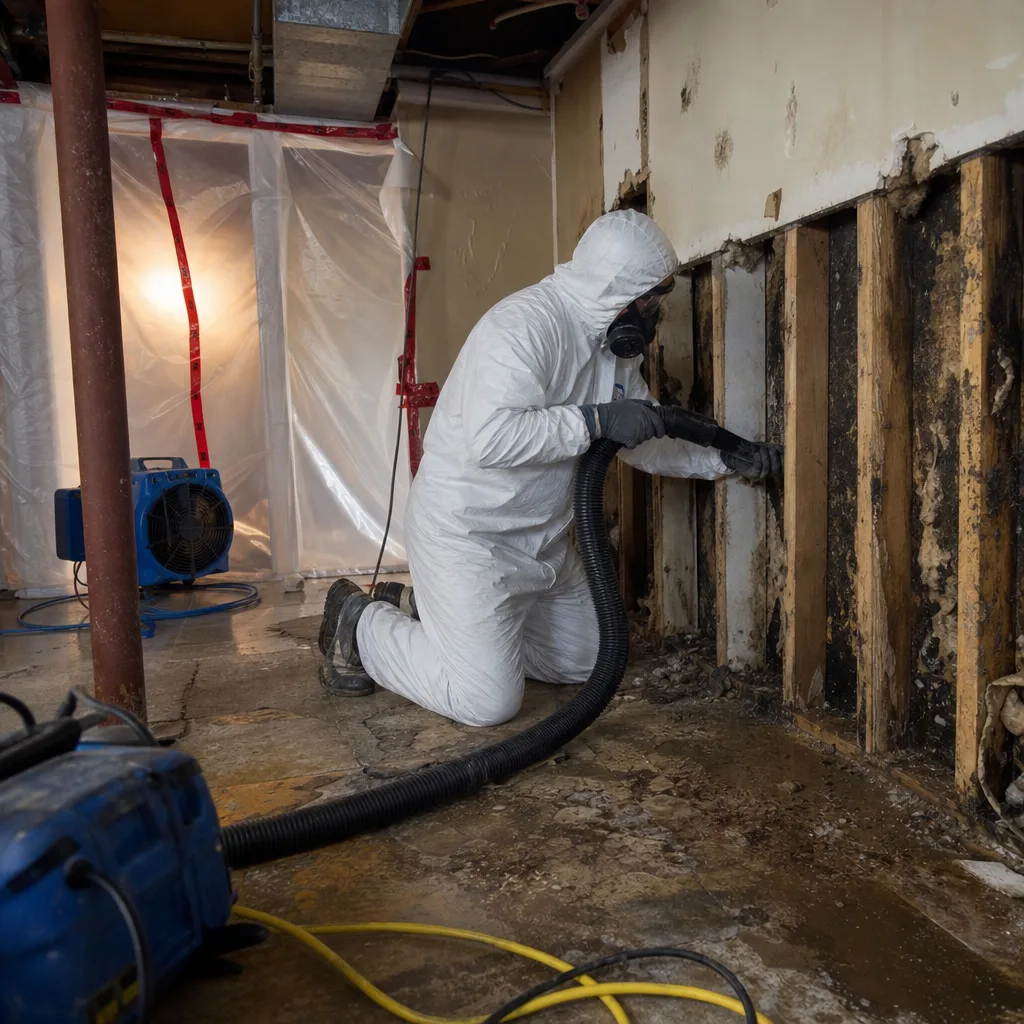
- Assuming mitigation doesn’t need permits: Emergency water extraction and drying typically don’t, but the moment walls come down for cavity access or materials are replaced, permitting thresholds may apply. We assess this during our initial moisture mapping and note permit requirements in the written scope before demolition starts.
- Letting the contractor “handle permits later”: In Tukwila, work started without required permits faces double fees and potential stop-work orders. We’ve been called to jobs where a competitor began reconstruction, was red-tagged by the city, and left the homeowner with an exposed structure and no completion timeline. Our written scope specifies who obtains the permit and by when.
- Accepting a completion letter without inspection verification: A contractor’s letterhead says nothing about code compliance. We provide the certificate of completion or explain explicitly why the work type didn’t require one, with jurisdiction confirmation documented.
- Ignoring flood zone requirements in Tukwila: Properties in the Duwamish and Green River floodplains must use flood-damage-resistant materials for below-grade restoration. Standard materials will fail inspection and may void NFIP coverage if a subsequent flood occurs.
- Failing to disclose permitted work at sale: RCW 64.06 requires disclosure of “material facts” affecting value, which includes prior damage and restoration. The permit record actually helps your disclosure by demonstrating professional, verified work. Hiding it creates liability; documenting it defends value.
- Not cross-referencing permit numbers in insurance files: Adjusters process hundreds of claims; make theirs easy. We include permit numbers in every invoice line item that required permitting, so the adjuster sees the compliance chain without hunting for it.
- Skipping the free second opinion on estimates that omit permits: If a competitor’s written estimate doesn’t mention permits for work that clearly requires them, that’s a red flag for either inexperience or hidden costs. Our Free Second Opinion on Any Written Estimate includes permit requirement review at no charge.
When to Call a Professional
Call a restoration professional when your damage involves structural elements, electrical or plumbing systems, HVAC equipment, or exceeds the surface-area cleanup you could handle with household supplies. Browse more guides & resources for additional homeowner guidance. In Tukwila specifically, call when your property is in a FEMA-mapped flood zone, when pre-1990 materials may be disturbed, or when your insurance carrier has already assigned an adjuster who will expect documented compliance.
At DryMark Restoration Tukwila, we provide free estimates that include permit requirement analysis, written pricing before work begins, and a documented photo record on every visit. Our background-checked, uniformed technicians arrive with the license number visible, and a live person answers every call, 24 hours a day, 7 days a week, with no voicemail trees while water is still moving. For Water Damage Restoration in Tukwila, Fire & Smoke Damage Restoration in Tukwila, or any restoration need with permit complexity, call (253) 642-8884.
Frequently Asked Questions
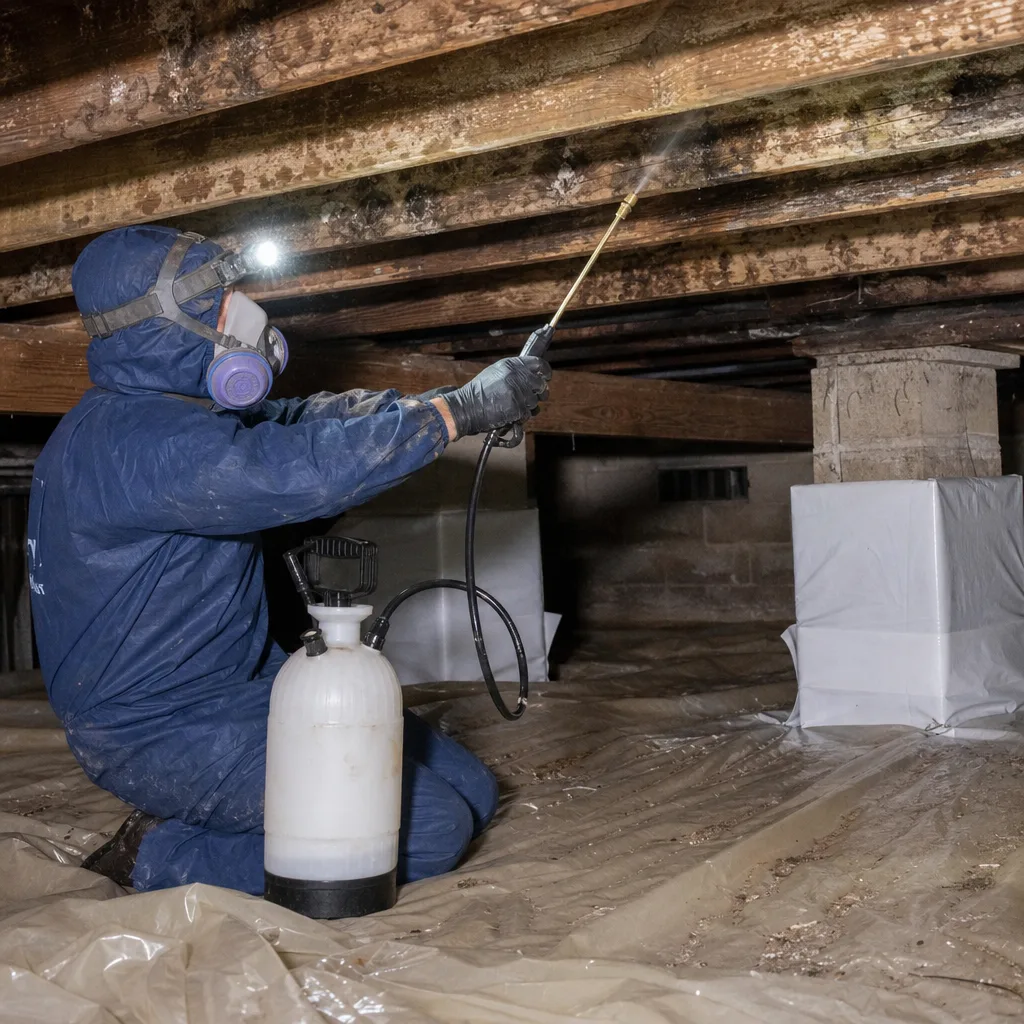
Water extraction and drying typically don’t require permits, but replacement of drywall, insulation, flooring, or any electrical, plumbing, or HVAC components usually does. In Tukwila, we determine permit requirements during our initial moisture assessment and include them in the written scope before any demolition begins. Call (253) 642-8884 for a free estimate that specifies exactly what permits your job requires.
Over-the-counter permits for like-for-like electrical, plumbing, or mechanical replacement typically issue within 24-48 hours. Plan-review permits for structural repairs or extensive reconstruction take 10-15 business days in Tukwila, longer during peak storm season. Emergency repairs without prior permit are allowed for immediate threats to life safety, but the permit application must be filed within 72 hours and the work is subject to after-the-fact inspection.
Most homeowners policies cover “reasonable and necessary” costs to restore the property to pre-loss condition, which typically includes required permit fees. However, carriers require documentation that permits were actually obtained and inspections passed. We itemize permit costs in our written scope and include certificates of completion in the claim packet to support reimbursement. If your adjuster questions permit coverage, our documented file usually resolves it quickly.
Unpermitted work creates three problems: potential fines and stop-work orders from the city, denial of insurance coverage for related future claims, and a disclosure obligation under RCW 64.06 that can complicate or prevent home sale. In Tukwila, unpermitted work discovered during a subsequent permit application for other work may require costly retroactive inspection or removal and replacement. The certificate of completion from proper permitting prevents all three issues.
FEMA flood zone maps are available through the City of Tukwila’s planning department and the King County Parcel Viewer. Properties in zones AE, AH, or VE have specific flood-resistant material requirements for below-grade restoration that standard repairs won’t satisfy. We check flood zone status during our initial assessment for any Tukwila property near the Green River, Duwamish River, or known drainage problem areas, and we specify compliant materials in our written scope.
IICRC certification verifies that a technician has completed training in restoration industry standards for cleaning, drying, and remediation. A building permit verifies that the work itself meets enforceable state and local codes. Both matter: IICRC-trained technicians produce better drying outcomes, but only permitted and inspected work creates the legal record that protects your insurance claim and home sale. Our technicians hold IICRC credentials, and we obtain permits for all work that requires them, documenting both in your file.
The Bottom Line
Permits and inspections aren’t bureaucratic obstacles in Washington restoration work. They’re the documentation layer that transforms a contractor’s promise into a verifiable, transferable, insurable record. Under RCW 64.06, unpermitted restoration becomes a liability you must disclose; properly permitted and inspected restoration becomes an asset that defends your home’s value. In Tukwila’s specific regulatory environment, with its flood zones, clay soils, and marine climate pressures, the permit process also ensures that repairs actually withstand the conditions that caused the original damage. Every job we complete under The Haven Standard includes this documentation chain: permit number in the scope, inspection dates in the schedule, final certificate in the claim packet, and the 365-Day Done Right Promise if anything falls short. Written price before work begins, every time, with no exceptions.
Written by Alicia Brennan, Owner at DryMark Restoration Tukwila, serving Tukwila since 2011.