
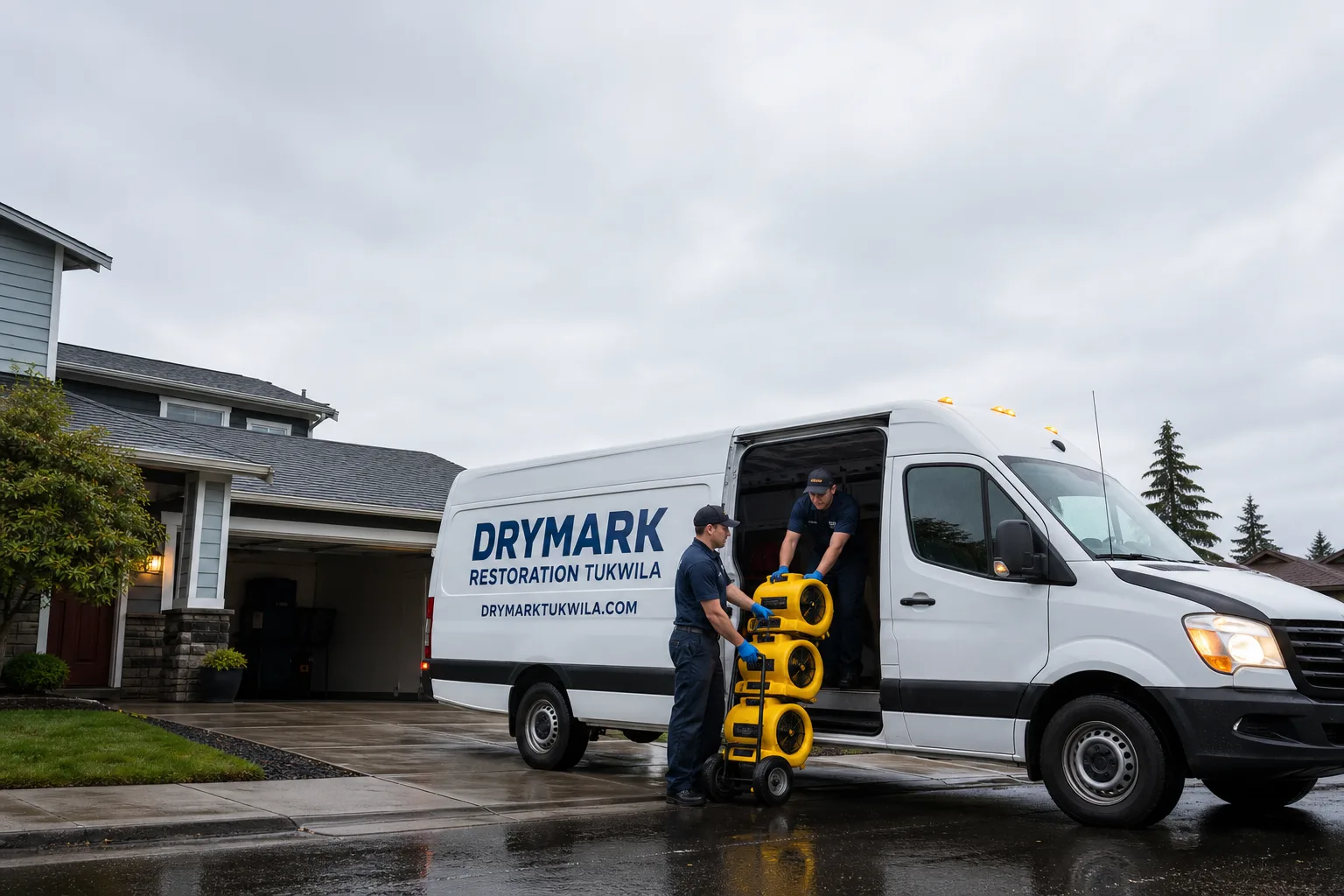
Free visual inspection and a written scope of work before any mitigation begins - photos, moisture readings, and drying logs go in your claim file
The scope we write is the scope we bill. Anything new gets shown to you, in writing, before we touch it.
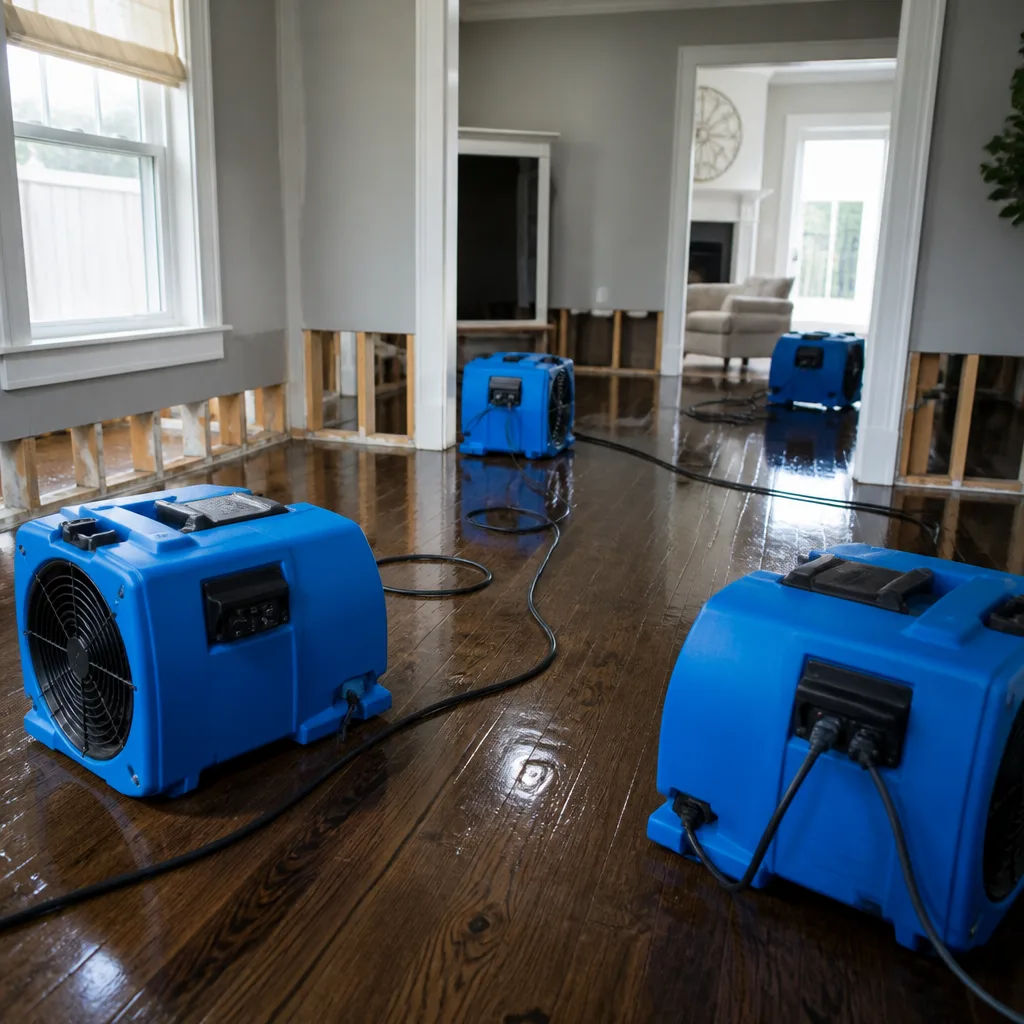
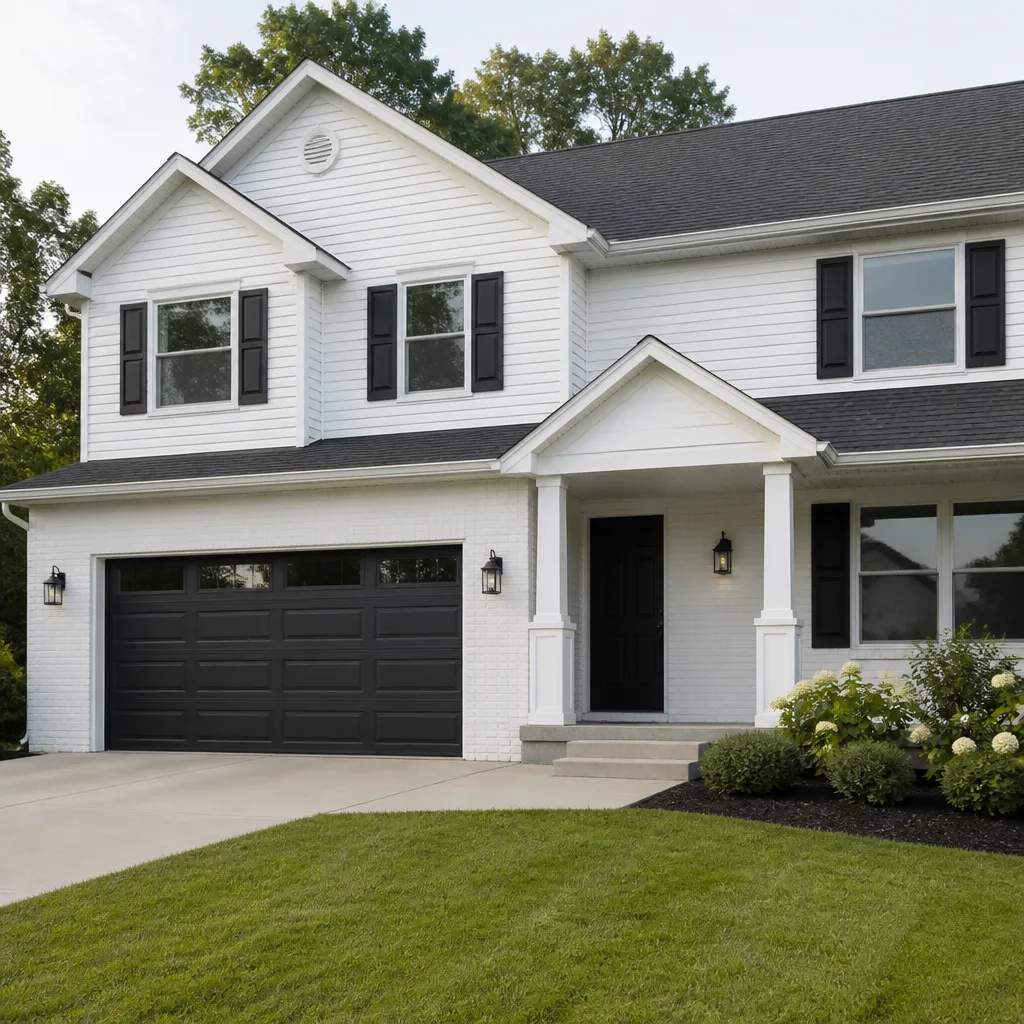
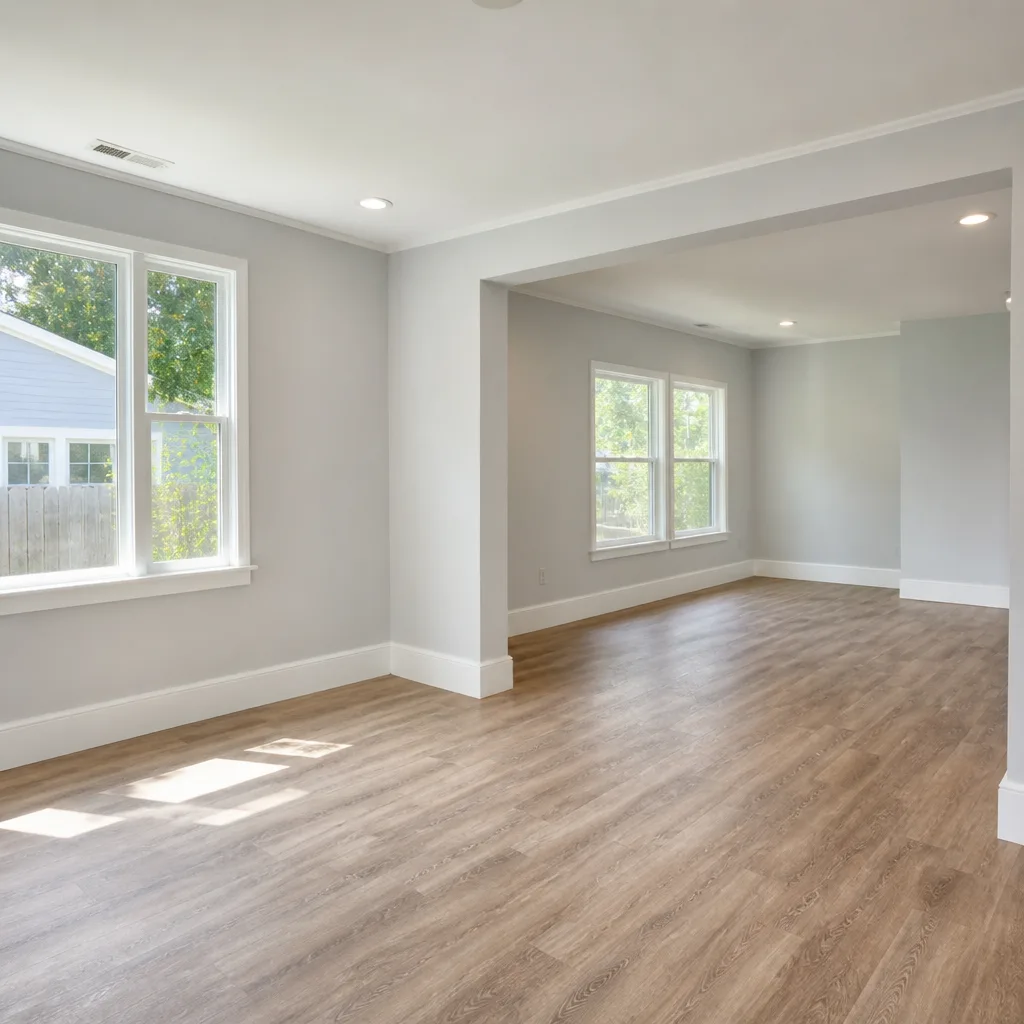
 Before
 After
After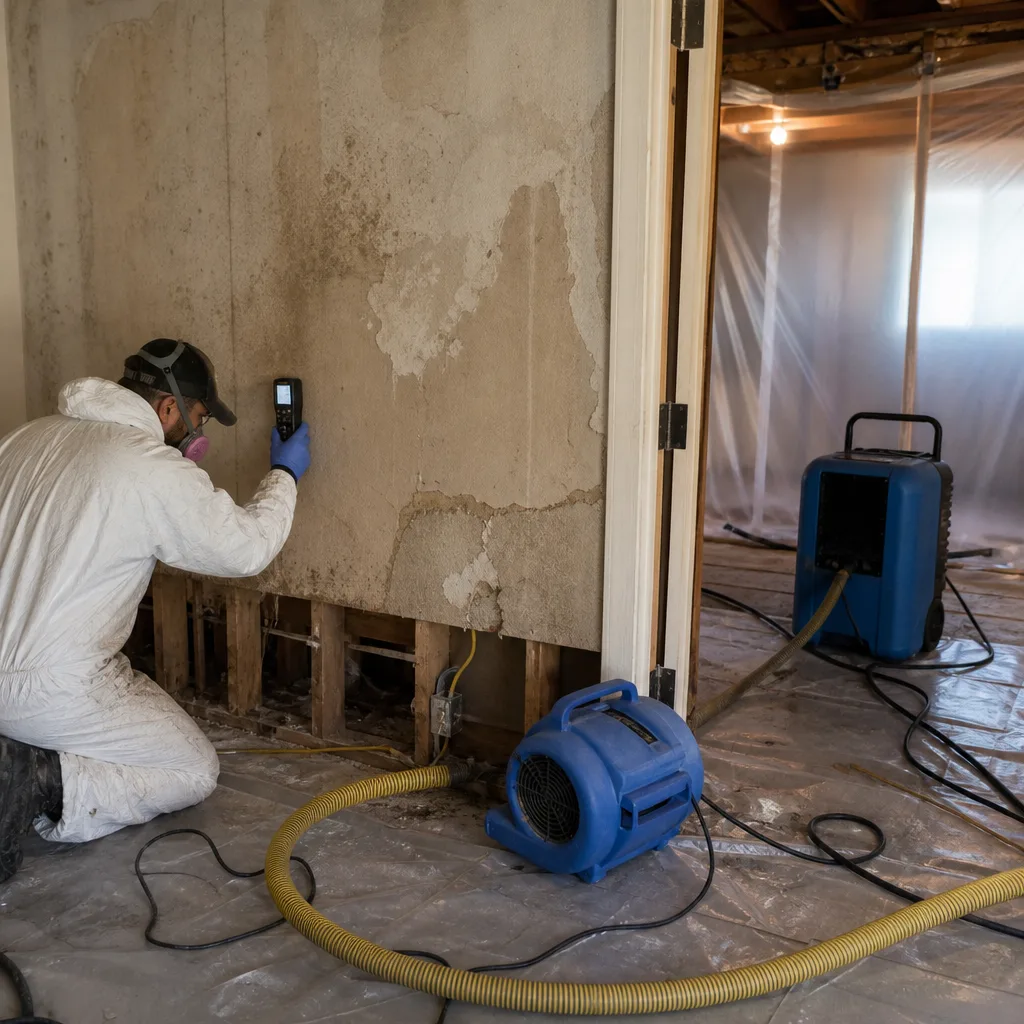 Before
 After
After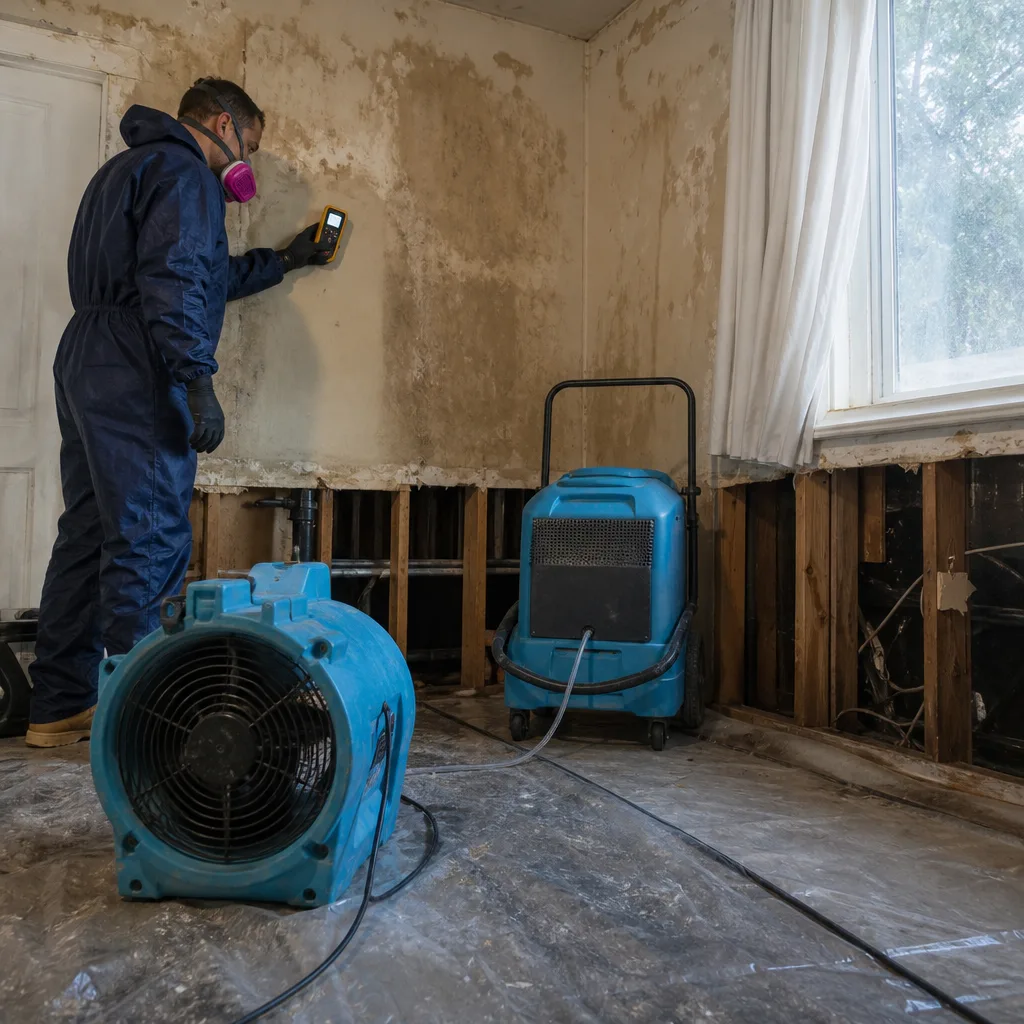 Before
 After
AfterFast, Reliable Mold Remediation Across Auburn
Mold remediation in Auburn typically costs $1,800-$4,500 for most residential jobs, with crawl-space treatments running $2,200-$5,000 and full air-quality restoration with HEPA filtration between $800-$2,400. Most Auburn homeowners call us after noticing musty odors in older valley-floor ranches or after water intrusion from the Green River’s repeated flood-watch events. We’re familiar with Auburn’s two distinct housing profiles: the post-war crawl-space homes on the valley floor and the slab-on-grade construction up on Lea Hill and West Hill. Our crews are dispatched from our Seattle office and carry the documentation protocols that Auburn’s NFIP policyholders need from day one. If you suspect mold, call (253) 642-8884. We’ll send a written price before any work starts, every time. Haven Standard, Clause 1.
Why DryMark Restoration Tukwila Is Auburn’s Preferred Mold Remediation Company
We’ve restored homes in Auburn since 2011, and our records show we’ve completed work in neighborhoods from downtown’s historic district to the newer developments along Auburn Way. Our 12,000+ home restoration history includes hundreds of mold remediation jobs in King County’s southern corridor, many of them in Auburn’s FEMA-mapped flood zones where documentation standards are stricter than typical homeowner claims.
Our response time to Auburn averages under 90 minutes for emergency calls, with live phone coverage 24 hours a day, 7 days a week. No voicemail trees. When the Green River rises and valley-floor properties take water, that live answer matters.
What separates our work in Auburn is NFIP fluency. Valley-floor properties here commonly carry National Flood Insurance Program policies rather than standard homeowner flood endorsements. The documentation requirements differ, the adjuster relationships differ, and contractors who primarily work in higher-elevation cities like Renton or Federal Way often fumble the scope-approval process. We don’t. Our written scopes, photo records, and daily moisture logs are built to satisfy NFIP adjusters because we’ve done it hundreds of times.
Every technician who enters your Auburn home is background-checked, uniformed, and licensed, with the license number available on request. You get their name before they arrive, and a photo record of every visit as a standard deliverable, never an upsell.
Our Mold Remediation Services in Auburn
Mold Inspection & Testing
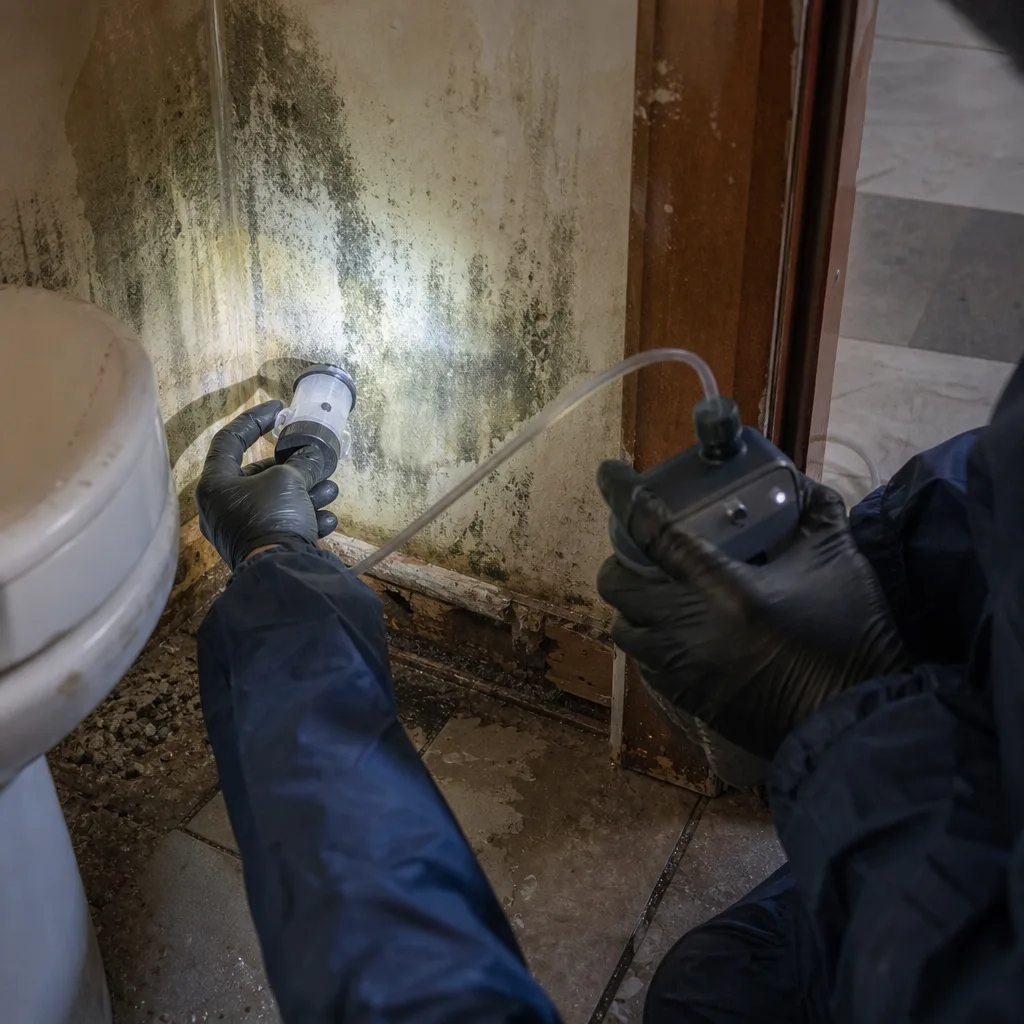
Our Auburn mold inspections start with moisture mapping, not guesswork. We use professional-grade meters to read moisture content in building materials, then sample air and surfaces for spore counts when indicated. In Auburn’s older valley-floor ranches, we pay particular attention to rim joists and subfloors where clay-heavy soils wick ground moisture upward for weeks after rainfall. On Lea Hill and West Hill slab homes, we focus on vapor pressure differentials at slab edges and wall cavities. You’ll receive a written scope with findings, photos, and a fixed price before any remediation work begins. Haven Standard, Clause 1.
Mold Removal
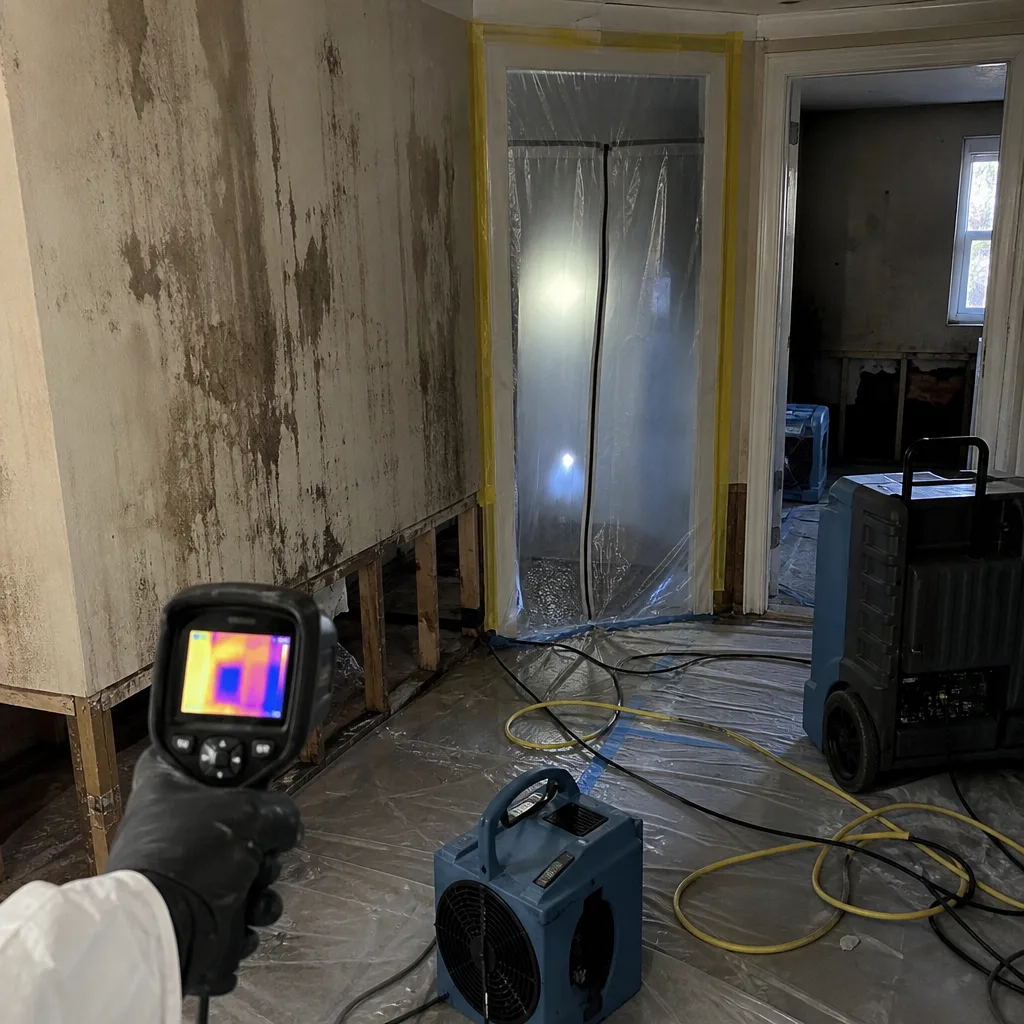
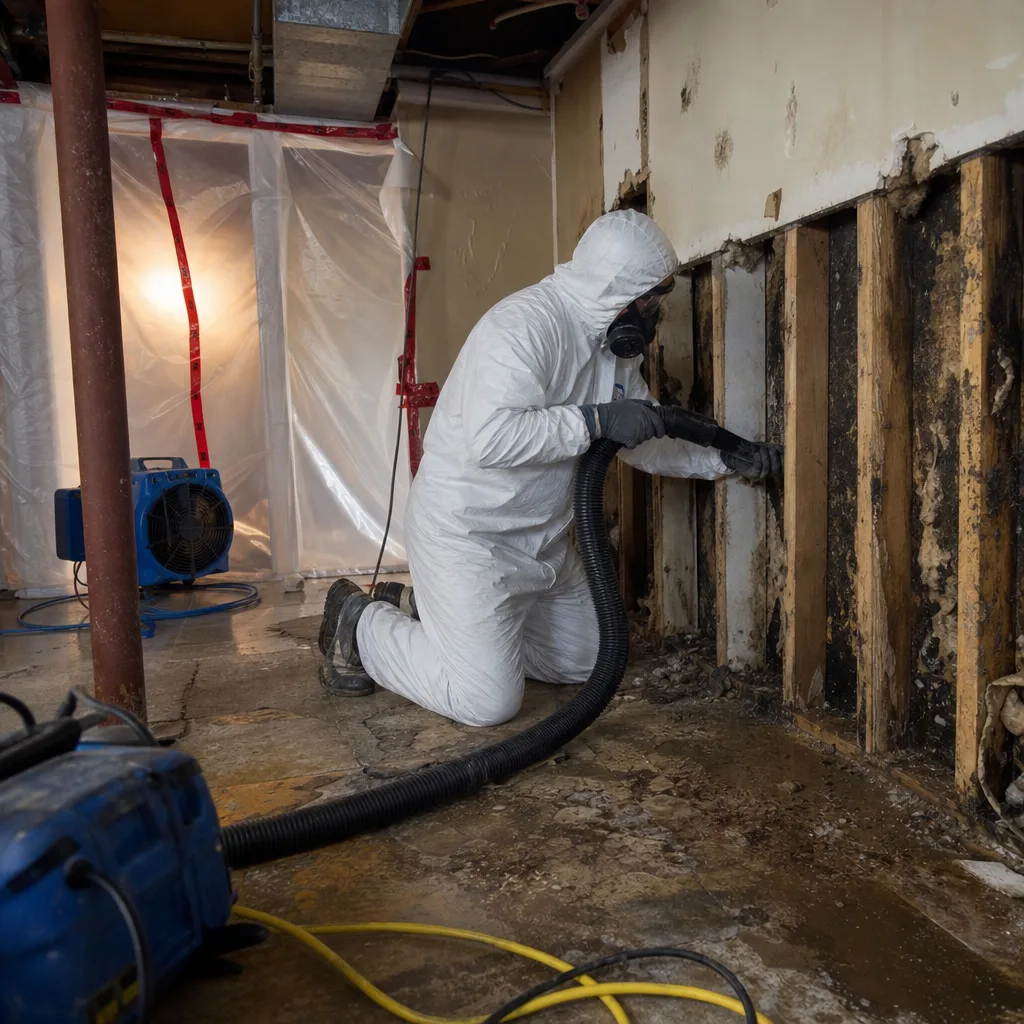
We remove mold by establishing containment, filtering air through HEPA-negative air machines, and treating or removing affected materials per IICRC S520 standards. In Auburn’s flood-zone neighborhoods, we frequently encounter mold behind water-damaged drywall and insulation after slow crawl-space leaks or Green River overflow events. Our crews document pre-loss condition with photographs and moisture readings to support your NFIP claim, then remove only what’s necessary. No demolition theater. Every cut is measured, photographed, and explained in the written scope you approve before we start.
Black Mold Remediation
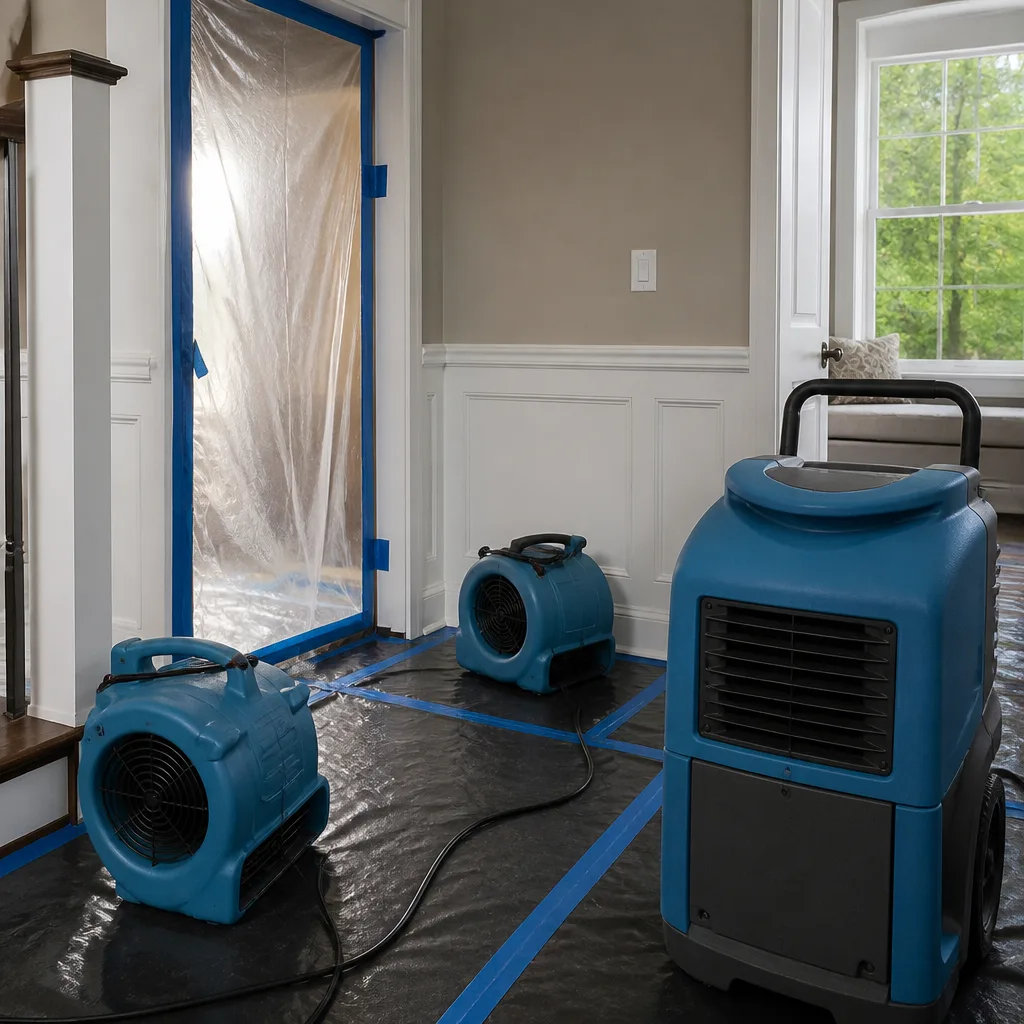
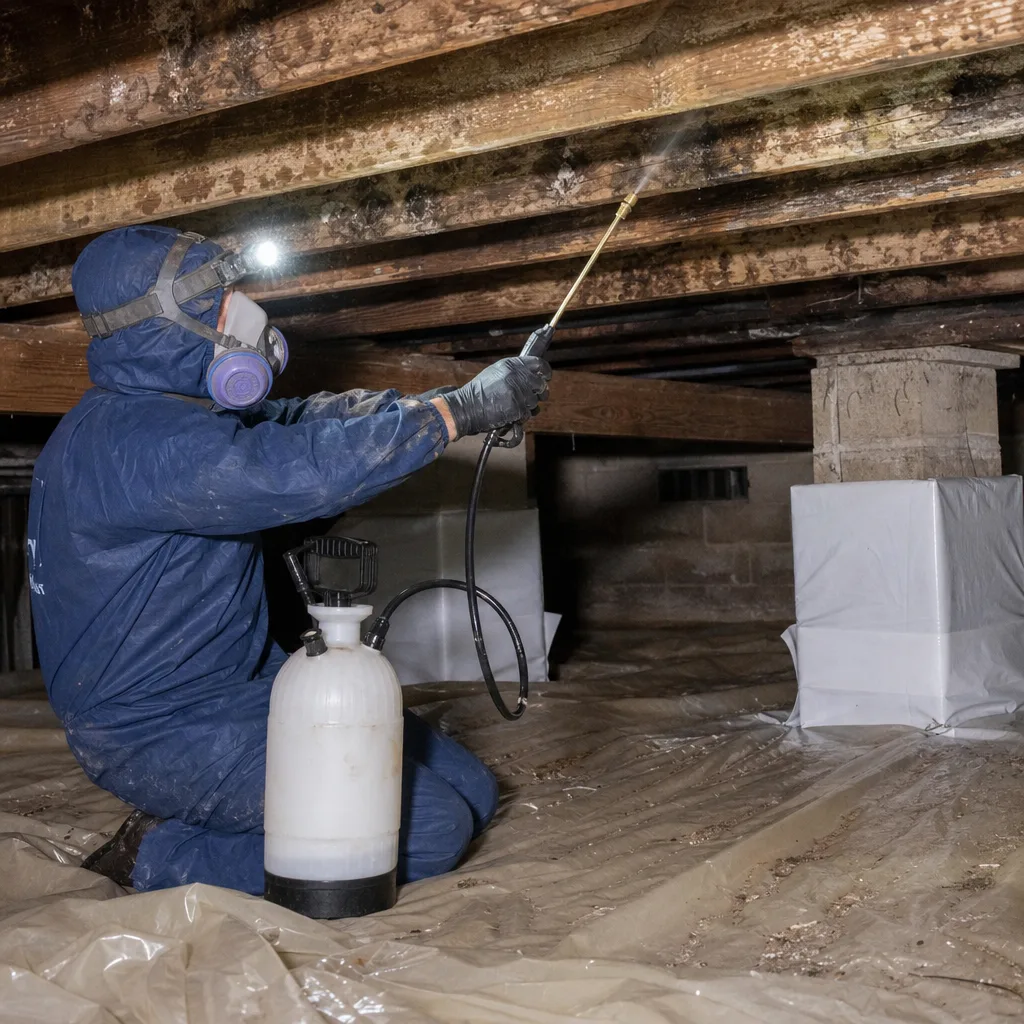
Stachybotrys and other toxigenic molds require stricter containment and personal protective protocols. We’ve handled black mold remediation in Auburn homes where prolonged moisture in crawl spaces or behind bathroom walls created ideal colonization conditions. The valley floor’s extended saturation window, clay soils, and limited topographic drainage mean Auburn homes can harbor hidden moisture for weeks after a storm, accelerating secondary mold growth compared to higher-elevation cities. Our containment systems use Dri-Eaz and Phoenix dehumidification equipment to establish negative pressure and dry the structure while remediation proceeds.
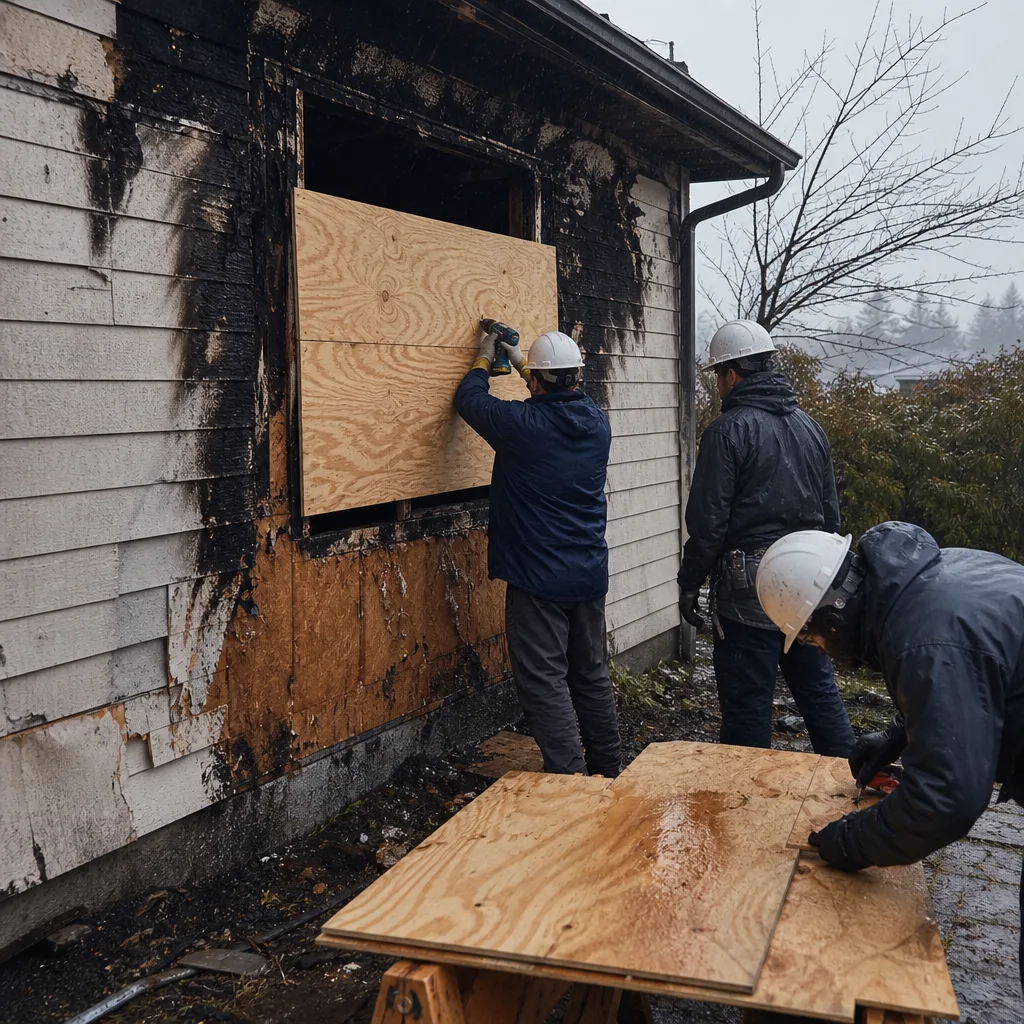
Air Quality Restoration
After mold removal, we restore indoor air quality through HEPA filtration, duct cleaning when indicated, and post-remediation verification testing. Many Auburn homeowners first notice mold through persistent musty odors or respiratory irritation rather than visible growth. Our air quality restoration includes spore-trap sampling with third-party lab analysis, documented in your job file for insurance and your own records. We don’t declare a job complete until the numbers support it.
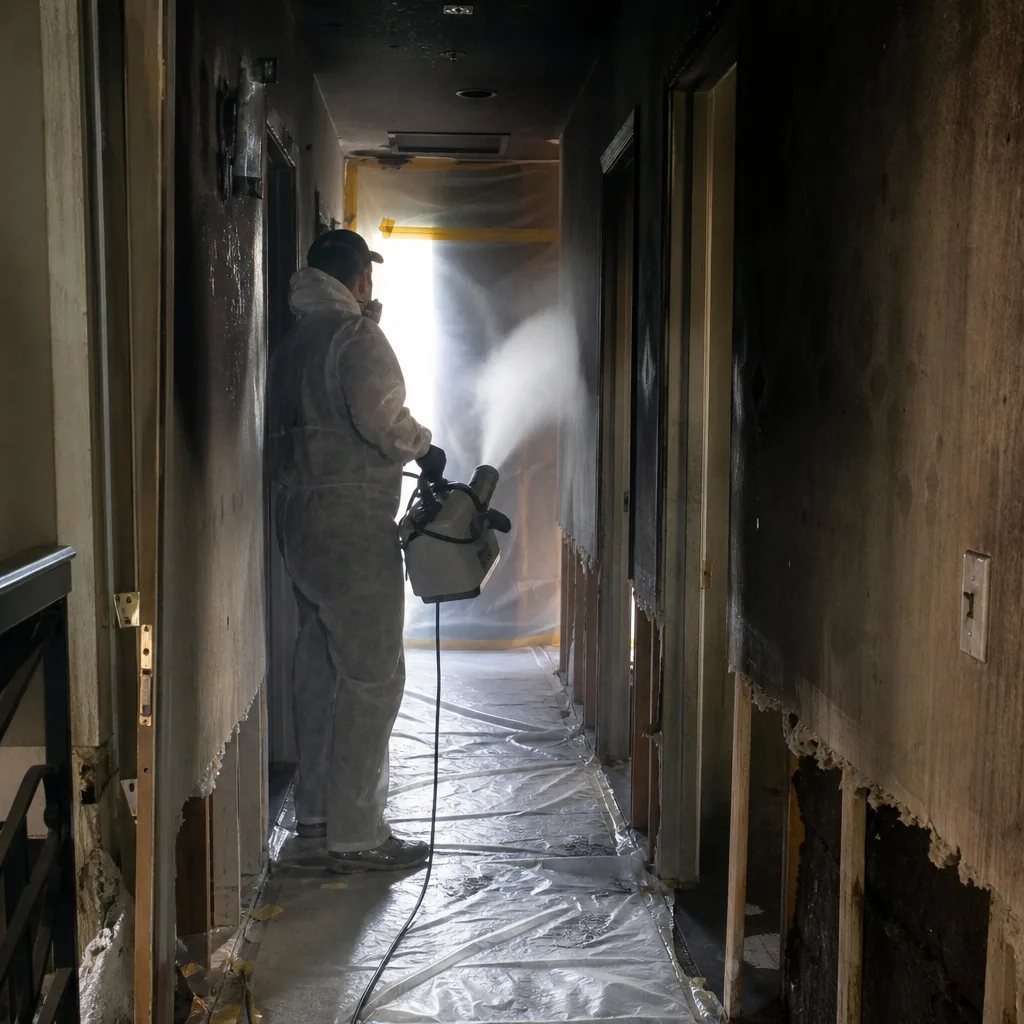
Crawl Space Treatment
Crawl space mold is our most common call in Auburn’s valley-floor neighborhoods. Post-war ranches on M Street, the historic district, and areas near the Green River were built over crawl spaces with minimal vapor barriers and direct ground contact. We treat these spaces with antimicrobial application, install or repair vapor barriers, and establish permanent moisture control. Our field teams carry two distinct protocol sets: one for clay-soil crawl spaces with wicking moisture, another for the slab-on-grade construction found in newer Auburn developments.
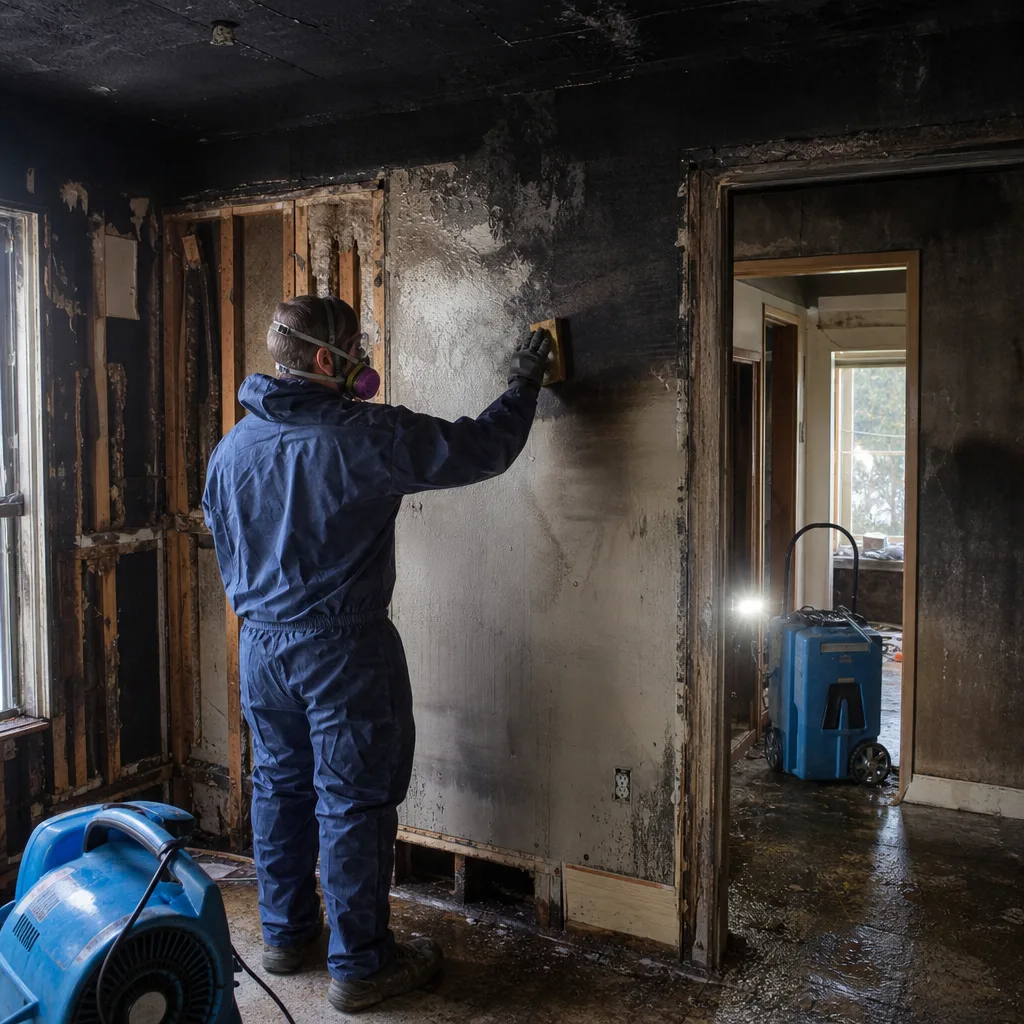
Moisture & Humidity Control
Controlling moisture is controlling mold. In Auburn, that means addressing the valley’s unique hydrology: saturated clay soils that stay wet for weeks, minimal slope for drainage, and crawl spaces that function as groundwater collection points. We install permanent dehumidification, improve ventilation, and seal foundation penetrations. Every moisture control system we design is documented with baseline readings, target parameters, and a maintenance schedule. You’ll know what we measured, what we changed, and what to monitor.
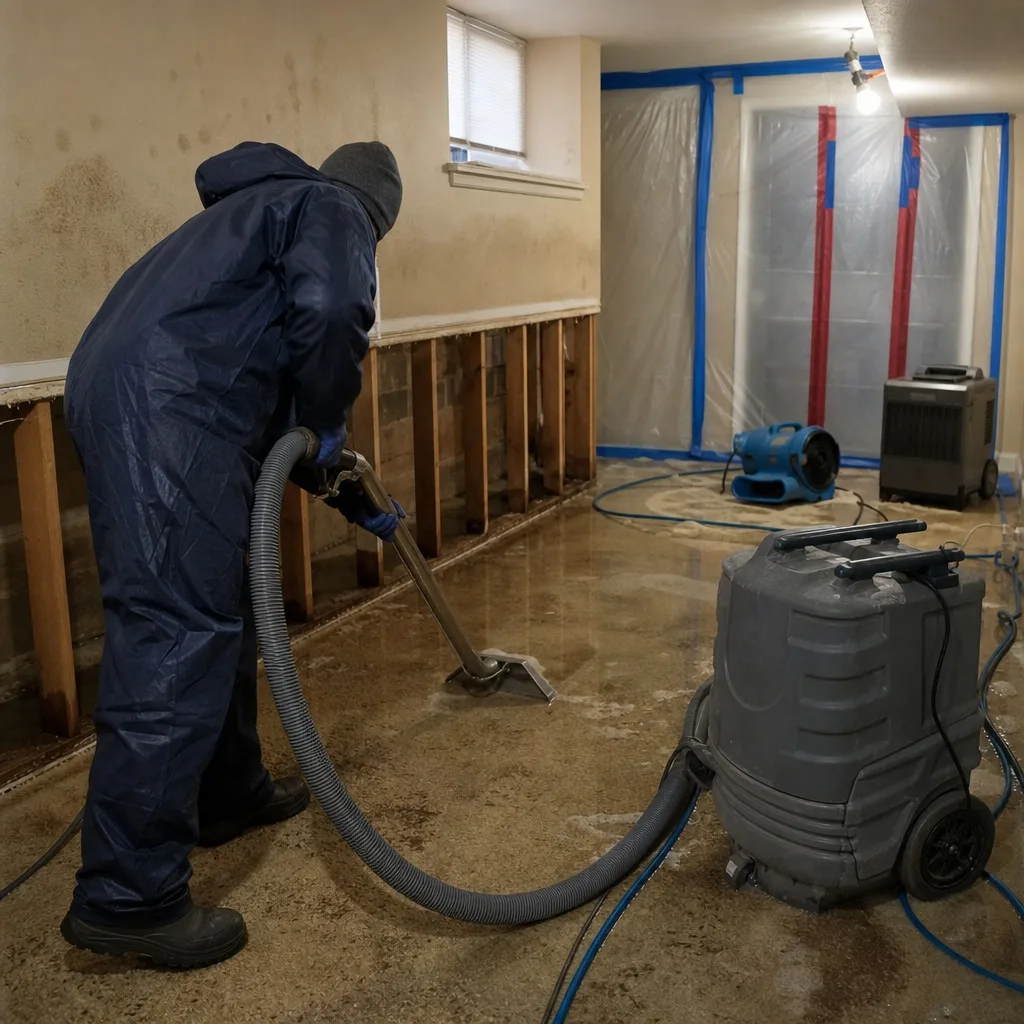
What happens when you call
- 1
A real person answersNo phone trees - you reach a local pro.
- 2
You get an upfront price rangeHonest numbers before anyone is dispatched.
- 3
A background-checked tech heads outLicensed & insured, dispatched right away.
- 4
You approve before work beginsNothing starts until you say go.
 Before
 After
AfterTrusted Brands We Service in Auburn
Our equipment inventory includes professional-grade drying and remediation systems from Dri-Eaz, Phoenix, and Injectidry, with HEPA air filtration from XPOWER and B-Air. We stock common consumables and replacement filters locally to avoid delays on Auburn jobs. When a valley-floor home needs immediate dehumidification during a flood-watch event, we don’t wait for a parts run to Renton. Our Injectidry systems handle the specialty drying scenarios common in Auburn’s older construction: hardwood floor rescue, wall-cavity injection drying, and subfloor treatment without full demolition. All work is documented to IICRC, RIA, and IFA standards.
Common Mold Remediation Problems We See in Auburn Homes
- Slab-on-grade protocols misapplied to crawl-space homes. Contractors from outside the valley sometimes treat a 1960s ranch on I Street like a Kent slab home, missing the rim joist moisture and subfloor wicking that define Auburn’s clay-soil crawl spaces. The mold returns because the source wasn’t addressed.
- Water category misclassification after ground contact. Water that has contacted saturated Auburn soils is at minimum Category 2, often Category 3, regardless of its original source. Treating it as clean Category 1 water leads to inadequate antimicrobial treatment and predictable mold recurrence.
- Missing NFIP documentation requirements. Auburn’s flood-zone neighborhoods need pre-loss condition photos, detailed drying logs, and scope language that NFIP adjusters recognize. Generic restoration documentation causes claim delays and leaves homeowners paying out of pocket for covered work.
- Ignoring the extended saturation window. Auburn’s valley-floor position means soils stay wet for weeks after rainfall ends. Drying timelines that work in Federal Way or Puyallup often fail here because the ground moisture source was never interrupted.
Pricing for Mold Remediation in Auburn, WA
| Service | Typical Range in Auburn |
|---|---|
| Mold inspection & testing | $350-$650 |
| Contained mold removal (single area) | $1,800-$3,200 |
| Crawl space mold remediation | $2,200-$5,000 |
| Black mold / toxigenic species | $3,500-$6,500 |
| Air quality restoration with HEPA | $800-$2,400 |
| Whole-home moisture control system | $1,500-$4,000 |
What moves a job within these ranges: square footage of affected area, accessibility (crawl spaces cost more than open basements), whether containment must cross occupied living space, and the documentation burden for NFIP claims. We deliver a written price before work begins on every job, with no scope-creep additions once our crew is inside your home. Haven Standard, Clause 1. Bring a competitor’s written estimate and we’ll review it free. Our Free Second Opinion policy exists because we’ve seen too many Auburn homeowners oversold on demolition they didn’t need.
We Also Serve Cities Near Auburn
Our crews work throughout southern King and northern Pierce counties, including Auburn, Federal Way, Kent, Puyallup, and Tacoma. Each city’s geography and housing stock shapes the remediation approach we bring. Our Mold Remediation team carries the documentation protocols and equipment configurations matched to each market’s conditions.
Serving Auburn, WA - Our Local Coverage Area
We’re based in the Auburn area and know this community well. Use the map below to see our service coverage - if you’re nearby, we can almost certainly help.
FAQs - Mold Remediation in Auburn
Clay-heavy soils and minimal topographic drainage keep Auburn crawl spaces in contact with standing groundwater for weeks after rainfall ends. This extended saturation window compresses the safe drying timeline from 48-72 hours to often less than 24 hours before mold colonization begins. The post-war ranches common in downtown Auburn and near the Green River were built with minimal vapor barriers, so ground moisture wicks directly into rim joists and subflooring. Call (253) 642-8884 for a moisture map and written price.
NFIP coverage for mold is limited and conditional, typically covering only mold that results from a covered flood event and only when the homeowner has taken reasonable steps to mitigate further damage. The key is documentation: pre-loss condition photos, immediate drying logs, and a detailed scope of work submitted promptly. We structure our Auburn flood-zone remediation specifically to produce the documentation NFIP adjusters require. Coverage gaps often appear when contractors unfamiliar with NFIP processes fail to document properly, not because the mold itself was ineligible.
Slab-on-grade construction shifts the risk from crawl-space wicking to vapor pressure differentials at slab edges, wall cavities, and plumbing penetrations. Our Lea Hill and West Hill protocol uses non-invasive moisture detection to trace slab-edge intrusion, then establishes drying through Injectidry cavity injection and targeted dehumidification rather than subfloor access. The documentation differs too: these homes rarely carry NFIP policies, so we scope to standard homeowner coverage requirements instead.
Category 1 is clean water from a broken supply line; Category 2 is gray water with contamination potential, like dishwasher discharge or water that has contacted building materials; Category 3 is black water from sewage or ground flooding. The category determines antimicrobial treatment intensity and material removal requirements. In Auburn, water that has contacted the valley’s saturated clay soils is at minimum Category 2 and often Category 3, regardless of its original source. Misclassifying ground-contact water as Category 1 is the most common error we correct on jobs started by other contractors.
Mold colonization can begin within 24-48 hours of moisture intrusion in standard conditions, but Auburn’s valley-floor environment often compresses that to under 24 hours due to persistent groundwater contact and limited natural drying. The clay soils don’t drain; they hold moisture against foundations and subfloors for weeks. If you’ve had water intrusion, call (253) 642-8884 for same-day moisture mapping. Waiting for visible mold means the remediation scope has already expanded.
Our Work in Auburn: A Field Example
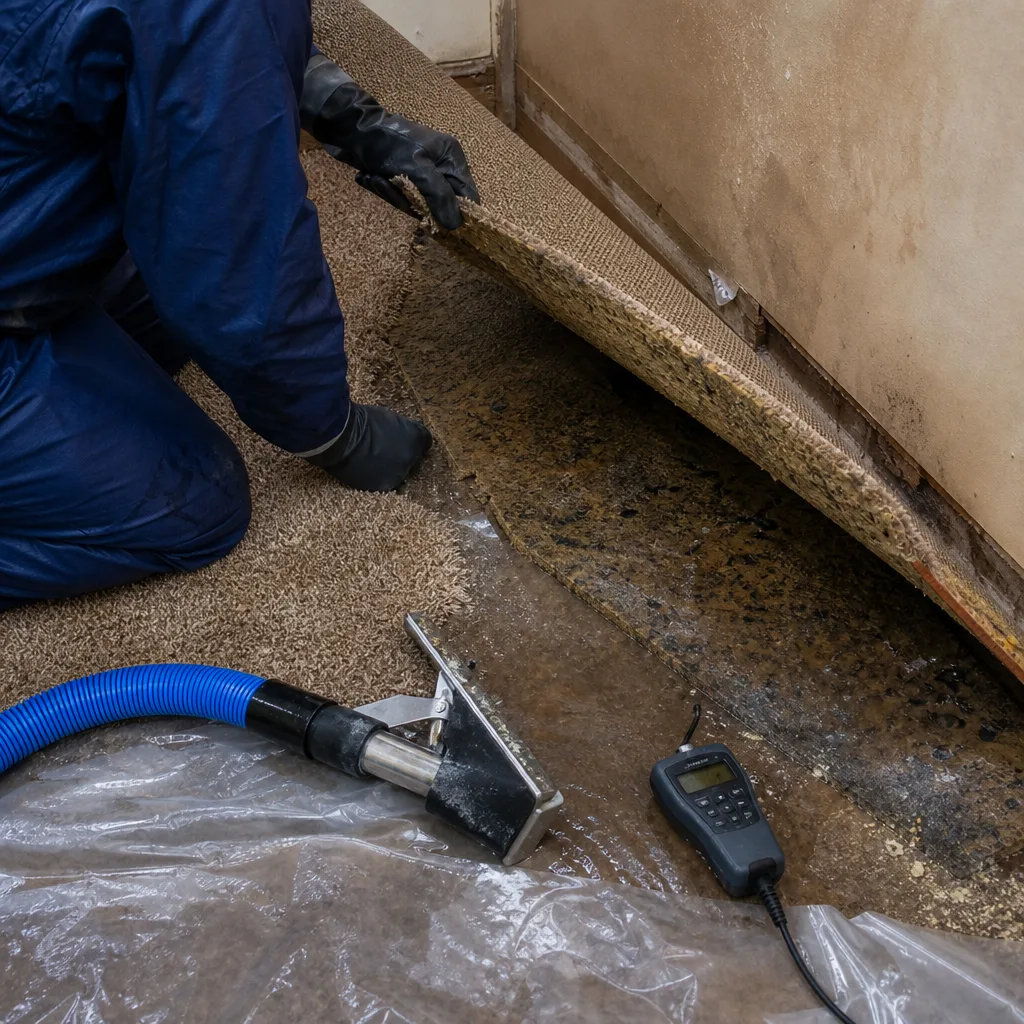
We were called to a mid-century ranch on the Auburn valley floor near the Green River, where a slow crawl-space leak had gone unnoticed for weeks. Our techs ran moisture mapping, found elevated moisture readings in the rim joist and subfloor, and set up containment with Dri-Eaz dehumidification and air movers. Because the home was under an NFIP policy, we documented pre-loss condition with drying logs and a detailed scope of work to satisfy the adjuster, then completed antimicrobial treatment and crawl space drying. The homeowner’s claim processed without dispute because the documentation was complete from day one.
Contact DryMark Restoration Tukwila
If you smell mustiness, see discoloration, or have recently had water intrusion in your Auburn home, call (253) 642-8884. A live person will answer, 24 hours a day, 7 days a week. We’ll schedule moisture mapping and deliver a written price before any work begins. Haven Standard, Clause 1. Bring any competitor’s estimate for a Free Second Opinion. Every job carries our 365-Day Done Right Promise, backed by The Haven Standard and signed by Alicia Brennan.
Written by Alicia Brennan, Owner at Back to Dry Restoration, serving Auburn since 2011.