
Last updated September 23, 2026
Free visual inspection and a written scope of work before any mitigation begins - photos, moisture readings, and drying logs go in your claim file
The scope we write is the scope we bill. Anything new gets shown to you, in writing, before we touch it.
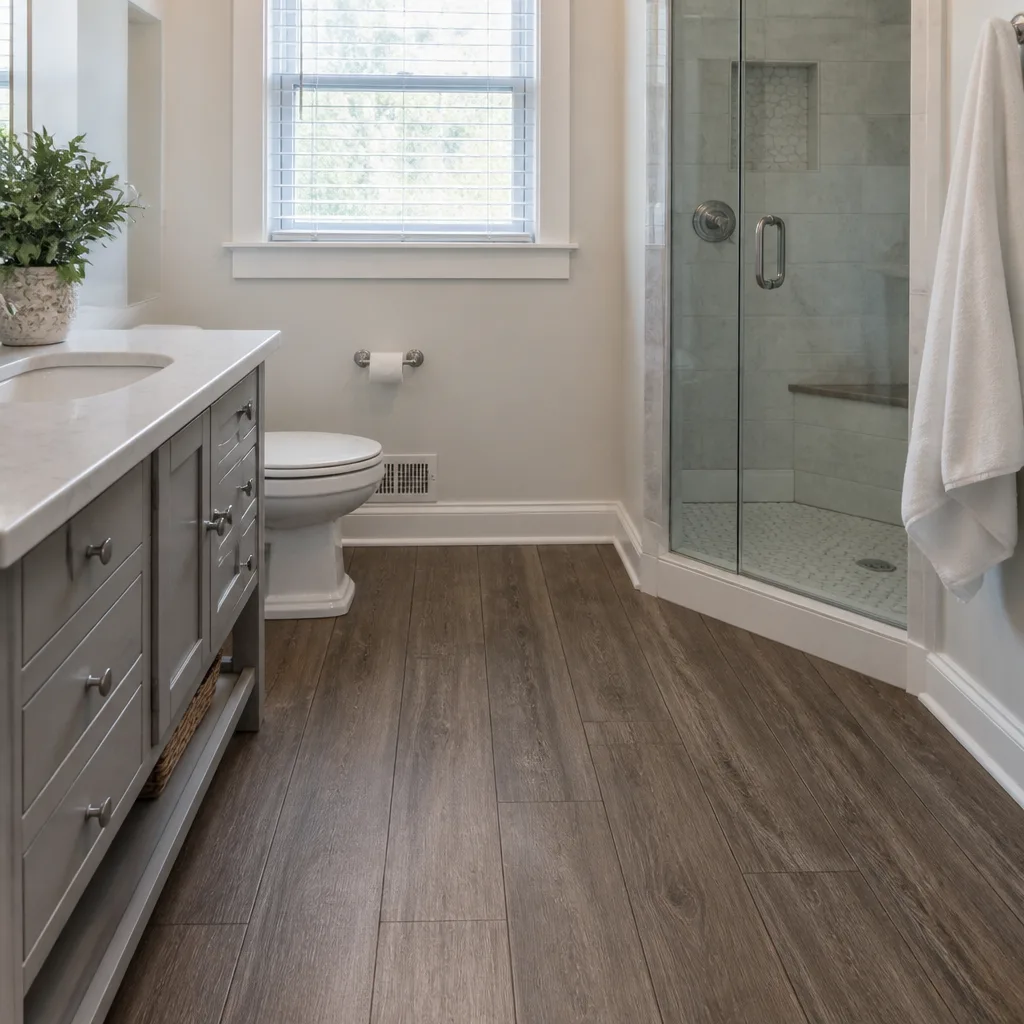
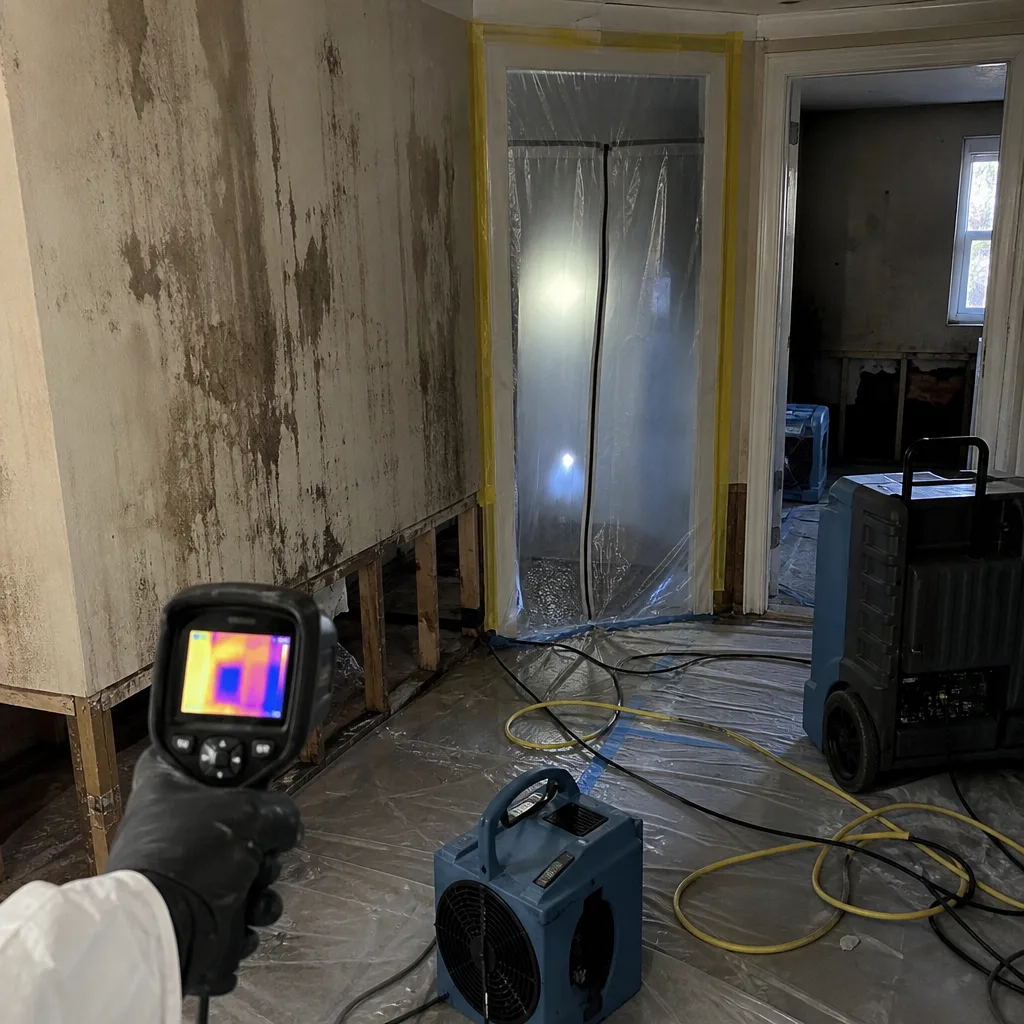 Before
 After
After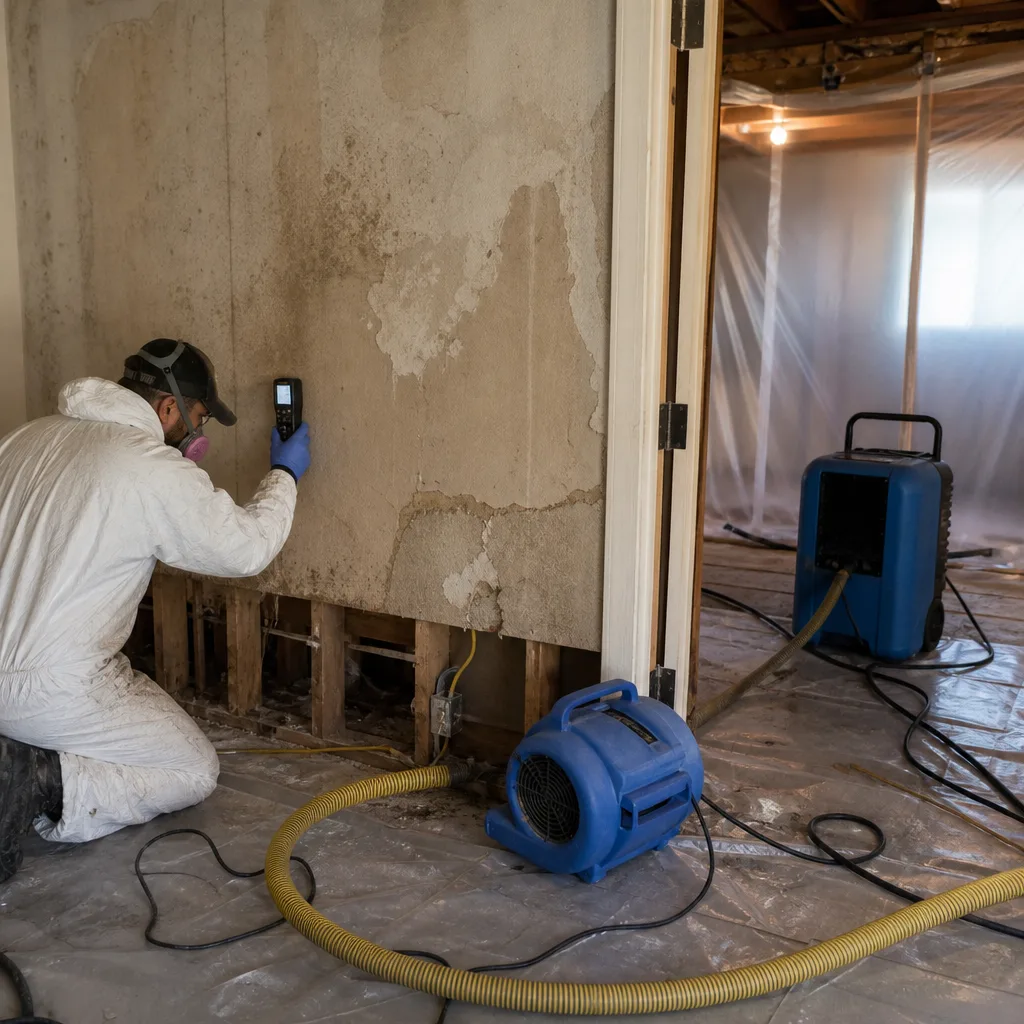 Before
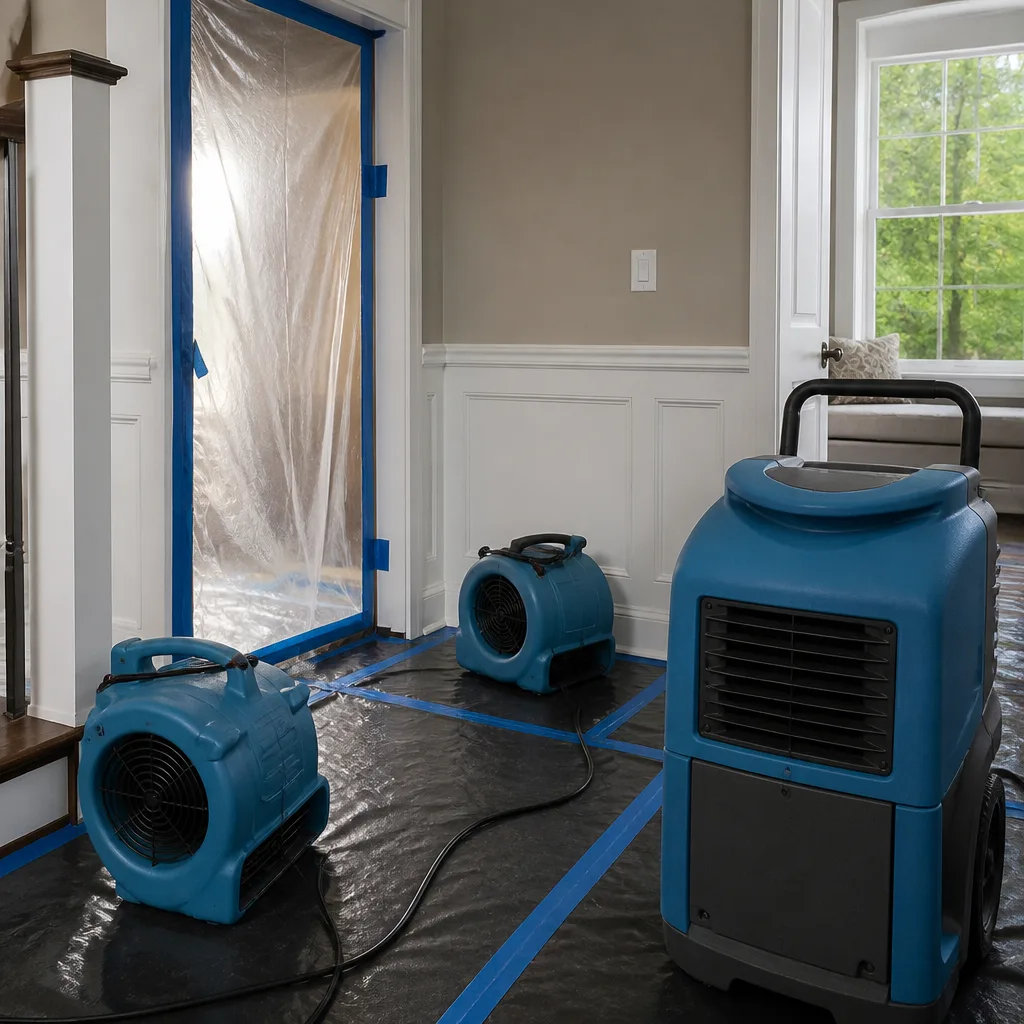 After
After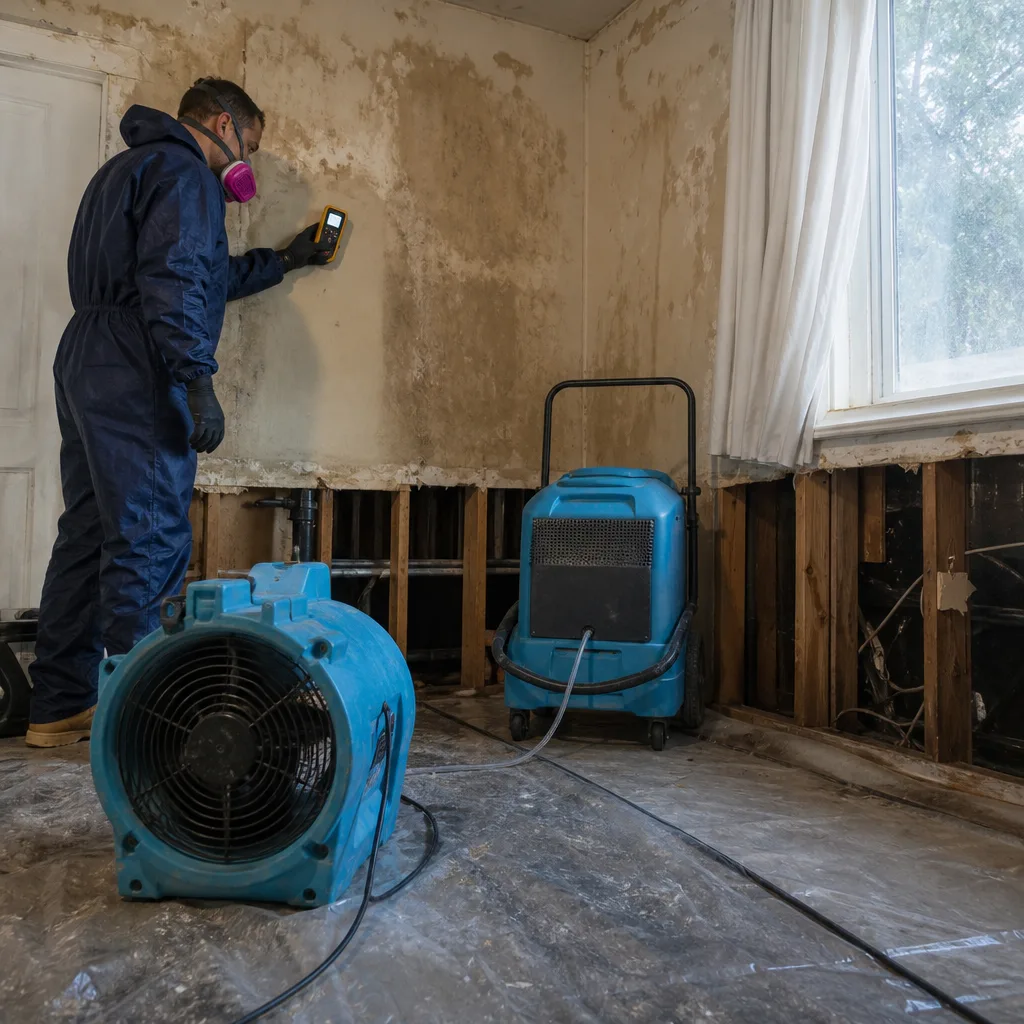 Before
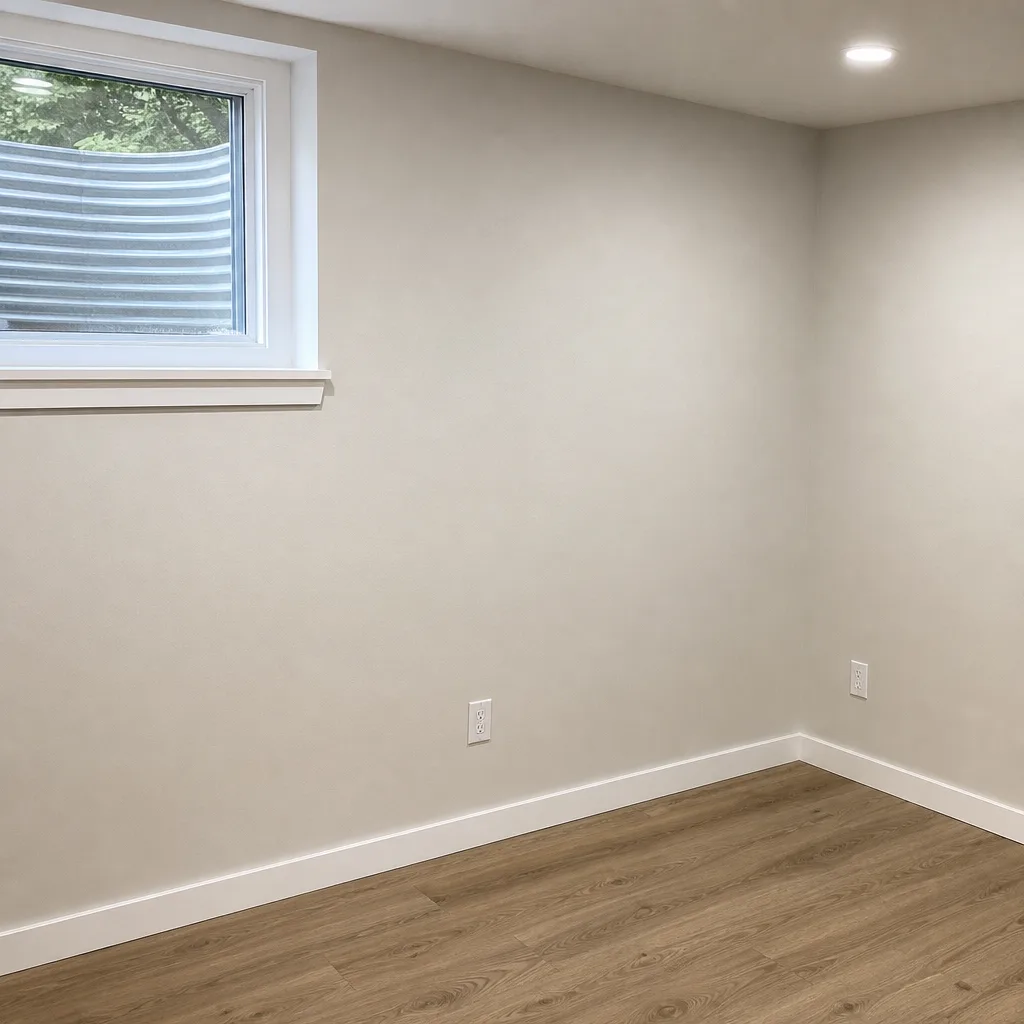 After
AfterDamage Restoration Cost Breakdown: The Tukwila Homeowner’s Reference for 2026
Xactimate, the estimating software used by most Washington adjusters, prices water extraction at a per-square-foot rate that has a published regional figure - which means any invoice that deviates significantly from that number in either direction warrants a written explanation. Yet most Tukwila homeowners never see that figure until after the work is done, when they’re staring at a final bill and trying to guess whether each line item belongs there. In this guide, we’ll show you the actual 2026 cost benchmarks for the five most common restoration line items, how damage classification under IICRC S500 drives pricing, and why a written scope issued before work begins is the single most effective cost-control tool a homeowner has. For Damage Restoration Warning Signs: A Tukwila Homeowner’s Reference Guide, see our companion resource. If you’ve ever wondered why one Tukwila basement flood costs $3,200 to dry while another runs past $8,000, the answer is in the line items - and they’re readable before anyone picks up a fan.
Quick Answer
Water damage restoration in Tukwila typically ranges from $2,800 for a contained Class 1 clean-water loss to $12,000+ for a Class 4 sewage-impacted basement requiring structural drying, antimicrobial treatment, and partial rebuild. The five most common line items - water extraction, structural drying, content manipulation, antimicrobial application, and rebuild labor - are priced through Xactimate codes that adjust by King County labor rates and material costs. A homeowner who receives a written scope referencing these codes before work begins can verify every charge against published regional benchmarks. For help deciding when professional help is warranted, read DIY vs Professional Damage Restoration: The Tukwila Homeowner’s Decision Guide.
Table of Contents
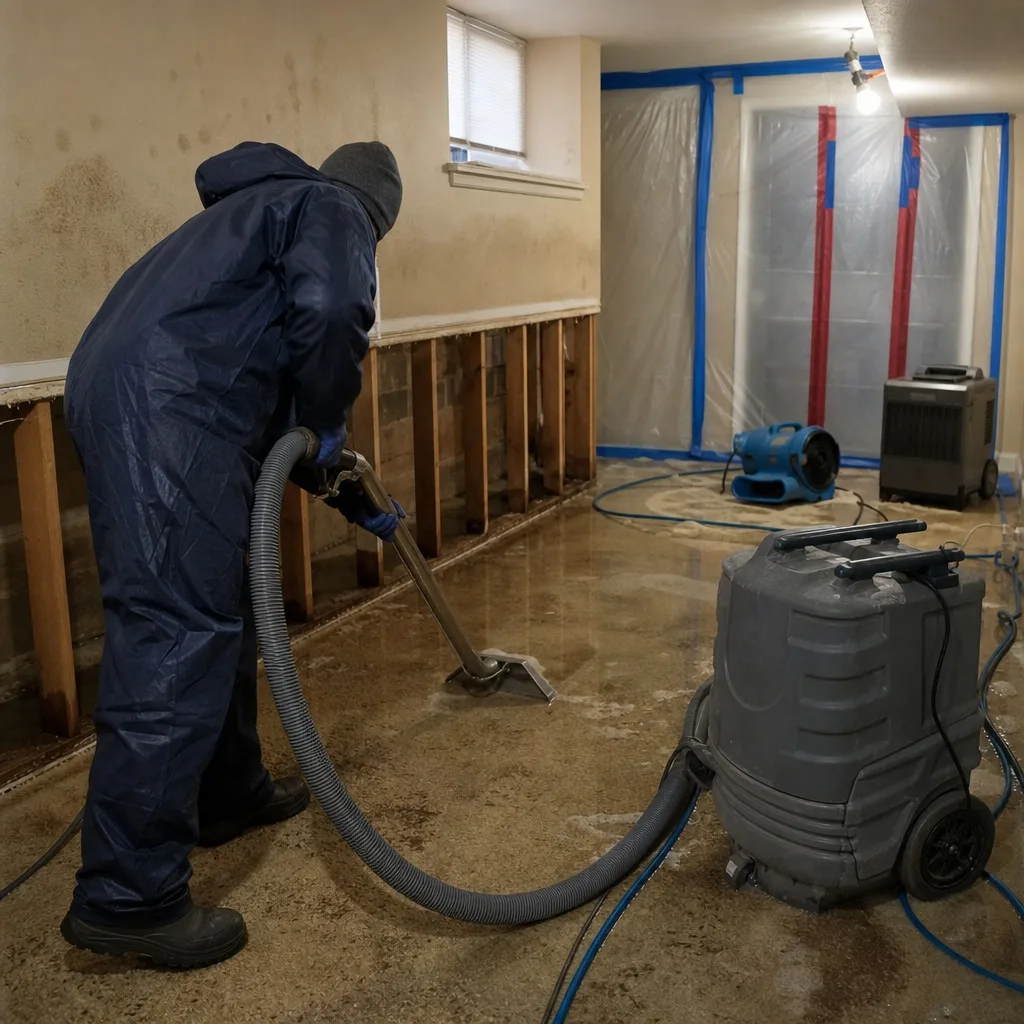
- How Xactimate Pricing Works in Tukwila
- The Five Line Items That Drive Every Bill
- Damage Classification: Why Class 1 Costs Less Than Class 4
- Category 1 vs. Category 3: What Contamination Does to Price
- Line Items Adjuster Review: What Gets Cut and How to Preserve It
- The Written Scope as Cost-Control Document
- What the 365-Day Done Right Promise Covers in Cost Terms
- Tukwila-Specific Factors That Move the Number
 Before
 After
AfterHow Xactimate Pricing Works in Tukwila
Xactimate is not a contractor’s guess. It’s a database of unit costs - per square foot, per hour, per linear foot - updated quarterly by ZIP code based on actual material invoices and labor rates submitted by vendors in that region. For Tukwila, which falls under the Seattle-Tacoma-Everett pricing corridor, the 2026 rates reflect King County’s elevated construction labor costs and the specific material supply chains that serve the I-5 corridor.
Here’s what this means in practice. When a technician enters “water extraction, carpet, light” into Xactimate, the software returns a price per square foot that already includes:
- Labor burden (wages, payroll taxes, workers’ compensation at Washington State rates)
- Equipment depreciation (extractors, wands, truck mounts)
- Overhead allocation typical for restoration contractors in the region
- Profit margin within industry-standard ranges
The contractor can adjust this figure up or down, but any deviation requires a written justification that appears on the final estimate. A homeowner who knows the published rate can spot an unjustified markup immediately.
At DryMark Restoration Tukwila, we issue every scope with Xactimate line-item codes visible, following Damage Restoration Permits, Codes & Inspections in WA: What You Need to Know. Haven Standard, Clause 1 requires a written price before work begins - and that price includes the code, the unit cost, and the quantity. This isn’t transparency as marketing. It’s documentation that turns a restoration invoice into a claim an insurer will pay without extended review.
The regional factor matters. A water loss in Tukwila’s Riverton neighborhood, where many homes were built in the 1960s with original plaster and lath, will carry different line items than a loss in a newer Tukwila condominium with standard drywall and carpet pad. Xactimate distinguishes these by construction type, and the database knows that plaster demolition costs more per square foot than drywall removal in King County.
The Five Line Items That Drive Every Bill
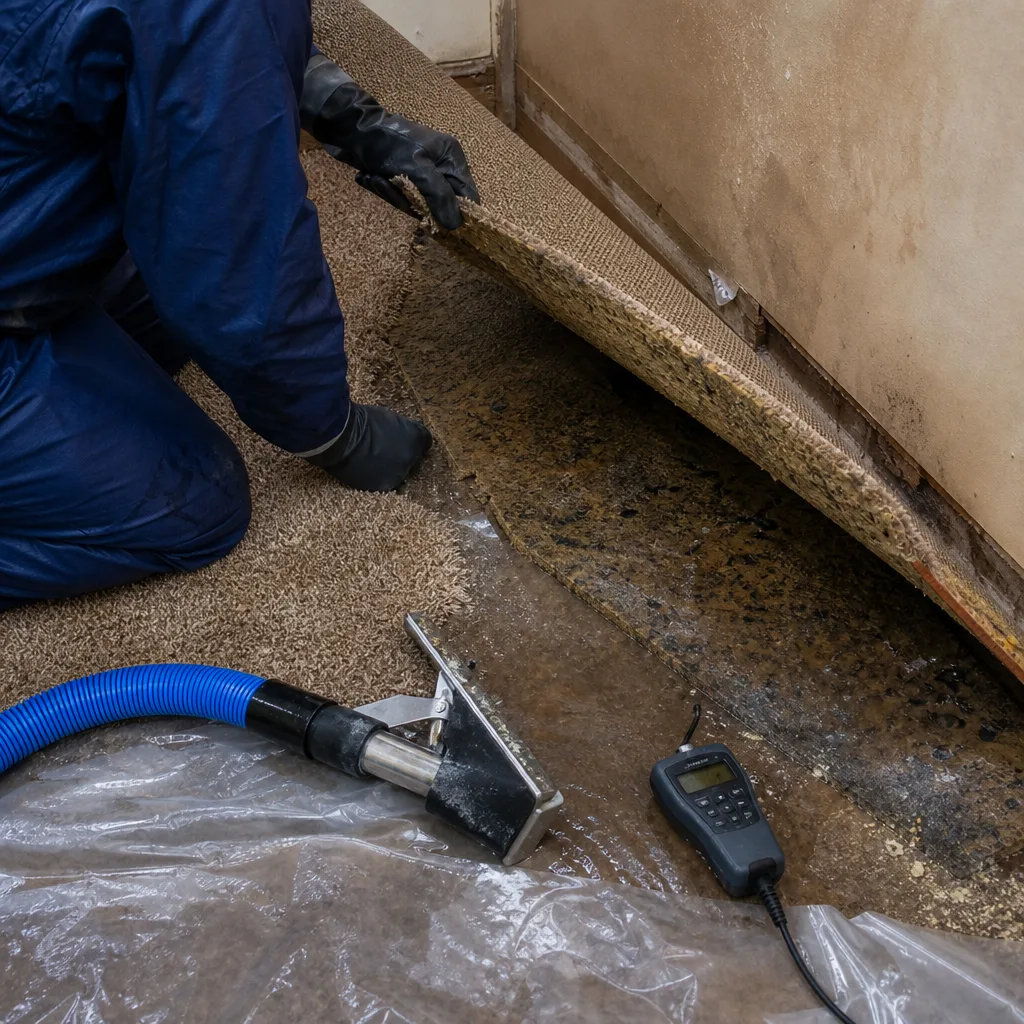
Every restoration invoice we’ve reviewed in twelve years of Tukwila work breaks into these five categories. Understanding each protects you from both overbilling and under-service.
1. Water Extraction (Xactimate Code: WTR EXTR)
This is the immediate removal of standing water. Pricing is per square foot by surface type - carpet, hard surface, or subsurface - with light, medium, or heavy saturation modifiers.
2026 Tukwila benchmark: $0.85-$1.40 per square foot for carpet extraction, light to moderate saturation. Heavy saturation or standing water over two inches adds equipment charges (submersible pumps, truck-mounted extractors). A 1,200-square-foot main floor in a Tukwila rambler typically runs $1,020-$1,680 for extraction alone.
What raises this number: sewage-impacted water (Category 3), which requires protective equipment and specialized disposal. What lowers it: early intervention before water migrates to secondary areas.
2. Structural Drying (Xactimate Code: DRY CHAM)
Drying is priced per “chamber” - a contained drying zone - per day. A chamber might be a bedroom with sealed doors and a dehumidifier, or a basement with multiple air movers creating a single controlled environment.
2026 Tukwila benchmark: $145-$220 per chamber per day, including equipment rental, daily monitoring, and psychrometric readings. Psychrometric data - temperature, relative humidity, and vapor pressure differential - is the measurement of how much moisture the air can still absorb, and it’s recorded on every visit to prove drying progress.
Typical drying duration in Tukwila’s climate: 3-5 days for Class 1-2 losses, 5-8 days for Class 3-4. The chamber count multiplies fast. A split-level home in Tukwila’s Allentown area with water in the lower level, crawl space, and wall cavities might run four chambers for six days - $3,480-$5,280 in drying costs alone.
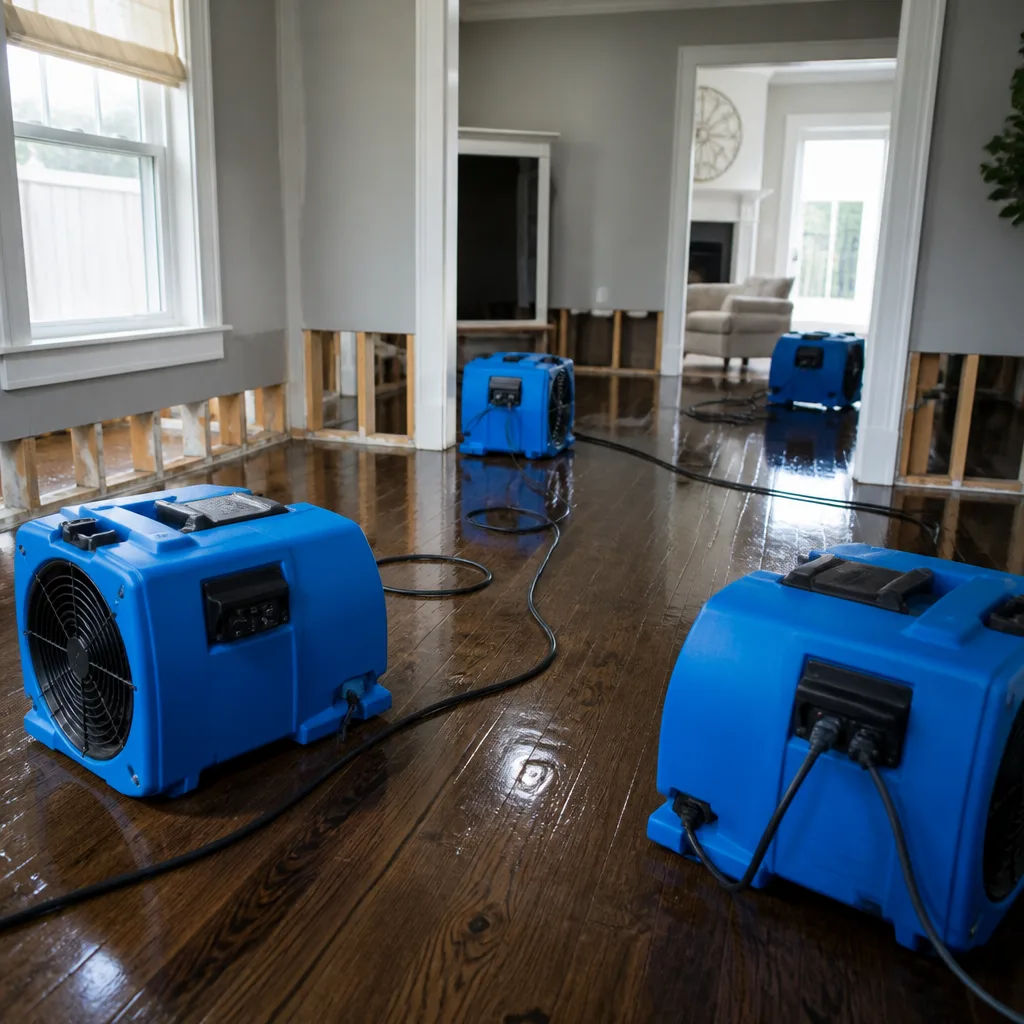
Equipment matters for both speed and documentation. We deploy Dri-Eaz and Phoenix dehumidifiers with onboard data logging, plus XPOWER air movers positioned by moisture mapping. The daily readings from this equipment generate the drying logs that preserve line items during adjuster review.
3. Content Manipulation (Xactimate Code: CONT MANI)
This covers moving, protecting, and sometimes packing out household contents to access wet structure. It’s priced per hour, with rates varying by number of technicians required.
2026 Tukwila benchmark: $85-$125 per hour per technician. A typical Tukwila home with moderate furnishing requires 4-8 hours for initial manipulation, plus return hours for reset after drying.
This line item is frequently disputed. Adjusters sometimes argue that homeowners could have moved their own furniture. The counter-documentation is photographic: photos showing contents in place before work, the protected staging area, and the cleared work zone. Without this record, the line item often gets reduced by 30-50%.
4. Antimicrobial Application (Xactimate Code: ANTIM)
Applied to prevent mold growth in water-impacted materials. Priced per square foot of treated surface.
2026 Tukwila benchmark: $0.45-$0.75 per square foot for Category 1-2 water; $0.90-$1.35 for Category 3 due to EPA-registered disinfectant requirements and enhanced PPE protocols.
In Tukwila’s climate - cool, damp winters with frequent groundwater intrusion - antimicrobial application is standard on most losses below grade. Basements in the Duwamish River floodplain, particularly in older neighborhoods near Southcenter, see higher application rates due to persistent soil moisture that slows natural drying.
5. Rebuild Labor (Xactimate Code: REB LAB)
Restoration to pre-loss condition: drywall, flooring, paint, trim. Priced by trade - carpenter, painter, flooring installer - at King County prevailing rates.
2026 Tukwila benchmark: $65-$95 per hour for skilled trades; materials billed at cost plus 15-25% markup. A standard 12×12 bedroom with wet drywall, saturated carpet, and damaged baseboard typically runs $3,500-$5,200 for complete restoration.
This is where scope creep most commonly occurs. A contractor who removes drywall and finds “surprise” moisture in adjacent walls can expand the rebuild area significantly. The written scope prevents this by defining demolition boundaries before work starts - Haven Standard, Clause 1 again.
Damage Classification: Why Class 1 Costs Less Than Class 4
IICRC S500, the standard that governs water damage restoration, classifies losses by the extent of wet material, not by the source of water. The classification drives equipment count, labor hours, and drying duration - which is why a Class 3 loss costs materially more than a Class 1 loss even with the same water source.
| Class | Definition | Typical Tukwila Scenario | Cost Range 2026 |
|---|---|---|---|
| Class 1 | Minimal wet area; low porosity materials affected | Overflow from bathroom sink caught within 1 hour; tile floor, minimal wall contact | $1,800-$3,200 |
| Class 2 | Significant wet area; medium to high porosity materials; water wicked up walls less than 24 inches | Washing machine hose failure in Tukwila kitchen; vinyl flooring, base cabinets affected | $3,500-$6,500 |
| Class 3 | Water from overhead; walls, ceilings, insulation saturated; may require ceiling removal | Upper-floor toilet supply line burst in two-story Tukwila home; water through floor to main level | $7,500-$14,000 |
| Class 4 | Deeply held water; low porosity materials; specialty drying required | Concrete slab foundation with groundwater intrusion in Tukwila’s Riverton area; plaster and lath construction | $10,000-$22,000+ |
The Class 4 designation is critical for Tukwila homeowners to understand. Many homes in the city’s older neighborhoods - Riverton Heights, parts of Allentown - were built with plaster and lath, hardwood over concrete, or other low-porosity assemblies that hold water deep in the material matrix. Standard air movement and dehumidification won’t reach this moisture. Specialty equipment - Injectidry systems that deliver heated, dehumidified air through wall cavities, or desiccant dehumidifiers that achieve lower specific humidity - is required.
This equipment carries higher per-day costs and longer deployment times. A Class 4 loss in a Tukwila basement with concrete walls and slab might require 10-14 days of drying with desiccant equipment, compared to 3-5 days for a Class 1 loss with standard refrigerant dehumidifiers. The line items reflect this: DRY CHAM for desiccant equipment runs 40-60% higher than standard chamber rates.
Documentation preserves these line items. Daily moisture readings showing progress (or lack thereof) in the deep material justify extended drying. Without documented readings, adjusters routinely cut extended drying days, leaving homeowners with either an uncovered bill or a contractor who removes equipment too early and risks secondary damage.
Category 1 vs. Category 3: What Contamination Does to Price
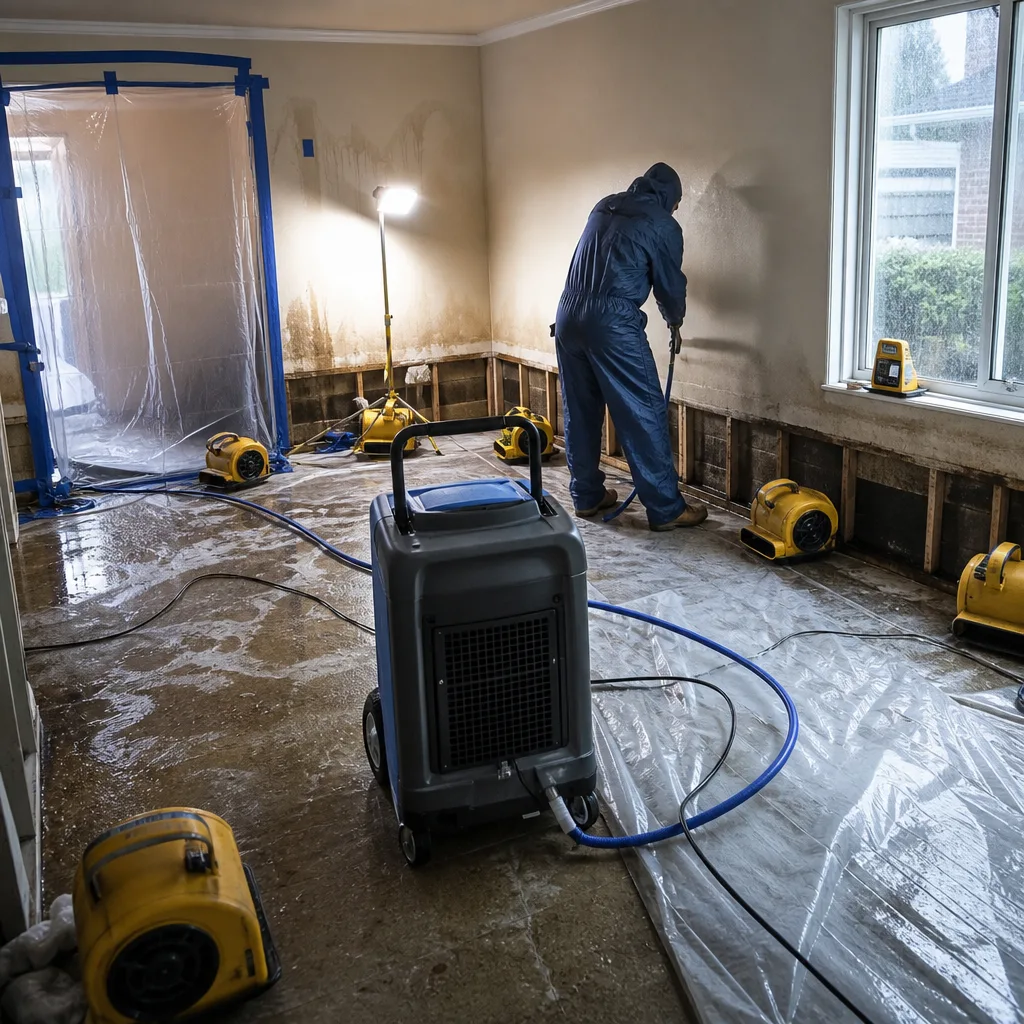
While classification describes how much is wet, category describes what’s in the water. The category multiplies costs through protective equipment, disposal requirements, and treatment protocols - sometimes more than classification does.
Category 1: Clean water from a sanitary source - supply line, faucet, rainwater. No special disposal. Standard PPE. Lowest treatment cost.
Category 2: Gray water with significant contamination - dishwasher discharge, washing machine overflow, aquarium water. Requires antimicrobial treatment. Some disposal restrictions. Moderate cost increase.
Category 3: Black water - sewage, seawater, rising floodwater from rivers or streams. Full PPE (respirators, Tyvek suits, sealed eye protection). EPA-registered disinfectants mandatory. All porous materials in contact zone typically require removal and disposal as biohazard. Highest cost.
The cost jump from Category 1 to Category 3 is substantial. A 1,000-square-foot basement in Tukwila with Category 1 groundwater intrusion might dry for $4,500-$6,500. The same basement with Category 3 sewage backup from a failed sewer lateral typically runs $9,000-$16,000, with much of the increase in:
- Removal and disposal of carpet, pad, and lower drywall (no restoration possible for porous materials in Category 3 contact zones)
- Enhanced antimicrobial treatment with EPA-registered disinfectants at double the Category 1 application rate
- Hazmat disposal fees for contaminated materials, billed per pound at King County transfer station rates
- Extended air scrubbing with HEPA filtration to achieve clearance standards
Tukwila’s combined sewer system, particularly in older neighborhoods built before separated storm and sanitary lines, creates genuine Category 3 risk during heavy rains. We’ve documented multiple losses in the Southcenter area where stormwater overwhelmed the system and backed up through floor drains. Homeowners sometimes assume this is “just rainwater” - but once it has contacted sewage in the combined line, it’s Category 3 by definition, and must be treated as such for both health and insurance documentation purposes.
The category determination must be made at arrival and documented with photos. A contractor who starts work assuming Category 1 and later discovers contamination has compromised the entire documentation chain. At DryMark Restoration Tukwila, we test and photograph water source and contamination indicators before any extraction begins - part of the photo record that accompanies every scope.
Line Items Adjuster Review: What Gets Cut and How to Preserve It
After the work is done and the invoice submitted, most claims enter adjuster review. Certain line items are routinely challenged. Understanding which ones and why lets you verify that your contractor’s documentation will protect them.
Most Commonly Reduced or Removed Line Items
- Extended drying days beyond “industry standard” timelines. Adjusters reference generic 3-day drying expectations. Counter-documentation: daily psychrometric logs showing moisture content readings above dry standard, with equipment specifications proving capacity.
- Content manipulation hours. Adjusters question whether professional moving was necessary. Counter-documentation: photos of contents density, access limitations, and protective staging; written description of why homeowner relocation was impractical (heavy furniture, elderly residents, work schedules).
- Specialty equipment (desiccants, Injectidry, negative air machines). Adjusters default to standard equipment rates. Counter-documentation: material moisture readings showing standard equipment insufficient; classification documentation supporting Class 4 or contaminated loss designation.
- Antimicrobial application on Category 1 losses. Some adjusters argue this is preventive and not restoration. Counter-documentation: local climate data (Tukwila’s average winter humidity exceeds 80%); IICRC S500 reference for Category 1 losses in high-humidity regions; mold prevention as standard of care.
- Rebuild scope expansion beyond initial estimate. Adjusters flag any work not in the original scope. Counter-documentation: written change orders with photo justification, signed by homeowner before work proceeds - Haven Standard, Clause 1 applied to modifications.
The pattern is clear: line items survive review when they’re supported by contemporaneous documentation, not after-the-fact explanation. A photo taken during drying, a moisture reading logged with timestamp, a written scope signed before work begins - these are the documents that preserve pricing.
We structure every Tukwila job around this reality. The photo record on every visit, the daily drying log with equipment serial numbers and readings, the written scope with Xactimate codes - these aren’t customer-service extras. They’re the documentation that turns a restoration invoice into a payable claim. Our Free Second Opinion on any competitor’s written estimate includes a documentation review: we can often predict which line items will survive adjuster scrutiny and which won’t, based on what’s in the file. Browse more guides & resources for additional homeowner tools.
The Written Scope as Cost-Control Document
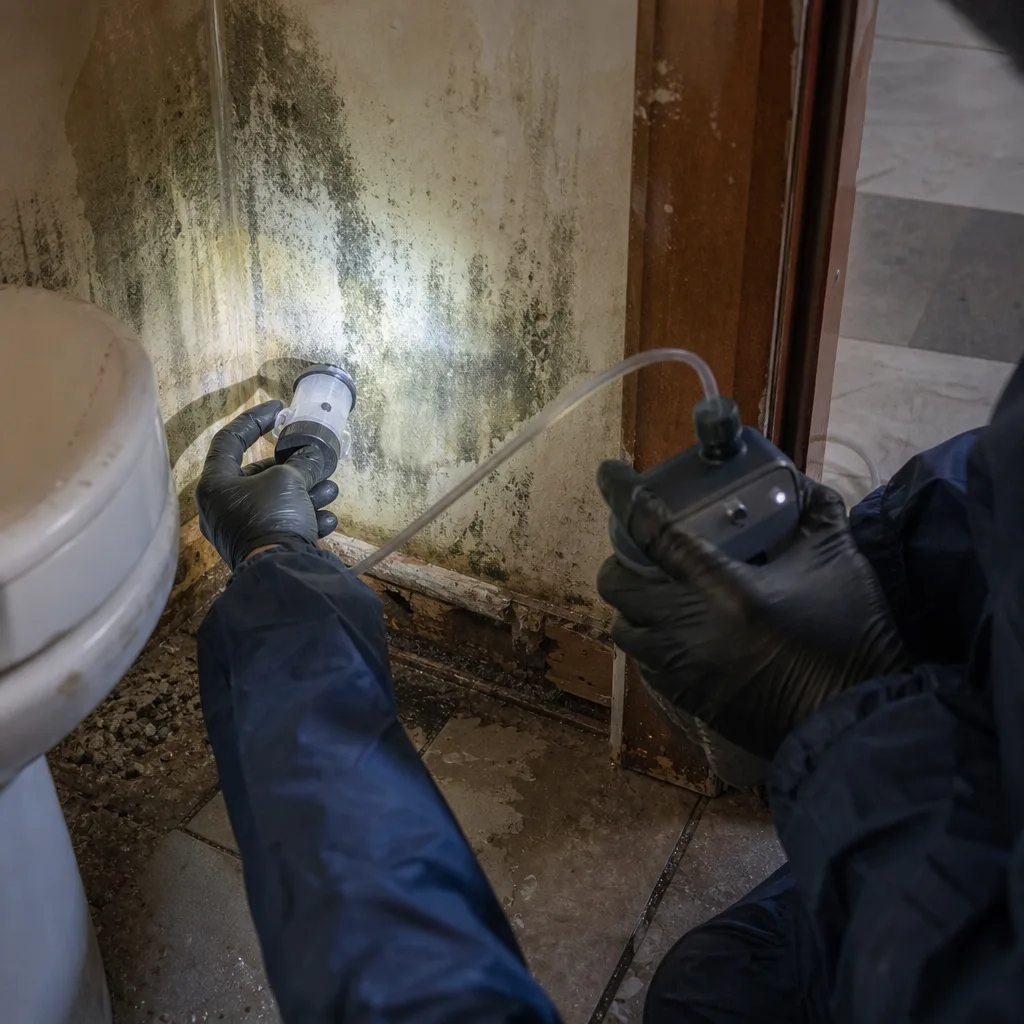
Haven Standard, Clause 1 states: a written price is delivered before anyone starts work, every time, with no exceptions. This clause exists because we’ve seen what happens without it.
The typical scenario: water damage at 10 PM. A contractor arrives, extracts standing water, sets equipment, and says “we’ll figure out the rest tomorrow.” Tomorrow becomes a verbal estimate, then a bill 40% higher than discussed, with line items the homeowner doesn’t recognize. The homeowner pays, or disputes, or calls their insurer who denies portions for lack of documentation.
The written scope prevents this by functioning as a cost-control document with three specific protections:
First, it defines the work boundary. The scope specifies which rooms, which materials, which equipment, and for how long. A contractor who wants to expand beyond that boundary must produce a written change order with justification - not simply continue working and bill later.
Second, it locks the pricing methodology. Xactimate unit costs are visible. The homeowner can verify them against regional benchmarks. The quantity (square footage, linear footage, hours, days) is stated and can be measured.
Third, it creates the documentation chain for insurance. An adjuster reviewing a claim with a pre-work scope, progress photos, and daily logs has everything needed to approve payment. An adjuster reviewing a claim with only a final invoice has grounds to question every line item.
In Tukwila, where home values have risen significantly since 2015 and many homeowners carry higher deductibles or actual cash value policies, this documentation chain directly affects out-of-pocket cost. A well-documented claim is more likely to be paid at replacement cost. A poorly documented claim may be settled at depreciated value, with the homeowner absorbing the difference.
The scope also protects against the opposite problem: under-service. A contractor who scopes minimal drying to hit a low price, then discovers “surprise” moisture later, is incentivized to cut corners rather than absorb unplanned costs. The written scope with defined drying targets (specific moisture content percentages by material type) prevents this - either the target is met, or additional scope is formally added.
We’ve issued over 12,000 written scopes since 2011. Every one includes Xactimate codes, unit pricing, quantities, and drying targets. The 365-Day Done Right Promise applies to work performed under that scope - if moisture returns or finishes fail, we return at no charge. But the promise requires the scope to exist; verbal agreements have no address for warranty claims.
What the 365-Day Done Right Promise Covers in Cost Terms
The 365-Day Done Right Promise, backed by The Haven Standard, is a written warranty - not a marketing assurance. In cost terms, it specifies which post-completion issues trigger covered re-service and which fall outside the documented scope.
Covered at no charge:
- Moisture recurrence in areas dried under the original scope, documented by elevated moisture readings in the same material locations
- Mold growth in areas treated with antimicrobial under the original scope, where treatment was specified and applied
- Finish failures (paint, texture, flooring installation) resulting from workmanship defects in rebuild labor performed under the scope
- Odor recurrence traceable to incomplete source removal documented in the original scope
Not covered:
- New water intrusion from a separate cause (new leak, new flood, new appliance failure)
- Damage in areas not included in the original scope, even if adjacent to worked areas
- Pre-existing conditions not documented in the original scope (latent mold, prior water damage, structural deficiencies)
- Damage resulting from homeowner modification or third-party work after our completion
The warranty’s cost protection is meaningful. A typical Tukwila homeowner facing moisture recurrence in a previously dried basement might otherwise pay $2,500-$5,000 for re-drying and finish repair. Under the 365-Day Done Right Promise, this is covered - but only because the original scope documented the drying targets, the equipment deployed, and the completion readings that define “done right.”
Without that documentation, a contractor has no basis to distinguish warranty work from new damage. Homeowners with no written scope often find themselves in disputes that consume months and sometimes require independent mediation. The Haven Standard exists to prevent this - the warranty is only as strong as the file that supports it.
Tukwila-Specific Factors That Move the Number
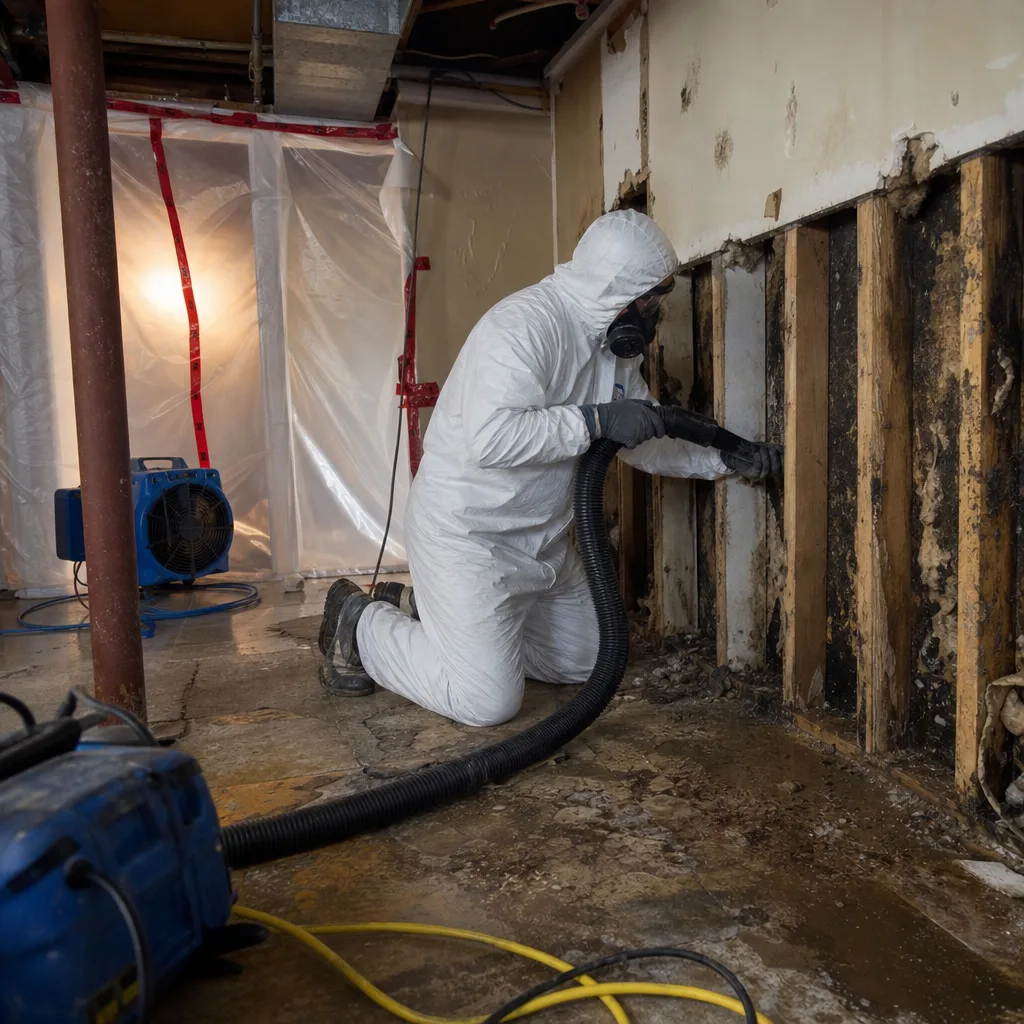
Restoration costs in Tukwila aren’t identical to Seattle, Bellevue, or Kent, despite proximity. Several local factors create specific pricing effects.
Soil and groundwater conditions. Tukwila sits on the Duwamish River valley floor with significant alluvial soil and a high water table in many areas. Homes in Riverton, near the river, and in lower-elevation portions of Allentown experience more frequent groundwater intrusion than hillside properties. This means more Class 4 losses, more sump pump failures as loss causes, and more crawl space drying requiring specialized equipment. The typical crawl space drying job in low-elevation Tukwila runs 20-35% higher than the same classification on a slab or basement with positive drainage.
Age of housing stock. Tukwila’s residential construction spans from 1940s ramblers through 2020s infill, with concentrations of specific eras. The 1950s-1970s homes in original Riverton and Southcenter areas often have plaster and lath, hardwood over concrete slab, or other assemblies that complicate drying. Newer construction near Tukwila International Boulevard tends toward standard drywall and carpet pad, faster to dry and less expensive to restore. The line items differ materially.
Permit and inspection requirements. King County requires permits for electrical, plumbing, and structural work in restoration rebuilds. Tukwila’s location within unincorporated King County for some addresses and within city limits for others affects which inspector has jurisdiction and what inspection scheduling looks like. Rebuild projects requiring multiple inspections add timeline and sometimes cost - though this is typically handled through the rebuild contractor’s permit line item, not as a separate homeowner expense.
Climate patterns. Tukwila receives approximately 37 inches of annual rainfall, concentrated October through April. The cool, humid winter climate extends drying times compared to drier regions - a Class 2 loss that might dry in 3 days in Arizona commonly requires 4-5 days here. This directly affects DRY CHAM line-item totals. The moisture in ambient air reduces the vapor pressure differential that drives evaporation, requiring more equipment capacity or longer runtime.
Insurance market conditions. Washington’s homeowners insurance market has seen significant rate increases and coverage modifications since 2022. Many Tukwila homeowners now carry higher deductibles ($2,500-$5,000 is common), actual cash value rather than replacement cost policies, or specific exclusions for sewer backup without rider coverage. This affects out-of-pocket cost even when total restoration cost is unchanged - and makes documentation for maximum claim payment more important, not less.
Water Damage Restoration in Tukwila requires understanding these local variables. A contractor quoting from a generic price list without Tukwila-specific experience will miss them - and the homeowner pays the difference in either uncovered costs or incomplete restoration.
Common Mistakes to Avoid
- Accepting a verbal estimate or “we’ll bill insurance” arrangement. Without a written scope with Xactimate line items, you have no basis to verify charges or preserve line items during adjuster review. Haven Standard, Clause 1 exists because this mistake costs homeowners thousands.
- Delaying the call to minimize cost. Water migrates horizontally through carpet pad, vertically through wall cavities, and downward through subfloors. Every hour of delay typically expands the classification by one level. A Class 1 loss at 6 PM becomes Class 2 by morning and Class 3 by the following evening in Tukwila’s humid climate.
- Assuming all water is Category 1. That clear water from the washing machine hose becomes Category 2 after 48 hours of microbial growth, and Category 3 if it contacts sewage in a backed-up drain. Category determination at arrival, documented with photos, protects both health and insurance coverage.
- Ignoring the crawl space. Tukwila’s older homes with vented crawl spaces often hide the worst moisture migration. A kitchen floor that feels dry on top may have saturated subfloor and joist bays below. Moisture mapping with penetrating meters finds this; surface checks miss it.
- Not requesting the daily drying log. The log with psychrometric data and material moisture readings is your primary documentation if an adjuster challenges extended drying. Contractors who won’t provide it are contractors who can’t support their billing.
- Choosing rebuild scope without moisture verification. Rebuilding over materials that haven’t reached dry standard guarantees future problems. The drying target - specific moisture content percentage by material type - should be in your written scope and verified before rebuild begins.
- Not reviewing the competitor’s estimate with a second opinion. Our Free Second Opinion on any written estimate identifies line items that won’t survive adjuster review, missing scope that will cause problems later, and pricing that deviates from regional benchmarks. There’s no charge, and it takes less time than disputing a bill later.
When to Call a Professional
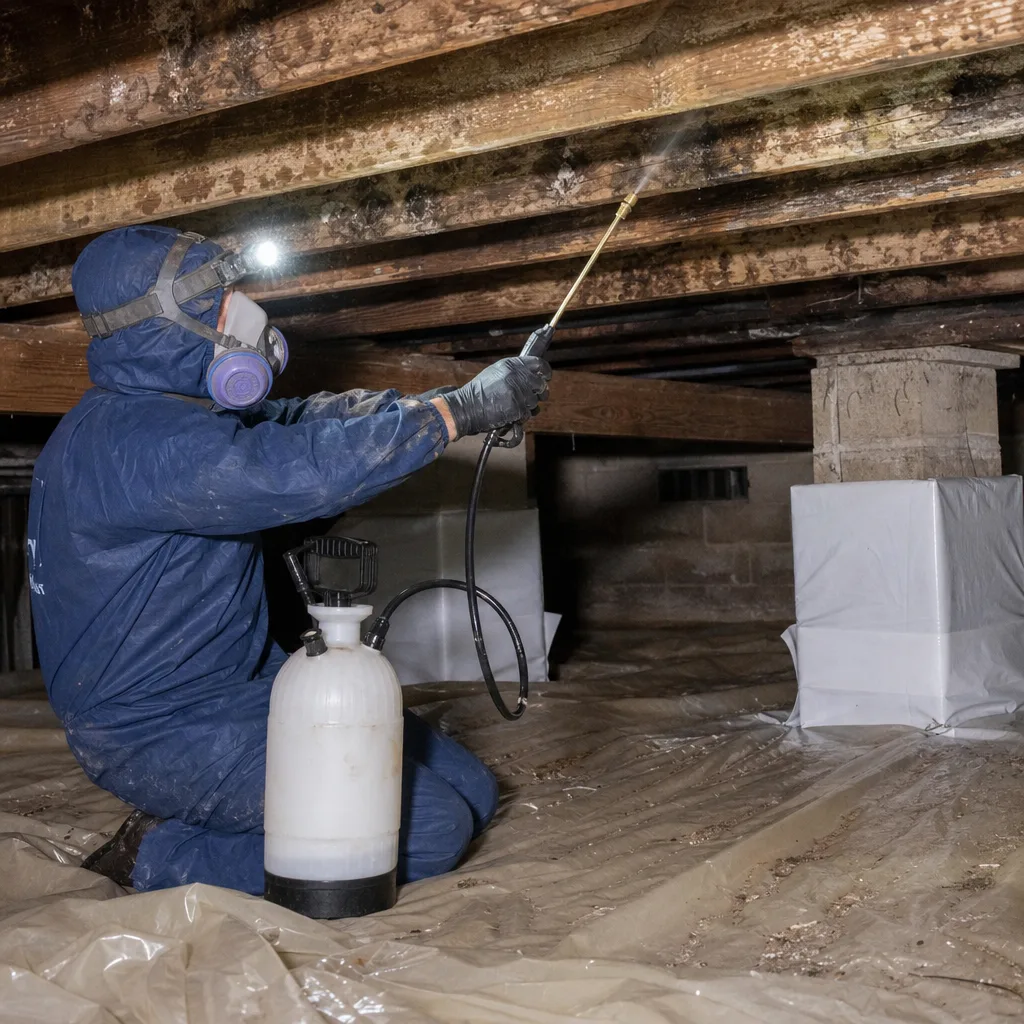
Call for professional assessment when water has affected more than a single, easily dried surface; when water has been present for more than a few hours; when the source is unknown or may involve sewage; when you smell musty odor indicating possible hidden moisture; or when your insurance policy requires professional documentation for coverage. In Tukwila’s climate, water that has reached wall cavities, subfloors, or crawl spaces almost always requires professional drying equipment to prevent secondary damage.
DryMark Restoration Tukwila home offers free estimates throughout Tukwila - call (253) 642-8884. A live person answers every call, 24 hours a day, 7 days a week, with no voicemail on emergency lines. Every estimate includes a written scope with Xactimate line-item pricing before any work begins, documented to IICRC, RIA, and IFA standards.
Frequently Asked Questions
Water damage restoration in Tukwila ranges from $2,800 for a contained Class 1 clean-water loss to $12,000 or more for a Class 4 sewage-impacted basement with structural drying and rebuild. The five primary cost drivers are water extraction ($0.85-$1.40 per square foot), structural drying ($145-$220 per chamber per day), content manipulation ($85-$125 per hour), antimicrobial application ($0.45-$1.35 per square foot), and rebuild labor ($65-$95 per hour). Call (253) 642-8884 for a written estimate with exact line-item pricing for your specific loss - estimates are free.
Coverage depends on your policy terms, the water source, and documentation quality. Sudden and accidental water damage from supply lines or appliance failures is typically covered; gradual leaks or flooding from outside may be excluded. The key variable is documentation: insurers pay claims with pre-work scopes, progress photos, and daily drying logs; they dispute claims with only final invoices. DryMark Restoration Tukwila coordinates directly with adjusters and provides the documentation package that supports maximum claim payment. Call (253) 642-8884 to discuss your specific policy and loss.
For active water damage, live dispatch is available 24 hours a day, 7 days a week with no voicemail on emergency lines. Response time depends on current call volume and your location within Tukwila, but same-day response is standard for active losses. The critical factor is not arrival time alone - it’s what happens on arrival: immediate water source stop, contamination category determination, moisture mapping, and written scope issuance before any extraction begins. Speed without documentation creates the disputes that cost homeowners later. Call (253) 642-8884 for current response availability.
DIY cleaning is appropriate only for Category 1 water affecting a small, easily accessed area with no migration to walls, subfloors, or insulation - essentially, a spill you can dry with household fans within hours. Any water that has reached wall cavities, saturated carpet pad, affected baseboards, or been present more than 24 hours requires professional equipment to achieve dry standard and prevent mold growth. In Tukwila’s humid climate, surface-dry materials often retain dangerous moisture levels below. Professional moisture mapping with penetrating meters reveals what surface checks cannot. For any loss beyond the smallest spill, the cost of incomplete drying - mold remediation, structural repair, health effects - far exceeds professional drying cost.
Both parties have roles. You must notify your insurer, authorize the claim, and make policy decisions. The restoration company should provide documentation - written scope, progress photos, daily drying logs, completion readings - that supports the claim. At DryMark Restoration Tukwila, we coordinate directly with adjusters on documentation and scope questions, but we do not negotiate claim settlements or make coverage determinations; those remain between you and your insurer. Our role is to make the invoice defensible so the adjuster can pay it without extended review. The photo record on every visit and the written scope with Xactimate codes are designed for this purpose. Call (253) 642-8884 to discuss how we handle adjuster coordination for your specific situation.
Mitigation-only contractors dry the structure and leave. Rebuild-capable contractors restore to pre-loss condition. The distinction matters for cost control and warranty. With separate mitigation and rebuild contractors, scope gaps occur: the mitigator removes drywall to a certain line, the rebuild contractor discovers additional damage and expands scope. A single contractor with both capabilities can define the full scope before any work begins, with one written price and one warranty covering both phases. DryMark Restoration Tukwila provides both mitigation and rebuild under The Haven Standard, with the 365-Day Done Right Promise covering the complete restoration. However, we also perform mitigation-only work when homeowners prefer to handle rebuild separately - with the understanding that our warranty applies only to work we perform.
Request their written scope with Xactimate line-item codes visible, then compare unit costs to regional benchmarks and quantities to your actual affected area. Common red flags: unit costs significantly above or below published rates without justification; quantities that don’t match measured square footage; missing line items for necessary work (no antimicrobial on a Category 2 loss, no content manipulation when furniture blocks access); or vague descriptions without specific equipment, materials, or drying targets. Our Free Second Opinion reviews any competitor’s written estimate at no charge - we identify red flags, missing scope, and line items unlikely to survive adjuster review. Call (253) 642-8884 to schedule.
The Bottom Line
Restoration pricing in Tukwila is legible when you understand Xactimate line items and demand a written scope before work begins. The 2026 benchmarks are knowable: extraction at $0.85-$1.40 per square foot, drying at $145-$220 per chamber per day, content manipulation at $85-$125 per hour, antimicrobial at $0.45-$1.35 per square foot, and rebuild labor at $65-$95 per hour. Classification and category multiply these base rates according to the actual conditions in your home. Documentation - the written scope, the daily drying log, the photo record - preserves the line items through adjuster review and protects you from both overbilling and incomplete work. The Haven Standard exists to make this documentation standard, not optional. For a written estimate with exact line-item pricing for your specific situation, call DryMark Restoration Tukwila at (253) 642-8884 - estimates are free, and a live person answers every call.
Written by Alicia Brennan, Owner at DryMark Restoration Tukwila, serving Tukwila since 2011.