
Last updated September 23, 2026
Free visual inspection and a written scope of work before any mitigation begins - photos, moisture readings, and drying logs go in your claim file
The scope we write is the scope we bill. Anything new gets shown to you, in writing, before we touch it.
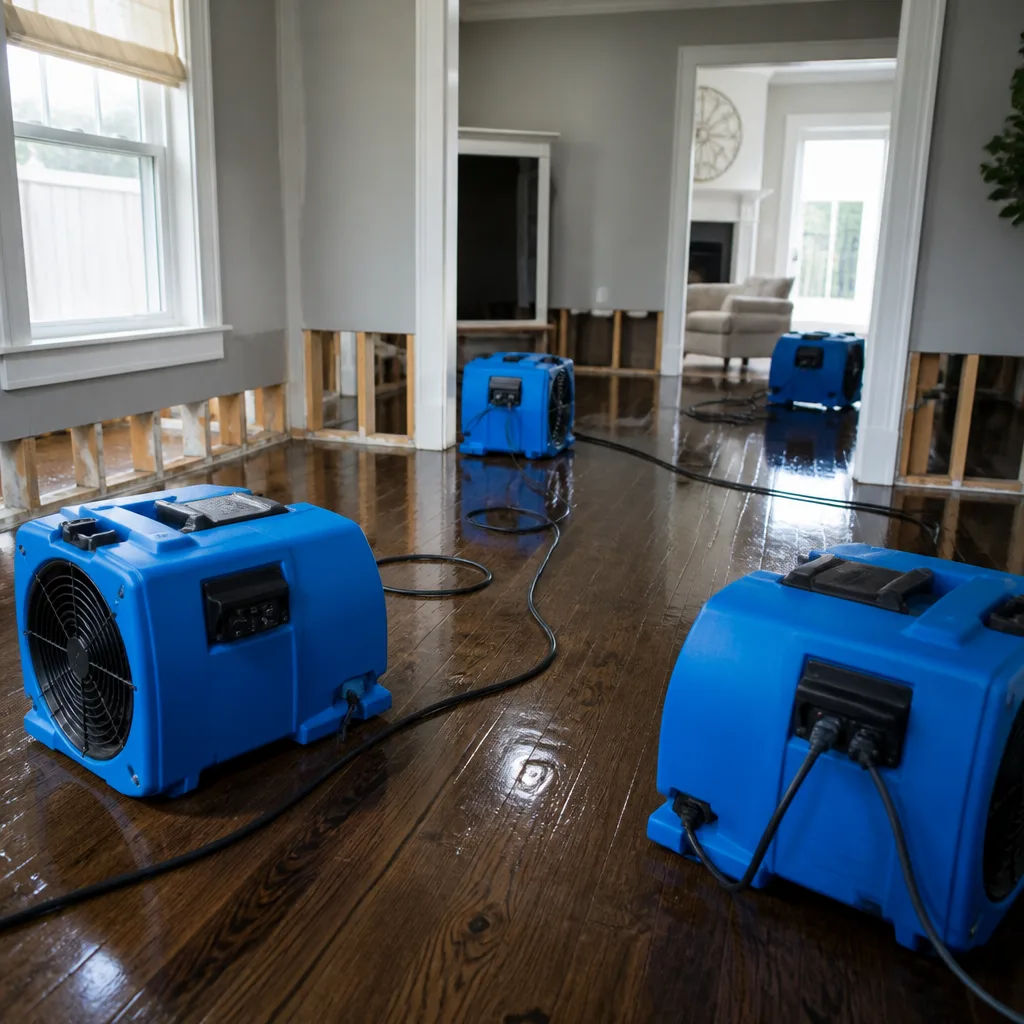

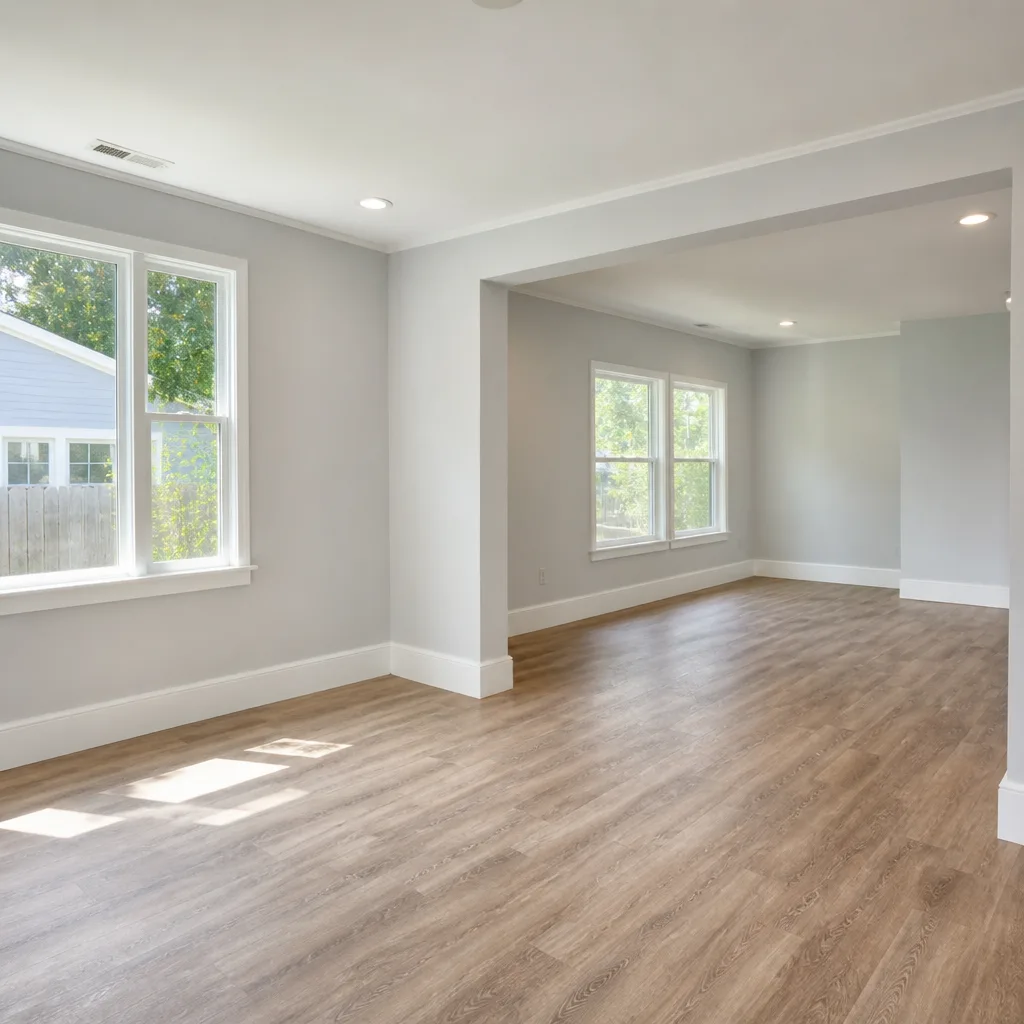



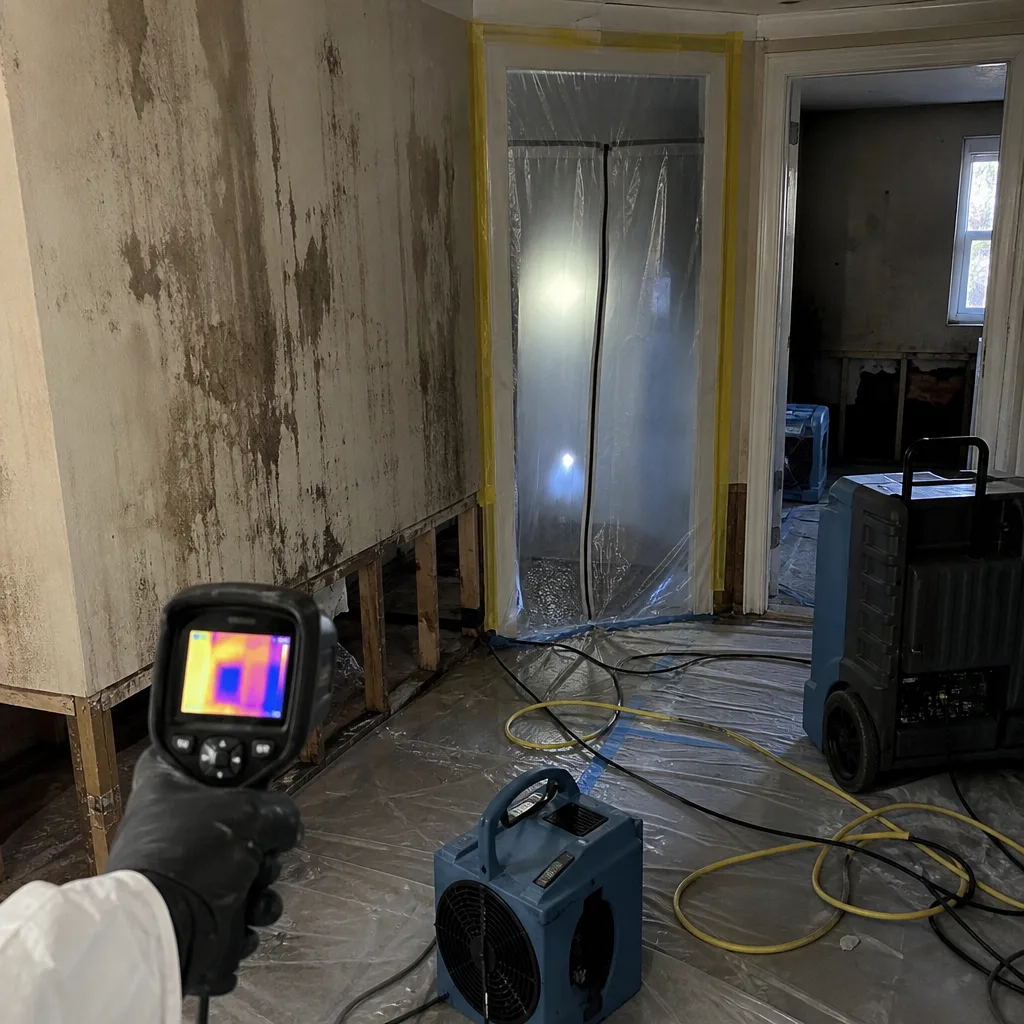 Before
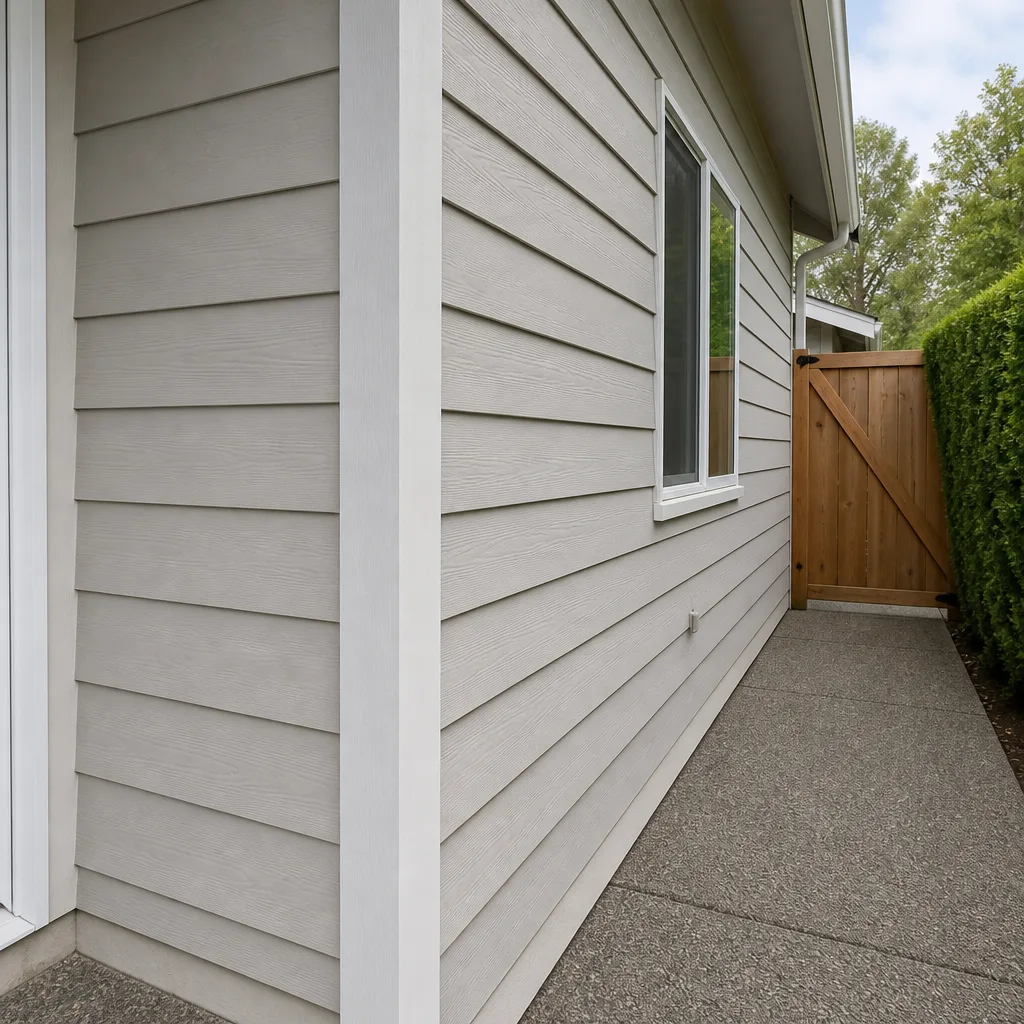 After
After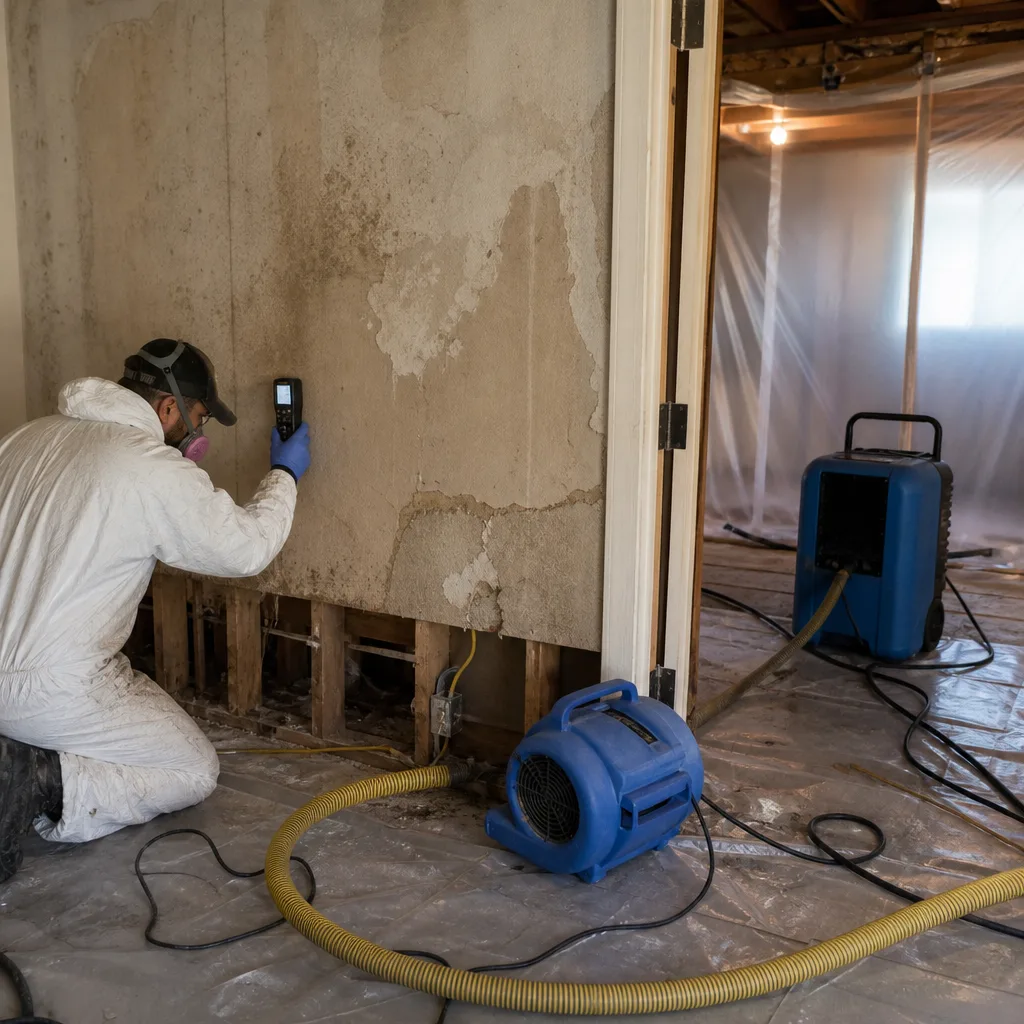 Before
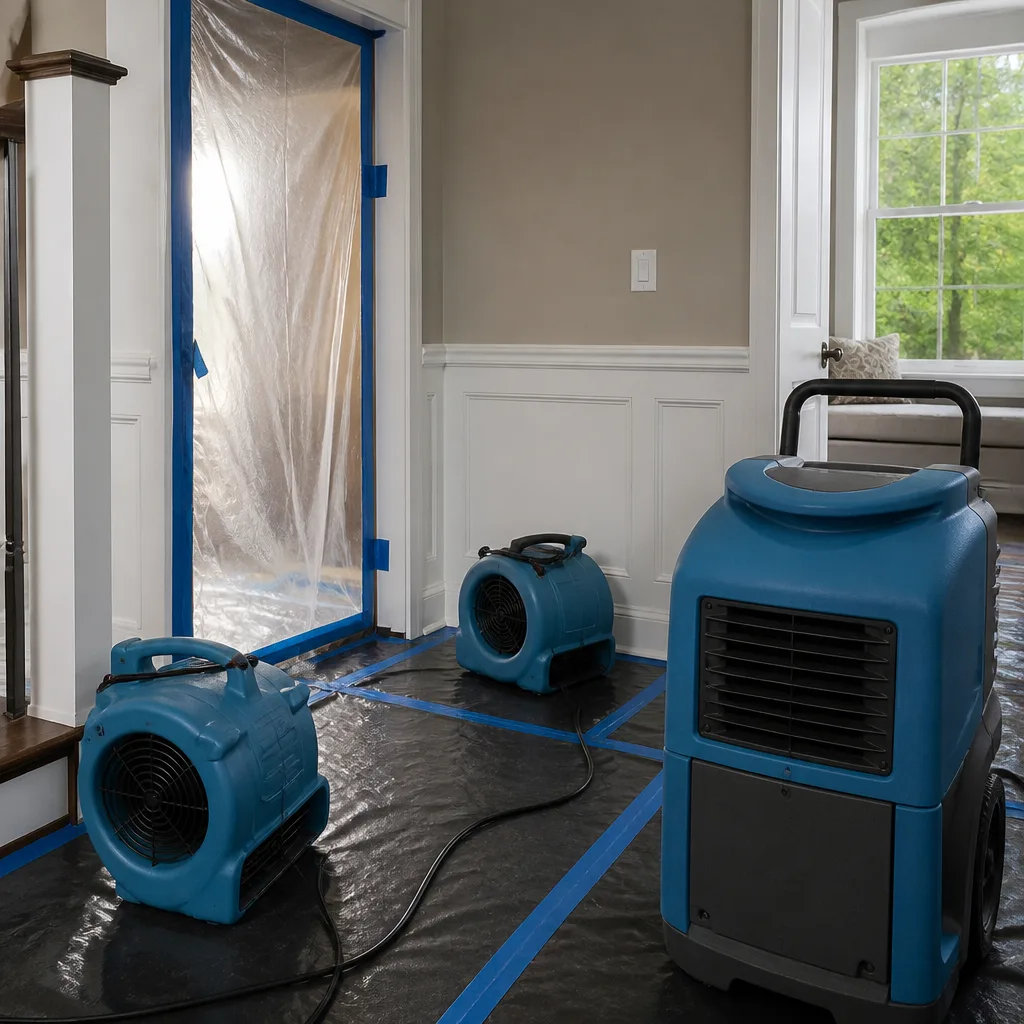 After
After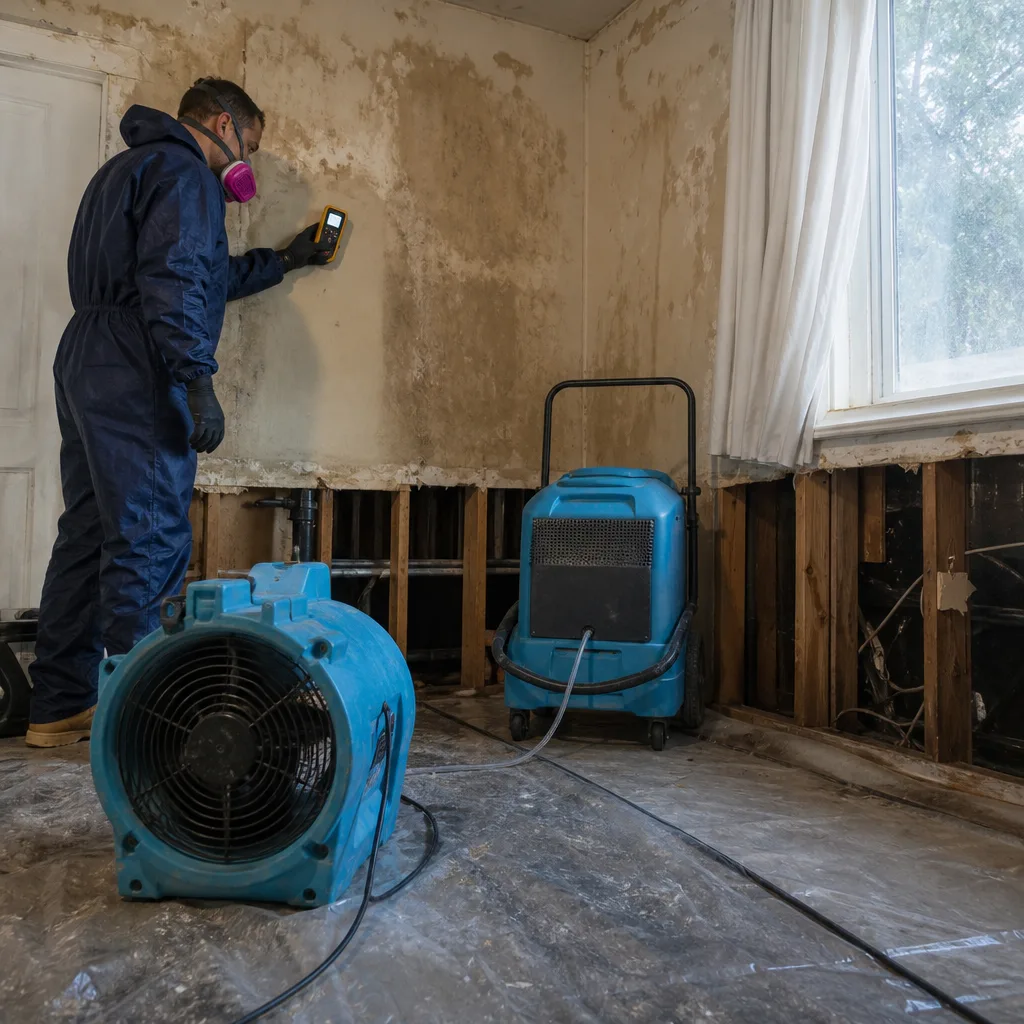 Before
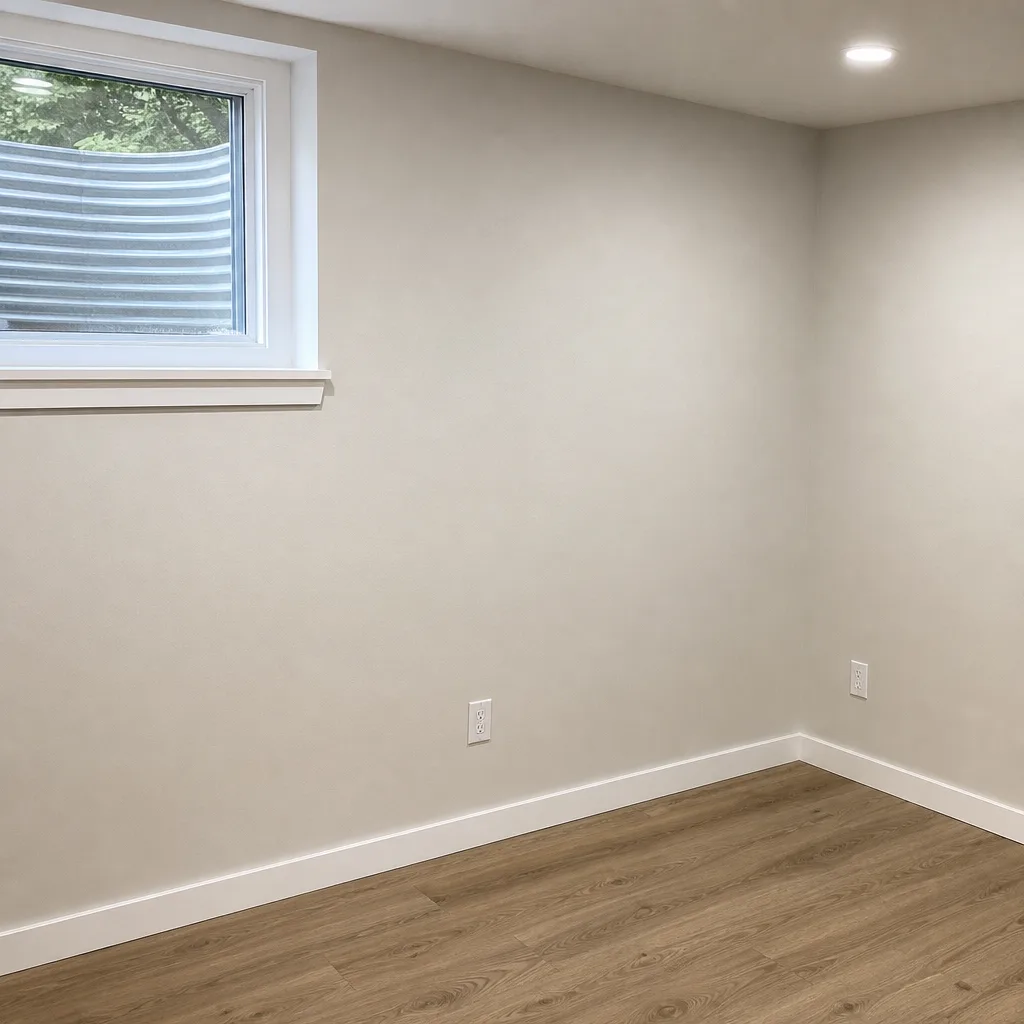 After
AfterSeasonal Damage Restoration Care for Tukwila: Year-Round Homeowner’s Guide
NOAA data shows the Puget Sound lowlands receive more than 60% of annual precipitation between November and February. That single fact makes most national seasonal home care guides useless for Tukwila homeowners. A guide written for Ohio or Arizona will tell you to check your gutters in April and worry about ice dams in December. In Tukwila, the atmospheric river sequences of October through January define your real risk window, and the freeze-thaw cycles of February and March create secondary damage that national templates never mention. This guide maps what we’ve documented across 12,000+ homes since 2011 to Tukwila’s actual weather patterns: when to inspect, what to photograph, what to measure, and how that documentation becomes your fastest path through an insurance claim when something fails. For a deeper dive, see our Complete Guide to Damage Restoration in Tukwila.
Quick Answer
Tukwila homeowners should front-load preventive maintenance into September and October, maintain storm response readiness from November through January, inspect for delayed damage in February and March, and use the July through September dry window to complete deferred repairs and document baseline conditions. Our Water Damage Restoration Maintenance Checklist for Tukwila Homeowners breaks down each task by month. The critical difference from generic advice: Tukwila’s soil saturation peaks in January, not during the heaviest rainfall, and freeze-thaw pipe damage follows two to three weeks later.
Table of Contents
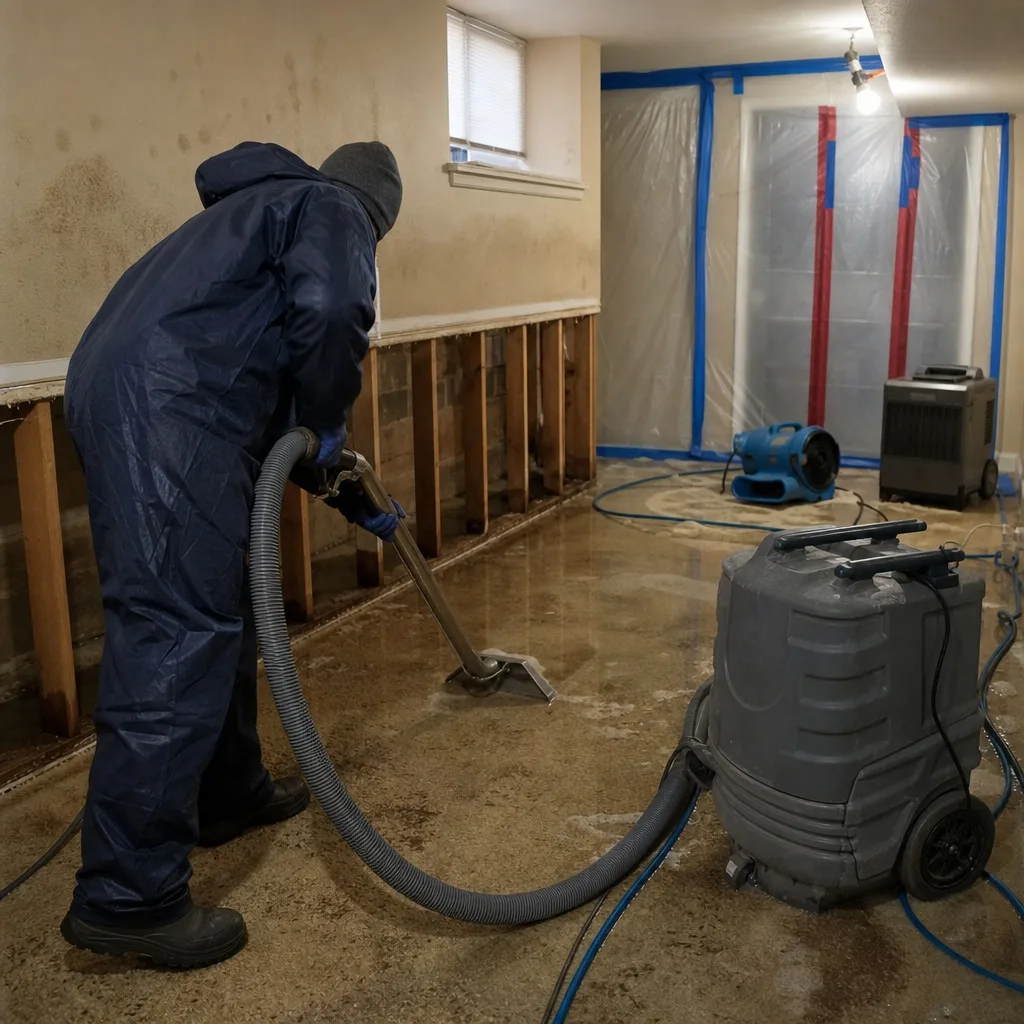
- Why Tukwila’s Weather Patterns Break the National Calendar
- October: Pre-Season Gutter and Downspout Documentation
- November through January: Storm Response Protocol
- February and March: Post-Saturation Crawl Space and Pipe Checks
- April through June: Secondary Damage Window
- July through September: The Dry-Out Window for Deferred Repairs
- Building Your Seasonal Documentation File
- Common Mistakes to Avoid
- When to Call a Professional
- Frequently Asked Questions
 Before
 After
AfterWhy Tukwila’s Weather Patterns Break the National Calendar
Tukwila sits at roughly 140 feet elevation on the Duwamish River plain, with the Cascade foothills to the east and Puget Sound to the west. That geography creates a moisture funnel. When warm Pacific air masses meet cold continental air, Tukwila receives the overflow in concentrated atmospheric river events, sometimes 2 to 4 inches in 48 hours, while nearby Seattle hill neighborhoods see less.
The national seasonal guides assume a gradual autumn cooling and predictable first freeze. Tukwila’s pattern is different:
- October: First atmospheric river tests systems that haven’t carried water since April. Gutters hold summer debris. Downspouts discharge onto saturated planting beds from summer irrigation.
- November through January: 60%+ of annual precipitation falls. Soil reaches field capacity by mid-December. Water has nowhere to percolate, so it follows foundation walls and enters through any gap.
- February through March: Temperature oscillates across 32°F. Pipes in crawl spaces, garages, and exterior walls experience expansion stress. The soil, still saturated from January, heaves and settles.
- April through June: Moderate rainfall continues, but the damage from winter often reveals itself now: mold colonization in January-saturated materials, compromised vapor barriers, corrosion at pipe joints stressed by freeze-thaw.
- July through September: Typically 90 consecutive days with negligible precipitation. The only reliable window for excavation, foundation sealing, crawl space work, or exterior repairs that require dry conditions.
We’ve documented this pattern repeatedly in Tukwila neighborhoods from Allentown to Riverton Heights. The homes that fare best are not the ones with the newest roofs. They’re the ones with documented seasonal baselines: dated photos, moisture readings, and written inspection notes that make deviation obvious.
October: Pre-Season Gutter and Downspout Documentation
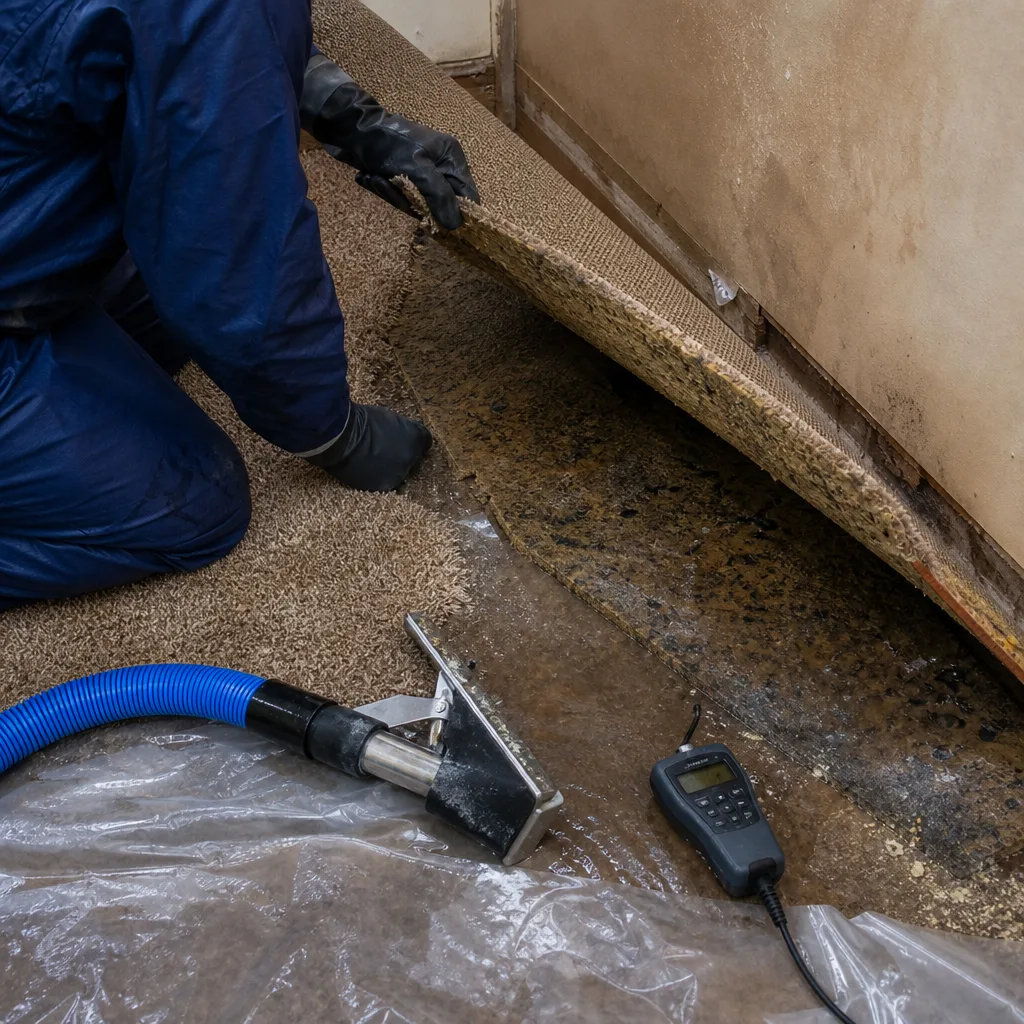
October in Tukwila is your last reliable work window before the atmospheric rivers arrive. The first significant storm typically hits between October 15 and October 25. Everything you do this month is documentation-first, because the condition you record becomes the evidence if November storms overwhelm the system.
The October Inspection Sequence
- Photograph every gutter run from the ground. Date-stamped, stored in a dedicated folder. Capture the downspout terminus and the ground where it discharges. If water has been pooling in the same spot all summer, that soil is already compromised.
- Clear and photograph again. Document what was removed: shingle grit, granules, organic matter, or construction debris from recent roof work. This matters for insurance if a blockage causes overflow damage.
- Test every downspout with a hose. Water should discharge freely 6 to 10 feet from the foundation. In Tukwila’s clay-heavy soils, we regularly see downspouts that worked in September fail in November because the discharge point has become a saturated depression that back-flows toward the foundation.
- Inspect and photograph the foundation perimeter. Look for new cracks, settled grade, or areas where summer irrigation has created consistent moisture against the wall. Note any efflorescence (white mineral deposits) that indicates water has been moving through the foundation.
- Water Damage Restoration in Tukwila becomes necessary most often when this October sequence is skipped and November storms find a pre-existing vulnerability.
We recommend homeowners in Tukwila keep these October photos with their insurance documents. When a January claim arises, the adjuster’s first question is often whether the damage was sudden and accidental or the result of long-term maintenance neglect. A dated photo record answers that before it becomes a dispute.
November through January: Storm Response Protocol
This is Tukwila’s damage season. Not the only season, but the one that produces the most emergency calls to our office. The protocol below is what we’ve refined across 12,000+ homes, and it’s designed around one principle: stop the water migration before you worry about the damage assessment.
During the Storm Event
- Check the sump pump every 6 hours during multi-day events. Tukwila’s water table rises fast in January. A pump that cycled twice daily in October may run continuously in December. If you don’t have a battery backup, this is the window when you need one.
- Monitor the lowest point of your home: basement floor, crawl space access, garage slab. Water enters at the lowest point and migrates upward through capillary action. Early detection at the entry point prevents widespread saturation.
- Document with photos, even at night. Flashlight photos of water entry, with timestamps, are admissible evidence. We’ve seen claims denied because the homeowner cleaned up before photographing.
After the Storm Subsides
- Remove standing water within 24 hours. Mold colonization begins at 48 to 72 hours on organic materials at 60% relative humidity. Tukwila’s January indoor humidity often sits at 65% without active dehumidification.
- Set up air movement, not just heat. Professional drying uses psychrometric data, which is the relationship between air temperature, humidity, and vapor pressure. A homeowner-grade dehumidifier helps, but air movers that create vapor pressure differential across wet surfaces are what pull moisture from building materials. We deploy B-Air and Dri-Eaz equipment documented to IICRC standards for this reason.
- Do not seal or paint over damp materials. We’ve inspected Tukwila homes where homeowners painted over water-stained drywall in February, trapping moisture that produced full mold remediation by June.
The DryMark Restoration Tukwila home page lists our emergency response protocol. Live phone coverage is available 24 hours a day, 7 days a week with no voicemail on emergency lines. Every job is quoted in writing before work begins, documented with a photo record on every visit, and covered by the 365-Day Done Right Promise under The Haven Standard.
February and March: Post-Saturation Crawl Space and Pipe Checks
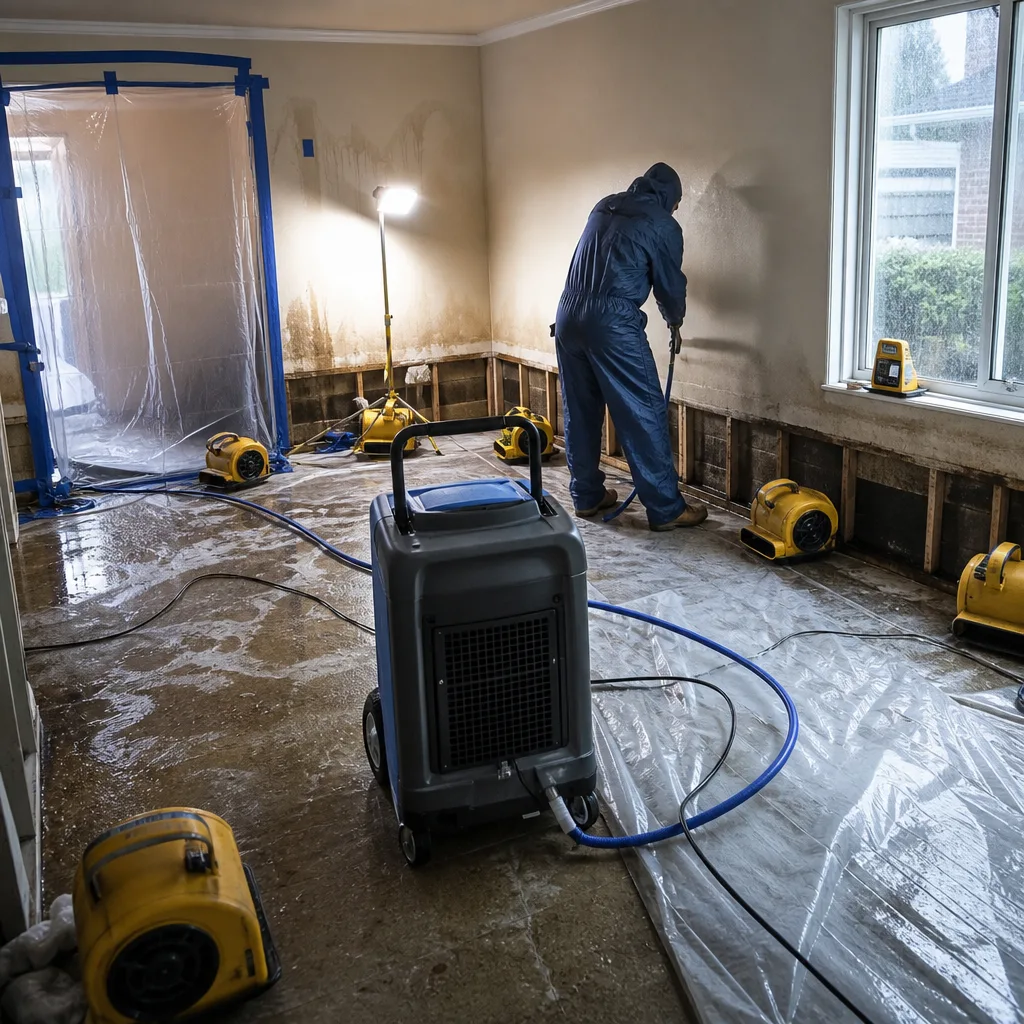
This is the season national guides ignore, and it’s where Tukwila homeowners lose the most money to delayed discovery. January’s saturation meets February’s freeze-thaw, and the damage often remains hidden until March or April.
Crawl Space Vapor Barrier Inspection Sequence
Tukwila’s soil saturation in January commonly exceeds the vapor barrier’s design capacity. By February, water may be pooling on top of the barrier or, worse, the barrier may have failed at seams or penetrations, allowing soil moisture to evaporate directly into the crawl space air.
- Enter with a flashlight and a camera, not just a glance. Photograph the entire perimeter, each pier, and the center span. Look for standing water on the barrier, displaced barrier at the edges, or white mold growth on the joist underside.
- Measure and record wood moisture content. A pin-type moisture meter on exposed floor joists should read below 16%. Readings of 18% to 20% indicate active moisture loading. Readings above 20% require professional drying assessment. Record the date, location, and reading.
- Inspect the barrier seams. Properly sealed seams use 6-inch overlap and vapor-barrier tape. In Tukwila, we regularly find tape that failed in January’s cold, creating gaps that channel soil moisture directly upward.
- Check for pest intrusion. Saturated soil drives rodents to drier spaces. Their entry points are often new gaps in foundation vents or barrier edges.
Freeze-Thaw Pipe Vulnerability
Tukwila’s elevation ranges from near sea level at the Duwamish to over 400 feet in eastern neighborhoods. The freeze risk varies significantly:
- Below 200 feet: Hard freeze below 25°F is rare. Pipe vulnerability is in unconditioned garages and exterior hose bibs.
- 200 to 350 feet: Occasional hard freeze to 20°F. Exposed pipes in crawl spaces and exterior walls are at risk. Insulate before the first forecast below 28°F.
- Above 350 feet: Freeze risk is material. All exterior pipes, crawl space supply lines, and garage plumbing require insulation rated to the local temperature extreme.
We’ve responded to pipe bursts in Tukwila’s higher elevations as late as March 15, when homeowners assumed the risk had passed. The pattern: a warm February week, followed by a sudden cold snap on saturated soil that pulls more cold into the foundation perimeter.
April through June: Secondary Damage Window
Rainfall in Tukwila during these months is moderate, 2.5 to 3.5 inches monthly, but the damage from winter is now revealing itself. This is mold season, and it’s also the season of disputed insurance claims.
We’ve documented three recurring scenarios in Tukwila during this window:
- Mold in January-saturated insulation: Fiberglass insulation that absorbed crawl space moisture in December now supports visible mold growth on its paper facing. The homeowner smells it first, then sees staining at ceiling penetrations.
- Corroded pipe joints from freeze-thaw stress: Micro-cracks in soldered joints, stressed by February expansion, begin weeping in April when water pressure cycles increase with outdoor irrigation use.
- Foundation settlement from saturated soil: January’s soil saturation, followed by spring drying, creates shrink-swell in Tukwila’s clay soils. Cracks that were hairline in October are now measurable.
Mold Remediation in Tukwila is most commonly needed when January moisture was not fully dried and April humidity triggers colonization. The key documentation point: if you have October baseline photos of clean joists and April photos of the same location with growth, your claim has a clear timeline. Without the baseline, insurers may argue long-term neglect.
This is also the season to schedule deferred repairs that require dry conditions: foundation sealing, crawl space vapor barrier replacement, exterior excavation for drainage improvements. Contractors are available, but weather is still unpredictable. Book in April for July start dates.
July through September: The Dry-Out Window for Deferred Repairs
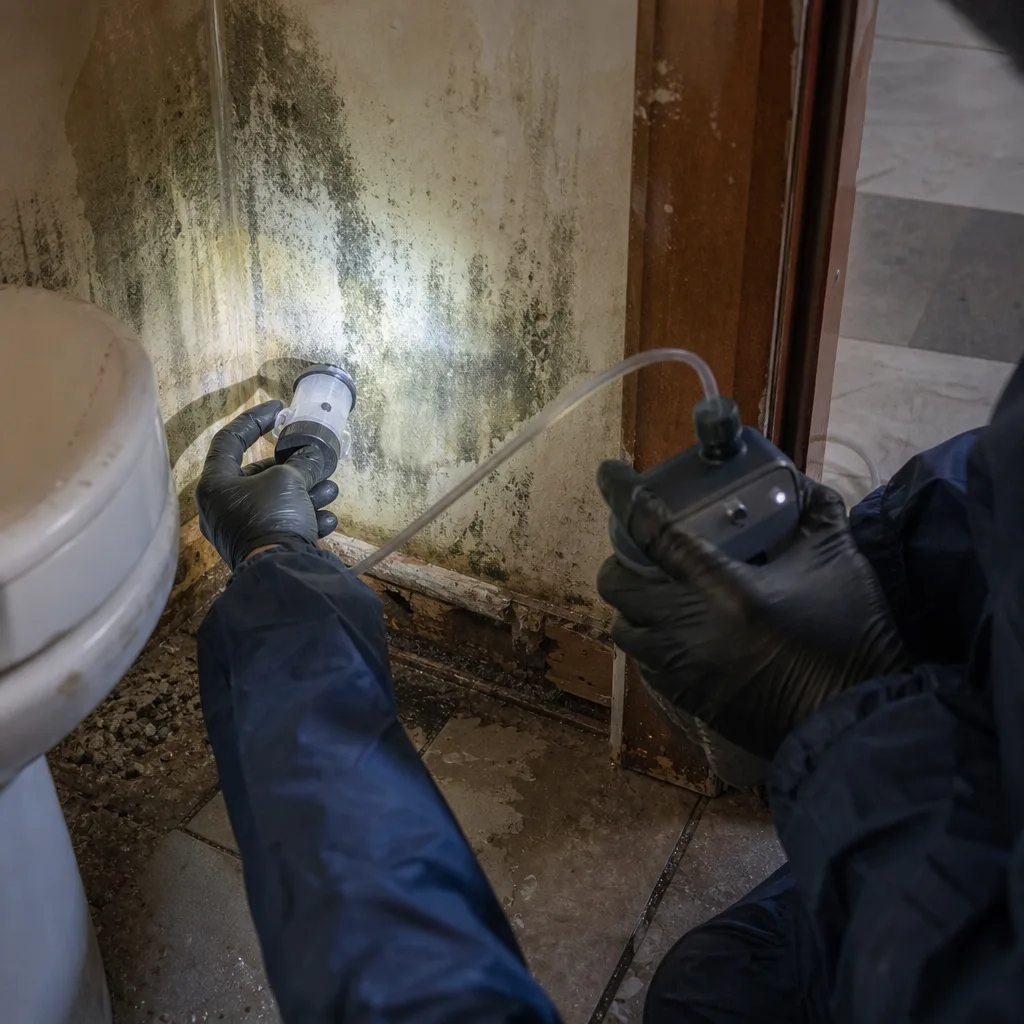
Tukwila averages less than 1.5 inches of precipitation from July through September combined. This is your only reliable window for work that requires excavation, open crawl spaces, or cured sealants.
Priority Repairs for the Dry Window
- Foundation drainage correction. French drains, perimeter drains, and downspout extensions all require dry soil for proper installation and backfill compaction. July and August are the months.
- Crawl space vapor barrier replacement or upgrade. Full encapsulation requires clean, dry conditions. We see Tukwila homeowners attempt this in May, then fight condensation under the new barrier because soil moisture was still too high.
- Exterior sealing and painting. Caulk and paint need 24 to 48 hours without rain to cure properly. In Tukwila, that’s almost guaranteed in August, unpredictable in June.
- Roof repairs and gutter replacement. Shingle sealant strips activate best in warm, dry conditions. Fall installation in Tukwila often means the first rain hits before full adhesion.
Use this window to update your documentation file. Take new baseline photos of every area you inspected and repaired. The file you build this summer is the evidence that protects your claim next winter.
Building Your Seasonal Documentation File
This section is specific to Tukwila and reflects what we’ve learned from claims that were paid without dispute versus claims that required months of negotiation. The difference is almost always documentation.
What to Record Quarterly
- Foundation perimeter photos: Same angles, same lighting conditions, dated. Look for new cracks, settled grade, or efflorescence.
- Crawl space moisture readings: Wood moisture content at three locations, recorded with date and meter model. Pin-type meters are $50 to $80 and sufficient for homeowner monitoring.
- Attic or roof deck photos: Look for new water staining, displaced insulation, or daylight penetration.
- Plumbing fixture operation notes: Any change in water pressure, drainage speed, or fixture noise. These are early indicators of pipe stress.
How Documentation Speeds Claims
When a Tukwila homeowner calls us in January with water in the crawl space, the first thing we request is their documentation file. If they have October photos showing dry conditions and a January photo showing active entry, we can write a scope that an adjuster accepts in days, not weeks. The Fire & Smoke Damage Restoration in Tukwila page describes our documentation protocol for another damage type, but the principle is identical: photo record, written scope, signed warranty.
Without documentation, the adjuster must determine whether the damage was sudden and accidental or the result of maintenance neglect. That determination adds weeks to the process and sometimes reduces the payable amount. The Haven Standard, Clause 1, requires a written price before work begins on every job, but that price is only defensible if the scope it’s based on is documented.
Common Mistakes to Avoid
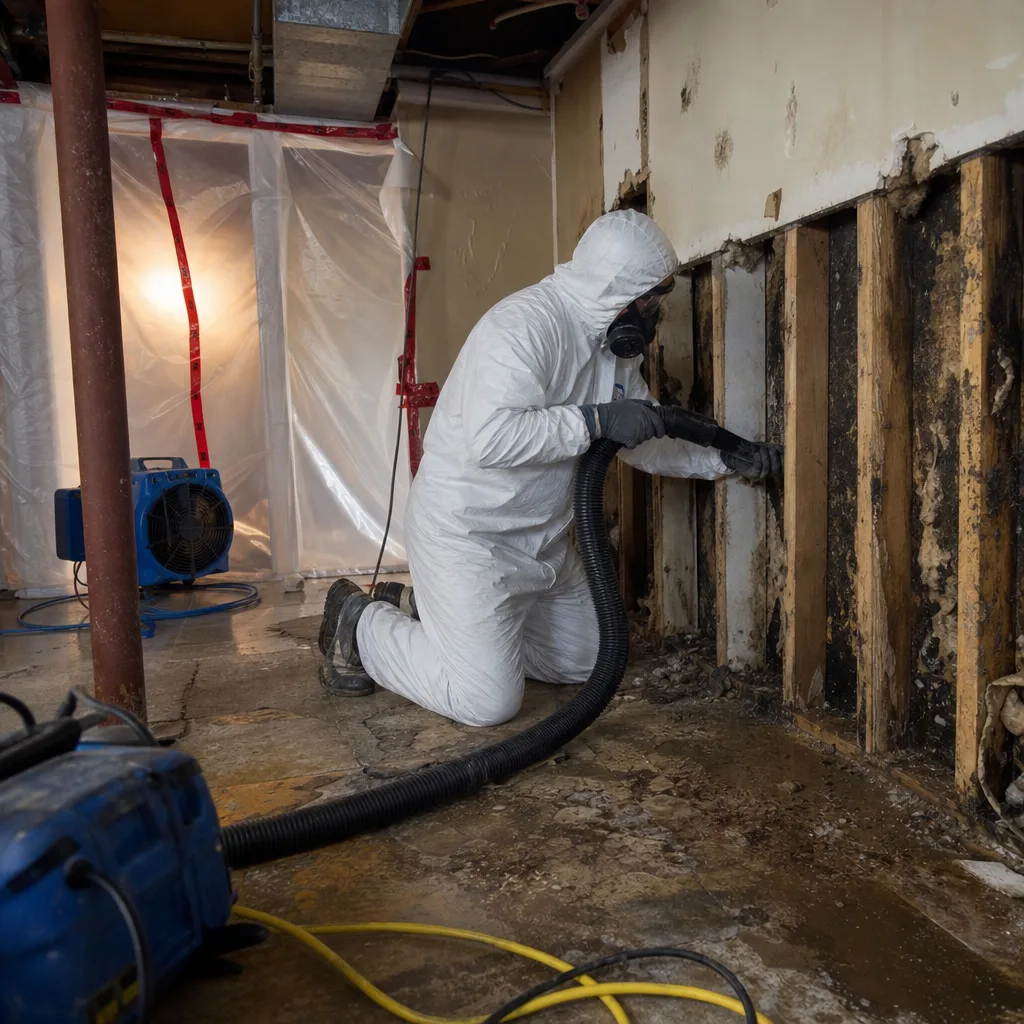
- Waiting for the first storm to test the sump pump. By November, suppliers are sold out of backup batteries. Test in October, replace in October.
- Cleaning up water damage before photographing. We’ve seen Tukwila homeowners lose thousands in covered repairs because they mopped and dried before documenting the source and extent. Photo first, mitigate second.
- Assuming Tukwila’s mild winters mean no freeze risk. The 2021 cold event reached 11°F at Sea-Tac. Eastern Tukwila neighborhoods saw sustained temperatures below 20°F. Exposed pipes froze in homes that had never experienced it.
- Installing vapor barriers over wet soil. This traps moisture and accelerates joist decay. Wait for the July-September dry window, or use professional drying with documented moisture logs to achieve safe installation conditions.
- Ignoring the NOAA precipitation forecast for “maintenance” decisions. The 7-day forecast with atmospheric river warnings is your signal to clear drains, check sump pumps, and inspect the crawl space. Waiting for visible water is waiting too long.
- Storing documentation only on a phone. Phones fail, are lost, or are replaced. Upload to cloud storage with date-stamped folders, and share access with your household.
- Accepting verbal estimates for restoration work. Haven Standard, Clause 1 exists because we’ve seen what happens when scope expands after the crew is inside. A written price before work begins protects both parties.
When to Call a Professional
Call when water has entered the conditioned space, when mold is visible on more than 10 square feet of surface, when you smell mustiness but cannot locate the source, or when your moisture meter readings exceed 20% on structural wood. These are not DIY situations: improper drying extends damage, and incomplete mold remediation creates liability if you sell the home.
DryMark Restoration Tukwila offers free estimates in Tukwila. Every assessment includes a written scope and price before any work begins, a documented photo record, and the 365-Day Done Right Promise under The Haven Standard. Call (253) 642-8884. If you have a competitor’s written estimate, we’ll review it at no charge under our Free Second Opinion policy.
Frequently Asked Questions
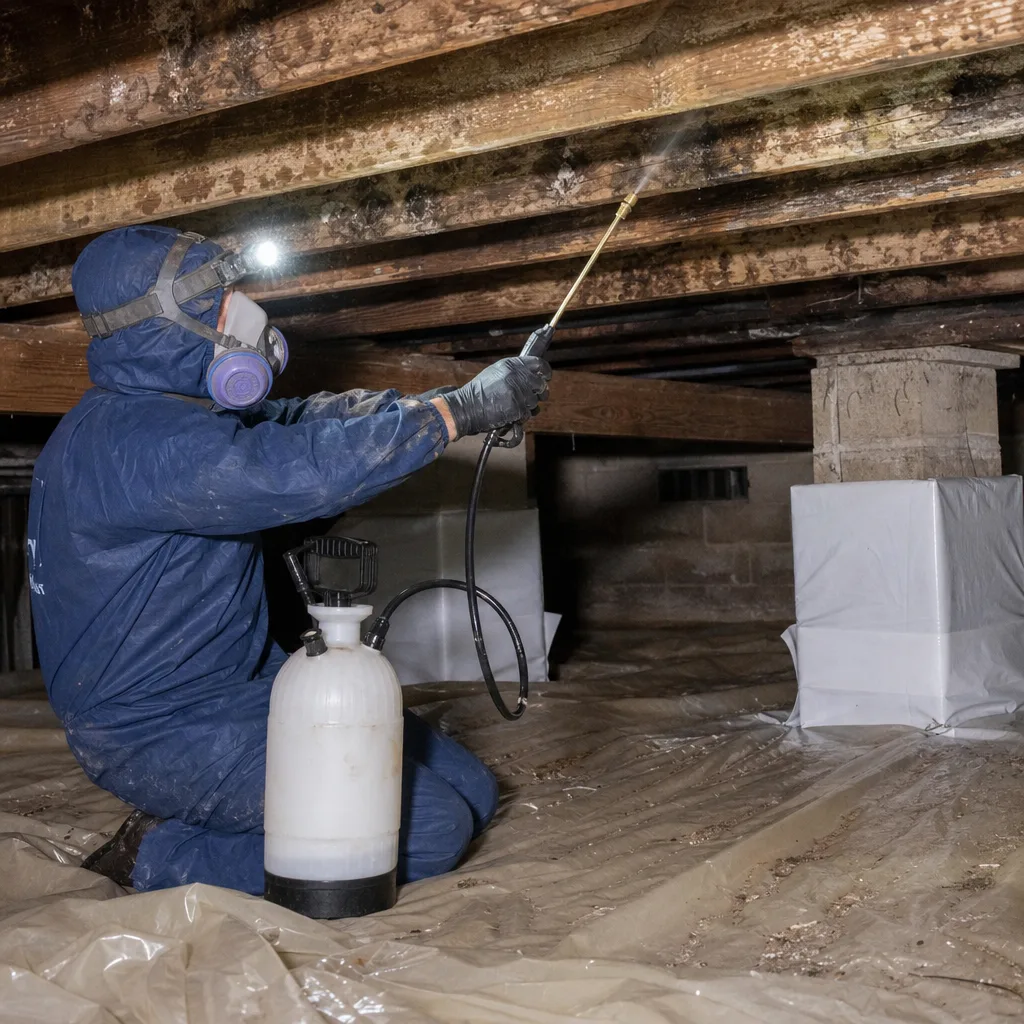
Homeowner-performed prevention, gutter cleaning, downspout extension, and basic moisture monitoring runs $200 to $600 annually. Professional crawl space inspection with moisture mapping and written documentation is $350 to $800. Full encapsulation, when needed, ranges from $4,000 to $12,000 depending on crawl space square footage and existing conditions. See our Damage Restoration Cost Breakdown: The Tukwila Homeowner’s Reference for 2026 for detailed pricing context. Call (253) 642-8884 for an exact quote on your property - estimates are free.
Standard homeowners policies cover sudden and accidental water damage from storm entry. They typically exclude damage from long-term maintenance neglect, such as gutters that haven’t been cleaned in years or known roof leaks that were not repaired. Your October documentation photos are the evidence that distinguishes sudden damage from neglect. We coordinate directly with adjusters and provide the photo-documented drying logs that make claims payable.
Live person answers every call, 24 hours a day, 7 days a week - no voicemail trees. Emergency water damage response in Tukwila typically arrives within 60 to 90 minutes during atmospheric river events. The crew arrives with background-checked, uniformed technicians, professional-grade drying systems from Dri-Eaz, Phoenix, and Injectidry, and a written scope process that begins with documentation, not demolition.
Surface water on a hard floor, removed within hours with no material saturation, can sometimes be handled by a homeowner with proper drying equipment. Water that has contacted drywall, insulation, carpet pad, or structural wood requires professional assessment. We measure moisture content with calibrated meters and provide a written drying plan with daily logs. Self-drying that leaves 18% moisture in floor joists produces mold remediation six months later. Our Free Second Opinion on any competitor’s written estimate helps you evaluate whether a proposed scope is necessary or excessive.
We do. Every job includes photo documentation, written moisture logs, and a detailed scope formatted for adjuster review. We coordinate directly with your carrier’s representative and provide the tertiary drying documentation, which is the final verification that materials have returned to acceptable moisture levels. This documentation-first approach, built by a former claims adjuster, exists because we’ve seen what incomplete documentation costs homeowners in denied or reduced claims.
Deferring repairs until “next year” and failing to update the documentation file. The July-September dry window is short. Contractors book fast. And the baseline photos you take in August are the evidence that protects your January claim. We’ve inspected Tukwila homes where a simple July gutter repair, postponed to November, became a $15,000 crawl space drying job because the first October storm found the vulnerability.
The Bottom Line
Tukwila’s damage calendar doesn’t match the national templates. Your critical work happens in October preparation, November through January vigilance, February and March inspection, and July through September repair. The homeowners who fare best are not the ones with the newest systems. They’re the ones with dated photos, moisture readings, and written scopes that make deviation obvious and claims defensible. Documentation is not extra work. It is the work that makes every other investment in your home protectable. Explore more guides & resources for year-round Tukwila home protection.
Written by Alicia Brennan, Owner at DryMark Restoration Tukwila, serving Tukwila since 2011.