
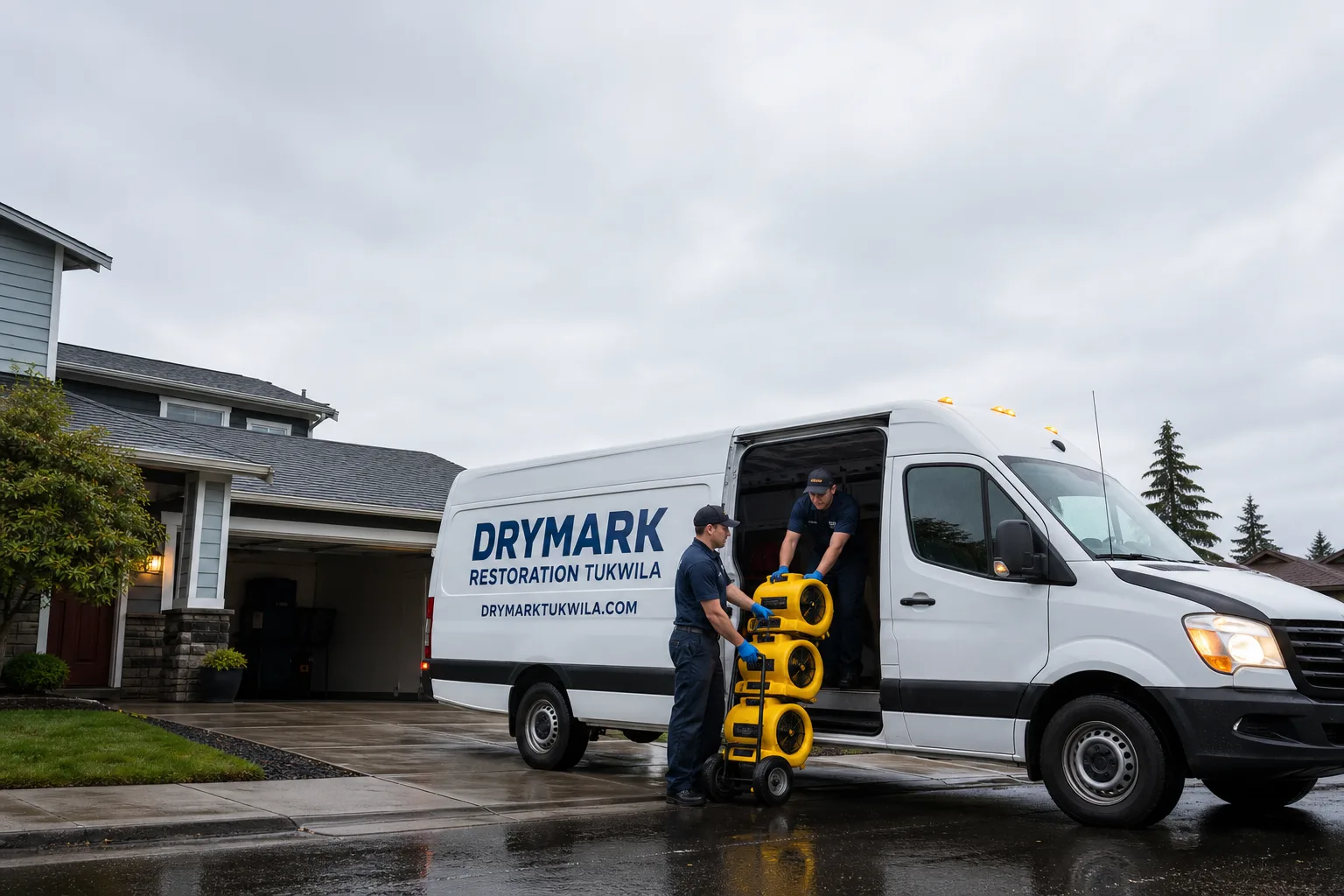
Free visual inspection and a written scope of work before any mitigation begins - photos, moisture readings, and drying logs go in your claim file
The scope we write is the scope we bill. Anything new gets shown to you, in writing, before we touch it.
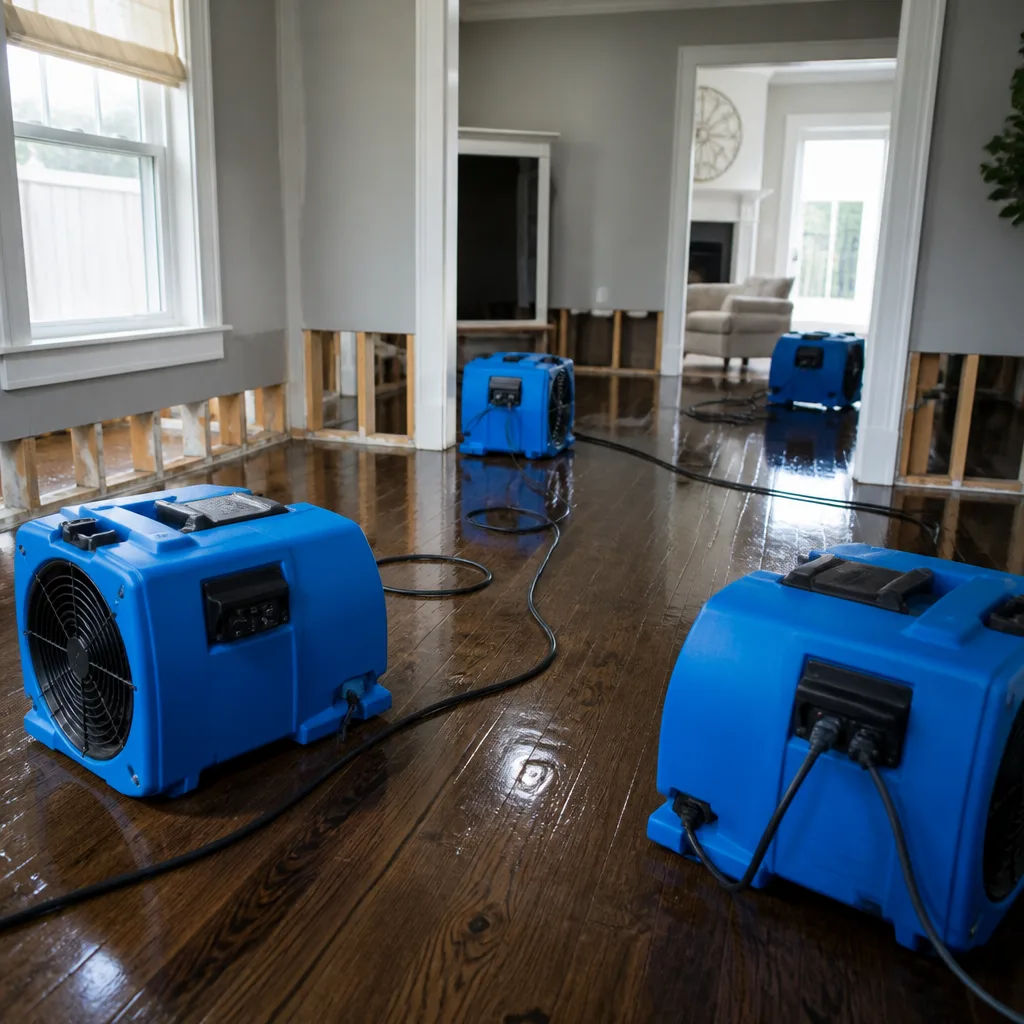
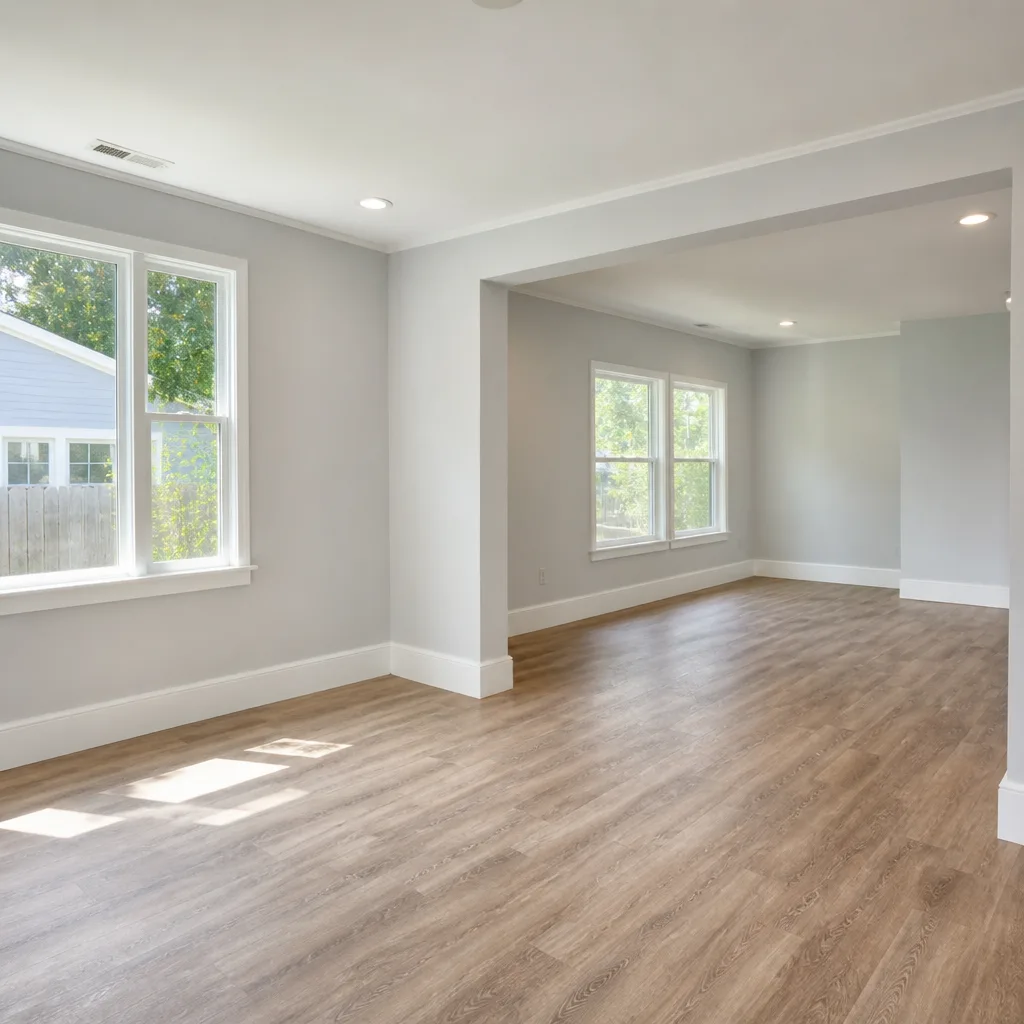
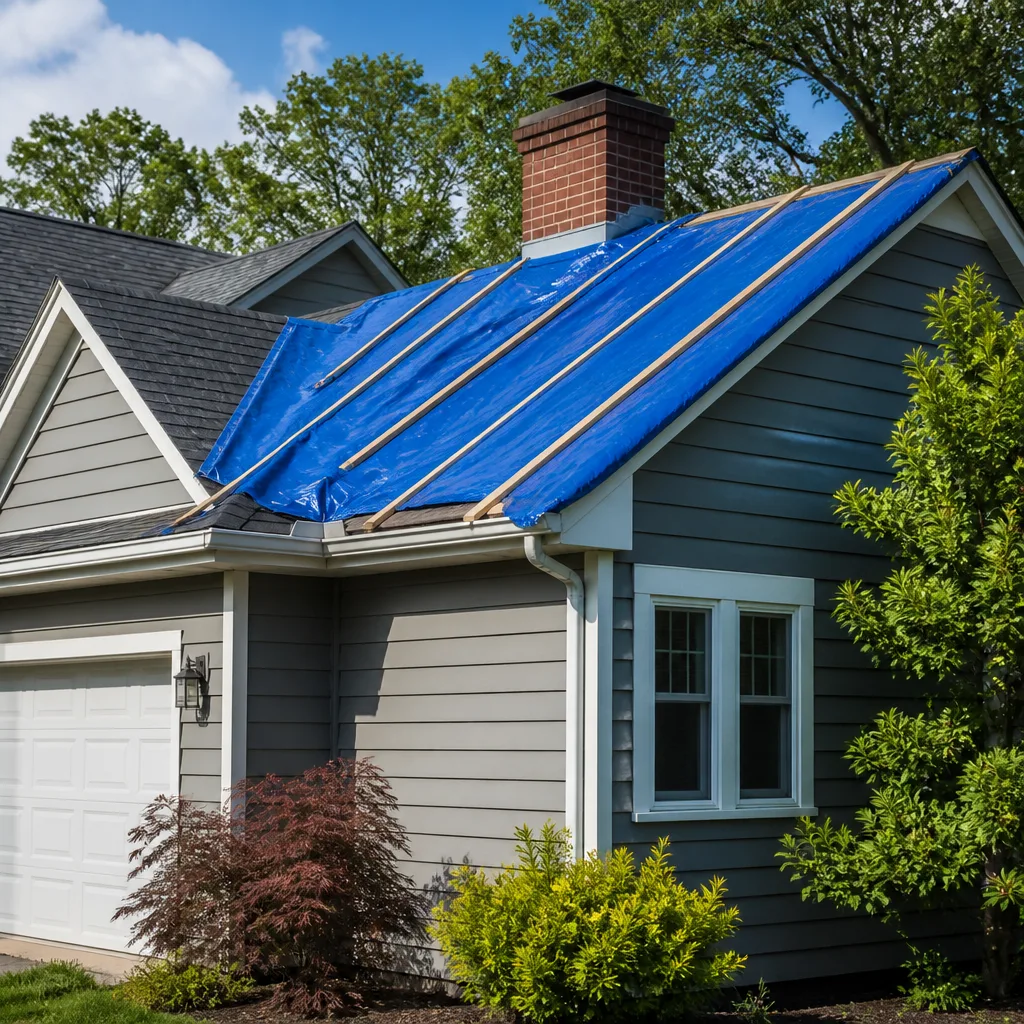
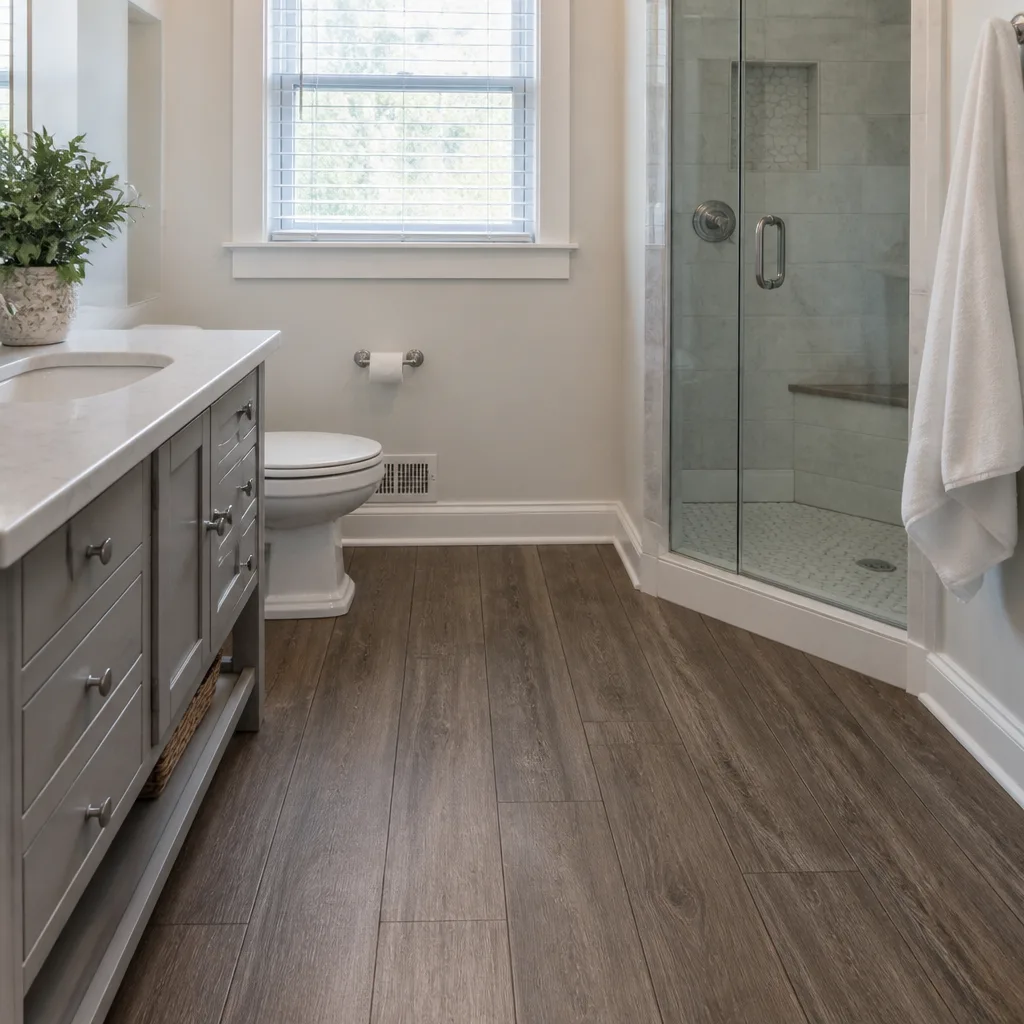
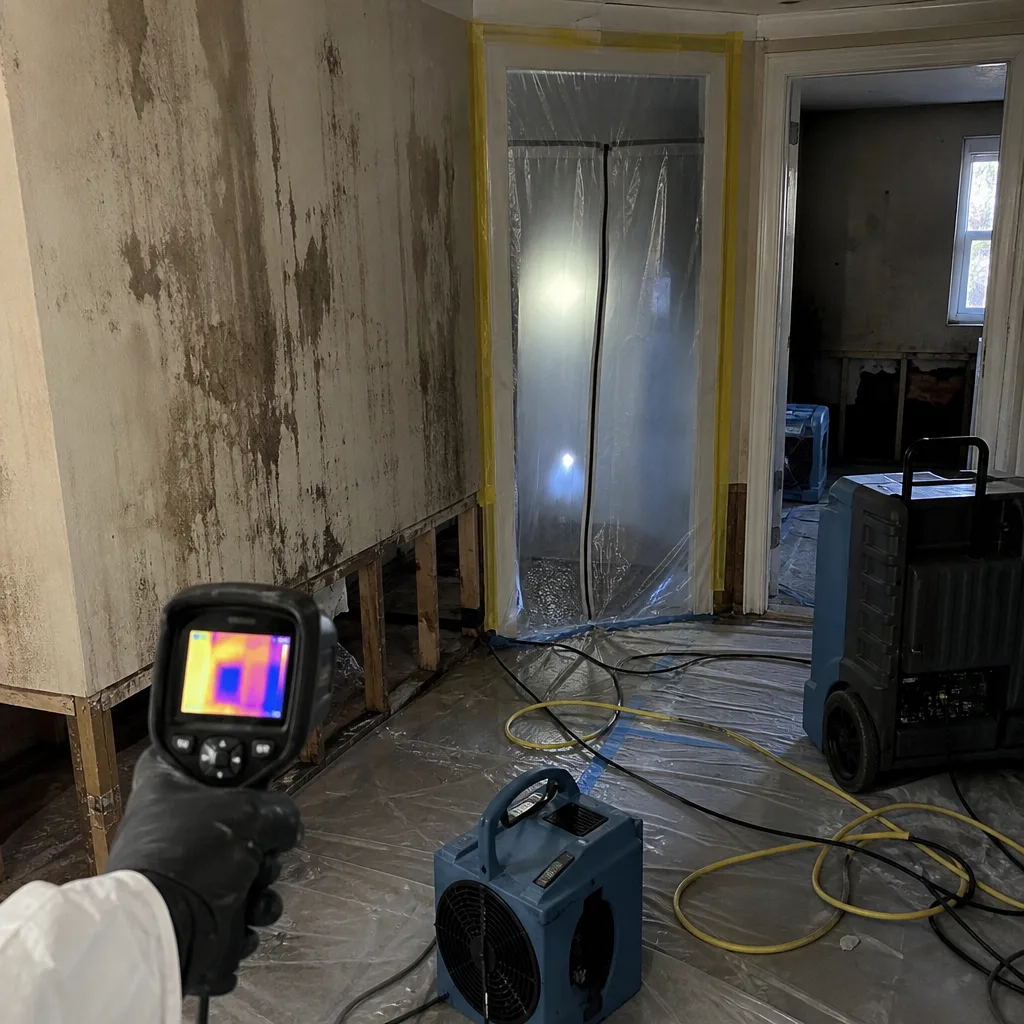 Before
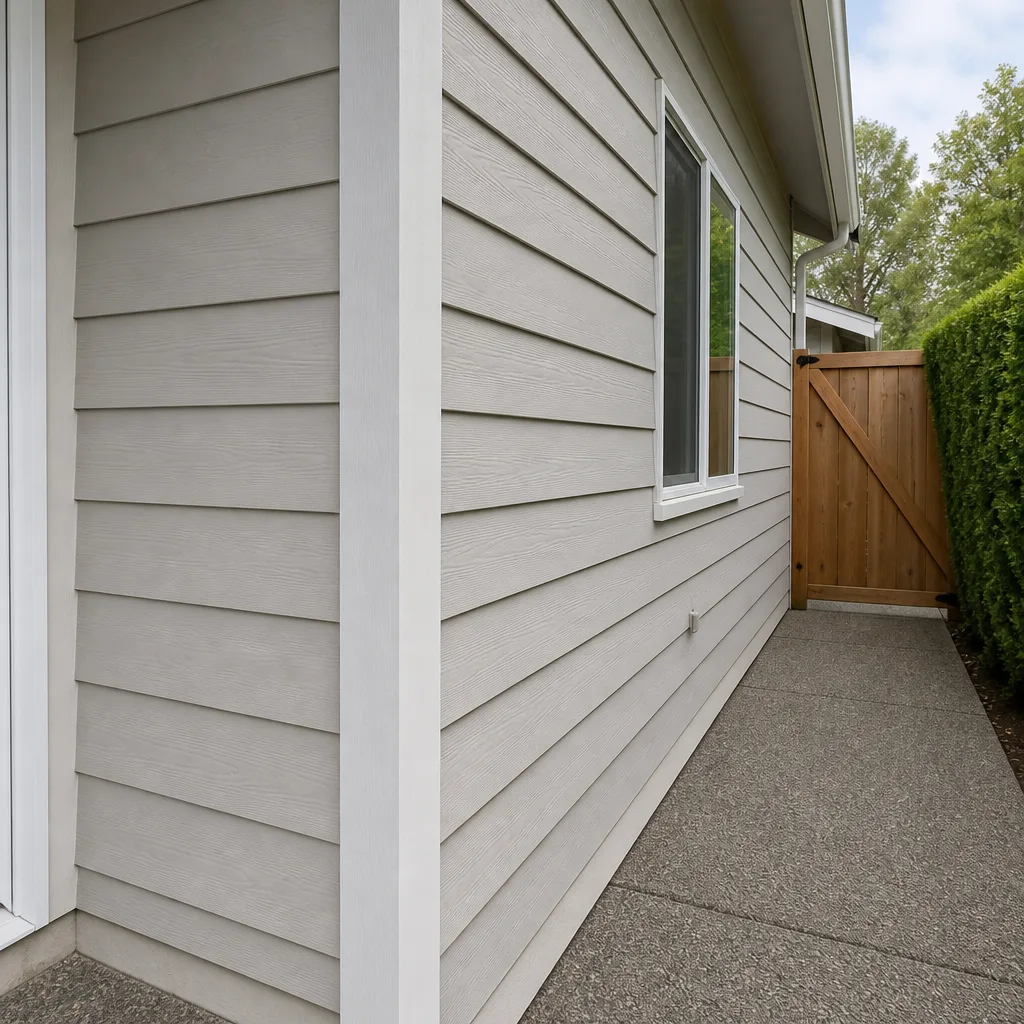 After
After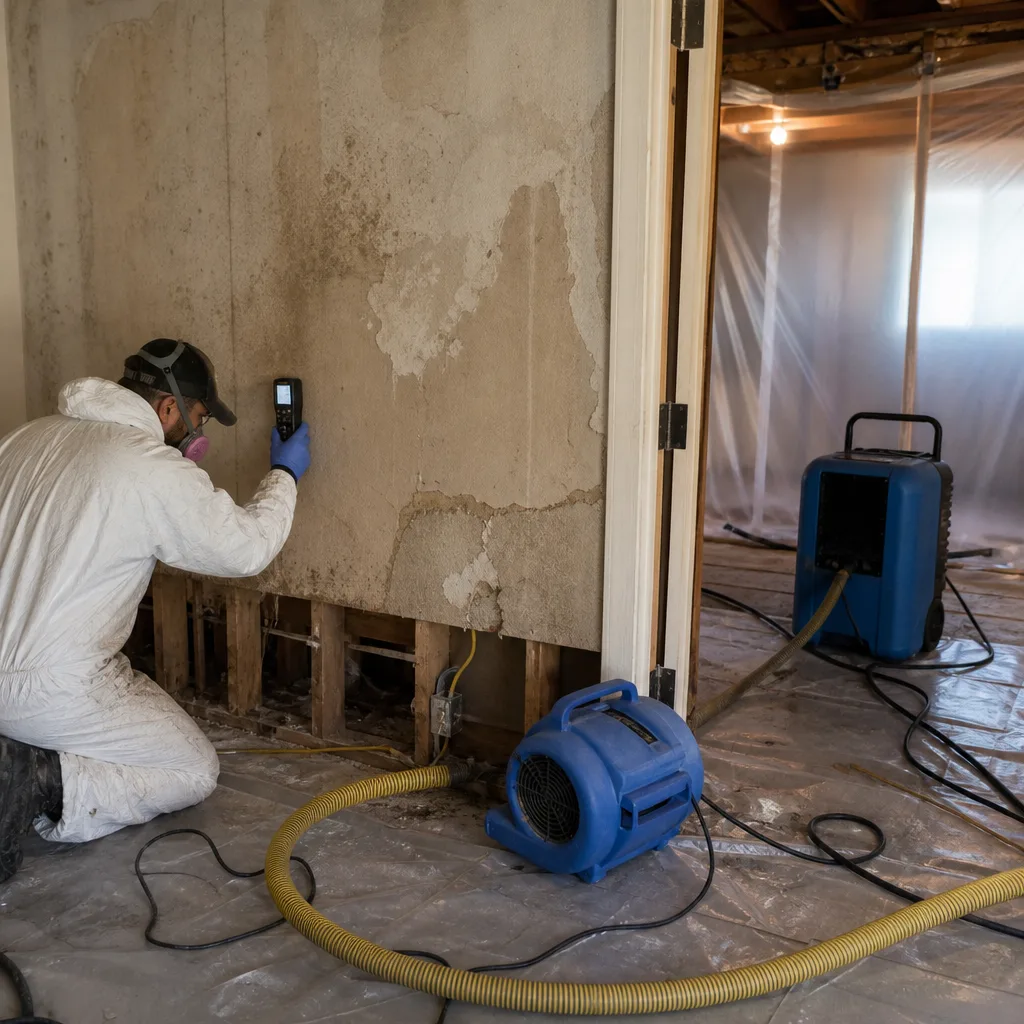 Before
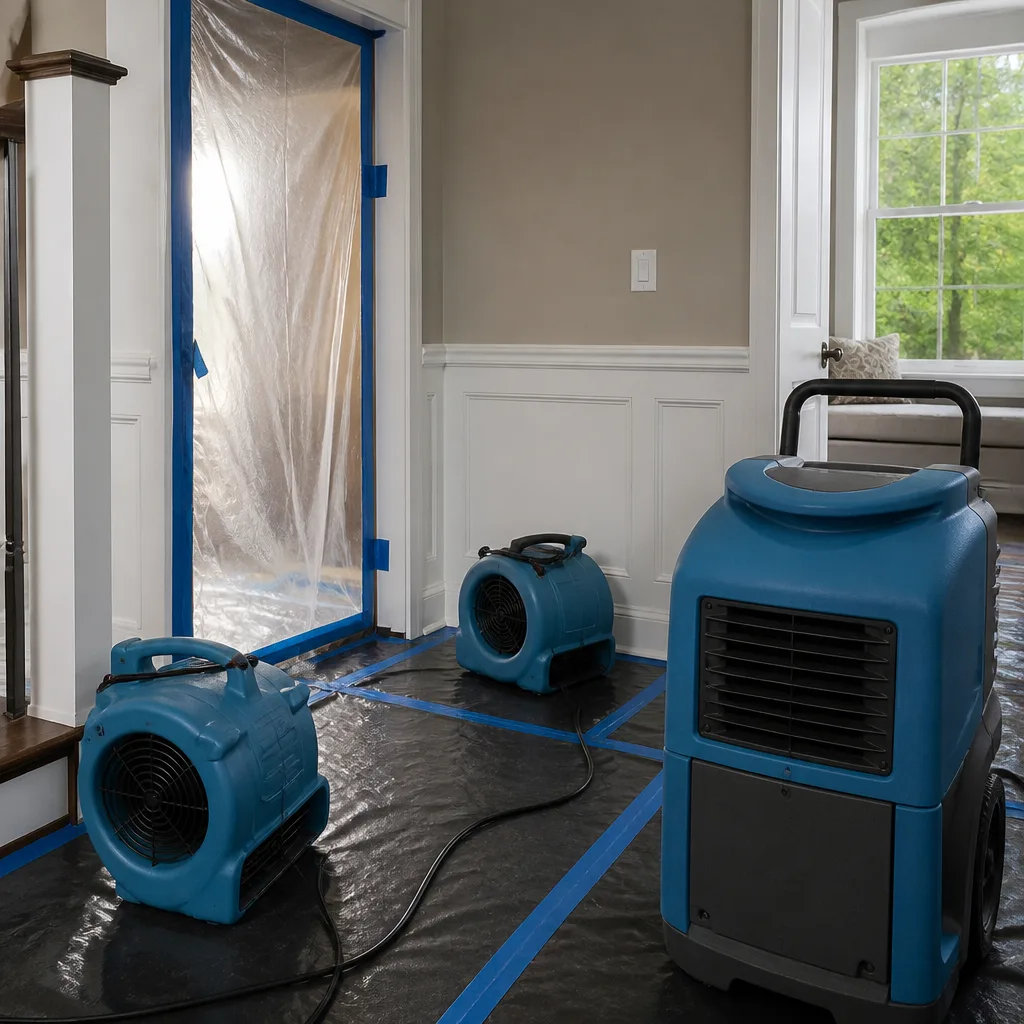 After
After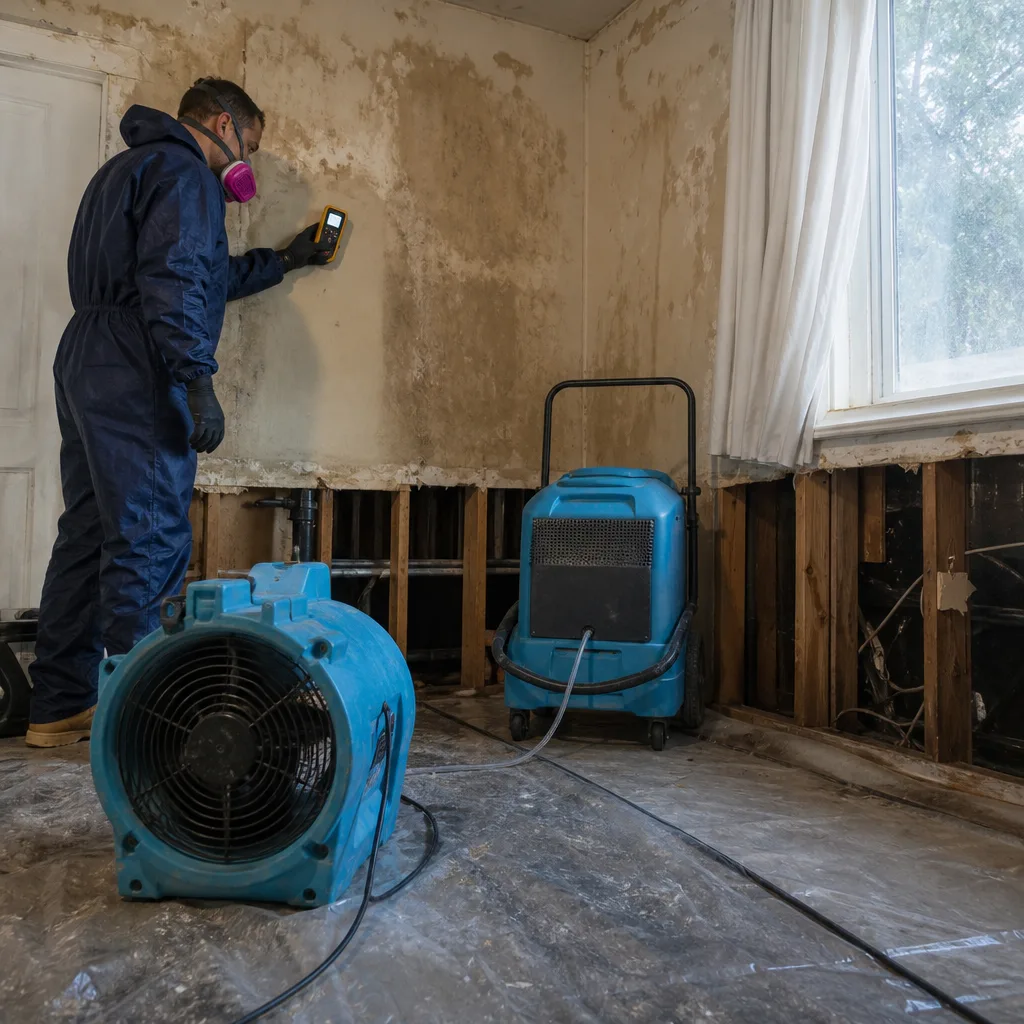 Before
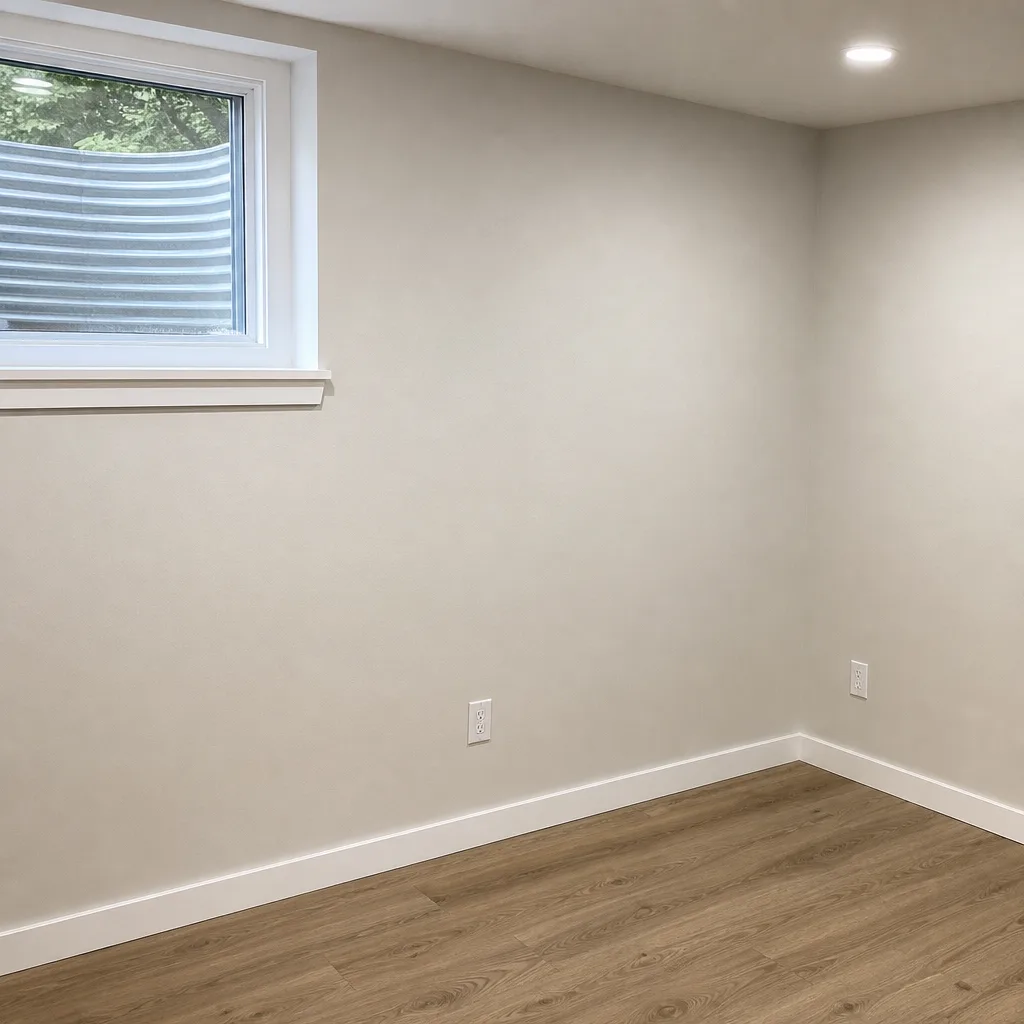 After
AfterFast, Reliable Water Damage Restoration Across Seattle
Water damage restoration in Seattle typically runs $2,800-$6,500 for a standard residential mitigation, with emergency extraction starting at $1,200-$2,400 and full structural drying adding $1,600-$4,100 depending on affected square footage and material classification. Our Water Damage Restoration team dispatches from our Seattle office to every neighborhood from Ballard to Beacon Hill, with crews arriving within 60-90 minutes on emergency calls. We know the difference between a burst pipe in a Capitol Hill Craftsman and hillside groundwater intrusion in Magnolia, and we document both with the photo records and moisture logs that turn restoration invoices into payable insurance claims. Call (253) 642-8884 - a live person answers, 24 hours a day, 7 days a week.
Why DryMark Restoration Tukwila Is Seattle’s Preferred Water Damage Restoration Company
We’ve restored more than 12,000 homes since 2011, every one with a written price before work started and a documented record when the crew left. Alicia Brennan founded Back to Dry after working as a claims adjuster and watching homeowners lose thousands to restoration invoices that lacked the moisture readings, drying logs, and photo documentation insurers require to pay without a fight. That origin is the problem we solve every day.
Our Seattle customers find us because they read the three-star reviews. They want to know what happens when something goes wrong, and our answer is documented: Haven Standard, Clause 1 - written price before any work starts, every time, with no scope-creep additions once the crew is inside. The 365-Day Done Right Promise is a signed guarantee stamped on every job, not a marketing line.
Response time to Seattle neighborhoods averages 60-90 minutes for emergency water extraction. Our dispatch and scheduling are coordinated from our Seattle office; crews serve Seattle locally and carry the equipment to begin extraction and set up psychrometric monitoring on arrival.
We also offer a Free Second Opinion on any competitor’s written estimate. Bring another company’s quote and we’ll review it at no charge. Documentation gaps cost homeowners their claims, and we’re not interested in repeating that mistake.
Our Water Damage Restoration Services in Seattle
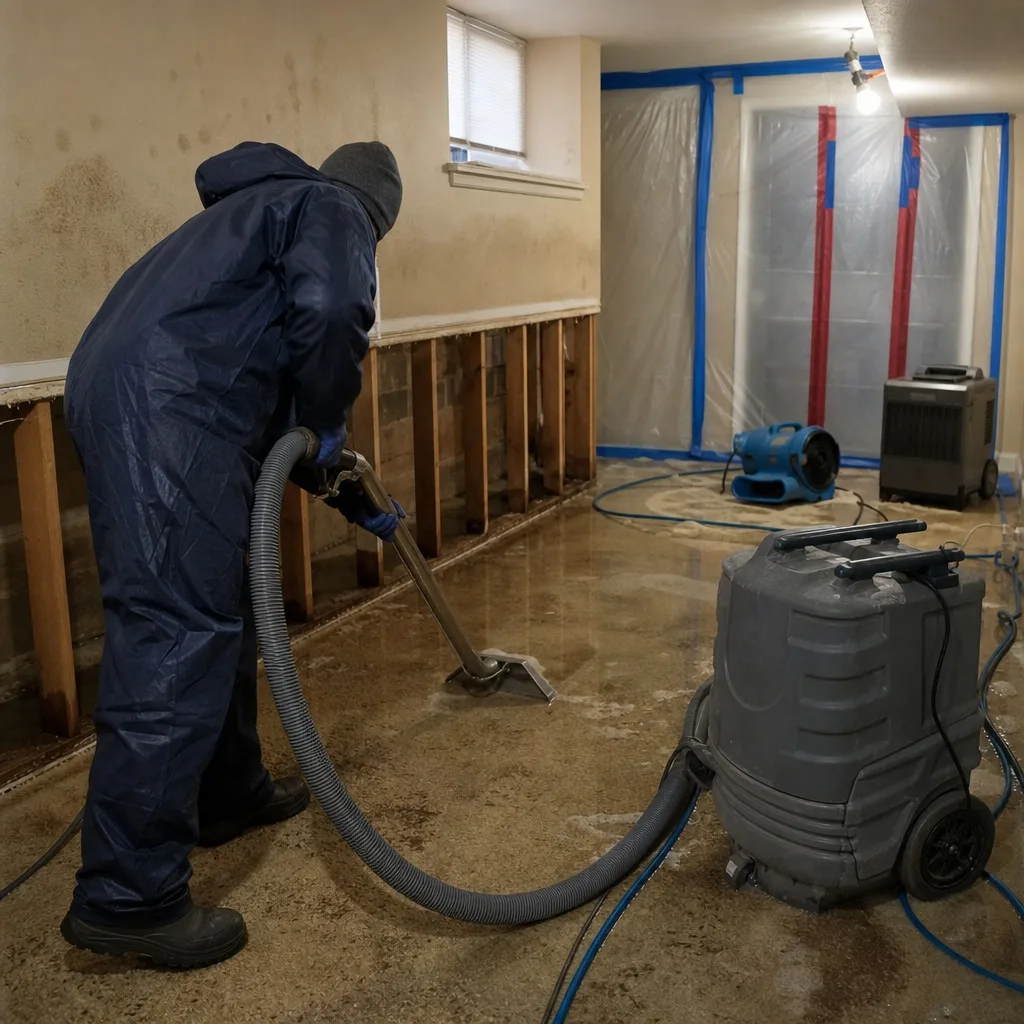
Emergency Water Extraction
We answer every call with a live person, 24 hours a day, 7 days a week - no voicemail trees while water is still moving. Our crews arrive with truck-mounted extraction units and portable submersible pumps sized for everything from a Ballard basement sump failure to a West Seattle hillside crawl space with redirected groundwater. We document standing water depth in every affected room, classify the water category on arrival, and deliver a written scope and price before extraction begins. Haven Standard, Clause 1.
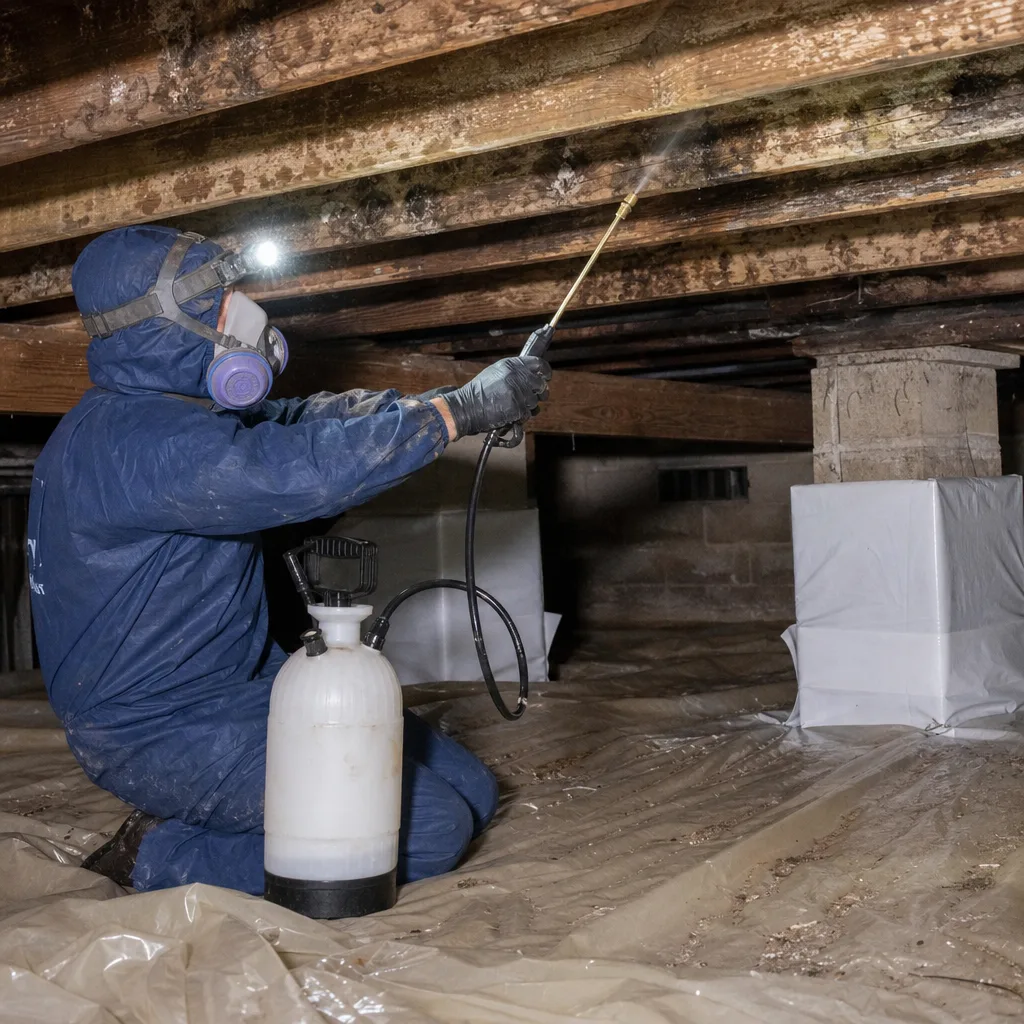
Structural Drying & Dehumidification
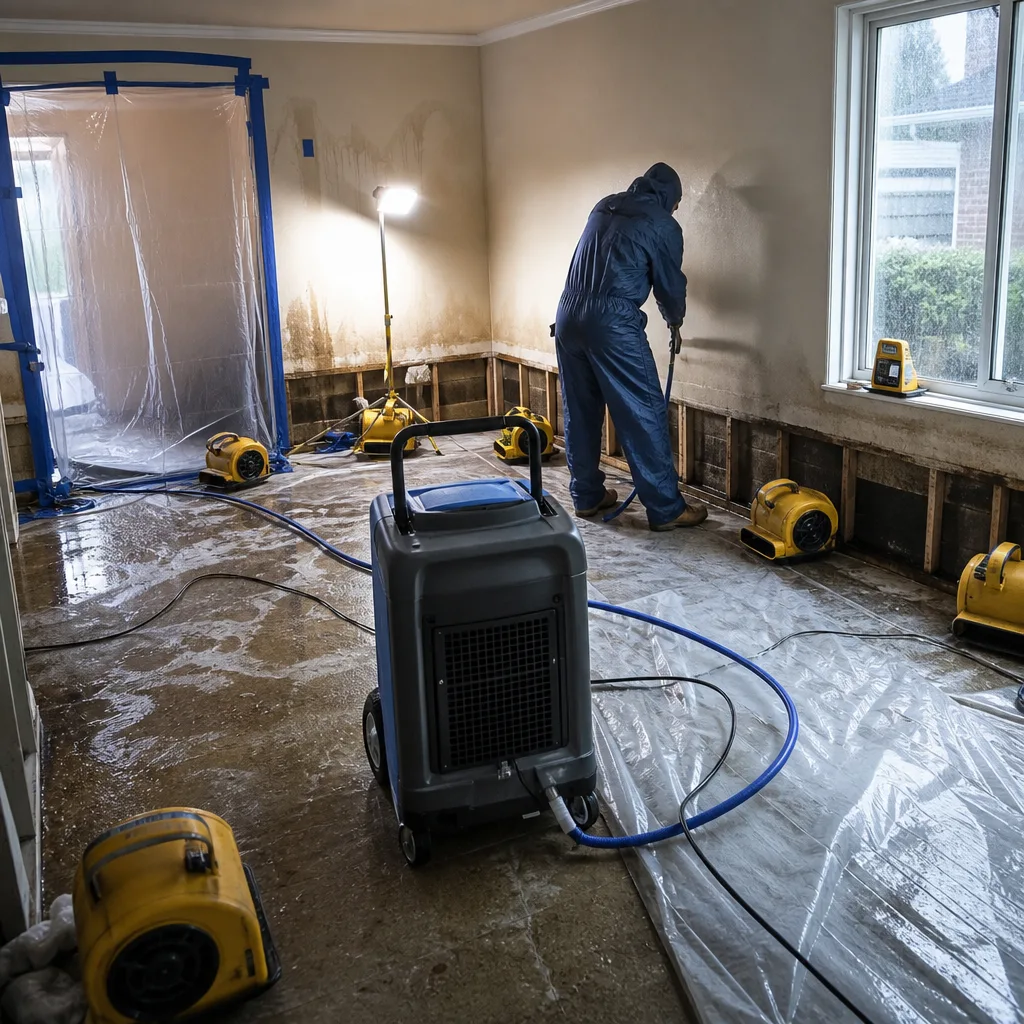
Seattle’s marine west-coast climate keeps relative humidity elevated year-round, meaning building assemblies rarely achieve the drying cycles that allow moisture damage to self-correct. A slow roof leak or crawl space seep that would dry out in Denver or Phoenix stays wet for months here. We deploy professional-grade drying systems from Dri-Eaz, Phoenix, and Injectidry, documented to IICRC, RIA, and IFA standards, and we produce daily moisture logs that track vapor pressure differential - the measurable force that drives moisture out of wet materials into drier air. Our drying logs include psychrometric data: temperature, relative humidity, and specific humidity readings taken at identical points every 24 hours, so your adjuster can see the drying curve in black and white.
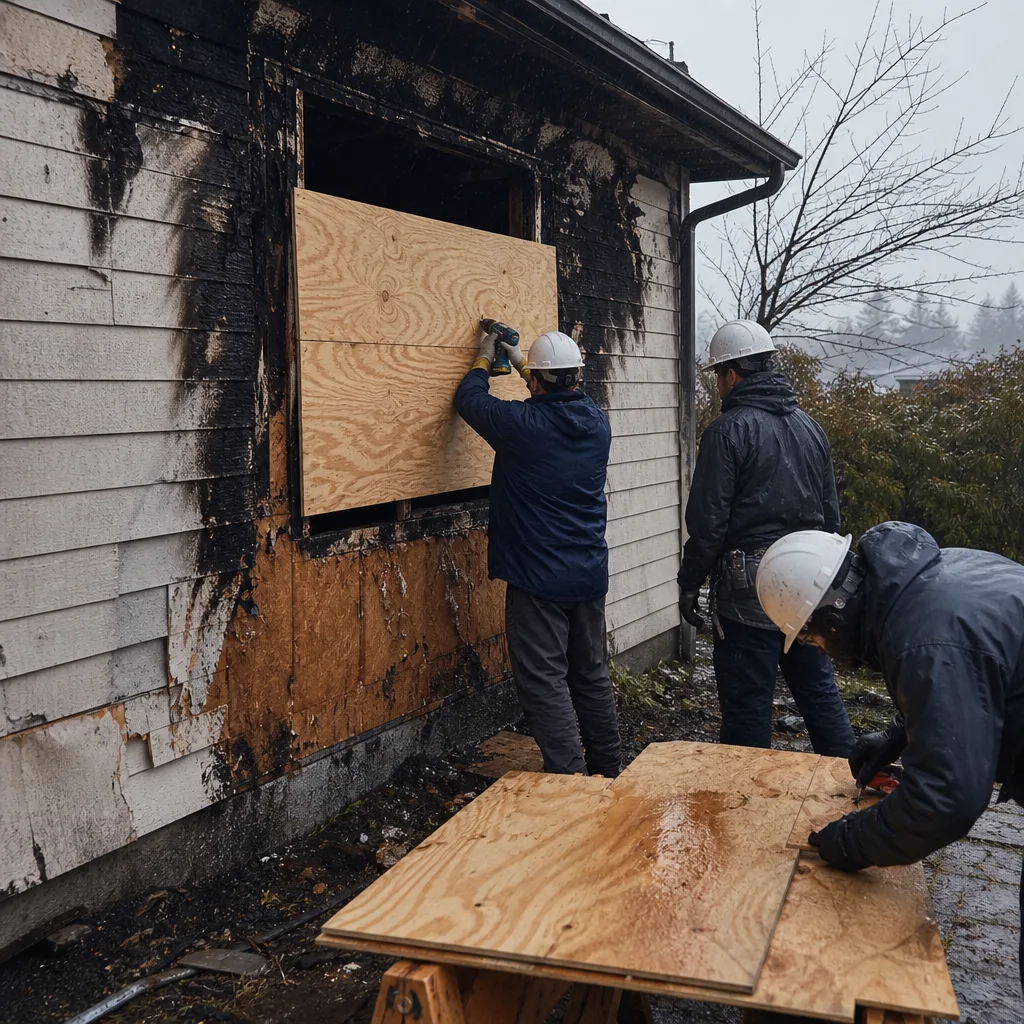
Basement Water Removal
Seattle’s pre-1950 housing stock - Craftsman bungalows in Columbia City, Seattle Box-style homes in the Central District - was built with wood-framed floors over vented dirt crawl spaces and no vapor barrier. Original cedar siding and knob-and-tube-era construction details make these homes persistently vulnerable to rot and structural moisture damage. Basement water removal in these properties requires more than pumping; we inspect sill plates, rim joists, and subfloor framing for hidden saturation, then set up targeted drying with Injectidry panel systems and air scrubbers in containment when mold colonization is present. Tertiary drying - the final phase where bound moisture is removed from deep within structural materials - often takes longer in Seattle’s climate, and we don’t sign off until moisture readings return to pre-loss baselines documented in writing.
Flood Cleanup
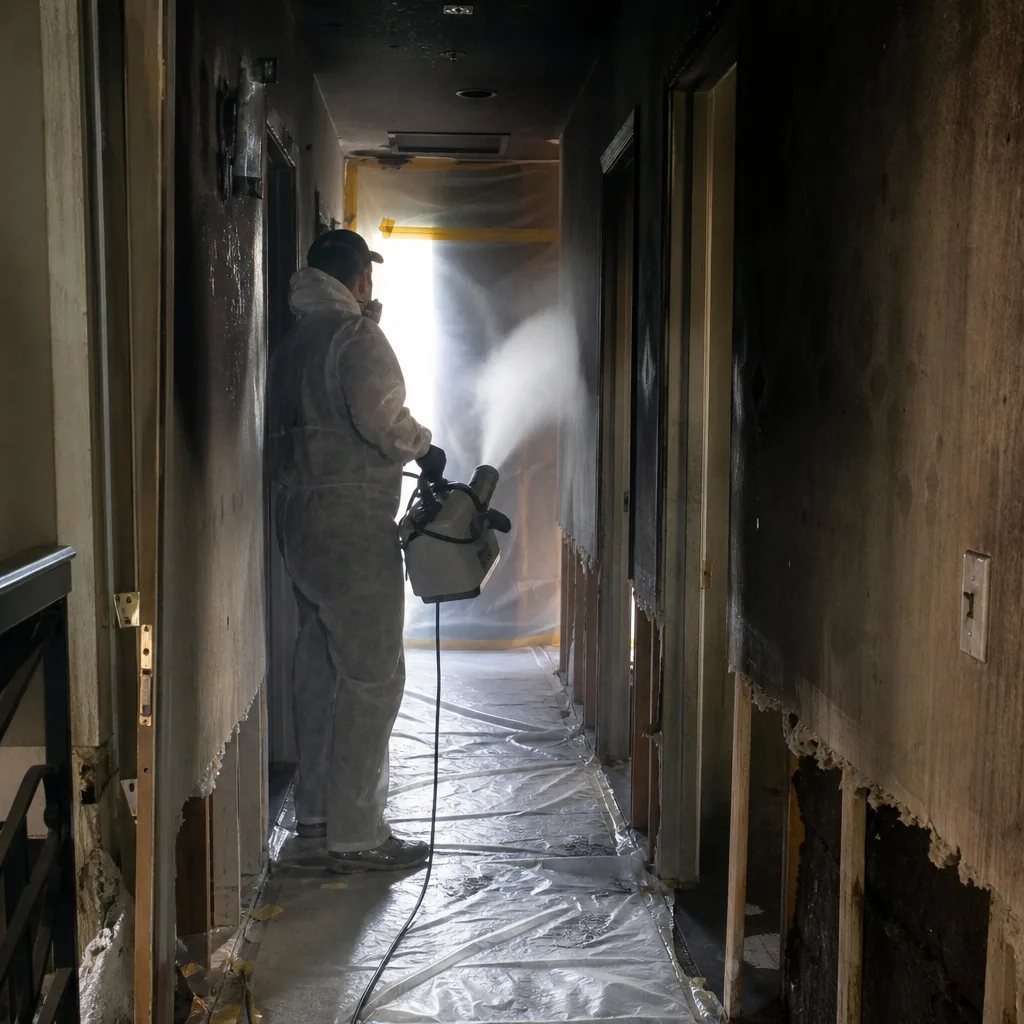
Flood cleanup in Seattle differs from storm-driven flood markets. Our dominant challenge isn’t acute inundation from a single weather event; it’s the slow, relentless pressure of 150-plus overcast, drizzly days per year acting on aging building envelopes. We classify flood sources, document contamination levels, and remove compromised materials with chain-of-custody documentation for insurance. Category 3 water - sewage or ground-source flooding - requires different handling than a Category 1 supply line break, and we note the distinction on every written scope.
Burst Pipe Restoration
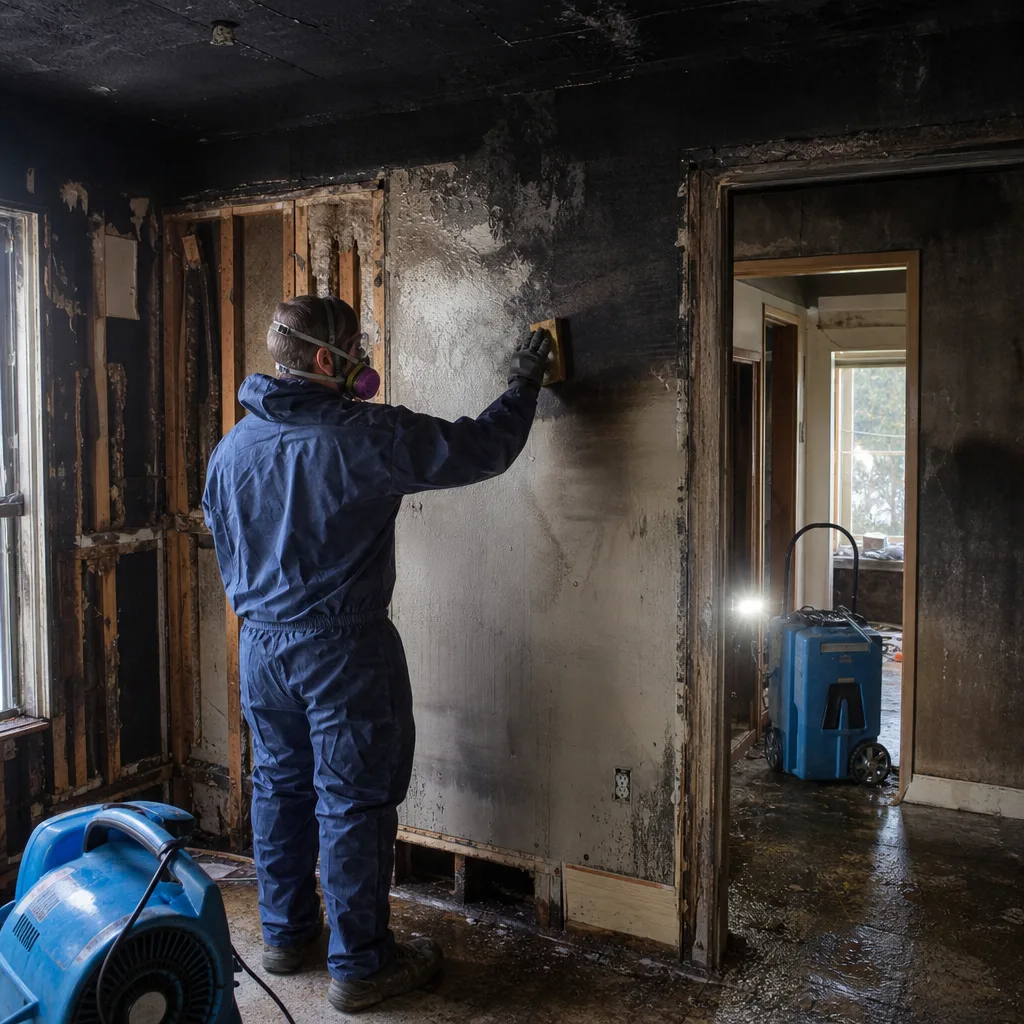
Seattle’s older neighborhoods, particularly Capitol Hill and Ballard, still have original galvanized or early copper supply lines at end-of-service life. Burst pipe restoration here often reveals secondary damage: water traveling along original lath-and-plaster assemblies, saturating insulation that was never designed for wetting, and pooling in wall cavities with no modern drainage plane. We map the full extent with thermal imaging and moisture meters before cutting anything, then deliver a written price for extraction, drying, and necessary reconstruction.
Ceiling & Roof Leak Water Damage
Ceiling damage from roof leaks in Seattle’s climate rarely dries between rain events. We find saturated insulation, compromised drywall, and mold colonization in attics where homeowners assumed “it was just a small leak.” Our crews document the leak path, remove wet materials to the drying standard, and set up positive-pressure drying when attic ventilation is inadequate.
What happens when you call
- 1
A real person answersNo phone trees - you reach a local pro.
- 2
You get an upfront price rangeHonest numbers before anyone is dispatched.
- 3
A background-checked tech heads outLicensed & insured, dispatched right away.
- 4
You approve before work beginsNothing starts until you say go.
 Before
 After
AfterCommon Water Damage Restoration Problems We See in Seattle Homes
- Chronic crawl space moisture in pre-1950 Craftsman bungalows. Original wood-framed floors over vented dirt crawl spaces with no vapor barrier - common in Ballard, Capitol Hill, and Columbia City - wick groundwater and slow roof leaks directly into sill plates and rim joists. Moisture readings stay elevated for months because Seattle’s marine humidity prevents natural drying cycles.
- Hillside groundwater intrusion on steep lots. Seattle’s glacially deposited soils - dense clay till on Magnolia, Queen Anne, and West Seattle bluffs - shed water laterally rather than percolating. Sustained November-March rain forces groundwater against stem walls and under slab edges, causing subfloor damage that extraction alone cannot solve without geotechnical coordination.
- Mold colonization before visible water damage appears. Because relative humidity stays elevated year-round, mold establishes on wet framing in 48-72 hours - faster than in drier climates - often before homeowners notice staining or odor. We find this pattern repeatedly in homes with slow crawl space seepage or chronic roof leaks.
- Insurance disputes over chronic versus sudden water damage. Seattle’s moisture-driven losses are often misclassified by adjusters unfamiliar with marine-climate building failure. Our photo records and moisture logs distinguish sudden plumbing failures from long-term groundwater intrusion, with documentation that supports accurate claim coding.
Pricing for Water Damage Restoration in Seattle, WA
We publish ranges because Haven Standard, Clause 1 requires a written price before work starts - and that price should not require a phone call to learn what the market actually costs.
| Service | Typical Range in Seattle |
|---|---|
| Emergency water extraction (up to 1,000 sq ft) | $1,200 - $2,400 |
| Structural drying & dehumidification (3-5 day standard) | $1,600 - $4,100 |
| Full mitigation package (extraction + drying + monitoring) | $2,800 - $6,500 |
| Category 3 sewage/groundwater cleanup (per sq ft) | $4.50 - $7.25 |
| Crawl space water removal with containment setup | $2,400 - $5,200 |
| Tertiary drying extension (per additional day) | $380 - $620 |
Factors that move Seattle jobs toward the higher end: homes built before 1950 with unencapsulated crawl spaces, hillside lots with clay-till soil and redirected groundwater, Category 3 contamination requiring HEPA containment, and mold colonization requiring air scrubbing and material removal. Every job is quoted in writing before work begins, with no scope-creep additions once the crew is inside. Call (253) 642-8884 for an exact quote - estimates are free.
We Also Serve Cities Near Seattle
Our crews respond throughout the metro area, including Seattle‘s immediate neighbors: Bellevue, Kirkland, Redmond, and Bothell. Each city’s building stock and soil conditions create distinct water damage patterns, and we adjust our drying protocols and documentation accordingly.
Serving Seattle, WA - Our Local Coverage Area
We’re based in the Seattle area and know this community well. Use the map below to see our service coverage - if you’re nearby, we can almost certainly help.
FAQs - Water Damage Restoration in Seattle
Seattle’s damage restoration market is defined not by acute storm events but by the city’s relentless marine moisture - 150-plus overcast, drizzly days per year - acting on an enormous stock of pre-1950 Craftsman bungalows with unencapsulated dirt crawl spaces and aging vapor barriers. Add Seattle’s steep hillside topography, which channels clay-heavy glacial soils’ groundwater directly under stem walls during the November-March wet season, and the dominant restoration challenge here is chronic moisture intrusion and mold remediation rather than the flood- or hurricane-driven acute water events that define the trade elsewhere. Our documentation distinguishes these patterns for accurate insurance claim coding. Call (253) 642-8884 for a free assessment.
Mold colonization begins on wet organic materials in 48-72 hours in Seattle’s climate - faster than in drier regions because relative humidity rarely drops low enough to interrupt fungal growth. We see this timeline consistently in crawl spaces with slow seepage and in wall cavities behind original cedar siding where leaks go undetected. Our crews set up containment and HEPA-filtered air scrubbers within that window when contamination is suspected, and we document pre-existing mold versus loss-related growth with photo records. Call (253) 642-8884 for moisture mapping.
Category 1 is clean water from a supply line; Category 2 is gray water with chemical or biological contamination from sources like dishwasher discharge; Category 3 is black water from sewage, ground flooding, or seawater intrusion. The category determines what materials must be removed versus dried in place, what personal protective equipment our crews wear, and how your insurance codes the loss. In Seattle, hillside groundwater intrusion often tests as Category 2 or 3 due to soil contaminants, even when it looks clear. We test and document water category on every job, in writing, before work begins. Call (253) 642-8884 for classification and pricing.
Shut off the source if it’s a plumbing failure, then call us before moving contents or running consumer-grade fans - improper airflow can drive moisture into unaffected areas and complicate your claim. Our live dispatch answers 24 hours a day, 7 days a week, and crews arrive with extraction equipment and moisture meters to document the full extent before anything is disturbed. For hillside homes in Magnolia, West Seattle, or Beacon Hill, we also assess whether groundwater redirection requires geotechnical coordination beyond standard extraction. Call (253) 642-8884 for immediate response.
Most homeowner policies cover sudden and accidental water damage - burst pipes, appliance failures, storm-driven roof breaches - but exclude long-term maintenance issues like chronic crawl space seepage or gradual envelope failure. The distinction determines whether your claim is paid, denied, or partially covered. Our documentation, including moisture logs that establish the timeline of saturation and photo records that distinguish sudden from pre-existing damage, is designed specifically to support accurate claim coding. We also coordinate directly with adjusters when questions arise. Call (253) 642-8884 - we can review your policy language and provide a Free Second Opinion on any competitor’s estimate.
We got a call from a homeowner on Magnolia Boulevard whose crawl space had been seeping all winter; moisture mapping showed elevated readings across the entire subfloor and the original cedar sill plates were already colonized with mold. After water extraction and HEPA-filtered air scrubbers in containment, we set up structural drying with Dri-Eaz dehumidifiers and Injectidry panels, coordinating with a geotechnical engineer on a drainage fix before we closed out the drying logs. The pre-loss condition report documented the slope-driven groundwater pattern so the homeowner’s insurance could distinguish this from a plumbing failure.
Seattle’s Department of Construction and Inspections maintains formal Landslide Hazard Area maps covering significant portions of Magnolia, West Seattle bluffs, and Beacon Hill slopes, and experienced local restoration techs know these zones well - jobs in those neighborhoods routinely involve water intrusion and subfloor damage caused not by plumbing failures but by slope movement and redirected groundwater that no sump pump alone can solve without geotechnical coordination. This is the only Seattle water damage page that maps the city’s Landslide Hazard Areas and marine-humidity crawl space failure pattern to the exact extraction, drying, and geotechnical-coordination sequence local homeowners actually need.
Ready to get started? Call (253) 642-8884 now. A live person will answer, gather the details of your situation, and dispatch a crew with the equipment to begin documented extraction and drying. Your written price arrives before any work starts, your photo record documents every visit, and the 365-Day Done Right Promise backs every job under The Haven Standard.
Written by Alicia Brennan, Owner at Back to Dry Restoration, serving Seattle since 2011.
Water Damage Restoration in Nearby Areas