
Free visual inspection and a written scope of work before any mitigation begins - photos, moisture readings, and drying logs go in your claim file
The scope we write is the scope we bill. Anything new gets shown to you, in writing, before we touch it.
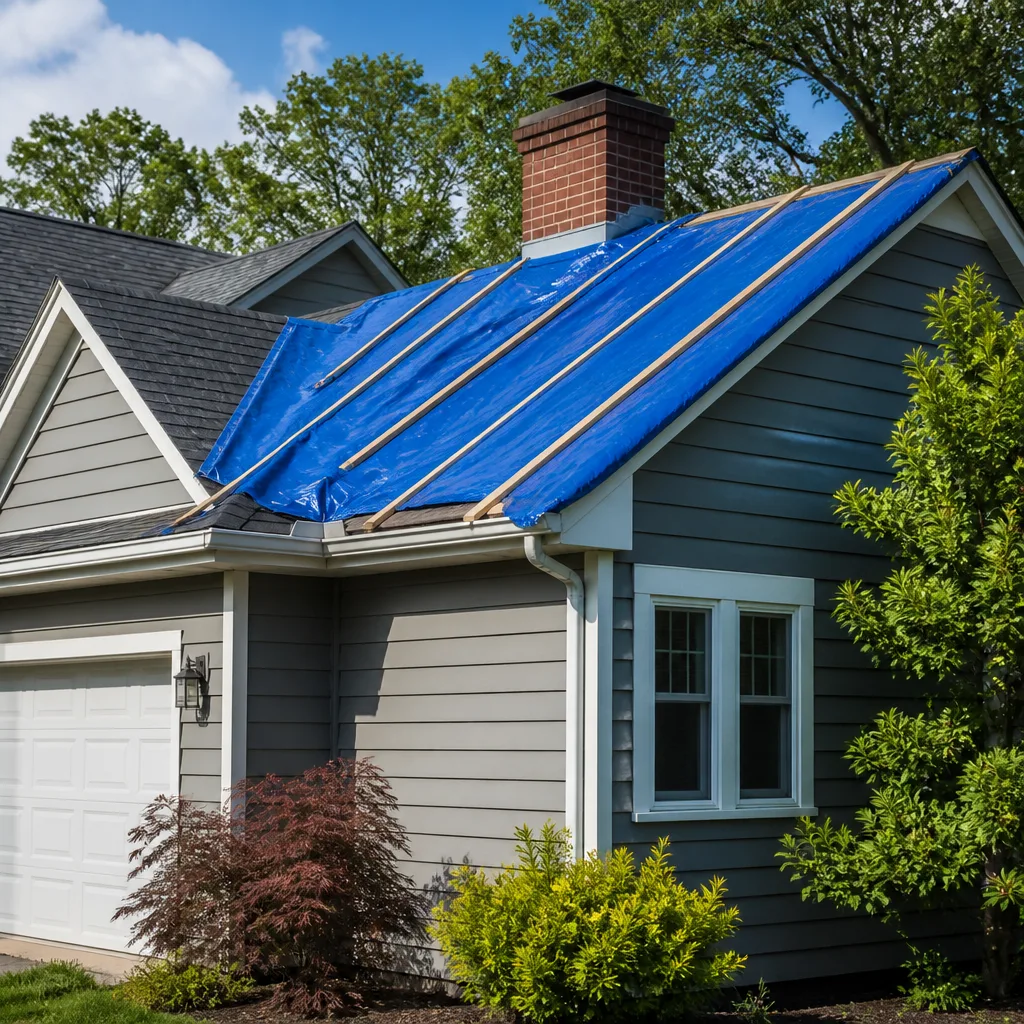
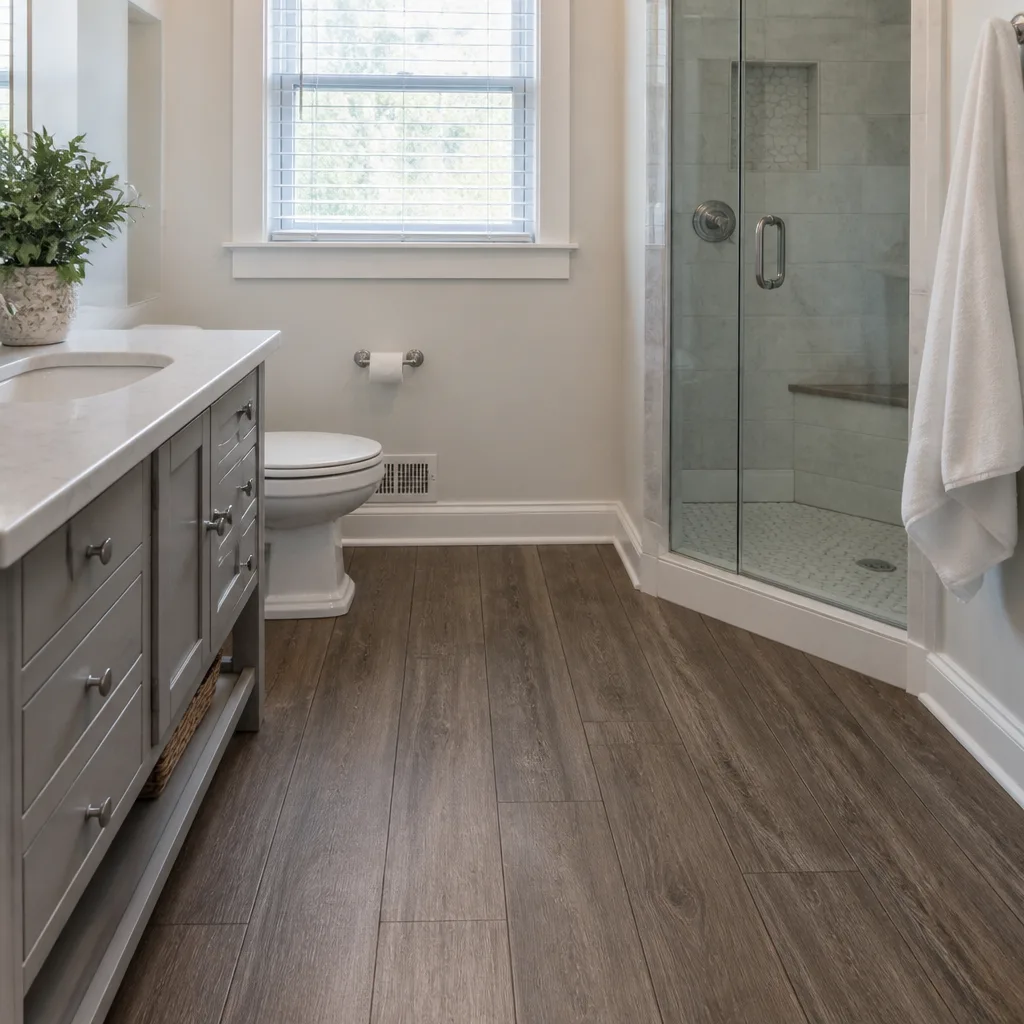
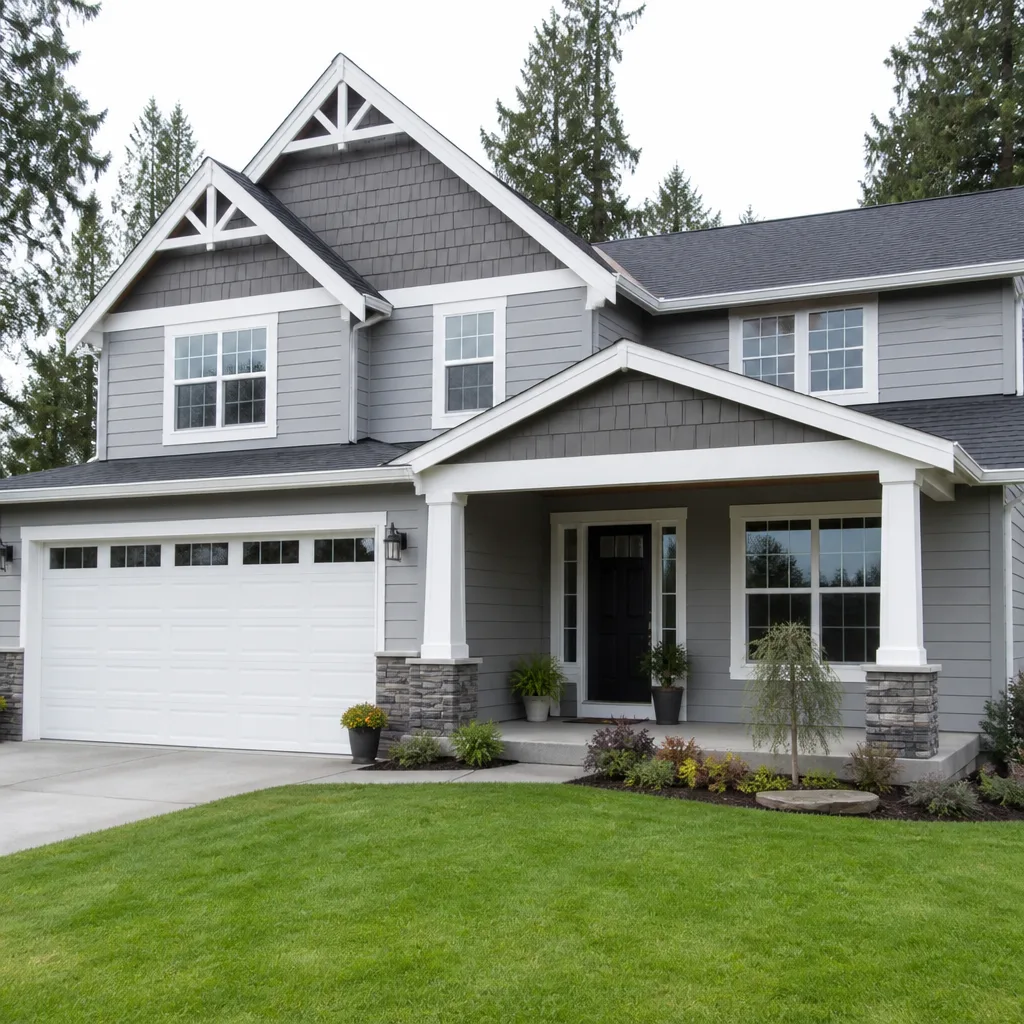
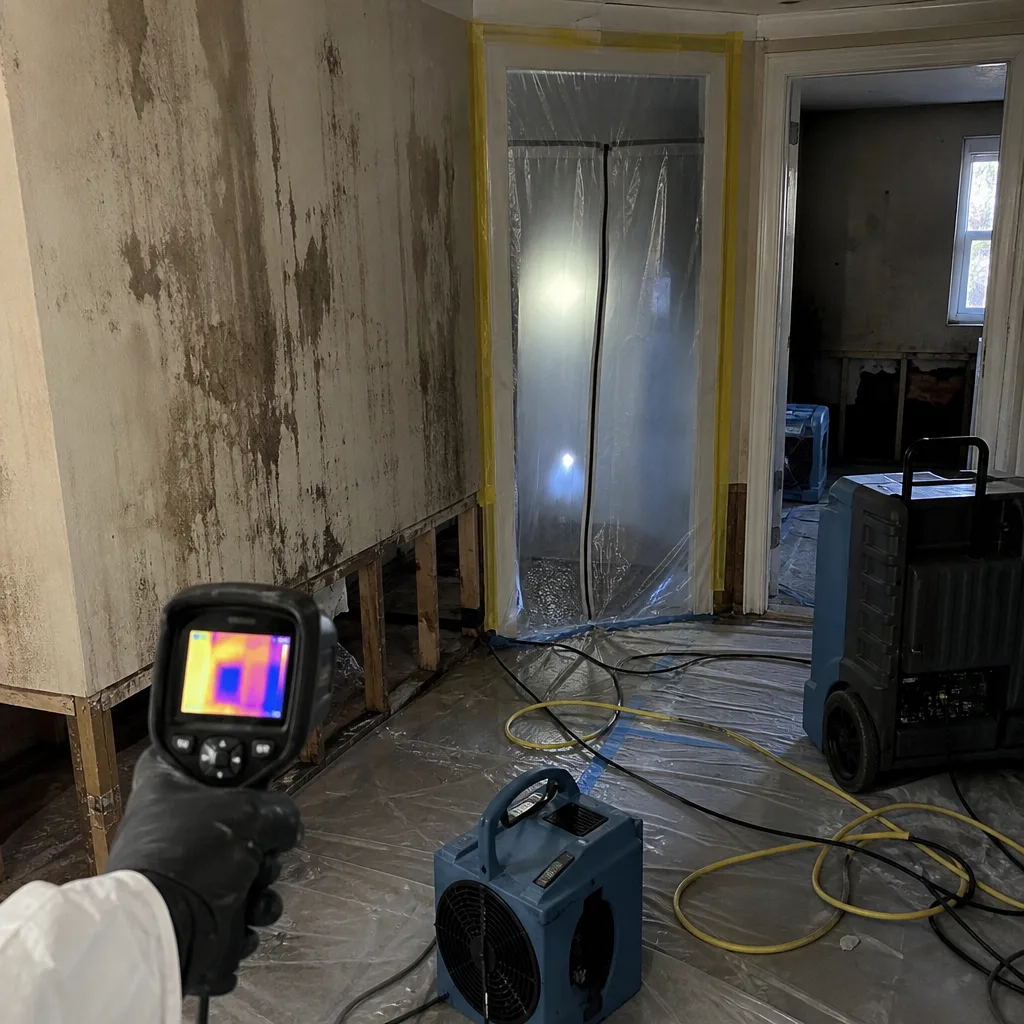 Before
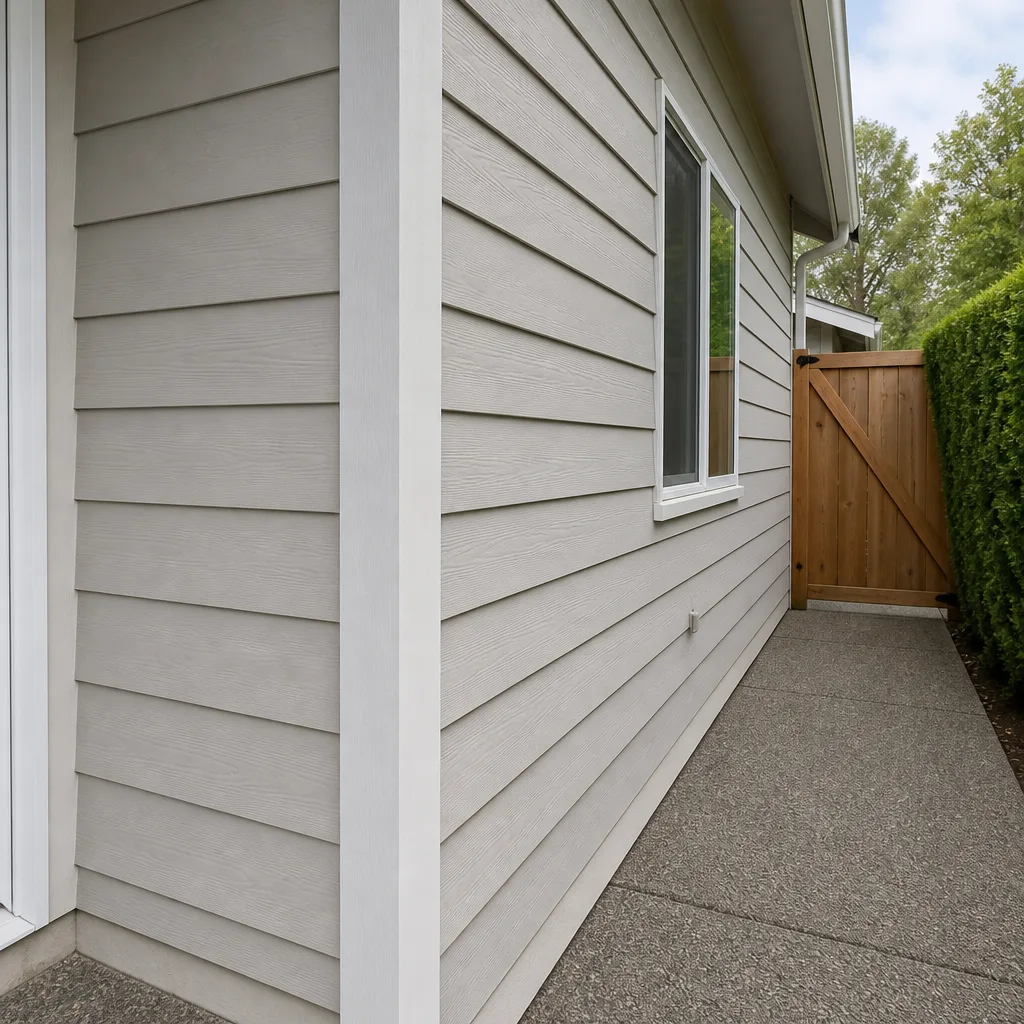 After
After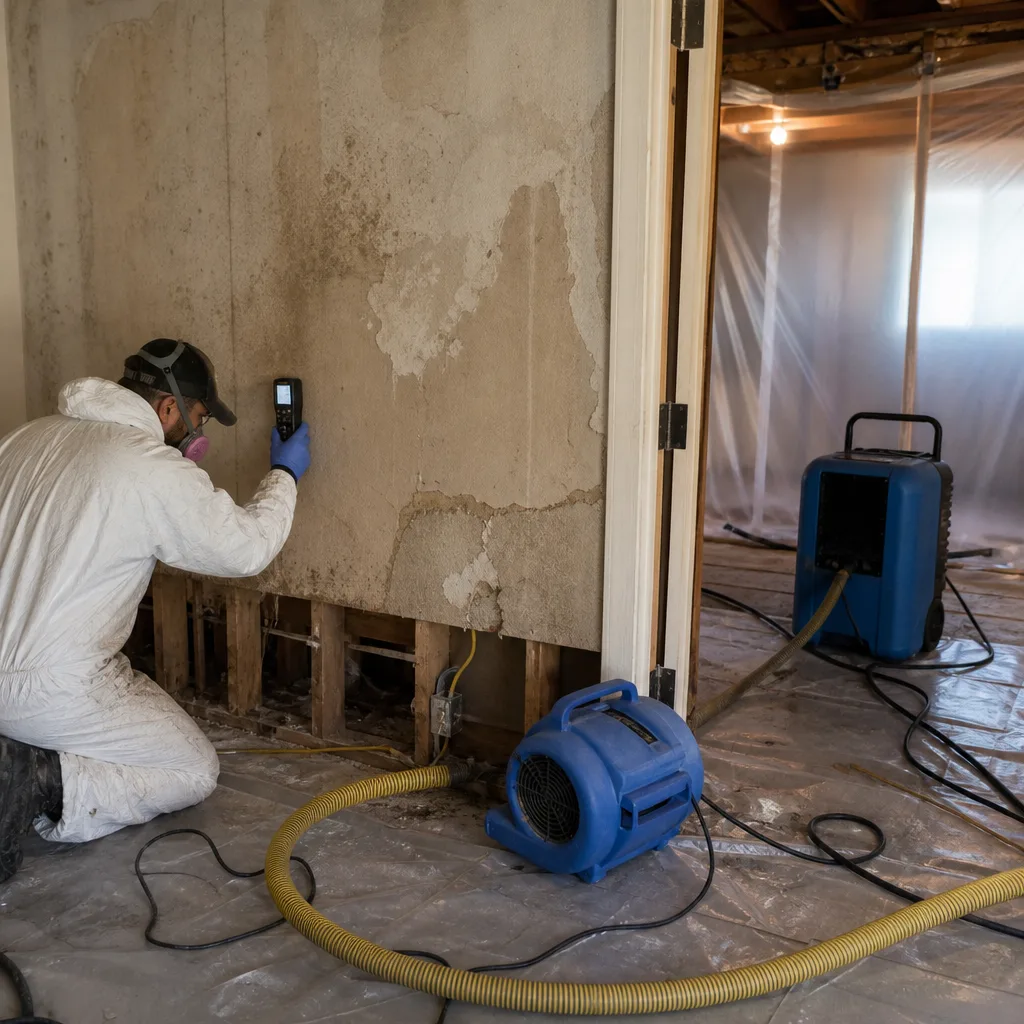 Before
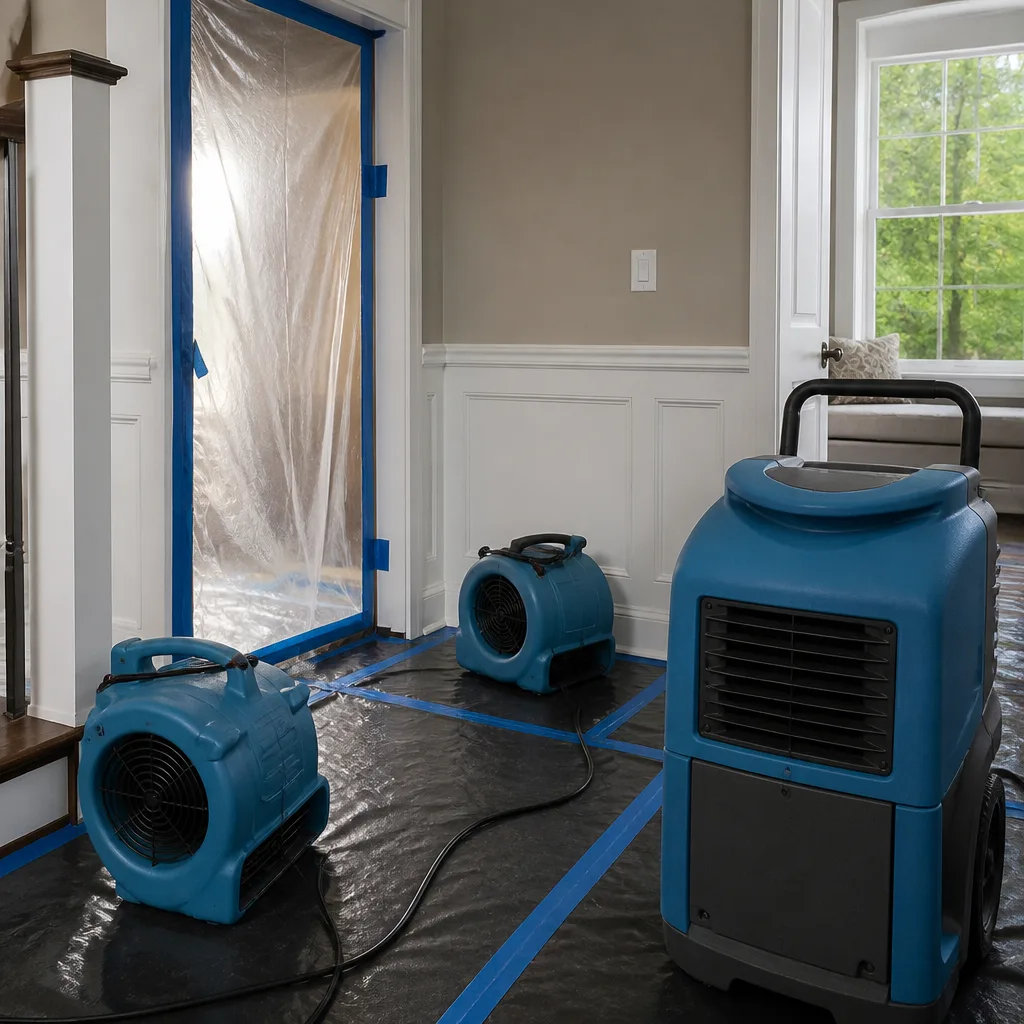 After
After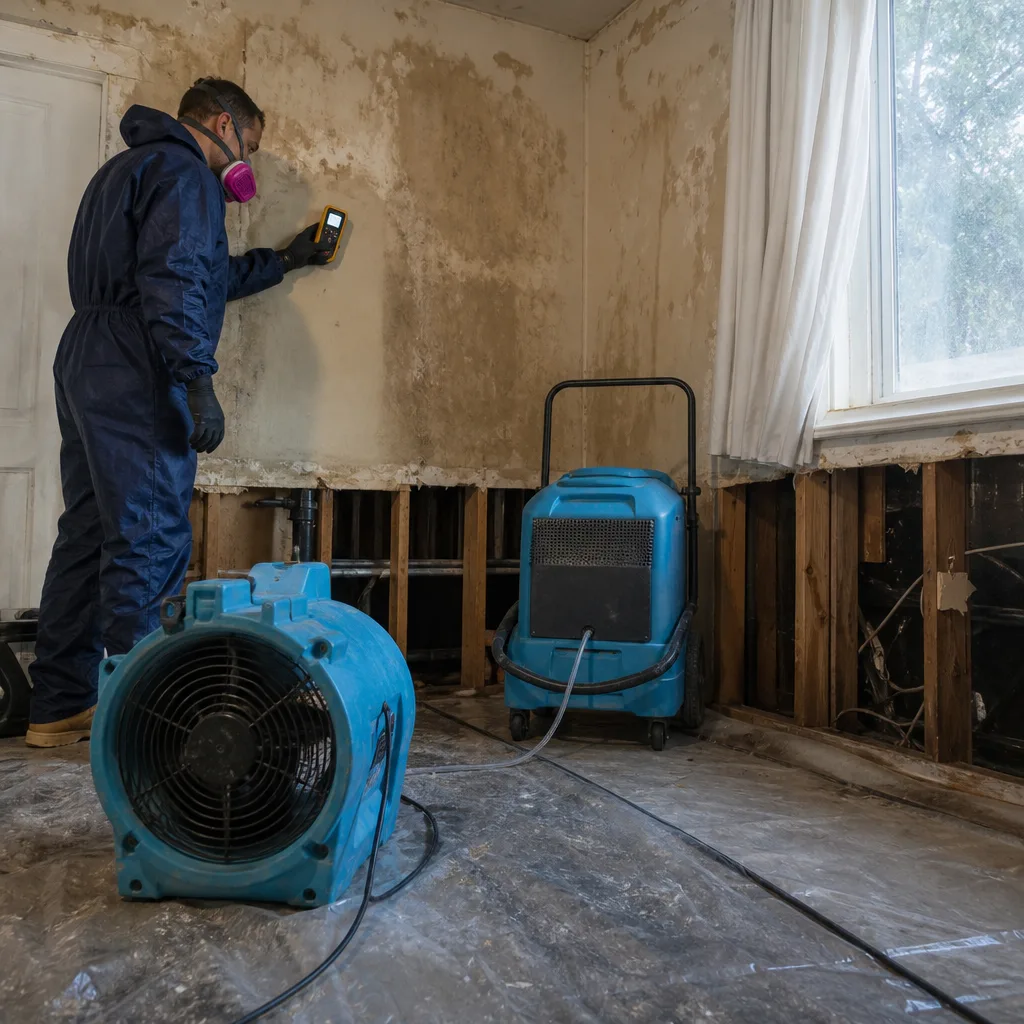 Before
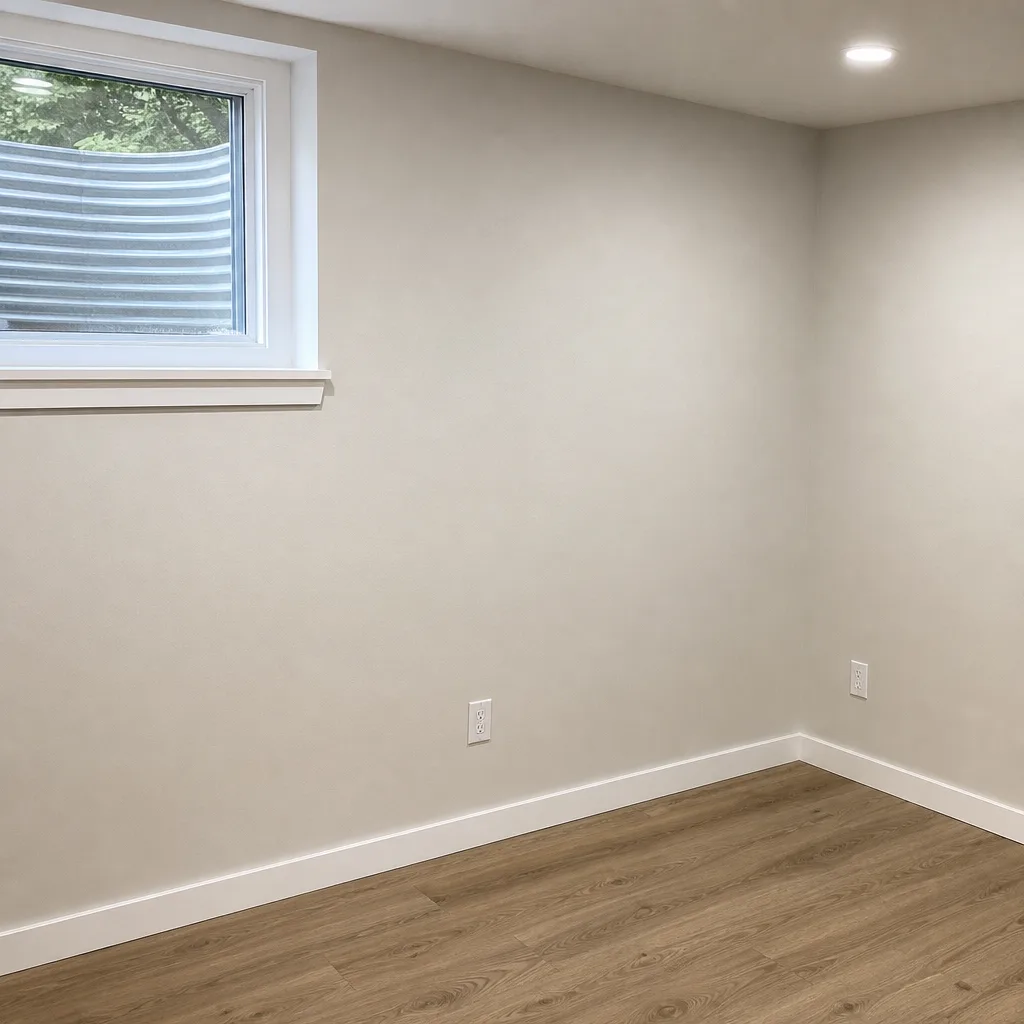 After
AfterFast, Reliable Fire & Smoke Damage Restoration Across Seattle
Fire and smoke damage restoration in Seattle typically costs $4,200-$18,500 depending on the fire class and square footage affected, and our crews can be on-site in Seattle neighborhoods within 60-90 minutes of your call. We dispatch from our Seattle office, not from out of state or across the mountains, which means we understand how the city’s marine climate turns a contained kitchen fire into a months-long odor and mold problem if mitigation isn’t handled with the humidity in mind. Call (253) 642-8884 for a written estimate before any work begins.
Why DryMark Restoration Tukwila Is Seattle’s Preferred Fire & Smoke Damage Restoration Company
We’ve restored more than 12,000 homes since 2011, every one with a written price before work started and a documented photo record when the crew left. Our founder built Back to Dry around the documentation gap that costs homeowners their claims - sloppy moisture logs, missing photos, scope-creep pricing - and we’ve applied that same precision to Fire & Smoke Damage Restoration across Seattle’s distinct housing stock.
Our Seattle customers leave reviews that mention the same things: the technician who arrived named and licensed, the written scope they signed before demolition started, the daily drying logs their adjuster accepted without argument. We don’t chase stars; we chase signatures on documented work.
Response time to Capitol Hill, Ballard, or West Seattle averages under 90 minutes because our scheduling runs from the Seattle office, not from a call center in another time zone. Live person answers every call, 24 hours a day, 7 days a week - no voicemail trees while smoke is still settling into your drywall.
We know the difference between a 1920s Ballard Craftsman with knob-and-tube wiring and a 2005 Queen Anne condo with Type X fire-rated assemblies. That local knowledge changes what we test for, how we contain it, and what we document for your insurer.
Our Fire & Smoke Damage Restoration Services in Seattle
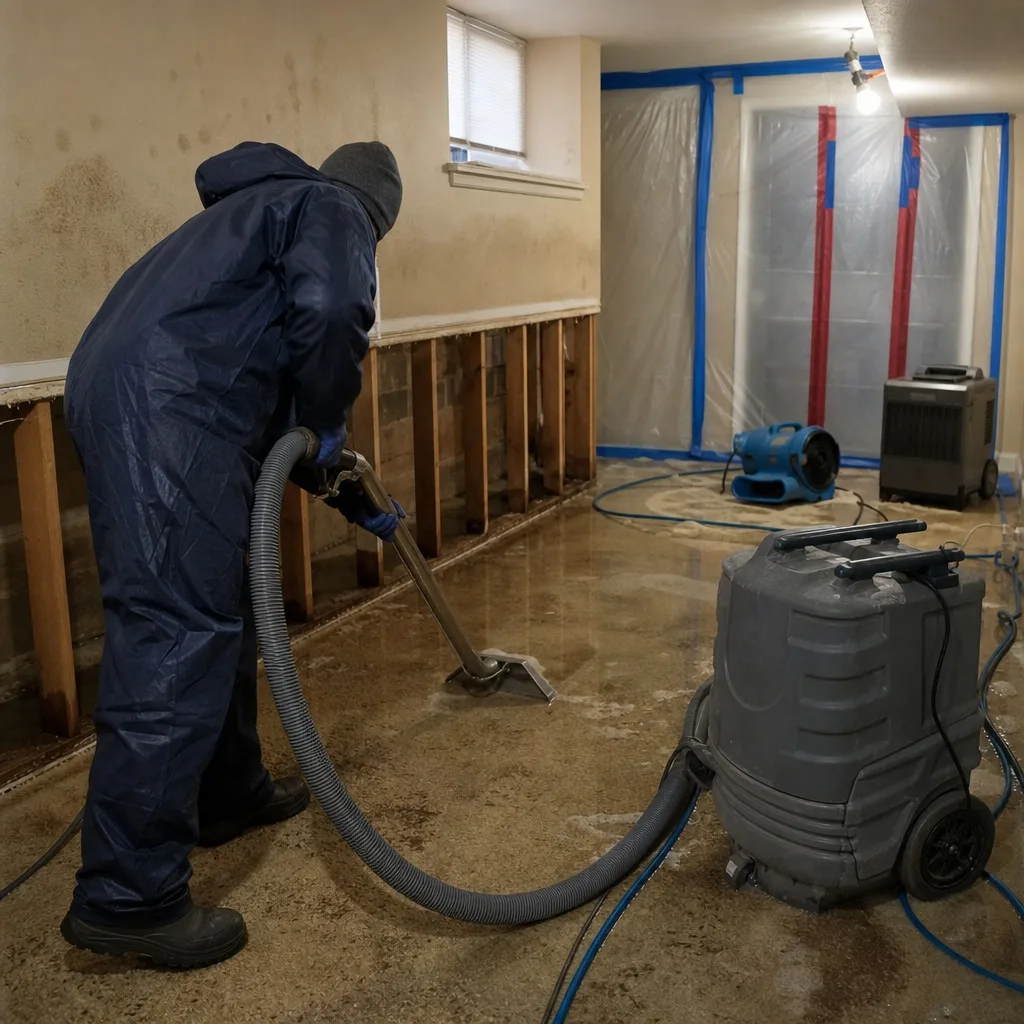
Fire Damage Cleanup
Seattle’s building stock skews older than most West Coast metros, and that changes how we approach fire damage cleanup. A kitchen fire in a Columbia City bungalow built in 1923 doesn’t respond to the same demolition protocol as a 2019 Bellevue build. We test for asbestos in original plaster, document the fire line with photo grids, and produce a written scope that separates structural char from smoke-stained salvageable material before any saw starts. Our crews carry IICRC Fire and Smoke Restoration Technician certification, and every job file includes the pre-work moisture baseline - critical in Seattle, where marine humidity can mask secondary water damage from suppression.
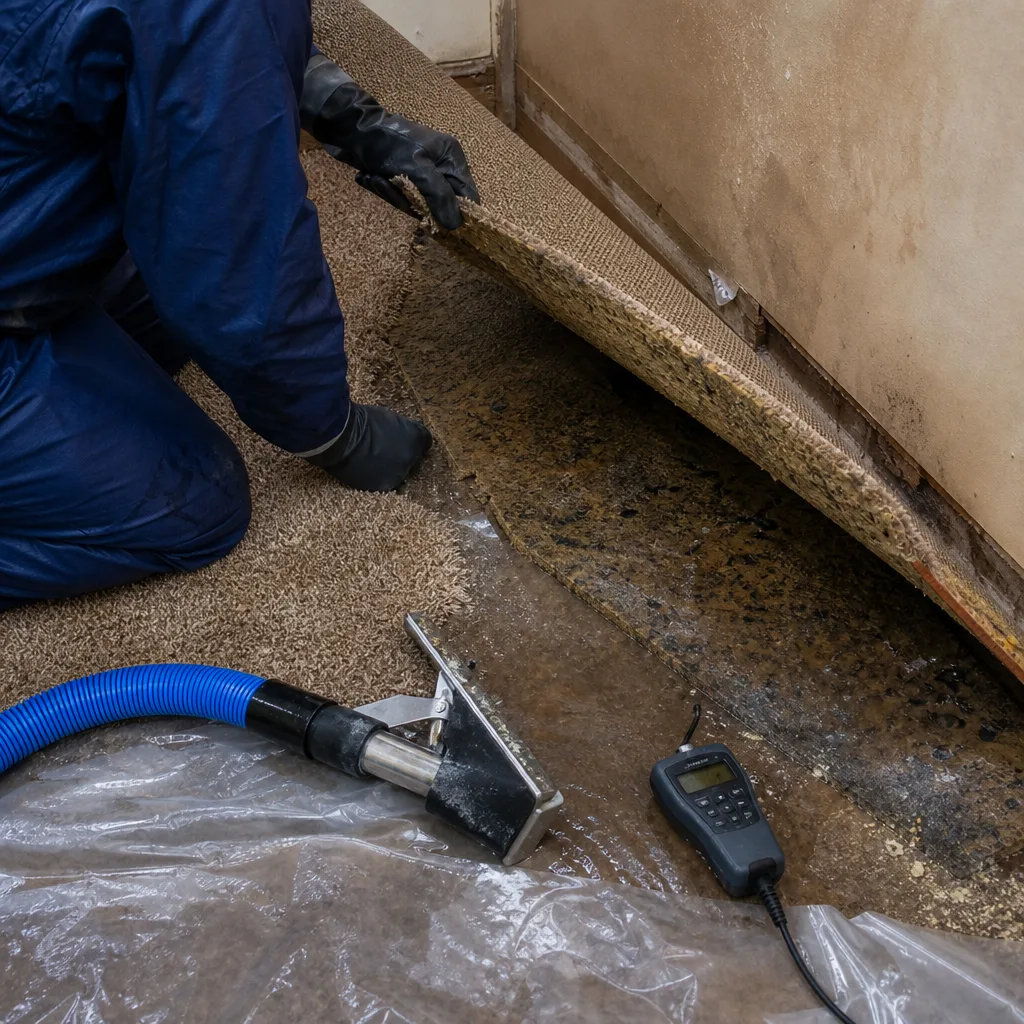
Smoke & Soot Removal
Smoke residue in Seattle behaves differently than in drier climates. The city’s marine west-coast climate keeps relative humidity elevated year-round, so unlike Phoenix or Denver, fire-damaged wood and drywall here never get a natural drying cycle - charred and smoke-saturated assemblies stay damp for months, which is why smoke odor and mold colonization often hit Seattle homes simultaneously. We use thermal fogging and ozone treatment, but only after we’ve established that the substrate is dry to IICRC standards. Soot classification matters: dry smoke from a fast-burning fire in a newer Queen Anne condo requires different chemistry than the wet, smeary residue from a slow burn in a Ballard basement with decades of accumulated finish layers.
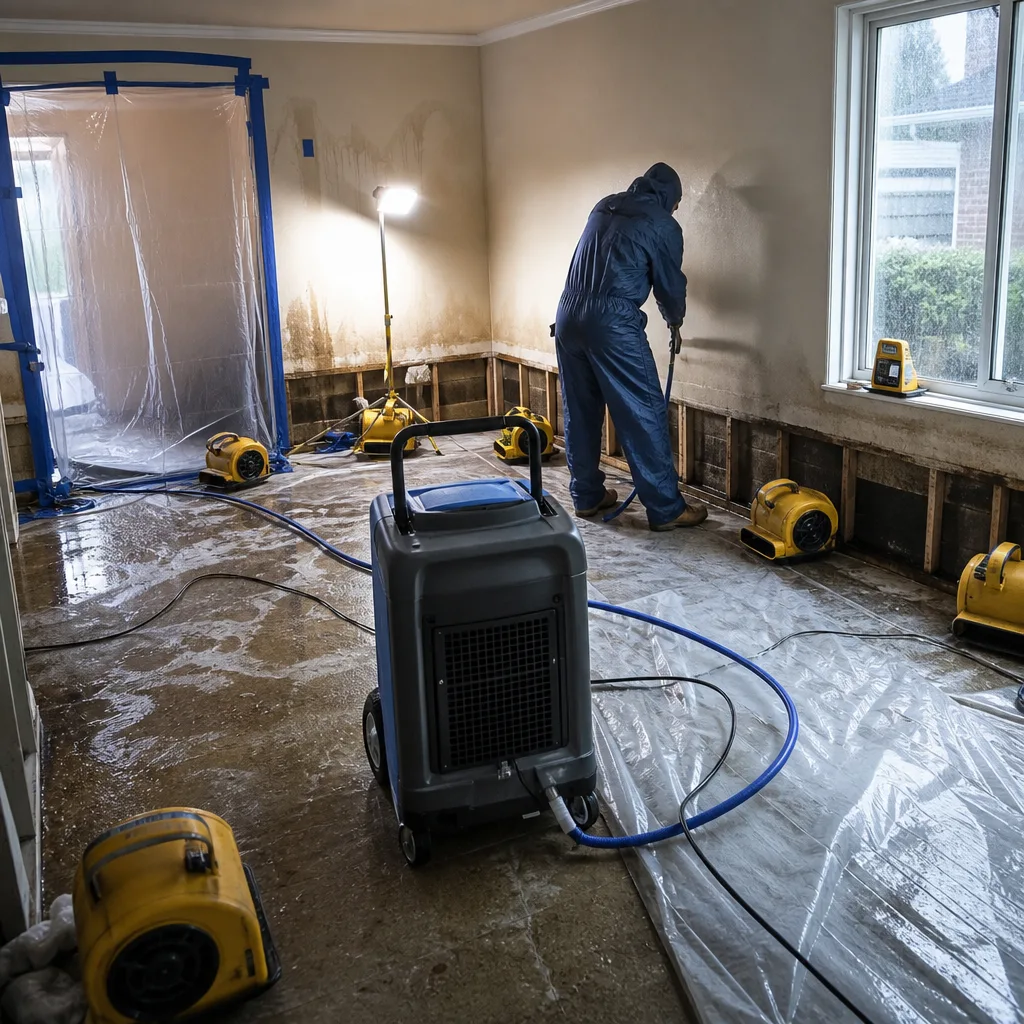
Odor Removal & Deodorization
Seattle homeowners call us six months after a “clean” fire because the smell returned in the crawl space or behind the original cedar siding. That’s the marine moisture problem. We don’t mask odor; we eliminate the source. Our process pairs hydroxyl generators with targeted containment, and we don’t sign off until psychrometric data - temperature, relative humidity, vapor pressure differential - confirms the affected assemblies have reached equilibrium. Vapor pressure differential is the force that moves moisture through materials; in Seattle’s damp basements, it’s often working against natural drying 24 hours a day. We document the readings that prove we’ve reversed it.
Contents Cleaning & Pack-Out
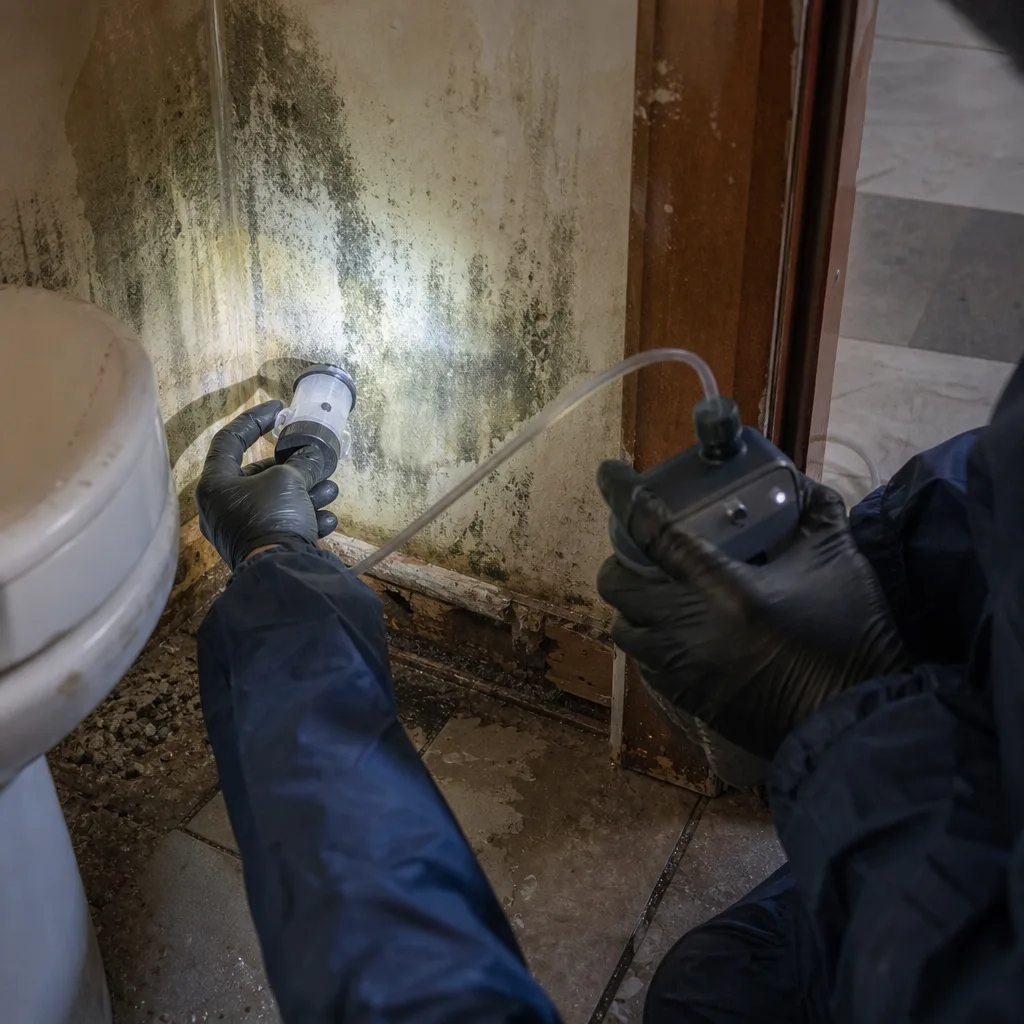
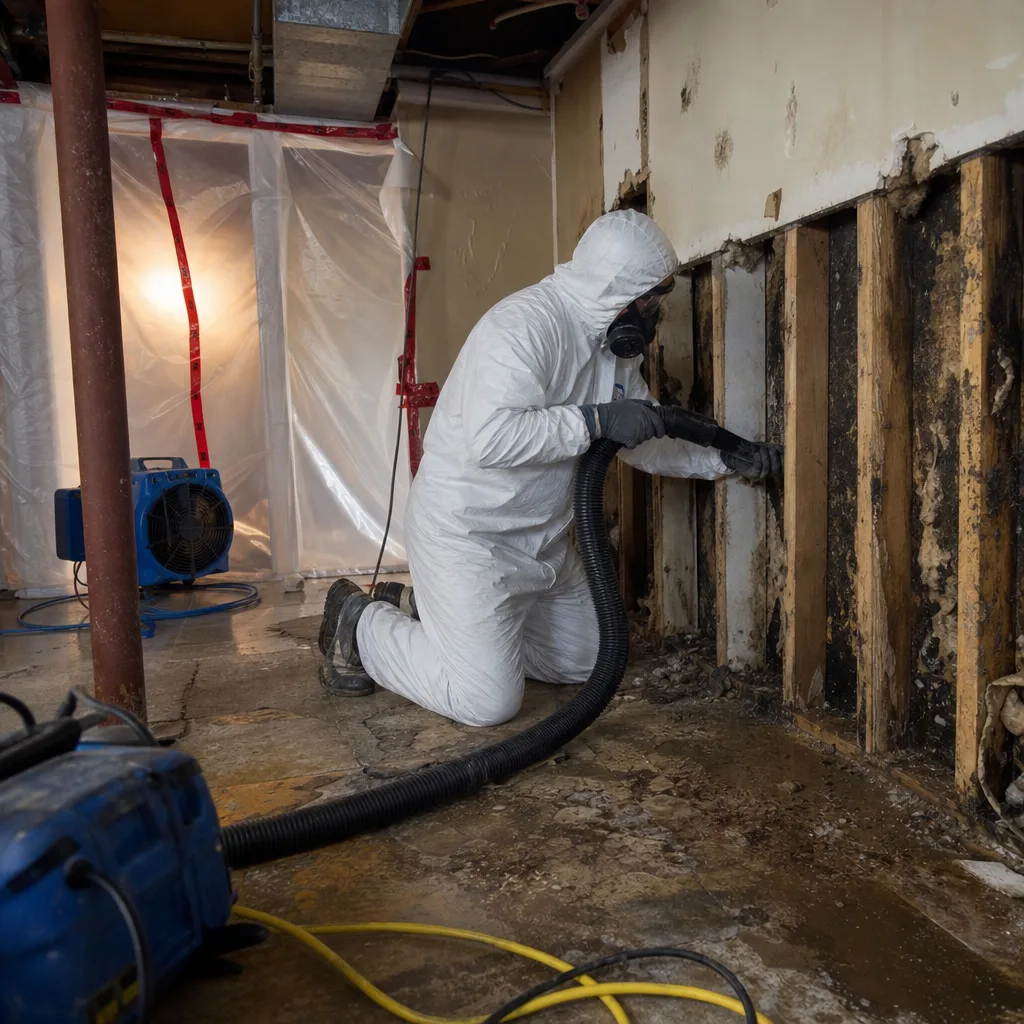
We were called to a 1920s Craftsman bungalow in Ballard after a kitchen fire, and when we pulled moisture readings on the charred wall cavities we found elevated readings well beyond the fire zone - the marine moisture had already soaked into adjacent framing. Our tech set up containment and air movers, ran dehumidification for five days, and documented drying logs showing the surrounding assemblies were dry before we rebuilt. The homeowner was surprised that the smoke smell lingered in the crawl space; we performed antimicrobial treatment and a full pack-out of contents stored in the damp basement. Every item was inventoried, photographed, and cleaned off-site or disposed with signed documentation. The pack-out list became part of the insurance file, not an afterthought.
Emergency Board-Up & Tarping
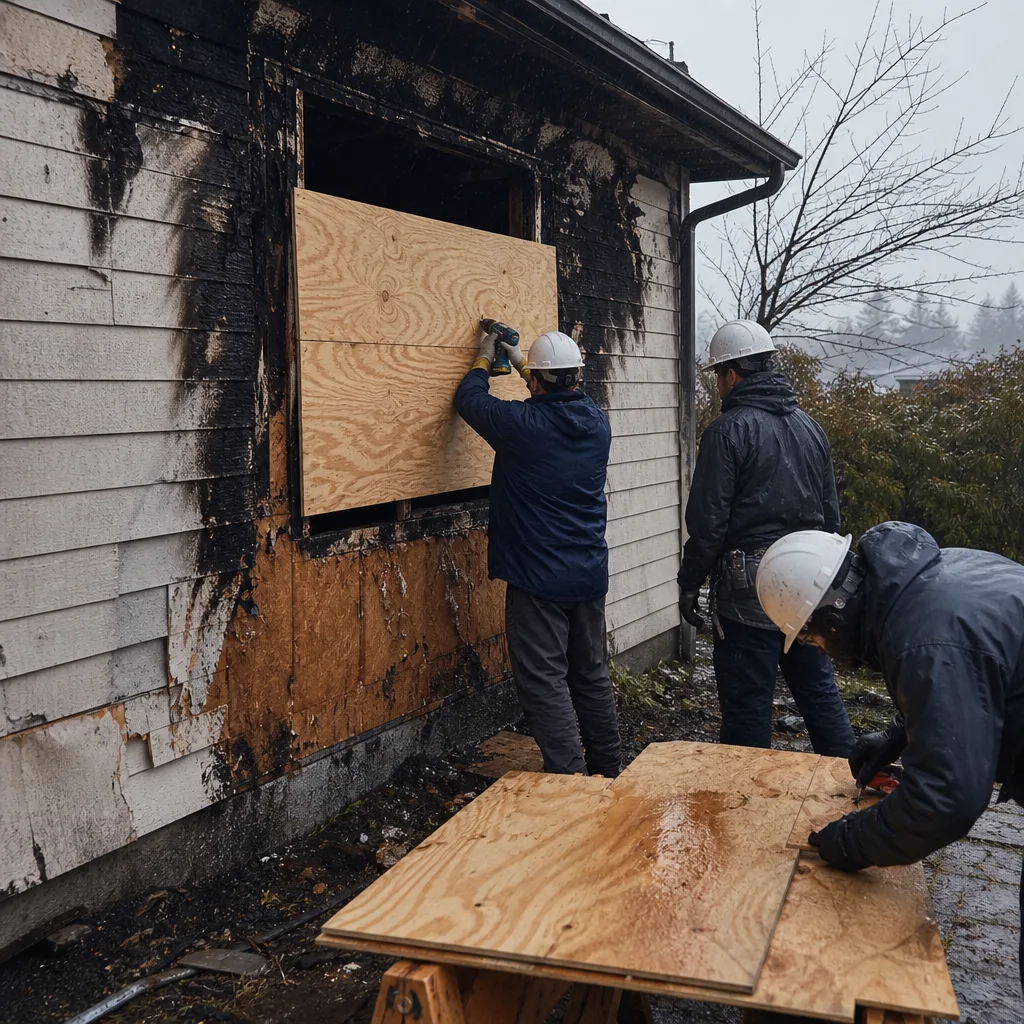
Seattle’s coastal salt air and relentless drizzle corrode garage-door springs, hinges, rollers, tracks, and opener chains years faster than inland hardware, so fire-damaged garages here often have seized or snapped hardware that complicates board-up and debris removal. We carry galvanized and coated fasteners, stainless hardware options, and corrosion-rated temporary closures because we’ve learned that a standard plywood screw set won’t hold in a salt-pitted jamb on a West Seattle waterfront property. Our board-up documentation includes photo evidence of the pre-existing corrosion - useful when insurers question why temporary protection cost more than a standard install.
Structural Fire Repair
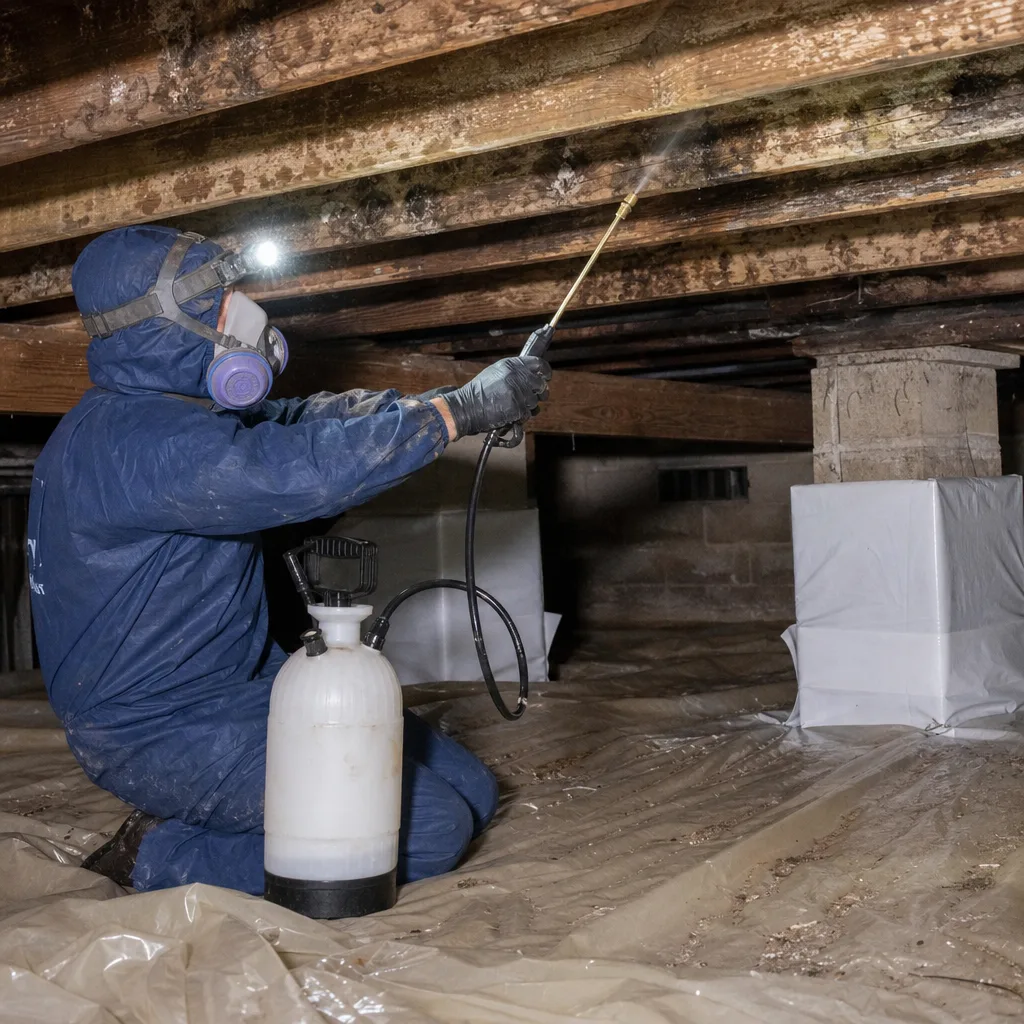
Seattle’s 1910s-1940s Craftsman bungalows have unencapsulated dirt crawl spaces and aging vapor barriers, so fire-suppression water and smoke residue migrate into the crawl, where elevated humidity prevents structural drying and accelerates mold growth. Structural fire repair here isn’t just about replacing charred joists; it’s about proving the adjacent framing is dry enough to receive new material. We produce moisture logs by location - front sill, mid-span, rear stem wall - and we don’t cover anything until those numbers meet the drying standard. Steep hillside lots with clay-heavy glacial till shed groundwater laterally against stem walls during the November-March wet season, so a fire-damaged home on a slope in Magnolia or West Seattle can face simultaneous groundwater intrusion that a sump pump alone won’t solve without geotechnical coordination. We’ve worked with local engineers on enough of these to know when to call one in, and we document that recommendation in writing.
What happens when you call
- 1
A real person answersNo phone trees - you reach a local pro.
- 2
You get an upfront price rangeHonest numbers before anyone is dispatched.
- 3
A background-checked tech heads outLicensed & insured, dispatched right away.
- 4
You approve before work beginsNothing starts until you say go.
 Before
 After
AfterTrusted Brands We Service in Seattle
Our equipment inventory runs on professional-grade drying systems from Dri-Eaz, Phoenix, and Injectidry - brands that produce the documented airflow and dehumidification capacity Seattle’s climate demands. Injectidry’s interstitial drying systems are particularly useful in Seattle’s older homes, where we can’t always access wall cavities from both sides without destroying original plaster or cedar siding. We stock local replacement hardware for fire-damaged garage assemblies and maintain relationships with Seattle-area suppliers for specialty fasteners that resist salt-air corrosion. Every machine hour is logged to the job file, and every reading is traceable to IICRC, RIA, and IFA documentation standards.
Common Fire & Smoke Damage Restoration Problems We See in Seattle Homes
- Corroded garage hardware complicates emergency board-up. Coastal salt air near Puget Sound and Elliott Bay attacks springs, tracks, and opener chains years ahead of inland failure schedules. We inspect for seized or snapped components before quoting temporary protection, because a standard board-up assumes functional attachment points.
- Smoke odor resurrects in crawl spaces and basements. Seattle’s marine humidity keeps charred and smoke-saturated wood damp indefinitely. Without mechanical dehumidification and documented drying, the smell returns when seasonal humidity spikes - usually November through March, when homeowners have their windows closed and the concentration becomes unmistakable.
- Fire suppression water meets chronic groundwater on hillside lots. Homes in Magnolia, West Seattle bluffs, and Beacon Hill slopes face clay-till soil that sheds water laterally against stem walls after sustained winter rain. A kitchen fire in January can produce three distinct water sources: the suppression itself, the failed plumbing from heat damage, and the hillside groundwater that no sump pump was sized to handle alone.
- Original cedar siding and plaster conceal smoke penetration. Seattle’s pre-1950 housing stock in Ballard, Capitol Hill, and the Central District used materials that absorb smoke readily and release it slowly. Surface cleaning isn’t enough; we test permeability and document where odor has migrated beyond the visible char line.
Pricing for Fire & Smoke Damage Restoration in Seattle, WA
Fire damage cleanup in Seattle typically runs $4,200-$8,500 for a contained kitchen or electrical fire affecting under 400 square feet. Smoke and soot removal alone, without structural rebuild, ranges $2,800-$5,500 depending on the affected room count and whether contents pack-out is required. Odor removal and deodorization with full documentation averages $1,800-$3,400 for a single-level home; multi-story properties with interstitial smoke migration run higher. Contents cleaning and pack-out is quoted per-item and per-cubic-foot of storage, typically $800-$2,200 for a standard household inventory. Structural fire repair, including charred framing replacement and code-compliant rebuild, starts around $6,500 and can exceed $18,500 for extensive damage in older homes requiring asbestos abatement or engineered solutions for hillside drainage.
What moves the number: fire class (dry vs. wet smoke), square footage affected, presence of hazardous materials in pre-1978 construction, accessibility for equipment, and whether secondary water damage from suppression requires concurrent mitigation. Every estimate is delivered in writing before work begins - Haven Standard, Clause 1 - with no scope additions once our crew is inside. Call (253) 642-8884 for your written estimate; estimates are free, and we offer a Free Second Opinion on any competitor’s written quote.
We Also Serve Cities Near Seattle
Our Fire & Smoke Damage Restoration in Seattle crews also respond to properties in Bellevue, Kirkland, Redmond, and Bothell. Each of these markets has distinct housing stock and climate exposure, and we adjust our documentation and drying protocols accordingly - but the core promise stays the same: written price before work starts, photo record on every visit, and the 365-Day Done Right Promise backed by The Haven Standard.
Serving Seattle, WA - Our Local Coverage Area
We’re based in the Seattle area and know this community well. Use the map below to see our service coverage - if you’re nearby, we can almost certainly help.
FAQs - Fire & Smoke Damage Restoration in Seattle
Smoke odor lingers longer in Seattle because the city’s marine climate keeps relative humidity elevated year-round, preventing fire-damaged wood and drywall from ever achieving a natural drying cycle. Charred and smoke-saturated assemblies stay damp for months, which allows odor molecules to continue off-gassing and provides conditions for mold colonization that compounds the smell. We address this with mechanical dehumidification, documented moisture logs, and containment until psychrometric data confirms the substrate is dry - not just surface-dry. Call (253) 642-8884 for an exact scope and written price.
Yes - coastal salt air and relentless drizzle corrode garage-door springs, hinges, rollers, tracks, and opener chains years faster than inland hardware, so fire-damaged garages here often have seized or snapped components that complicate board-up and debris removal. We carry corrosion-rated temporary closures and document pre-existing salt damage in our photo record, which helps explain specialized hardware costs to adjusters. Our written scope specifies the fastener grade and attachment method before any temporary protection goes up. Call (253) 642-8884 for a written estimate.
Seattle’s 1910s-1940s Craftsman bungalows have unencapsulated dirt crawl spaces and aging vapor barriers, so fire-suppression water and smoke residue migrate into the crawl where elevated humidity prevents structural drying and accelerates mold growth. We test crawl space moisture as standard protocol on every fire job, not as an upsell, and we won’t close out a project until those readings match the drying standard. The Haven Standard requires documented proof, not verbal assurance. Call (253) 642-8884 to discuss your property’s crawl space condition.
Absolutely - and it’s common. Steep hillside lots with clay-heavy glacial till shed groundwater laterally against stem walls during the November-March wet season, so a fire-damaged home on a slope in Magnolia or West Seattle can face simultaneous groundwater intrusion that a sump pump alone won’t solve without geotechnical coordination. We document all three water sources - suppression, heat-damaged plumbing, and hillside groundwater - separately in our moisture logs, and we recommend geotechnical consultation when our readings indicate subsurface flow that structural drying alone can’t address. Call (253) 642-8884 for assessment and written scope.
Contents are inventoried, photographed, and removed to a controlled cleaning environment where humidity can be managed - critical in Seattle, where basement storage areas rarely drop below 65% relative humidity. Each item receives a condition assessment: cleanable, requires specialized restoration, or non-salvageable with signed disposal authorization. The inventory list, photos, and cleaning receipts become part of your insurance documentation. We don’t store contents in our warehouse indefinitely; we return them when your home’s moisture readings confirm it’s safe, with documentation of the handoff. Call (253) 642-8884 to schedule pack-out and receive your written price before any handling begins.
Written by Alicia Brennan, Owner at Back to Dry Restoration, serving Seattle since 2011 under The Haven Standard.