
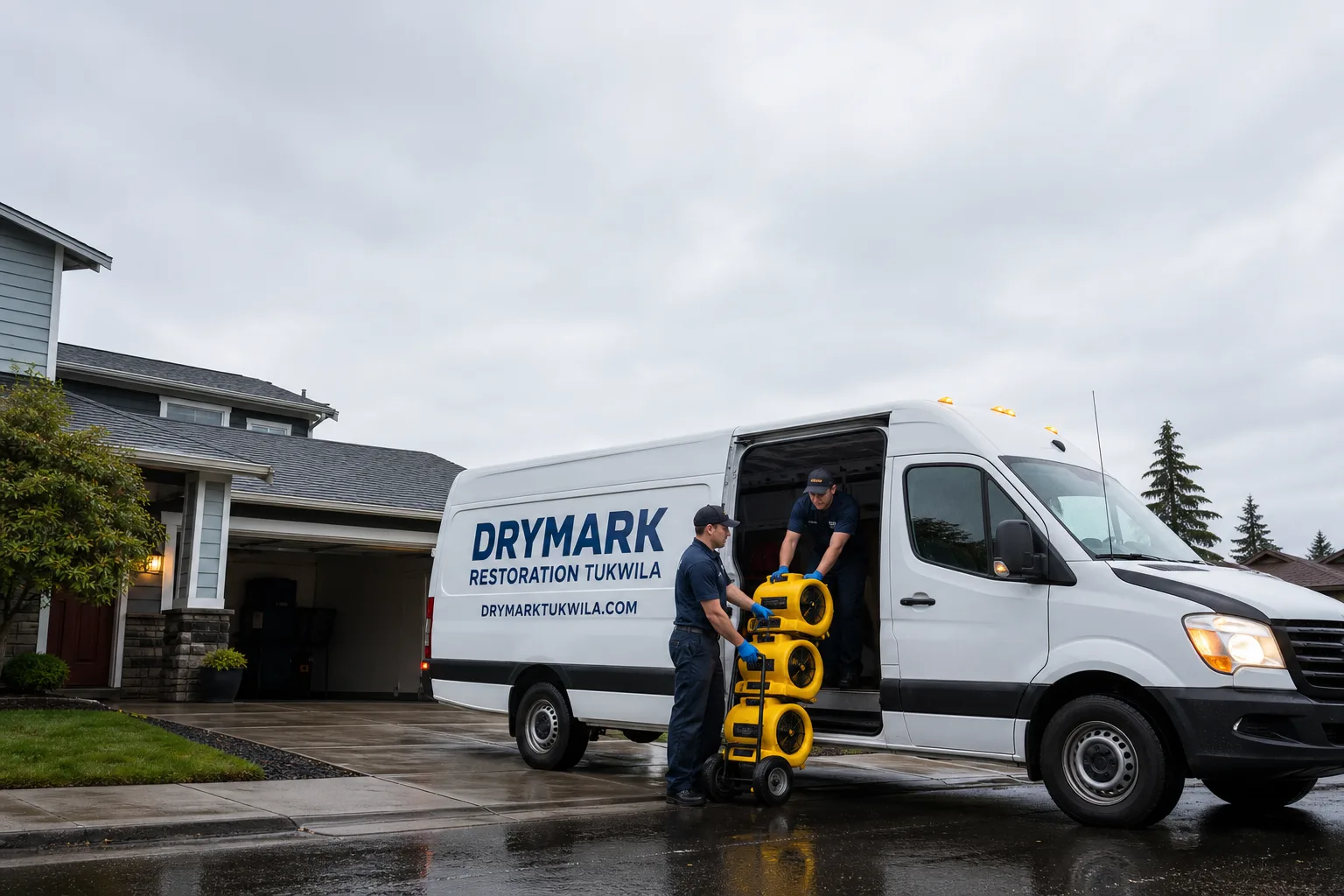
Free visual inspection and a written scope of work before any mitigation begins - photos, moisture readings, and drying logs go in your claim file
The scope we write is the scope we bill. Anything new gets shown to you, in writing, before we touch it.
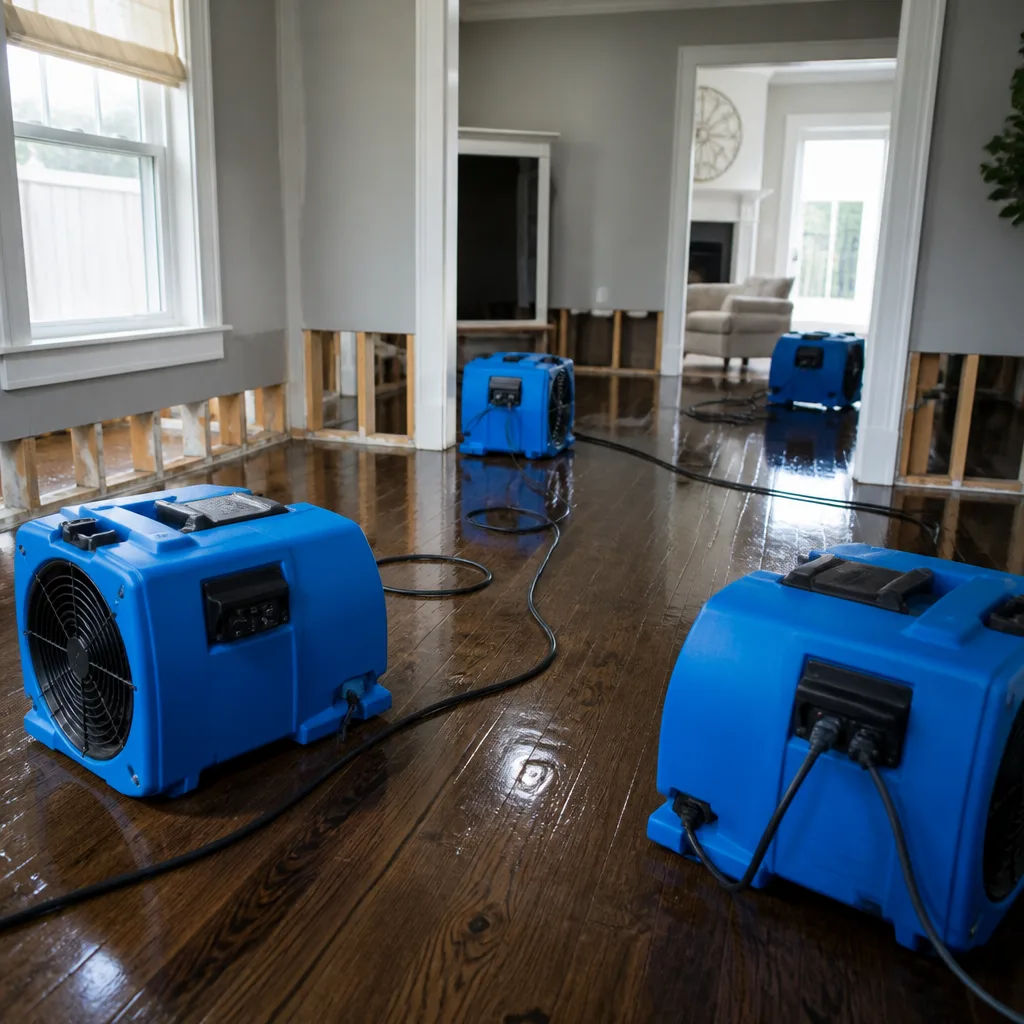
 Before
 After
After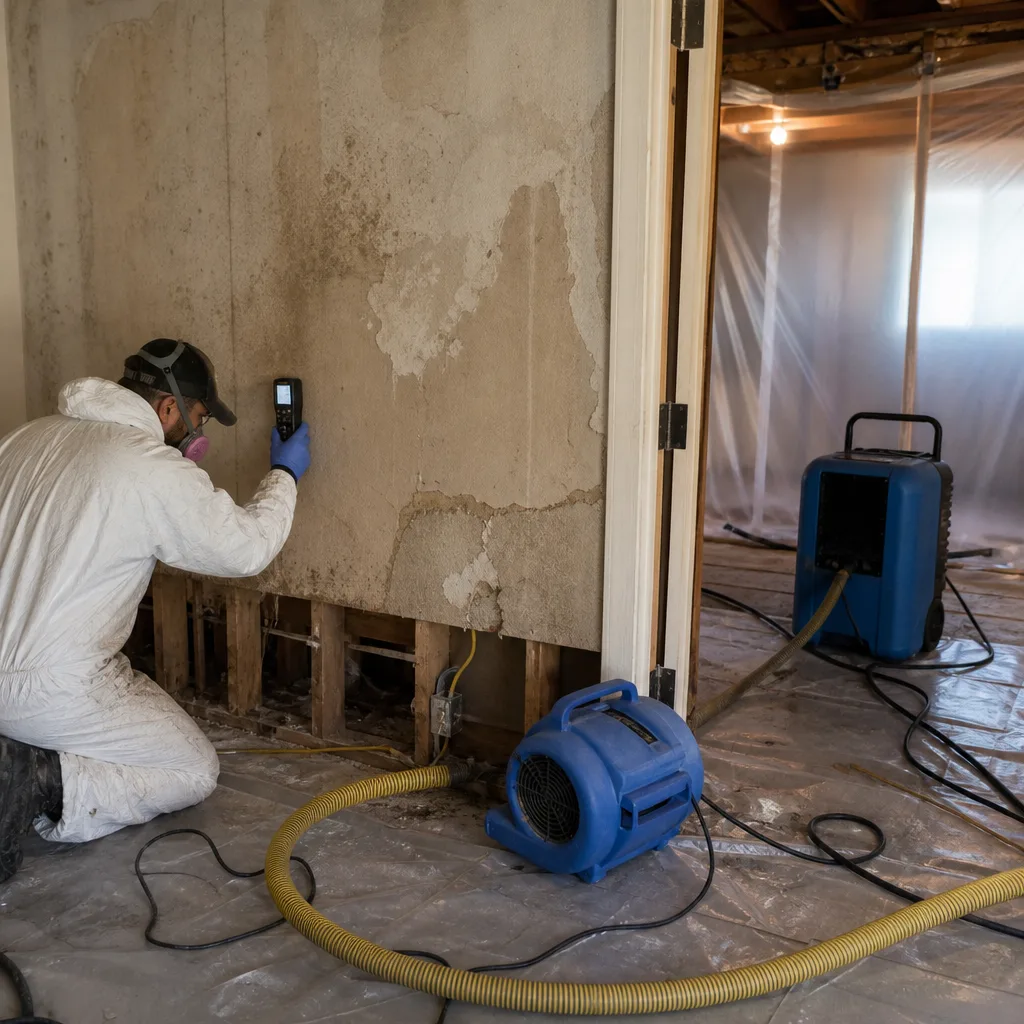 Before
 After
After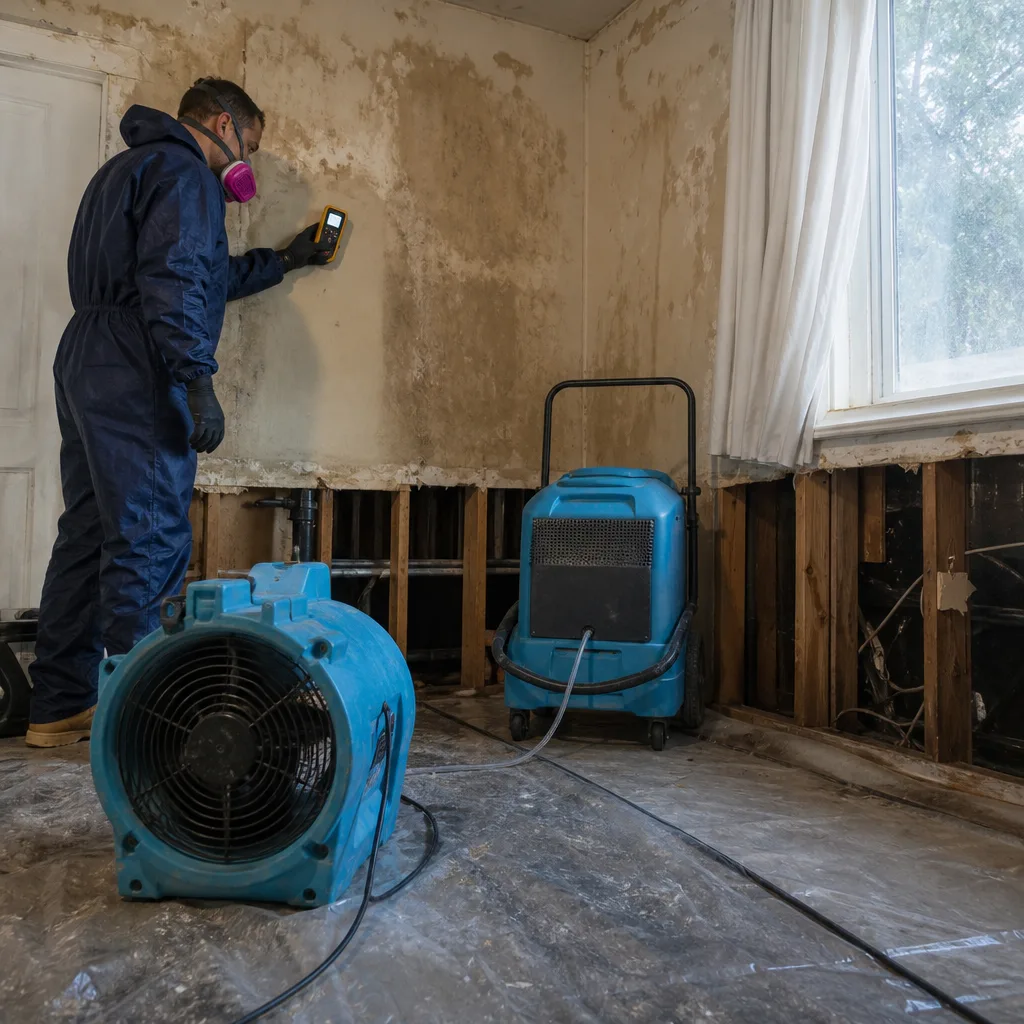 Before
 After
AfterFast, Reliable Fire & Smoke Damage Restoration Across SeaTac
Fire and smoke damage restoration in SeaTac typically costs $3,800-$12,500 for residential projects, with emergency board-up and stabilization usually completed within 2-4 hours of call. Our crews coordinate dispatch from our Seattle office and carry the large-loss equipment needed for SeaTac’s unique mix of 1950s-1970s airport-worker ranches and 200-room corridor hotels along International Blvd. We’re familiar with the specific failure patterns in SeaTac homes: original framing, legacy wiring, and the Port of Seattle noise-abatement insulation retrofits that trap moisture behind walls after any fire-suppression water intrusion. Call (253) 642-8884 for a written estimate before any work begins.
Why DryMark Restoration Tukwila Is SeaTac’s Preferred Fire & Smoke Damage Restoration Company
We’ve restored fire-damaged properties in SeaTac since 2011, and our documentation-first approach was built by a former claims adjuster who watched too many homeowners lose coverage fights over missing photo records and verbal scopes. Every SeaTac job starts with a written price, every visit produces a documented photo record, and every contract carries our 365-Day Done Right Promise under The Haven Standard.
Our response time to SeaTac averages under 90 minutes for emergency calls, with live phone coverage 24 hours a day, 7 days a week. No voicemail trees. No next-business-day callbacks while smoke residue continues etching into finishes.
SeaTac property managers along International Blvd know our crews by name because we’ve handled large-loss hotel fires requiring coordinated room-by-room contents pack-out, tertiary smoke deodorization, and structural drying across multiple floors. That same capability scales down to the single-family ranches off South 154th Street or the older apartment stock near Angle Lake, where we encounter the same documentation standards regardless of job size.
We offer a Free Second Opinion on any competitor’s written estimate. Bring us their scope and we’ll review it at no charge.
Our Fire & Smoke Damage Restoration Services in SeaTac
Fire Damage Cleanup
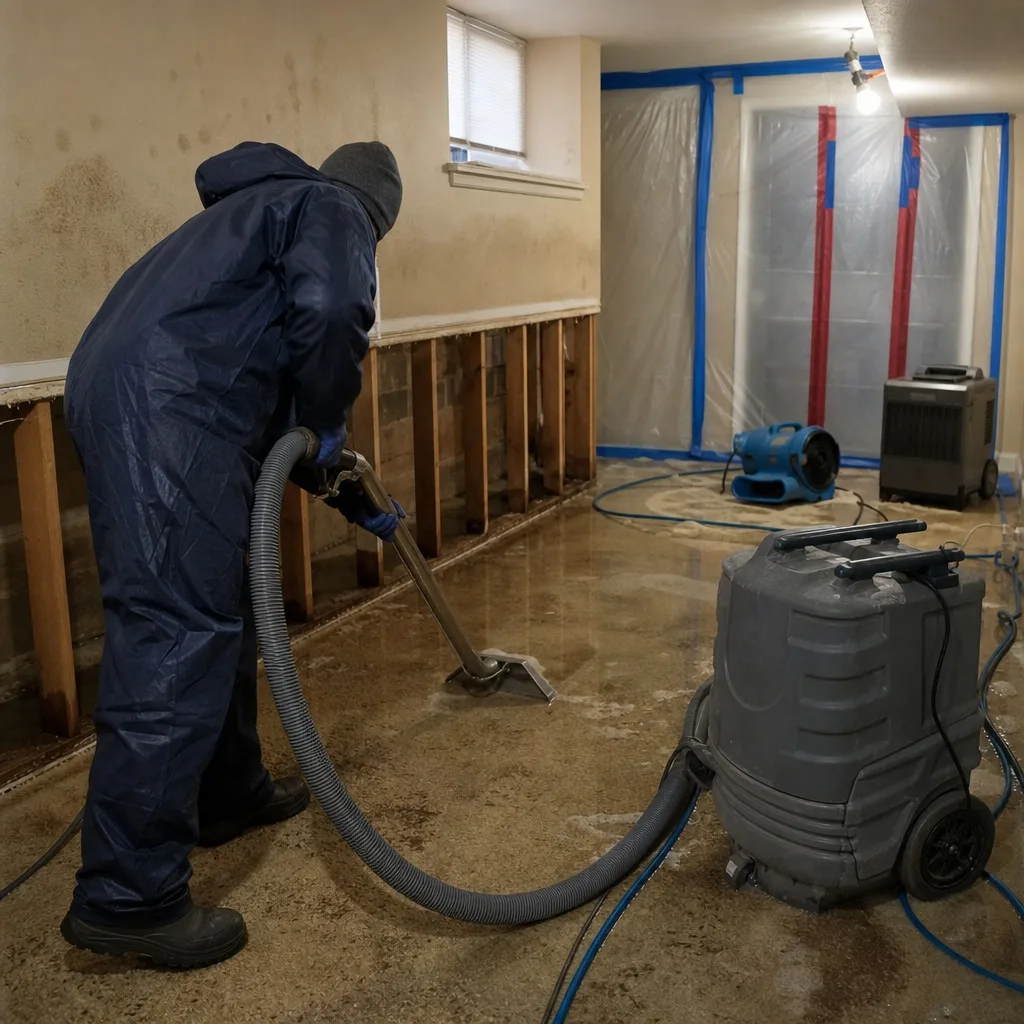
SeaTac’s post-WWII housing stock presents specific challenges for fire damage cleanup. The ranch homes built for Boeing and airport workers in the 1950s-1970s often contain original wiring, unlined crawl spaces, and framing that can hide pyrolysis damage after even a contained kitchen fire. Our crews test char depth with calibrated probes, document structural integrity with photo records, and deliver a written scope before demolition begins. In the hotel corridor along SR-99, we coordinate with Port of Seattle fire marshals and facility managers to maintain operational continuity while containing damage spread.
Smoke & Soot Removal
Smoke and soot behave differently in SeaTac’s humid climate than they do in drier regions. The near-constant overcast humidity from October through May keeps acidic soot residues activated on surfaces longer, increasing etching risk on glass, metal, and synthetic finishes. Our Fire & Smoke Damage Restoration team uses HEPA vacuuming, dry-sponge cleaning, and solvent-based techniques matched to the fire’s fuel source: protein fires from kitchen grease require different chemistry than synthetic fires from plastics or electronics. We log every surface treatment with before-and-after photo documentation.
Odor Removal & Deodorization
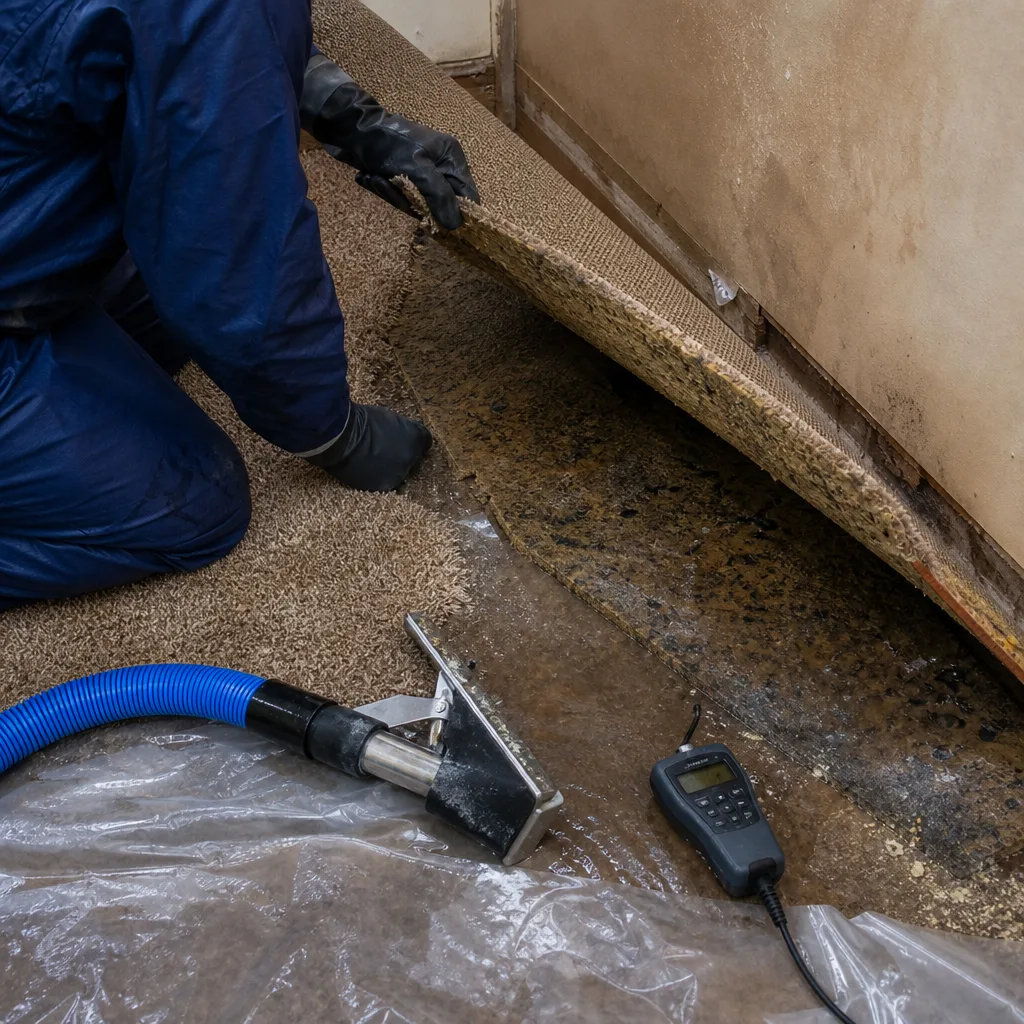
This is where SeaTac’s unique building history creates the most callbacks for less thorough contractors. The Port of Seattle’s Part 150 noise-abatement program installed batt insulation in hundreds of homes within the 65-dB DNL contour, often stapled directly over existing drywall without vapor retarders. That insulation traps smoke odor in wall cavities. Surface deodorization fails when summer heat or winter humidity reactivates those trapped residues. Our odor removal protocol includes vapor pressure differential testing to locate hidden odor sources, followed by thermal fogging or ozone treatment as appropriate, with moisture mapping to confirm we haven’t created new problems.
Contents Cleaning & Pack-Out
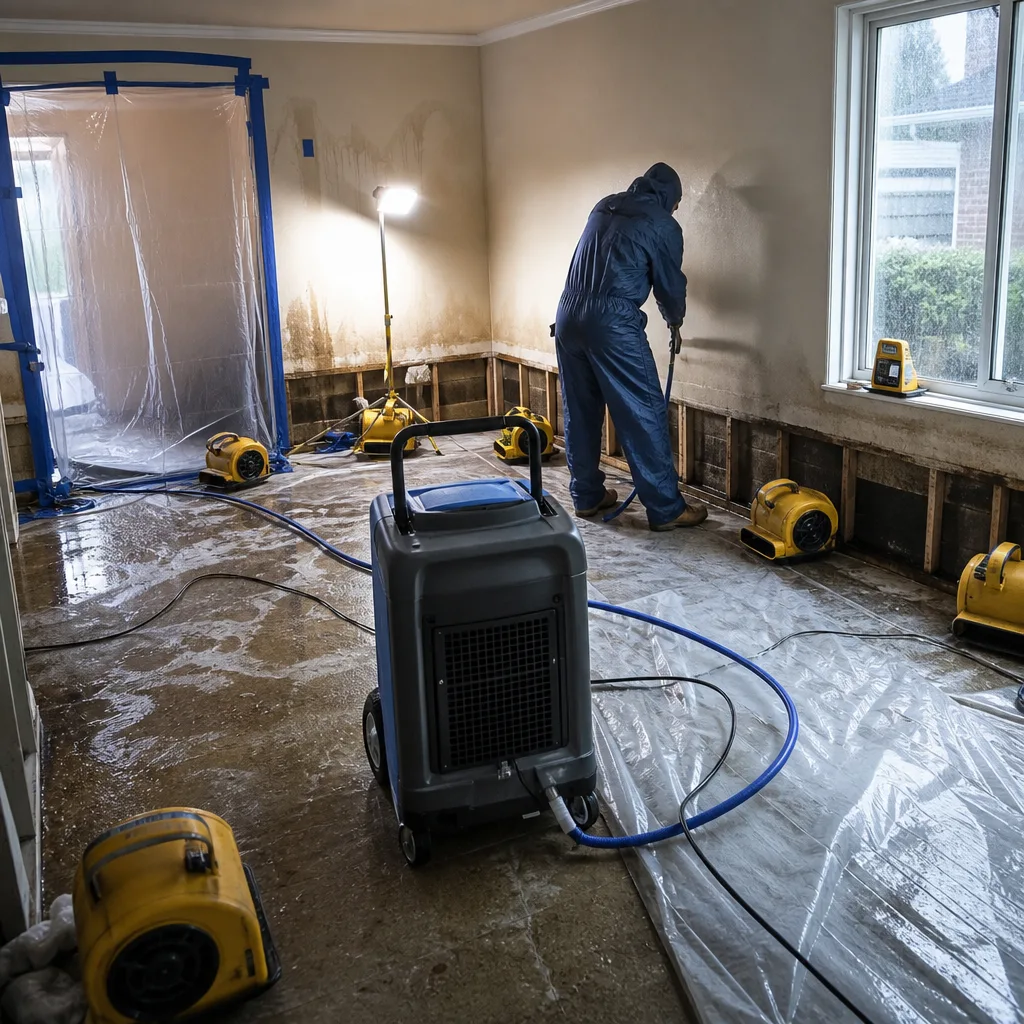
SeaTac’s dense apartment stock along International Blvd and the surrounding blocks means many residents don’t have alternative storage for fire-damaged belongings. Our contents cleaning and pack-out service inventories, photographs, and transports salvageable items to our facility for ultrasonic cleaning, deodorization, and restoration. Unsalvageable items are documented with photo records for insurance replacement valuation. For hotel properties, we coordinate with guest services to minimize displacement while restoring rooms to rentable condition.
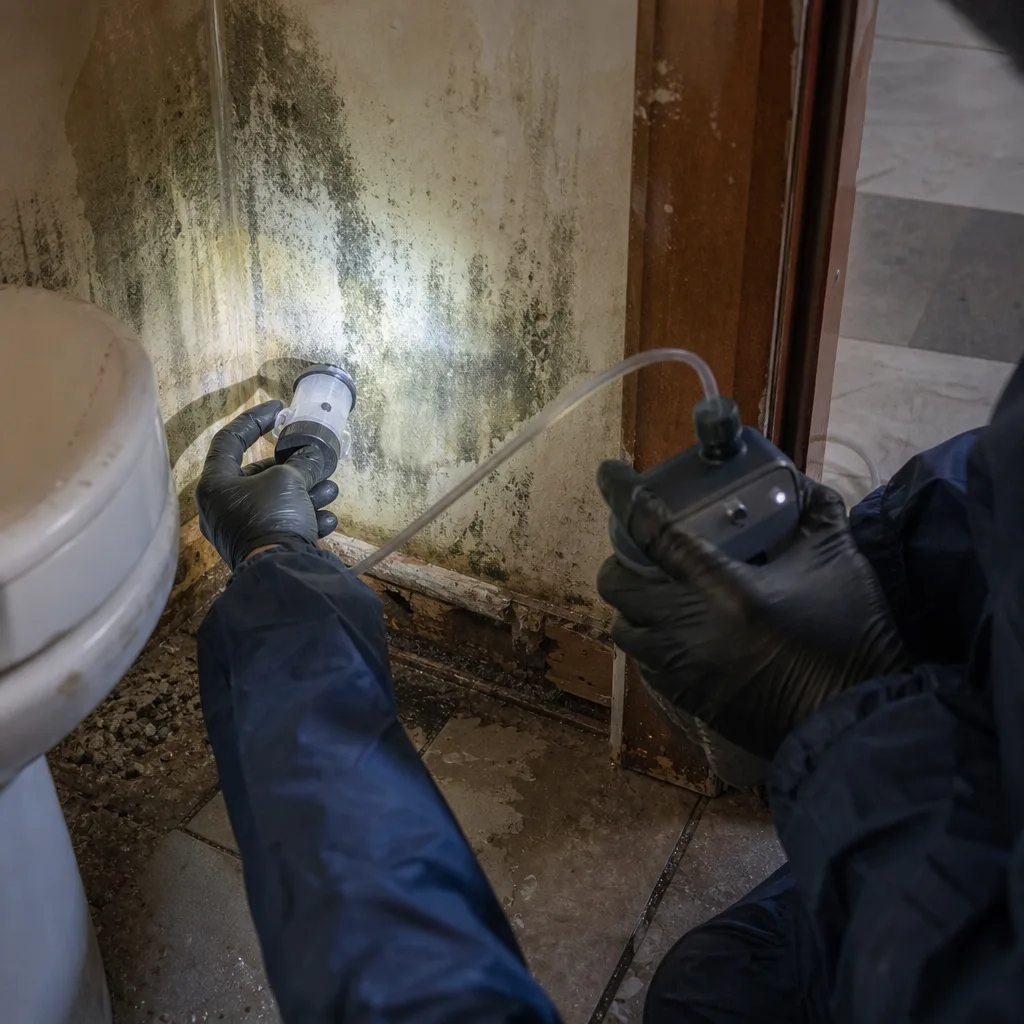
Structural Fire Repair
Structural fire repair in SeaTac requires understanding the difference between surface char and pyrolyzed wood that has lost structural integrity through chemical decomposition. Our technicians use moisture meters and resistance drills to map damage depth in original 1950s-1970s framing, then specify replacement lumber graded to current code. All structural work is documented with photo records and written scopes under IICRC and RIA standards.
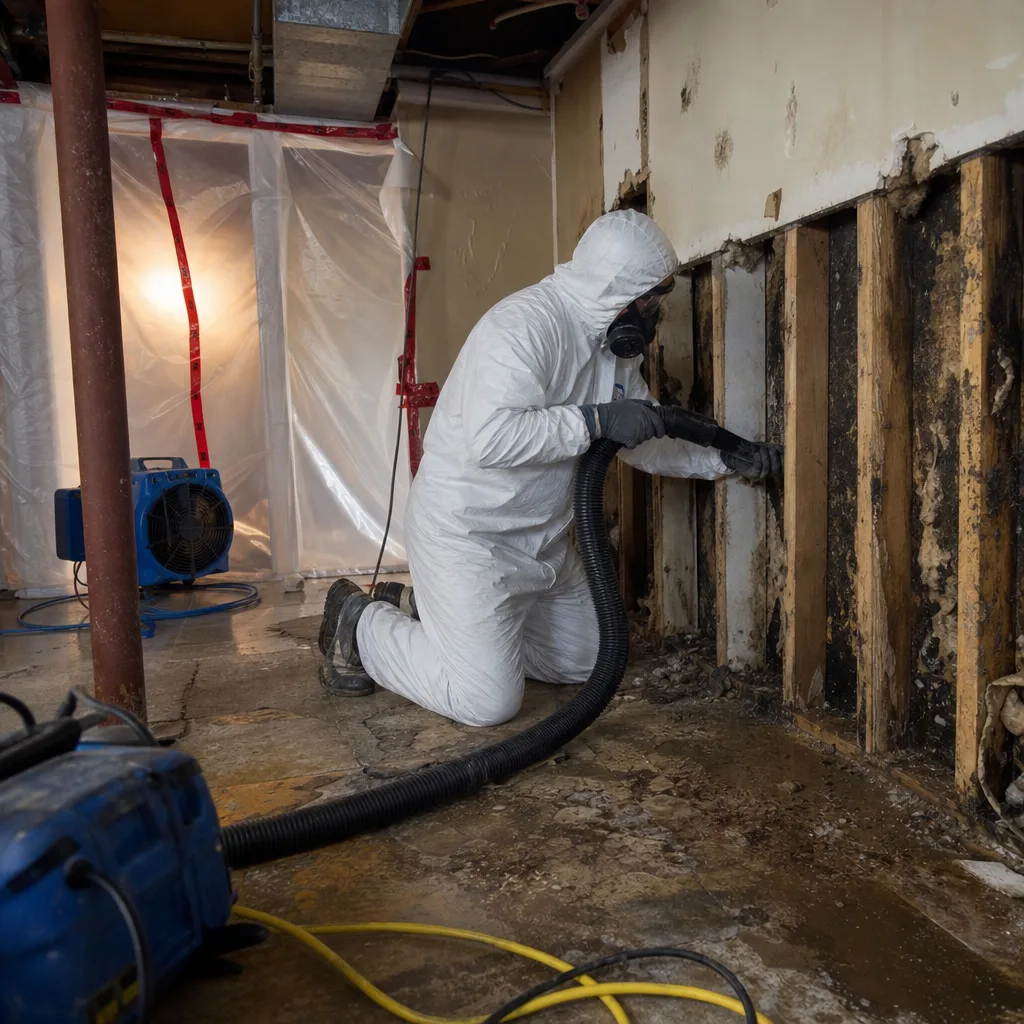
Emergency Board-Up & Tarping
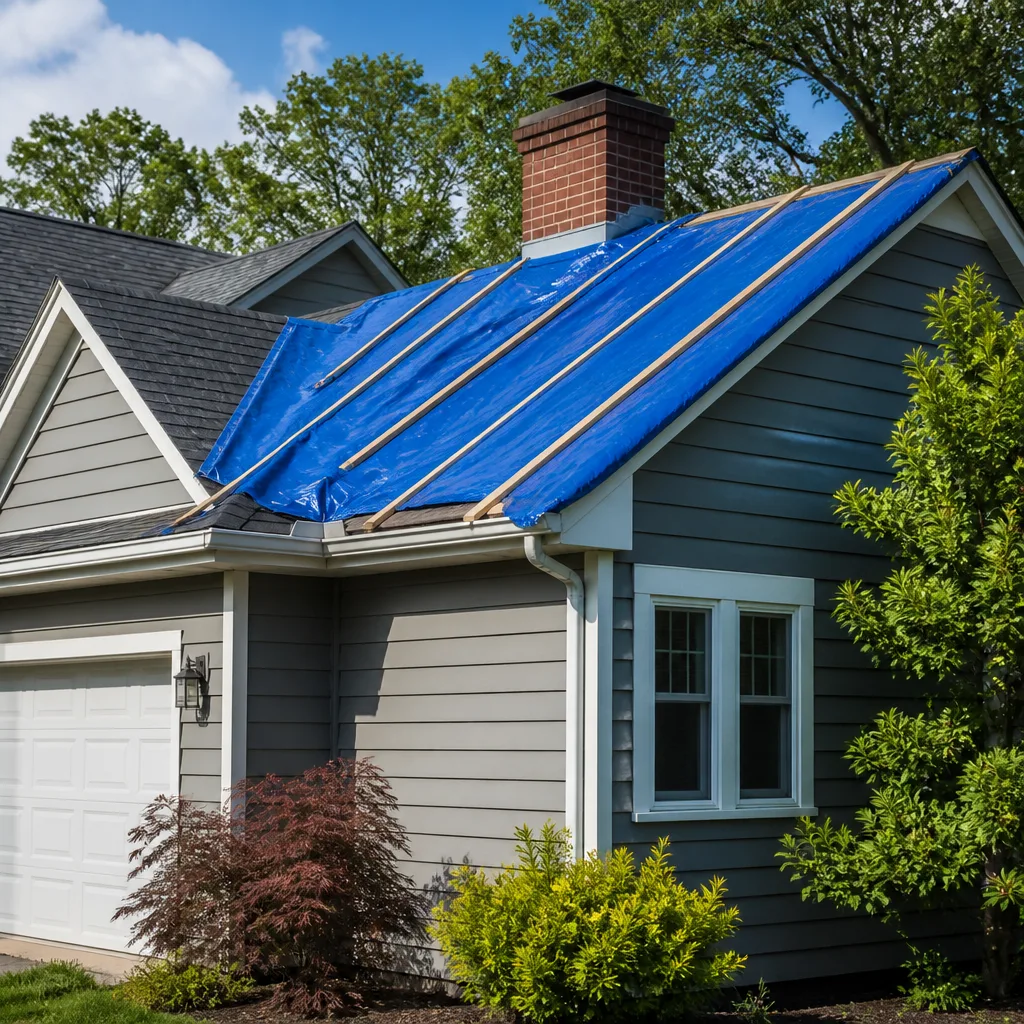
Available 24/7 for SeaTac properties, our board-up and tarping service secures fire-damaged structures against weather intrusion and unauthorized entry. Given SeaTac’s 38 inches of annual rainfall and lack of a true dry season, prompt weatherproofing prevents secondary water damage that can complicate insurance claims. We document the secured condition with photo records before leaving the site.
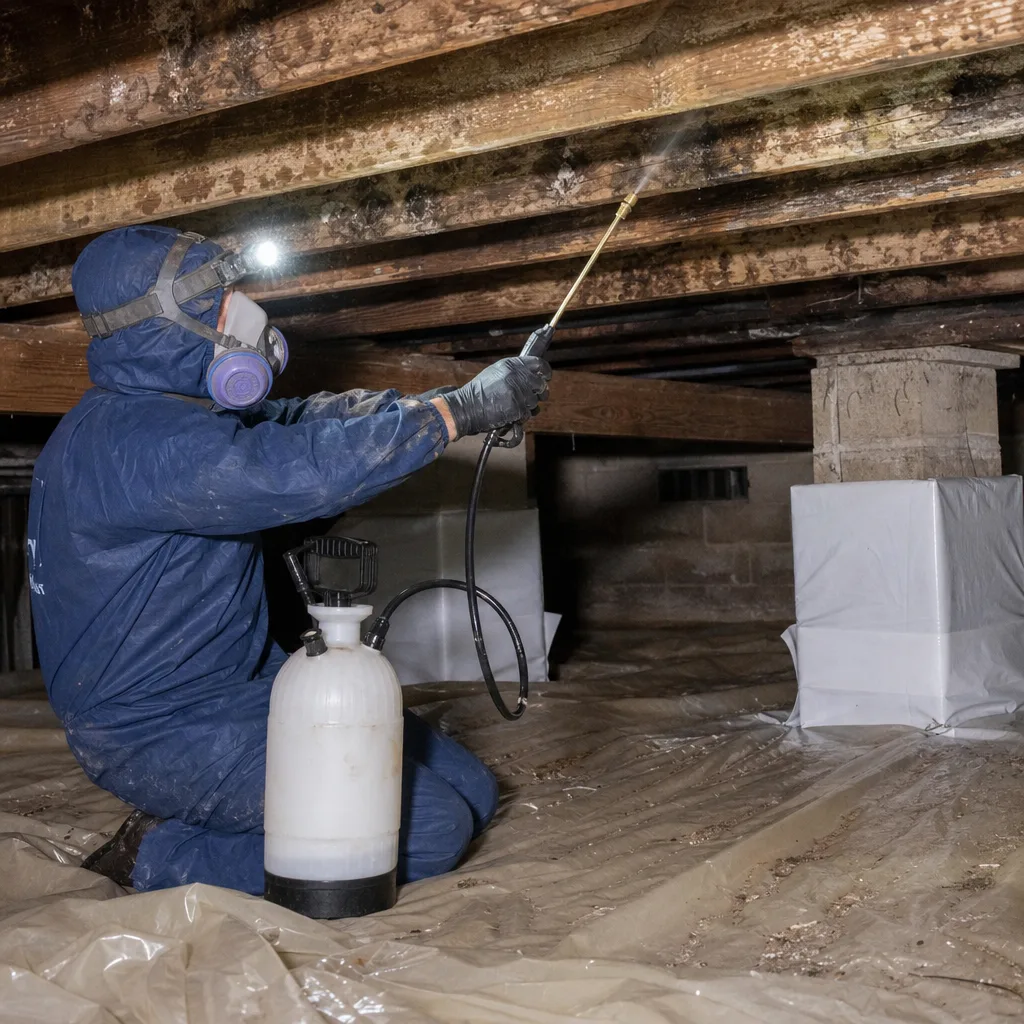
What happens when you call
- 1
A real person answersNo phone trees - you reach a local pro.
- 2
You get an upfront price rangeHonest numbers before anyone is dispatched.
- 3
A background-checked tech heads outLicensed & insured, dispatched right away.
- 4
You approve before work beginsNothing starts until you say go.
 Before
 After
AfterTrusted Brands We Service in SeaTac
Our equipment inventory includes professional-grade drying and deodorization systems from B-Air and Injectidry, documented to IICRC, RIA, and IFA standards. The Injectidry systems are particularly valuable in SeaTac’s older homes, where we can dry wall cavities without removing the Port of Seattle noise-retrofit insulation when conditions permit. We stock HEPA filtration, air scrubbing, and hydroxyl generation equipment sized for both single-family ranches and multi-story hotel losses. Every machine’s output is logged in daily drying records that become part of your documented claim file.
Common Fire & Smoke Damage Restoration Problems We See in SeaTac Homes
- Odor trapped behind noise-retrofit insulation. The batt insulation installed under the Port of Seattle’s Part 150 program in the 1990s and 2000s was often stapled over drywall without vapor retarders. Smoke odor penetrates this insulation during a fire and re-emerges weeks later when humidity rises, causing callbacks for contractors who didn’t remove or treat the cavity.
- Hidden pyrolysis in original framing. The 1950s-1970s ranch homes throughout SeaTac’s residential core contain original lumber that can appear sound after surface cleaning while having lost structural integrity through heat-induced chemical breakdown. We test char depth and document findings with photo records before declaring framing salvageable.
- Misclassified fire-suppression water. Water from sprinkler activation or hose lines in SeaTac’s older apartment buildings along International Blvd often tests as Category 2 or 3 due to decades of roof leaks, deteriorated plumbing, and building age, not Category 1 as assumed. We test and document water classification before drying begins.
- Humidity-extended restoration timelines. SeaTac’s year-round humidity, measured at the official Puget Sound weather station, means natural drying essentially doesn’t occur from October through May. Active dehumidification runs longer here than in drier climates, and we plan drying schedules accordingly with daily moisture logs.
Pricing for Fire & Smoke Damage Restoration in SeaTac, WA
Fire and smoke damage restoration pricing in SeaTac reflects the specific conditions of this market: older housing stock, commercial hospitality density, and year-round humidity that extends drying protocols.
| Service | Typical Range in SeaTac |
|---|---|
| Emergency board-up and stabilization | $800-$2,200 |
| Smoke and soot removal (per affected room) | $1,400-$3,800 |
| Odor removal and deodorization (whole house) | $2,200-$5,500 |
| Contents cleaning and pack-out | $1,800-$6,000 |
| Structural fire repair (per affected area) | $4,500-$15,000+ |
| Large-loss hotel/apartment fire (per unit/floor) | $8,500-$45,000+ |
Factors that increase cost in SeaTac: hidden damage behind noise-retrofit insulation requiring cavity demolition, pyrolyzed framing replacement, extended dehumidification due to humidity, and contents volume in furnished apartments or hotel rooms. Factors that can reduce cost: early emergency call limiting secondary damage, straightforward surface soot with no structural involvement, and salvageable contents inventory.
Every price is delivered in writing before work begins, per Haven Standard, Clause 1. No exceptions. Estimates are free. Call (253) 642-8884.
We Also Serve Cities Near SeaTac
Our crews respond throughout the south Puget Sound corridor. We provide Fire & Smoke Damage Restoration in SeaTac and surrounding communities including Tukwila, Renton, Kent, and Bellevue. Dispatch and scheduling are coordinated from our Seattle office.
Serving SeaTac, WA - Our Local Coverage Area
We’re based in the SeaTac area and know this community well. Use the map below to see our service coverage - if you’re nearby, we can almost certainly help.
FAQs - Fire & Smoke Damage Restoration in SeaTac
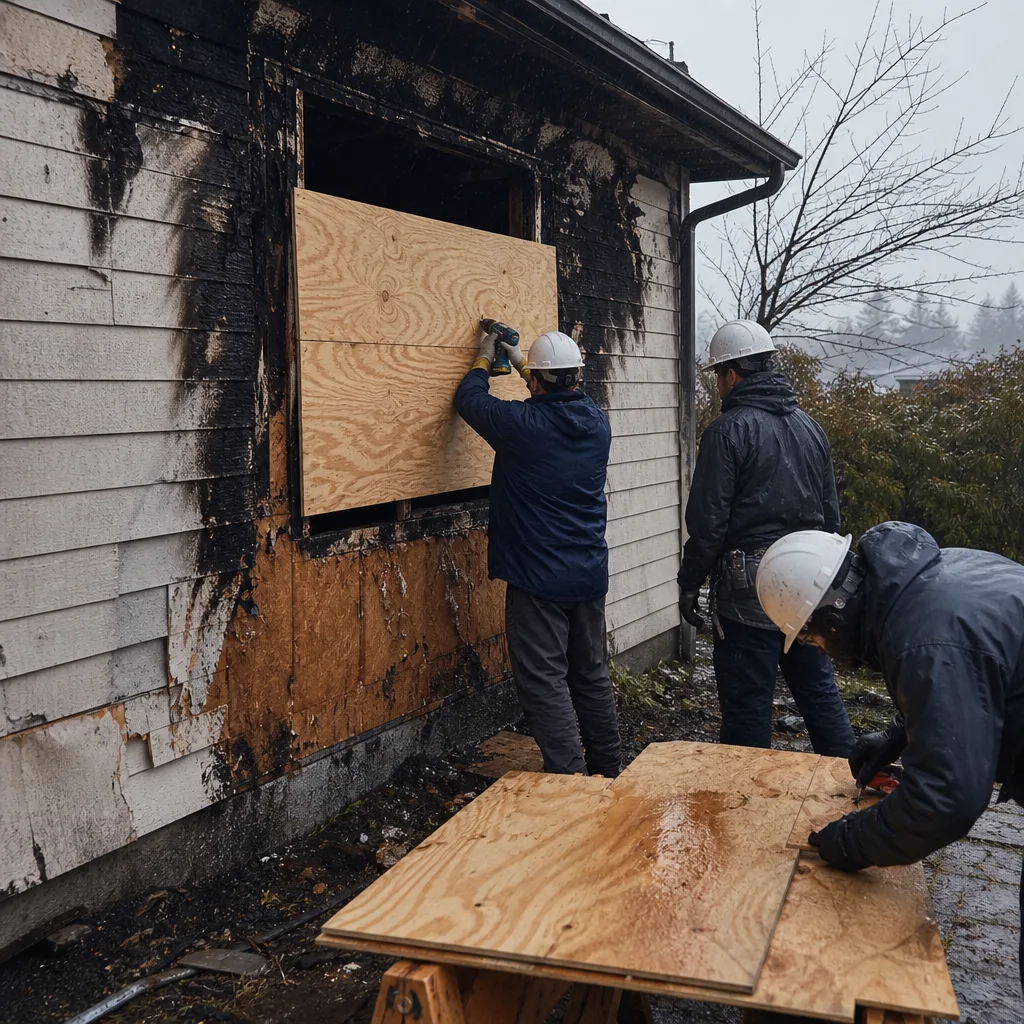
The Port of Seattle’s noise-abatement insulation retrofits, installed in hundreds of homes within the 65-dB DNL contour, added batt insulation directly over existing drywall without vapor retarders. Any fire-suppression water that enters these wall cavities gets trapped against cold exterior sheathing, and with SeaTac’s year-round humidity, that moisture doesn’t dry naturally. We moisture-map every cavity before closing and document findings with photo records. Call (253) 642-8884 for a written scope.
Hotel corridor fires on International Blvd require large-loss capability because smoke migrates through shared HVAC systems, elevator shafts, and utility chases that connect multiple floors and dozens of rooms. Fans and surface deodorizers can’t address vapor-phase smoke penetration into wall cavities and above drop ceilings. Our Injectidry cavity drying systems and hydroxyl generators treat the full volume of affected space, and we coordinate with your facility manager to phase work around occupancy. We document every treated room with photo records for your insurer.
Sometimes, but only after testing. We probe char depth in original framing and test drywall for structural integrity and smoke penetration depth. Surface-cleaned 1960s paper-backed drywall often retains enough smoke residue to cause odor callbacks, particularly in SeaTac’s humid climate. We document our findings with photo records and give you a written scope showing exactly what can be saved and what must be replaced before any demolition begins. Haven Standard, Clause 1.
Yes. We inventory, photograph, and transport salvageable contents to our facility for cleaning and deodorization. Unsalvageable items are documented for insurance replacement valuation. For SeaTac’s dense apartment stock, where residents often lack alternative storage, we prioritize rapid pack-out to prevent secondary damage from humidity and to clear space for structural work. Every item is logged with photo documentation.
SeaTac’s 38 inches of annual rainfall and near-constant overcast humidity from October through May mean natural drying essentially doesn’t occur for half the year or more. Active dehumidification runs longer here than in drier climates, and smoke odor molecules remain activated in humid air, requiring more aggressive deodorization protocols. We plan extended drying schedules with daily moisture logs and adjust equipment deployment accordingly. The timeline is longer, but the documentation prevents callbacks and claim disputes.
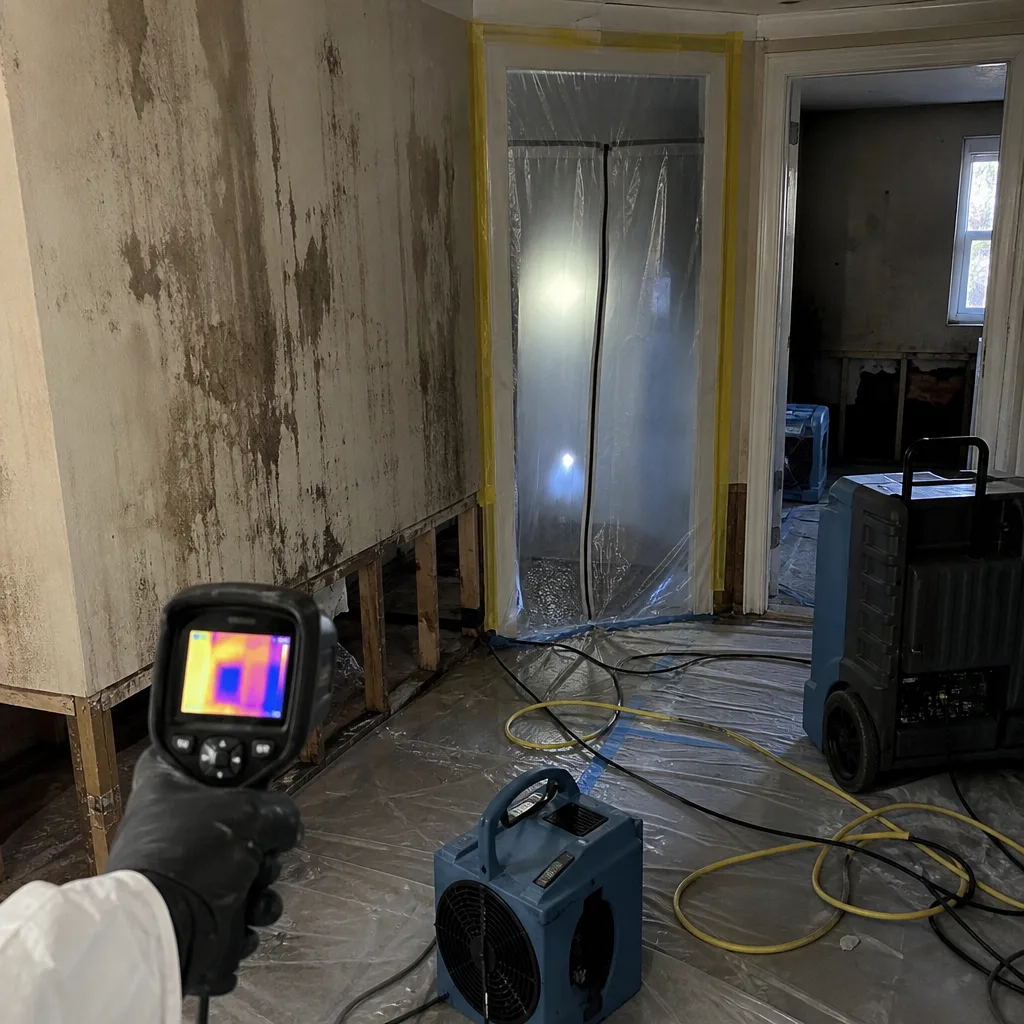
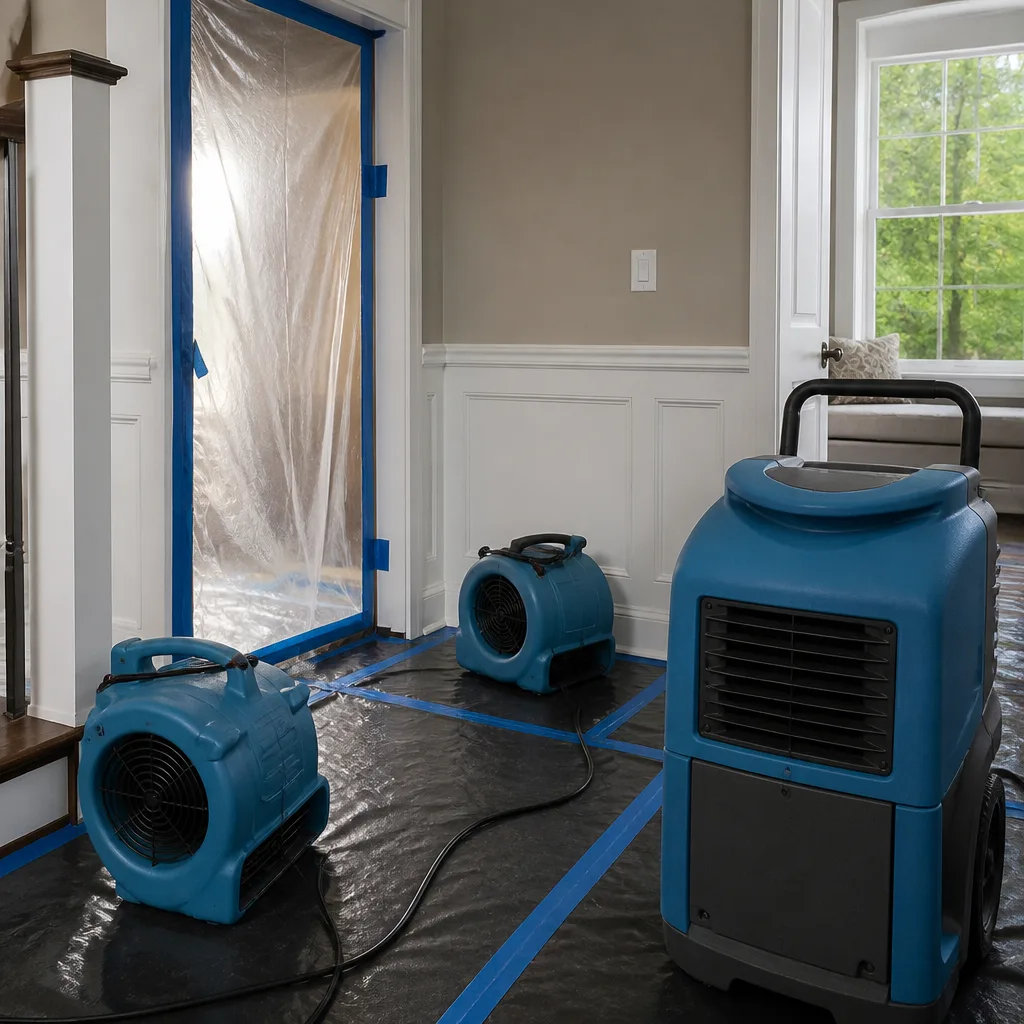
We answered a fire call on a 1962 ranch off South 154th Street near the airport where a kitchen grease fire had been knocked down by a neighbor’s hose before we arrived. When our techs pulled charred drywall in the hallway, they found the wall cavity packed with Port of Seattle-era batt insulation stapled directly over the 1962 paper-backed drywall - no vapor retarder - and the fire-suppression water had wicked into it, spiking moisture readings above 30 percent. We set containment, ran air movers and dehumidification, logged drying readings for six days, and removed the soaked legacy insulation before it could colonize.
That job is why we moisture-map every SeaTac fire restoration, regardless of how small the initial damage appears. The combination of original construction, noise-retrofit insulation, and year-round humidity creates failure patterns specific to this city’s properties inside the airport noise contour. Generic fire restoration misses them. We don’t.
Call (253) 642-8884 for a written estimate before any work begins. Estimates are free. Our 365-Day Done Right Promise applies to every SeaTac job.
Written by Alicia Brennan, Owner at Back to Dry Restoration, serving SeaTac since 2011.