
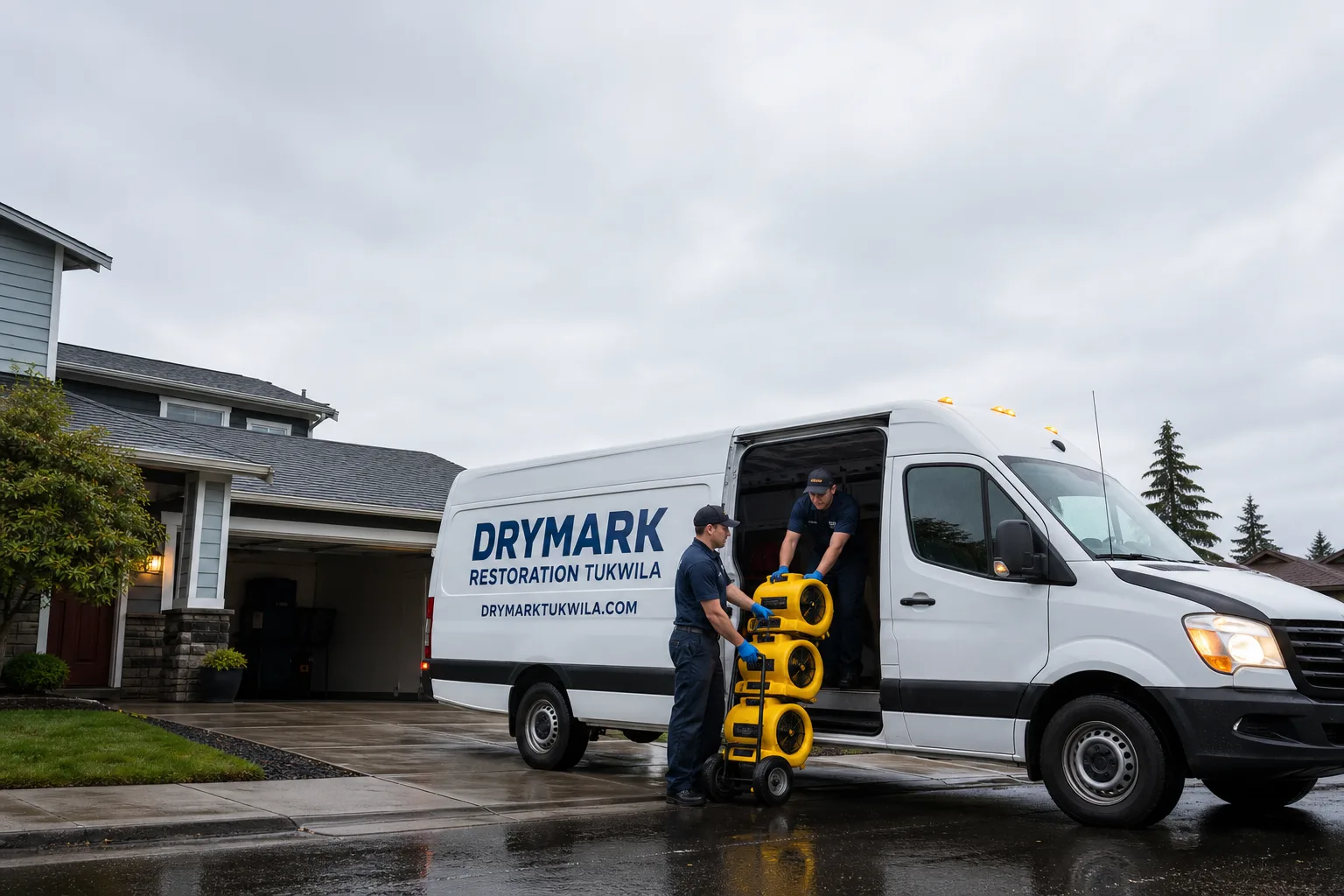
Free visual inspection and a written scope of work before any mitigation begins - photos, moisture readings, and drying logs go in your claim file
The scope we write is the scope we bill. Anything new gets shown to you, in writing, before we touch it.
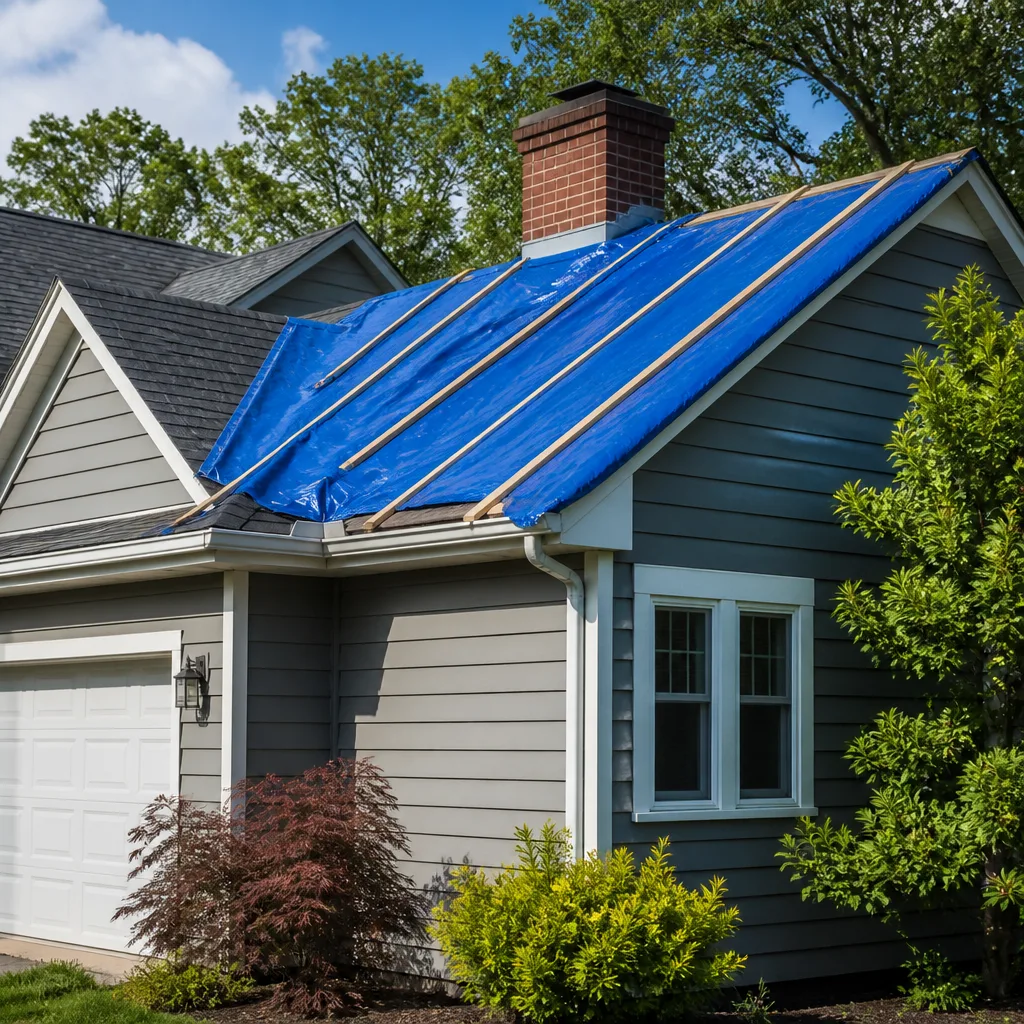
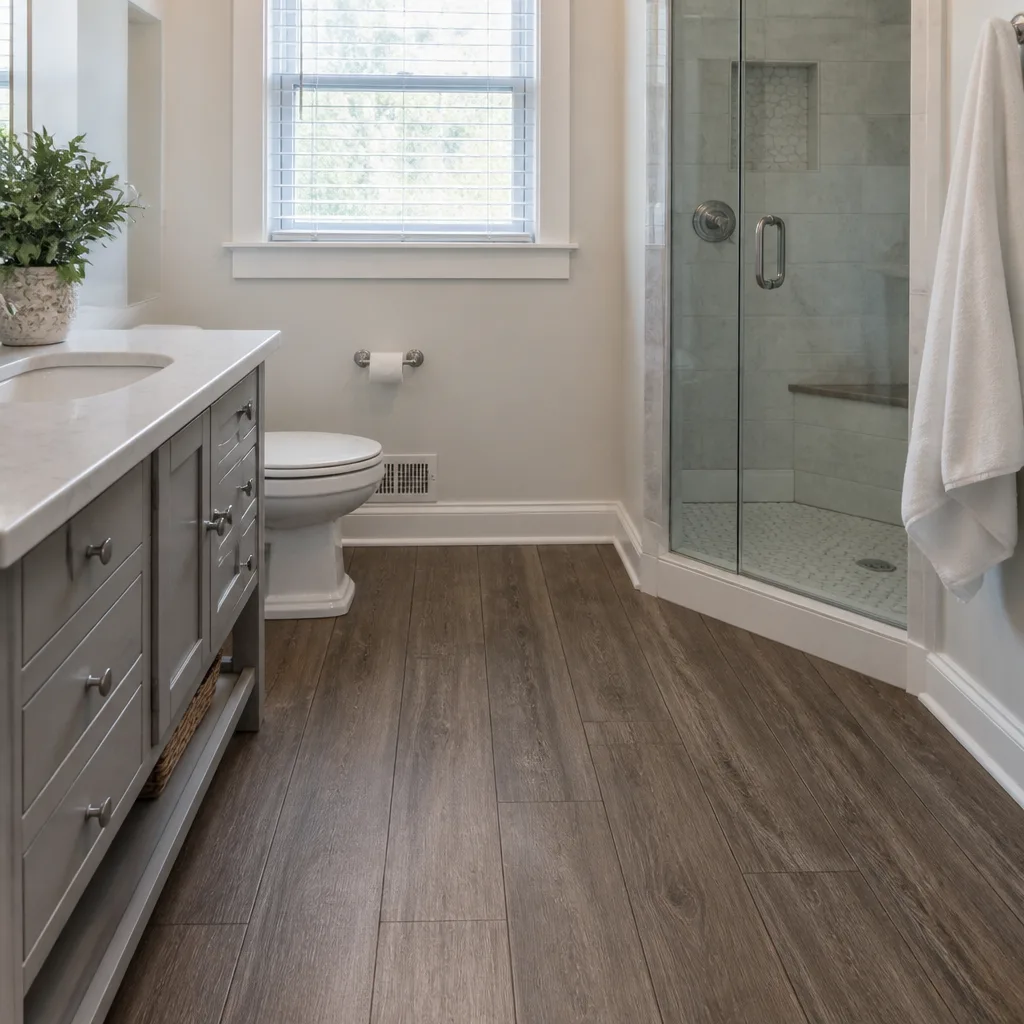
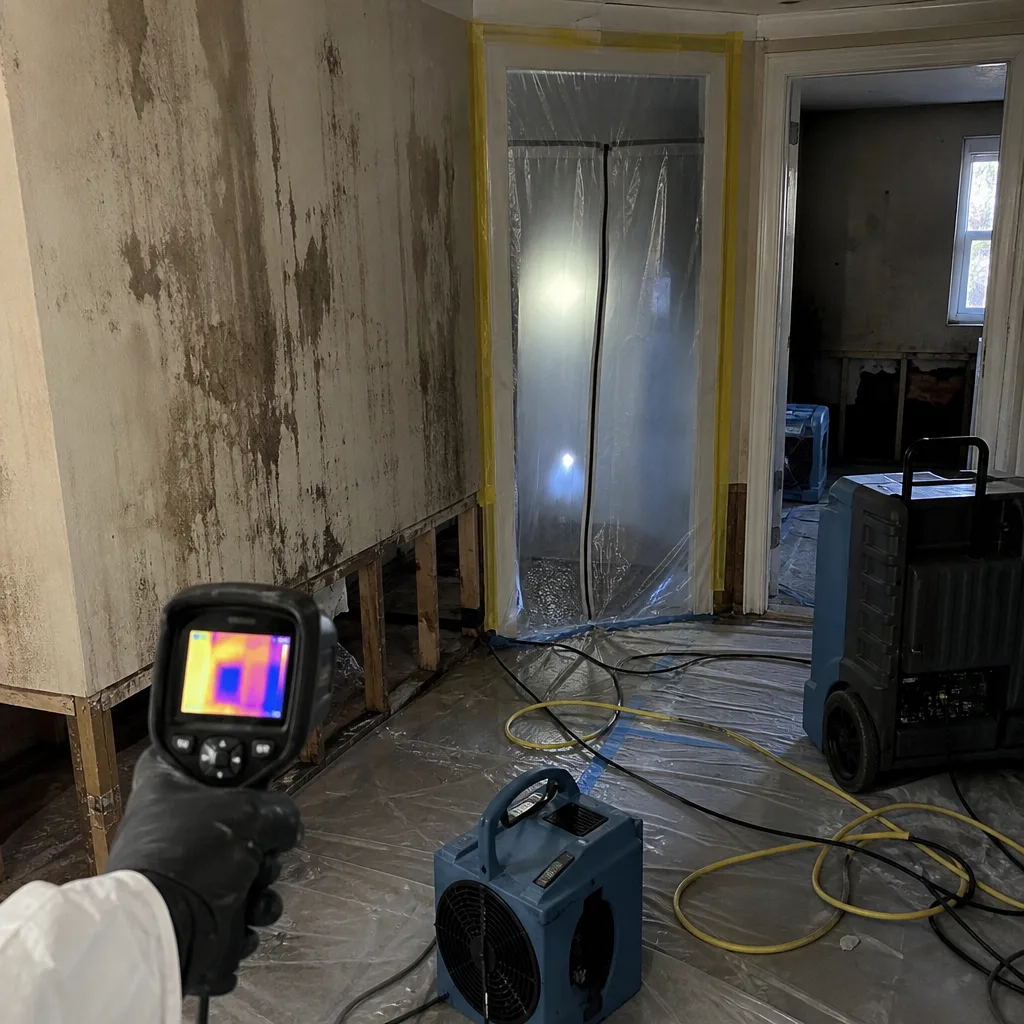 Before
 After
After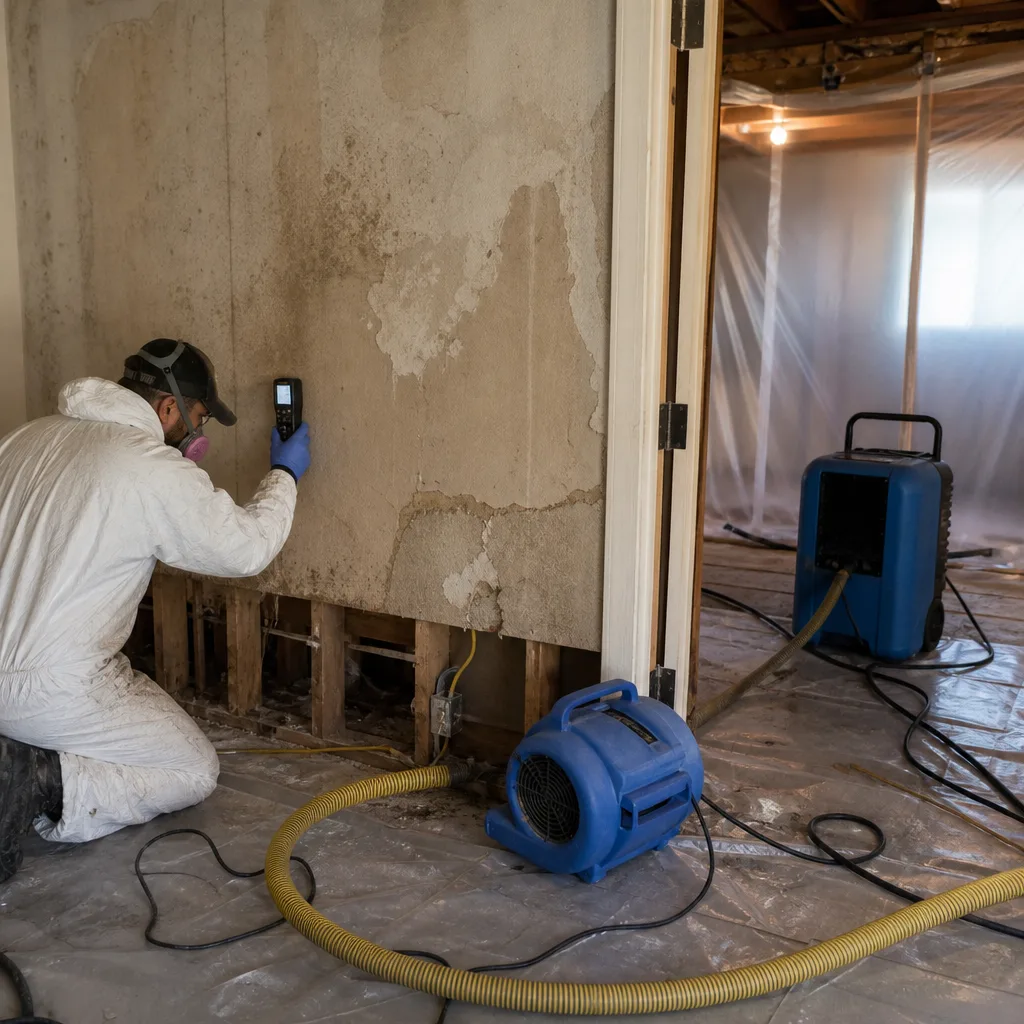 Before
 After
After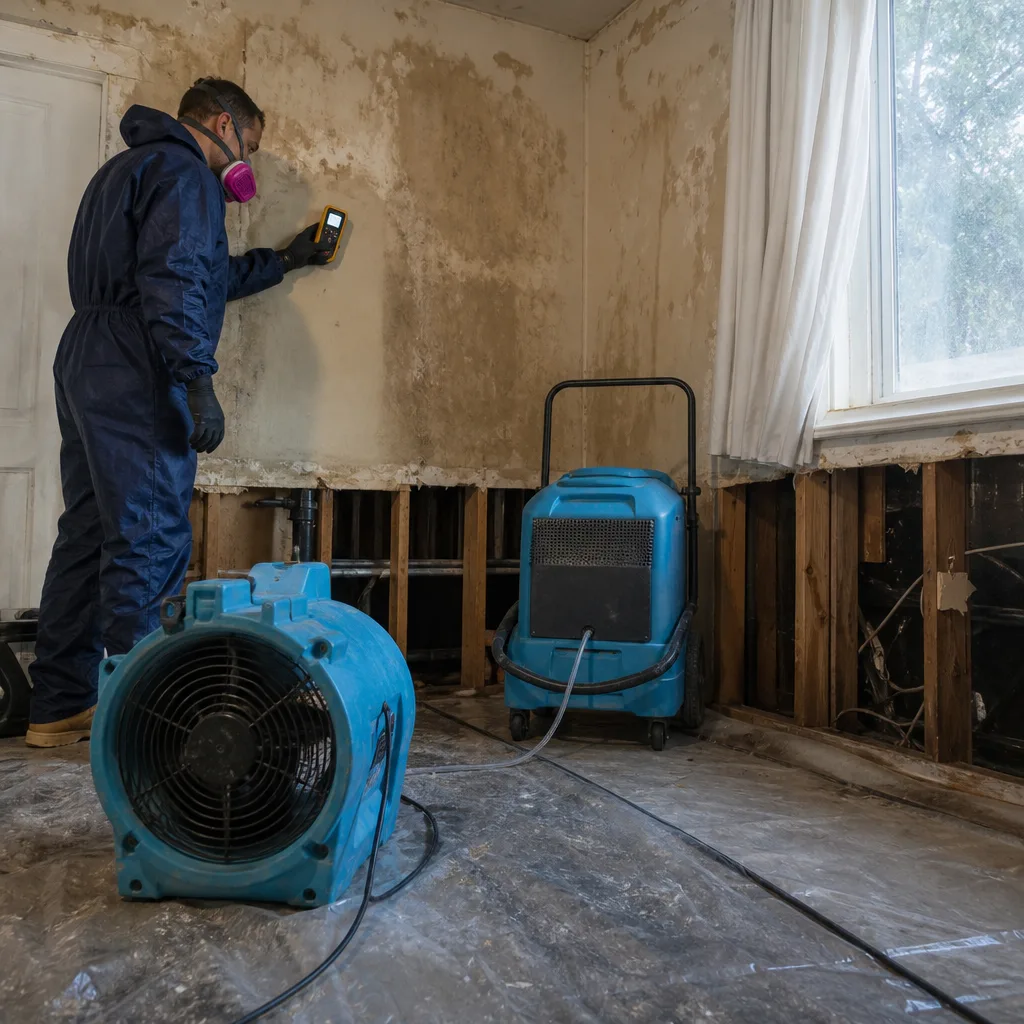 Before
 After
AfterFast, Reliable Water Damage Restoration Across Kirkland
Water damage restoration in Kirkland typically costs $2,800-$7,500 for a standard residential drying job, with emergency water extraction running $1,200-$3,200 depending on affected square footage and water classification. Most Kirkland homeowners see our crew on-site within 45-60 minutes when dispatch is coordinated from our Seattle office. We’re familiar with the slope-to-shoreline geography that makes Kirkland’s water damage patterns distinct from flatter Eastside markets, and we document every job to IICRC standards with a written price before any work begins.
Call (253) 642-8884 now. A live person answers, 24 hours a day, 7 days a week. No voicemail trees while water is still moving through your walls.
Why DryMark Restoration Tukwila Is Kirkland’s Preferred Water Damage Restoration Company
We’ve restored homes in Kirkland since 2011, and our file on this city runs deep. Alicia Brennan built Back to Dry around the documentation gap that costs homeowners their insurance claims - the missing moisture log, the photo that wasn’t taken, the verbal price that became a disputed invoice. Our Water Damage Restoration team carries that same standard into every Kirkland job.
Kirkland customers leave reviews that mention specifics: the written scope they signed before work started, the daily drying logs their adjuster accepted without challenge, the photo record that proved secondary damage wasn’t pre-existing. We’re not chasing stars; we’re building files that hold up.
Response time to Kirkland averages under an hour from dispatch. We know the difference between a Juanita crawl space with seasonally high water table issues and a Totem Lake townhome with OSB sheathing vulnerability. That local knowledge changes what we bring and how we scope the job.
Every technician is background-checked, uniformed, and licensed - their license number is on the work order you sign. Every job carries the 365-Day Done Right Promise under The Haven Standard. And every written estimate can be reviewed free against any competitor’s quote.
Our Water Damage Restoration Services in Kirkland
Emergency Water Extraction
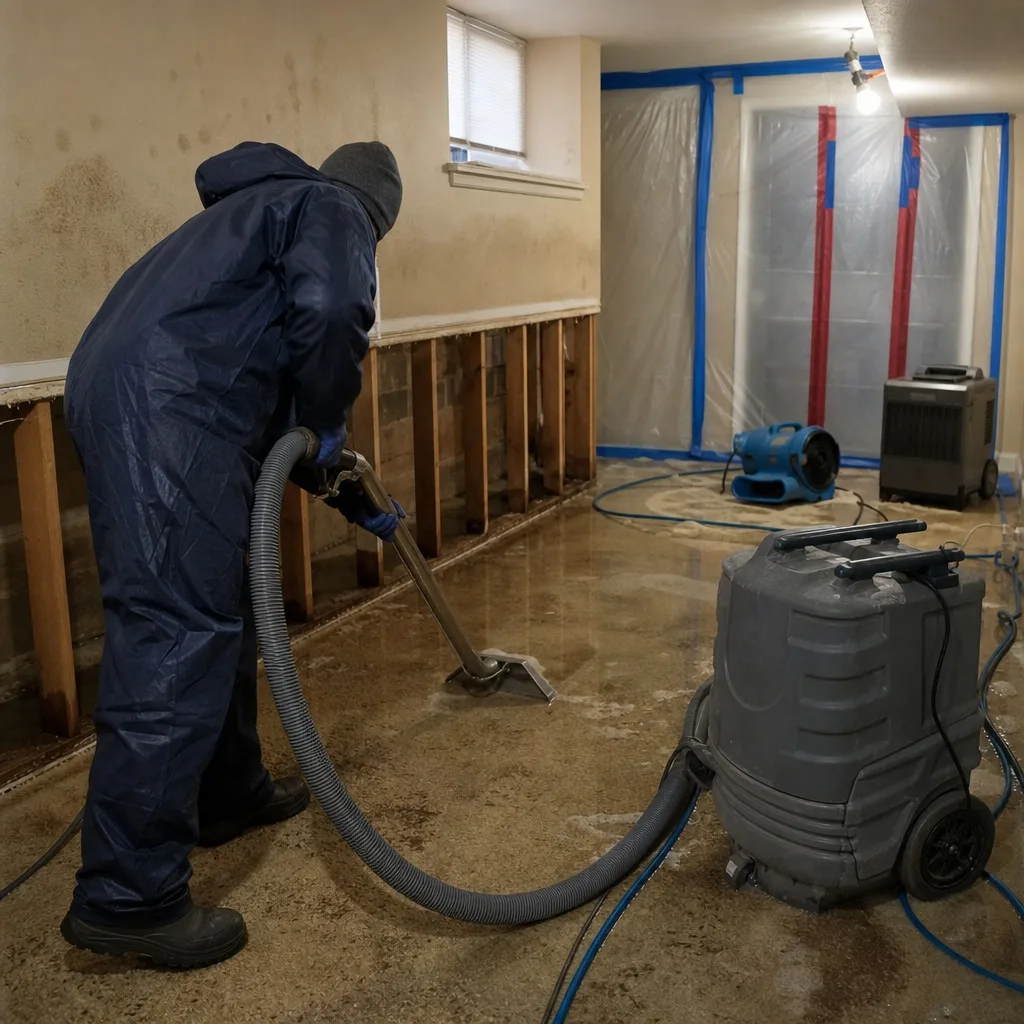
When wind-driven rain breaches a threshold on Kirkland’s east-facing hillside homes, standing water pools against the sill plate and subfloor within hours. Our truck-mount extraction systems pull Category 2 water at 25+ gallons per minute, then we map the migration path with thermal imaging. In Kirkland’s 1960s-1980s stock, water follows the bottom plate and studs laterally before showing on interior drywall. We find it before it finds your mold threshold.
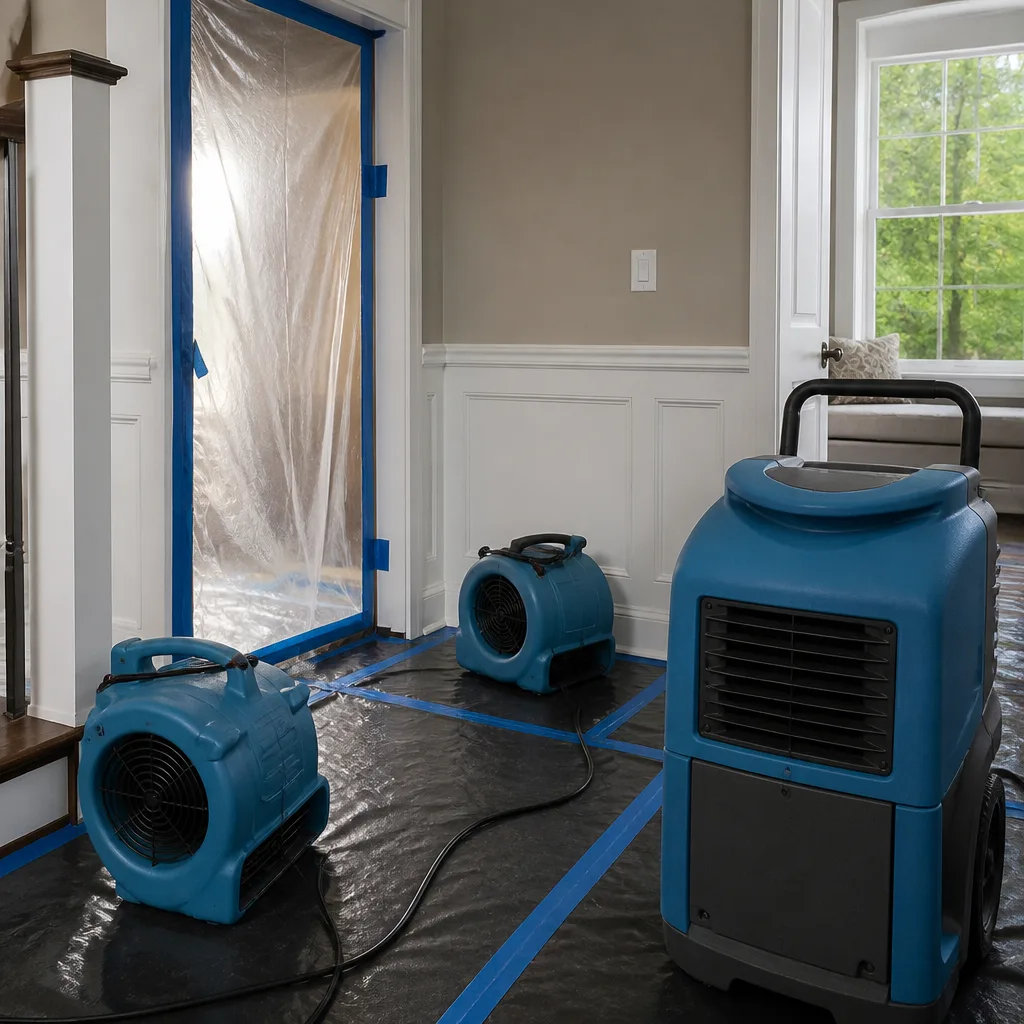
Our crew was called to a 1970s split-level in Juanita after an atmospheric river event left standing water against an east-facing door wall. We pulled category 2 water with truck-mount water extraction, mapped moisture with thermal imaging across the lower framed wall, and found the door’s weatherstripping had been overwhelmed by wind-driven rain intrusion at the threshold. We set containment and air movers, ran dehumidification until drying logs confirmed moisture readings returned to pre-loss condition, and applied antimicrobial treatment to the bottom plate before rebuilding the threshold and door frame.
Structural Drying & Dehumidification
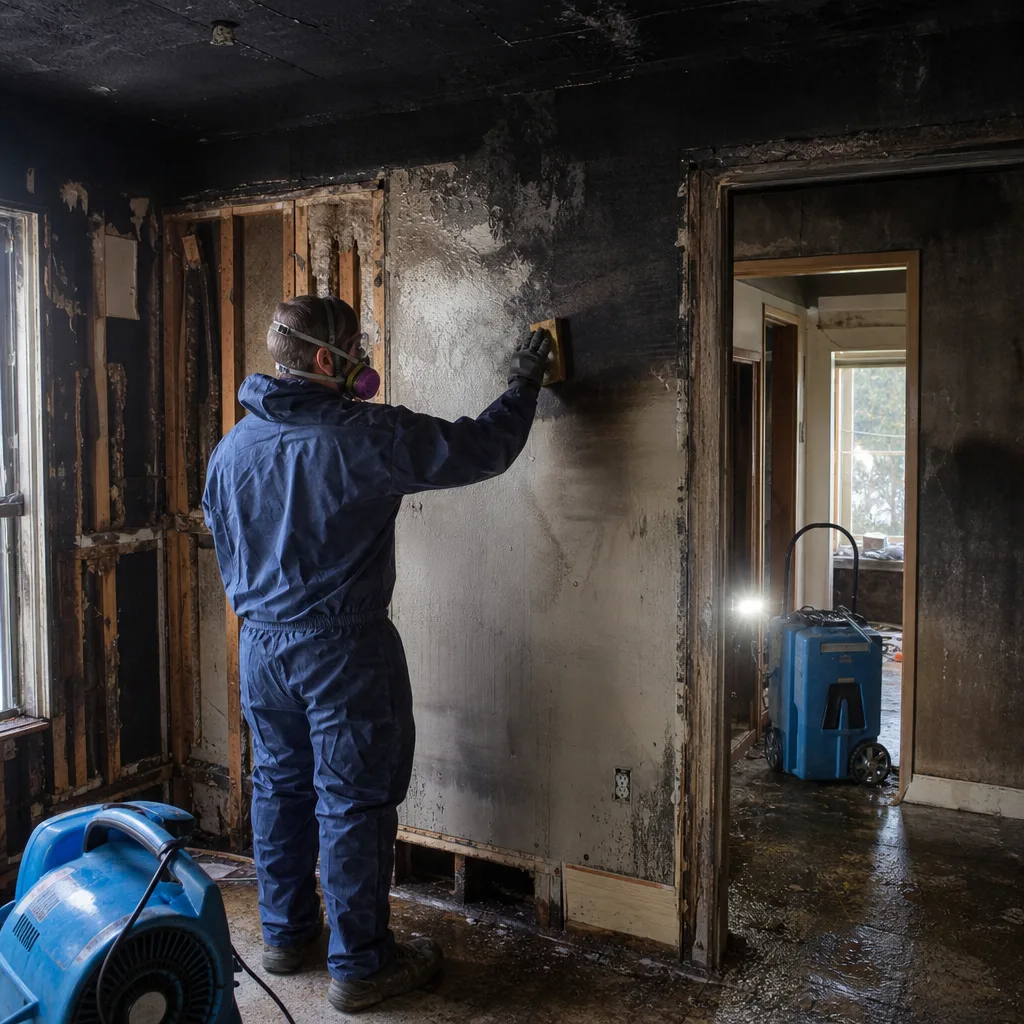
Kirkland’s clay-heavy glacial soils don’t drain - they hold water against foundations and slab edges for weeks after the rain stops. That hydrostatic pressure changes how we dry. We deploy Dri-Eaz and Phoenix LGR dehumidifiers sized to the vapor pressure differential between saturated framing and the ambient air, then document psychrometric data daily: relative humidity, specific humidity, temperature, and grain depression. Tertiary drying - the final phase where bound moisture in dense materials releases - takes longer in Kirkland hillside homes because the soil keeps feeding moisture upward. We don’t guess when drying is complete. We log it.
Ceiling & Roof Leak Water Damage
Atmospheric rivers in Kirkland don’t just fall vertically. The Lake Washington slope accelerates wind coming off the water, driving rain laterally against roof-wall junctions and into soffit vents. We see this in Lakeview and North Rose Hill homes where original construction didn’t anticipate 21st-century storm intensity. Our process: interior containment, controlled demolition to expose the leak path, thermal imaging to trace lateral spread in insulation, then drying to IICRC S500 standards with documented moisture readings at 24-hour intervals. The photo record goes to your adjuster. The drying log proves we didn’t leave wet material behind.
Flood Cleanup
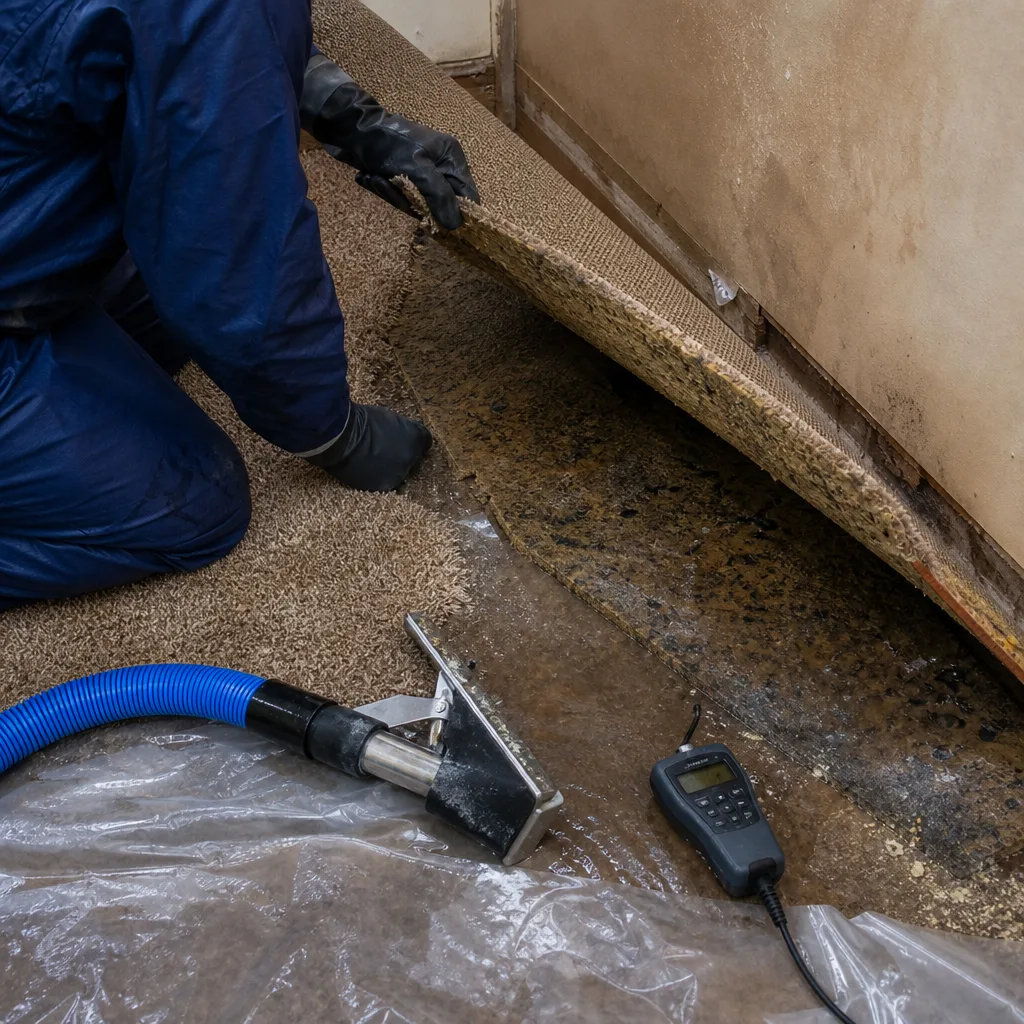
Kirkland’s near-shore properties face a different flood profile than inland Bellevue or Redmond. Lake-level surge during atmospheric river sequences pushes groundwater up through failed perimeter systems, and the Juanita Creek basin backs up seasonally. We classify floodwater correctly - Category 1, 2, or 3 - because that classification determines what can be restored and what must be removed. Every flood cleanup in Kirkland starts with water classification testing, then a written scope with line-item pricing before any demolition begins. Haven Standard, Clause 1.
Burst Pipe Restoration
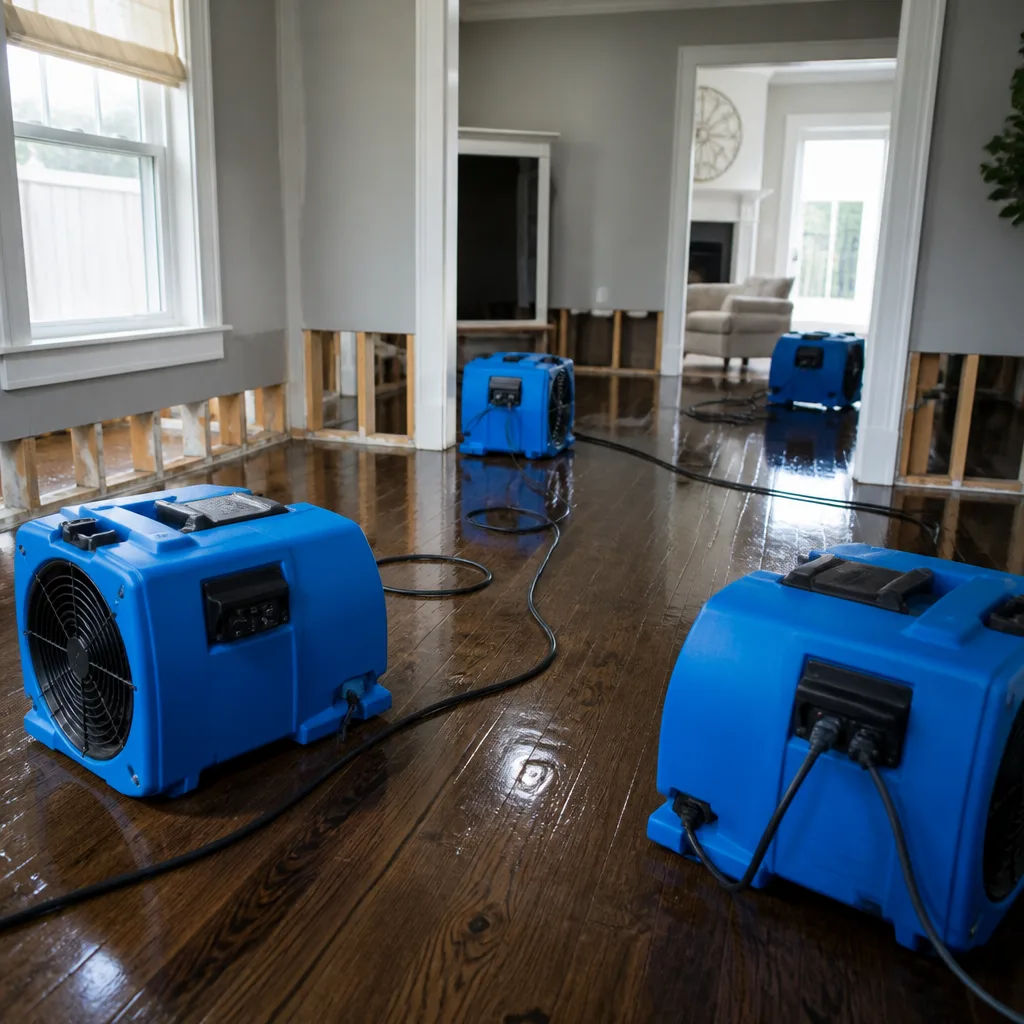
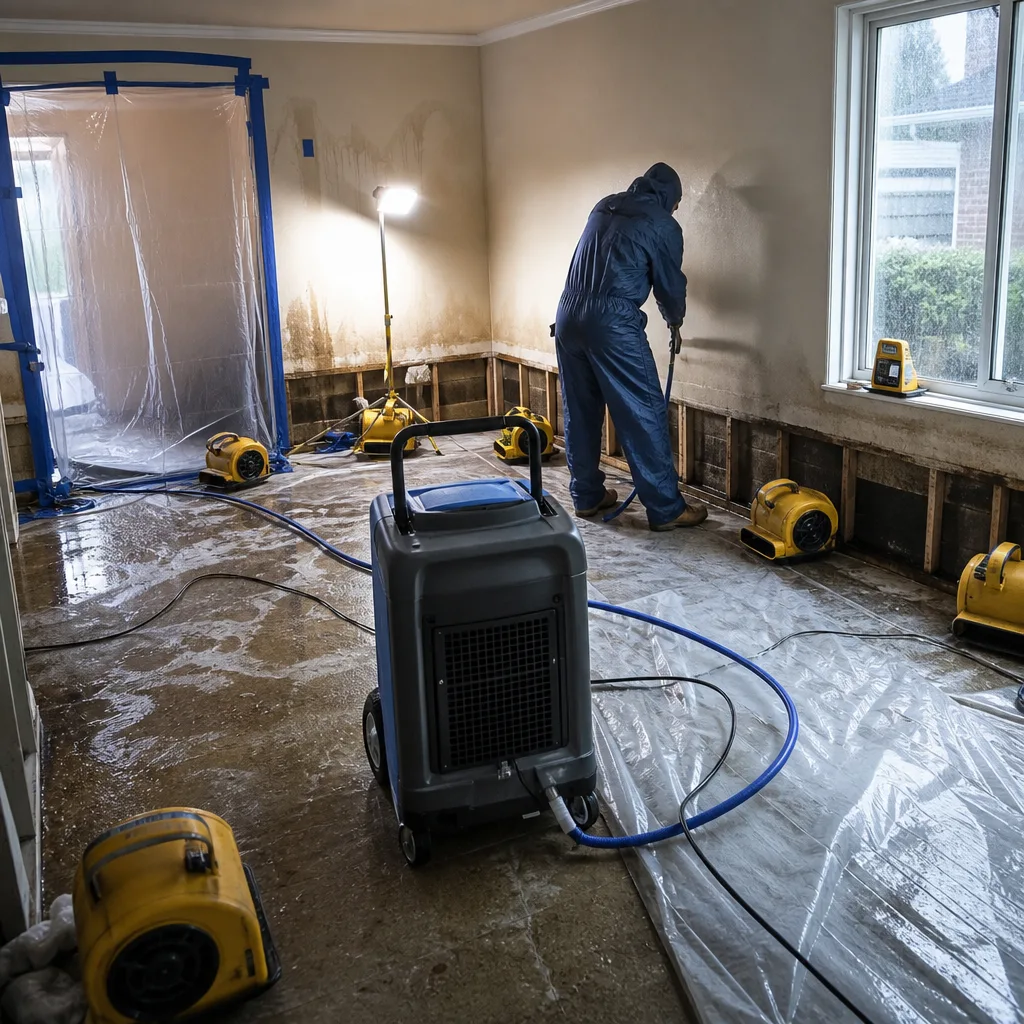
Kirkland’s older homes in the Juanita and North Rose Hill neighborhoods have original copper or galvanized supply lines at end-of-life. When a pipe bursts in a wall cavity, the damage spreads horizontally along the bottom plate and vertically through insulation voids. We extract standing water, remove saturated thermal insulation that can’t be dried in place, and run Injectidry hose systems through wall cavities to deliver targeted airflow to the stud bay. The drying log tracks moisture content at multiple depths until readings stabilize below 16% wood moisture equivalent.
What happens when you call
- 1
A real person answersNo phone trees - you reach a local pro.
- 2
You get an upfront price rangeHonest numbers before anyone is dispatched.
- 3
A background-checked tech heads outLicensed & insured, dispatched right away.
- 4
You approve before work beginsNothing starts until you say go.
 Before
 After
AfterTrusted Brands We Service in Kirkland
Our equipment inventory runs on Dri-Eaz, Phoenix, XPOWER, and Injectidry systems - the same brands specified in IICRC S500 guidelines. We don’t rent equipment for your emergency. We own it, maintain it, and deploy it with technicians trained to read psychrometric data in real time. For Kirkland homeowners, that means no waiting for a rental house to deliver dehumidifiers while mold establishes its timeline. Our Seattle office stocks replacement air movers, LGR units, and specialty drying mats for the Kirkland market specifically, because we know the clay-soil drying curve here demands redundancy.
Common Water Damage Restoration Problems We See in Kirkland Homes
- Wind-driven rain forced past failing door sweeps and threshold seals on Kirkland’s exposed east-facing hillside elevations, overwhelming perimeter drains that are already taxed by clay-heavy glacial soils. The water enters as Category 2, contaminated by soil contact, and pools in the sill plate before homeowners notice interior staining.
- Insufficient exterior door reinforcement on 1960s-1980s Juanita and North Rose Hill homes allows wind load to rack frames, opening gaps that turn a manageable windstorm into category 2 water intrusion at the sill and subfloor. The frame flexes; the weatherstripping doesn’t. Water finds that gap every time.
- Post-storm tracks and panels on sliding doors are overlooked, leaving bent or dislodced guides that leak silently behind finished walls until moisture mapping during a later restoration reveals widespread hidden saturation. Kirkland’s wind exposure off Lake Washington is hard on sliding door hardware, and the damage doesn’t announce itself.
- Original French drains and perimeter systems in Kirkland’s 1960s-1980s housing stock have failed or been overwhelmed by the combination of clay-glacial soil saturation and increased rainfall intensity. When these systems back up, water enters at the slab edge and migrates under flooring, creating the slow chronic pattern that allows mold to establish before visible water appears.
Pricing for Water Damage Restoration in Kirkland, WA
| Service | Typical Range in Kirkland |
|---|---|
| Emergency water extraction (up to 500 sq ft affected) | $1,200 - $3,200 |
| Structural drying & dehumidification (3-5 day standard) | $2,800 - $5,500 |
| Full drying job with limited demo and rebuild | $4,500 - $7,500 |
| Category 3 flood cleanup with PPE and disposal | $5,500 - $12,000 |
| Crawl space drying with vapor barrier replacement | $3,200 - $6,800 |
What moves a Kirkland job toward the higher end: clay-soil hydrostatic pressure extending drying time, wind-driven rain contamination requiring antimicrobial treatment, and hidden saturation in OSB sheathing common in Totem Lake townhomes. What keeps costs controlled: fast extraction call response, accurate water classification at intake, and containment that limits the affected area.
Every price is written before work begins. Haven Standard, Clause 1. No exceptions. Bring any competitor’s written estimate and we’ll review it free - our Second Opinion policy.
We Also Serve Cities Near Kirkland
Our crews work the full Eastside corridor: Water Damage Restoration in Kirkland is coordinated alongside regular response to Redmond, Bellevue, Bothell, and Seattle. Each city’s geography changes the damage pattern - Bellevue’s flatter grade, Redmond’s different soil composition, Seattle’s older housing stock - and we scope accordingly. Dispatch from our Seattle office routes the nearest available crew to minimize response time across the service area.
Serving Kirkland, WA - Our Local Coverage Area
We’re based in the Kirkland area and know this community well. Use the map below to see our service coverage - if you’re nearby, we can almost certainly help.
FAQs - Water Damage Restoration in Kirkland
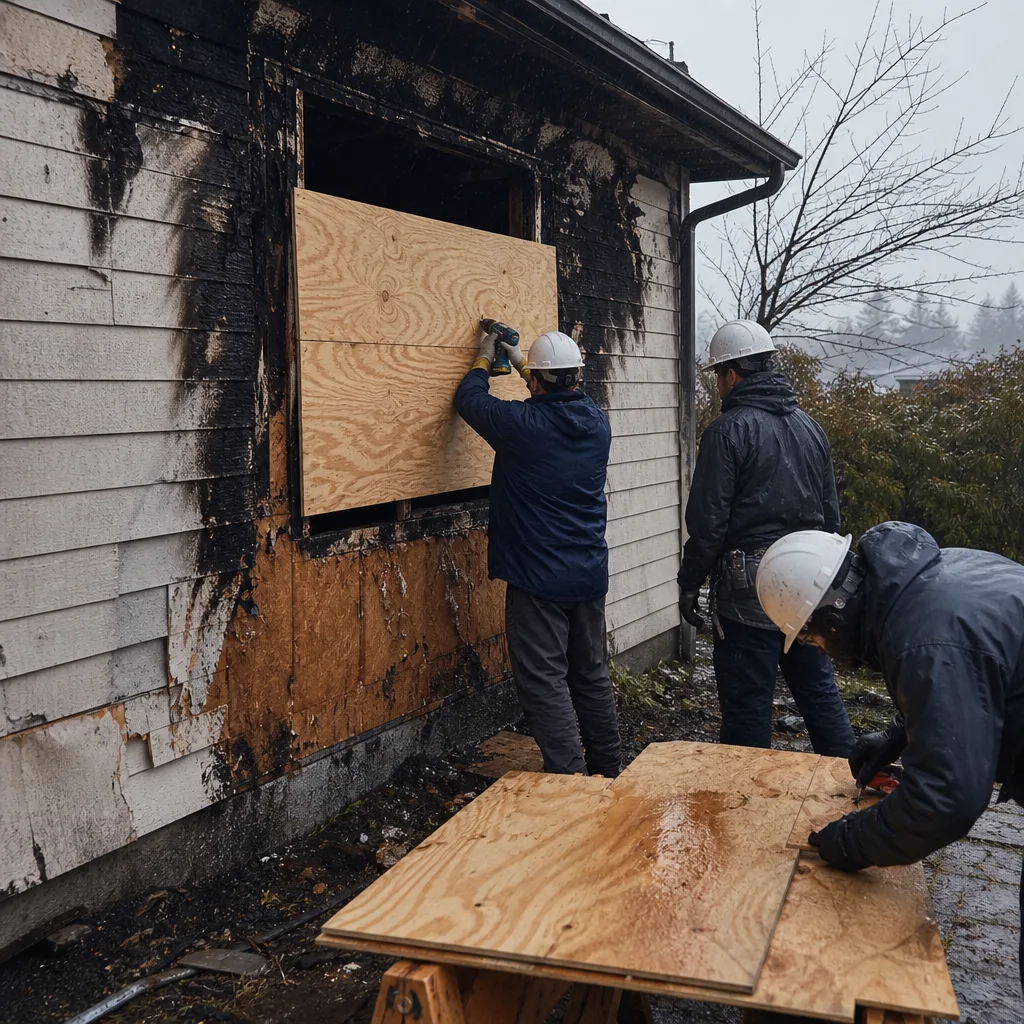
Yes. Kirkland’s position on the steep eastern slope of Lake Washington exposes east-facing doors to accelerated wind coming off the water, driving rain laterally against thresholds and weatherstripping that wasn’t designed for that load. Redmond and inland Bellevue don’t see the same sustained wind-driven rain vector. In Kirkland, we treat threshold failure as a primary restoration trigger, not a secondary maintenance issue. Call (253) 642-8884 for a free assessment if you’ve noticed water pooling near an exterior door after storms.
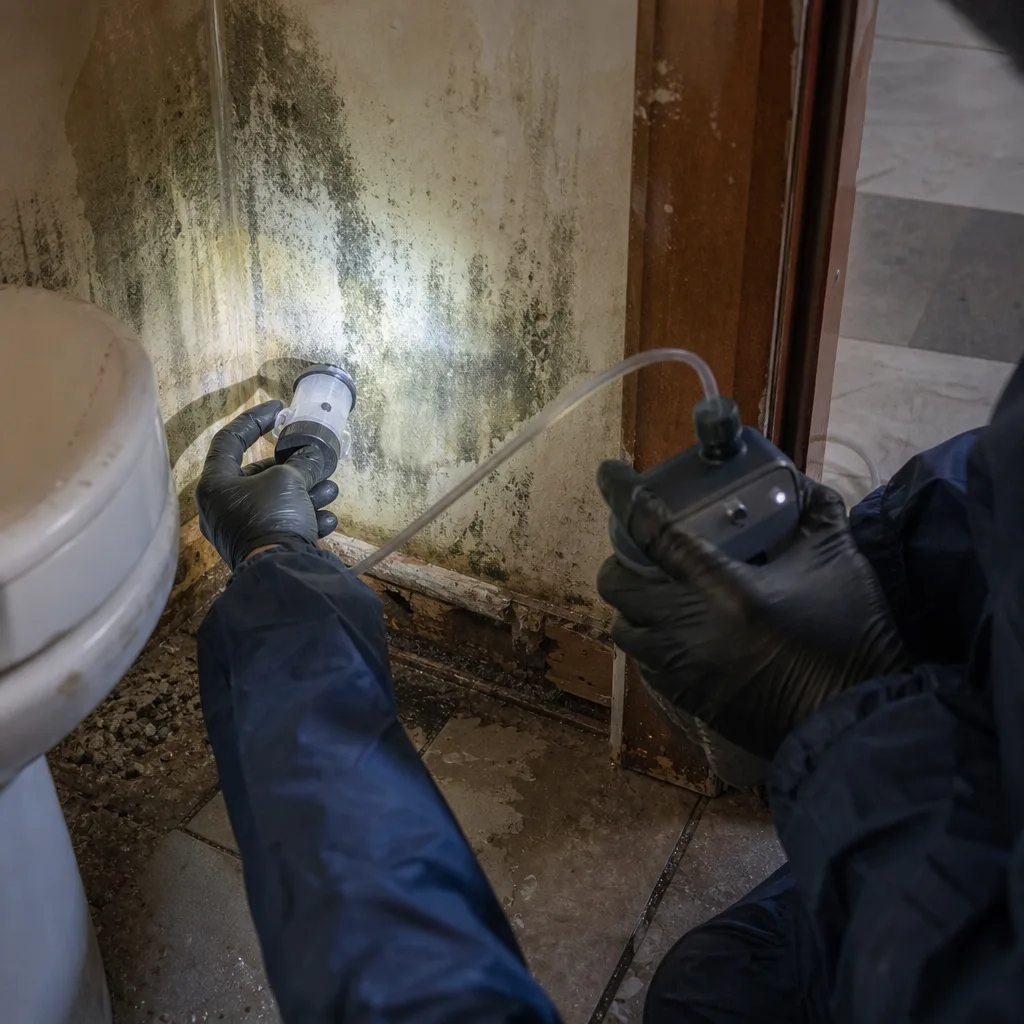
Mold colonization can begin in 48-72 hours when moisture content in wood framing stays above 20%. Kirkland’s clay-glacial soils extend that window by feeding moisture upward through the sill plate even after surface water is extracted. We measure this with moisture meters at multiple depths, not visual inspection. If your door leaked during last week’s storm, the timer is running. Call (253) 642-8884 - we document pre-existing condition and start drying logs that protect your coverage.
Bent tracks, dislodged guide wheels, or panels that no longer seat squarely in the frame are mechanical damage - but they create gaps that leak silently into the wall cavity. We treat it as water damage restoration when thermal imaging shows moisture migration behind finished walls, or when moisture readings in the subfloor or bottom plate exceed 16% wood moisture equivalent. The track repair is carpentry; the hidden saturation is our scope. We document both in the photo record. Call (253) 642-8884 for moisture mapping before you assume it’s just hardware.
Yes. Clay-heavy soils hold water and transmit hydrostatic pressure against foundations and slab edges for weeks after rainfall. In Kirkland hillside homes, we’ve seen drying timelines extend 30-50% compared to well-draining soils because the soil keeps feeding moisture into the structure. We counter this with higher-capacity LGR dehumidifiers, longer tertiary drying phases, and daily moisture logs that prove - to your adjuster - that we didn’t leave the job prematurely. The written scope accounts for this soil condition upfront.
Directly. When French drains fail in Kirkland’s Juanita, North Rose Hill, and Lakeview neighborhoods, water that should be diverted to daylight or storm connections instead rises to slab level and enters at the threshold - the lowest point of egress. The door leak is the symptom; the failed perimeter system is the source. We document both in our assessment photo record, and we note drainage system condition in the written scope so your adjuster understands why remediation requires more than threshold repair. Call (253) 642-8884 for an assessment that names the full problem.
Written by Alicia Brennan, Owner at Back to Dry Restoration, serving Kirkland since 2011.