
Free visual inspection and a written scope of work before any mitigation begins - photos, moisture readings, and drying logs go in your claim file
The scope we write is the scope we bill. Anything new gets shown to you, in writing, before we touch it.
 Before
 After
After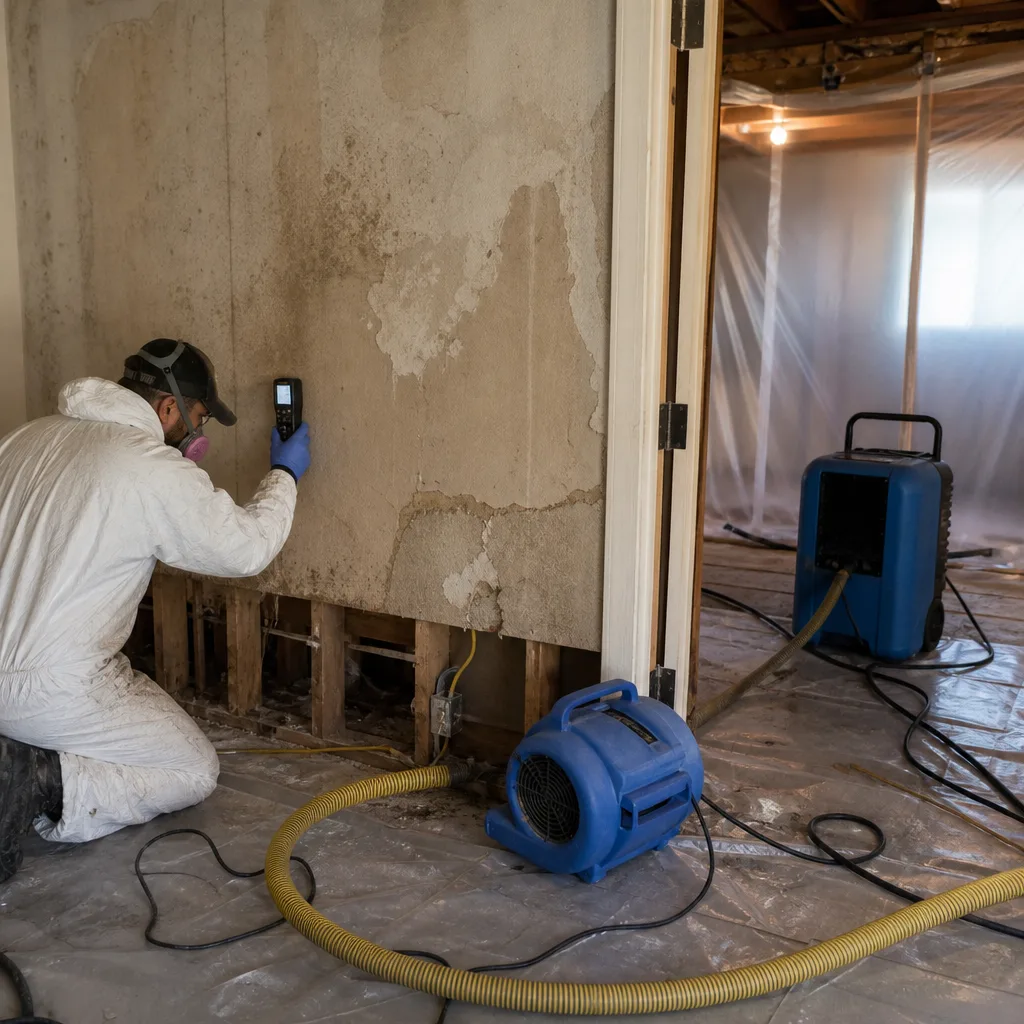 Before
 After
After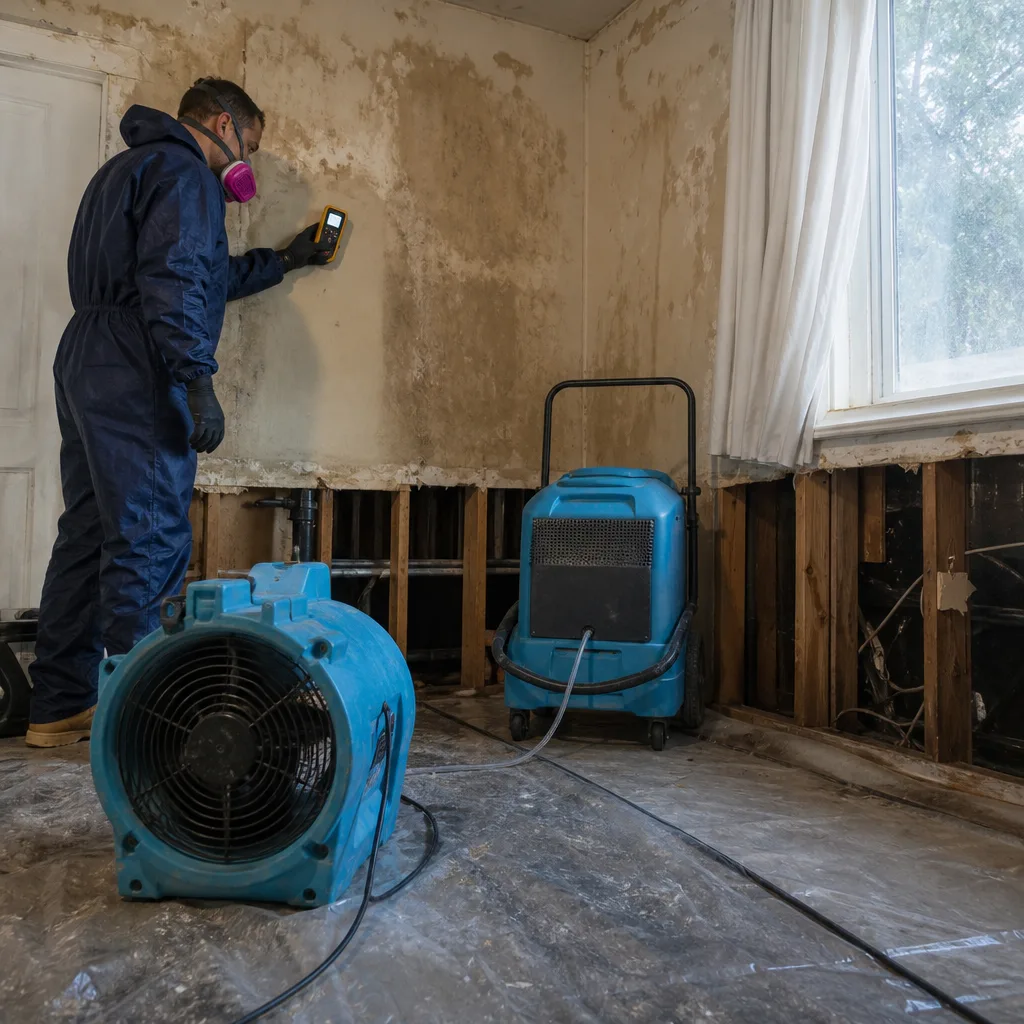 Before
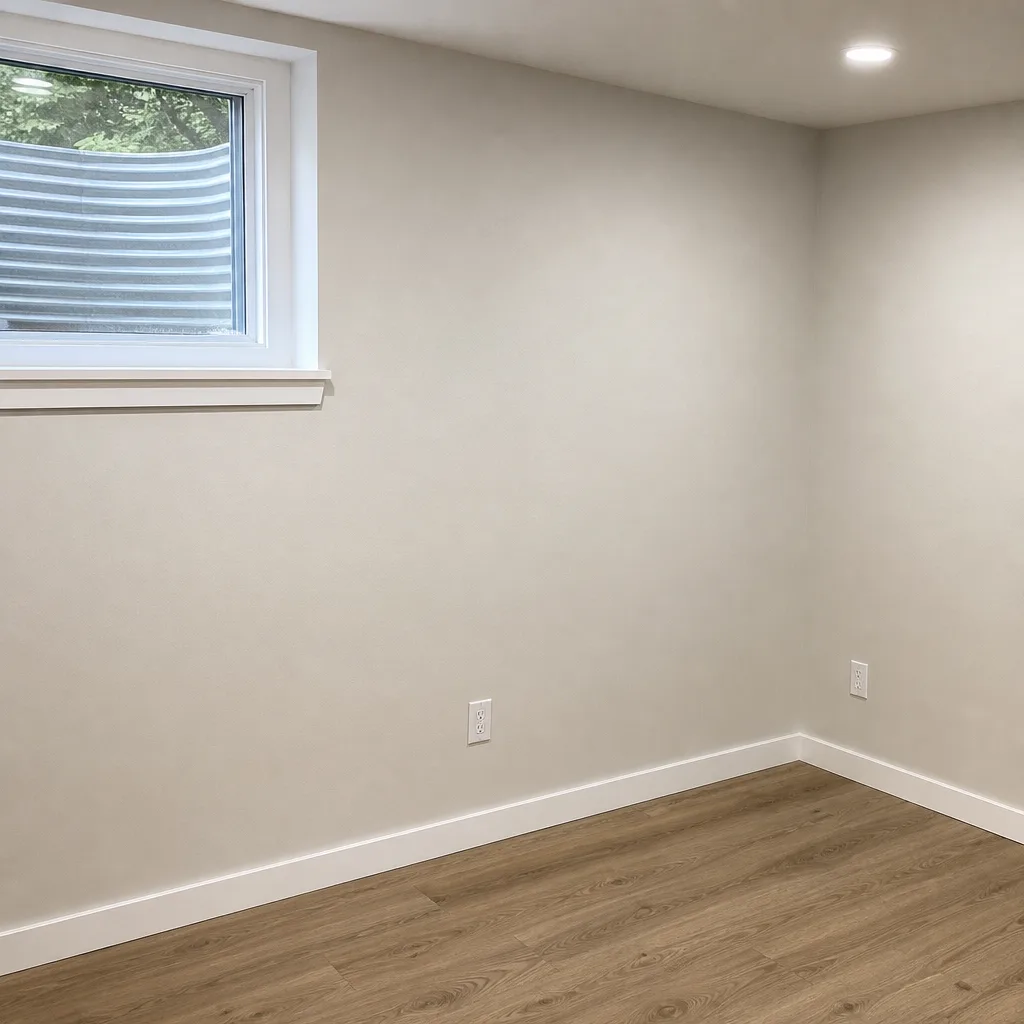 After
AfterFast, Reliable Mold Remediation Across Seattle
Mold remediation in Seattle typically costs $1,800-$6,500 depending on affected square footage, with crawl space treatments running $2,200-$4,800 and whole-home air quality restoration reaching $5,000-$8,500. Most Seattle inspections are scheduled within 24 hours, and our crews dispatch from our Seattle office to reach Ballard, Capitol Hill, Magnolia, and the Central District with equipment already loaded.
We’re Back to Dry Restoration, and we’ve spent fourteen years documenting the difference between mold that got scrubbed and mold that got solved. Seattle’s 150-plus overcast days and pre-1950 housing stock don’t forgive shortcuts. Our Mold Remediation team serves Seattle homeowners with written prices before work starts, photo records on every visit, and drying logs that satisfy adjusters. Call (253) 642-8884 for a free estimate or a free second opinion on any competitor’s written quote.
Why Back to Dry Restoration Is Seattle’s Preferred Mold Remediation Company
Seattle homeowners measure trust by what they can verify. We give them documentation: a written price stamped Haven Standard, Clause 1, before anyone opens a truck; daily moisture logs with psychrometric data - temperature, relative humidity, and vapor pressure differential, which is the force that drives moisture through building materials; and a photo record on every visit, not as an upsell, but as standard deliverable.
Our crews know the local failure patterns. We’ve treated mold in Craftsman bungalows off Columbia City’s main corridor, in Capitol Hill basements with failed perimeter drains, and in Magnolia homes where slope movement redirected groundwater against stem walls for three wet seasons running. That local pattern recognition means we find the moisture source competitors miss.
Live phone coverage runs 24 hours a day, 7 days a week - no voicemail trees, no next-business-day callbacks while relative humidity climbs past 60% in your crawl space. Alicia Brennan built this company in 2011 after years as a claims adjuster watching homeowners lose coverage fights for lack of documentation. We don’t repeat that mistake.
Our Mold Remediation Services in Seattle
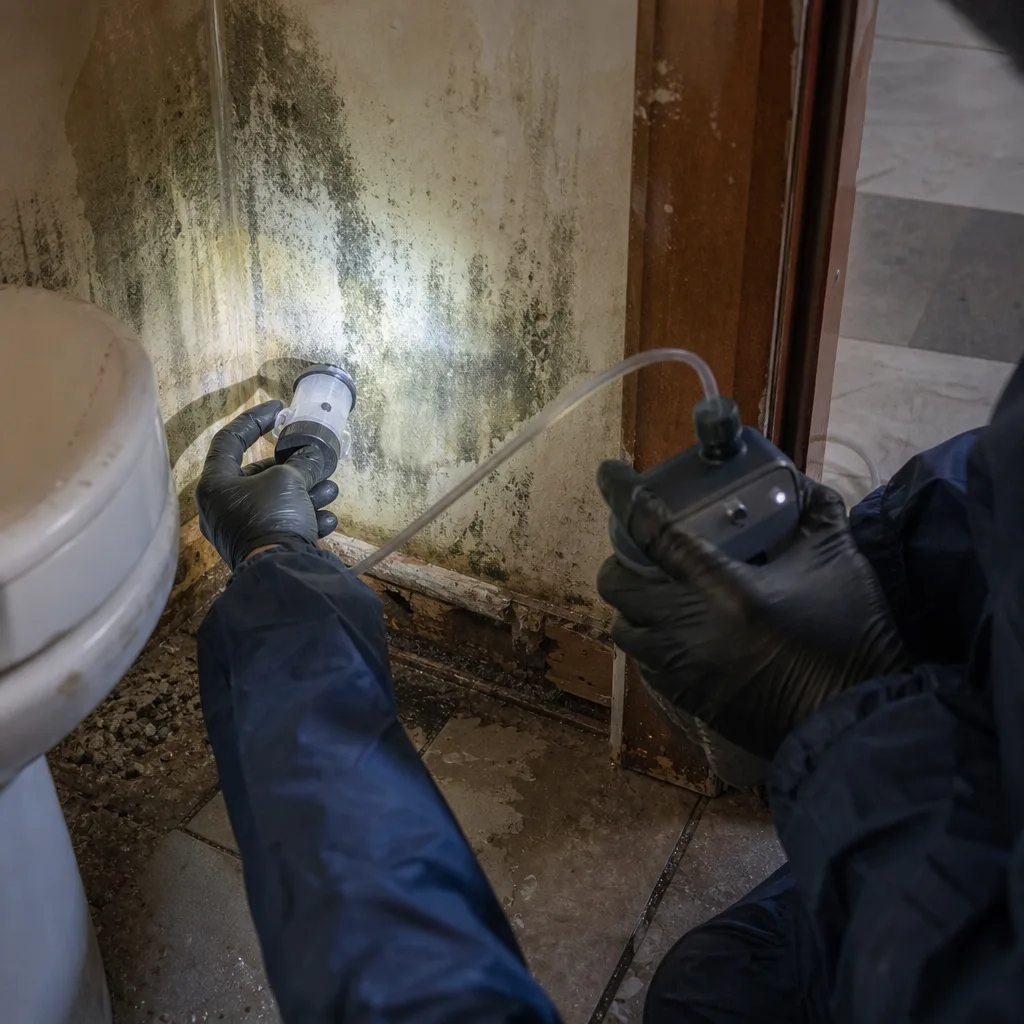
Mold Inspection & Testing
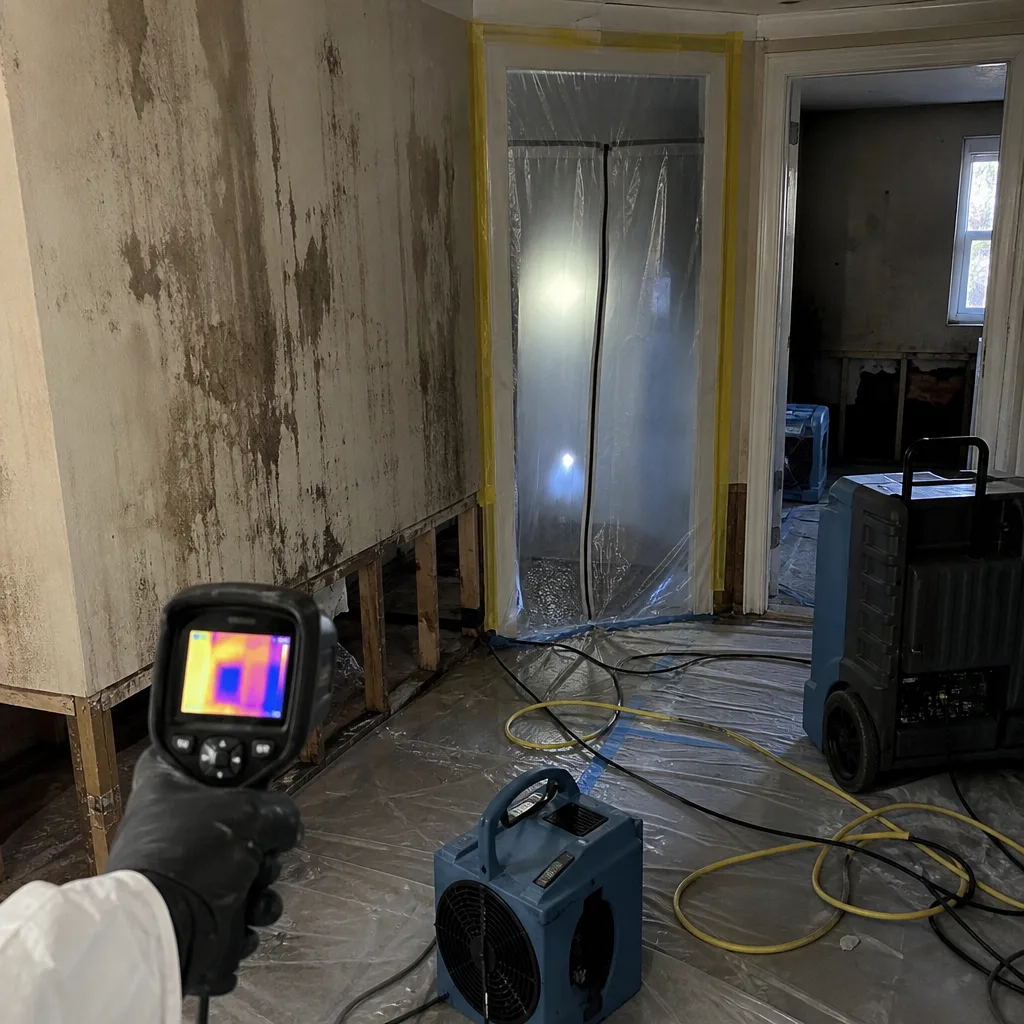
A proper Seattle mold inspection starts with moisture mapping, not a visual once-over. In Ballard and the Central District, we regularly find rim joists reading 22% wood moisture content - four points above the 18% threshold where mold colonizes - while the surface looks merely dusty. Our inspections document affected square footage, material classification by trade name, and moisture readings at multiple depths. Air sampling and surface testing follow when needed for adjuster documentation. The written scope specifies exactly what we found, where, and what it’ll take to fix it.
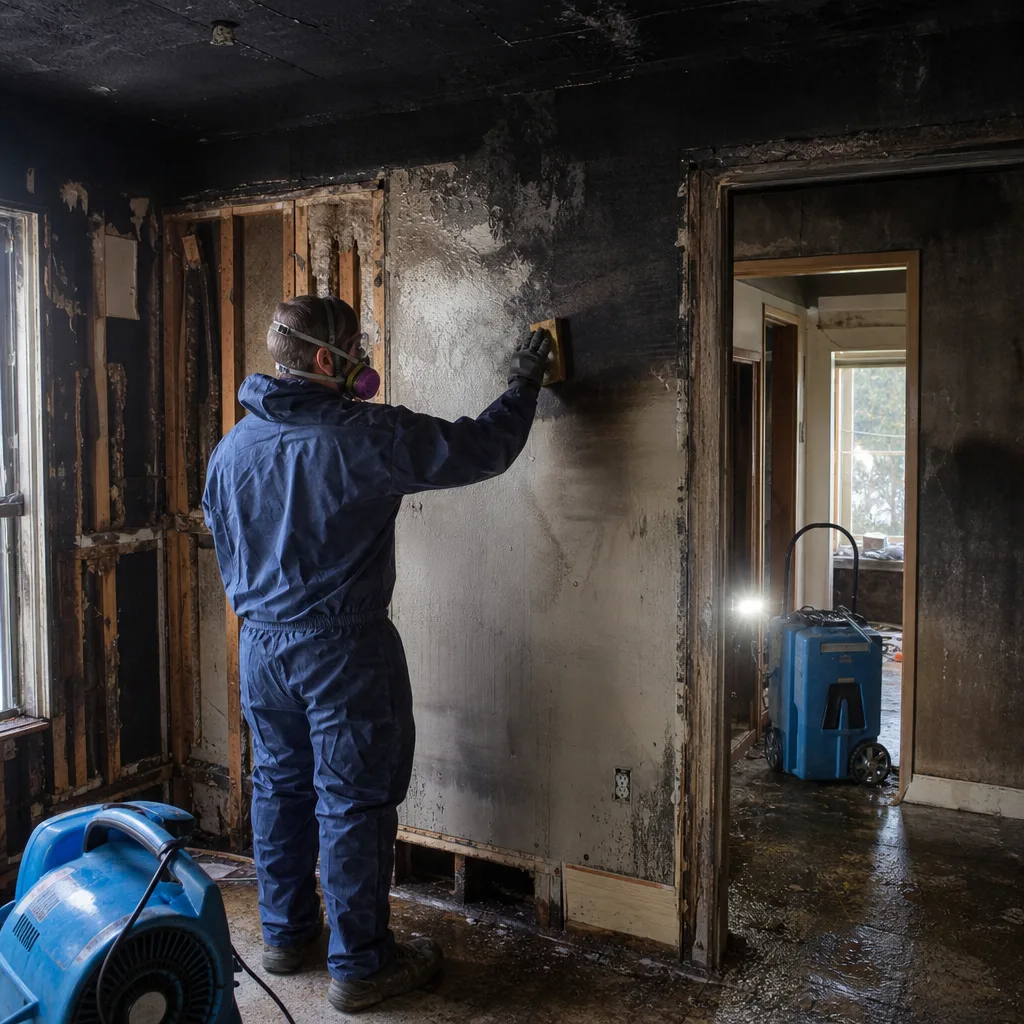
Mold Removal
Removal in Seattle means containment, HEPA filtration, and source-controlled demolition of non-salvageable materials - followed by antimicrobial treatment of remaining framing. But removal without fixing the wet crawl space or failed drainage is temporary. On Seattle’s clay till hillsides, groundwater wicks under stem walls all November through March. We sequence remediation with vapor barrier replacement, drainage improvements, or geotechnical coordination where slope movement is involved. Haven Standard, Clause 1: written price before work begins, every time.
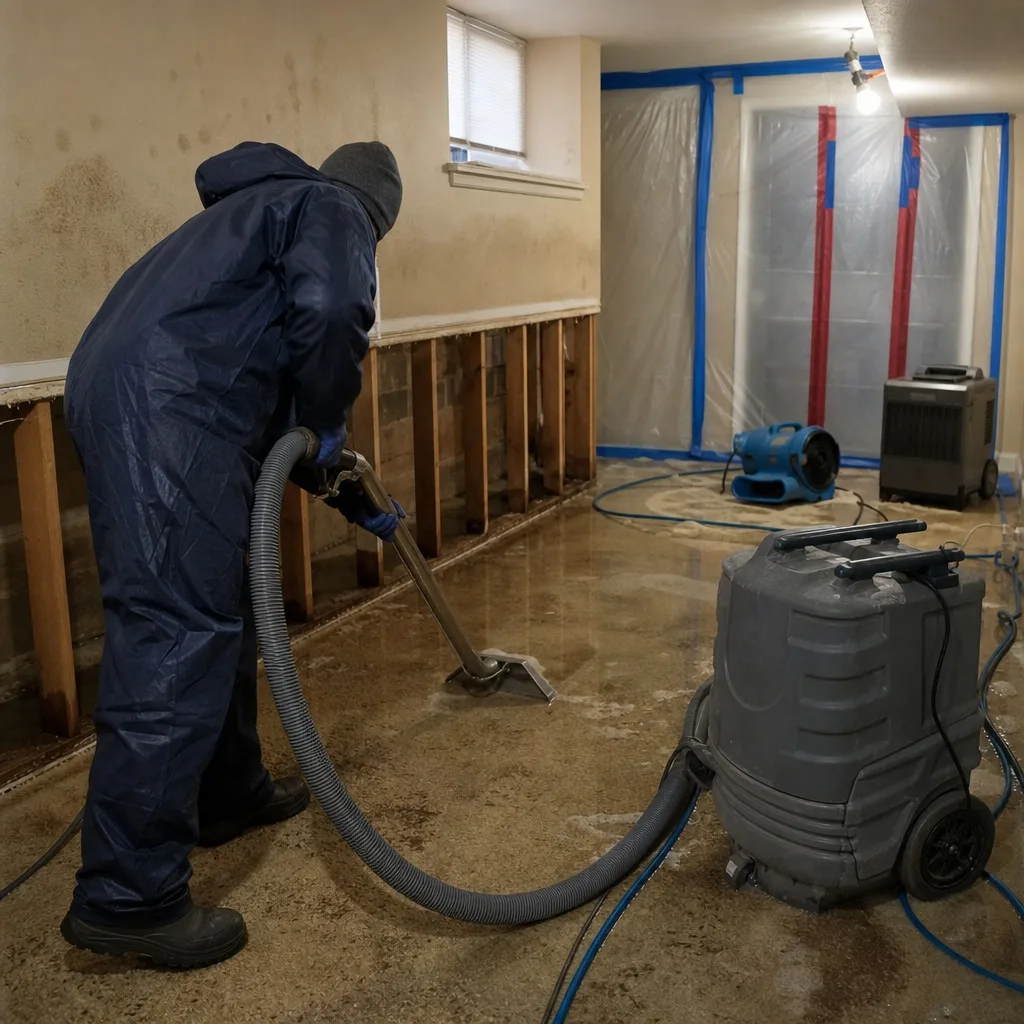
Black Mold Remediation
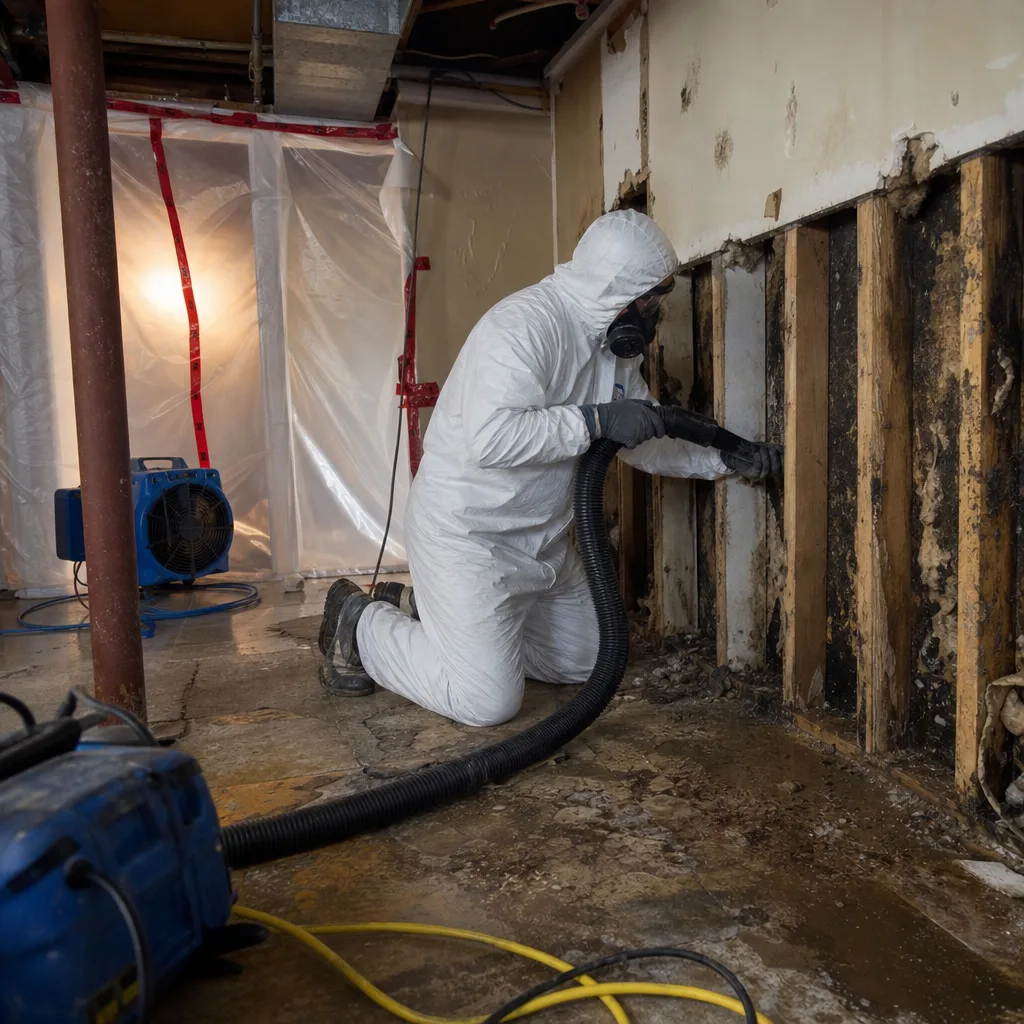
Stachybotrys chartarum and other toxigenic species thrive on cellulose that’s stayed wet long enough. In Seattle’s marine climate, that timeline compresses. A slow roof leak or crawl space seep that would self-correct in drier regions stays wet for months here. Black mold remediation requires full containment with negative air pressure, PAPR-equipped technicians, and disposal as regulated material. We document every step for insurer review and provide clearance testing before containment comes down.
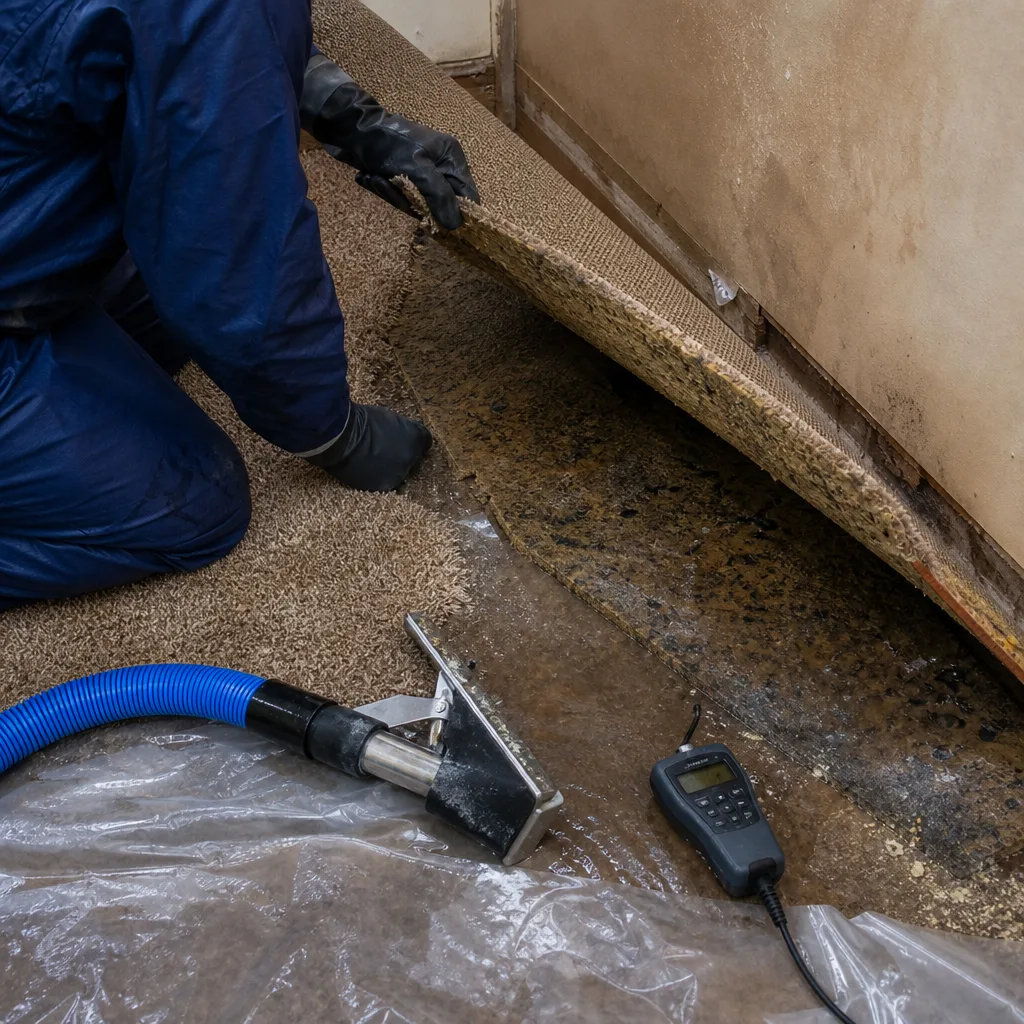
Air Quality Restoration
Whole-home air quality restoration addresses HVAC contamination, settled spores, and residual MVOCs - the microbial volatile organic compounds that cause the musty odor even after visible mold is gone. In Seattle’s tight, energy-efficient homes, these compounds recirculate rather than dissipating. We clean ductwork, deploy HEPA air scrubbers, and verify particulate counts with laser particle counters before signing off. The 365-Day Done Right Promise applies: if it’s not done right, we make it right.
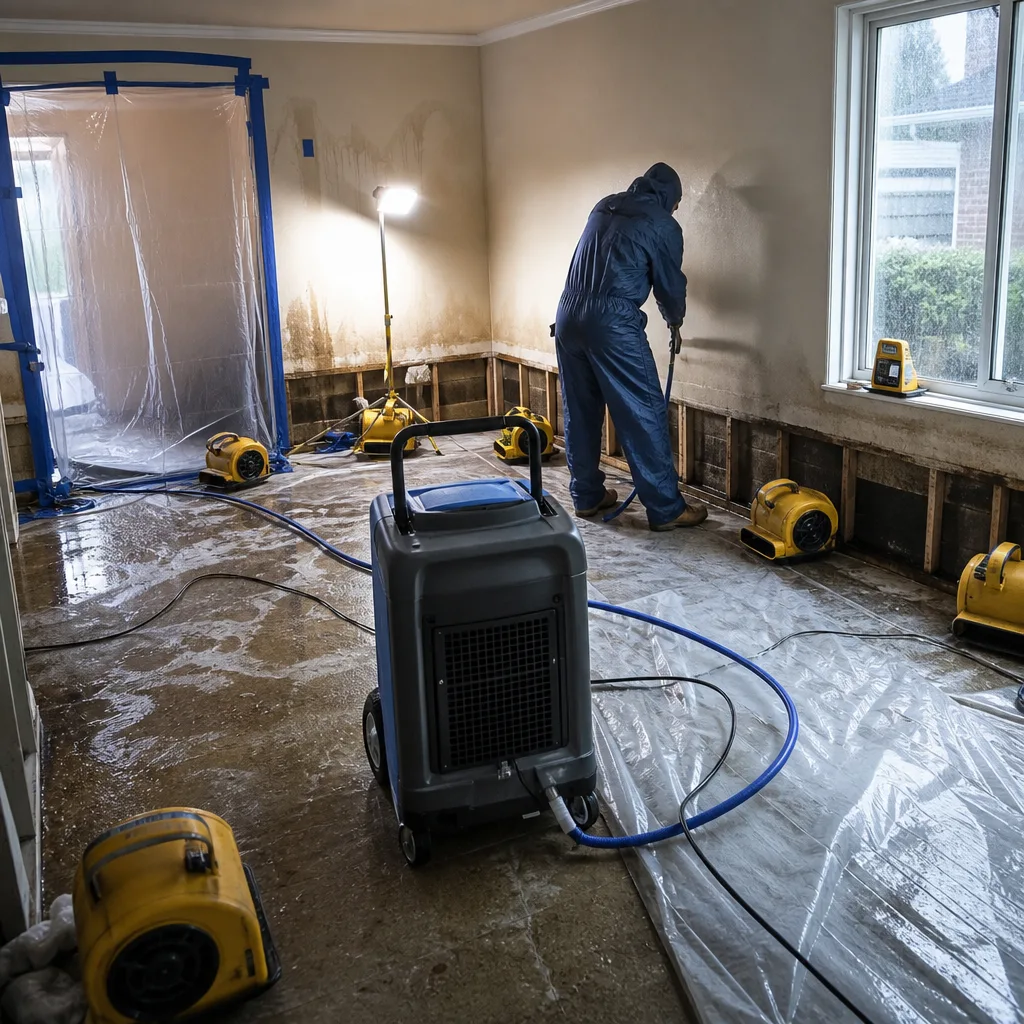
Crawl Space Treatment
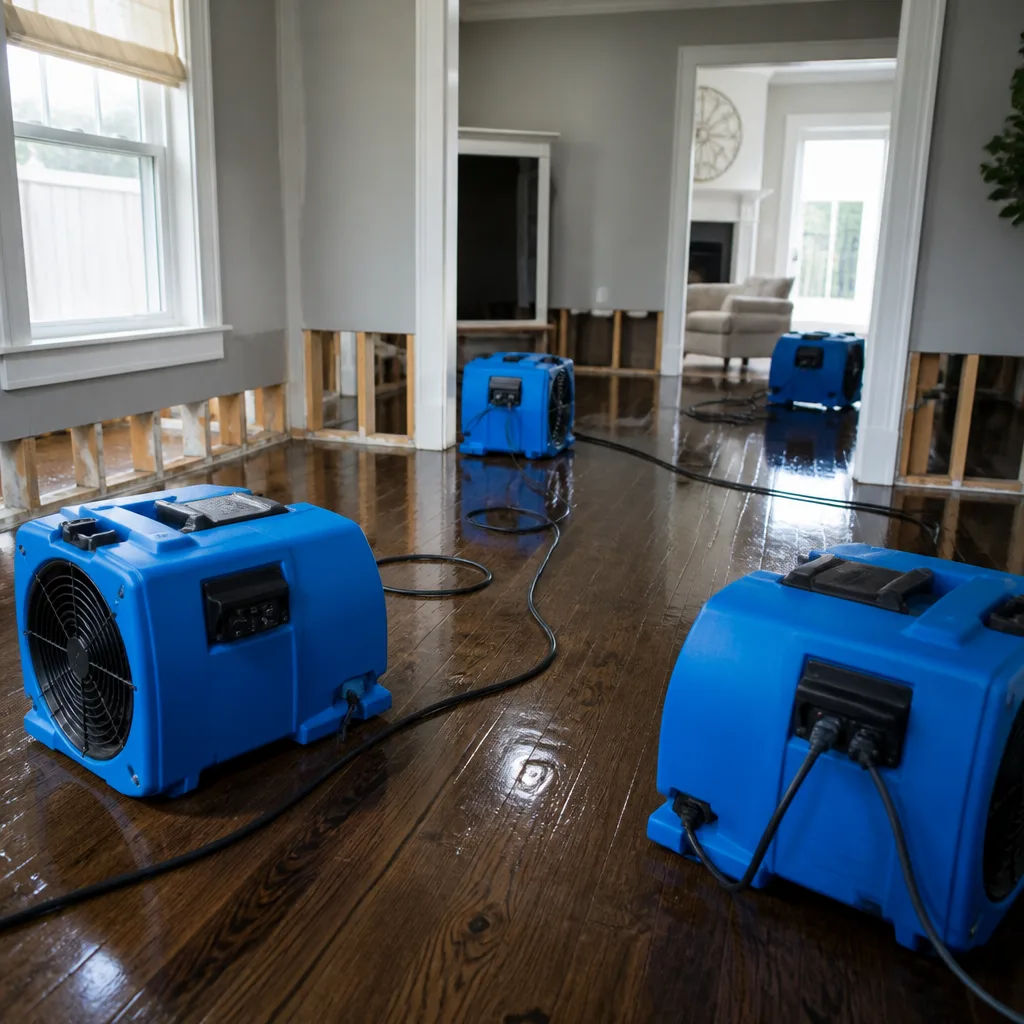
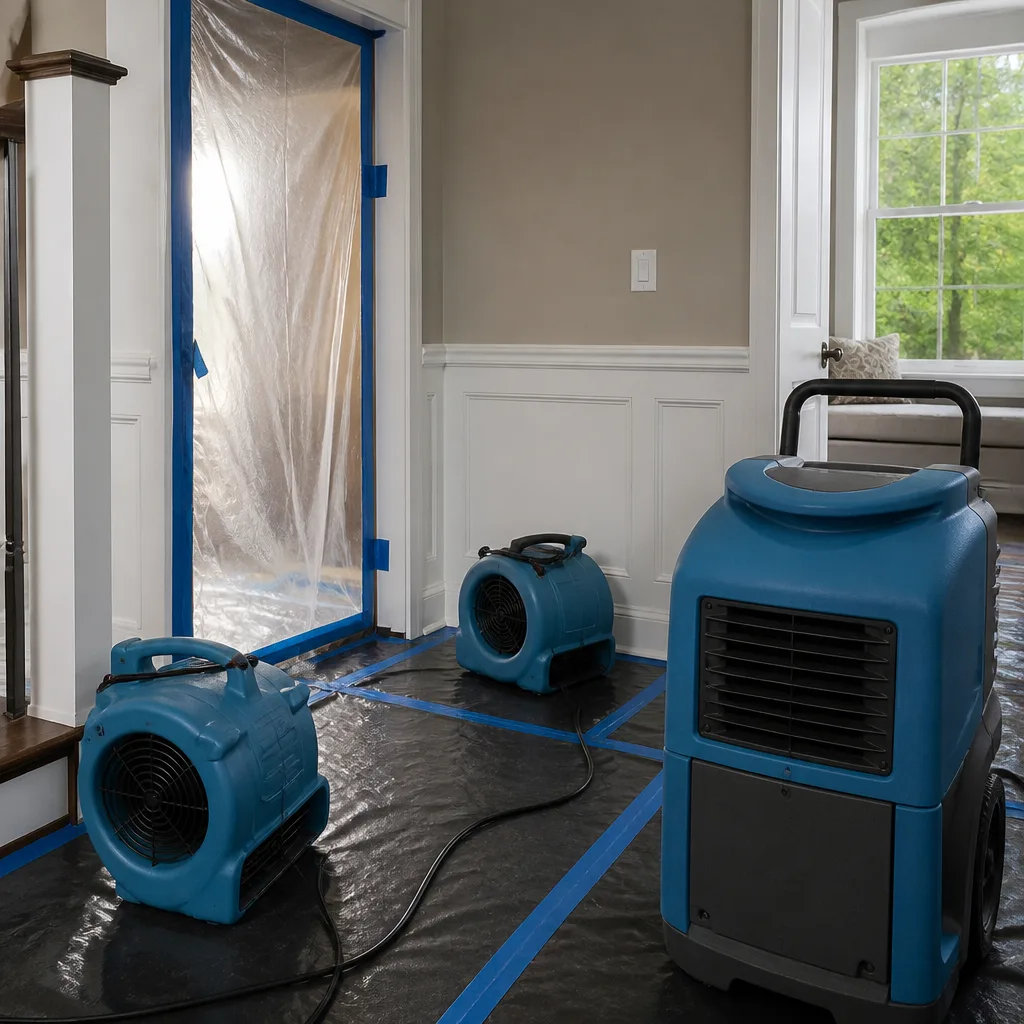
Seattle’s crawl spaces are where most mold problems start and where most remediation efforts fail. Vented dirt crawl spaces in pre-1950 homes - the majority in Ballard, Columbia City, and the Central District - pull humid marine air across cool framing surfaces, creating condensation even without groundwater intrusion. Our crawl space treatment includes standing water extraction, structural drying with Dri-Eaz dehumidifiers and XPOWER air movers, antimicrobial application, and new vapor barrier installation. We log daily moisture readings until framing hits dry standard, documented to IICRC S520.
Moisture & Humidity Control
Control means more than a dehumidifier in the basement. In Seattle, it means managing the vapor pressure differential that drives moisture through slab edges, stem walls, and rim joists. We install sealed crawl space systems, grade drainage away from foundations, and specify mechanical dehumidification sized to the home’s envelope leakage and internal moisture load. Every recommendation includes the moisture reading that triggered it and the target reading that ends the job.
What happens when you call
- 1
A real person answersNo phone trees - you reach a local pro.
- 2
You get an upfront price rangeHonest numbers before anyone is dispatched.
- 3
A background-checked tech heads outLicensed & insured, dispatched right away.
- 4
You approve before work beginsNothing starts until you say go.
 Before
 After
AfterTrusted Standards and Equipment We Deploy in Seattle
Our equipment comes from Dri-Eaz, Phoenix, XPOWER, B-Air, and Injectidry - names that appear on adjuster-approved drying plans nationwide. We stock HEPA air scrubbers, refrigerant and desiccant dehumidifiers, and injection drying systems for hardwood floors and wall cavities. For Seattle homeowners, this means no waiting for equipment to ship from a warehouse in another state. Our Seattle office pre-loads trucks with the dehumidification capacity to handle a wet-season crawl space job start to finish. All work is documented to IICRC, RIA, and IFA standards, producing the daily drying logs that turn restoration invoices into payable claims.
Common Mold Remediation Problems We See in Seattle Homes
- Treating mold as the problem instead of the wet crawl space. On Seattle’s clay till and Magnolia/West Seattle slopes, groundwater keeps wicking under stem walls all wet season. Scrubbing without a vapor barrier and drainage fix guarantees a repeat. We’ve reopened jobs where competitors missed this by eighteen months.
- Skipping moisture mapping and relying on how the surface feels. Marine humidity means building assemblies here never get a real drying cycle. Undetected wet framing in a vented crawl space stays above threshold for months and recolonizes after cosmetic treatment.
- Scheduling drying by calendar instead of drying logs. Without tracked moisture readings and dehumidification run to dry standard, pre-1950 knob-and-tube-era framing and original cedar details stay wet. The mitigation fails inspection, and the homeowner pays twice.
- Ignoring Landslide Hazard Area groundwater patterns. Seattle’s Department of Construction and Inspections maps cover Magnolia, West Seattle bluffs, and Beacon Hill slopes. Mold jobs there routinely trace to slope movement and redirected groundwater that no sump pump alone solves without geotechnical coordination.
Pricing for Mold Remediation in Seattle, WA
| Service | Typical Range in Seattle |
|---|---|
| Mold inspection & moisture mapping | $350-$650 |
| Crawl space mold treatment (up to 1,000 sq ft) | $2,200-$4,800 |
| Basement mold remediation (partial) | $1,800-$4,200 |
| Whole-home air quality restoration | $5,000-$8,500 |
| Black mold remediation with containment | $3,500-$7,200 |
| Moisture control system installation | $1,500-$3,800 |
What moves a job up or down: affected square footage, accessibility (crawl spaces under 18 inches add labor), whether containment and negative air are required, and whether the moisture source is resolved within our scope or requires separate drainage or geotechnical work. Haven Standard, Clause 1 applies: you’ll receive a written price before any work starts, with no scope-creep additions once our crew is inside. Free second opinion available on any competitor’s written estimate. Call (253) 642-8884 for your exact quote - estimates are free.
We Also Serve Cities Near Seattle
Our Seattle office dispatches crews throughout the metro area, including Bellevue, Kirkland, Redmond, and Bothell. Each community shares the marine west-coast moisture profile, though hillside drainage patterns and housing vintages vary. The same documentation standards and Haven Standard guarantees apply.
Serving Seattle, WA - Our Local Coverage Area
We’re based in the Seattle area and know this community well. Use the map below to see our service coverage - if you’re nearby, we can almost certainly help.
FAQs - Mold Remediation in Seattle
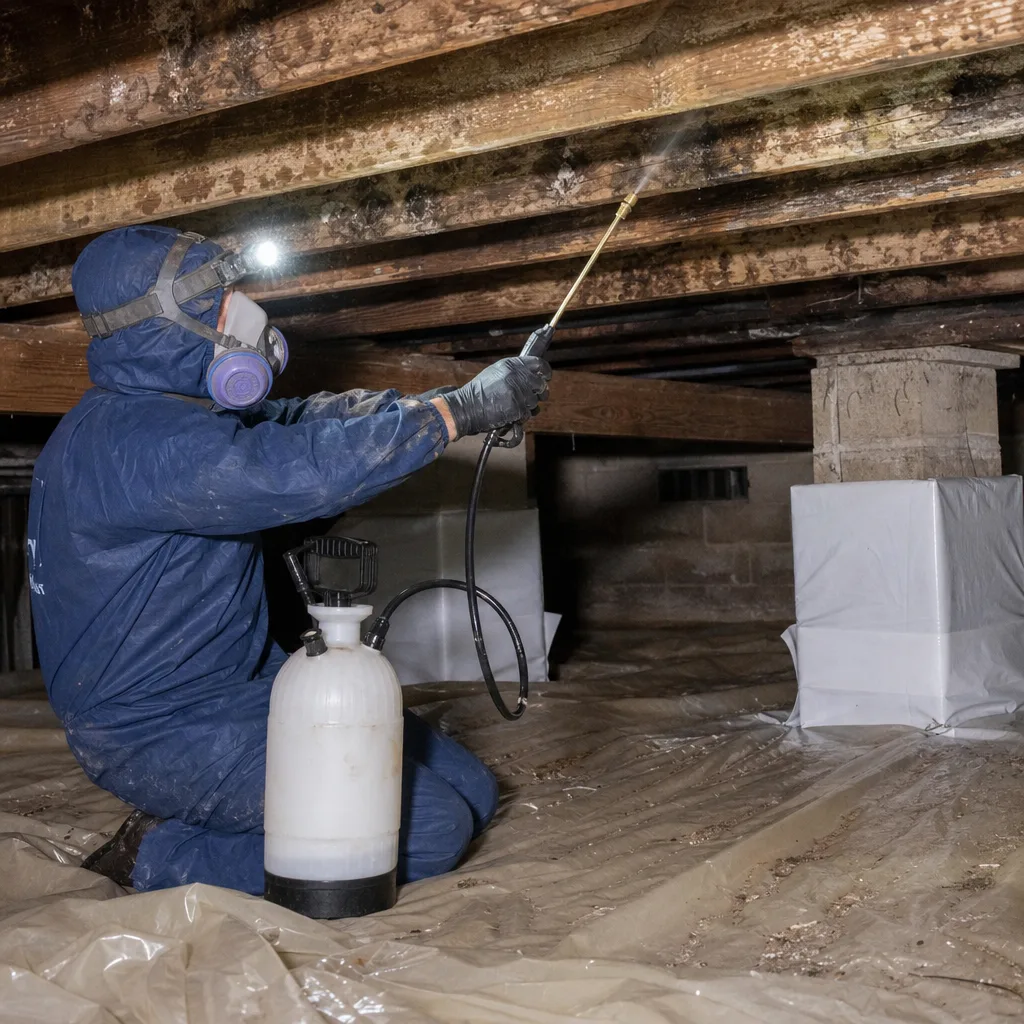
It comes back because the moisture source wasn’t fixed. Pre-1950 Craftsman bungalows in these neighborhoods have vented dirt crawl spaces with original or degraded vapor barriers, and Seattle’s marine humidity keeps relative humidity above 60% year-round. Without sealing the crawl space, installing a proper vapor barrier, and drying the framing to standard, mold recolonizes from residual moisture in the wood. We sequence remediation with moisture control, then log readings until the job is actually done. Call (253) 642-8884 for a scope that includes the fix, not just the cleanup.
Mold colonization begins in 24-72 hours on wet organic materials, but in Seattle’s climate, the timeline shortens because surfaces rarely dry on their own. A crawl space with 70% ambient relative humidity and 55°F concrete slab temperature will sustain mold growth indefinitely, even without a new water intrusion event. That’s why we emphasize rapid moisture mapping and structural drying, not just waiting to see if mold appears. Call (253) 642-8884 for same-day inspection scheduling.
Yes. Seattle’s Landslide Hazard Area maps cover large parts of Magnolia, the West Seattle bluffs, and Beacon Hill, so mold jobs on those slopes usually trace back to redirected groundwater and slope movement against stem walls rather than a burst pipe. Remediation there has to be sequenced with drainage and geotechnical fixes or it comes back every wet season. We’ve coordinated with geotechnical engineers on slope stabilization and perimeter drainage redesign as part of comprehensive mold mitigation. The written scope specifies which elements we handle and which require specialist coordination.
Category 1 is clean water from a supply line; Category 2 is gray water with significant contamination, like dishwasher discharge or seepage through foundation walls; Category 3 is black water from sewage or ground flooding. The category determines antimicrobial protocol, personal protective equipment, and whether materials must be discarded rather than dried. In Seattle, crawl space seepage through clay till soils often tests as Category 2 due to soil contaminants, changing both the remediation approach and the documentation required for insurance. We classify and document water category on every job, per IICRC S500.
We deploy Dri-Eaz and Phoenix refrigerant dehumidifiers sized to the crawl space volume and target grains per pound, plus XPOWER air movers to disrupt boundary layer moisture at framing surfaces. For severely saturated assemblies, Injectidry systems pull vapor from enclosed cavities through small access holes. In Seattle’s marine climate, standard residential dehumidifiers lack the capacity to overcome the constant moisture load - our commercial units extract 12-16 gallons per day under typical winter conditions, with daily logs tracking specific humidity and wood moisture content until dry standard is achieved. Call (253) 642-8884 to schedule an assessment with equipment specifications for your home.
We ran a mold job on a 1920s Craftsman bungalow off Magnolia Boulevard where the vented dirt crawl space had stayed above 70% relative humidity through the whole November-March wet season, feeding black mold up the rim joists and subfloor. After moisture mapping and category 2 extraction of the standing seep water, we set containment, ran Dri-Eaz dehumidifiers and XPOWER air movers for structural drying, applied antimicrobial treatment to the joists, and laid a new vapor barrier - then logged daily moisture readings until the framing hit dry standard before closing the scope of work.
Written by Alicia Brennan, Owner at Back to Dry Restoration, serving Seattle since 2011.