
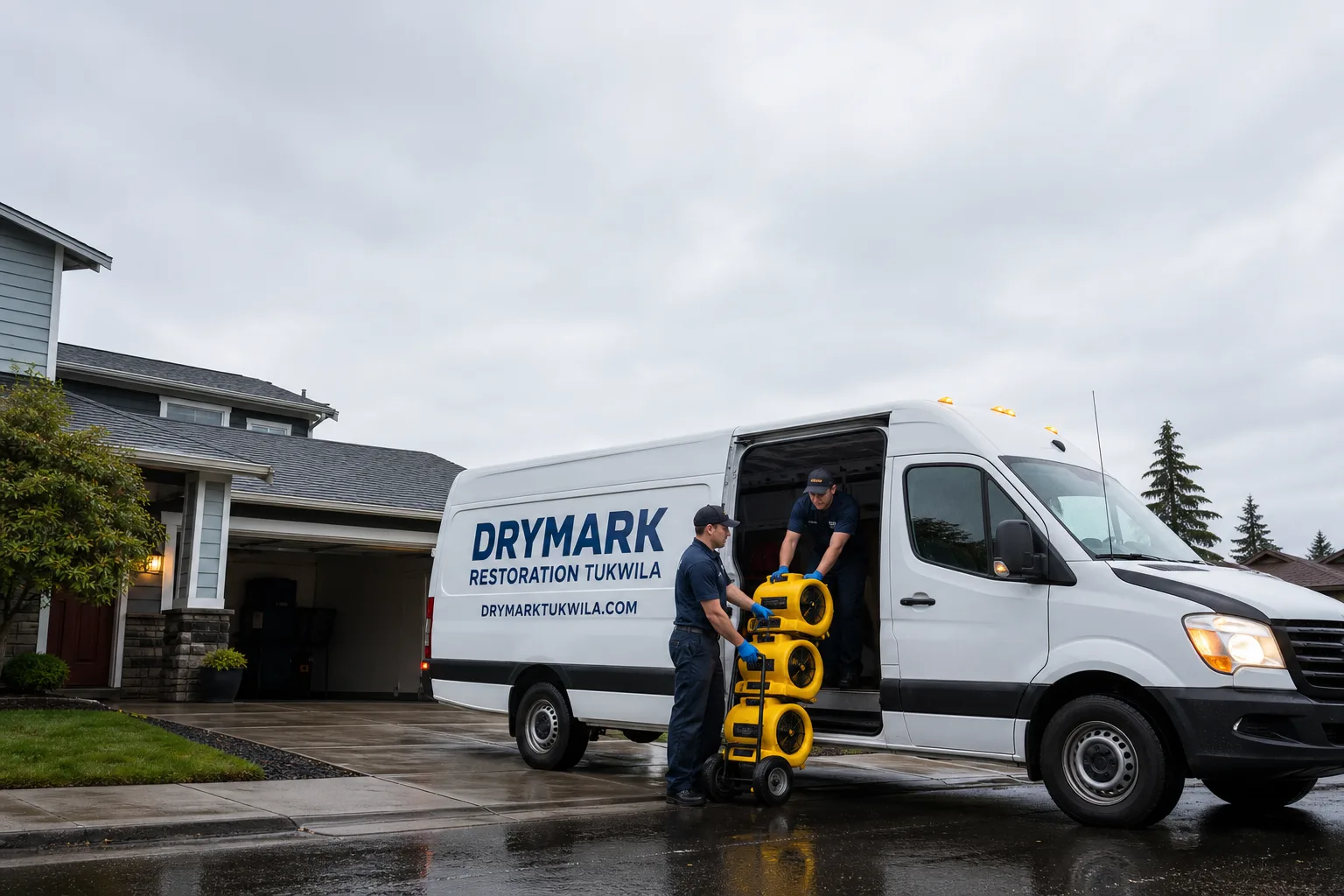
Free visual inspection and a written scope of work before any mitigation begins - photos, moisture readings, and drying logs go in your claim file
The scope we write is the scope we bill. Anything new gets shown to you, in writing, before we touch it.
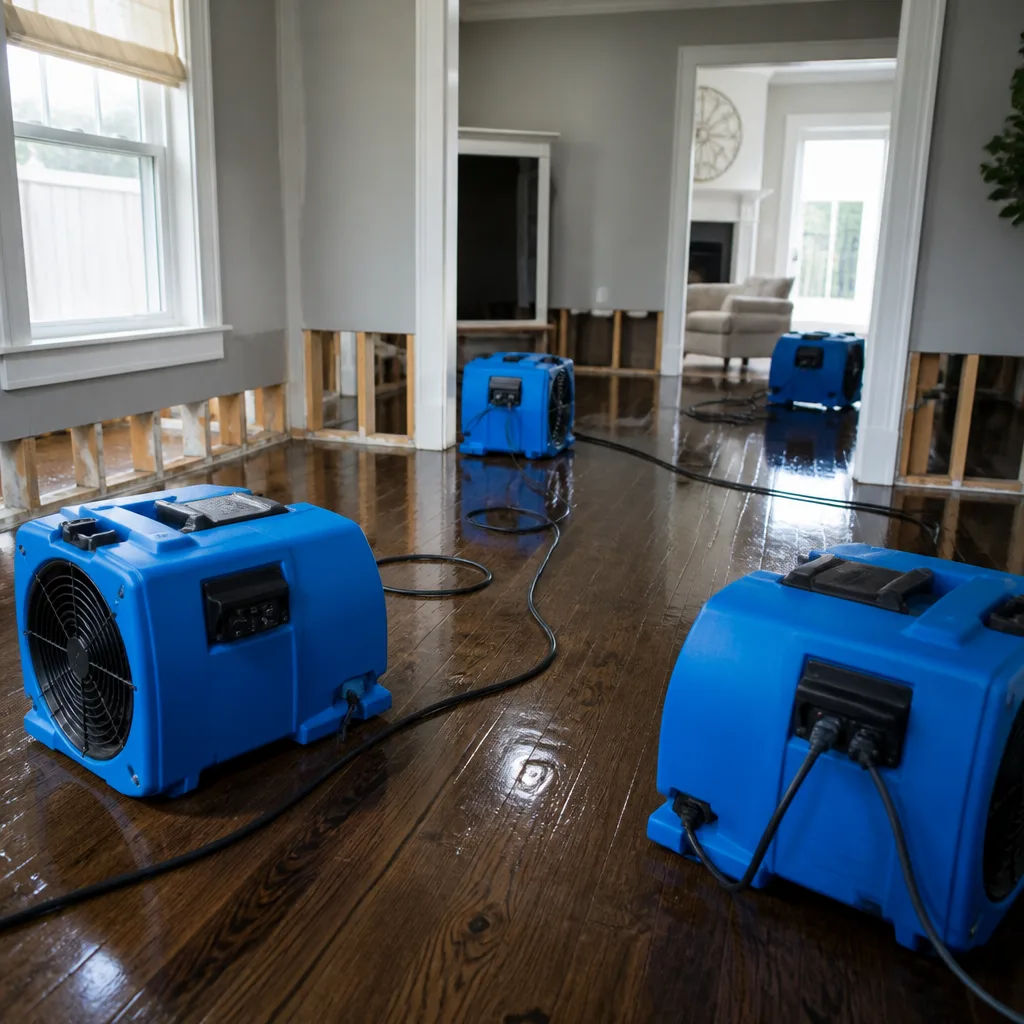
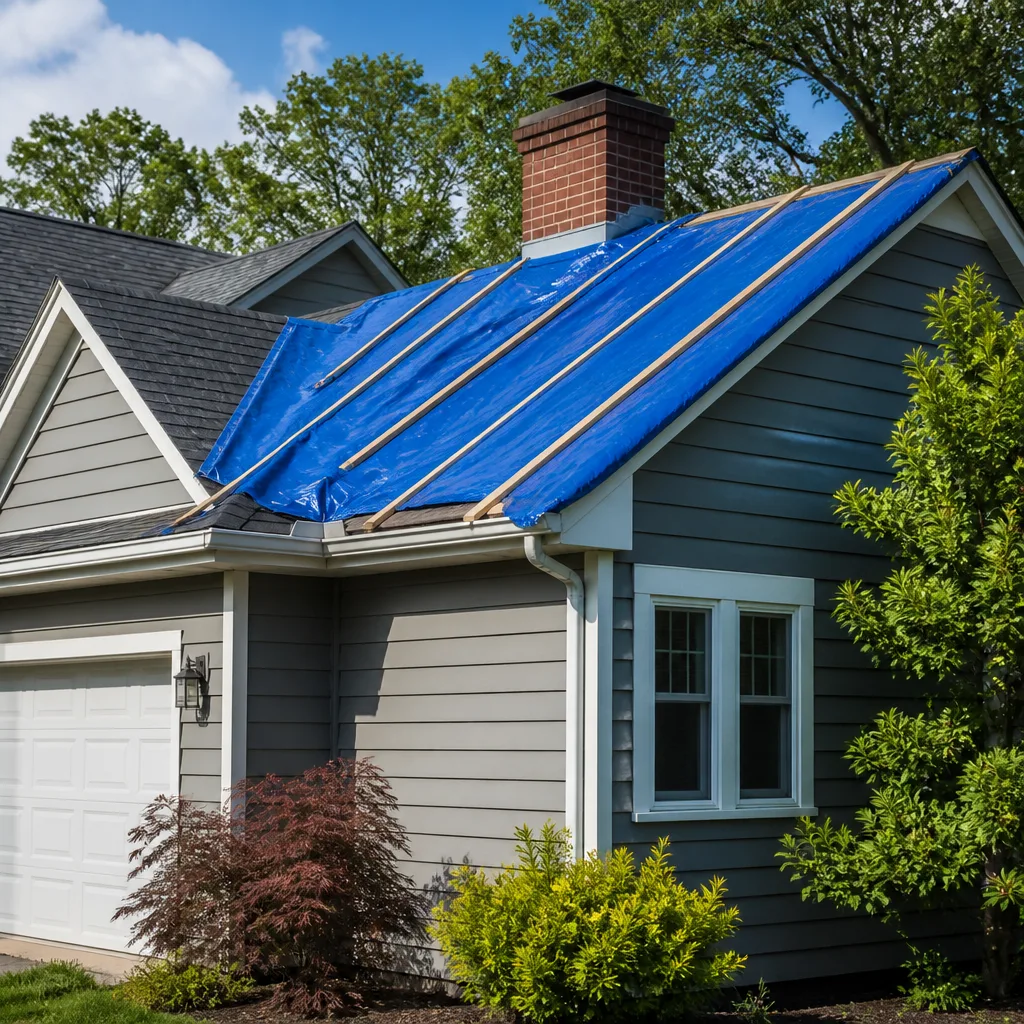
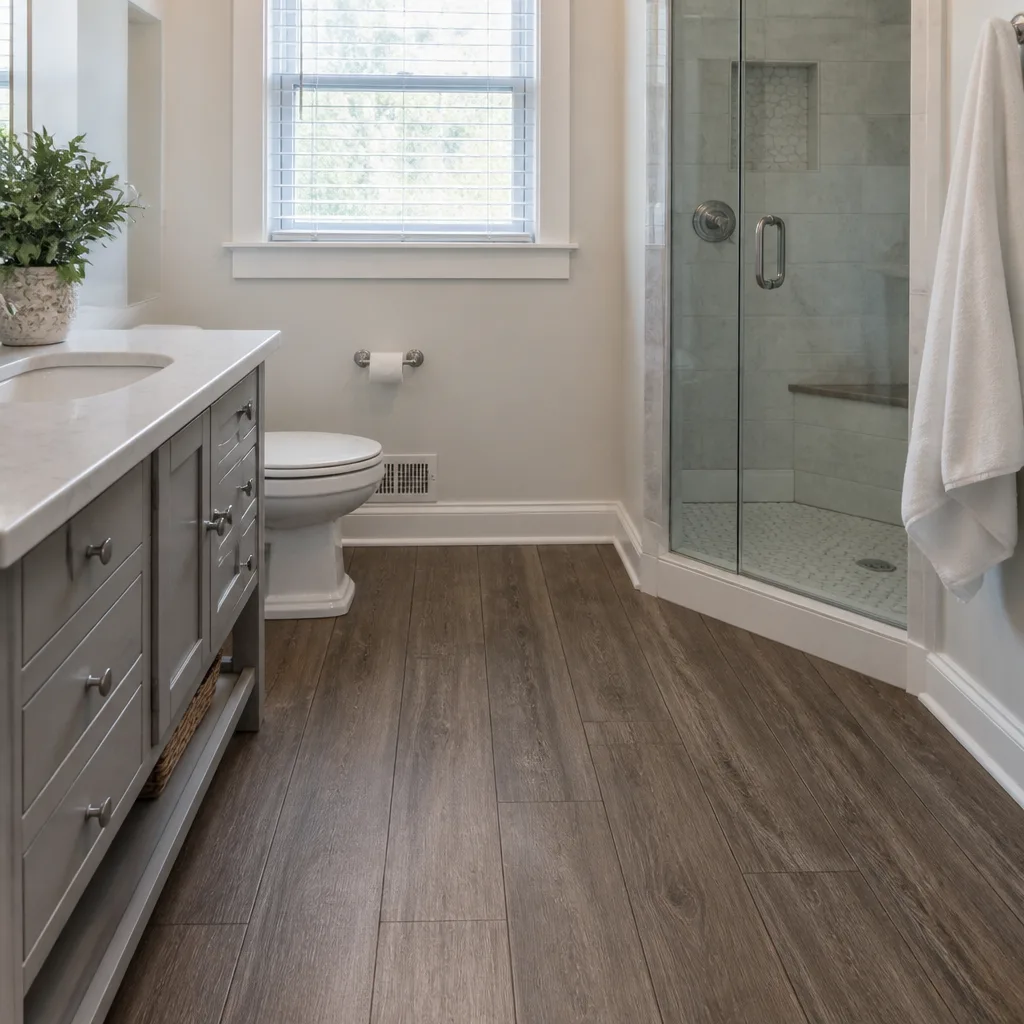
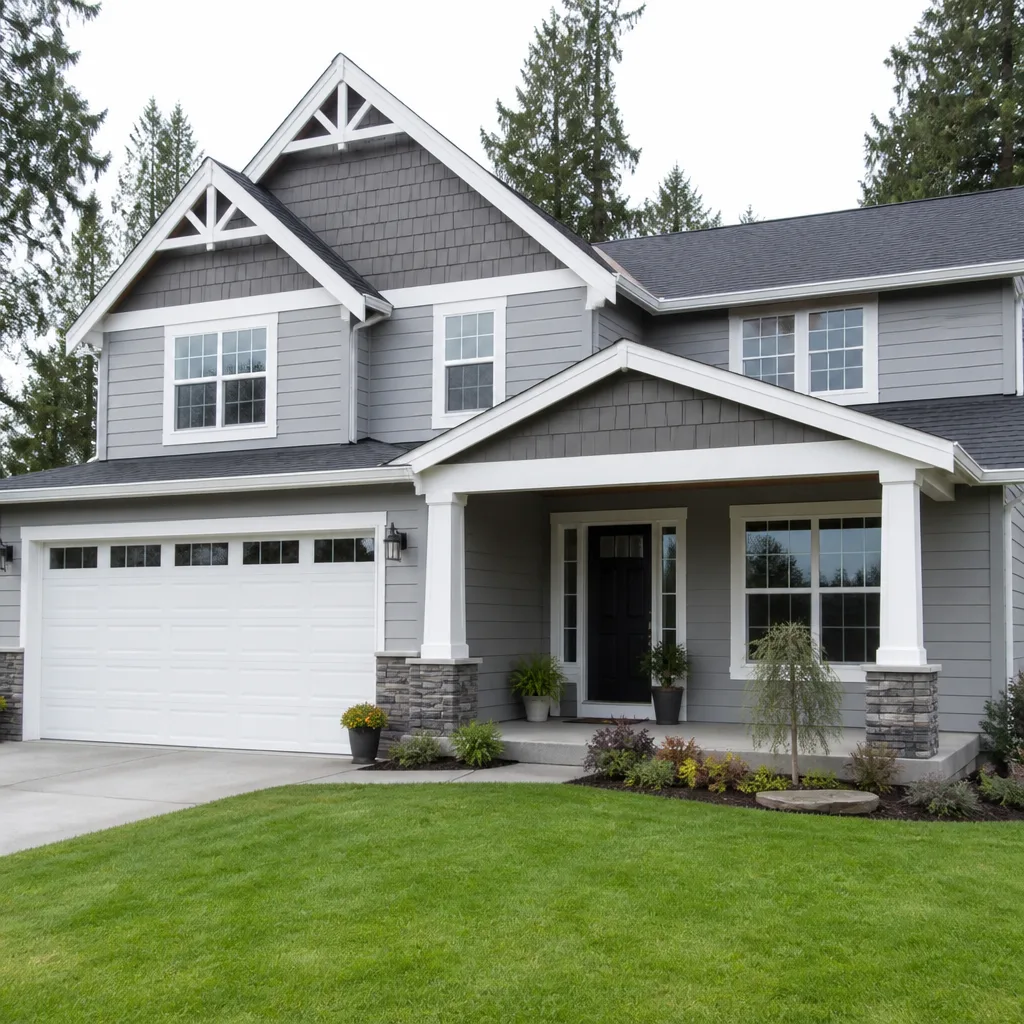
 Before
 After
After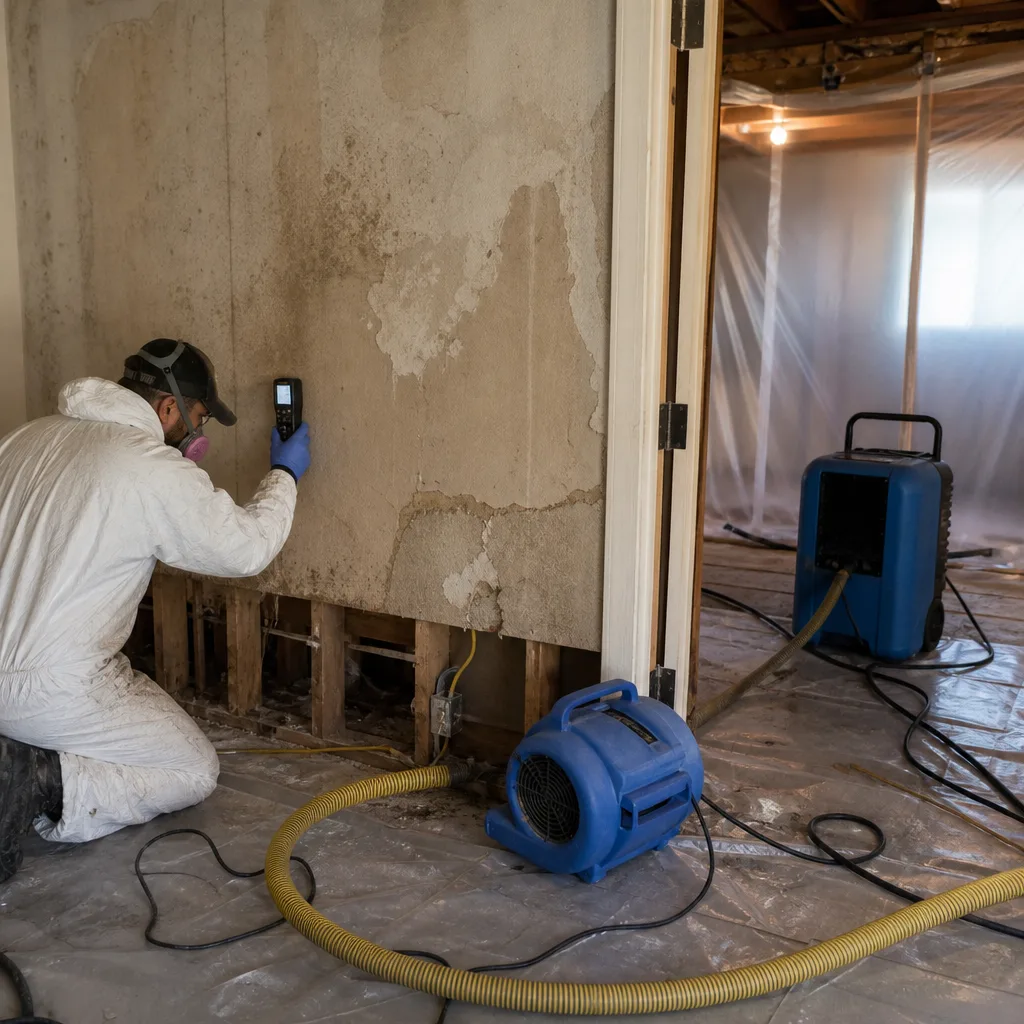 Before
 After
After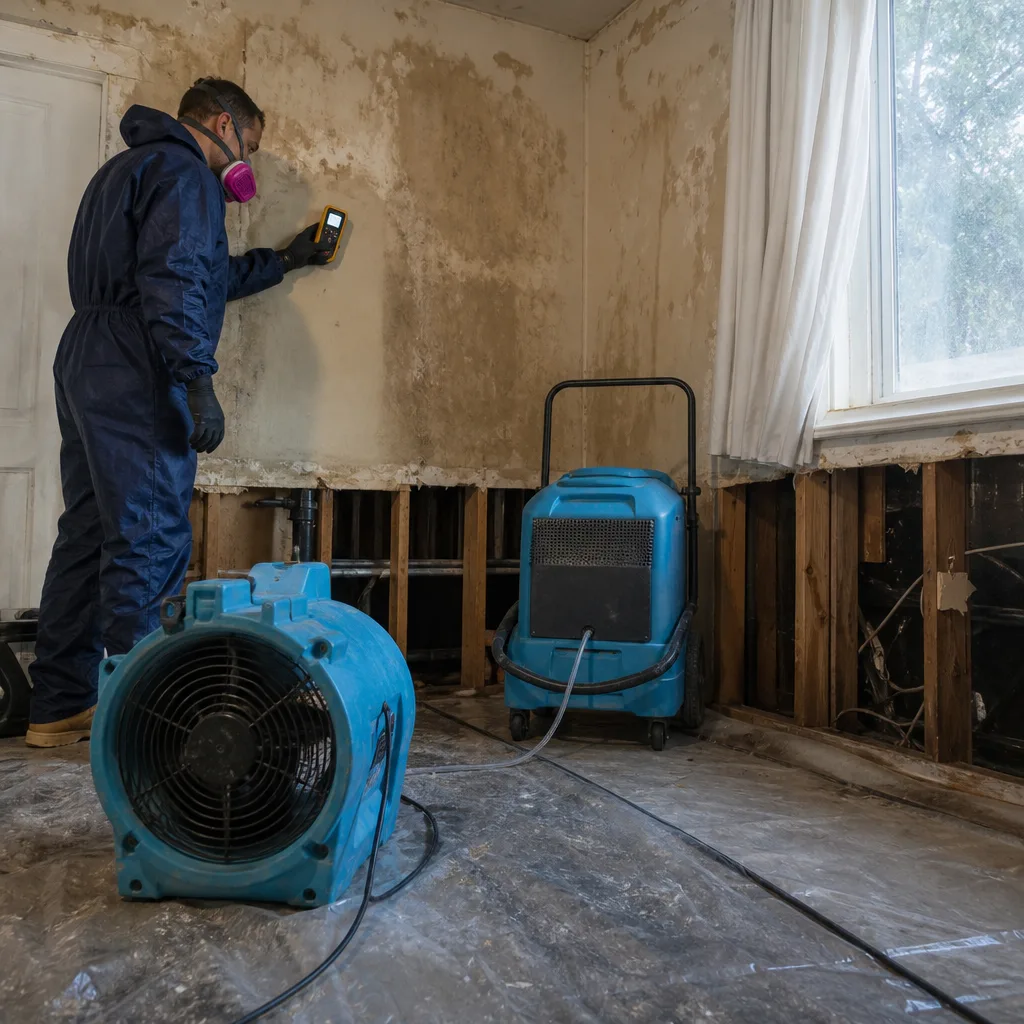 Before
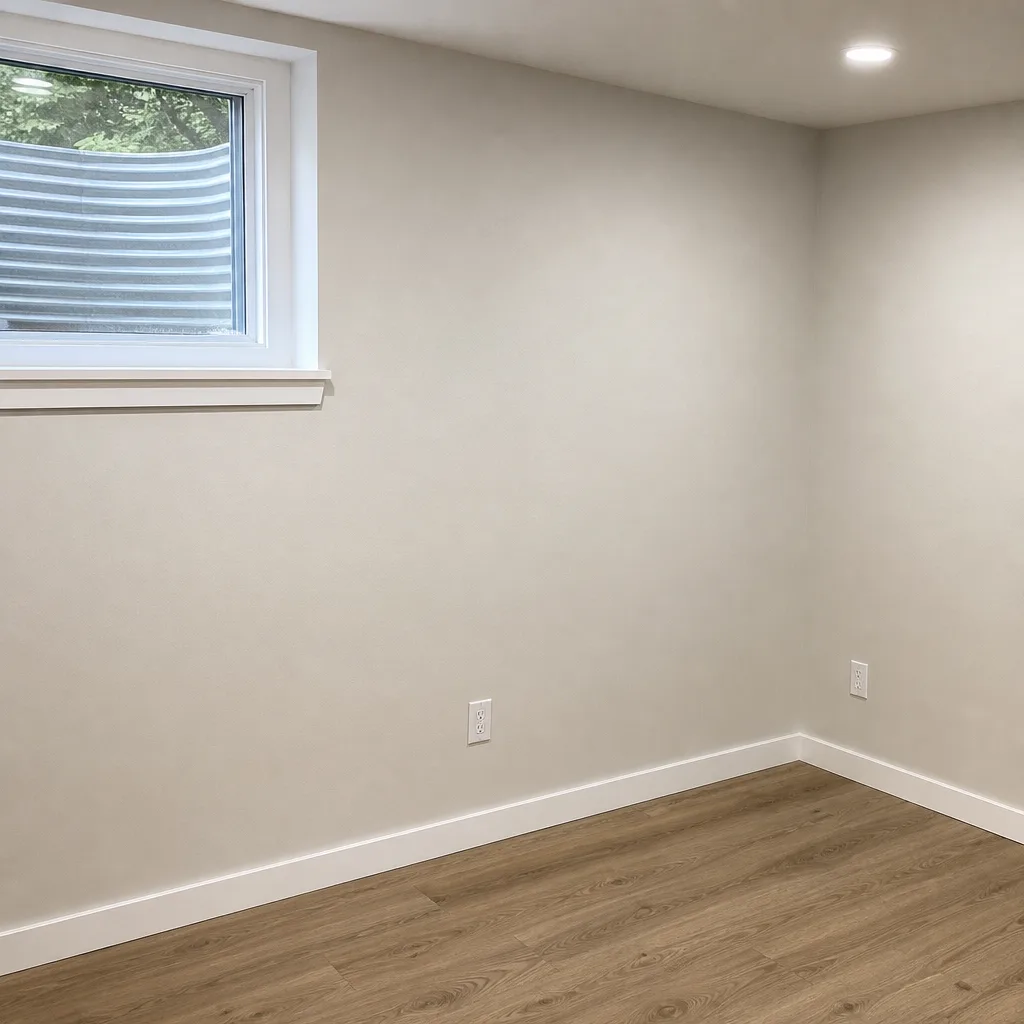 After
AfterFast, Reliable Mold Remediation Across Puyallup
Mold remediation in Puyallup typically runs $1,800-$6,500 depending on affected square footage and whether the job involves crawl space treatment or full structural drying, and most inspections can be scheduled within 24 hours with a written scope delivered before any work starts. If you’re seeing musty odors, visible growth, or elevated moisture readings in a Puyallup home, call (253) 642-8884 - we answer live, 24 hours a day.
We serve Puyallup from our Seattle office, with crews who know the difference between a lower-valley pier-and-beam crawl space and a South Hill slab-on-grade foundation. That local construction fluency matters because the wrong drying protocol for your foundation type leaves moisture behind, and moisture left behind becomes mold. In Puyallup’s climate, that window is short.
Why DryMark Restoration Tukwila Is Puyallup’s Preferred Mold Remediation Company
We’ve restored more than 12,000 homes since 2011, every one with a written price before work began and a documented photo record when the crew left. Puyallup homeowners find us through referrals from local insurance adjusters who’ve learned that our daily drying logs and moisture documentation keep claims moving without dispute.
Our reviews from Puyallup customers consistently cite two things: the written scope that arrived before anyone touched a tool, and the photo documentation that showed exactly what was found and what was done. No verbal estimates, no scope creep once the crew was inside - Haven Standard, Clause 1.
Response time to Puyallup is typically same-day for active water or mold emergencies, next-day for inspection and testing appointments. We don’t ask you to wait through a voicemail tree; a live person answers every call.
What separates our Puyallup work is sediment-aware drying. After Puyallup River flooding, glacial-silt-heavy floodwater compacts beneath pier-and-beam foundations in the lower valley and traps moisture against wood framing for months. Crews who treat Puyallup crawl spaces like standard upland Pierce County jobs miss this layer entirely. We probe the soil on every lower-valley foundation job, document what we find, and adjust the drying protocol accordingly.
Our Mold Remediation Services in Puyallup
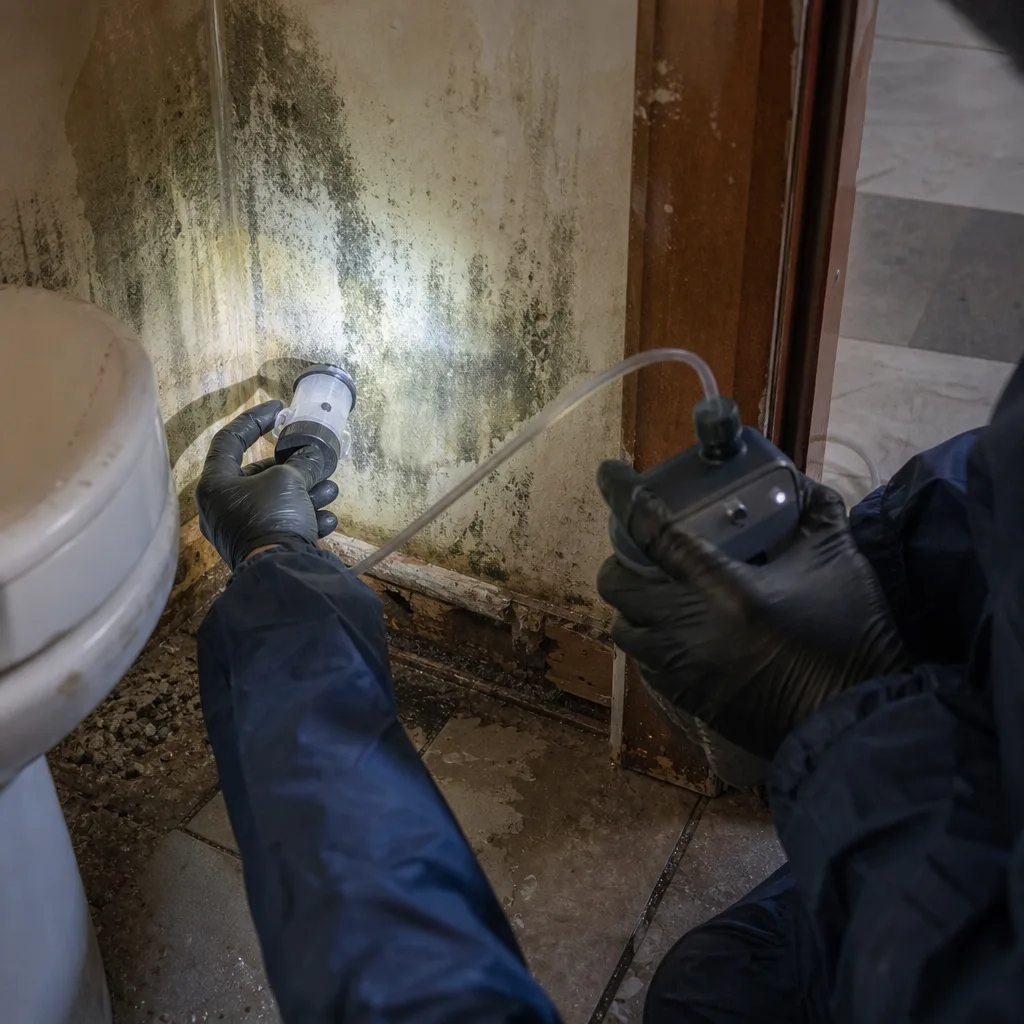
Mold Inspection & Testing
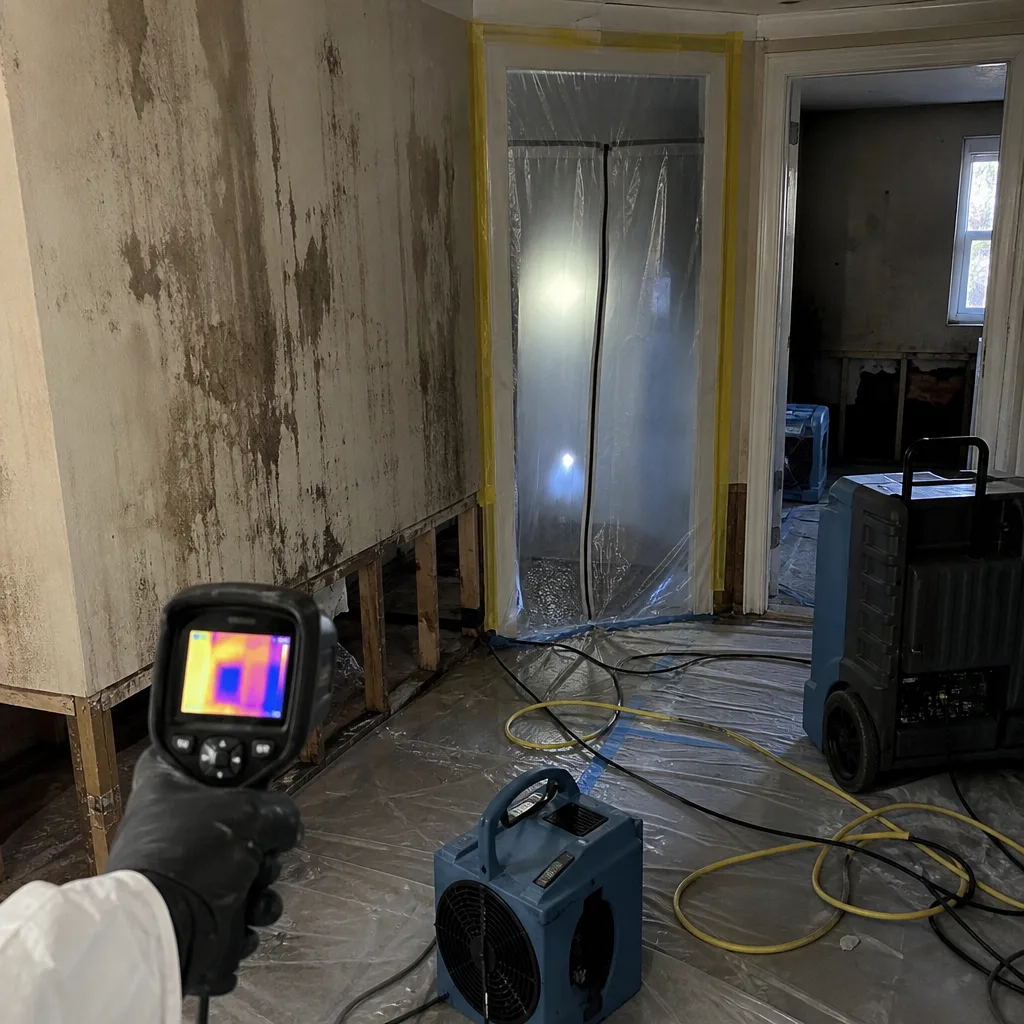
A proper mold inspection in Puyallup starts with moisture mapping, not guesswork. We use thermal imaging and calibrated moisture meters to find the water source that feeds the mold, then collect air and surface samples for laboratory analysis. In Puyallup’s older downtown core near the river, we pay particular attention to subfloor moisture in pier-and-beam crawl spaces where the high seasonal water table keeps wood framing damp year-round. The inspection produces a written scope with line-item pricing before any remediation work begins - Haven Standard, Clause 1.
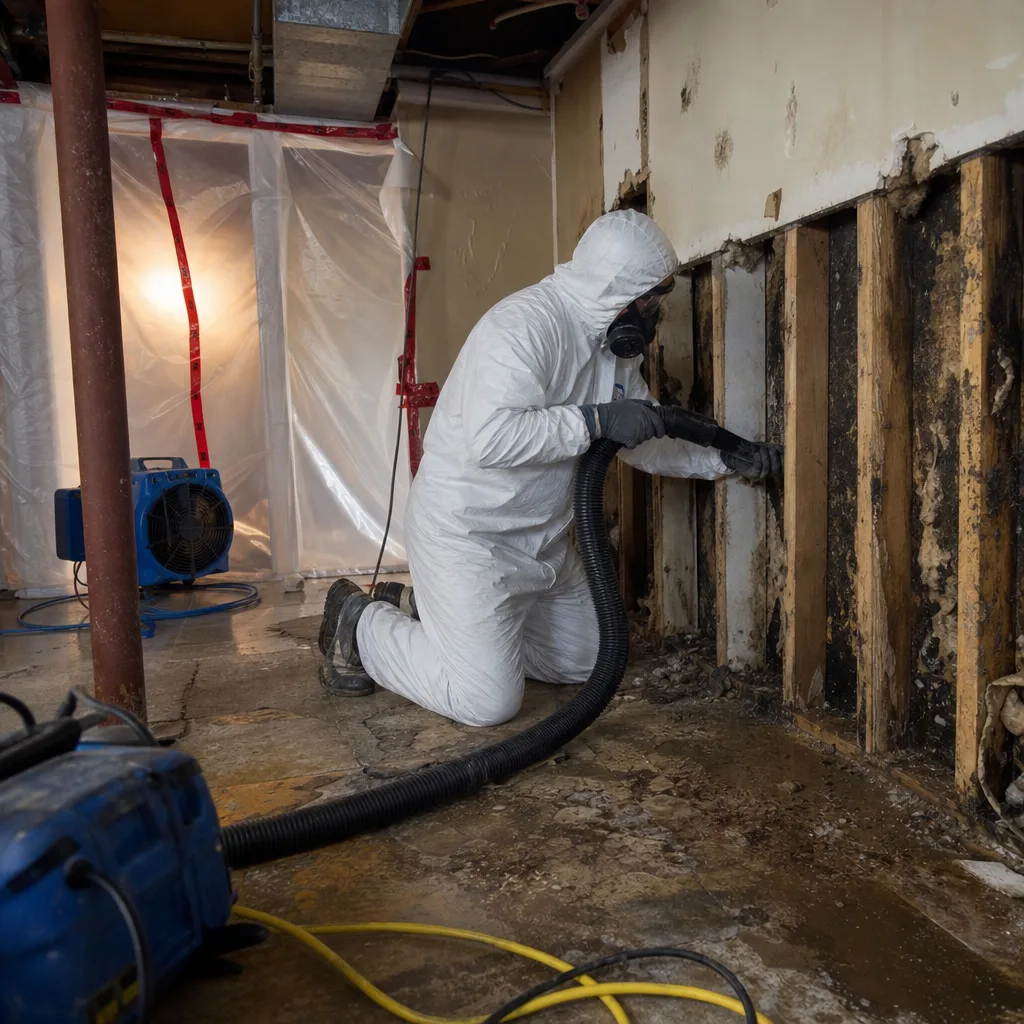
Mold Removal
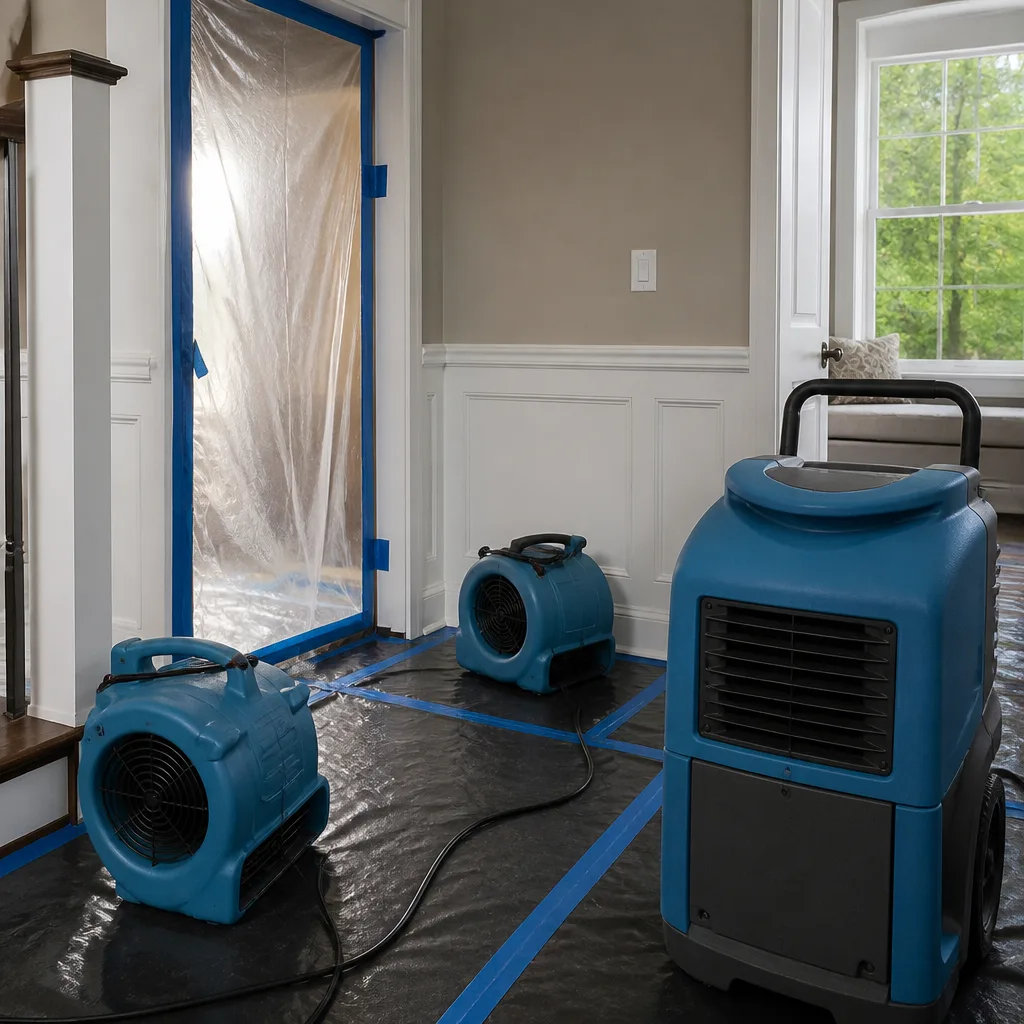
Our mold removal process follows IICRC S520 standards for containment, negative air pressure, and proper disposal of contaminated materials. In Puyallup, we see recurring mold in homes near the Puyallup River corridor where previous water damage was dried to visible dryness but not to documented moisture-content standards. We remove affected materials, treat remaining structural elements with antimicrobial agents, and verify dryness with daily psychrometric readings - temperature, relative humidity, and vapor pressure differential - until the drying logs confirm the structure has returned to pre-loss condition.
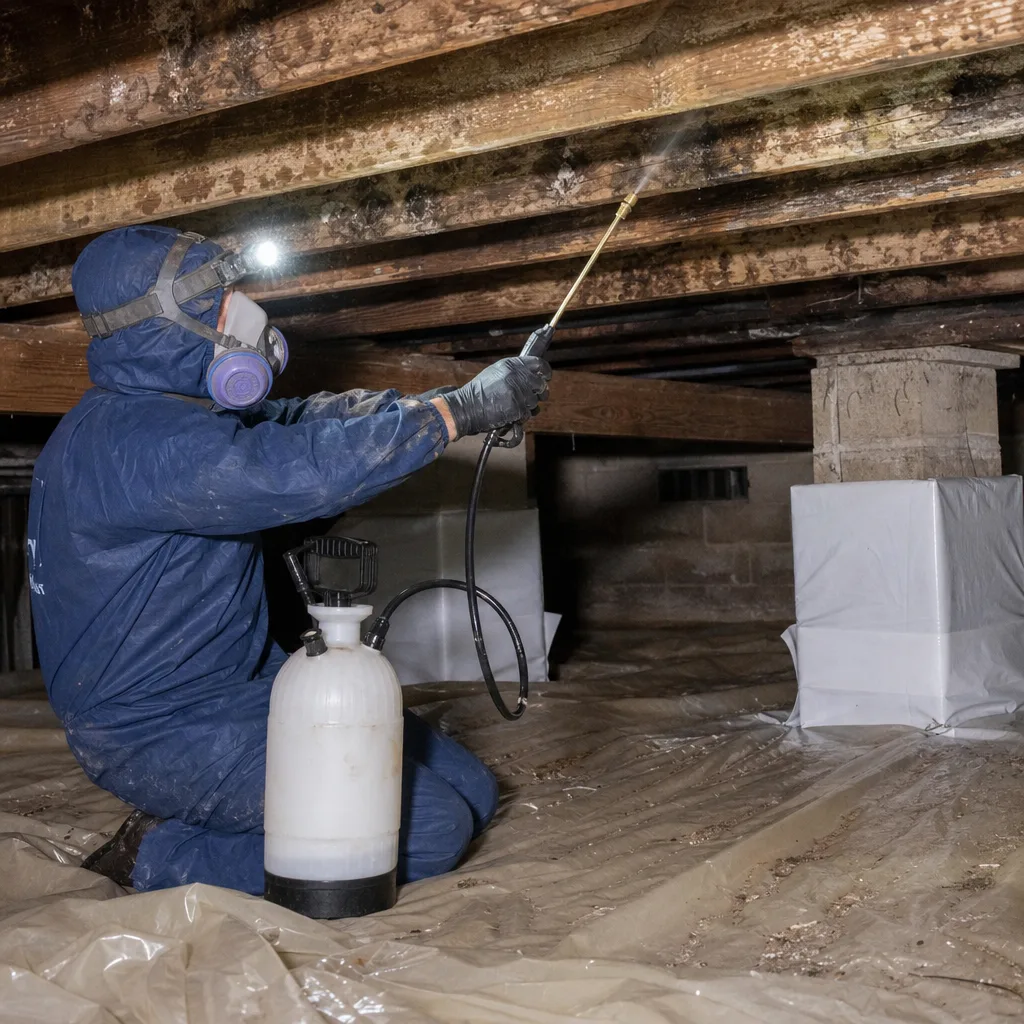
Black Mold Remediation
Stachybotrys chartarum and other toxigenic molds require enhanced containment and HEPA filtration during remediation. In Puyallup’s humid valley climate, these species colonize water-saturated cellulose materials faster than in drier upland conditions. Our black mold remediation includes sealed containment barriers, air scrubbers with HEPA filtration, and post-remediation clearance testing to verify that airborne spore counts have returned to normal levels before we remove containment.
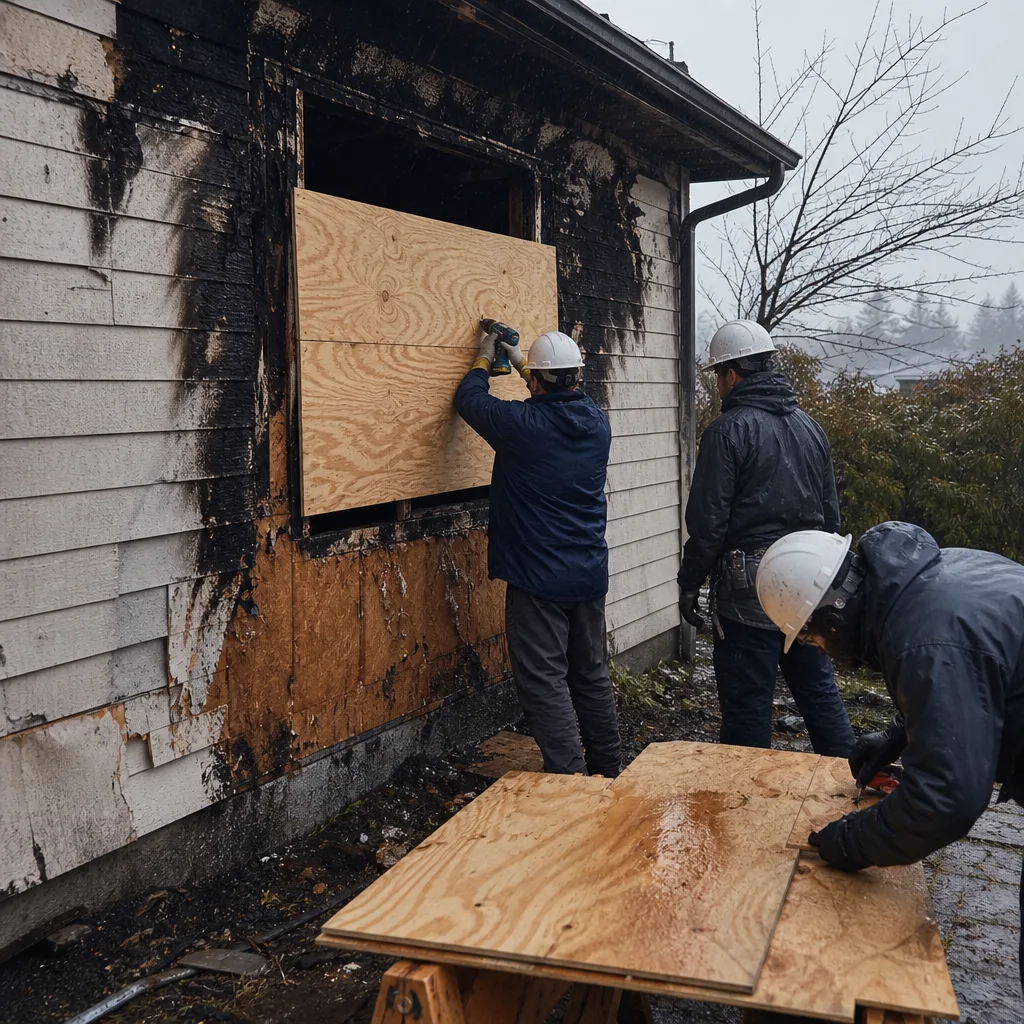
Air Quality Restoration
After mold removal, we restore indoor air quality through source removal, not masking. Our air quality restoration in Puyallup includes HEPA vacuuming of all surfaces, duct cleaning where contamination has entered the HVAC system, and continuous air monitoring during the remediation process. For homes in the lower valley where chronic dampness is the norm, we also assess ventilation and dehumidification needs to prevent recurrence.
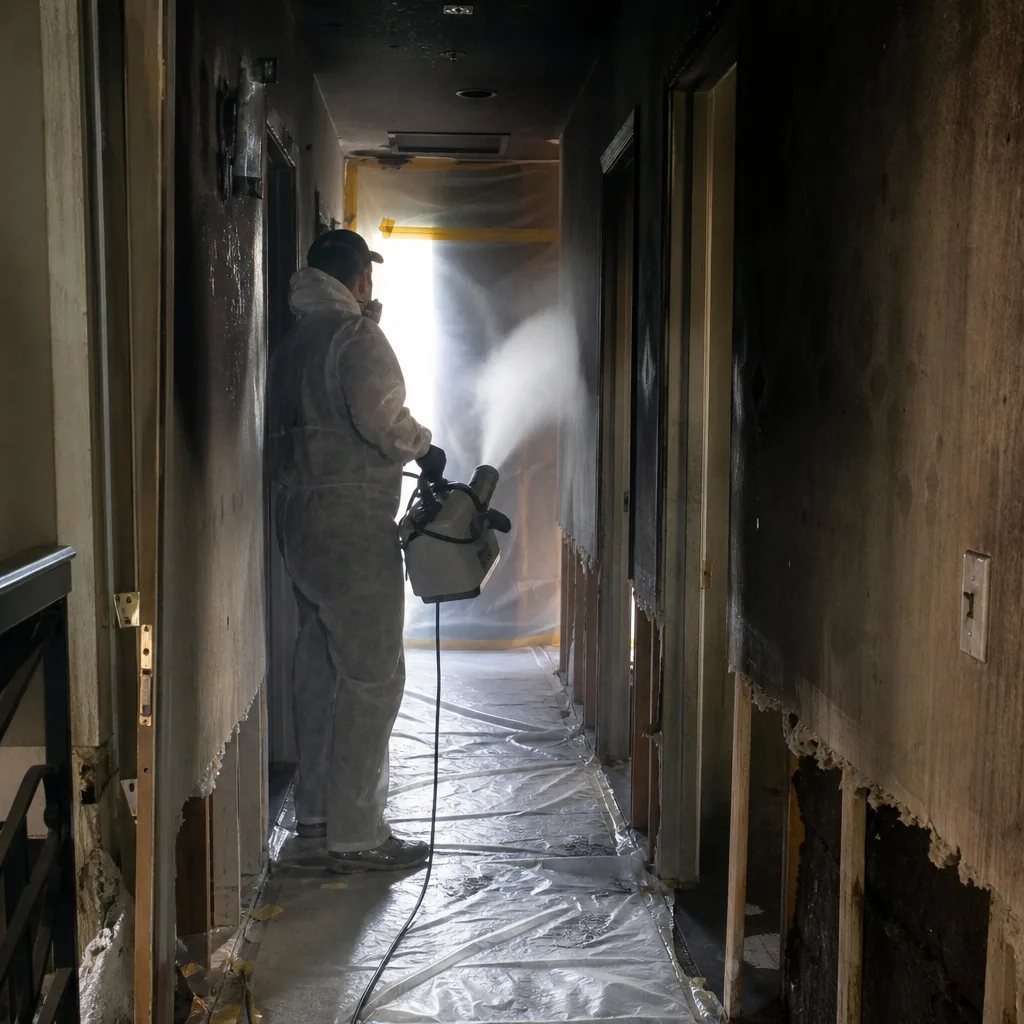
Crawl Space Treatment
This is where Puyallup’s geography demands specialized expertise. After Puyallup River high-water events, our Mold Remediation crews perform soil probing beneath pier-and-beam foundations to locate compacted glacial silt that traps moisture against subfloor framing. We remove the sediment, treat affected wood with antimicrobial agents, install vapor barriers where appropriate, and run structural drying with Dri-Eaz and Phoenix dehumidification equipment until moisture readings confirm the subfloor is dry. Without this sediment-aware protocol, mold returns within months.
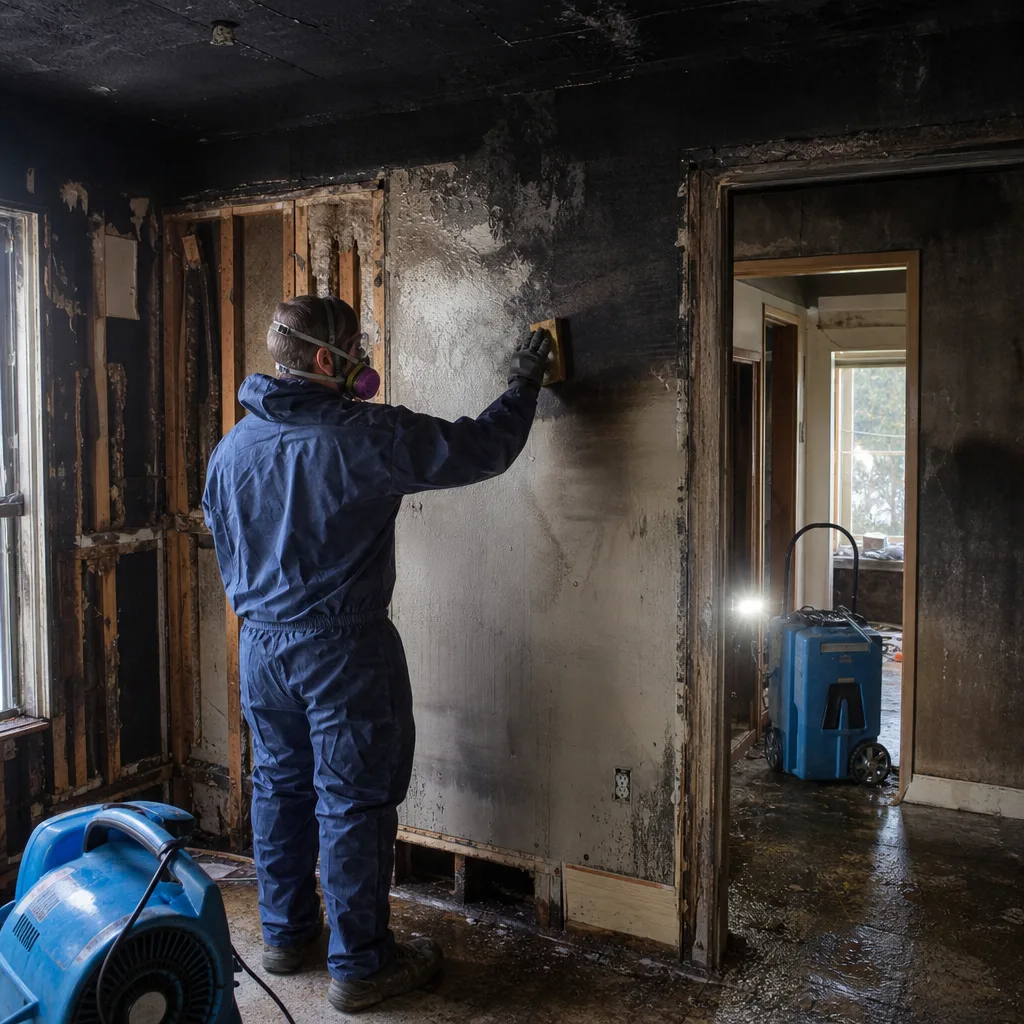
Moisture & Humidity Control
Long-term mold prevention in Puyallup requires controlling the moisture that feeds it. We install and document permanent dehumidification solutions, improve crawl space ventilation, and seal foundation penetrations that allow humid air infiltration. For homes in the lower valley, we factor the chronic high water table into our humidity-control recommendations - solutions that work on the South Hill plateau often fail here.
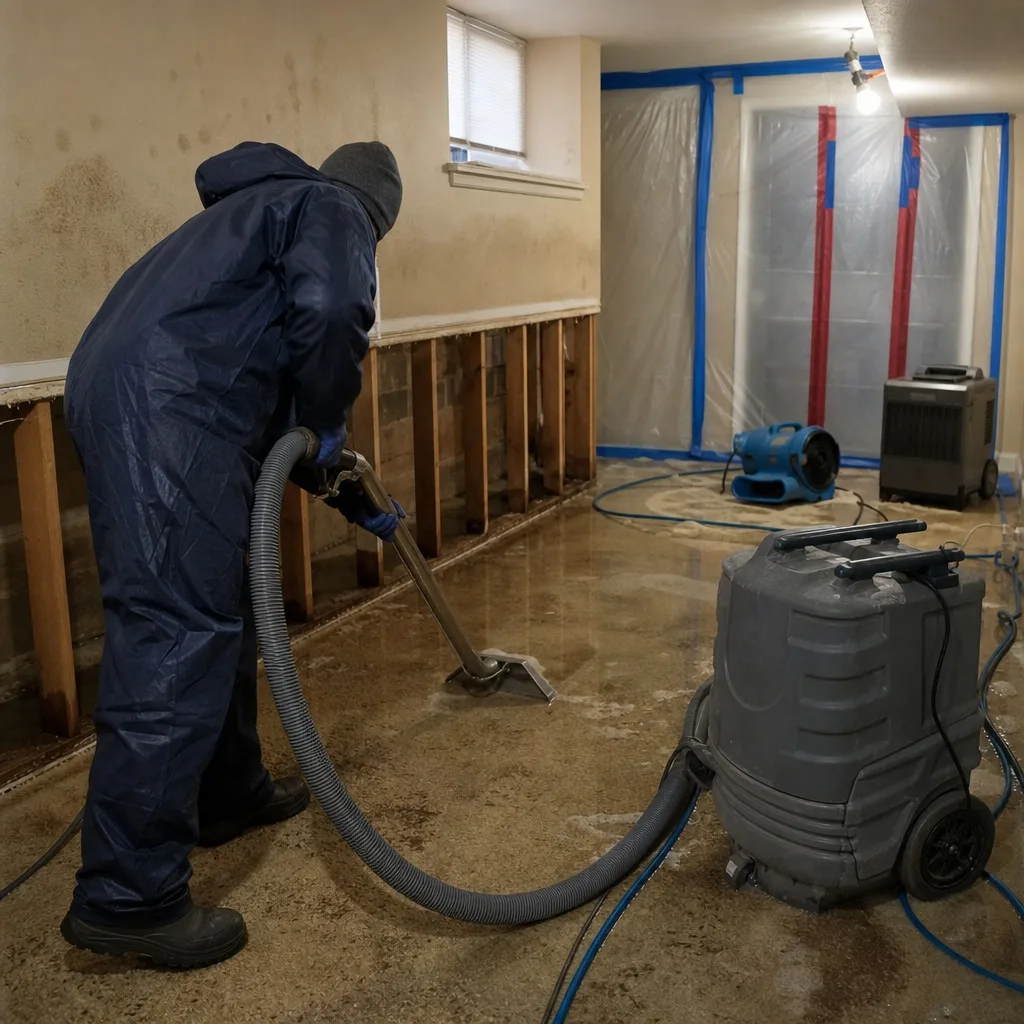
What happens when you call
- 1
A real person answersNo phone trees - you reach a local pro.
- 2
You get an upfront price rangeHonest numbers before anyone is dispatched.
- 3
A background-checked tech heads outLicensed & insured, dispatched right away.
- 4
You approve before work beginsNothing starts until you say go.
 Before
 After
AfterTrusted Standards We Follow in Puyallup
Our work is documented to IICRC, RIA, and IFA standards, producing the daily drying logs and moisture documentation that turn restoration invoices into payable insurance claims. We deploy professional-grade drying systems from Dri-Eaz, Phoenix, XPOWER, B-Air, and Injectidry - equipment selected for the specific psychrometric conditions we encounter in Puyallup’s moisture-trap valley climate. Every job gets a photo record on every visit, included as standard, never an upsell.
Common Mold Remediation Problems We See in Puyallup Homes
- Compacted glacial silt beneath pier-and-beam foundations. After Puyallup River flooding, this sediment layer traps moisture against wood framing for months. Homeowners run fans and assume the crawl space is dry; the silt underneath makes that impossible. We probe and remove it.
- Storm-driven water intrusion through damaged doors or panels. When wind-rated door or panel damage opens the building envelope, crews often dry the visible wall cavity but miss Category 2 or Category 3 water that flows into the crawl space. Mold colonies establish within 24 to 48 hours in Puyallup’s humid conditions.
- Insurance scopes calibrated for slab-on-grade construction. Standard homeowner policies and moisture-mapping assumptions designed for South Hill’s newer development under-scope dehumidification for older valley-floor homes with chronic high-water-table conditions.
- Repeated moisture intrusion in unheated older structures. Puyallup’s persistent winter fog and dampness, funneled inland from Commencement Bay with Cascade foothills runoff, keeps crawl spaces and wall cavities wet for months. The window between water damage and actionable mold growth compresses to well under 48 hours.
Pricing for Mold Remediation in Puyallup, WA
Mold inspection and testing in Puyallup typically runs $350-$650, depending on the number of samples and whether thermal imaging is required. Crawl space treatment for localized mold starts around $1,800-$3,200. Full mold remediation with containment, air filtration, and structural drying for a moderate affected area runs $3,500-$6,500. Extensive whole-home remediation with HVAC decontamination can exceed $8,000.
What moves the price: affected square footage, whether the job requires crawl space sediment removal, the need for enhanced containment for toxigenic species, and whether structural materials must be removed and replaced. Every job gets a written price before work begins - Haven Standard, Clause 1 - with no scope-creep additions once the crew is inside. Bring a competitor’s written estimate and we’ll review it at no charge.
We Also Serve Cities Near Puyallup
Our crews handle mold remediation throughout the south Puget Sound region, including Puyallup and neighboring Tacoma, Auburn, Federal Way, and Kent. Each city’s construction types and moisture patterns differ; we adjust our protocols accordingly rather than applying a single template.
Serving Puyallup, WA - Our Local Coverage Area
We’re based in the Puyallup area and know this community well. Use the map below to see our service coverage - if you’re nearby, we can almost certainly help.
FAQs - Mold Remediation in Puyallup
Compacted glacial silt deposited by Puyallup River floodwater traps moisture against your pier-and-beam foundation’s wood framing for months after visible water recedes. Standard drying with fans and open vents cannot reach this sediment layer. We probe beneath the foundation, remove the silt, and run documented structural drying until moisture logs confirm the subfloor has returned to pre-loss condition. Call (253) 642-8884 for a written inspection scope.
Mold can establish within 24 to 48 hours in Puyallup’s humid valley climate, especially in unheated older structures where persistent winter fog and dampness keep wall cavities and crawl spaces pre-conditioned for growth. The key is tracing all water intrusion paths, including into the crawl space, and beginning documented drying immediately. Call (253) 642-8884 for same-day response.
Older downtown and lower-valley homes use pier-and-beam foundations with crawl spaces vulnerable to high seasonal water tables and flood sediment; newer South Hill development uses slab-on-grade construction with different foundation water-intrusion patterns. Drying protocols, dehumidification capacity, and moisture-mapping assumptions must match the foundation type. We scope each job accordingly, never applying a one-size-fits-all approach.
Yes. Homes in FEMA-mapped flood zones along the Puyallup River corridor often carry NFIP policies with different coverage limits, documentation requirements, and adjuster expectations than standard homeowner policies. Our daily drying logs, photo records, and written scopes are formatted to meet NFIP documentation standards, helping claims proceed without the disputes that arise from incomplete paperwork.
Often yes, if the mold is surface growth on structurally sound wood and the moisture source has been eliminated. We treat affected framing with antimicrobial agents, remove contaminated insulation and vapor barriers, and run structural drying with containment and HEPA air filtration. Replacement becomes necessary only when wood structural members have lost integrity from rot or when mold has penetrated deeply into the material. A written scope with line-item pricing tells you exactly what’s needed before work starts.
Written by Alicia Brennan, Owner at Back to Dry Restoration, serving Puyallup since 2011 under The Haven Standard.