
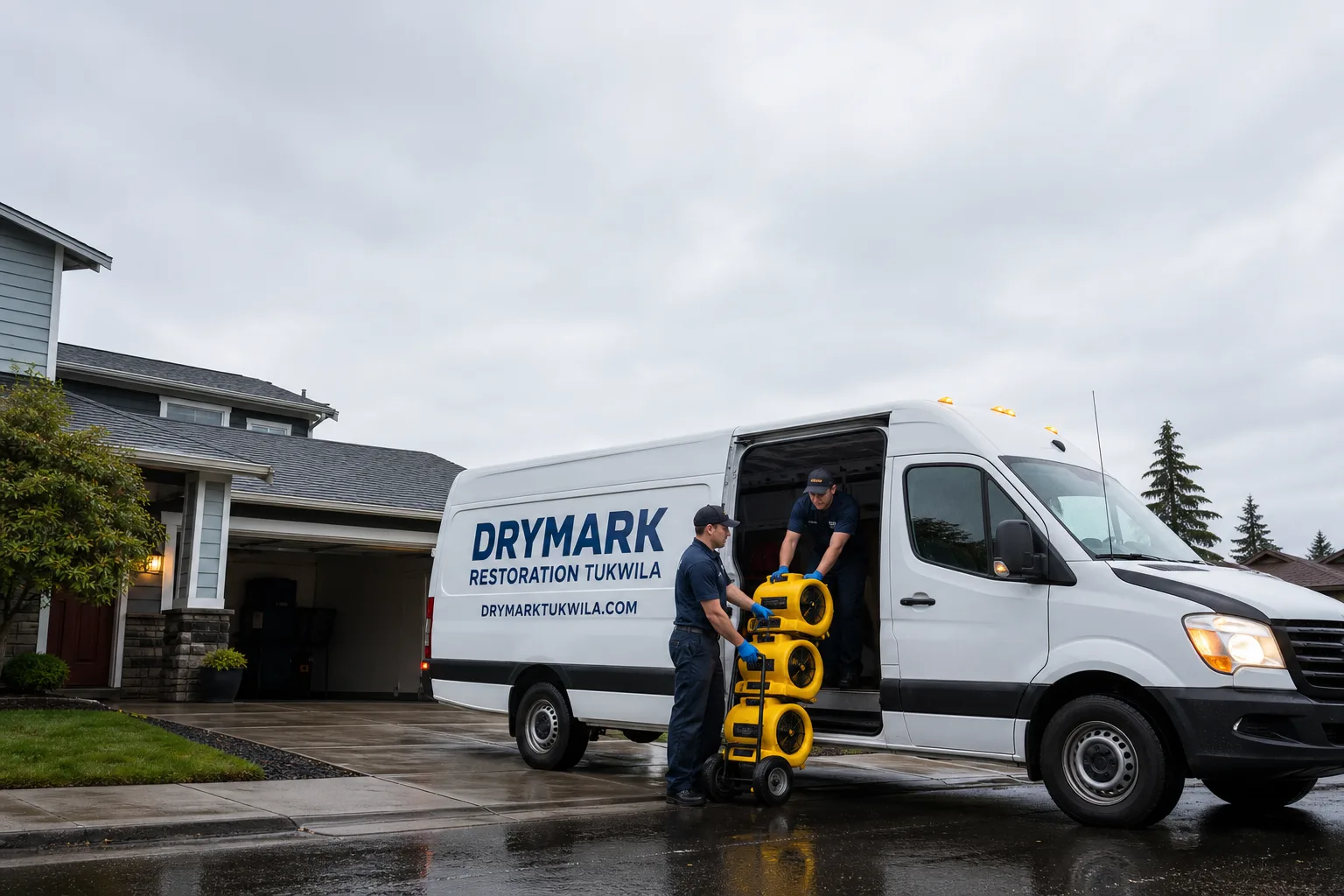
Free visual inspection and a written scope of work before any mitigation begins - photos, moisture readings, and drying logs go in your claim file
The scope we write is the scope we bill. Anything new gets shown to you, in writing, before we touch it.
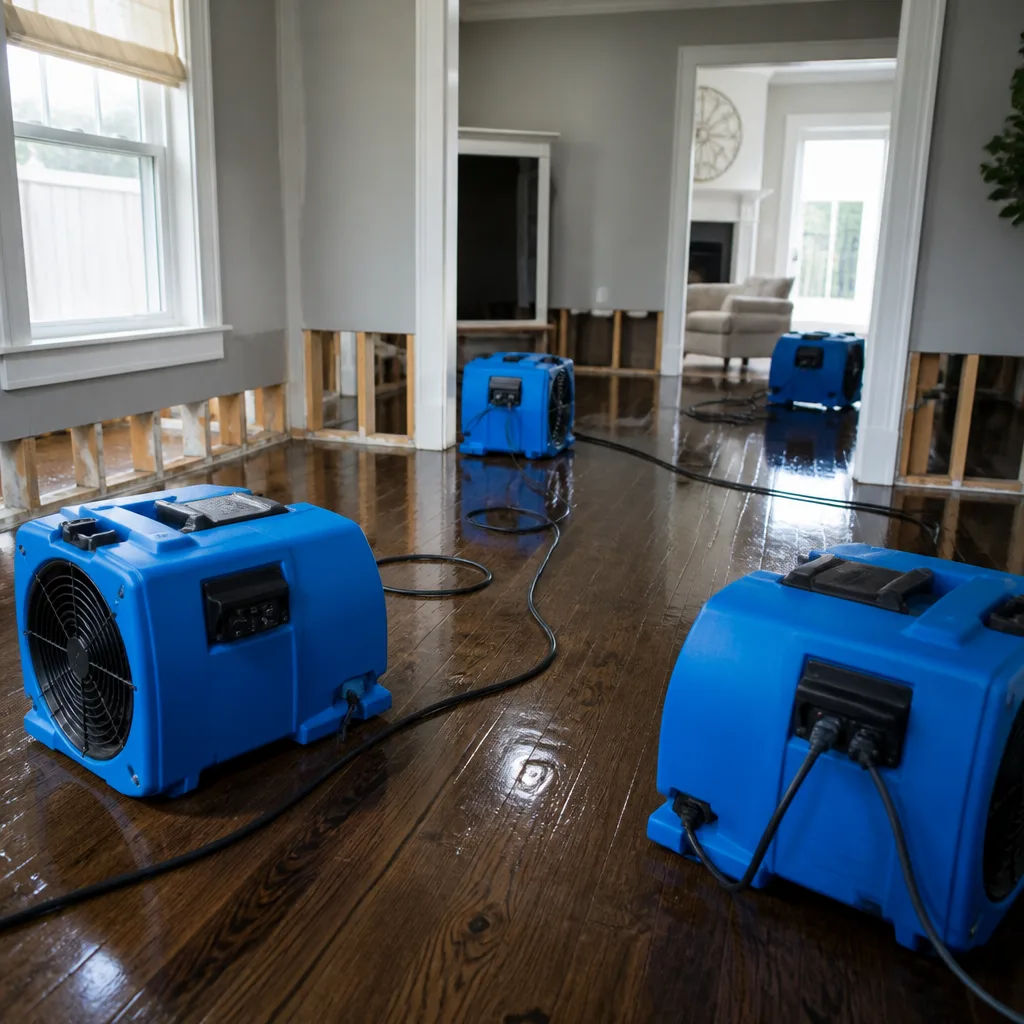
 Before
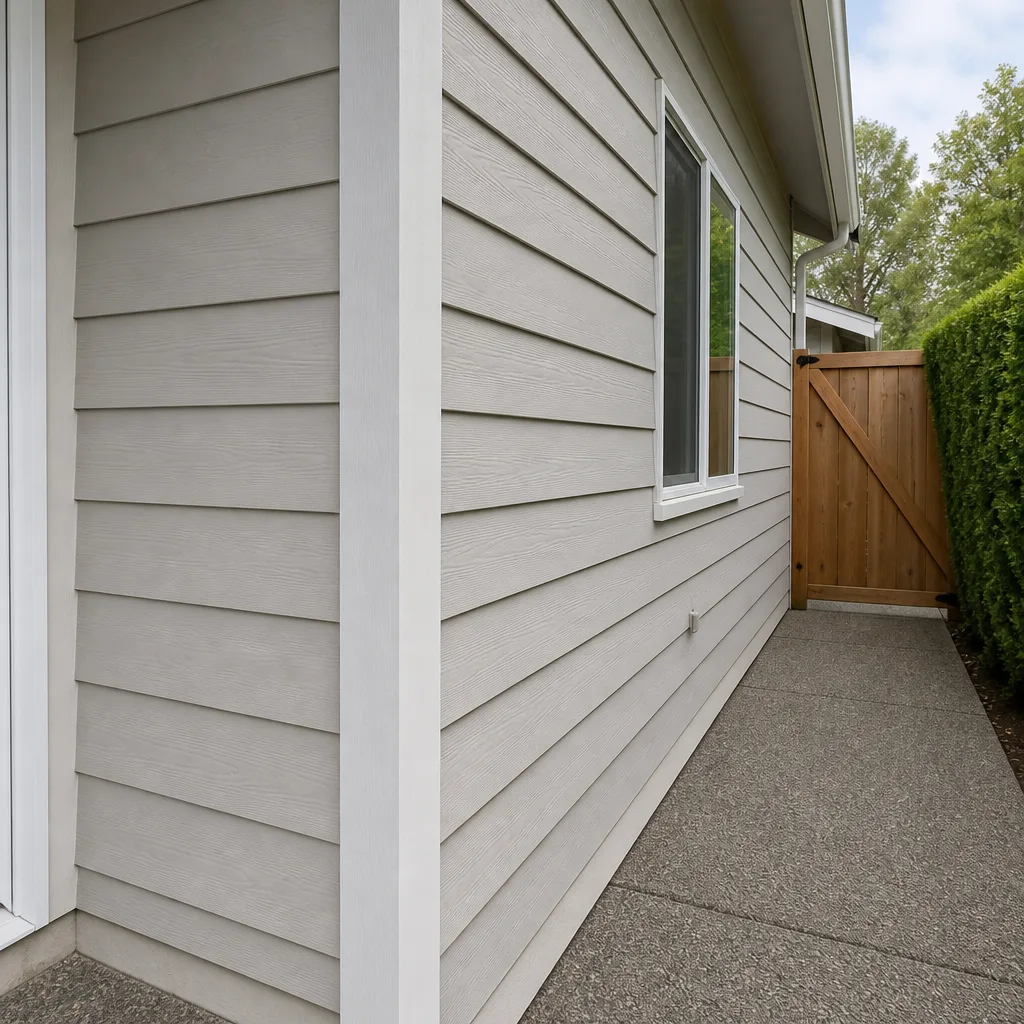 After
After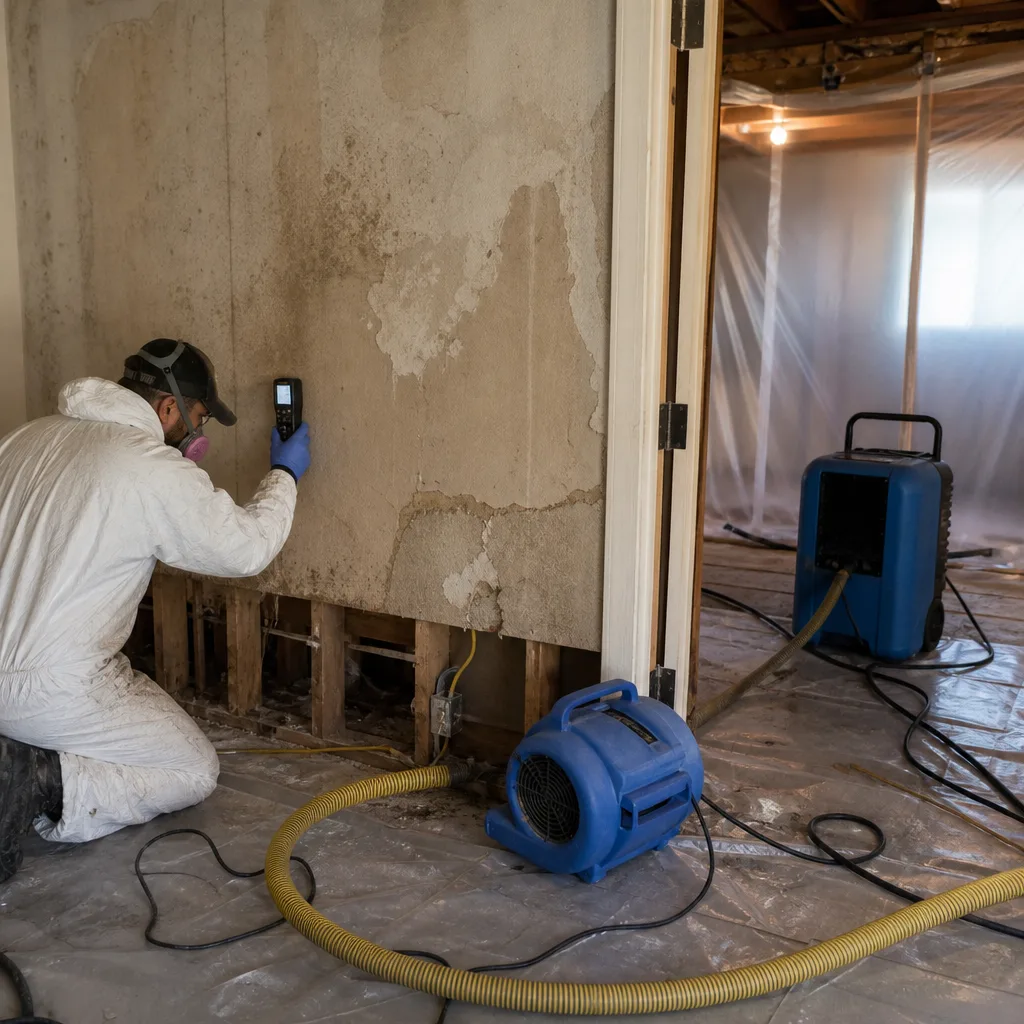 Before
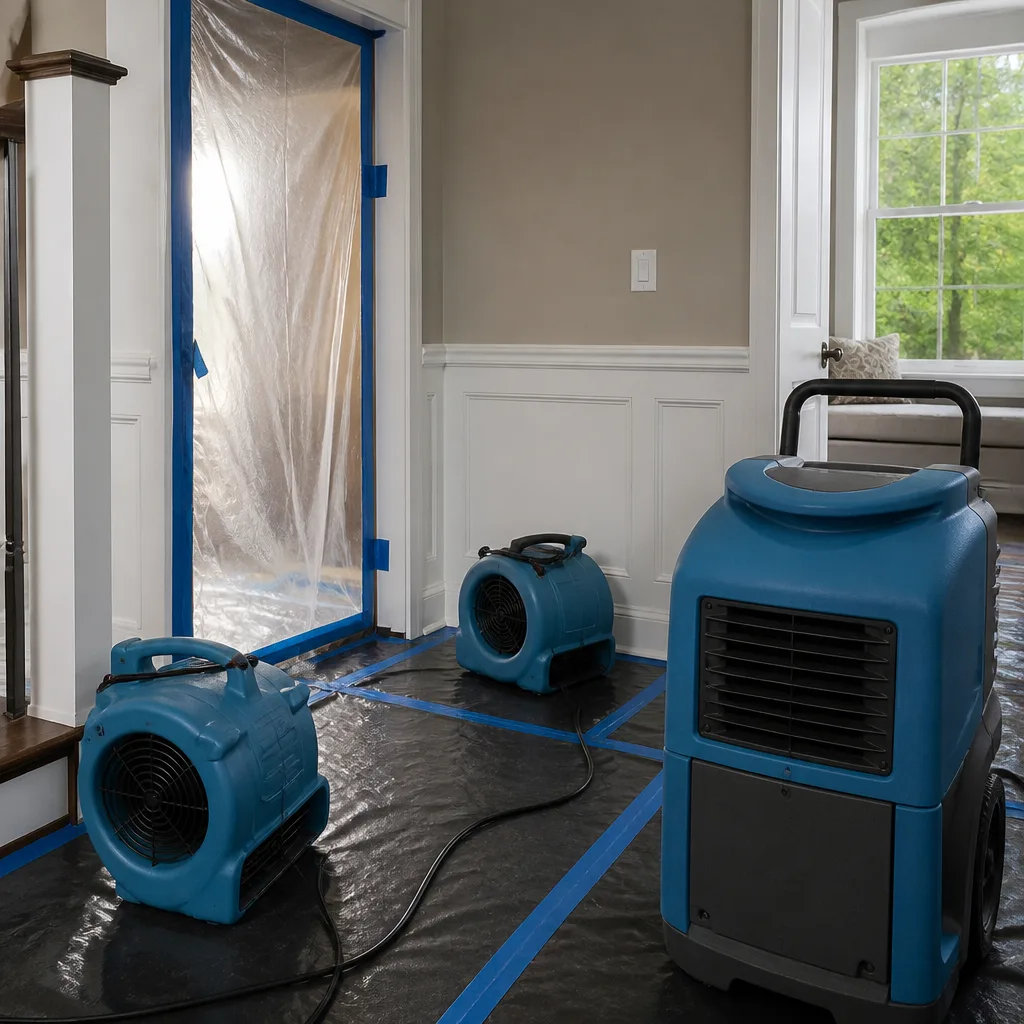 After
After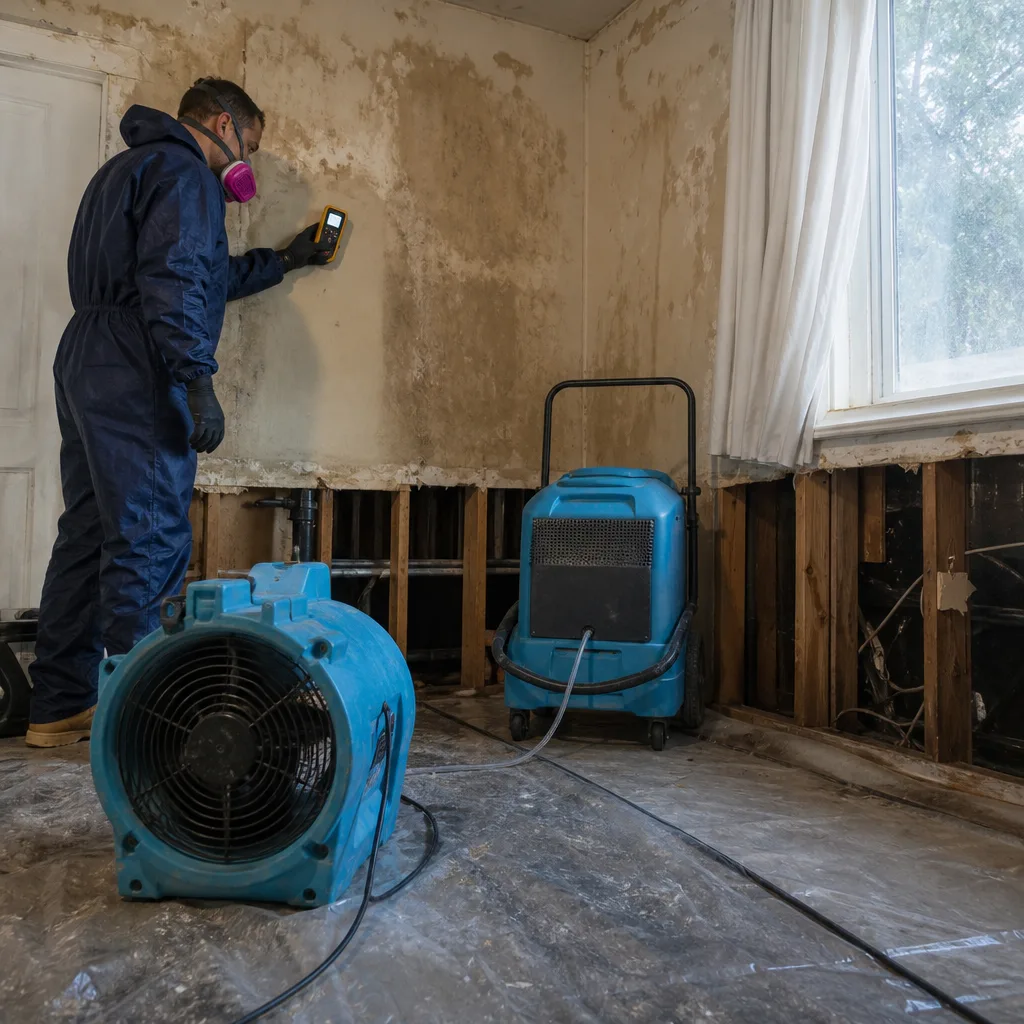 Before
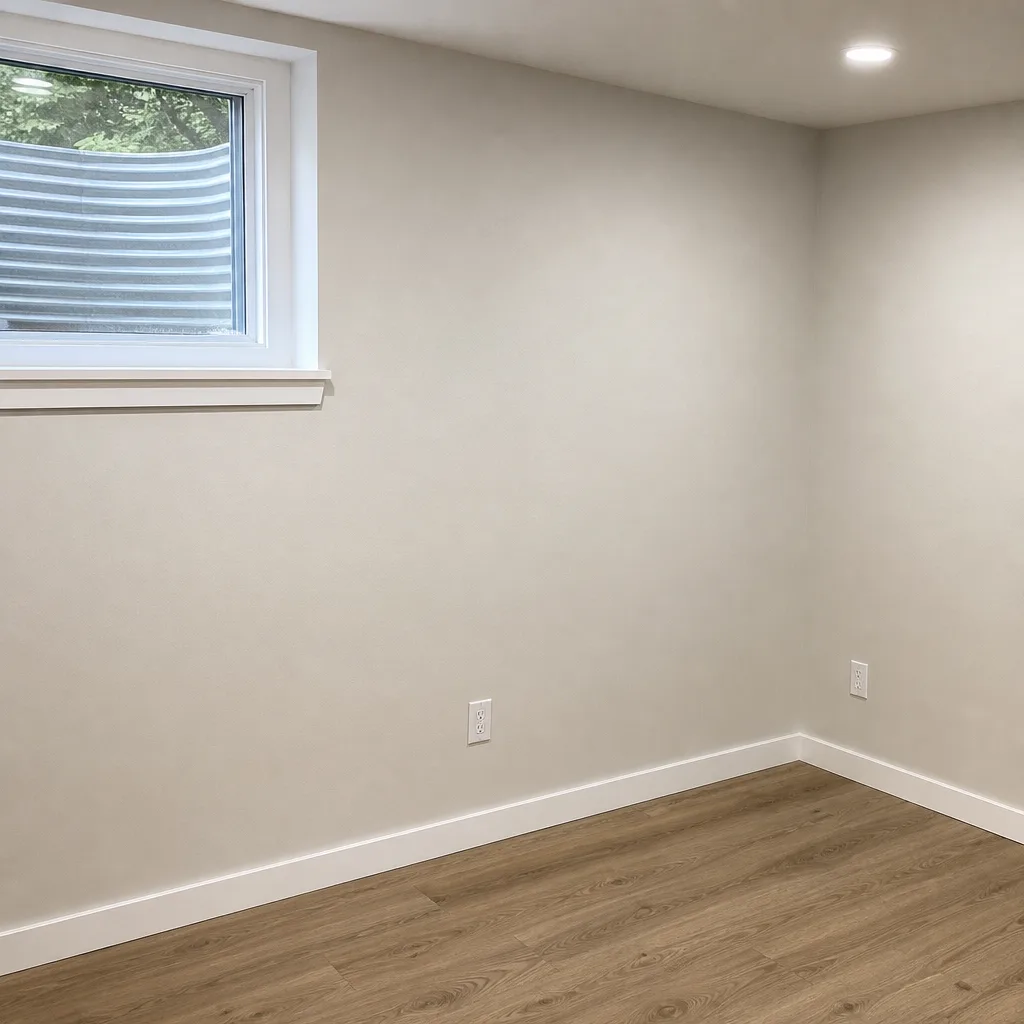 After
AfterFast, Reliable Water Damage Restoration Across SeaTac
Water damage restoration in SeaTac typically costs $1,800-$4,500 for residential drying and mitigation, with emergency extraction starting at $350-$650 and full structural drying running $2,200-$3,800 for a standard single-family home. Our crews dispatch to SeaTac within 45-60 minutes of your call, operating from our Seattle office with equipment staged for rapid response to both the airport-hotel corridor along International Boulevard and the residential neighborhoods between Angle Lake and the Des Moines Creek watershed. We know the difference between a routine supply-line leak in a 1960s ranch off South 170th Street and a large-loss event at a 200-room property on SR-99, and we size our response accordingly. Call (253) 642-8884 for a written price before any work begins.
Why DryMark Restoration Tukwila Is SeaTac’s Preferred Water Damage Restoration Company
We’ve restored water-damaged properties in SeaTac since 2011, and our reputation here is built on documentation that survives adjuster scrutiny. Our Water Damage Restoration team has handled everything from burst polybutylene pipes in original 1950s airport-worker housing to multi-floor hotel flooding requiring coordinated large-loss response.
SeaTac customers consistently note our response speed to neighborhoods like McMicken Heights and Angle Lake, where our crews arrive with moisture meters, thermal imaging, and the drying equipment already loaded. Reviews from SeaTac homeowners emphasize our written scopes and photo documentation - the exact evidence their insurers required to approve full coverage.
Our dispatch to SeaTac averages under an hour because we stage equipment north of the city and maintain live phone coverage 24 hours a day, 7 days a week. No voicemail trees. No next-business-day callbacks while water continues wicking into drywall and subflooring.
What sets us apart in SeaTac specifically is our familiarity with the Port of Seattle Part 150 sound-retrofit legacy. We’ve torn into enough walls inside the 65-dB DNL noise contour to recognize the failure pattern immediately: batt insulation stapled over existing drywall with no vapor retarder, decades of trapped condensation, and mold colonization that predates the current leak by years. That local knowledge changes how we scope, document, and price the job.
Our Water Damage Restoration Services in SeaTac
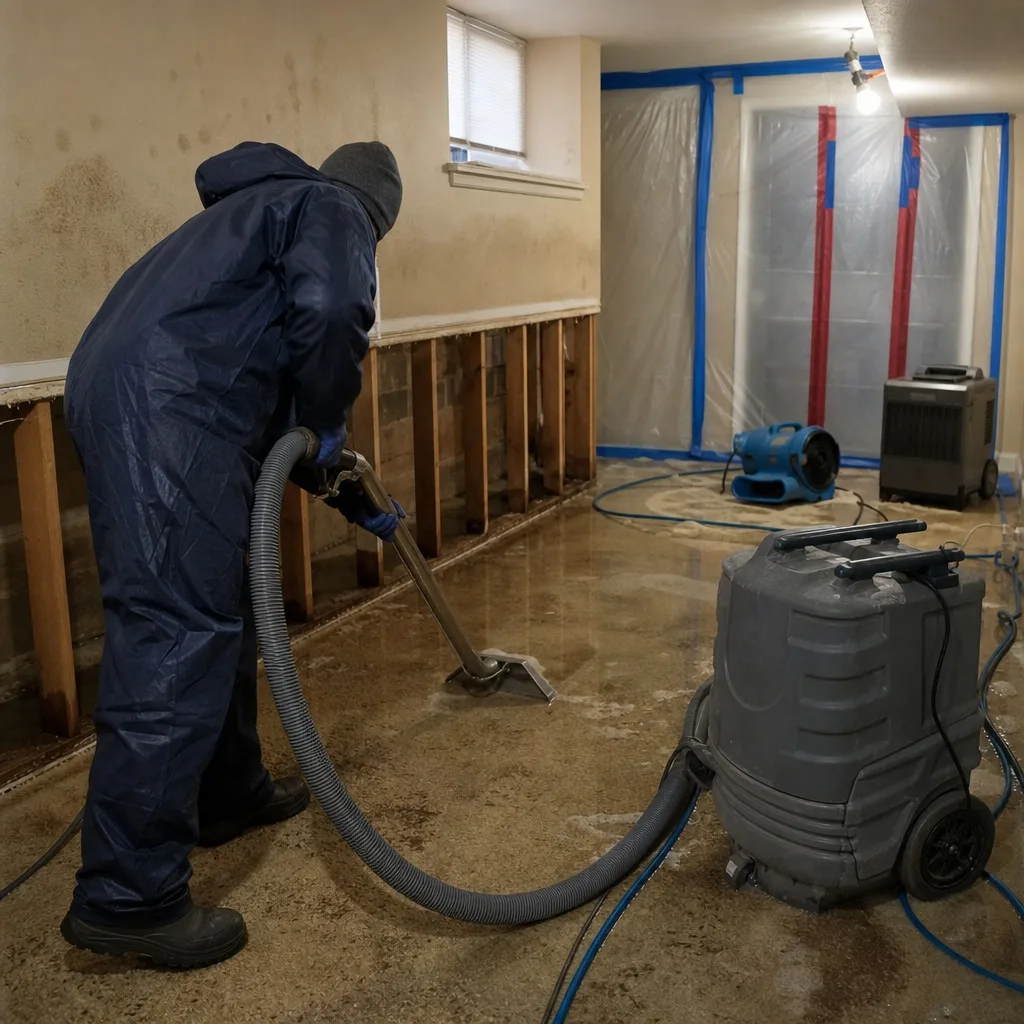
Emergency Water Extraction
When a washing machine hose fails in a SeaTac duplex or a hotel supply line ruptures on the fourth floor, standing water doesn’t wait. We extract with truck-mounted systems and portable units sized to the space, then immediately begin moisture mapping to find where water traveled under flooring or behind baseboards. In SeaTac’s older multi-family stock along SR-99, water often migrates horizontally through shared walls before showing visible damage.
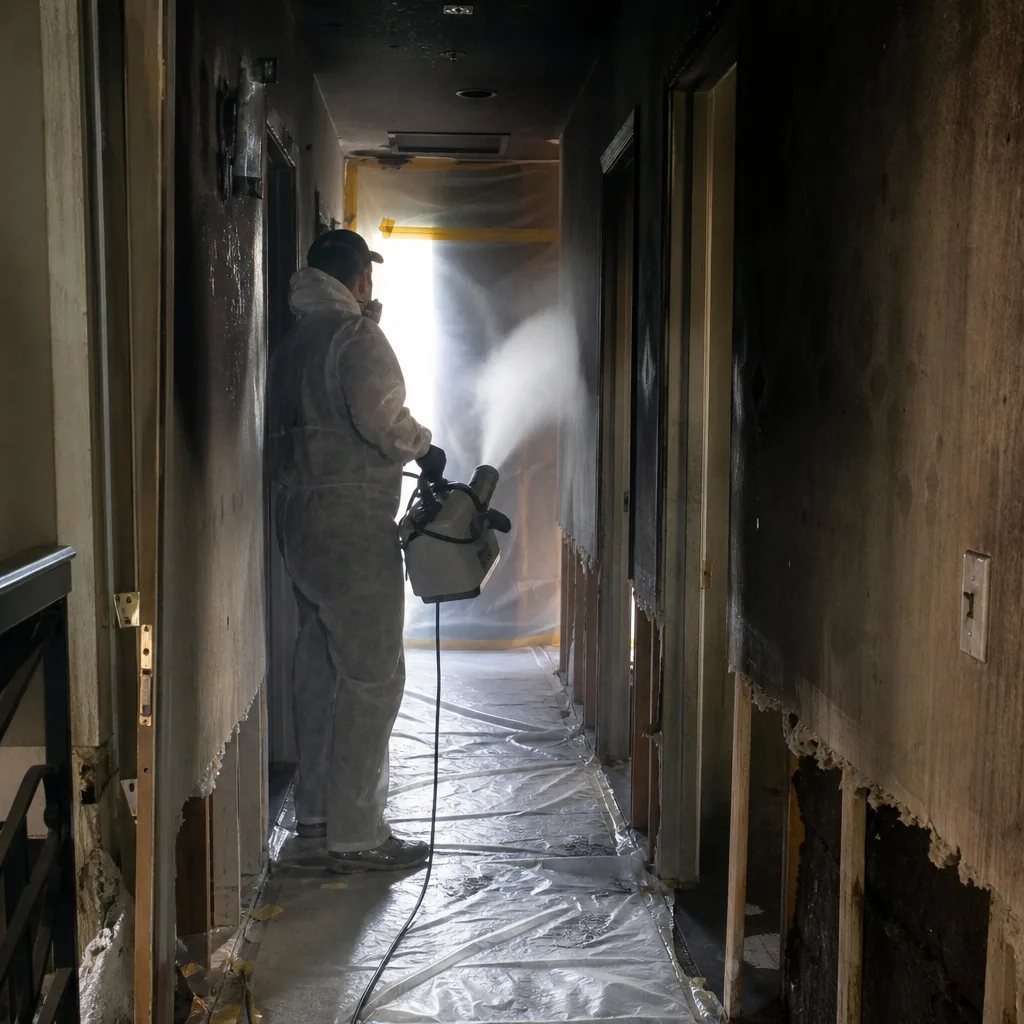
Structural Drying & Dehumidification
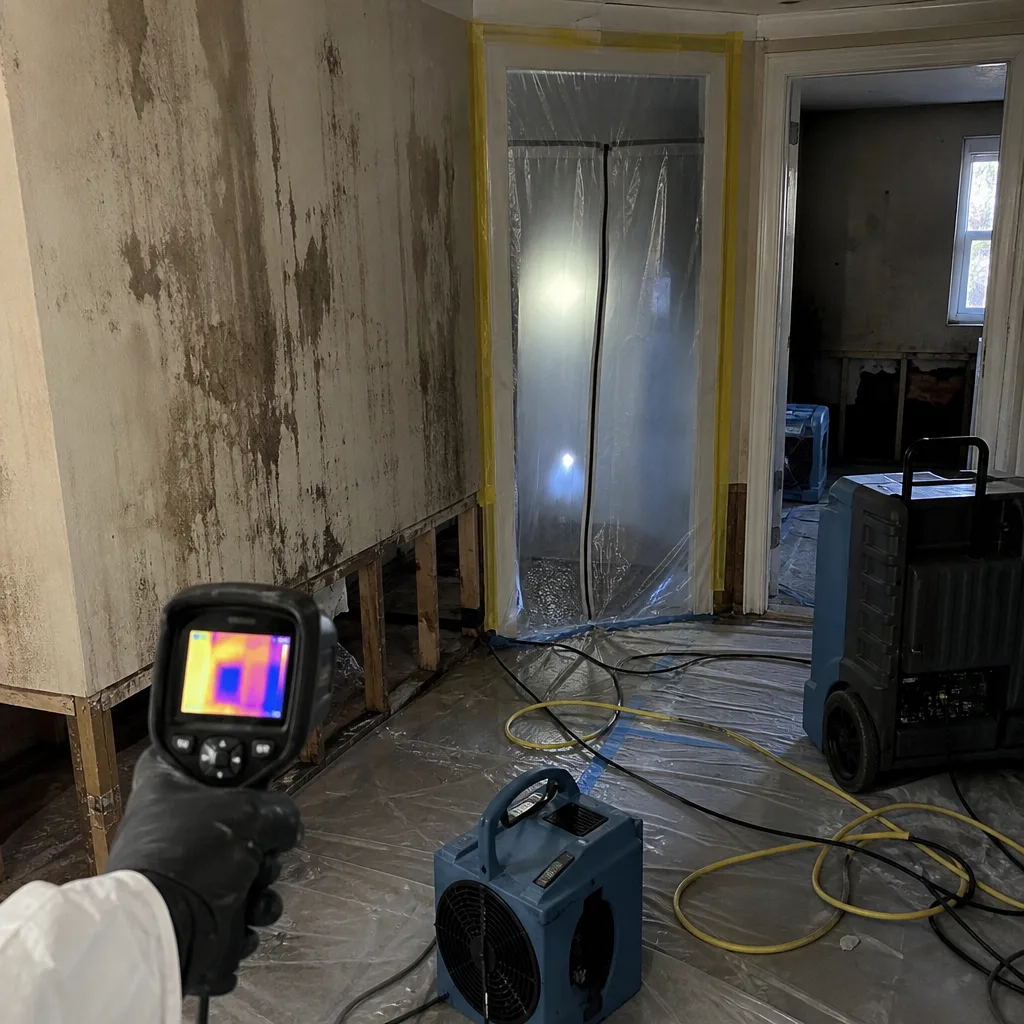
This is where SeaTac’s climate demands professional-grade equipment and disciplined documentation. With 38 inches of annual rainfall and near-constant humidity from October through May, there is effectively no dry season to reverse moisture intrusion naturally. We deploy Dri-Eaz and Phoenix dehumidifiers with air movers positioned for vapor pressure differential - the measurable force that drives moisture from wet materials into the drier air we’re creating. Every 24 hours we record psychrometric data: temperature, relative humidity, and specific humidity readings for each affected room. These daily drying logs become the documentation your adjuster needs to see that drying was achieved to IICRC standards, not guessed at.
SeaTac’s flatter residential blocks present a specific challenge. Atmospheric river events overwhelm aging storm drains and grade water toward slab foundations, pushing moisture under flooring where standard air movers can’t reach it. For these cases, we use Injectidry mat drying systems that apply negative air pressure directly to the subfloor, extracting moisture from below without tearing out finished flooring unnecessarily.
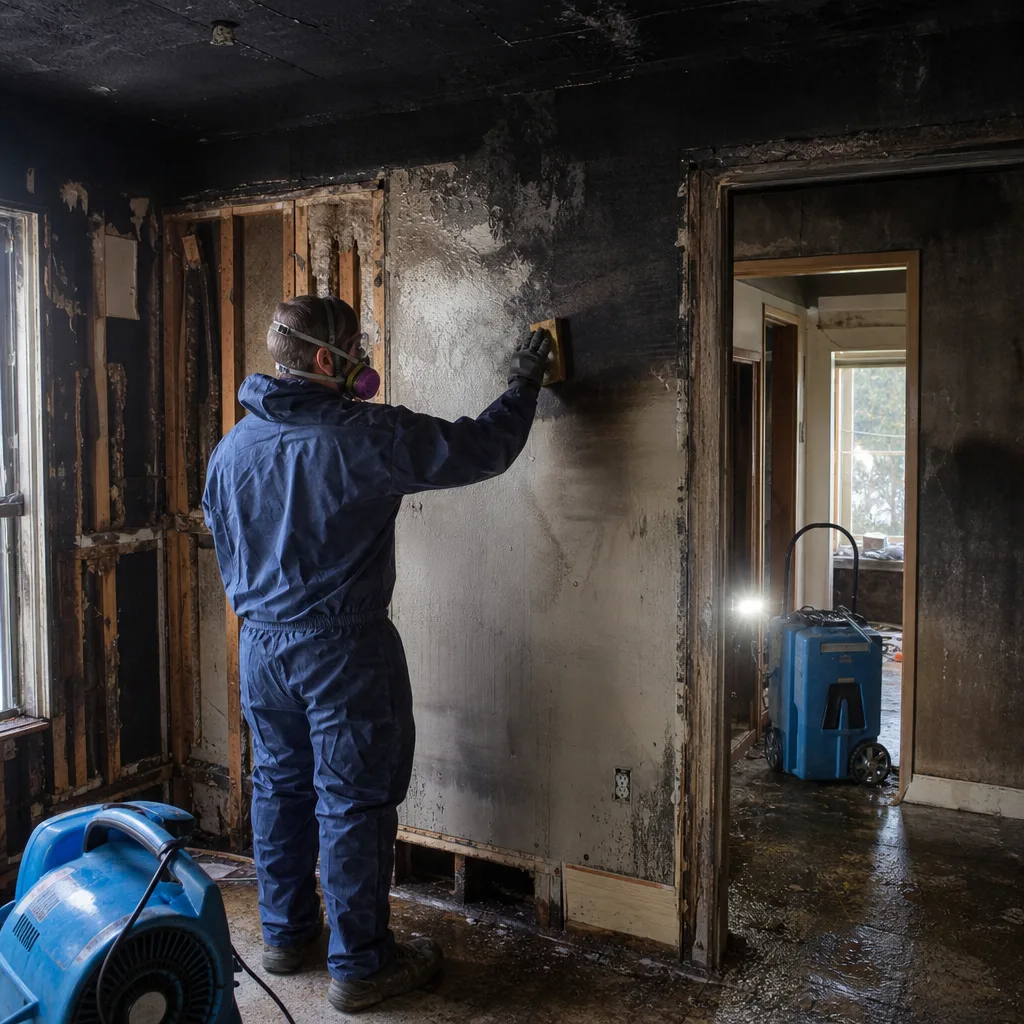
Flood Cleanup
SeaTac’s stormwater infrastructure struggles during intense multi-day rainfall events, particularly in the lower-lying areas near Angle Lake and the Des Moines Creek corridor. When groundwater enters a home or business, we classify the water, document the contamination level photographically, and build a scope that addresses both the immediate extraction and the sanitation requirements. Floodwater in SeaTac often carries sediment and organic material from overwhelmed drainage systems, which changes the remediation protocol and the documentation we provide.
Burst Pipe Restoration
SeaTac’s post-WWII ranch homes and modest single-family houses built in the 1950s-1970s frequently contain original galvanized or polybutylene plumbing that fails slowly, then catastrophically. Because these homes often have unlined crawl spaces, a burst pipe can flood the crawl for days before anyone notices the musty smell or buckling floor above. We extract standing water from crawl spaces, install vapor barriers where missing, and dry the structural framing to prevent long-term decay. Our written scope specifies exactly which materials are being dried, which are being removed, and what the crawl space will look like when we’re done.
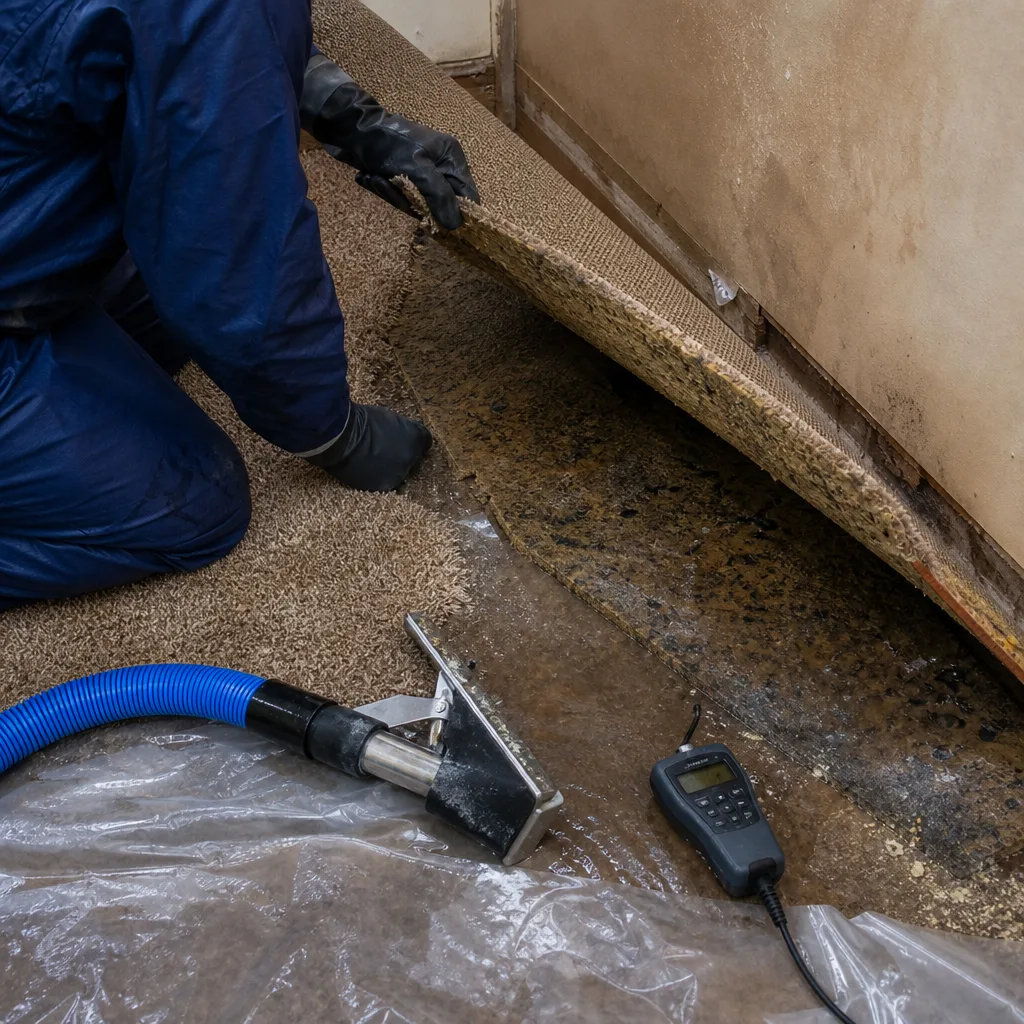
Basement Water Removal
Basements are less common in SeaTac’s ranch-dominated housing stock, but where they exist - particularly in split-level homes near the city’s northern edge - they face hydrostatic pressure from saturated soils during prolonged rainfall. We assess foundation wall seepage, install temporary or permanent drainage as the scope requires, and dry the space with equipment documented to RIA standards.
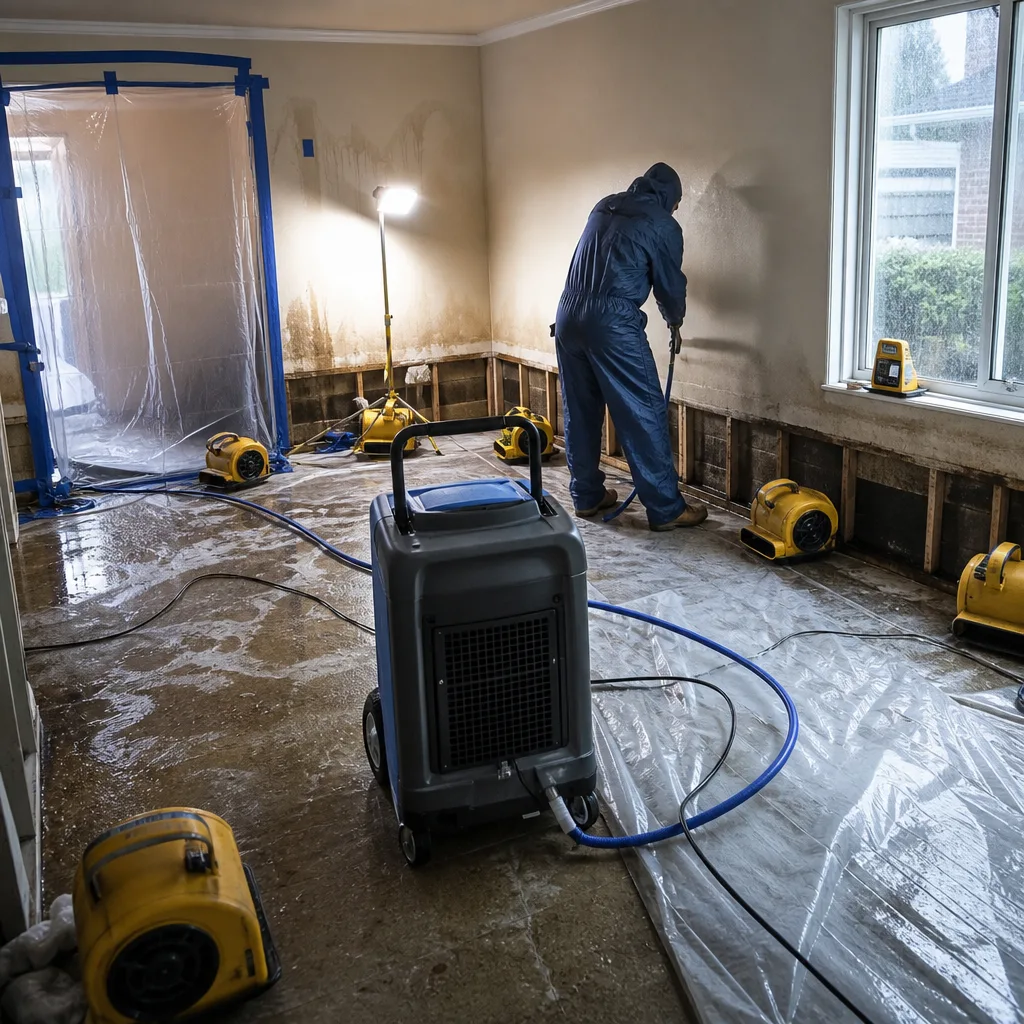
Ceiling & Roof Leak Water Damage
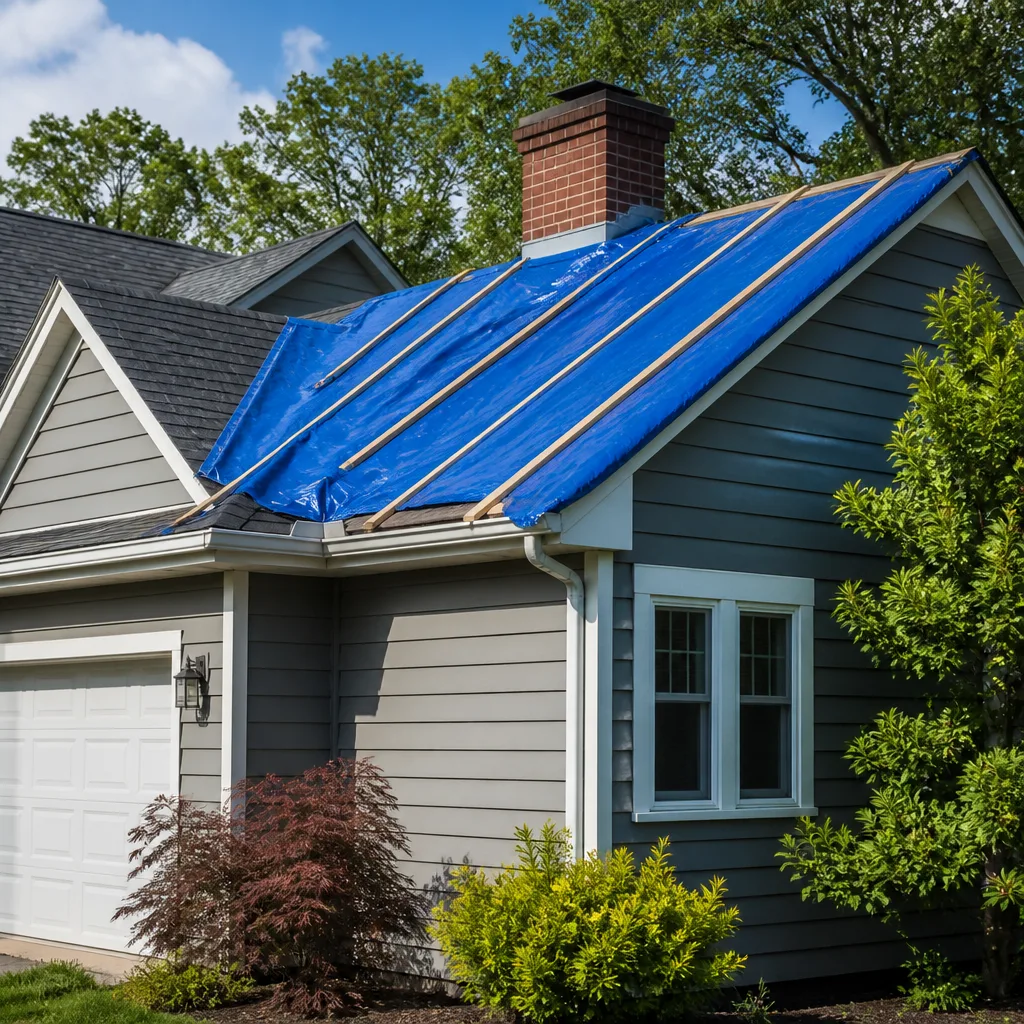
SeaTac’s near-constant winter humidity means a roof leak can produce ceiling damage for weeks before a homeowner notices staining. By then, insulation above the drywall is often saturated and mold is established. We open the ceiling, remove compromised insulation, and dry the cavity with directed airflow. Where the Port 150 sound-retrofit insulation is present, we inspect for the trapped condensation pattern that turns a simple roof leak into a wall-cavity mold job requiring full containment.
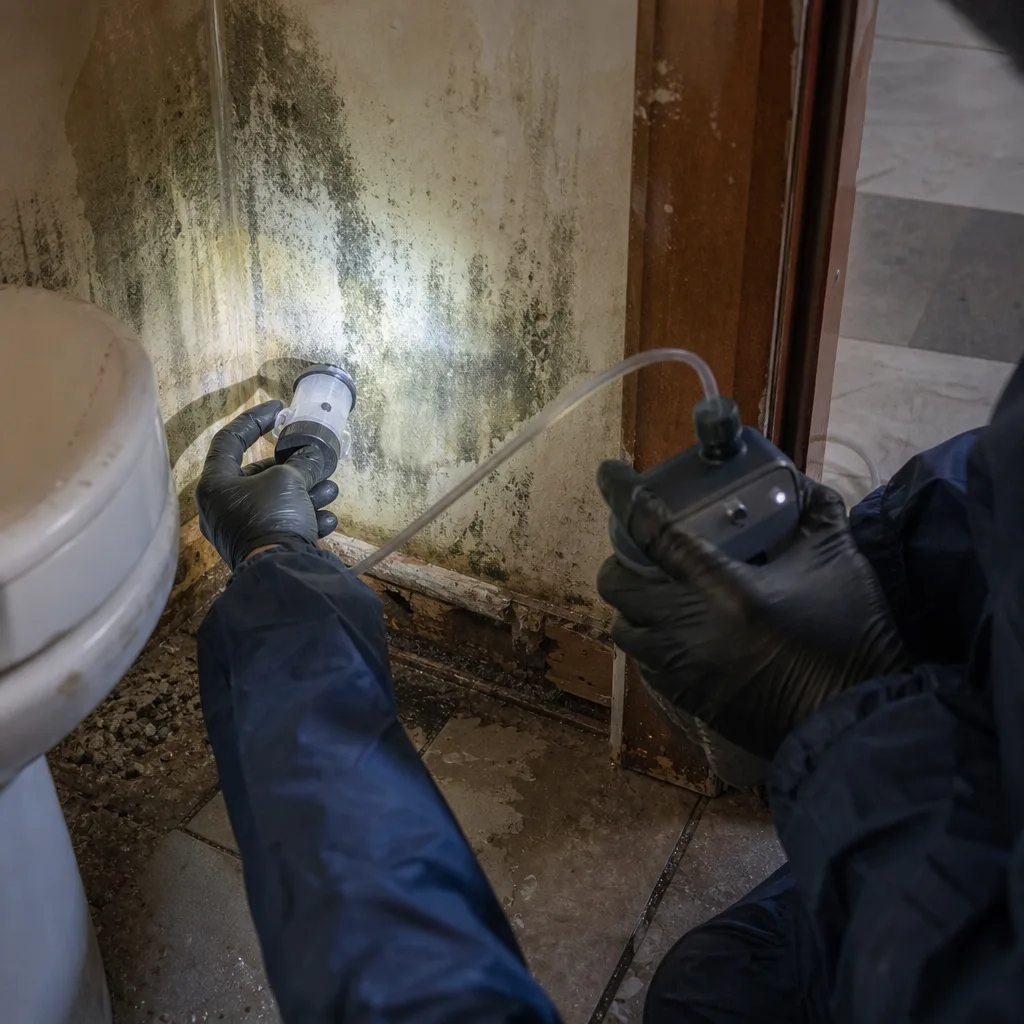
What happens when you call
- 1
A real person answersNo phone trees - you reach a local pro.
- 2
You get an upfront price rangeHonest numbers before anyone is dispatched.
- 3
A background-checked tech heads outLicensed & insured, dispatched right away.
- 4
You approve before work beginsNothing starts until you say go.
 Before
 After
AfterTrusted Brands We Service in SeaTac
Our equipment inventory includes professional-grade drying systems from Dri-Eaz, Phoenix, and Injectidry - brands specified by IICRC and RIA protocols for water damage restoration. We maintain this equipment in our Seattle staging facility, not rented from a third party when a job comes in, which means our SeaTac response times aren’t dependent on equipment availability. Injectidry’s negative-pressure mat systems are particularly valuable for SeaTac’s slab-on-grade homes where water has migrated under flooring, allowing us to dry from below without destructive removal. Every piece of equipment deployed on your job is logged in our daily drying records with placement location, runtime hours, and psychrometric readings.
Common Water Damage Restoration Problems We See in SeaTac Homes
- Port 150 retrofit insulation trapping moisture: Homes inside the airport’s 65-dB DNL noise contour received FAA-funded sound-abatement insulation that was often stapled directly over existing drywall with no vapor retarder. Decades of condensation against cold exterior sheathing create hidden mold that only reveals itself when a supply line or drain failure opens the wall. We encounter this pattern repeatedly in SeaTac, and it changes every scope we write.
- Original plumbing in unlined crawl spaces: Post-WWII ranch homes with galvanized or polybutylene pipes fail slowly in crawl spaces that were never properly vapor-sealed. SeaTac’s year-round humidity means moisture never reverses naturally, so slow leaks become structural rot and mold colonization that spreads undetected.
- Atmospheric river flooding on flat residential blocks: SeaTac’s flatter neighborhoods see stormwater overwhelm aging drains during fall and winter atmospheric river events. Water grades toward slab foundations and enters through the slab-foundation joint or overwhelmed window wells, requiring specialized subfloor drying.
- Multi-family waterproofing failures along SR-99: Dense older apartment stock on the commercial corridor lacks modern waterproofing details. Balcony drains, flat roofs, and failed exterior sealant allow water intrusion that affects multiple units and requires coordinated documentation for multiple insurance claims.
Pricing for Water Damage Restoration in SeaTac, WA
We deliver a written price before any work begins, every time, with no scope-creep additions once the crew is inside. Haven Standard, Clause 1.
| Service | Typical Range in SeaTac |
|---|---|
| Emergency water extraction (residential) | $350 - $650 |
| Structural drying & dehumidification (standard home) | $2,200 - $3,800 |
| Crawl space water removal & drying | $1,800 - $3,200 |
| Wall cavity drying with Injectidry mats | $900 - $1,800 per affected wall section |
| Category 3 flood cleanup (sewage/groundwater) | $4,500 - $8,500 |
| Full water damage restoration with reconstruction | $6,500 - $15,000+ |
Factors that move SeaTac jobs within these ranges: square footage affected, water classification (Category 1 clean water vs. Category 2 gray water or Category 3 black water), whether the Port 150 insulation requires removal and replacement, accessibility of the crawl space or wall cavities, and whether atmospheric river flooding has affected multiple rooms. Hotel properties on International Boulevard typically fall outside these residential ranges and require custom large-loss scoping. Call (253) 642-8884 for your written estimate - estimates are free, and we offer a Free Second Opinion on any competitor’s written quote.
We Also Serve Cities Near SeaTac
Our Water Damage Restoration in SeaTac crews also respond to water damage emergencies in Tukwila, Renton, Kent, and Bellevue. Each city presents distinct housing stock and climate exposure patterns, and we adjust our drying protocols and documentation accordingly. Dispatch and scheduling are coordinated from our Seattle office.
Serving SeaTac, WA - Our Local Coverage Area
We’re based in the SeaTac area and know this community well. Use the map below to see our service coverage - if you’re nearby, we can almost certainly help.
FAQs - Water Damage Restoration in SeaTac
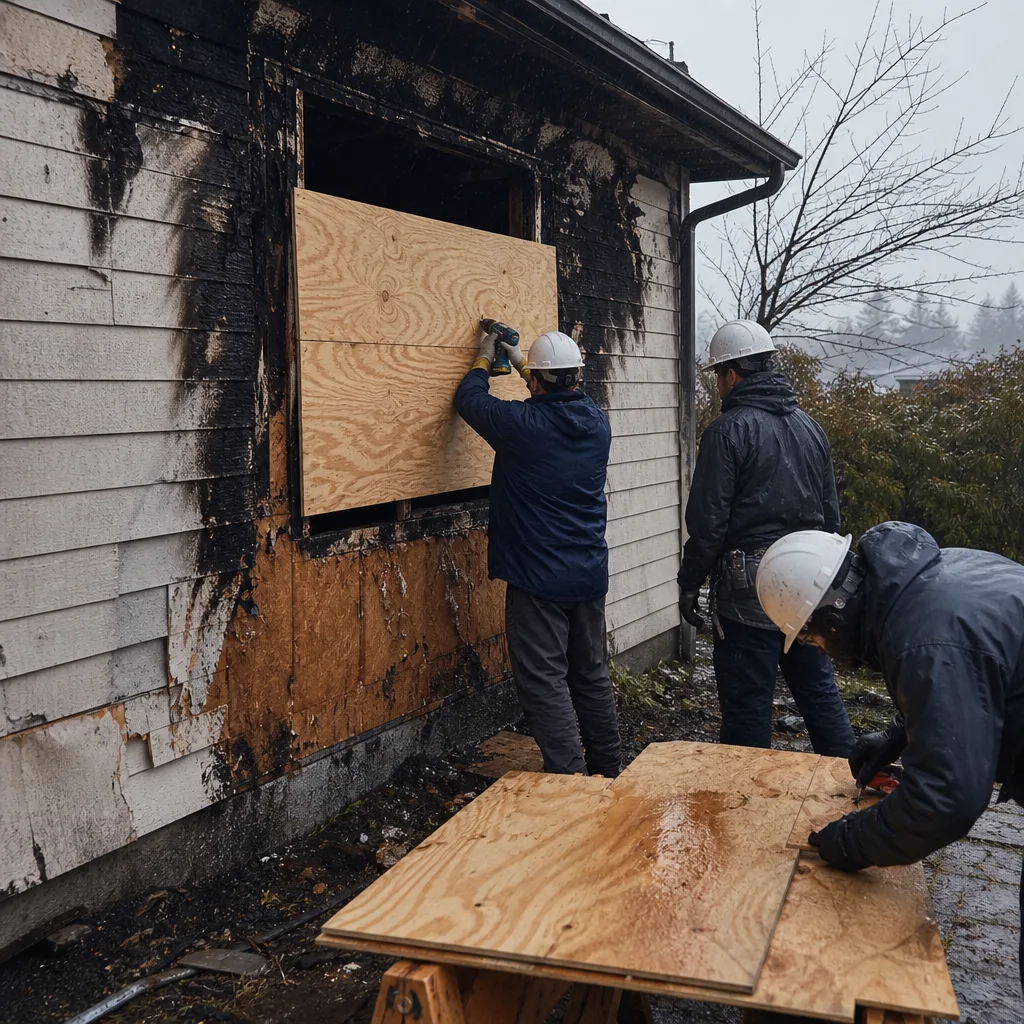
The Port of Seattle’s Part 150 sound-retrofit program installed batt insulation directly over existing drywall in thousands of SeaTac homes within the 65-dB DNL noise contour, often without a vapor retarder. Decades of condensation against cold exterior sheathing created chronic moisture conditions that support mold growth long before any pipe fails. When we open a wall for what looks like a simple leak, we frequently find mold that has been established for years. Call (253) 642-8884 and we’ll inspect with thermal imaging before cutting anything open.
Within 24-48 hours, and faster is always better. SeaTac averages roughly 38 inches of rain annually with near-constant overcast humidity from October through May, meaning mold colonization progresses year-round without the dry-season pause that drier climates provide. In summer, high humidity still slows natural evaporation. We dispatch to SeaTac within 45-60 minutes because waiting even a day changes the scope and cost significantly. Call (253) 642-8884 for immediate response.
No, not if the insulation is saturated or mold-compromised. The Port 150 batt insulation acts as a moisture reservoir once wet, and because it was installed without proper vapor retarders, it traps humidity against the sheathing indefinitely. Our protocol is to remove the compromised insulation, dry the cavity to IICRC standards with directed airflow and dehumidification, then rebuild with a proper vapor retarder so the failure pattern doesn’t repeat. We document the removal photographically and log every moisture reading.
Category 1 is clean water from a supply line - still time-sensitive, but simpler to document and dry. Category 2 is gray water with contamination from washing machines, dishwashers, or sump pump failures - requires antimicrobial treatment and more rigorous documentation. Category 3 is black water: sewage, groundwater flooding, or any water that has passed through soil or building materials. SeaTac’s atmospheric river flooding frequently produces Category 3 conditions when stormwater overwhelms drainage systems and carries organic contaminants. Each category changes our PPE, equipment, disposal protocol, and the documentation we provide your insurer. We classify the water in writing before beginning extraction.
Yes. The 200-room properties along International Boulevard require large-loss response capabilities: higher-capacity extraction equipment, more extensive dehumidification capacity, and coordination with hotel management to minimize room outages. We maintain the equipment inventory and crew availability for these properties, and our documentation is structured for commercial insurance policies that require different evidence than standard homeowner claims. Residential jobs in SeaTac’s ranch neighborhoods demand equal precision but different logistics - single-family homes often present the hidden Port 150 insulation issues that hotels don’t have. Call (253) 642-8884 and we’ll scope your property type accurately.
We were called to a 1962 ranch off South 170th Street near Angle Lake after a homeowner noticed a soft spot in the hallway floor; when our tech opened the wall, the Port 150 retrofit batt insulation had been stapled right against the cold exterior sheathing with no vapor retarder, and the condensation had been feeding mold for years. We ran moisture mapping across the entire exterior wall, cut out the saturated drywall and compromised insulation, set containment, applied antimicrobial treatment, and then hung air movers and a Phoenix dehumidifier to bring the framing down to dry standard over four days. We logged every moisture reading in our drying logs and rebuilt the wall with a proper vapor retarder so the same cavity doesn’t soak again.
Every job we complete in SeaTac is covered by our 365-Day Done Right Promise under The Haven Standard: if it’s not done right, we make it right. That guarantee is signed, not verbal. We also provide a documented photo record on every visit as a standard deliverable, never an upsell, and we coordinate directly with your insurance adjuster when requested.
Call (253) 642-8884 for a written price before any work begins. Estimates are free. Bring a competitor’s written quote and we’ll review it at no charge with our Free Second Opinion.
Written by Alicia Brennan, Owner at Back to Dry Restoration, serving SeaTac since 2011.