
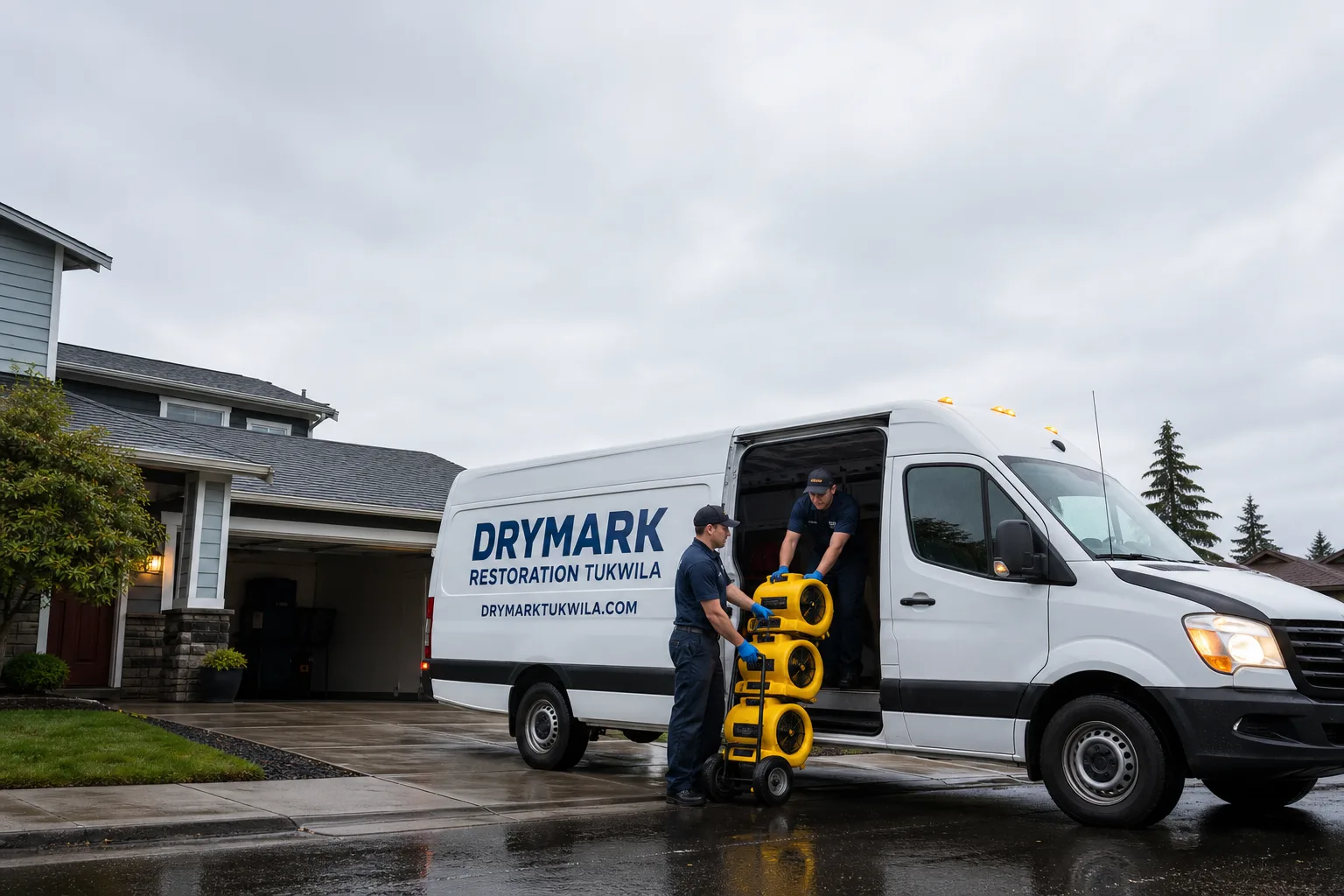
Free visual inspection and a written scope of work before any mitigation begins - photos, moisture readings, and drying logs go in your claim file
The scope we write is the scope we bill. Anything new gets shown to you, in writing, before we touch it.
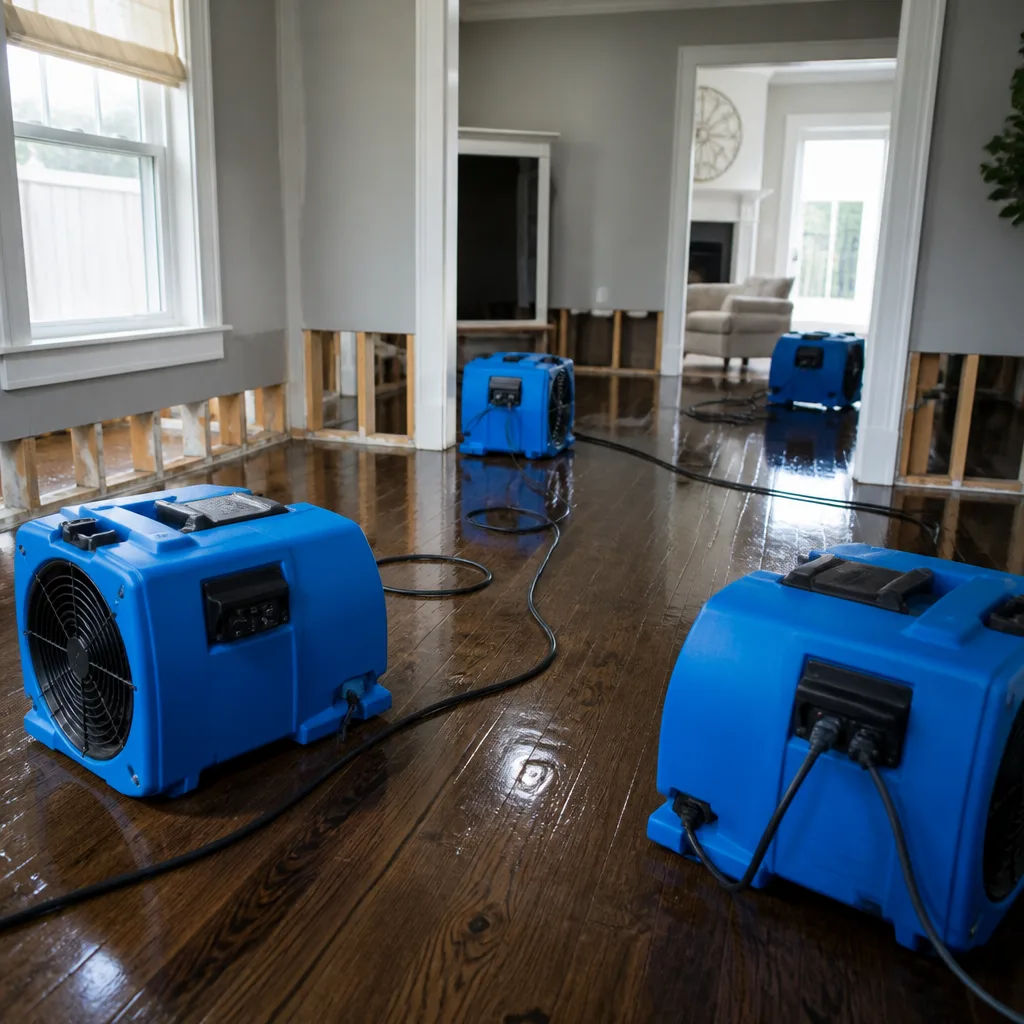
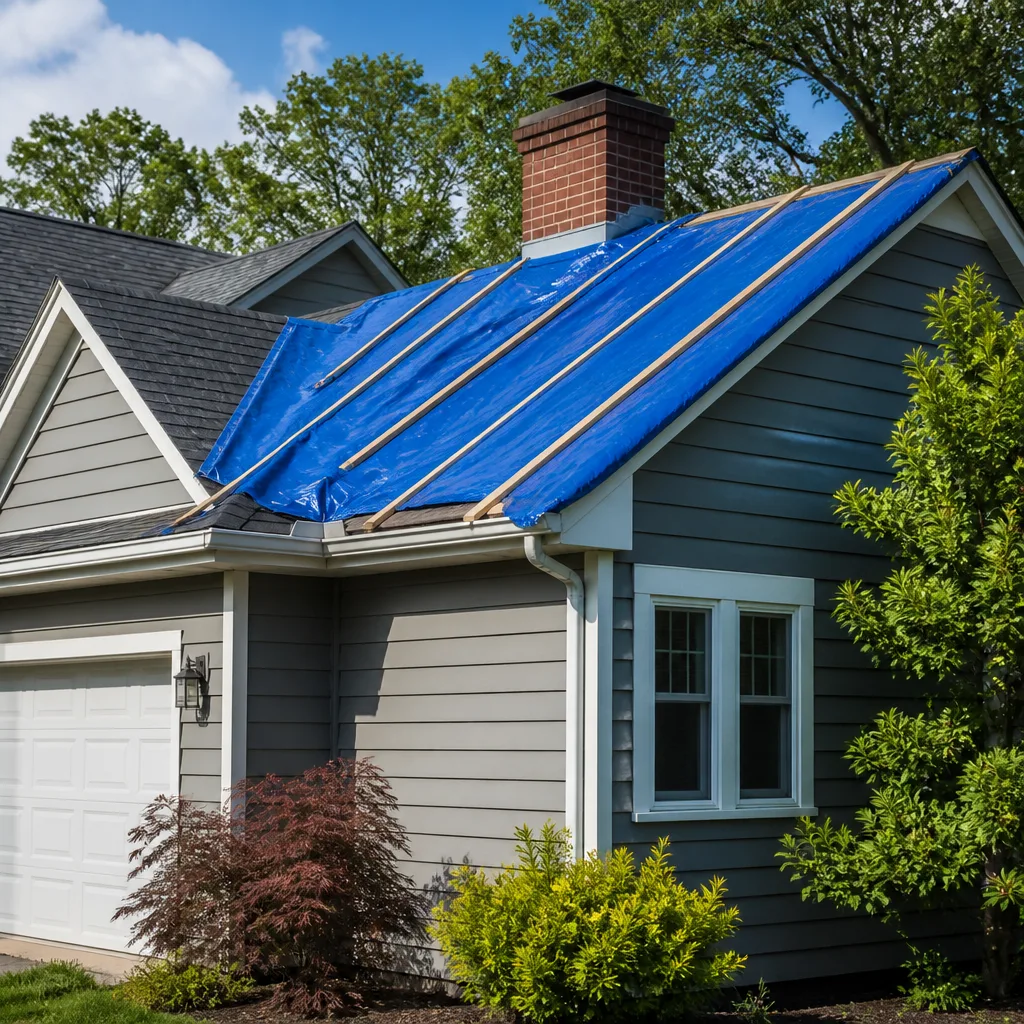
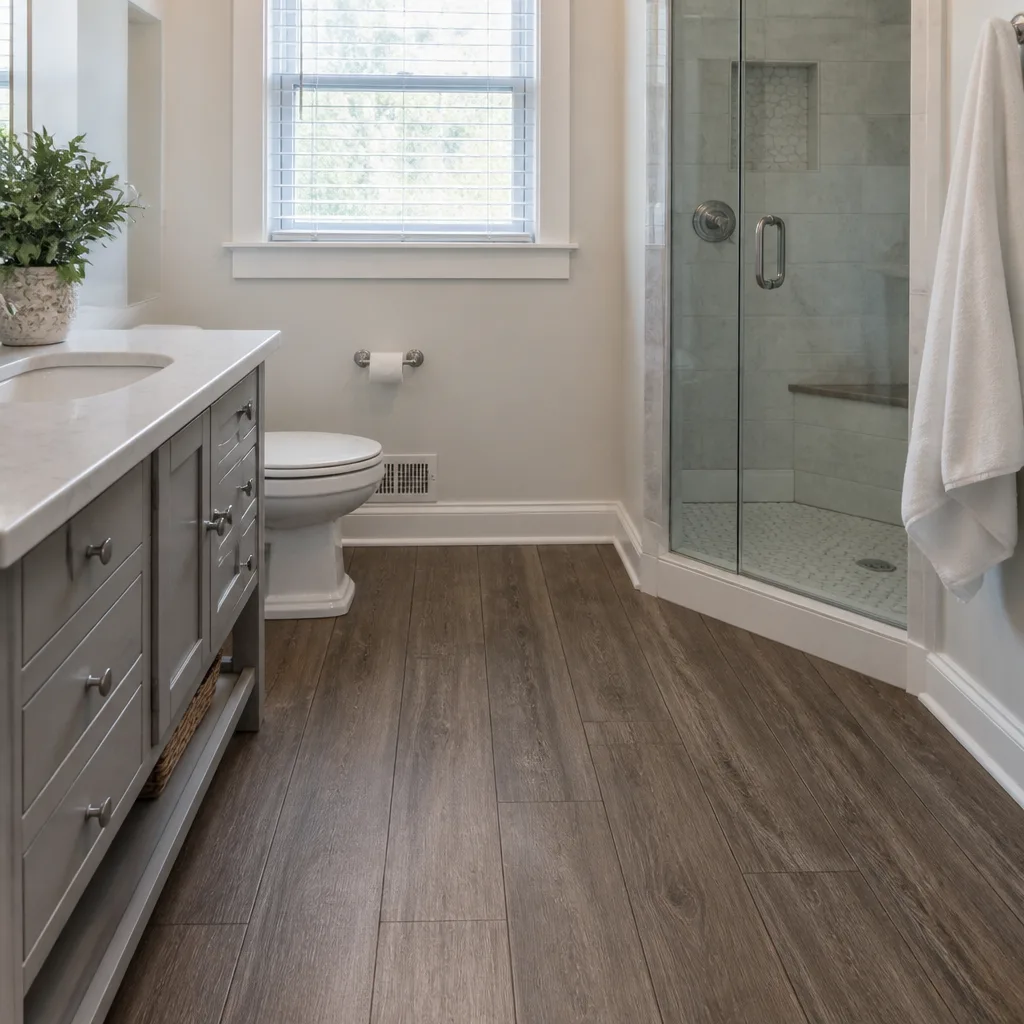
 Before
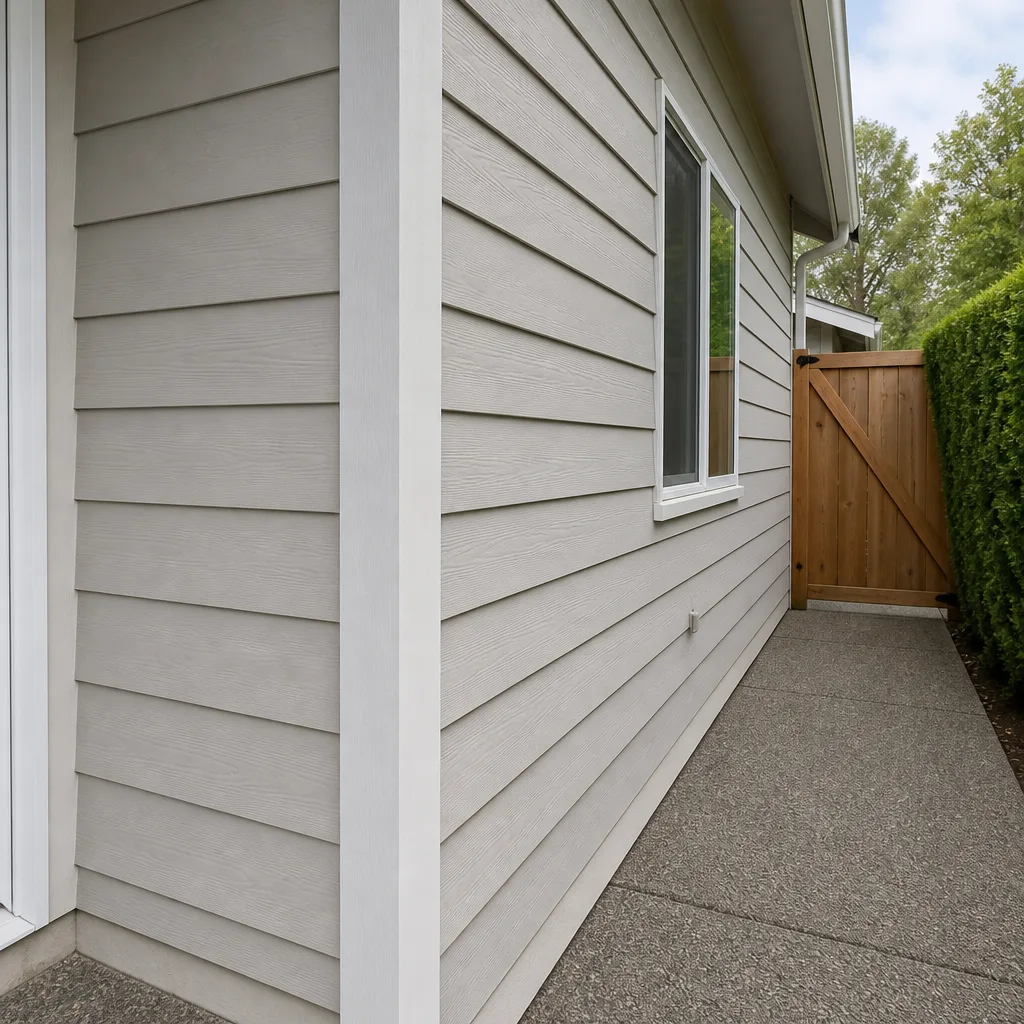 After
After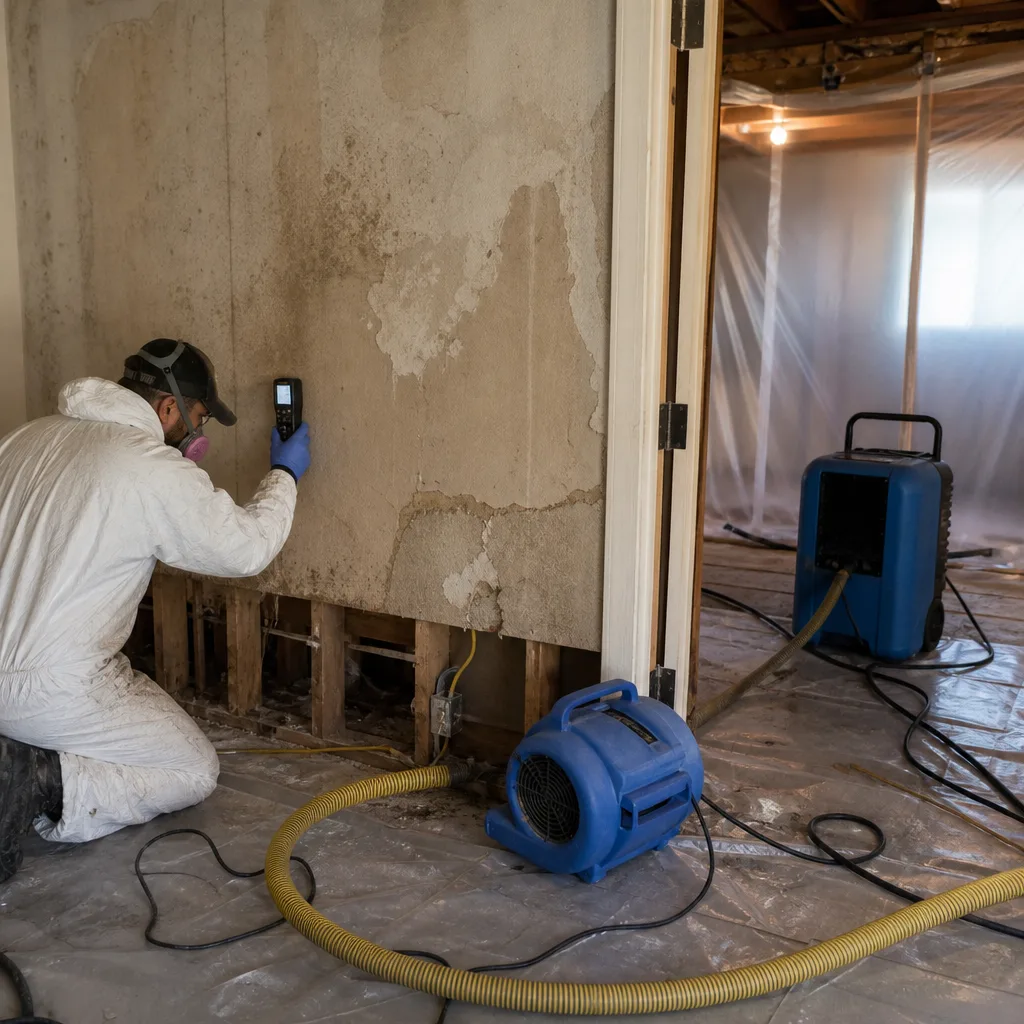 Before
 After
After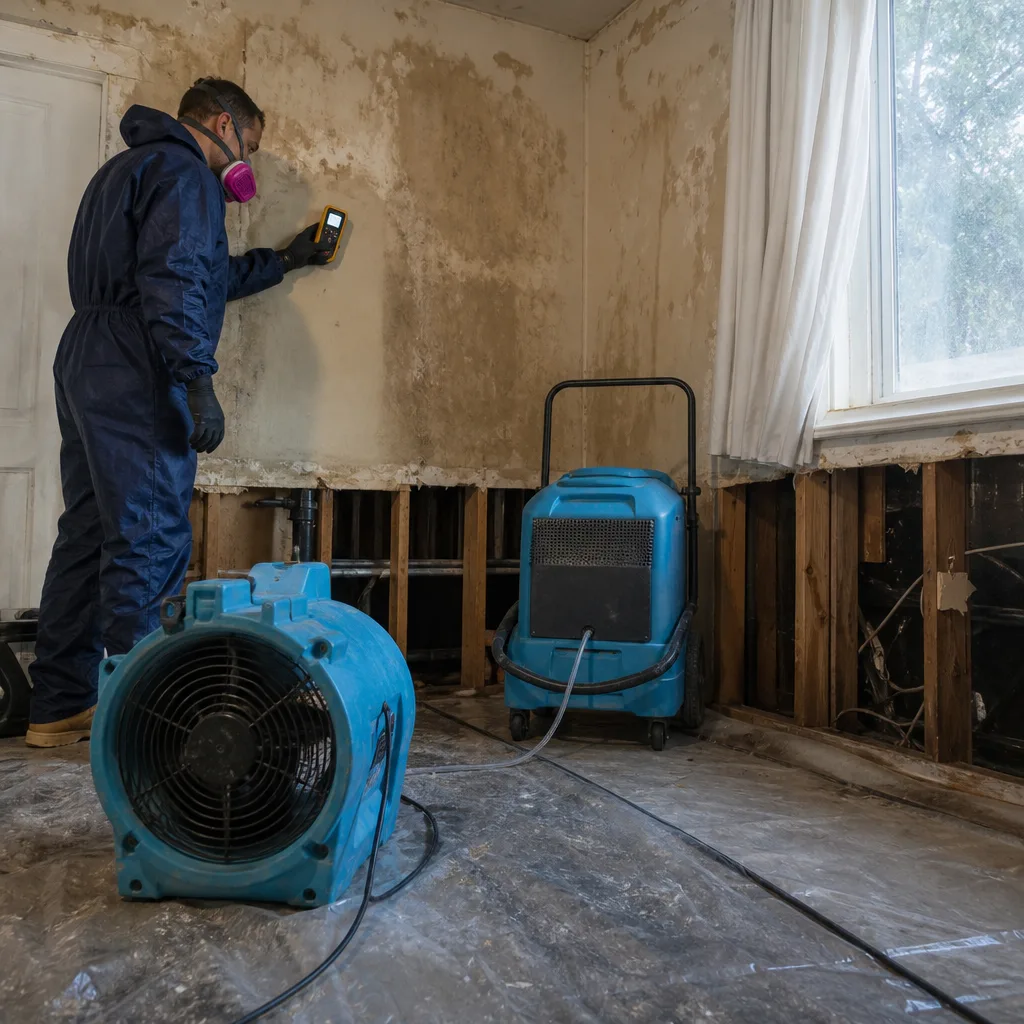 Before
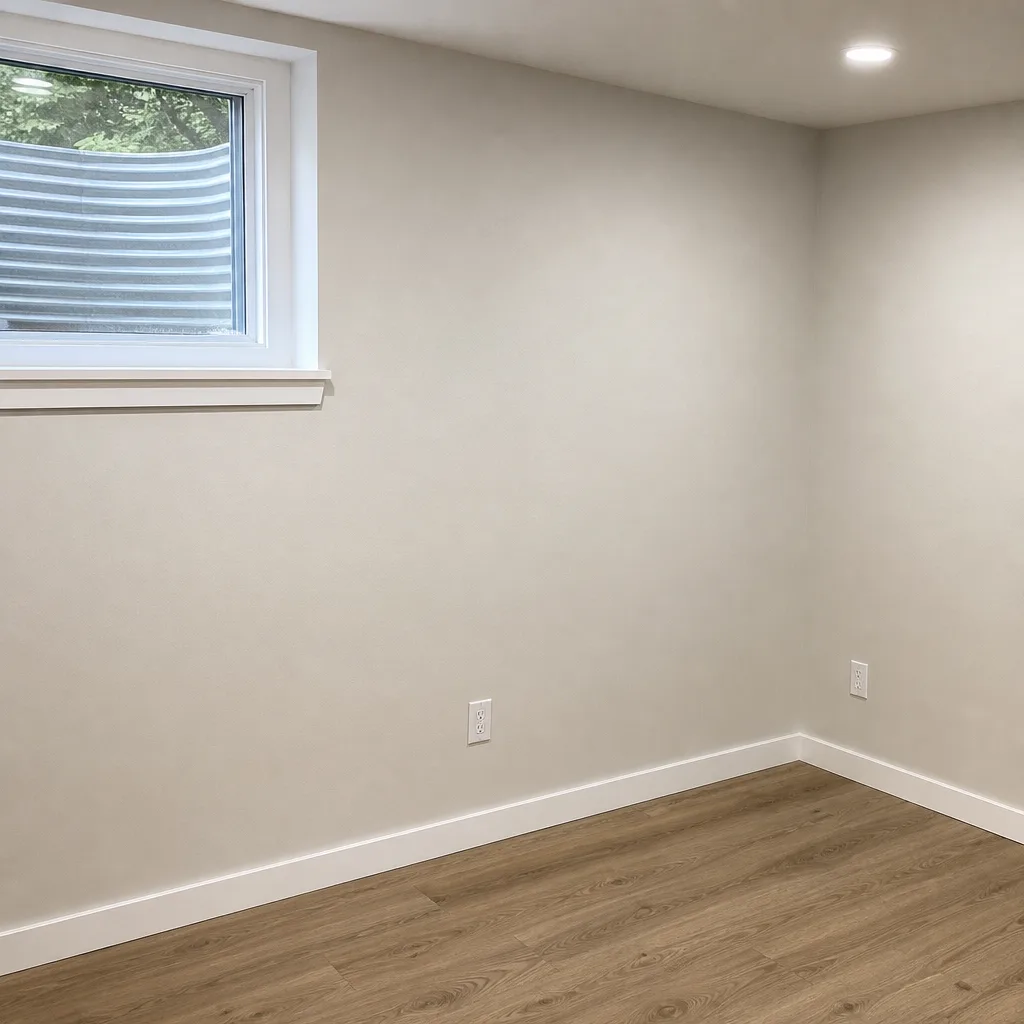 After
AfterFast, Reliable Water Damage Restoration Across Issaquah
Water damage restoration in Issaquah typically costs $2,800-$7,500 for residential drying and extraction, with emergency response available within 60-90 minutes to most neighborhoods. Our crews coordinate dispatch from our Seattle office and serve Issaquah directly, carrying the documentation-first approach that turns restoration invoices into paid claims. Call (253) 642-8884 and a live person answers, 24 hours a day, 7 days a week - no voicemail while water is still moving through your structure.
Issaquah’s position at the base of the Issaquah Alps - Cougar Mountain, Squak Mountain, and Tiger Mountain - wrings out 50+ inches of annual precipitation through orographic lift, and the sheltered valley geometry kills drying wind. Water damage here runs on a longer, wetter clock than in Bellevue or Redmond, where the same storm drops less rain and structures dry faster. That geography changes everything about how we approach your job.
Why DryMark Restoration Tukwila Is Issaquah’s Preferred Water Damage Restoration Company
We’ve restored homes across Issaquah since 2011, from the older valley-floor neighborhoods near Issaquah Creek to the master-planned communities of Issaquah Highlands and Talus built into hillside terrain. Our Water Damage Restoration team documents every job to IICRC, RIA, and IFA standards - the daily moisture logs, photo records, and written scopes that adjusters need to approve claims without dispute.
Issaquah homeowners review us specifically for our documentation discipline: the written price before work starts, the room-by-room moisture readings, the photo record on every visit. We don’t ask you to trust our process; we show you the paperwork. Alicia Brennan built this company around the documentation gap that costs homeowners their claims, and that origin shapes every crew we send to Issaquah.
Response time to Issaquah runs 60-90 minutes for emergency calls, with live dispatch coordinating crews from our Seattle office. We know the difference between valley-floor flooding from Issaquah Creek and hillside groundwater intrusion through stem walls - and we know that adjusters unfamiliar with slope-drainage dynamics often misattribute the latter to plumbing failures. That local knowledge saves days on your claim.
Our Water Damage Restoration Services in Issaquah
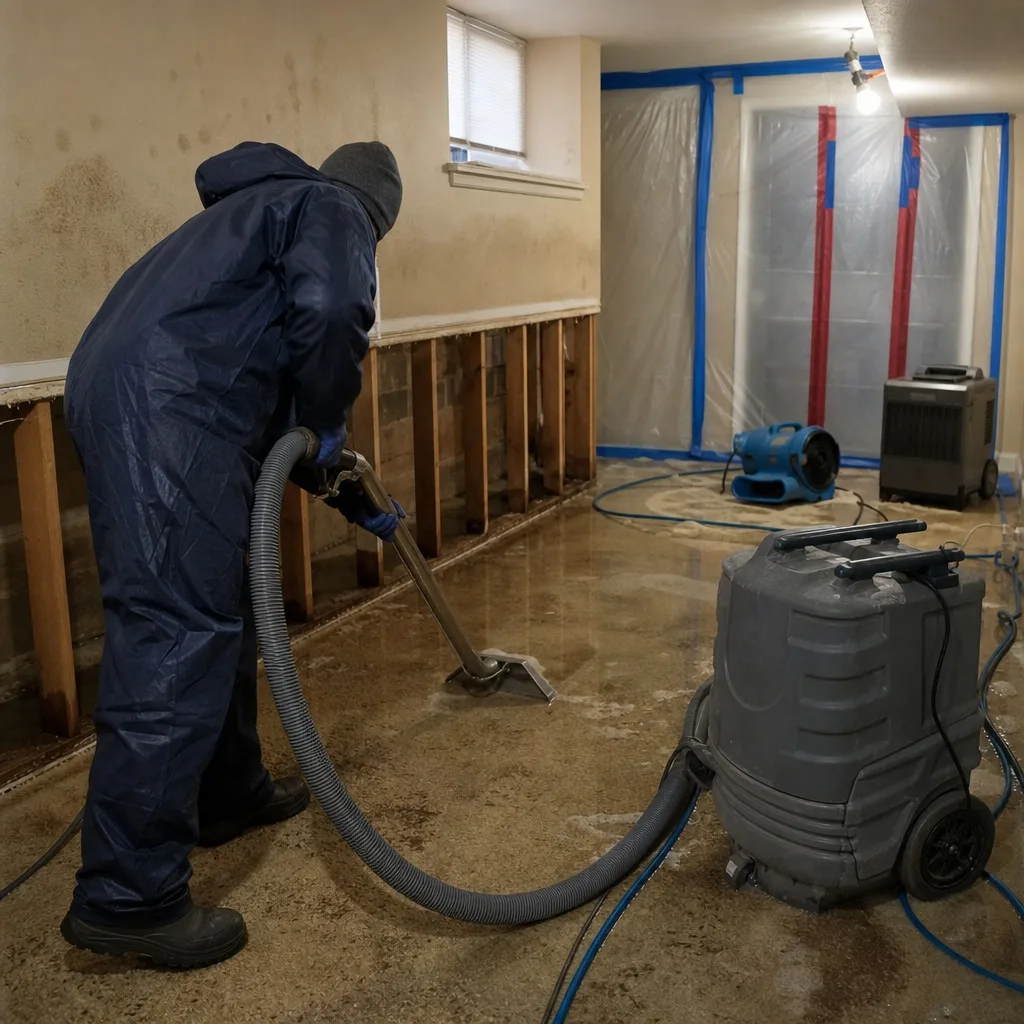
Emergency Water Extraction
We deploy truck-mounted extraction systems and portable units from Phoenix and B-Air to remove standing water fast - critical in Issaquah, where the damp valley air already works against you. Every extraction is photo-documented before and after, with moisture readings logged to the drying record that accompanies your claim. Haven Standard, Clause 1: the written price is delivered before any extraction begins.
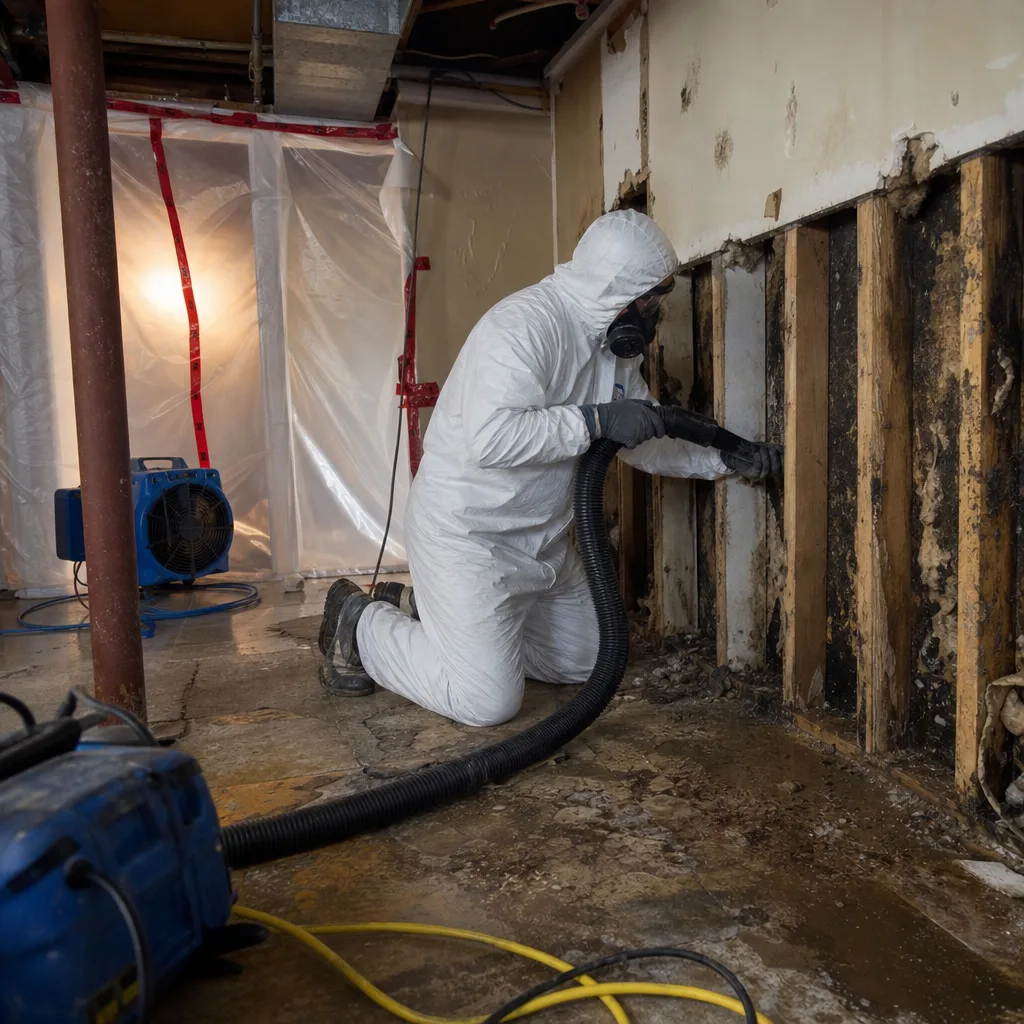
Structural Drying & Dehumidification
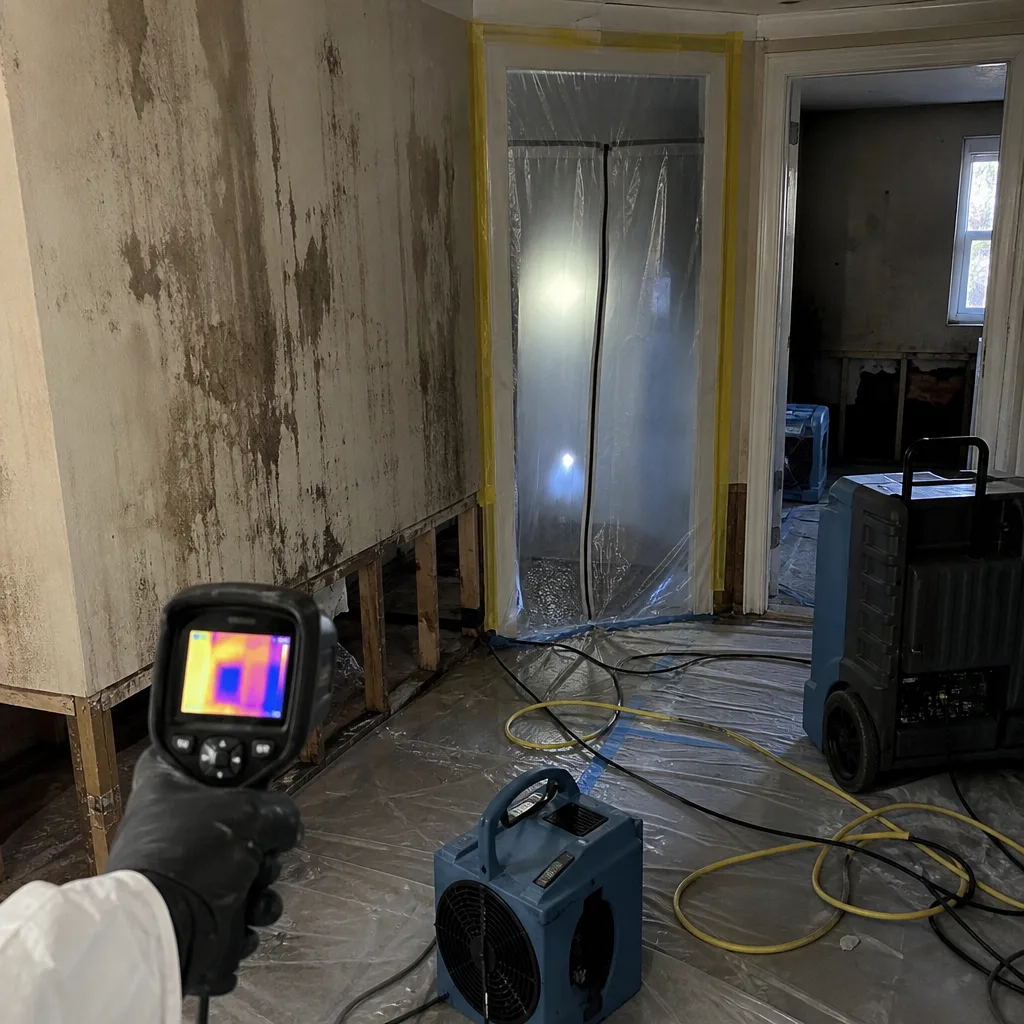
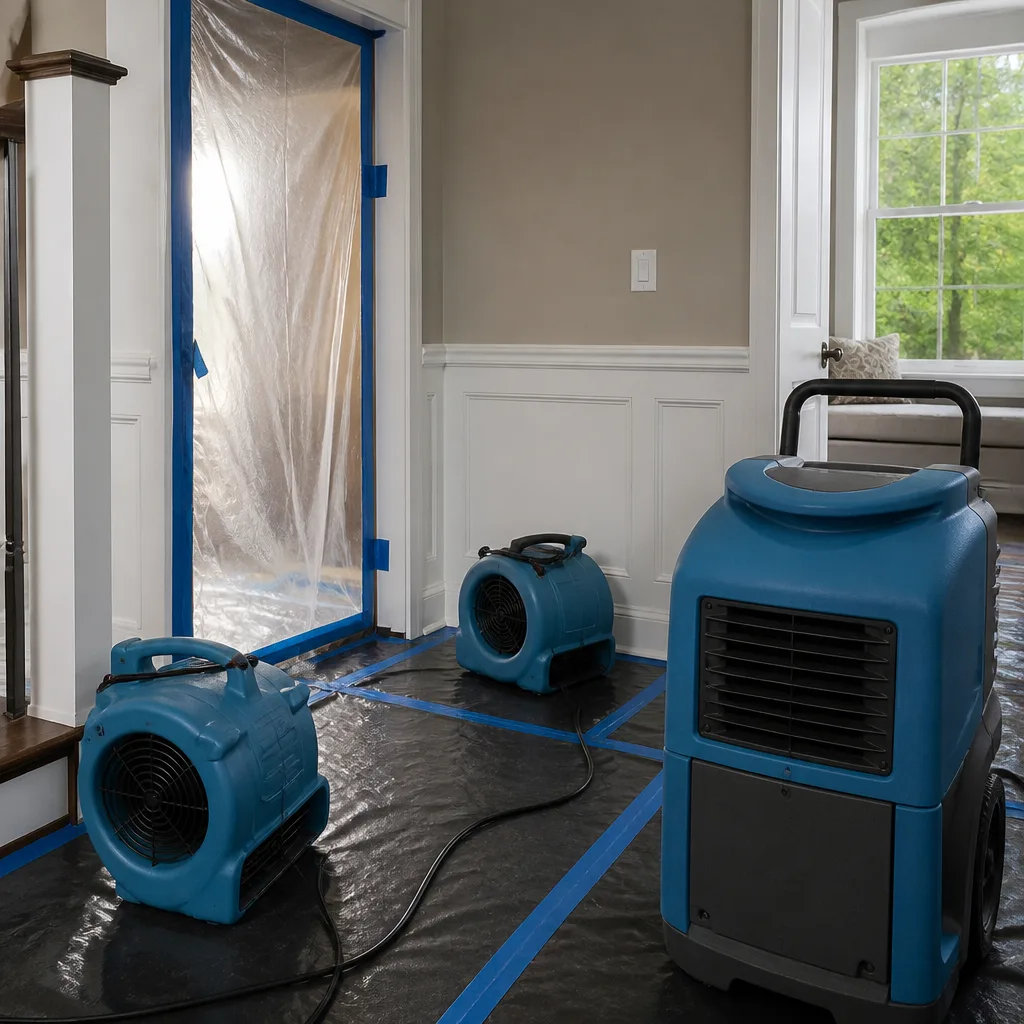
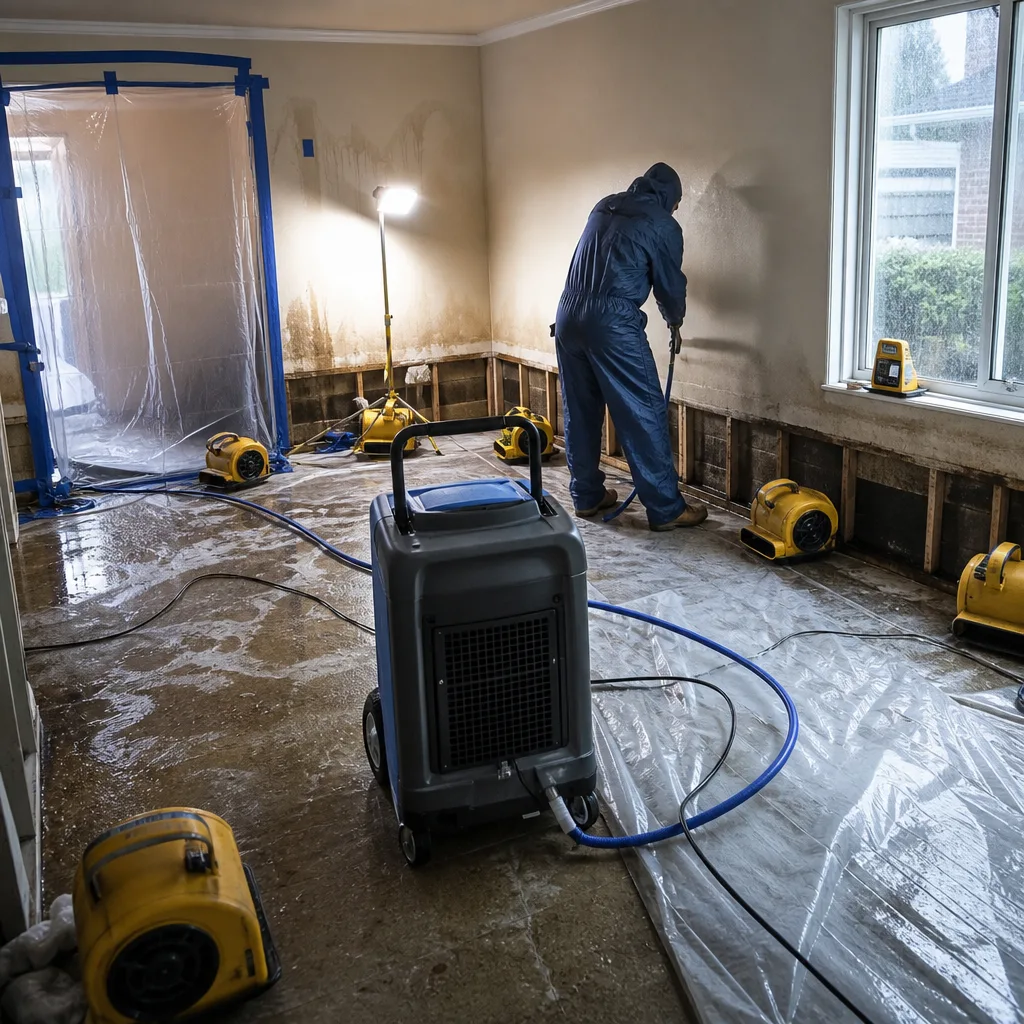
This is where Issaquah’s geography demands more than standard protocols. The sheltered valley limits natural drying wind, so structures stay wet longer than in cities 10-15 miles west. We size dehumidification capacity to actual psychrometric conditions - vapor pressure differential, grain depression, and specific humidity - not to square-footage rules developed for drier climates. Our crews run Dri-Eaz and Phoenix LGR dehumidifiers with Injectidry cavity-drying systems to force dry air into wall cavities and subfloors where Issaquah’s humidity lingers. Daily moisture logs track every reading until we hit pre-loss equilibrium.
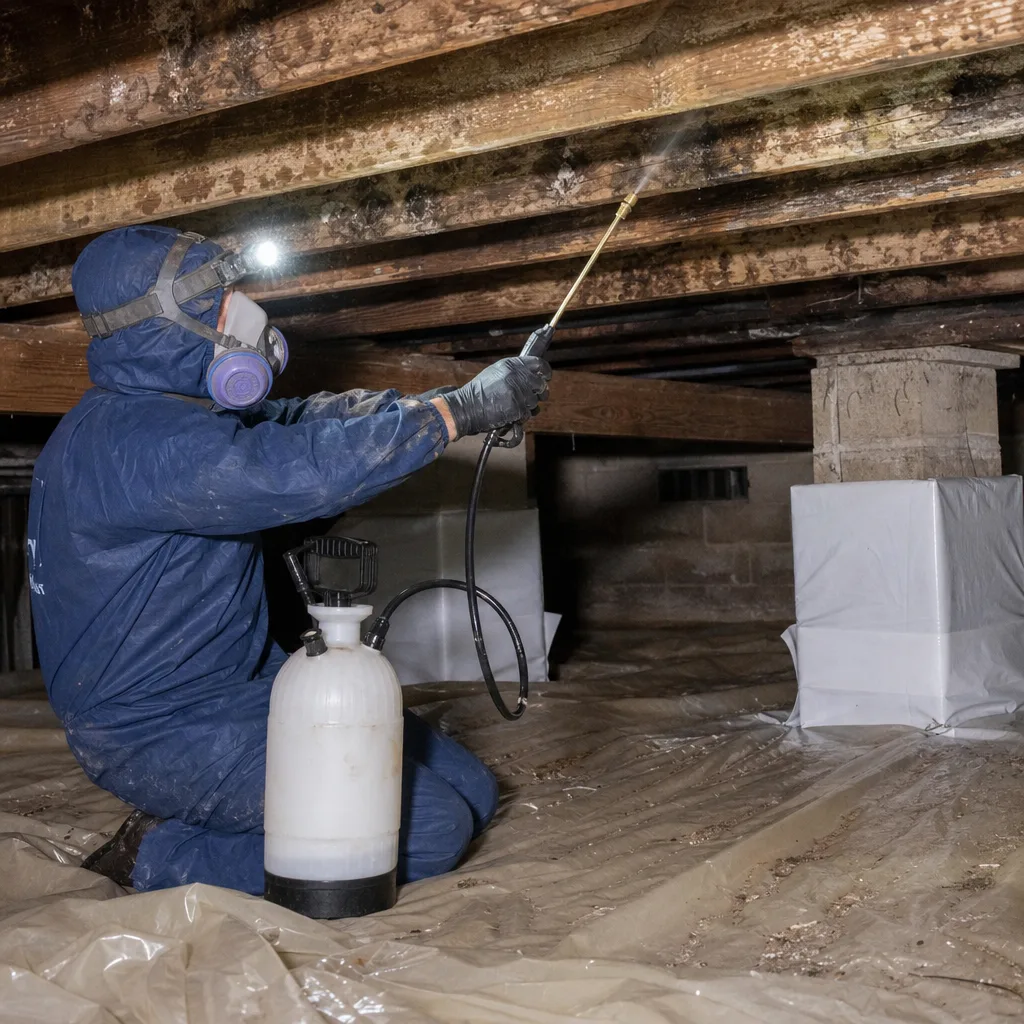
Basement Water Removal
Basements in Issaquah Highlands and Talus face a specific threat: hillside groundwater pushed through poured-concrete stem walls by saturated clay soils. We got a call from a homeowner in the Issaquah Highlands whose master-planned home had water wicking up through the OSB sheathing at an exterior wall - not a burst pipe, but hillside groundwater pushing through the poured-concrete stem wall. Our tech ran moisture mapping across the finished basement, set containment, and pulled the swelling engineered lumber before it delaminated further; the southwest corner of the house was wet to 48 inches up the studs. After structural drying with air movers and dehumidification, moisture readings came back to pre-loss condition and we logged every reading for the adjuster.
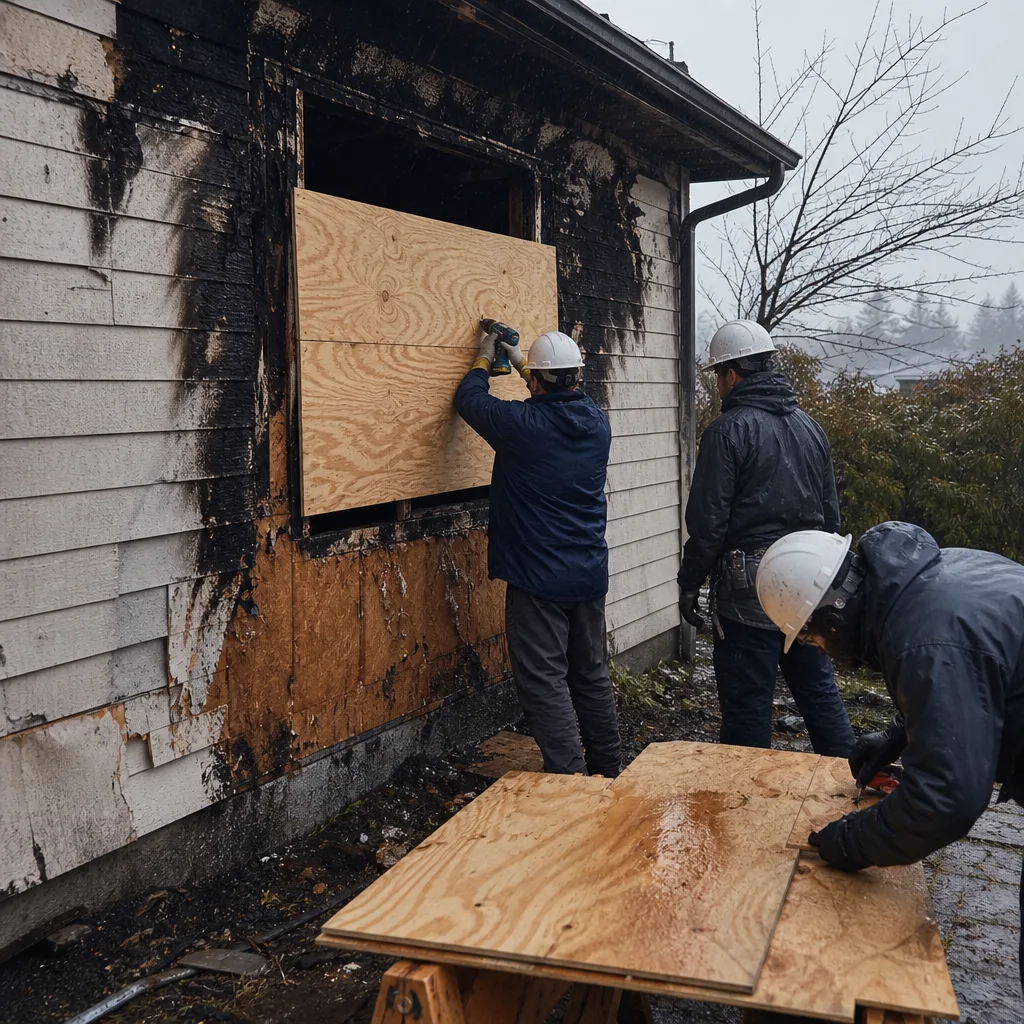
Burst Pipe Restoration
Older homes near downtown Issaquah and along Issaquah Creek carry galvanized or early copper plumbing that fails catastrophically in cold snaps. Newer homes face a different pattern: PEX manifold systems in hillside construction with inadequate insulation at exterior wall penetrations. We extract, dry, and document the full extent - including secondary damage to OSB sheathing and engineered lumber that swells faster than older plywood framing. Every burst pipe job includes a written scope with line-item pricing before work begins.
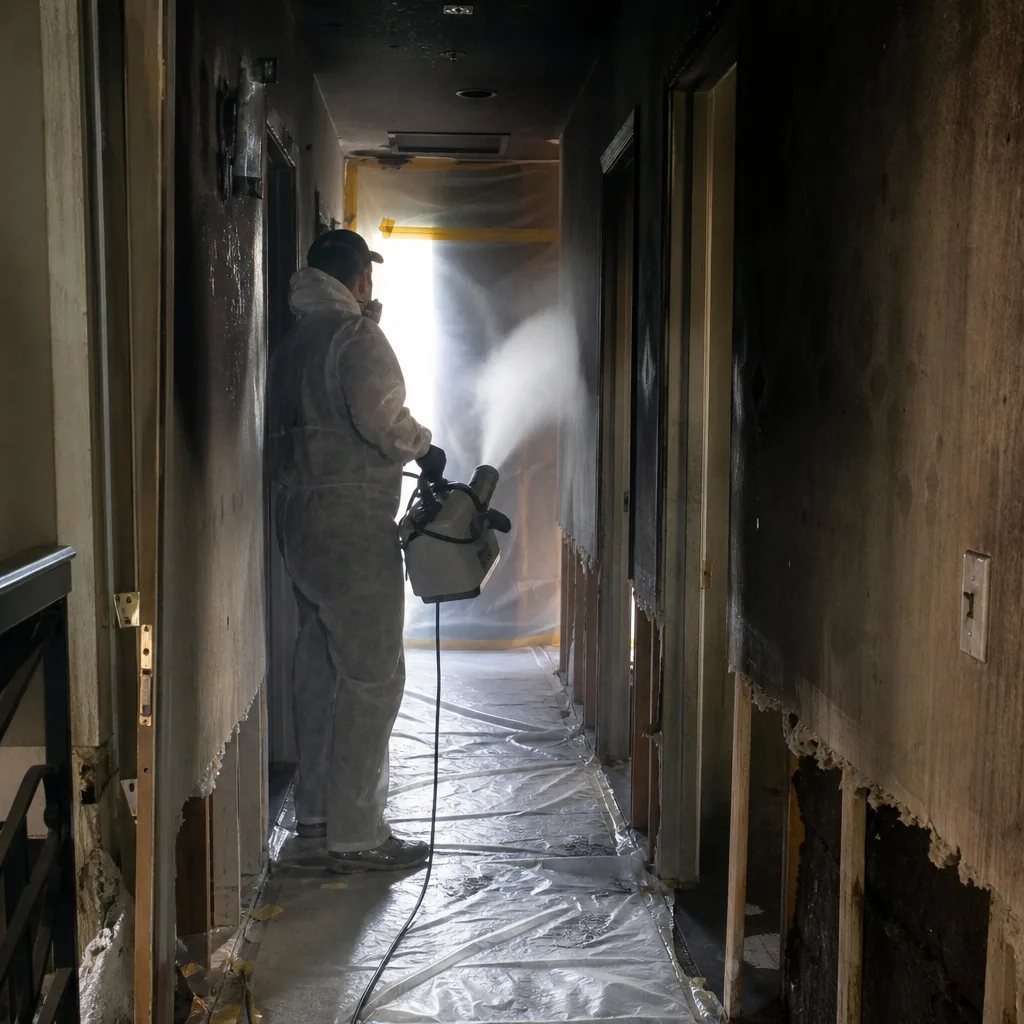
Flood Cleanup
Issaquah Creek flooding periodically inundates valley-floor properties near the historic downtown core. Category 3 water - sewage-impacted or ground-sourced - demands full contamination protocol: removal of porous materials, antimicrobial treatment, and air-scrubbing with HEPA filtration. We document contamination classification with photo evidence and moisture readings, then coordinate directly with your adjuster on scope and coverage.
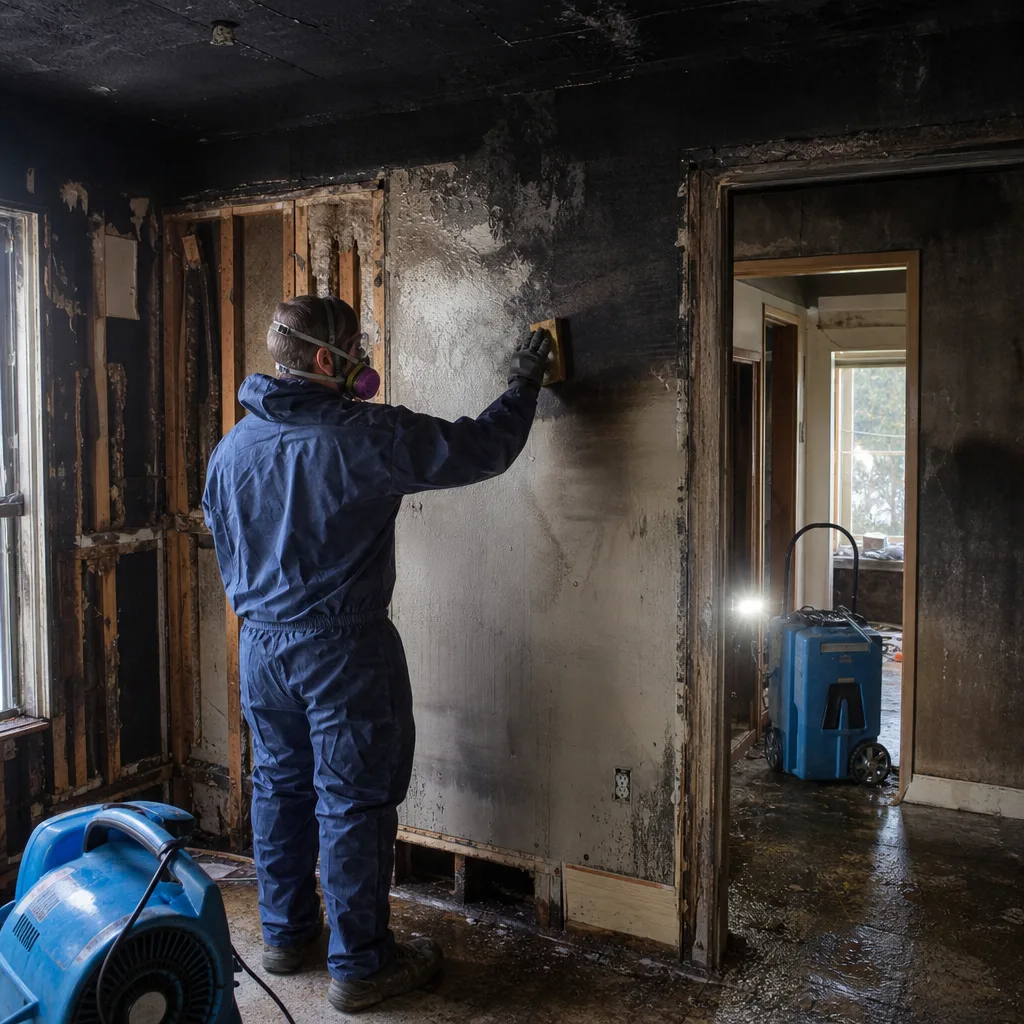
Ceiling & Roof Leak Water Damage
Steep-pitched roofs on hillside homes shed water fast but concentrate it at valleys and penetrations. We trace water migration paths with thermal imaging, map affected drywall and insulation, and dry ceiling cavities with Injectidry or direct air mover deployment. The written scope specifies exactly what comes out, what stays, and what we guarantee dry.
What happens when you call
- 1
A real person answersNo phone trees - you reach a local pro.
- 2
You get an upfront price rangeHonest numbers before anyone is dispatched.
- 3
A background-checked tech heads outLicensed & insured, dispatched right away.
- 4
You approve before work beginsNothing starts until you say go.
 Before
 After
AfterTrusted Brands We Service in Issaquah
Our equipment fleet runs professional-grade drying systems from Dri-Eaz, Phoenix, and B-Air - LGR dehumidifiers rated for the sustained humidity loads Issaquah’s valley produces, and air movers with variable speed control for precise airflow management. We stock Injectidry cavity-drying panels and hoses for wall and ceiling injection, and every machine’s output is logged to your drying record. No borrowed equipment, no guesswork on capacity. What we deploy is what we own, maintain, and document.
Common Water Damage Restoration Problems We See in Issaquah Homes
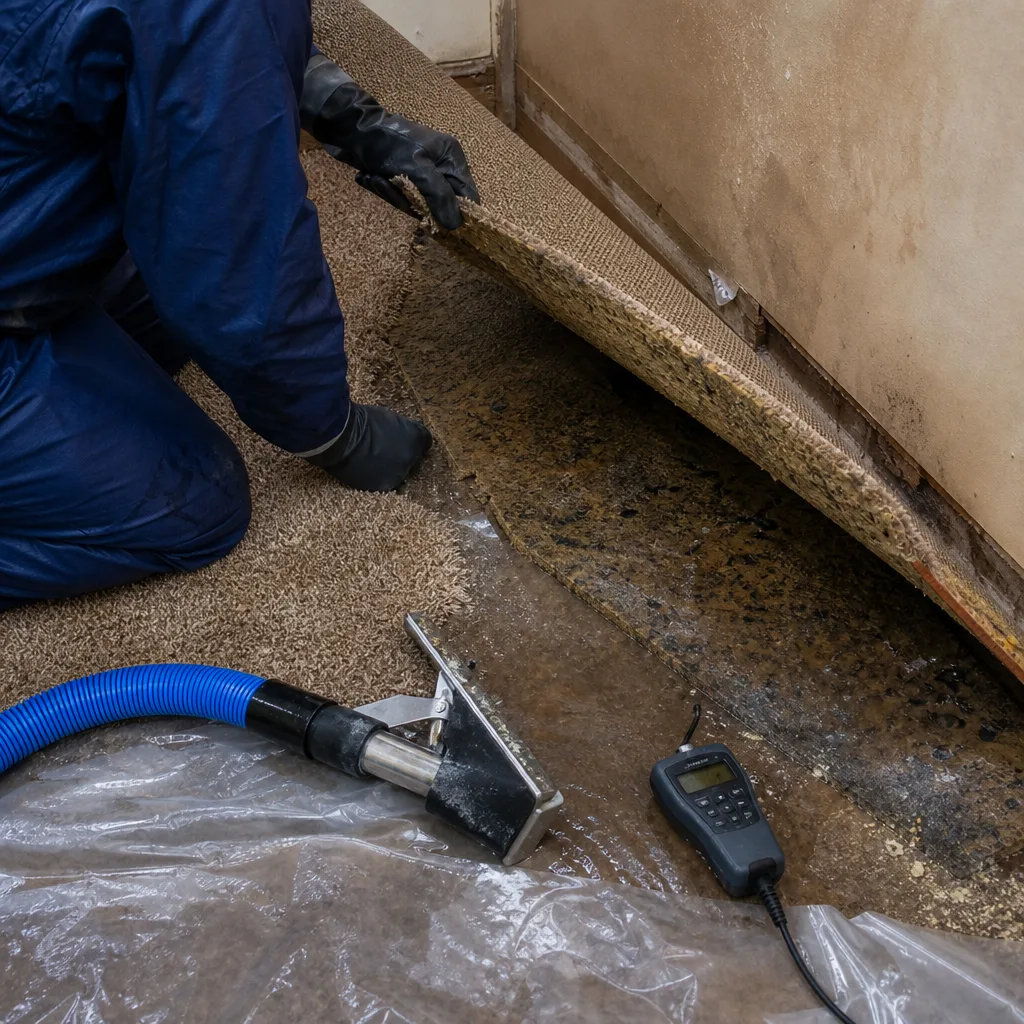
- Hydrostatic stem-wall intrusion in hillside crawl spaces. Crews working the lower flanks of Tiger or Cougar Mountain regularly find crawl spaces flooded not from any plumbing failure but from groundwater pushed through poured-concrete stem walls by saturated clay hillside soils. Homeowners and adjusters unfamiliar with slope-drainage dynamics often initially misattribute this to a burst pipe or roof leak - and the wrong diagnosis wastes days on the wrong repair.
- OSB sheathing and engineered lumber failure in newer construction. Builders in Issaquah Highlands and Talus used OSB sheathing and engineered lumber that swells and delaminates far faster than the plywood or masonry in older valley-floor homes. The response-time window is shorter than a standard 24-hour rule assumes; by hour 12, swelling can compromise structural integrity and by hour 24, mold colonization is likely.
- Extended drying timelines from valley-sheltered humidity. Issaquah’s sheltered valley geometry limits drying wind, so structures stay wet longer than in cities 10-15 miles west. Under-sized air mover and dehumidification setups leave trapped moisture that mold colonizes within 24 to 48 hours. Proper drying here requires more equipment run-time and more aggressive psychrometric targeting.
- Issaquah Creek flood contamination on the valley floor. Periodic creek flooding near the historic downtown core delivers Category 3 water with sediment, bacteria, and chemical loading from upstream development. Standard extraction isn’t enough; full contamination protocol with documented antimicrobial treatment and air quality verification is required for insurance compliance and occupant safety.
Pricing for Water Damage Restoration in Issaquah, WA
| Service | Typical Range in Issaquah |
|---|---|
| Emergency water extraction (up to 1,000 sq ft) | $1,200 - $2,400 |
| Structural drying & dehumidification (3-5 day protocol) | $2,800 - $5,200 |
| Basement water removal with cavity drying | $3,500 - $6,800 |
| Burst pipe restoration with material removal | $4,200 - $8,500 |
| Category 3 flood cleanup (contamination protocol) | $5,500 - $12,000 |
| Ceiling/roof leak drying and repair scope | $2,400 - $5,800 |
What moves your job within these ranges: square footage affected, water category (clean, gray, or black), material type (OSB and engineered lumber require faster, more aggressive response than plywood or masonry), and whether hillside hydrostatic pressure is the source - which demands drainage assessment beyond standard drying. Haven Standard, Clause 1: your written price is delivered before any work begins, with no scope-creep additions once the crew is inside. Estimates are free. Call (253) 642-8884.
We Also Serve Cities Near Issaquah
Our crews respond throughout the Eastside and South King County, including Issaquah, Renton, Kent, Bellevue, and Redmond. Each city’s geography changes the job - Bellevue’s lake-effect humidity, Redmond’s newer construction patterns, Kent’s older valley-floor housing stock - and we adjust our drying protocols accordingly. Dispatch and scheduling are coordinated from our Seattle office; crews serve each city locally with the same documentation-first standard.
Serving Issaquah, WA - Our Local Coverage Area
We’re based in the Issaquah area and know this community well. Use the map below to see our service coverage - if you’re nearby, we can almost certainly help.
FAQs - Water Damage Restoration in Issaquah
Issaquah’s sheltered valley geometry blocks the drying winds that reach Bellevue and Redmond, and orographic lift from the Cascade foothills drops significantly more precipitation here. Structures stay wet longer, so our drying protocols run more aggressive dehumidification for extended periods. We document the extended timeline in your drying log so your adjuster understands why the equipment stayed on-site. Call (253) 642-8884 for a written estimate - free, with no obligation.
Master-planned communities like Issaquah Highlands and Talus used OSB sheathing and engineered lumber that absorbs moisture and delaminates faster than the plywood or solid lumber in older homes. The material is structurally adequate when dry but fails rapidly when wet, shortening your response window to 12-24 hours before permanent damage. We identify engineered lumber in our initial assessment and adjust extraction and drying aggression accordingly. Haven Standard, Clause 1 applies: written price before any removal begins.
You’re likely seeing hydrostatic intrusion: saturated clay hillside soils pushing groundwater through poured-concrete stem walls, common on the lower flanks of Tiger and Cougar Mountain. No pipe is broken; the water source is external, driven by slope drainage dynamics. We verify with moisture mapping and thermal imaging, then document the hydrostatic source for your adjuster - critical for coverage determination, since many policies treat groundwater intrusion differently from plumbing failures. Call (253) 642-8884 and we’ll diagnose it on-site.
In Issaquah’s sustained humidity with limited drying wind, mold colonization can begin within 24 to 48 hours of water intrusion - faster than in drier, windier markets. Our structural drying protocols target specific humidity levels aggressively, not just surface dryness, because trapped moisture in wall cavities colonizes even when visible areas feel dry. Daily moisture logs prove we hit pre-loss conditions before equipment comes off.
Category 1 is clean water from a supply line; Category 2 is gray water with chemical or biological loading (dishwasher, washing machine); Category 3 is black water with sewage or ground-source contamination. Issaquah Creek flooding and hillside groundwater intrusion are typically Category 3, requiring full contamination protocol including removal of porous materials and documented antimicrobial treatment. We classify, photograph, and log the category on arrival - your adjuster needs this documentation for coverage approval. Call (253) 642-8884 for immediate assessment.
Written by Alicia Brennan, Owner at Back to Dry Restoration, serving Issaquah since 2011.